

Michelin Plate · White Guide Baltic Restaurants - Very Fine Level
Our verdict
Paju Villa holds consecutive Michelin Plate recognition for 2024 and 2025, placing it among the mid-market modern cuisine addresses that have quietly reshaped Tallinn's dining scene beyond the Old Town circuit. Sitting on Vabaduse puiestee, the restaurant draws a local crowd that follows the food rather than the address.

Pearl is the En Primeur Club membership app, where members save venues, book tables and use the concierge.
Where Tallinn's Modern Cuisine Scene Is Headed
Tallinn's restaurant culture has been reconfiguring itself for years, and the clearest evidence isn't in the Old Town's tourist-facing institutions but along the residential arteries that push southwest from the centre. Vabaduse puiestee is one such corridor: broad, understated, and increasingly home to the kind of mid-market, ingredient-led addresses that a certain cohort of Tallinn residents tracks closely. Paju Villa sits at number 88 on that stretch, and its two consecutive Michelin Plate recognitions, 2024 and 2025, confirm that the inspectors have noticed what locals already knew.
The Michelin Plate is not a star, and it's worth being precise about what it signals. In the Guide's own framework, a Plate marks a restaurant that uses quality ingredients and prepares them with care, it places a venue in a tier that the Guide considers worth the visit without the formal tasting-menu apparatus of starred cooking. For Tallinn, where the starred tier is occupied by a small number of highly choreographed rooms, the Plate category represents a different and arguably more sustainable kind of ambition: kitchens cooking with discipline at prices that allow regulars to return monthly rather than annually.
At a €€ price point, Paju Villa sits in the same spending band as HOOV and a tier below the city's destination tasting-menu rooms. That positioning matters editorially because it tells you something about who the kitchen is cooking for.
The Ethical Sourcing Current Running Through Estonian Cooking
To understand where Paju Villa fits, it helps to understand the broader current that has moved through Estonian modern cuisine over the past decade. The country's short growing season and historically close relationship between kitchen and countryside have pushed chefs toward a sourcing discipline that in other markets might be branded as sustainability strategy but here operates more like common sense. When the ingredient window is narrow, Baltic fish running for weeks, wild mushrooms available in autumn, root vegetables carrying kitchens through the winter, waste reduction and seasonal fidelity stop being ethical positions and become the basic logic of how a kitchen functions.
This pattern shows up across the Estonian scene, from Hiis in Manniva, which works almost entirely within a foraged and farmed local radius, to Alexander in Pädaste, where the island geography enforces a similar discipline. In Tallinn itself, the same ethos appears at different price points: the destination-tier rooms like Fotografiska articulate it explicitly in their programming, while mid-market addresses tend to embed it quietly in the menu structure rather than foreground it as identity. Paju Villa belongs to the latter category.
Modern cuisine at the €€ level in Estonia increasingly means a kitchen that has internalized the rhythms of local supply chains rather than performing sustainability as a marketing gesture. The practical consequence for the diner is a menu that shifts with the season rather than offering a stable year-round repertoire, which rewards repeat visits in a way that fixed menus cannot. What's on the plate in March carries different ingredients than what arrives in September, and the kitchen's relationship with those materials tends to be more direct than in kitchens sourcing from pan-European distributors.
Placing Paju Villa in Tallinn's Competitive Set
The modern cuisine category in Tallinn spans a wide range, from the technically demanding formats at Art Priori to the more casual register of neighbourhood dining. Paju Villa's dual Michelin Plate recognition positions it as a kitchen taken seriously by the Guide's infrastructure without making the leap to the starred tier occupied by the city's most celebrated rooms. That's a useful competitive position: it signals culinary credibility to a diner who uses Michelin as a filter while maintaining the pricing and informality that keep a regular crowd coming back.
Internationally, the modern cuisine genre at this level draws comparison to what mid-market Nordic and Baltic kitchens have been building since the early 2010s, the idea that rigorous cooking need not require a €200 tasting menu to be meaningful. The trajectory that began with flagship addresses like Frantzén in Stockholm filtered downward through the region, creating a generation of kitchens that apply similar sourcing seriousness at more accessible price points. Estonian modern cuisine participates in that lineage, and Tallinn's Plate-level restaurants are its most visible local expression.
Within the city, the relevant peer group also includes Barbarea and Horisont, both operating in the modern cuisine space with varying degrees of formal recognition. The distinction between these addresses tends to come down less to absolute quality and more to format, neighbourhood position, and the specific culinary tradition each kitchen draws on. Paju Villa's location on Vabaduse puiestee places it away from the concentrated dining cluster of the city centre, which shapes both its clientele and its register.
Planning a Visit
Vabaduse puiestee 88 is accessible from central Tallinn by tram or a short taxi ride, putting it outside the immediate Old Town circuit without being a logistical obstacle. For visitors building a wider picture of Estonian cooking, the address pairs naturally with the city's other modern cuisine entries, and the broader Tallinn restaurants guide maps the full current range. Those extending their travel beyond the capital will find that the sourcing sensibility Paju Villa represents runs through regional kitchens including Hõlm in Tartu, Kolm Sõsarat in Lüllemäe, and Lahepere Villa in Kloogaranna, as well as Fellin in Viljandi and FZN by Björn Frantzén as an international reference point for the modern cuisine tier. For accommodation and further city orientation, the Tallinn hotels guide, bars guide, wineries guide, and experiences guide cover the broader picture.
Frequently asked questions
Where exactly is Paju Villa?
Paju Villa is located at Vabaduse pst 88, 11617 Tallinn, Estonia, Tallinn.
What's the best way to book Paju Villa?
No direct booking link or phone number is currently listed for Paju Villa, so arriving through a local reservation platform or contacting the restaurant via its address at Vabaduse pst 88, Tallinn is the practical route. Two consecutive Michelin Plate years (2024 and 2025) at a €€ price point will attract both local regulars and visiting diners, so booking ahead rather than walking in is advisable, particularly on weekends.
Peers Worth Knowing
A quick peer check to anchor this venue’s price and recognition.
| Venue | Cuisine | Price | Awards | Notes |
|---|---|---|---|---|
| Paju VillaThis venue (the venue you are viewing) | Modern Estonian | $30–50 | Michelin Plate · White Guide Baltic Restaurants - Very Fine Level | Not listed |
| NOA | Modern International | $50–100 | Michelin Bib Gourmand · White Guide Baltic Restaurants - Very Fine Level | Modern European, Modern Cuisine |
| 180° by Matthias Diether | Modern Creative Fine Dining | $300–500 | 2 Michelin Stars · La Liste Top Restaurants | Estonian Fusion |
| NOA Chef’s Hall | Modern European Fine Dining | $150–200 | 1 Michelin Star · La Liste Top Restaurants | Creative |
| Fotografiska | Progressive Sustainable Food & Drink | Not listed | Michelin Bib Gourmand · Star Wine List | Modern Cuisine |
| Härg | Modern Chargrilled Steakhouse | $50–100 | Michelin Plate · White Guide Baltic Restaurants - Very Fine Level | Meats and Grills |
Recognition history
Dated appearances from independent guides and award organizations, with the underlying list record or original source where available.
Michelin Plate
Michelin
White Guide Baltic Restaurants - Very Fine Level
White Guide
Full recognition history (4 entries)
Michelin Plate
Michelin
Michelin Plate
Michelin
Continue exploring
More in Tallinn
Restaurants in Tallinn
All restaurants in Tallinn →
Bars in Tallinn
All bars in Tallinn →
Details
- Romantic
- Elegant
- Intimate
- Classic
- Sophisticated
- Date Night
- Celebration
- Special Occasion
- Private Dining
- Garden
- Historic Building
- Terrace
- Garden
- A La Carte
- Set Menu
Current opening hours
- Monday
- 12–11 PM
- Tuesday
- 12–11 PM
- Wednesday
- 12–11 PM
- Thursday
- 12–11 PM
- Friday
- 12–11 PM
- Saturday
- 12–11 PM
- Sunday
- 11 AM–5 PM
Hours can change for holidays and private events. Hours as of .
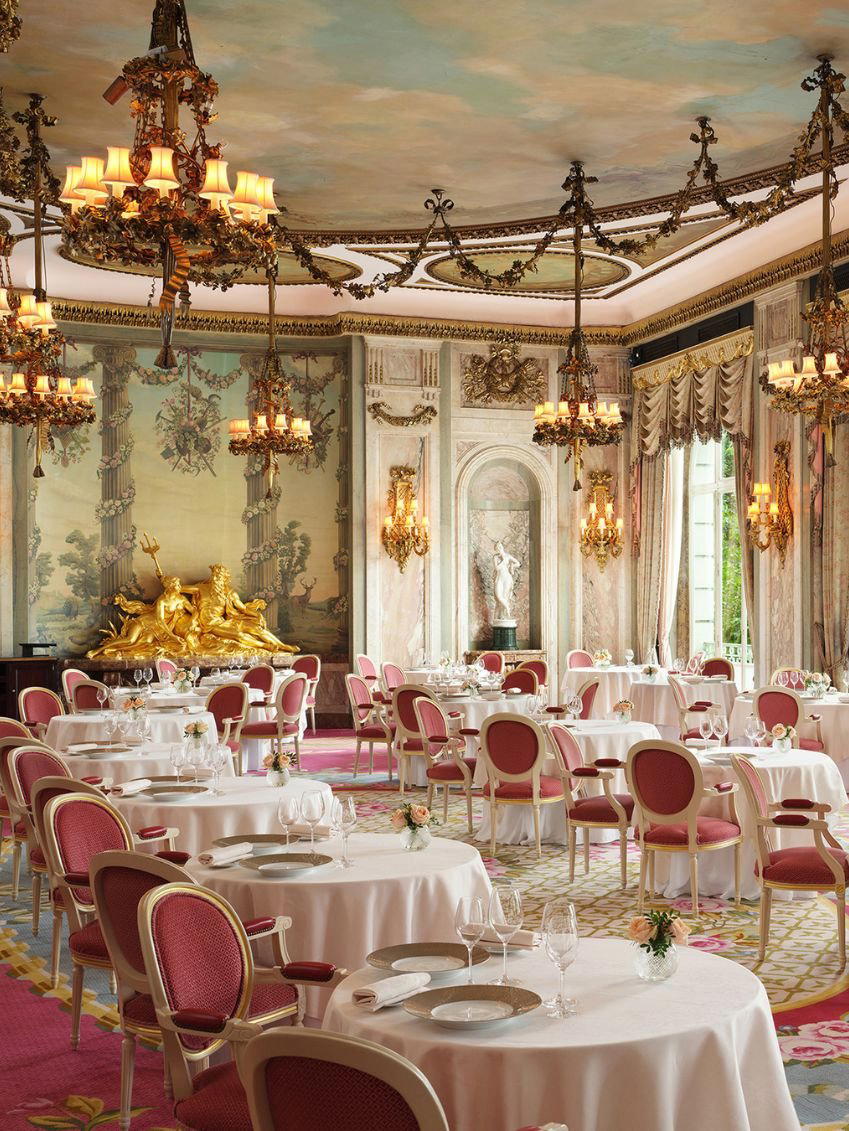
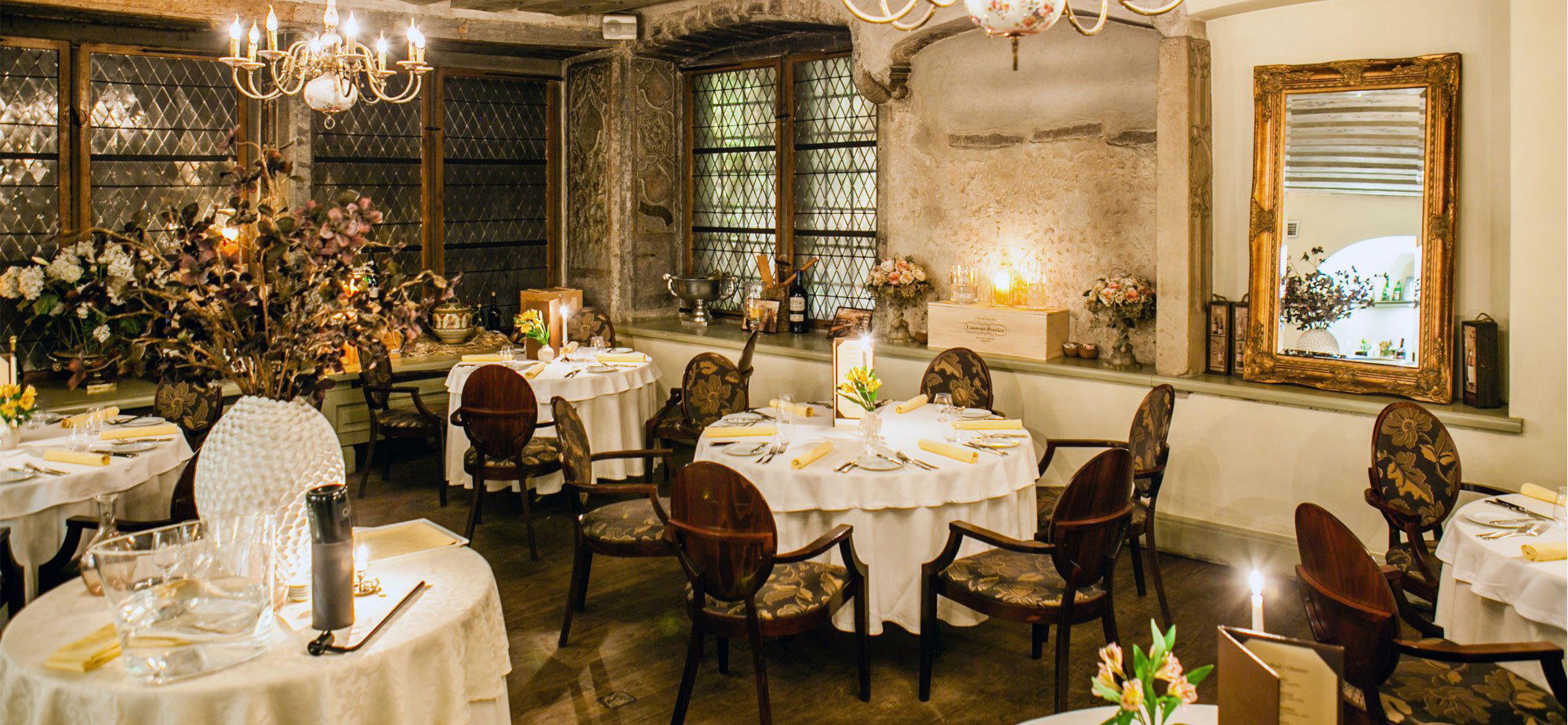
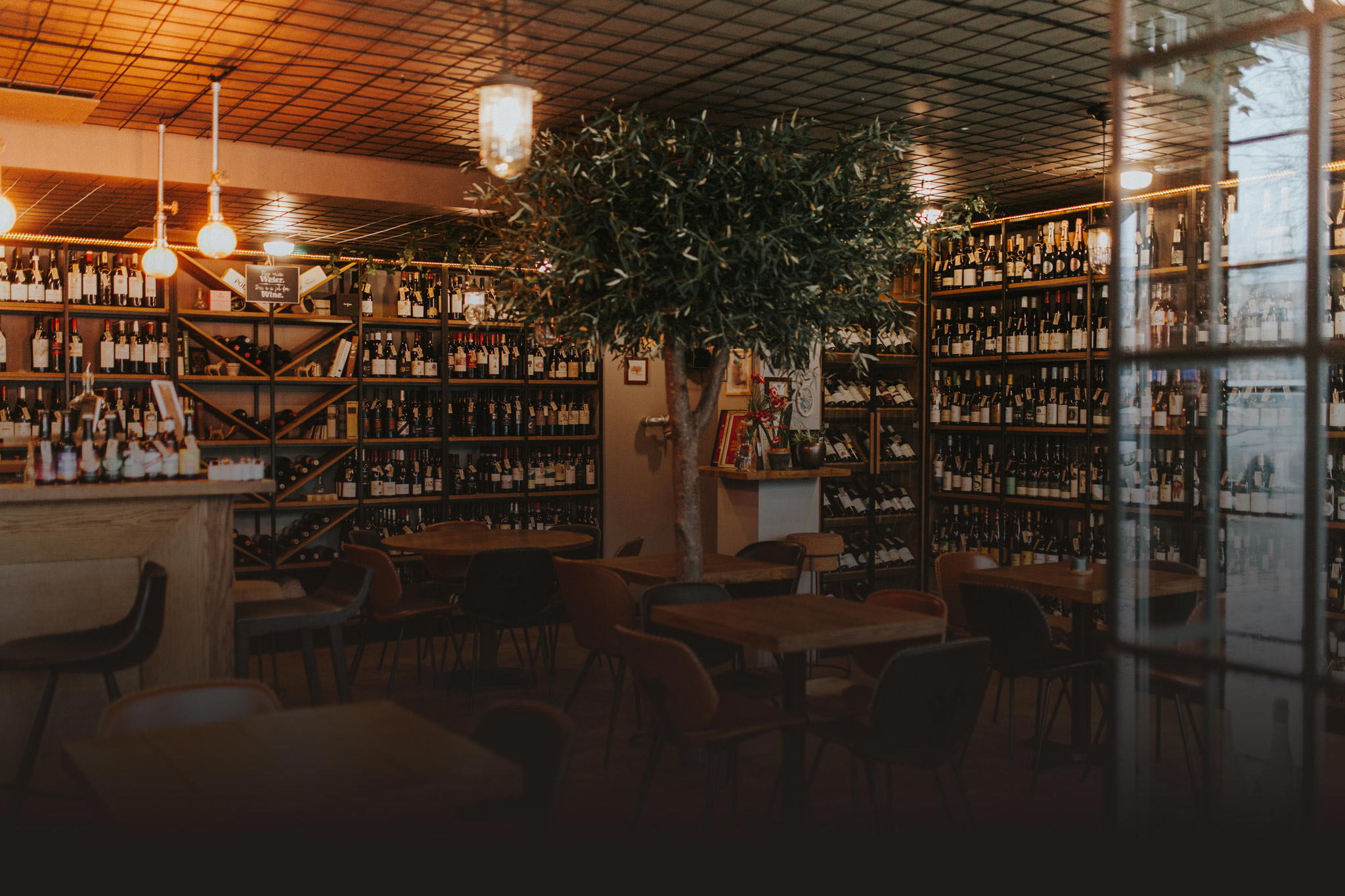
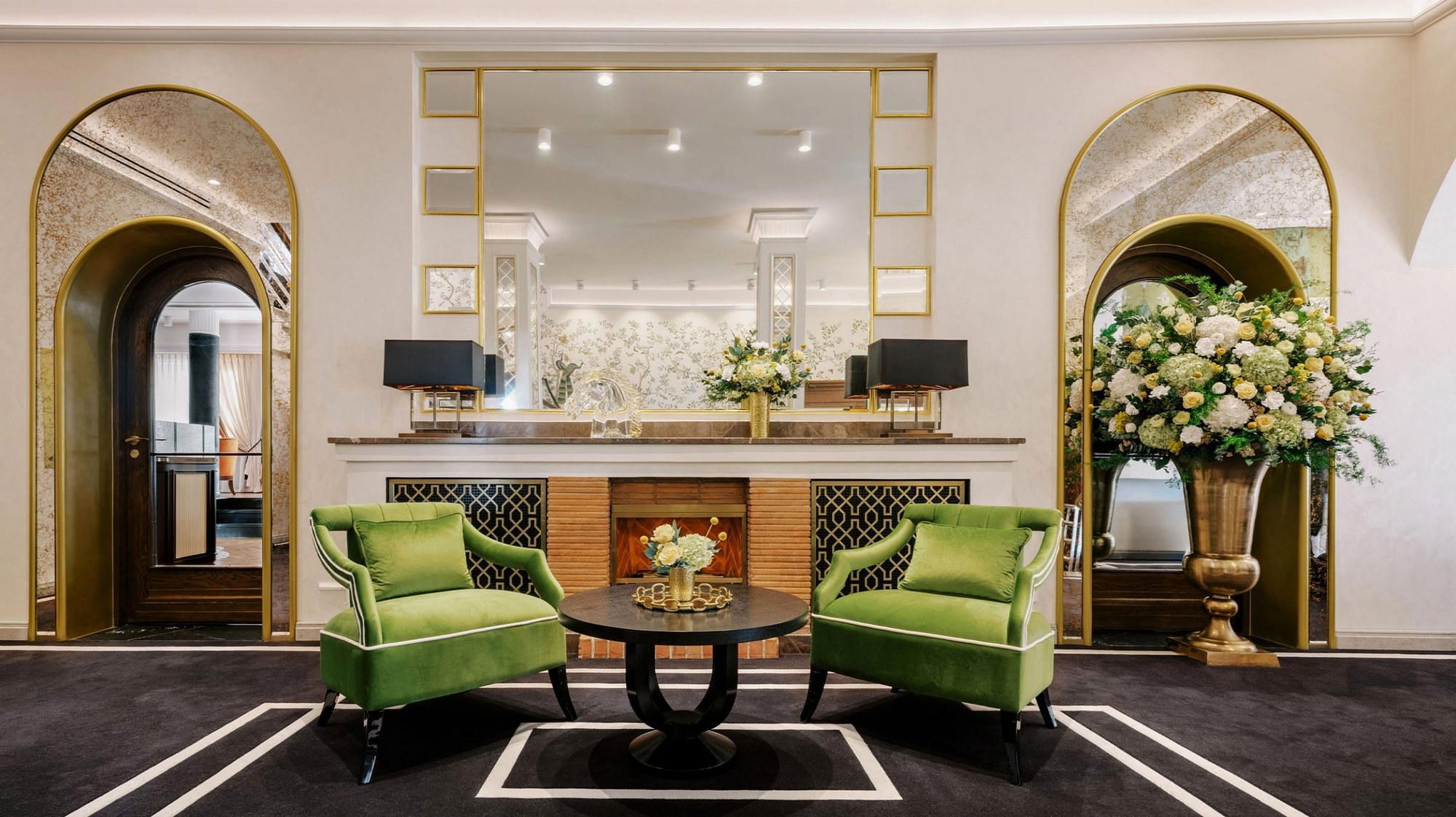
Bright and light with stylish, intimate interconnected rooms across two floors; cozy interiors with period charm and garden views.