West Village Tavern
Our verdict
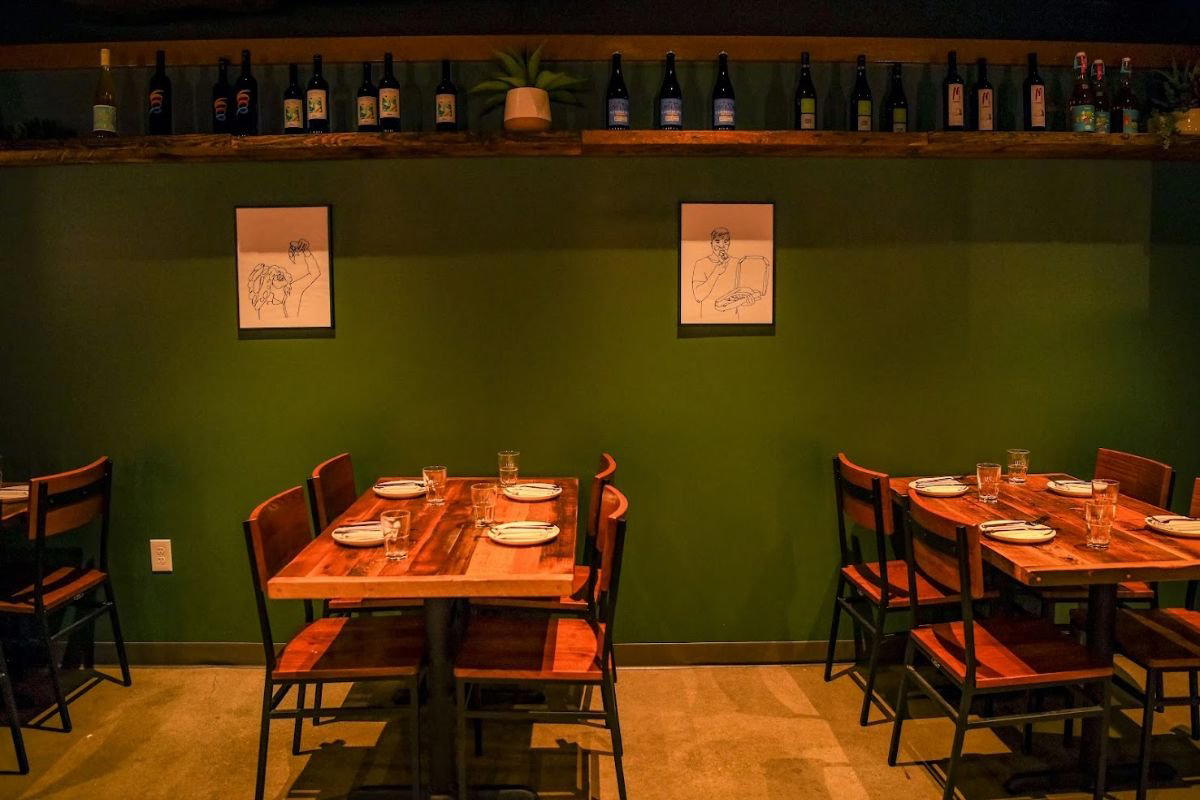
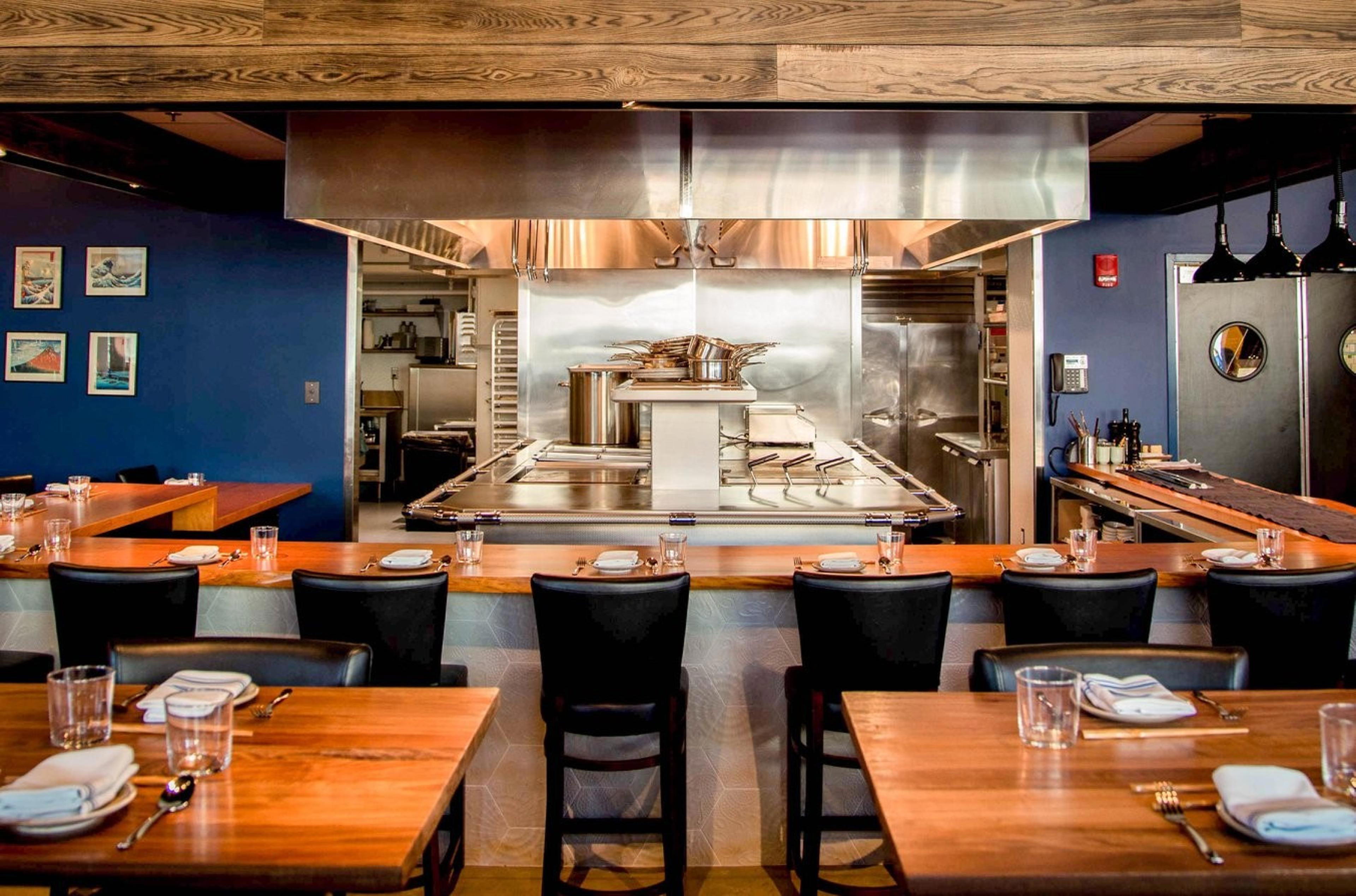
West Village Tavern is an American gastropub in Concord with an open kitchen, craft cocktails, and casual lunch and dinner service.

Pearl is the En Primeur Club membership app — saves, bookings, and concierge access live there. Same editors, same standards.
- Address
- 13 Commonwealth Ave, Concord, MA 01742
- Phone
- (978) 759-6071
- Hours
- Mon–Wed 11 AM–9 PMThu–Sat 11 AM–10 PMSun 11 AM–9 PM
- Website
- westvillagetavern.com
- Directions
- Get directions
- Booking
- Book on OpenTable
The menu
What to order
- Concord Pie Company Pizzas
- Kitchen Sink Nachos
- Skillet Meatballs
Commonwealth Avenue and the New England Tavern Tradition
There is a particular character to dining rooms that anchor themselves to a residential street corner in a historic New England town. The approach along Commonwealth Avenue in Concord, Massachusetts sets expectations before you reach the door: sidewalks scaled for foot traffic, facades that have seen more than a few winters, and a density of local life that the region's newer restaurant corridors have yet to replicate. West Village Tavern occupies that kind of address at 13 Commonwealth Ave, Concord, MA 01742, and the building's position on the street signals a particular kind of ambition: rooted, neighborhood-facing, and unconcerned with destination-dining theatrics.
Concord's dining scene has always occupied an interesting tier. It is close enough to Boston to attract serious kitchen talent, but far enough to develop its own dining rhythm, one shaped by a residential population that eats locally and repeatedly rather than as a one-off occasion. That shapes how a venue like West Village Tavern operates inside its market. West Village Tavern reads as the neighborhood counterweight: less destination-coded, more embedded in the daily life of its block.
Where the Food Comes From: The New England Sourcing Argument
The ingredient sourcing conversation in New England dining has evolved considerably over the past decade. What was once a marketing posture, printing farm names on menus as social proof, has gradually become a structural reality for restaurants that want to hold repeat local customers. The region's agricultural calendar is short and demanding: a true local-sourcing program in eastern Massachusetts means working within seasons that close hard in November and open cautiously in April, with gaps filled by root vegetable storage, preserved goods, and the kind of pantry discipline that European farm-to-table cooking has practiced for generations.
Tavern-format restaurants in this geography have historically handled sourcing differently from their fine-dining counterparts. Where a place like Blue Hill at Stone Barns in Tarrytown built its entire identity around a working farm on-site, or where Single Thread Farm in Healdsburg integrates its agricultural program into the tasting menu architecture itself, neighborhood taverns in towns like Concord tend to source within a looser framework: regional suppliers where available, adjusted by cost and consistency. The honest version of that model, when executed well, produces cooking that is seasonal without being preachy about it, and grounded without requiring a glossary.
For Concord specifically, proximity to the farms of the Nashoba Valley and the seafood supply chains running through Boston's wholesale markets gives any serious kitchen meaningful raw material to work with. Whether a given evening's menu leans toward that local supply or draws from broader regional distributors is the kind of question that separates taverns with genuine sourcing commitments from those using the vocabulary loosely. That distinction matters more for repeat diners than for first-time visitors, which is part of why it registers so clearly in a residential town like Concord.
The Tavern Format in an Age of Specialist Dining
American dining has sorted itself in recent years into increasingly legible categories. At the formal end, you find the tasting-menu format: multi-course, prix-fixe, often with beverage pairings and reservation windows measured in months. Alinea in Chicago, The French Laundry in Napa, and Atomix in New York City occupy that tier, each with documented Michelin recognition placing them among the country's most technically demanding restaurant experiences. At the other end, casual dining has bifurcated between fast-casual efficiency and the neighborhood restaurant that trades on comfort, familiarity, and a certain lack of ceremony.
The tavern format sits in the middle of that spectrum, and it is not a simple position to hold. The format has to be accessible enough to accommodate regular neighborhood use while offering enough culinary care to justify its price point against delivery platforms and casual chains. In towns with educated dining populations, like Concord, the bar for that middle tier has risen. The Speedway Club addresses a specific events-and-membership context within Concord's dining ecosystem; Spicy Joi has staked out a distinct flavor profile and cuisine identity. A tavern without a comparable hook, a sourcing story, a format distinction, or a kitchen identity that translates into something diners can articulate, tends to blur into the background.
Venues in this tier across the country have found different ways to anchor themselves. Bacchanalia in Atlanta built a long-running identity around refined Southern-American cooking with a clear seasonal commitment. Emeril's in New Orleans found its footing in a cuisine tradition deep enough to carry the room. For a tavern in a smaller New England town, the equivalent usually involves a kitchen identity tied either to local sourcing, a defined cuisine category, or the kind of consistency that converts first-time visitors into regulars. That conversion rate, more than any single dish, is the metric that sustains a neighborhood tavern over time.
Concord as a Dining Context
Concord occupies a particular niche in the greater Boston dining orbit. It carries significant cultural weight, the town's historical associations draw visitors year-round, but it functions primarily as a residential community rather than a tourist-dining destination. That means its better restaurants earn their keep from the people who live nearby and eat there monthly, not from visitors who arrive for a single occasion and move on. The dining standard set by places like 80 Thoreau, which has received consistent editorial recognition in the Boston food press, raises the floor for what Concord diners expect even from a more casual evening out.
For a broader picture of where West Village Tavern sits within that local framework, the EP Club full Concord restaurants guide maps the town's dining options across formats and price tiers. Nationally, the reference points for ingredient-led American cooking at varying formality levels run from Providence in Los Angeles and Le Bernardin in New York City at the formal seafood end, through Lazy Bear in San Francisco and Addison in San Diego as examples of what tasting-menu ambition looks like at the regional level, down to the neighborhood format that West Village Tavern represents. Internationally, venues like 8 1/2 Otto e Mezzo Bombana in Hong Kong and The Inn at Little Washington demonstrate what sustained kitchen discipline looks like across different formats and geographies. West Village Tavern operates at a different scale and with a different brief, but the standards its Concord neighbors apply when deciding where to spend a Tuesday or Saturday evening are shaped, indirectly, by awareness of what serious cooking looks like at every level.
Commonwealth Avenue is a ten-minute walk from Concord's commuter rail stop on the Fitchburg Line, which connects directly to Boston's North Station. Planning a visit is direct from that transit link, though specific booking details, hours, and reservation policies are best confirmed directly with the restaurant before making plans around it.
Frequently asked questions
What's the address for West Village Tavern?
West Village Tavern is located at 13 Commonwealth Ave, Concord, MA 01742, Concord.
Is West Village Tavern a good option for a dinner in Concord before or after visiting the town's historic sites?
Concord draws visitors to its literary and Revolutionary War sites throughout the year, and West Village Tavern's address on Commonwealth Ave places it within the town's walkable core, making it a practical choice around an afternoon of sightseeing. The tavern format suits a relaxed, unhurried dinner rather than a quick pre-tour stop. It functions more as a destination in its own right than a convenience option.
What's the best thing to order at West Village Tavern?
The menu at West Village Tavern reflects the New England tavern format, which typically anchors around seasonal, regionally sourced ingredients rather than a fixed signature dish. Given the sourcing ethos common to Concord-area kitchens, dishes built around local produce and proteins tend to be the most consistent through the seasons. Ask your server what came in that week — in a tavern operating at this scale, the answer usually tells you where to place your order.
How hard is it to get a table at West Village Tavern?
West Village Tavern sits at 13 Commonwealth Ave in Concord, a residential corner that draws a loyal local following rather than heavy destination traffic from Boston. That dynamic typically means walk-ins are viable on weeknights, though weekend evenings in a town with Concord's cultural draw can tighten availability. Calling ahead is the safer approach, particularly for groups.
Comparable Venues
Comparable venues nearby, for context on price, style, and recognition.
| Venue | Cuisine | Price | Notes |
|---|---|---|---|
| West Village TavernThis venue — the venue you are viewing | American Gastropub | $20–30 | Not listed |
| 80 Thoreau | New American Fine Dining | $50–100 | Concord |
| City Streets Restaurant | Contemporary American | $20–30 | Waverley Oaks |
| Full Moon | New American | Not listed | West Cambridge |
| Fenway Johnnies | American Gastropub | Not listed | Kenmore |
| Beehive | Rustic Comfort Food with Middle Eastern and Eastern European Influences | $30–50 | South End |
Continue exploring
More in Concord
Restaurants in Concord
Browse all →
Bars in Concord
Browse all →
Hotels in Concord
Browse all →

Wineries in Concord
Browse all →
Details
- Cozy
- Lively
- Casual Hangout
- Group Dining
- Open Kitchen
- Craft Cocktails
- A La Carte
- Craft Cocktails
- Wine Pours
- Vegetarian Friendly
Current opening hours
- Monday
- 11 AM–9 PM
- Tuesday
- 11 AM–9 PM
- Wednesday
- 11 AM–9 PM
- Thursday
- 11 AM–10 PM
- Friday
- 11 AM–10 PM
- Saturday
- 11 AM–10 PM
- Sunday
- 11 AM–9 PM
Hours can change for holidays and private events. Last verified .
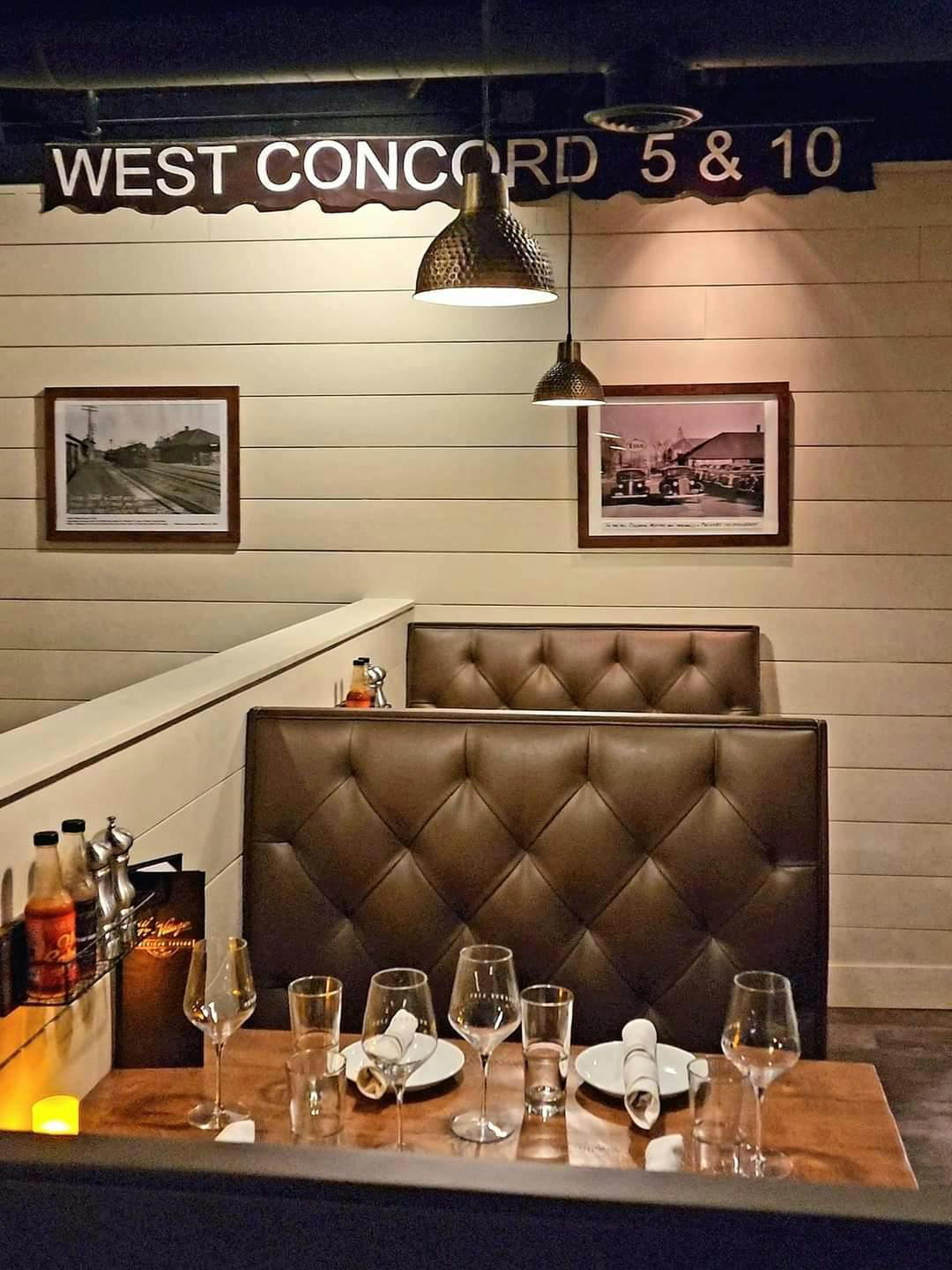
Fun and cozy environment with inviting décor reflecting West Concord's quaint village character and touches of local history.