Spicy Joi

Our verdict
Spicy Joi in Concord has earned recognition as the Bay Area's most committed advocate for Lao cuisine, with chef-owner Phengkhane 'Joi' Simmaly cooking a menu built around the pungent, smoke-forward flavors of Laotian tradition. Located at 1687 Willow Pass Road, it is the kind of place the San Francisco Chronicle singles out when the conversation turns to underrepresented Southeast Asian cooking in Northern California.

Pearl is the En Primeur Club membership app — saves, bookings, and concierge access live there. Same editors, same standards.
- Address
- 1687 Willow Pass Rd, Concord, CA 94520
- Phone
- (925) 787-7508
- Hours
- Mon–Thu 11 AM–3 PM, 4–8:30 PMFri 11 AM–3 PM, 4–9 PMSat 11 AM–9 PMSun 11 AM–8:30 PM
- Website
- spicyjoibanhmi.com
- Directions
- Get directions
Where Lao Cooking Gets Taken Seriously in the Bay Area
Concord sits at the eastern edge of Contra Costa County, far enough from San Francisco's dining spotlight that most Bay Area food conversations skip over it entirely. That distance has created a certain kind of restaurant: one that answers to its community rather than to the approval cycles of urban food media. Spicy Joi, on Willow Pass Road, is that kind of restaurant. The room is not designed to signal ambition. The service is not calibrated for reviewers. What it is, consistently, is a place where Lao cooking is treated as a complete culinary tradition rather than a supporting note inside a broader pan-Asian menu.
The San Francisco Chronicle has identified chef-owner Phengkhane "Joi" Simmaly as the Bay Area's champion for Lao cuisine, which is a pointed designation in a region that supports some of the most diverse Southeast Asian food in the country. That recognition reflects something the broader Bay Area dining scene has been slow to offer Lao cooking: serious editorial attention on its own terms, not as a Thai-adjacent curiosity.
The Ingredients Behind Lao Flavor
Lao cuisine is defined by a sourcing logic that differs structurally from its Southeast Asian neighbors. Where Thai cooking frequently builds sauces around sweetness and Vietnamese cooking around herbal brightness, Lao food centers fermentation, char, and funk. The ingredients that drive these dishes — padaek (fermented fish paste), dried chilies toasted over open flame, galangal, lemongrass, and foraged herbs — produce flavors that are assertive from the first bite. They are not background notes.
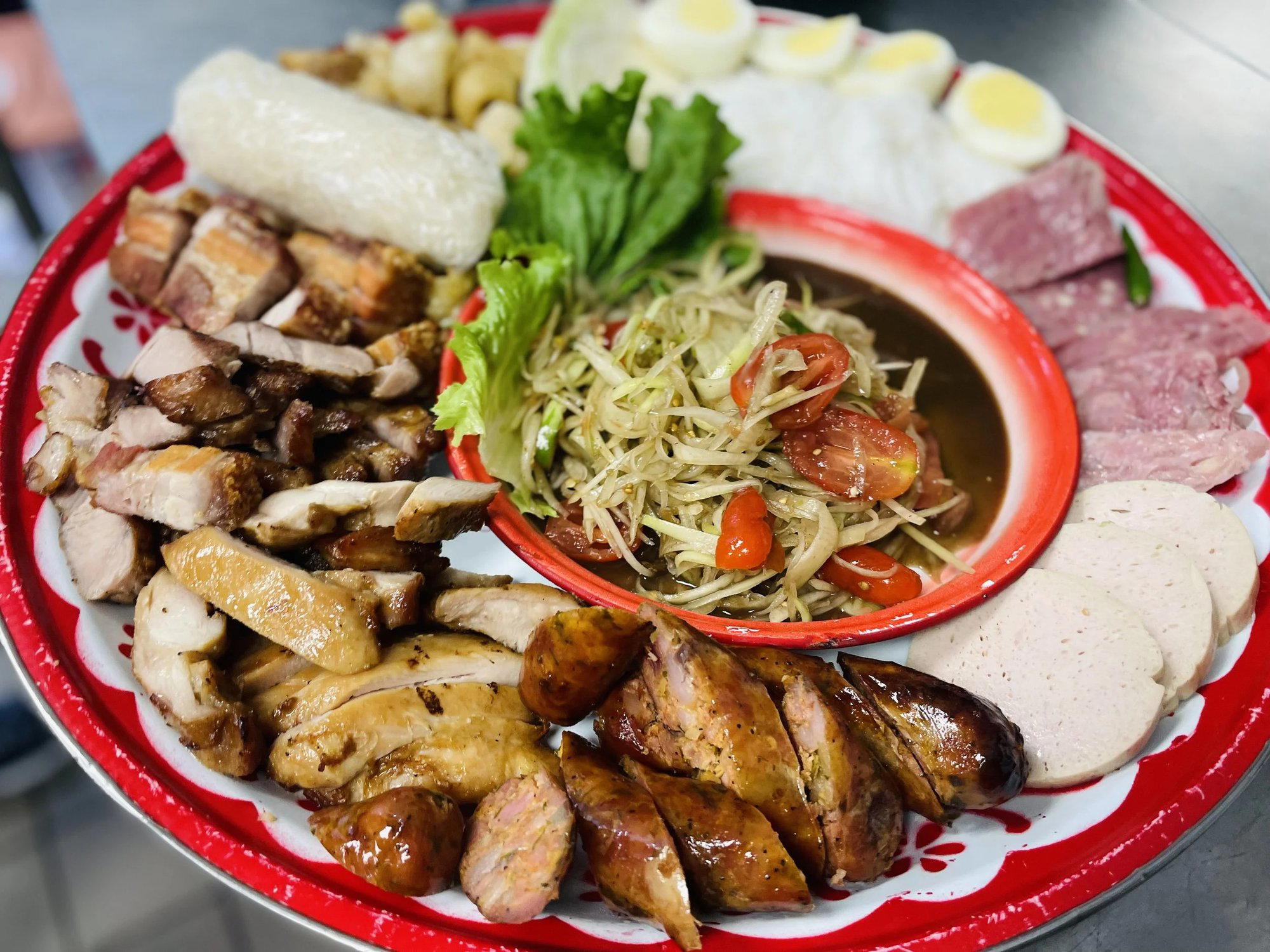
The dishes the Chronicle describes arriving at the table at Spicy Joi speak directly to this tradition. Peppery sausages with taut skins suggest sai oua, the coarsely ground pork sausage packed with lemongrass and kaffir lime leaf that is a staple of northern Lao and Isan cooking. Pork cracklings point to a broader Lao emphasis on whole-animal preparation, where texture contrast is as deliberate as flavor layering. Smoky pepper relish, likely a variant of jeow, the class of roasted-and-pounded condiments central to the Lao table, signals that the kitchen is working from foundational technique rather than shortcut. Papaya salad, described as pungent, aligns with tam mak hoong rather than its Thai cousin som tum: more fermented, more chile-forward, less sweet.
These are not dishes that travel well through a supply chain optimized for other cuisines. The ingredients that make them authentic are either grown locally in Southeast Asian community gardens, sourced from specialty importers serving the Lao diaspora, or made in-house through fermentation. This is what separates Lao cooking, done correctly, from pan-Asian approximations: the sourcing has to be deliberate, and the technique has to be specific. Restaurants like Blue Hill at Stone Barns or Single Thread Farm in Healdsburg make ingredient provenance an explicit editorial point of their menus. Spicy Joi operates from the same principle without the white-tablecloth framing.
Lao Cuisine's Position in the Bay Area's Southeast Asian Ecosystem
The Bay Area's Southeast Asian dining scene is weighted heavily toward Vietnamese, Thai, and Filipino cuisines, all of which have large diasporic communities and decades of restaurant infrastructure behind them. Lao cuisine, despite a significant Lao-American population in Northern California, has historically been underrepresented at the level of formal restaurant coverage. This is partly a function of how Lao food has traditionally been served, more often in home kitchens and community events than in commercial dining rooms, and partly a function of how food media has allocated its attention.
That context gives Spicy Joi's Chronicle recognition a specific weight. It is not just a positive review; it is an acknowledgment that Lao cooking in the Bay Area has a standard-bearer worth naming. In the same way that a restaurant like Atomix in New York City has moved Korean cuisine into a higher critical register, or Albi in Washington, D.C. has done for Levantine cooking, Spicy Joi operates as the kind of place that expands what a regional food scene is understood to contain. The difference is scale and format: Spicy Joi is a neighborhood restaurant in Contra Costa County, not a tasting-menu destination built for national press. That is precisely what makes the recognition meaningful rather than performative.
For those building a picture of Northern California's full dining range, from the Michelin-starred formalism of The French Laundry to the progressive American cooking at Lazy Bear in San Francisco, Spicy Joi represents the part of that range where diaspora cooking, community rootedness, and culinary specificity converge without institutional backing. It belongs in the same conversation, even if it operates in a different register.
The Experience at the Table
The Chronicle's description of Joi Simmaly personally delivering trays, smiling, physically loaded down with food, conveys something important about the format. This is not a restaurant where dishes arrive in careful procession with tableside narration. The pacing is generous, the portions are built for the table rather than the individual plate, and the energy is participatory. Lao eating is traditionally communal, with dishes placed at the center and shared across the meal. The service style at Spicy Joi reflects that structure rather than overriding it with a Western fine-dining sequence.
That format also affects how the flavors land. Jeow condiments, papaya salad, and sausages are designed to be eaten together, with sticky rice as the binding element. Ordering a single dish and eating it in isolation misses the point. The table format is the delivery mechanism for the cuisine's logic.
Planning Your Visit
Spicy Joi is located at 1687 Willow Pass Road in Concord, accessible from central Contra Costa County and reachable from San Francisco via BART to the Concord station. As a neighborhood restaurant with a dedicated local following and media-driven recognition from the Chronicle, the room can fill quickly, particularly on weekends. Checking ahead before arrival is advisable. For those extending a visit to the area, our full Concord restaurants guide covers the wider dining picture, and our Concord hotels guide covers accommodation options. The bars guide, wineries guide, and experiences guide round out the full picture for a longer stay in the East Bay.
For those traveling from San Francisco specifically for the food, Spicy Joi sits at a different end of the price and format spectrum from destinations like Le Bernardin, Alinea, Providence in Los Angeles, or Addison in San Diego, but the editorial case for making the trip is the same as it would be for any of those rooms: it is doing something specific, doing it with conviction, and doing it in a way that is not easily replicated elsewhere.
Frequently asked questions
Would Spicy Joi be comfortable with kids?
The format at Spicy Joi — trays of shareable dishes like peppery sausages, pork cracklings, and papaya salad delivered to the table — suits a family-style meal well. Chef-owner Joi Simmaly's hands-on, high-energy service style, documented by the SF Chronicle, reads as genuinely welcoming rather than formal. Concord's dining demographic also skews toward casual family outings, which fits the restaurant's accessible address on Willow Pass Road.
What is the atmosphere like at Spicy Joi?
The SF Chronicle describes chef-owner Phengkhane 'Joi' Simmaly personally dropping off trays while smiling and hamming it up — a front-of-house presence that sets the tone as lively and unstuffy. This is a counter-service or casual dining operation where the food is the event, not the room. Expect high energy around the table rather than a hushed dining room.
What kind of recognition has Spicy Joi received?
Spicy Joi has received recognition including: Phengkhane “Joi” Simmaly, the charismatic chef-owner of Spicy Joi in Concord, is [the Bay Area’s champion for Lao cuisine]. He enthusiastically drops o….
What dish is Spicy Joi famous for?
The SF Chronicle singles out the peppery sausages with taut skins, pork cracklings, smoky pepper relish, and pungent papaya salad as the defining dishes. These are core Lao preparations that reflect the cuisine's fermented, herb-forward, smoke-accented flavor logic. The SF Chronicle's coverage, which named Joi Simmaly the Bay Area's champion for Lao cuisine, anchors the restaurant's reputation to these specific plates.
Where do I go for Spicy Joi?
Spicy Joi is located at 1687 Willow Pass Road, Concord, Concord.
Do they take walk-ins at Spicy Joi?
No reservation policy is publicly documented for Spicy Joi at 1687 Willow Pass Road in Concord. Given the casual, high-energy format described by the SF Chronicle — trays of food delivered personally by the chef-owner — walk-ins are plausible, though visiting off-peak hours or calling ahead is advisable when no booking system is confirmed.
Comparison Snapshot
| Venue | Cuisine | Price | Awards | Notes |
|---|---|---|---|---|
| Spicy JoiThis venue — the venue you are viewing | Lao Street Food & Banh Mi | $10–20 | Not listed | Not listed |
| Le Bernardin | French Seafood Fine Dining | $300–500 | 3 Michelin Stars · World's 50 Best #13 | French, Seafood |
| Atomix | Modern Korean Tasting Menu | $300–500 | 2 Michelin Stars · World's 50 Best #7 | Modern Korean, Korean |
| Lazy Bear | Modern American Tasting Menu | Not listed | 2 Michelin Stars · World's 50 Best #25 | Progressive American, Contemporary |
| Alinea | Avant-Garde Molecular Gastronomy | $300–500 | 2 Michelin Stars · World's 50 Best #37 | Progressive American, Creative |
| Atelier Crenn | Contemporary French Fine Dining | $300–500 | 3 Michelin Stars · World's 50 Best #44 | Modern French, Contemporary |
Recognition history
Dated appearances from independent guides and award organizations, with the underlying list record or original source where available.
San Francisco Chronicle Top 100 Bay Area Restaurants #65
San Francisco Chronicle
Continue exploring
More in Concord
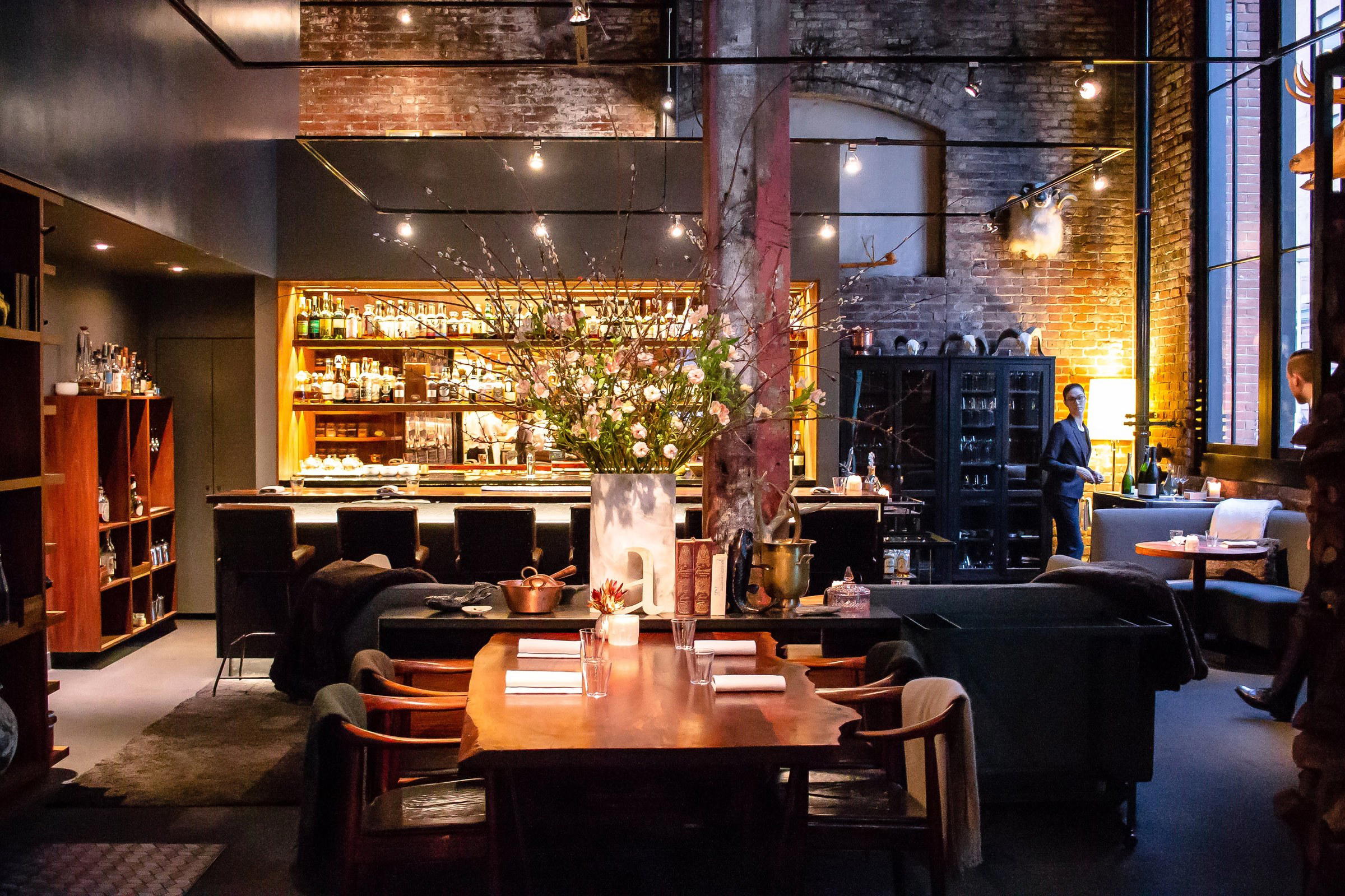
Restaurants in Concord
Browse all →
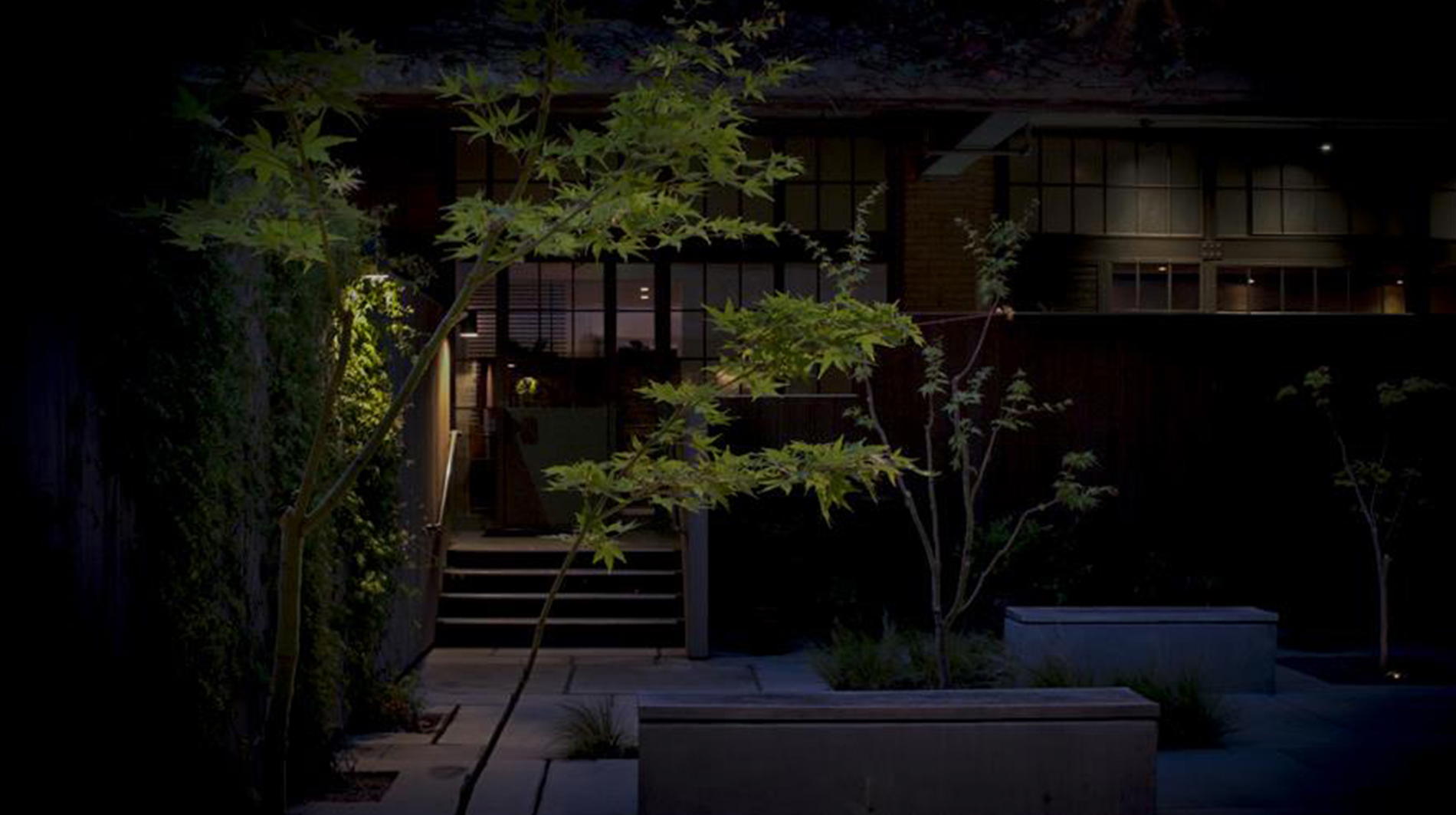
Bars in Concord
Browse all →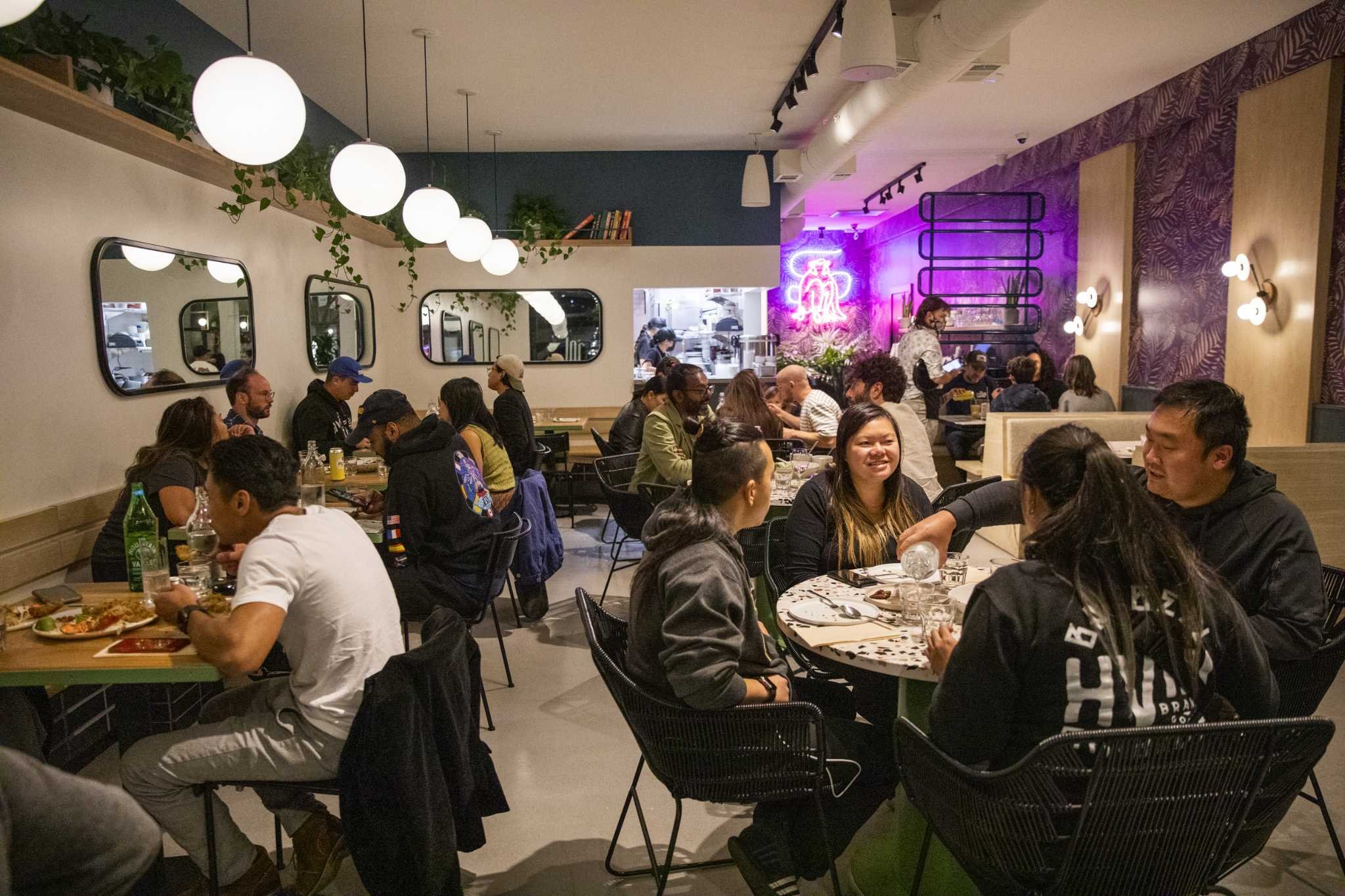
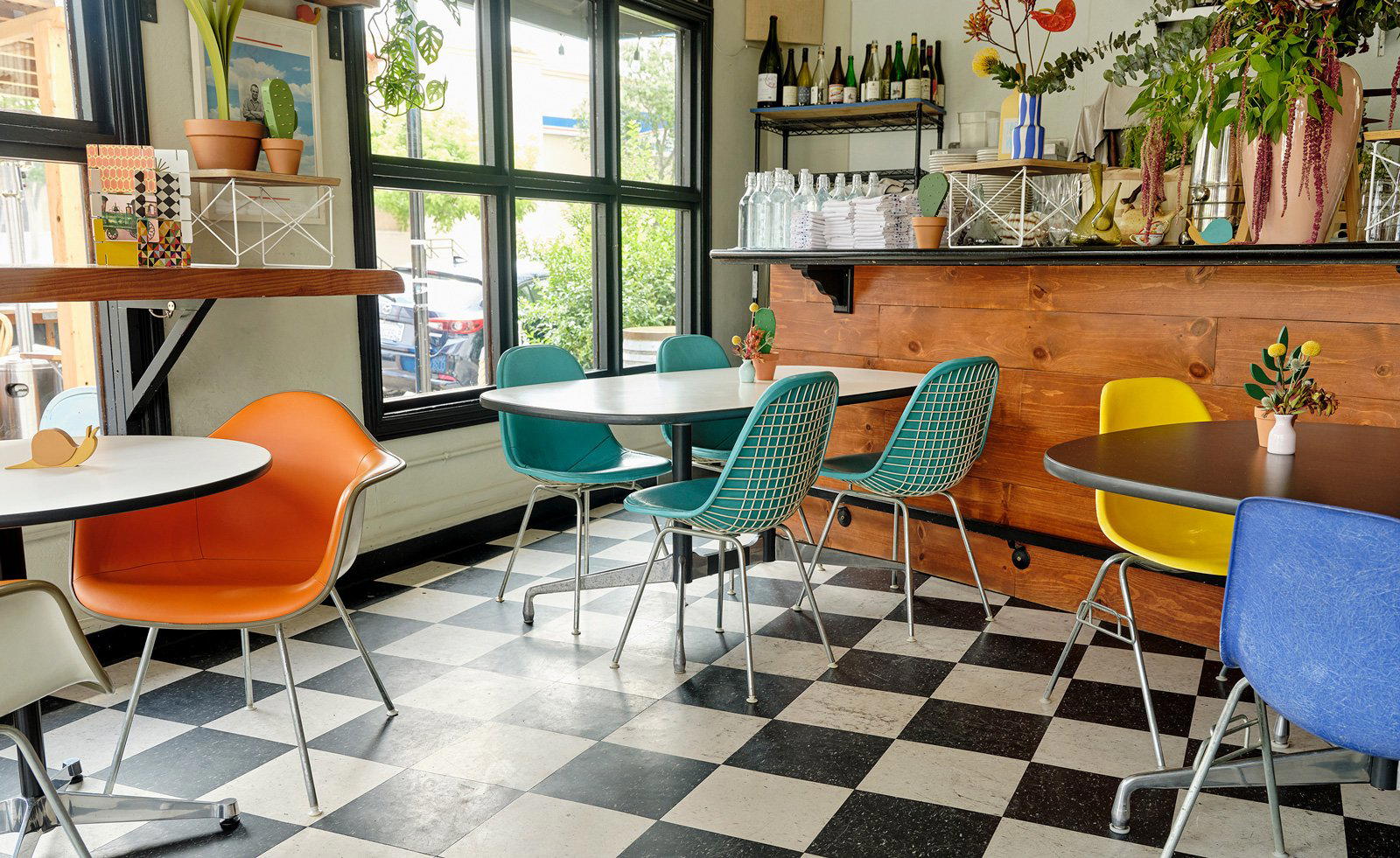
Hotels in Concord
Browse all →


Details
- Trendy
- Casual Hangout
- A La Carte
Current opening hours
- Monday
- 11 AM–3 PM, 4–8:30 PM
- Tuesday
- 11 AM–3 PM, 4–8:30 PM
- Wednesday
- 11 AM–3 PM, 4–8:30 PM
- Thursday
- 11 AM–3 PM, 4–8:30 PM
- Friday
- 11 AM–3 PM, 4–9 PM
- Saturday
- 11 AM–9 PM
- Sunday
- 11 AM–8:30 PM
Hours can change for holidays and private events. Last verified .
Casual street food spot with welcoming hospitality and home-style cooking atmosphere.