Our verdict
Wels occupies a quiet address on Parkallee in Bremen's Schwachhausen district, operating in a city whose dining scene punches above its population weight. The restaurant sits within a neighbourhood defined by residential calm rather than tourist traffic, which shapes both its clientele and its sourcing orientation. For Bremen's ingredient-focused dining tier, Wels represents a point of reference worth tracking.

Pearl is the En Primeur Club membership app — saves, bookings, and concierge access live there. Same editors, same standards.
- Address
- Parkallee 299, 28213 Bremen, Germany
- Phone
- +494942122020
- Hours
- Mon–Thu ClosedFri–Sat 6–10 PMSun Closed
- Website
- hotel-munte.de
- Directions
- Get directions
- Booking
- Book on the venue's website
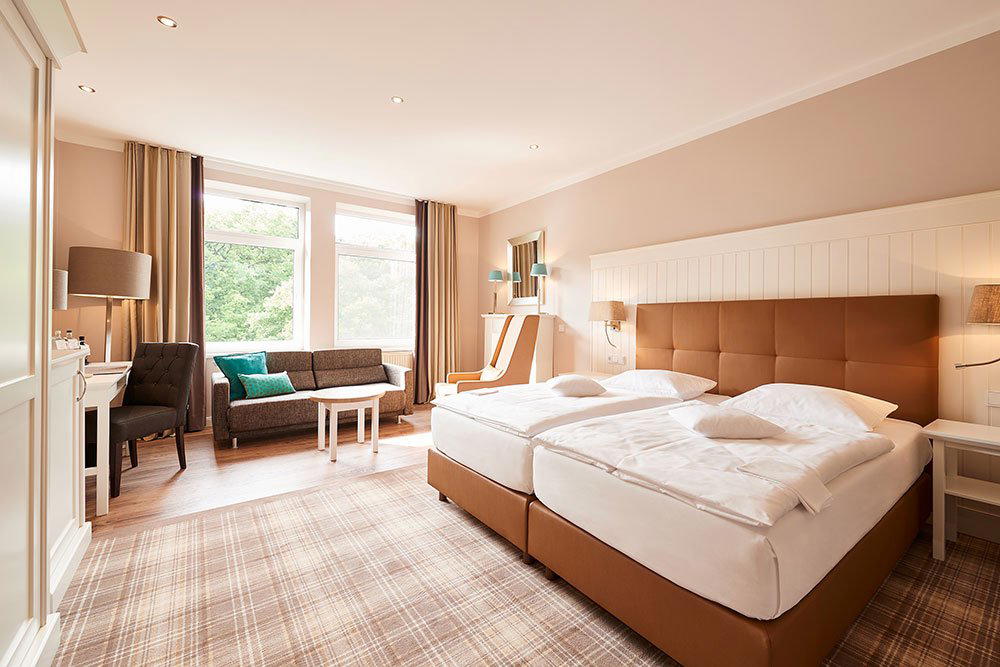
Parkallee and the Quiet End of Bremen's Dining Conversation
Bremen's most talked-about restaurant addresses tend to cluster in the Schnoor quarter or along the Schlachte waterfront, where footfall is guaranteed and the tourist economy does the early marketing. Parkallee 299 operates on different logic. The street runs through Schwachhausen, one of the city's more composed residential neighbourhoods, where the dining rooms that survive long-term do so on the strength of repeat local custom rather than passing visitors. That context matters when reading Wels: it is the kind of address you arrive at with intention, not by accident.
Schwachhausen's dining character is shaped by its immediate geography. The neighbourhood borders the Bürgerpark, one of the largest inner-city parks in Germany, and its restaurants have historically drawn a clientele that values the quieter register that comes with that proximity. The park's presence also creates certain conditions that ingredient-conscious kitchens find useful: proximity to distributors and market connections that serve the western Bremen corridor, and a customer base that tends to ask questions about provenance rather than simply accepting what arrives on the plate.
The Sourcing Argument in Northern German Cooking
Germany's fine-dining conversation has, for the better part of the last decade, been shaped by sourcing transparency. Kitchens at the level of Aqua in Wolfsburg or Schwarzwaldstube in Baiersbronn have built their identities partly around demonstrable relationships with producers, a shift away from the classical model where ingredient sourcing was assumed but rarely articulated. In northern Germany specifically, that conversation connects to a distinct regional ecology: the Elbe and Weser river systems, the North Sea coast, the agricultural flatlands of Lower Saxony, and the market gardens that supply Bremen and Hamburg alike.
For a restaurant at Parkallee 299, proximity to those supply networks is a structural advantage. The Weser estuary is less than an hour's drive from central Bremen, and the wholesale markets serving the city draw from both the coastal catch and the agricultural hinterland. Kitchens that use this geography deliberately can build menus that reflect seasonal availability in a way that is genuinely responsive rather than decorative. The ingredient-first framing that defines a certain tier of northern German cooking is not simply an aesthetic choice; it reflects what the region actually produces at different points of the year.
That tradition has its reference points further along the North Sea corridor. Restaurant Haerlin in Hamburg has long operated as the Hamburg anchor for this kind of sourcing-conscious fine dining, and the comparison illustrates how the same regional supply chain can feed kitchens of very different character and price positioning. Bremen's version of that conversation is smaller in scale, which means individual restaurants carry more weight within it.
Where Wels Sits in Bremen's Dining Tier
Bremen's restaurant scene is not large by German city standards, but it is internally stratified in ways that matter. The upper-mid tier, where kitchens take technique seriously without operating at the prix-fixe-only formality of destination dining, is where most of the interesting work happens. Alto operates in the contemporary register at the €€€ level, as does Al Pappagallo from an Italian base. Chapeau La Vache and the Bremen Ratskeller occupy different historical registers but are part of the same conversation about what defines serious dining in the city.
Wels on Parkallee is positioned outside the central cluster, which creates a different kind of competitive context. The Schwachhausen location means it competes less on visibility and more on the qualities that drive repeat visits: consistency, sourcing credibility, and the sense that the kitchen has a point of view. For the reader comparing options, the BLIXX Restaurant at the ATLANTIC Hotel Airport represents a contrasting model, built around transit convenience rather than neighbourhood destination logic.
Across Germany more broadly, the kitchens attracting the most sustained attention are those that have found a specific editorial angle within ingredient sourcing. JAN in Munich, CODA Dessert Dining in Berlin, Vendôme in Bergisch Gladbach, ES:SENZ in Grassau, Victor's Fine Dining by Christian Bau in Perl, Waldhotel Sonnora in Dreis, and Schanz in Piesport each illustrate how kitchens at different tiers have built durable reputations through sourcing specificity rather than format novelty alone. Internationally, the same argument appears in the kind of precision-led cooking at Le Bernardin in New York City or the product-led philosophy at Atomix. The point is not that Wels belongs in that peer group, but that the editorial logic driving those kitchens is the same one that makes ingredient-first restaurants in mid-size German cities worth attention in the first place.
Planning a Visit
Parkallee 299 is reachable from central Bremen by tram, with the Schwachhausen corridor well-served by the city's public transport network. The neighbourhood itself is quiet in the evenings, which means arriving by car is also direct by Bremen standards. The Schwachhausen address rewards visitors who approach Bremen's dining scene beyond the central tourist circuit, and the broader Parkallee corridor is worth a longer look as part of any considered visit to the city. For a fuller picture of where Wels sits relative to other options, see our full Bremen restaurants guide.
Frequently asked questions
Where do I go for Wels?
Wels is located at Parkallee 299, 28213 Bremen, Germany, Bremen.
Is Wels in Bremen suitable for a business dinner or a more casual evening?
Wels is located in the Schwachhausen district of Bremen, a residential area associated with quieter, unhurried dining rather than high-volume city-centre venues. That setting suits both a focused business conversation and a relaxed dinner equally well. Confirming the current format and atmosphere directly with the restaurant at Parkallee 299 before booking is the clearest way to match the occasion.
What should I order at Wels?
The broader northern German fine-dining tier that Wels operates within has been shaped by sourcing transparency over the past decade, suggesting the kitchen likely follows seasonal product rather than a static menu. Ask staff directly when you arrive at Parkallee 299 what the kitchen is focused on that week.
Do they take walk-ins at Wels?
Restaurants operating at Wels's tier in Bremen typically allocate most covers to advance bookings, particularly at weekends. Contacting the venue directly before making the journey from central Bremen is the practical step.
What makes Wels worth seeking out?
Wels sits on Parkallee 299 in Schwachhausen, a residential corridor that attracts local regulars rather than visitors following standard tourist routes. Bremen's restaurant scene is compact by German city standards, and addresses that hold a position in the upper-mid tier without relying on waterfront or Schnoor quarter footfall tend to earn it through repeat neighbourhood custom. That kind of sustained local loyalty is a more reliable signal than a prominent postcode.
In Context: Similar Options
Comparable venues nearby, for context on price, style, and recognition.
| Venue | Cuisine | Price | Awards | Notes |
|---|---|---|---|---|
| WelsThis venue — the venue you are viewing | Modern German Fish & Game | $50–100 | Not listed | Not listed |
| Küche 13 | Modern German Seasonal | $30–50 | Not listed | Viertel (Ostertor) |
| alto | German-French Brasserie | Not listed | Michelin Plate | Altstadt |
| Park Restaurant | Contemporary Regional German with Mediterranean Influences | $150–200 | Michelin Plate | Bürgerpark |
| Bremen Ratskeller | Traditional Northern German | $30–50 | Falstaff Restaurant - 87 Falstaff Points | Altstadt |
| CHILLI CLUB | Asian Fusion with Sushi & Wok | $50–100 | Falstaff Bar - 88 Falstaff Points | Überseestadt |
Wels
Featured Guides
Details
- Romantic
- Elegant
- Intimate
- Date Night
- Special Occasion
- Hotel Restaurant
- Extensive Wine List
- A La Carte
Current opening hours
- Monday
- Closed
- Tuesday
- Closed
- Wednesday
- Closed
- Thursday
- Closed
- Friday
- 6–10 PM
- Saturday
- 6–10 PM
- Sunday
- Closed
Hours can change for holidays and private events. Last verified .
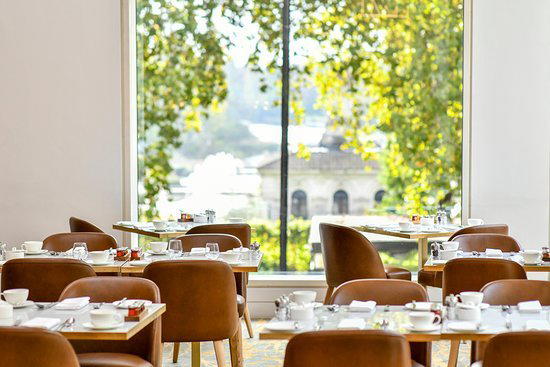
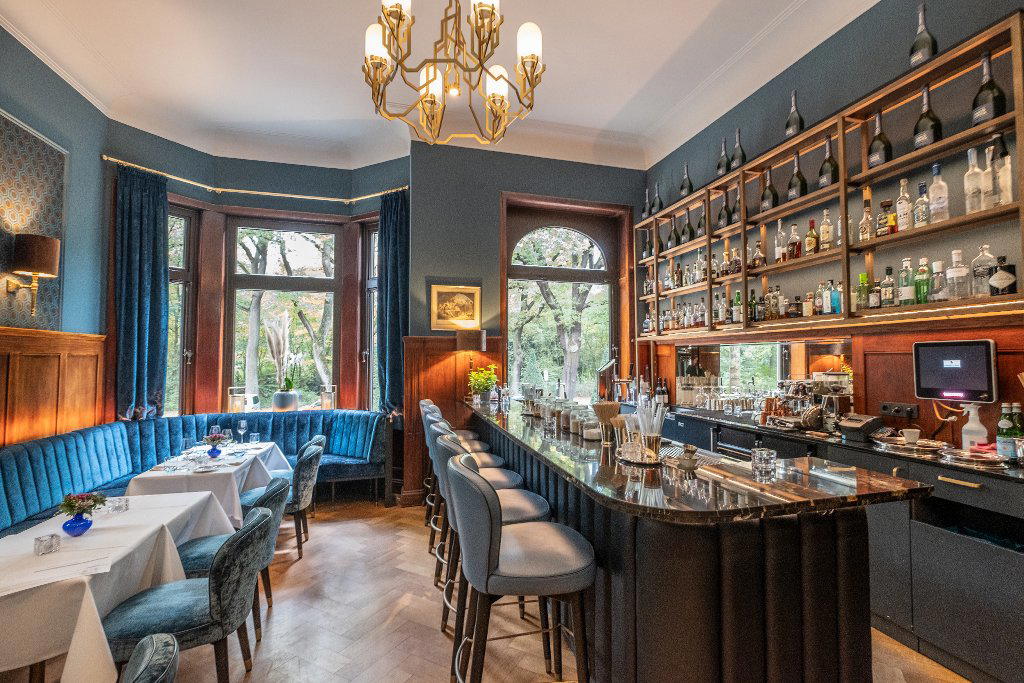
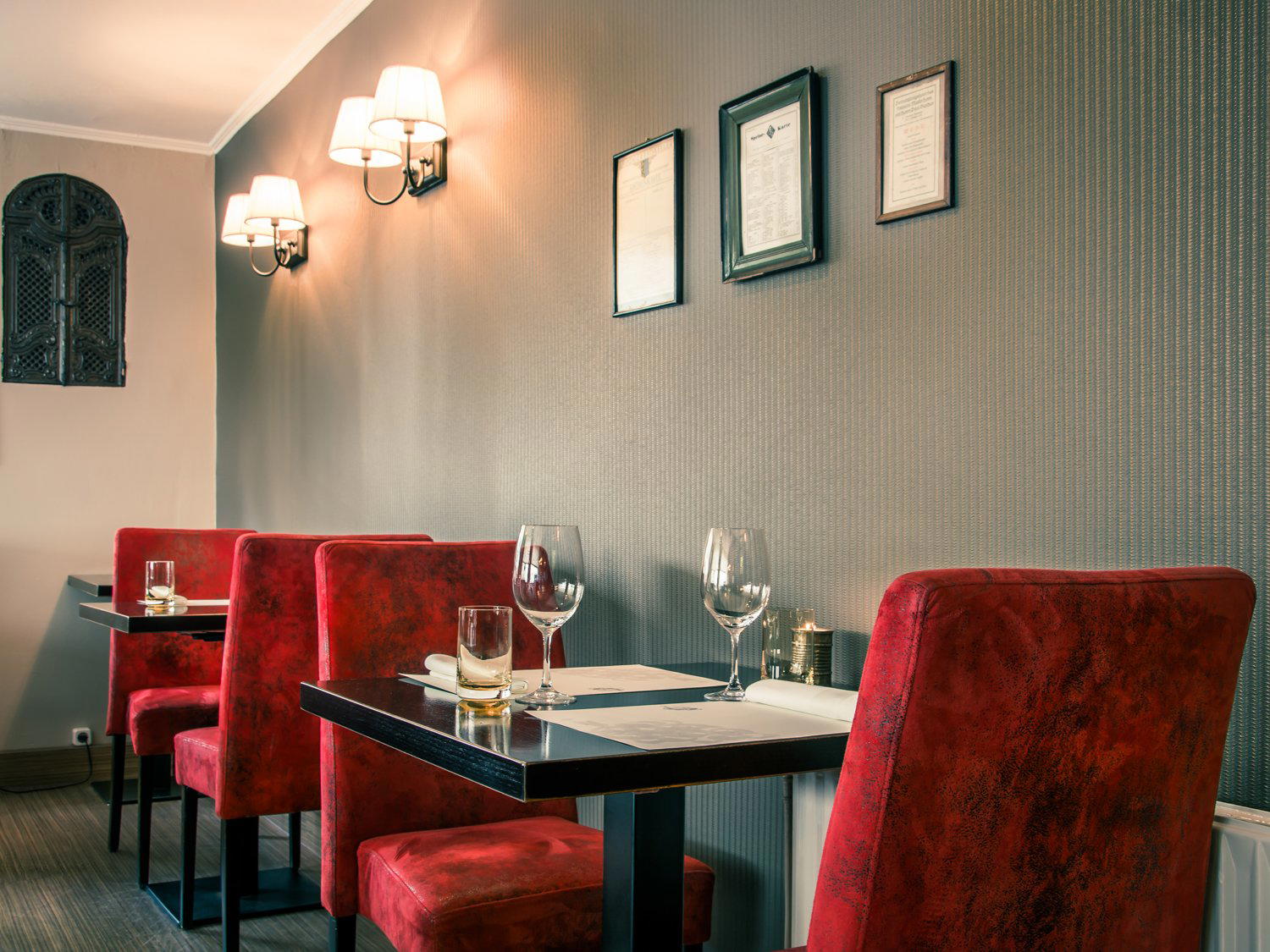
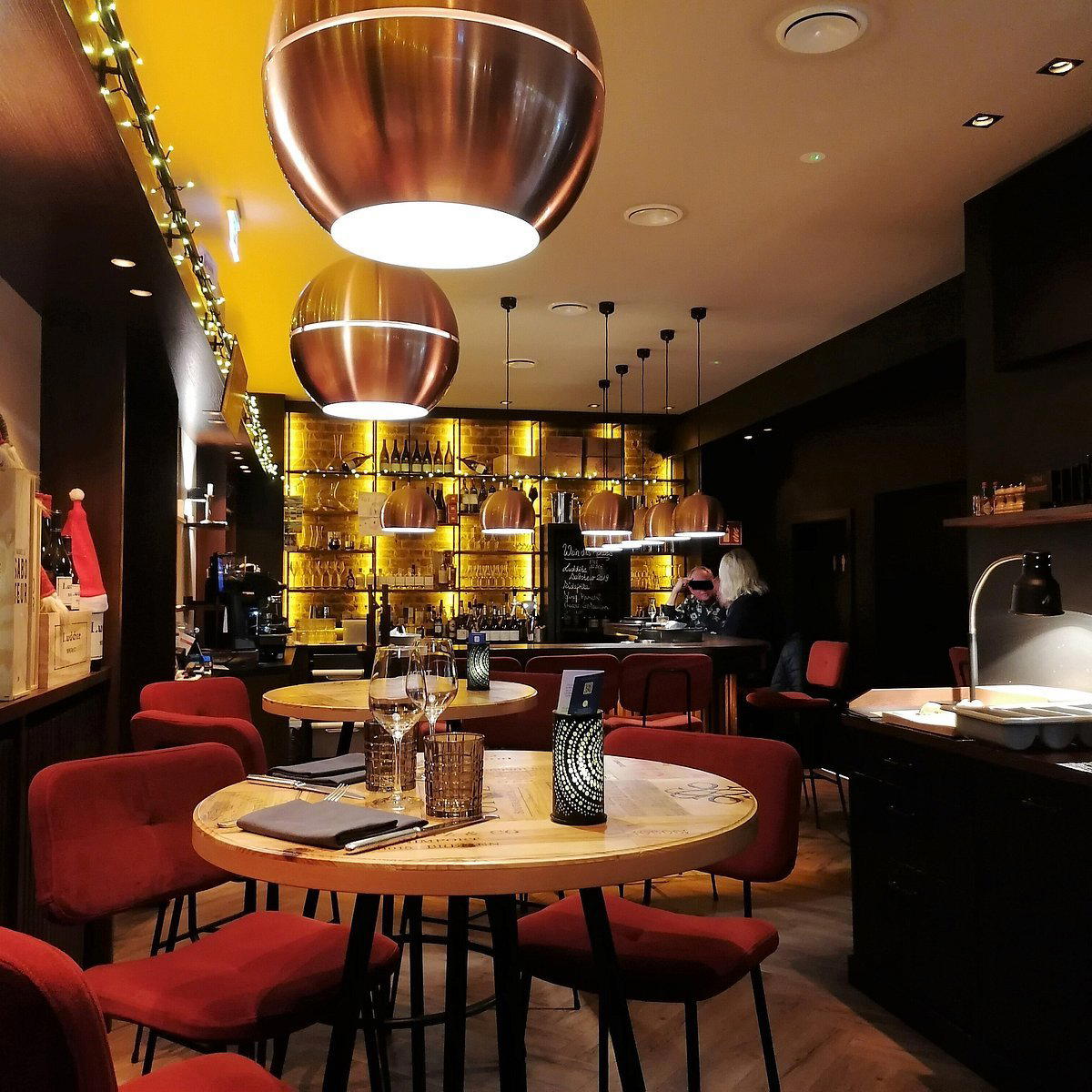
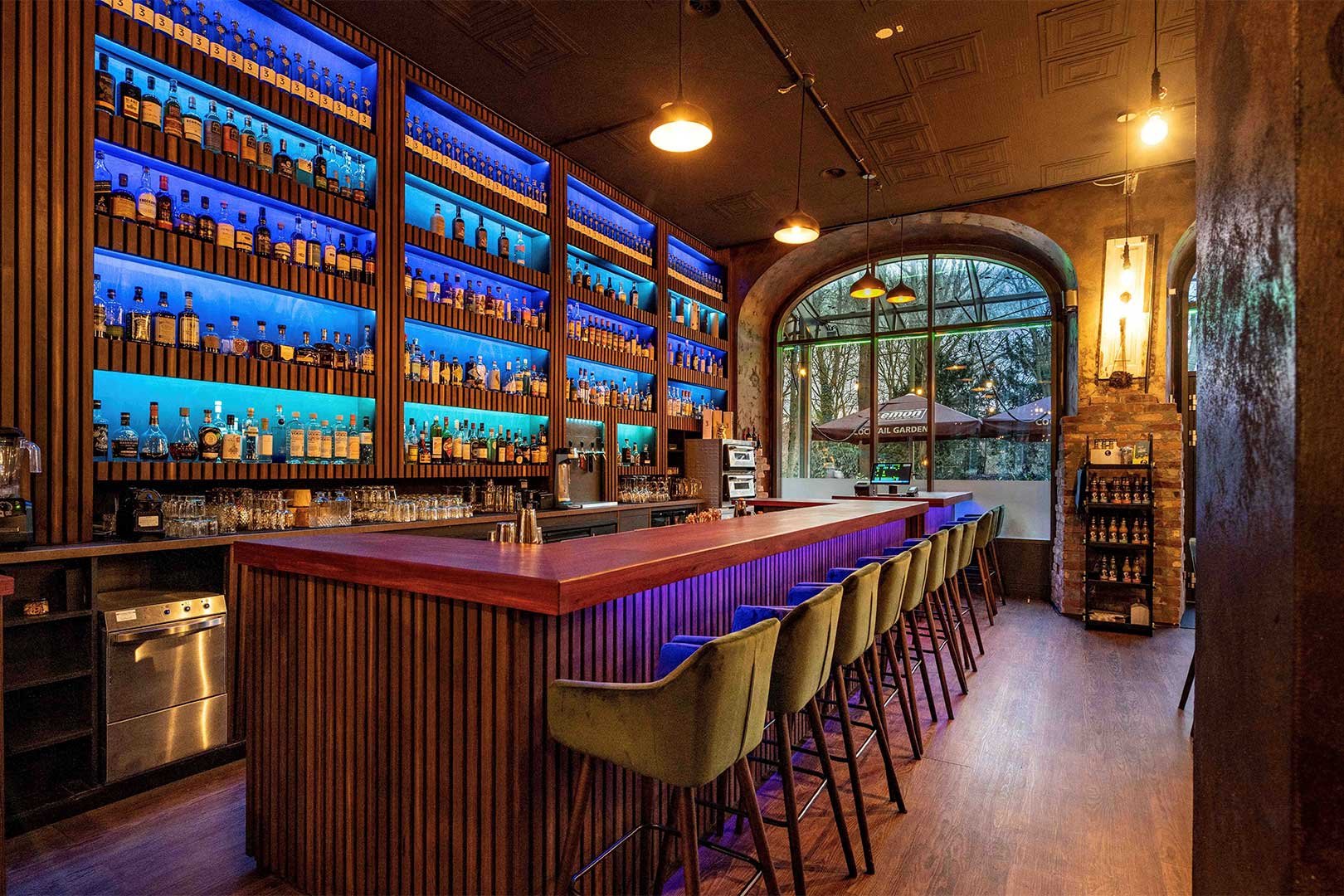
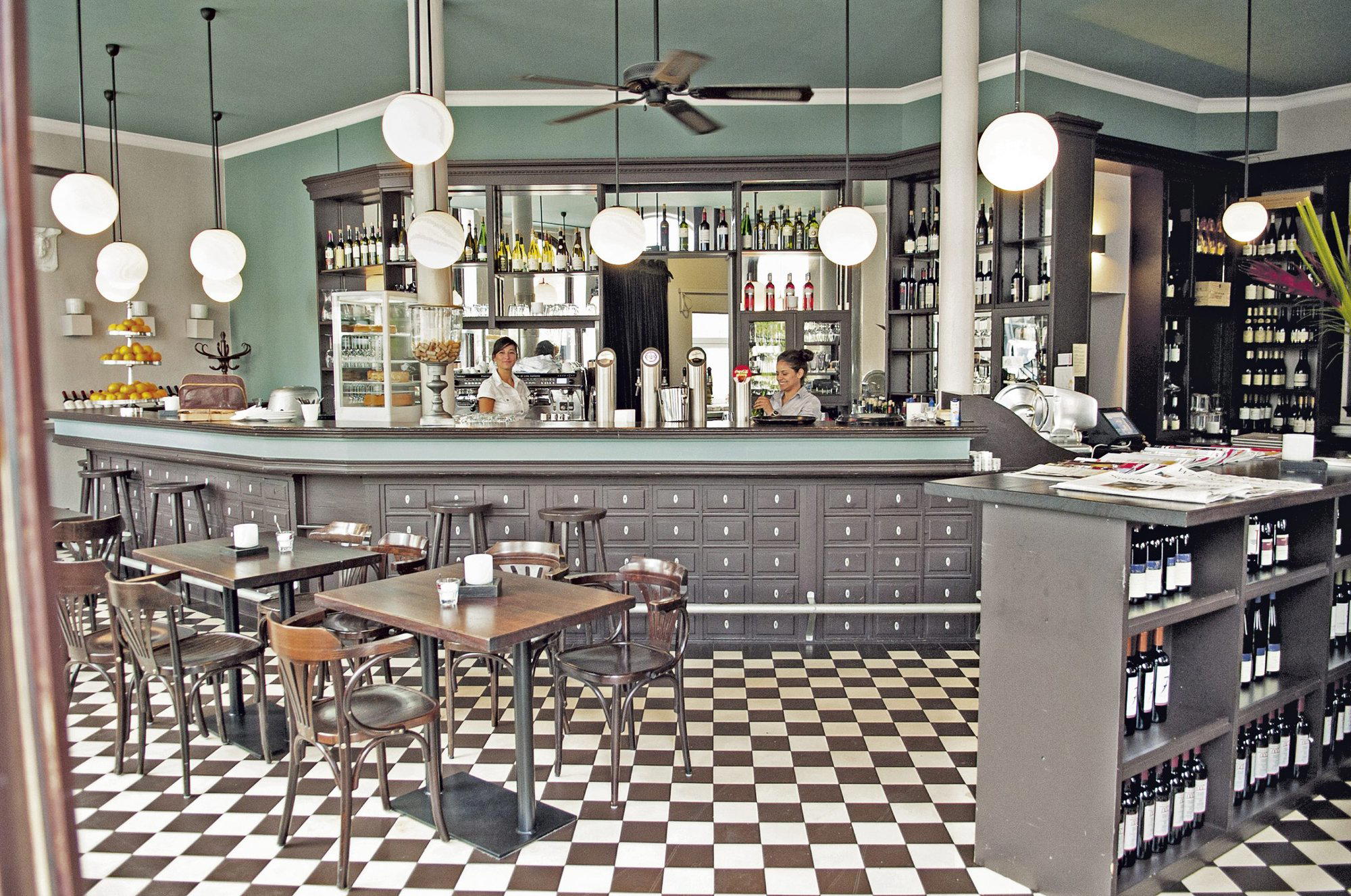
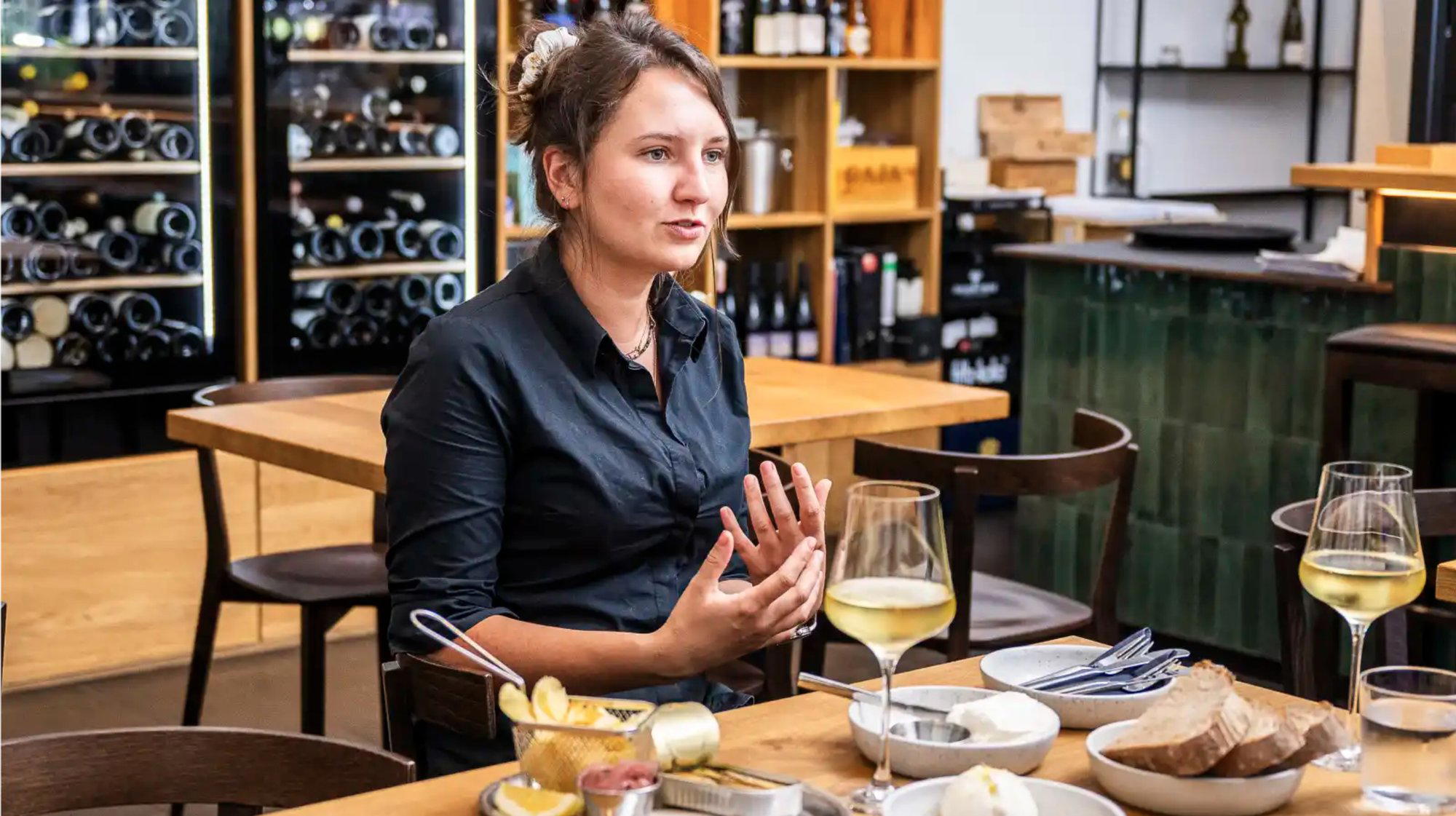
Romantic candlelight dinner atmosphere in a wellness hotel setting.