Weisses Rössl

Weisses Rössl holds a Michelin Bib Gourmand (2025), operating from a painted historic facade on Herrengasse in the heart of Wasserburg am Inn's old town. Chef Hermann Poll runs a menu rooted in Bavarian regional produce, with dishes ranging from marinated salmon with wasabi and cucumber to braised venison with bread dumplings. At the single-euro price tier, it sits among the more accessible Michelin-recognised tables in Upper Bavaria.
Pearl is the En Primeur Club membership app — saves, bookings, and concierge access live there. Same editors, same standards.
- Address
- Herrengasse 1, 83512 Wasserburg am Inn, Germany
- Phone
- +49 8071 5263213
- Website
- xn--weisses-rssl-djb.de
- Directions
- Get directions
 Saves & bookings on Pearl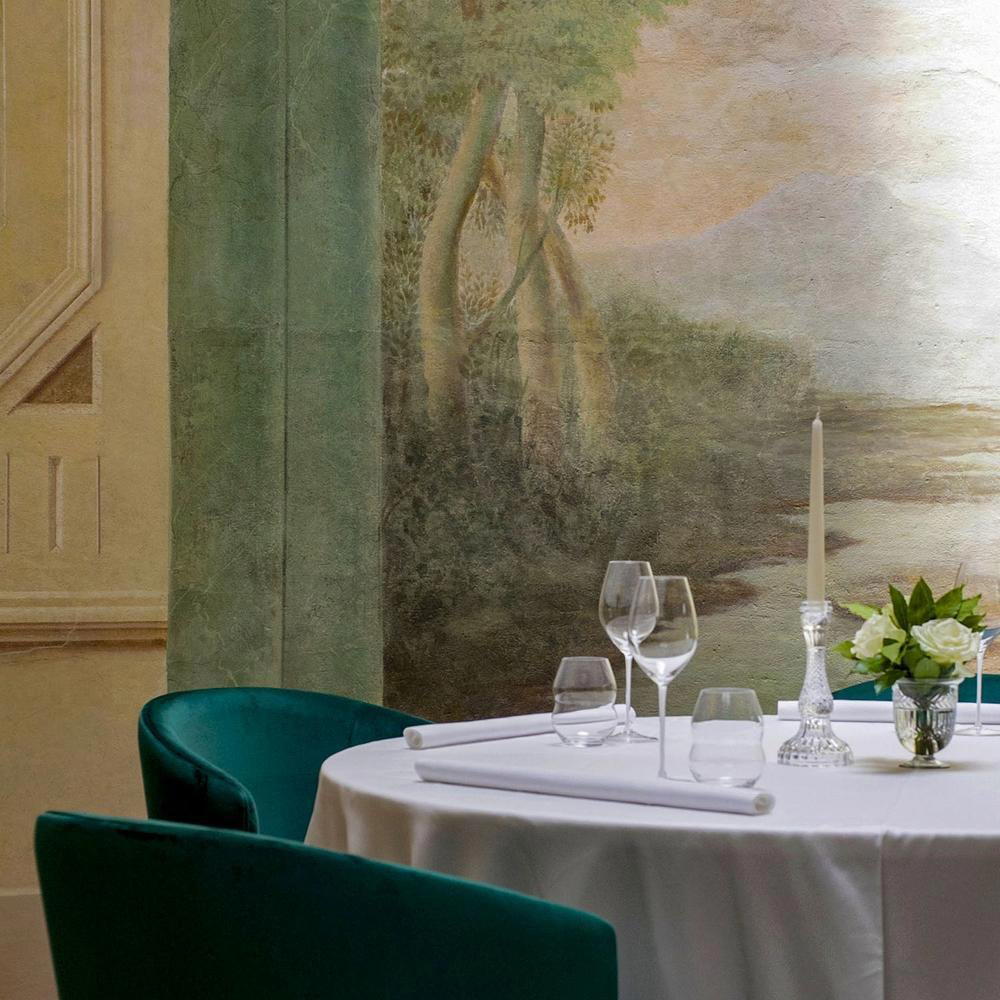
Where the Inn Bend Shapes the Larder
Wasserburg am Inn occupies a near-island formed by a tight loop of the river, and that geography has always shaped what ends up on local tables. The surrounding Chiemgau and Inn Valley region produces game, freshwater fish, and root vegetables that have fed the town's kitchens for centuries. In that context, a Michelin Bib Gourmand on Herrengasse 1 is a strong signal of quality in a serious regional kitchen.
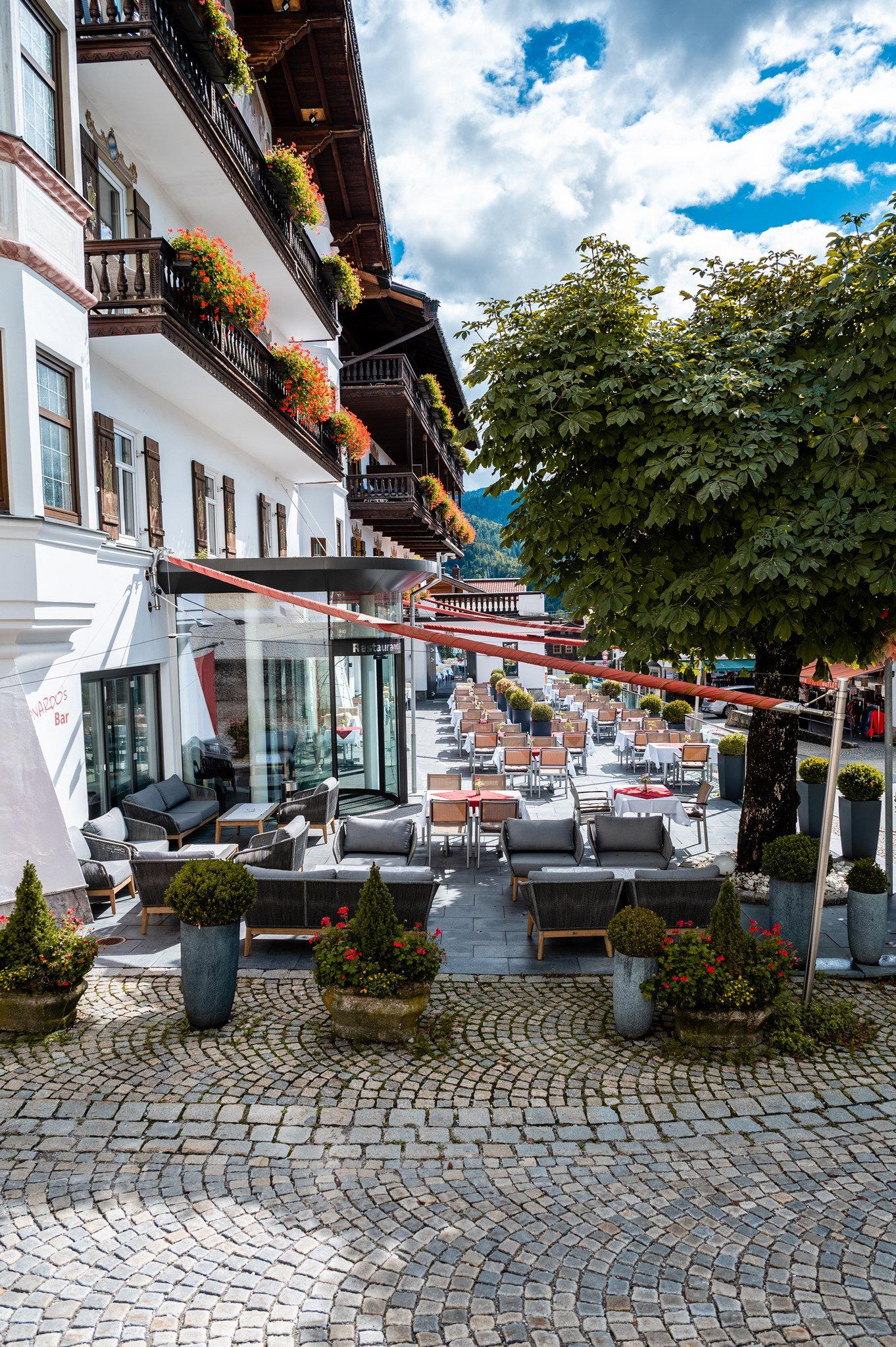
Weisses Rössl sits inside that tradition. The house's painted facade, one of the more photographed frontages in the old town, gives way to a room that Michelin's 2025 inspectors characterise as contemporary-rural in ambience. That pairing of adjectives matters. Contemporary-rural, as a category in southern German dining, describes a kitchen that respects the Bavarian larder without freezing itself in amber: bread dumplings appear alongside wasabi, venison stays braised and anchored to the season, but the plating and sourcing conversation is current enough to hold the attention of a table that eats broadly. For comparison, the high-end regional register in this part of Germany runs through addresses like ES:SENZ in Grassau, where the same Alpine produce is pushed toward full tasting-menu territory at a significantly higher price point. Weisses Rössl operates at the other end of that spectrum, where the Bib Gourmand is specifically designed to recognise: good cooking, good sourcing, honest price.
The Sourcing Logic Behind the Menu
The dishes Michelin names in its 2025 citation are instructive precisely because they are not interchangeable with menus elsewhere. The wasabi-cucumber pairing alongside the salmon signals that Chef Hermann Poll is not cooking in a nostalgic register. That combination references Japanese technique applied to a northern European cured-fish tradition, a move that has become relatively common in German regional kitchens since roughly 2015 but still requires enough product quality in the base ingredient to sustain the contrast.
This is the operative logic of good regional sourcing: it does not restrict the menu to a museum, it raises the minimum standard across every plate because the primary ingredient is strong enough to carry weight. Addresses like Herrenhaus, also in Wasserburg and positioned explicitly as farm-to-table, work from a similar premise. The two kitchens represent distinct approaches to the same regional larder, one leaning into formal farm-linkage, the other into a more fluid contemporary-rural format. For context on how Bavarian sourcing plays at the far end of the prestige scale, JAN in Munich demonstrates what happens when the same regional-produce argument is applied to a full fine-dining structure.
Atmosphere and the Regulars Question
. The review volume is not enormous, but the score consistency at that level, across a sample covering multiple seasons and table types, points to a kitchen and front-of-house that perform reliably rather than brilliantly on occasional nights. Michelin's own language reinforces this: the citation notes that regulars appreciate the service and ambience, which is a coded observation. Regulars, in Michelin's vocabulary, indicate a room that functions as a genuine local institution rather than a destination table drawing visitors from two hours away for a one-off occasion. Both are valid formats; they serve different reader decisions.
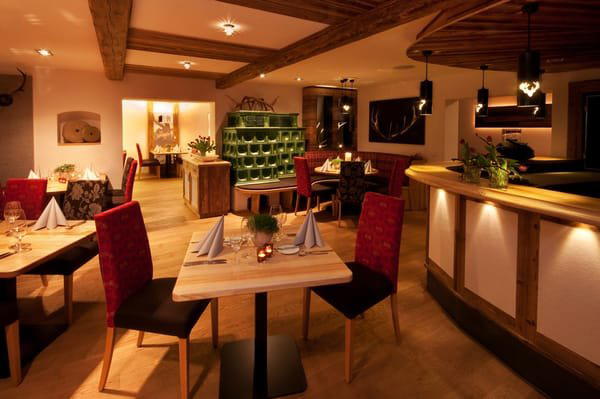
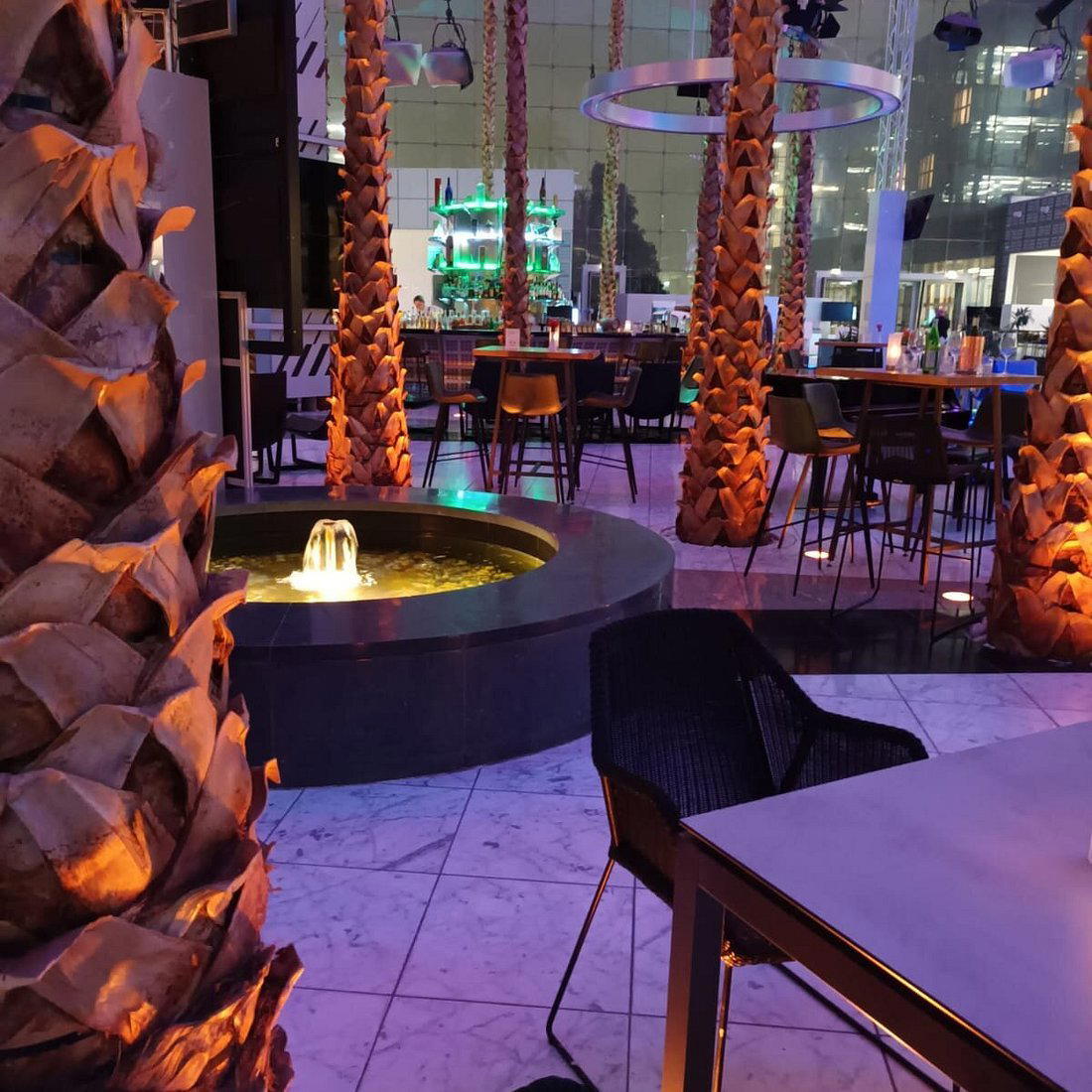
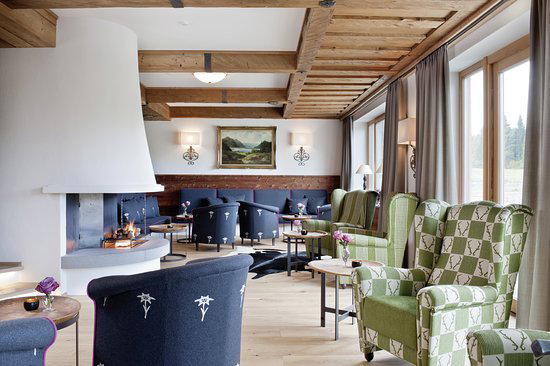
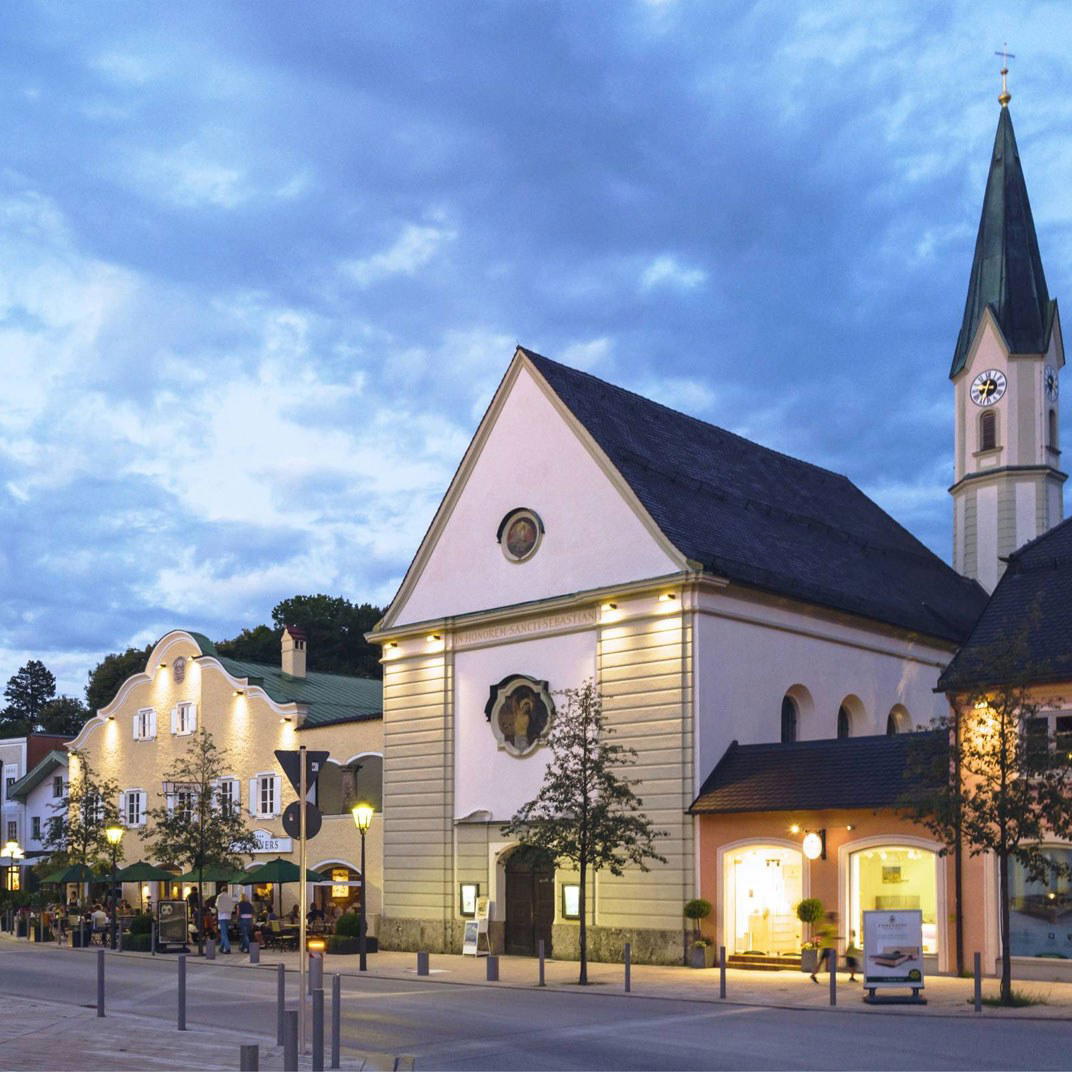
The interior reads as contemporary-rural, which in practice tends to mean natural materials, unfussy table settings, and a noise level that allows conversation without effort. The summer terrace, small by the accounts of those who describe it, adds an outdoor option that matters in a town where the old-town architecture provides as much of the experience as the food. Wasserburg's Herrengasse is among the better-preserved historic streets in Upper Bavaria, so sitting outside here carries a different charge than a pavement table on a Munich side street.
Positioning Within the German Bib Gourmand Tier
The Bib Gourmand signals value alongside quality. Holding it in 2025 puts Weisses Rössl in the company of regional kitchens that have passed the same two-part test: food that meets Michelin's quality threshold, and pricing that keeps the meal within reach of a table spending carefully. At the single euro-sign price tier, it sits well below the three- and four-euro-sign tier occupied by addresses like Schwarzwaldstube in Baiersbronn, Vendôme in Bergisch Gladbach, or Waldhotel Sonnora in Dreis. Those are different conversations entirely.
The restaurant belongs to the broader southern German regional table. Within that set, Gannerhof in Innervillgraten and Fahr in Künten-Sulz offer useful comparisons across the Swiss and Austrian borders, where the same Alpine-regional logic produces different menu emphases depending on local produce patterns.
Planning a Visit
The restaurant is at Herrengasse 1, in the centre of Wasserburg am Inn's pedestrianised old town. The restaurant sits in a moderate price tier, and its Michelin recognition and. Wasserburg is roughly 50 kilometres east of Munich by road or regional train, making it a plausible half-day or day-trip destination from the city, or a natural stop on a route through the Inn Valley toward the Austrian border. The summer terrace is a seasonal variable worth factoring into timing; visiting between June and September increases the chance of an outdoor table.
Cost Snapshot
Comparable venues nearby, for context on price, style, and recognition.
| Venue | Cuisine | Price | Awards | Notes |
|---|---|---|---|---|
| Weisses RösslThis venue — the venue you are viewing | Regional Cuisine | $$$ | Bib Gourmand | Not listed |
| Herrenhaus | Not listed | $$$ | Michelin Plate | Old Town (Altstadt), Regional German Fine Dining |
| Gasthaus Weißenbeck | Bergkirchen, Modern Bavarian Regional | $$$ | Bib Gourmand | Not listed |
| Fürstenfelder | Fürstenfeldbruck, Modern Organic German | $$$ | Bib Gourmand | Not listed |
| Freisinger Hof | Oberföhring, Bavarian-Austrian Classics | $$$ | Michelin Plate | Not listed |
| Johann Grill | Not listed | $$$ | Michelin Plate | Berchtesgaden, Modern Bavarian Alpine Grill |
Recognition history
Dated appearances from independent guides and award organizations, with the underlying list record or original source where available.
Michelin Bib Gourmand
Michelin
Michelin Bib Gourmand
Michelin
Continue exploring
More in Wasserburg am Inn
Restaurants in Wasserburg am Inn
Browse all →
Bars in Wasserburg am Inn
Browse all →
At a Glance
- Cozy
- Rustic
- Classic
- Intimate
- Special Occasion
- Family
- Group Dining
- Historic Building
- Terrace
- Extensive Wine List
- Local Sourcing
Current opening hours
- Monday
- Closed
- Tuesday
- Closed
- Wednesday
- 11:30 AM–2 PM, 6–10 PM
- Thursday
- 11:30 AM–2 PM, 6–10 PM
- Friday
- 11:30 AM–2 PM, 6–10 PM
- Saturday
- 11:30 AM–2 PM, 6–10 PM
- Sunday
- Closed
Hours can change for holidays and private events. Last verified .
Pleasant contemporary-rural setting with warm wooden tables, stylish decoration, modern art, and cozy, relaxed atmosphere.