Watertable
Our verdict
Watertable in Huntington Beach delivers grill-centric contemporary American cuisine in a coastal resort setting. Must-try dishes include Lemon Blueberry Pancakes, the Soca Benedict, and Avocana. Under Chef Corina Rodriguez, the menu highlights seasonal California produce, fresh seafood and natural meats, paired with a Wine Spectator-recognized wine list and craft cocktails. Expect warm, inviting service, breakfast favorites that elevate the morning, and evening plates that emphasize wood-fired flavors and clean, bright ingredients. Located on Pacific Coast Highway inside the Hyatt Regency Huntington Beach Resort & Spa, Watertable balances refined technique with approachable beachside comfort for memorable meals any time of day.

Pearl is the En Primeur Club membership app, where members save venues, book tables and use the concierge.

The menu
What to order
- Crème brûlée oatmeal
- Lavender French toast
- Chilean sea bass
Where Los Angeles Dining Meets Environmental Accountability
Los Angeles has spent the better part of a decade repositioning its fine dining conversation away from celebrity-chef spectacle toward something more considered. At the upper tier of that shift, a smaller cohort of restaurants has made sourcing ethics and environmental accountability central to their culinary identity, not as a marketing posture but as an operational framework. Watertable belongs to that cohort: a Los Angeles restaurant where the relationship between the kitchen and the supply chain is as deliberately constructed as the menu itself.
What connects these restaurants is a shared resistance to the kind of ingredient sourcing that treats cost and convenience as the dominant variables. At Watertable, the name itself signals the central concern: water, as a resource, a habitat, and an ethical reference point.
The Sustainability Framework as Kitchen Logic
Restaurants that frame themselves through environmental consciousness tend to fall into two broad categories. The first treats sustainability as a branding layer, appending phrases like "locally sourced" to menus without structural commitment. The second rebuilds procurement, waste management, and menu architecture around genuine constraints. The latter is harder to execute and, when done consistently, produces a measurably different dining experience, because the ingredient choices available to chefs working within tight ethical parameters differ substantially from those available to kitchens with no such constraints.
Watertable operates in the second category. In a city where ocean-adjacent dining has long carried associations with breezy informality, a restaurant that positions water as a serious ecological reference point represents a distinct posture. The conversation around ocean health, sustainable fisheries, and freshwater systems has intensified considerably in California over the past decade, and restaurants that anchor their identity to those concerns are drawing on genuinely urgent context, not novelty. For comparison, Le Bernardin in New York City has demonstrated over decades that rigorous seafood sourcing and fine dining are not competing priorities; Watertable draws on a similar logic, applied to the California context.
The comparison also extends further afield. Single Thread Farm in Healdsburg has built its entire operational model around a farm-to-table infrastructure that limits the restaurant's dependence on conventional supply chains. The French Laundry in Napa maintains kitchen gardens that function as genuine sourcing inputs rather than decorative gestures. These are benchmarks for what environmental accountability at the fine dining level looks like in practice, and they represent the peer context in which a restaurant like Watertable is properly assessed.
Los Angeles as Context: Why Sustainability Reads Differently Here
California's dining culture has a complicated relationship with environmental claims. The state produces the largest share of the country's fruits and vegetables, which means that proximity to agricultural supply chains is not inherently a differentiator for Los Angeles restaurants. What distinguishes a genuinely sustainability-oriented kitchen in this city is not simply its access to California produce, but its willingness to impose selection criteria that go beyond geography: fisheries certification, regenerative agriculture partnerships, waste reduction targets, and menu design that minimizes high-impact proteins.
The broader Los Angeles fine dining scene that Watertable occupies has seen significant critical attention in recent years. Somni has pushed the conceptual edge of the city's tasting menu format. Hayato represents a different form of rigor, applying Japanese kaiseki precision to ingredient selection and preparation in a way that inherently minimizes waste through whole-ingredient utilization. Osteria Mozza occupies the Italian end of the spectrum where seasonal, producer-direct sourcing has always been structural rather than optional. What Watertable contributes to this field is a frame that makes environmental accountability explicit rather than implicit.
Nationally, the trend is visible at restaurants like Lazy Bear in San Francisco and Alinea in Chicago, both of which operate within tightly controlled creative frameworks that allow for considered ingredient decisions at every level. Internationally, the conversation is further advanced, with restaurants in the Nordic tradition having spent fifteen years demonstrating that constraint-based sourcing produces creative intensity rather than limiting it. Atomix in New York City applies a comparable discipline to its Korean fine dining format. Watertable joins a growing international cohort where the ethical framework is also a creative one.
The Guest Experience: What Environmental Rigor Produces at Table
For the guest, a restaurant organized around sustainability principles tends to deliver a menu that shifts more frequently and more responsively than kitchens built on fixed supplier relationships. Seasonal availability, fisheries cycles, and harvest conditions all become active variables rather than background factors. This produces a dining experience with more inherent temporality: dishes that exist at a particular moment because the inputs that make them possible exist at that moment. It is a different relationship to the menu than the one offered by restaurants where the signature dishes are stable year-round.
At restaurants operating in this mode, the service team typically carries more ingredient-level knowledge than at conventional fine dining venues, because communicating sourcing decisions is part of the guest proposition. The conversation at table is not only about the food as sensory experience but about the network of relationships and decisions that produced it. For guests who have eaten at 8 1/2 Otto e Mezzo Bombana in Hong Kong or Emeril's in New Orleans, where the dining experience is shaped by specific regional ingredient traditions, that contextual layer will feel familiar. Watertable extends that tradition into explicitly ecological territory.
Planning Your Visit
- Location: Los Angeles, California
- Cuisine orientation: Sustainability-led, water-focused sourcing framework
- Booking: Contact the restaurant directly; availability details not publicly listed at time of writing
- Price tier: Premium; comparable to the upper bracket of Los Angeles fine dining
- Explore further: Our full Los Angeles restaurants guide | Hotels | Bars | Wineries | Experiences
Frequently asked questions
What should I order at Watertable?
Because the menu at Watertable is built around seasonal and ethically sourced ingredients, the specific dishes available will reflect what is currently in season and what sourcing decisions the kitchen has made for that period. The most considered approach is to follow the kitchen's current focus rather than seeking out fixed signatures. Ask your server which proteins and vegetables are at their peak during your visit, and let that guide your selections.
How hard is it to get a table at Watertable?
Los Angeles fine dining at this tier has become considerably more competitive over the past five years as the city's restaurant culture has attracted sustained national and international attention. Restaurants operating at the sustainability-forward, tasting-menu end of the market tend to have smaller capacities and longer lead times than mid-market venues. Booking as far in advance as possible is advisable, and weeknight sittings generally offer more flexibility than weekend service.
What is the standout characteristic of Watertable?
The defining characteristic is the extent to which environmental accountability functions as a structural kitchen principle rather than a supplementary claim. In a city with many restaurants that cite local sourcing, Watertable's explicit orientation around water systems and ecological impact places it in a distinct, smaller subset of Los Angeles fine dining. That specificity gives it a clearer identity relative to peers like Providence and Kato.
Do they accommodate allergies at Watertable?
Restaurants at this tier in Los Angeles typically accommodate dietary restrictions and allergies when notified in advance; this is standard operating practice for tasting-menu-format dining. Provide full details of any allergies when you book, not on the day of service.
Is Watertable worth the price?
The value calculation at a sustainability-oriented fine dining restaurant involves factors beyond ingredient cost. When a kitchen commits to certified fisheries, regenerative agriculture suppliers, and waste reduction systems, the overhead structure differs from that of a conventional fine dining operation, and pricing reflects those commitments. Guests who have eaten at comparable restaurants Single Thread Farm, The French Laundry, will recognize the cost structure as consistent with this tier and these operational values.
When should I go to Watertable?
Given the menu's responsiveness to seasonal availability, the question of timing is genuinely consequential here. California's agricultural calendar produces distinct ingredient peaks across the year, with spring and early summer bringing the widest range of produce-forward options, and late autumn offering the richest root vegetable and allium selections. Visiting during a seasonal transition often produces the most dynamic menus at restaurants with this sourcing philosophy. Evening service is standard for fine dining at this level in Los Angeles.
Does Watertable's format differ from other sustainability-focused restaurants in Los Angeles?
Among sustainability-conscious fine dining operations in California, there is a meaningful difference between those that apply environmental criteria to a conventional multi-course format and those that restructure the entire dining architecture around those principles, including course sequencing, portion weight, and protein hierarchy. Where Watertable's specific format places it on that spectrum is best confirmed directly with the restaurant, but its explicit water-systems framing suggests a conceptual depth that goes beyond ingredient labeling. That positions it closer to the Single Thread Farm model than to restaurants where sustainability is a procurement policy alone.
A Credentials Check
Comparable venues nearby, for context on price, style, and recognition.
| Venue | Cuisine | Price | Awards | Notes |
|---|---|---|---|---|
| WatertableThis venue (the venue you are viewing) | Seasonal American Coastal | $50–100 | Not listed | Not listed |
| Hermon's | Modern New American Steakhouse | $50–100 | World Best Burgers World's 101 Best Burgers #70 | Hermon |
| The Rose Venice | California Seasonal Cuisine with Bakery & Market | Not listed | Not listed | Venice |
| Checkers Downtown | New American with California, French, and Asian influences | $50–100 | Not listed | Financial District |
| Vandell | Craft Cocktail Bar with Bistro Bites | Not listed | Not listed | Los Feliz |
| Joyce | Modern Southern Seafood | $50–100 | Not listed | Financial District |
Continue exploring
More in Huntington Beach
Restaurants in Huntington Beach
All restaurants in Huntington Beach →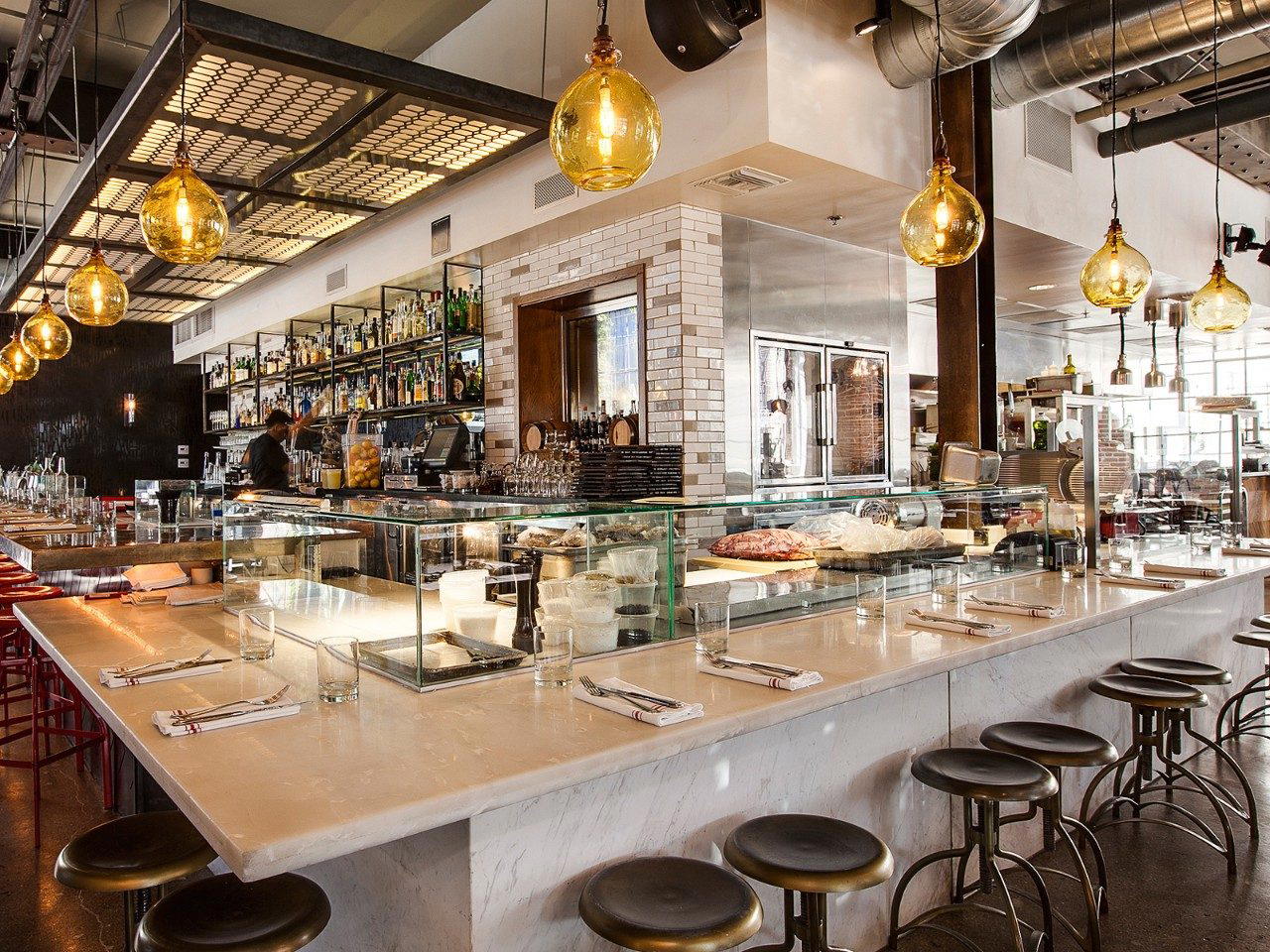
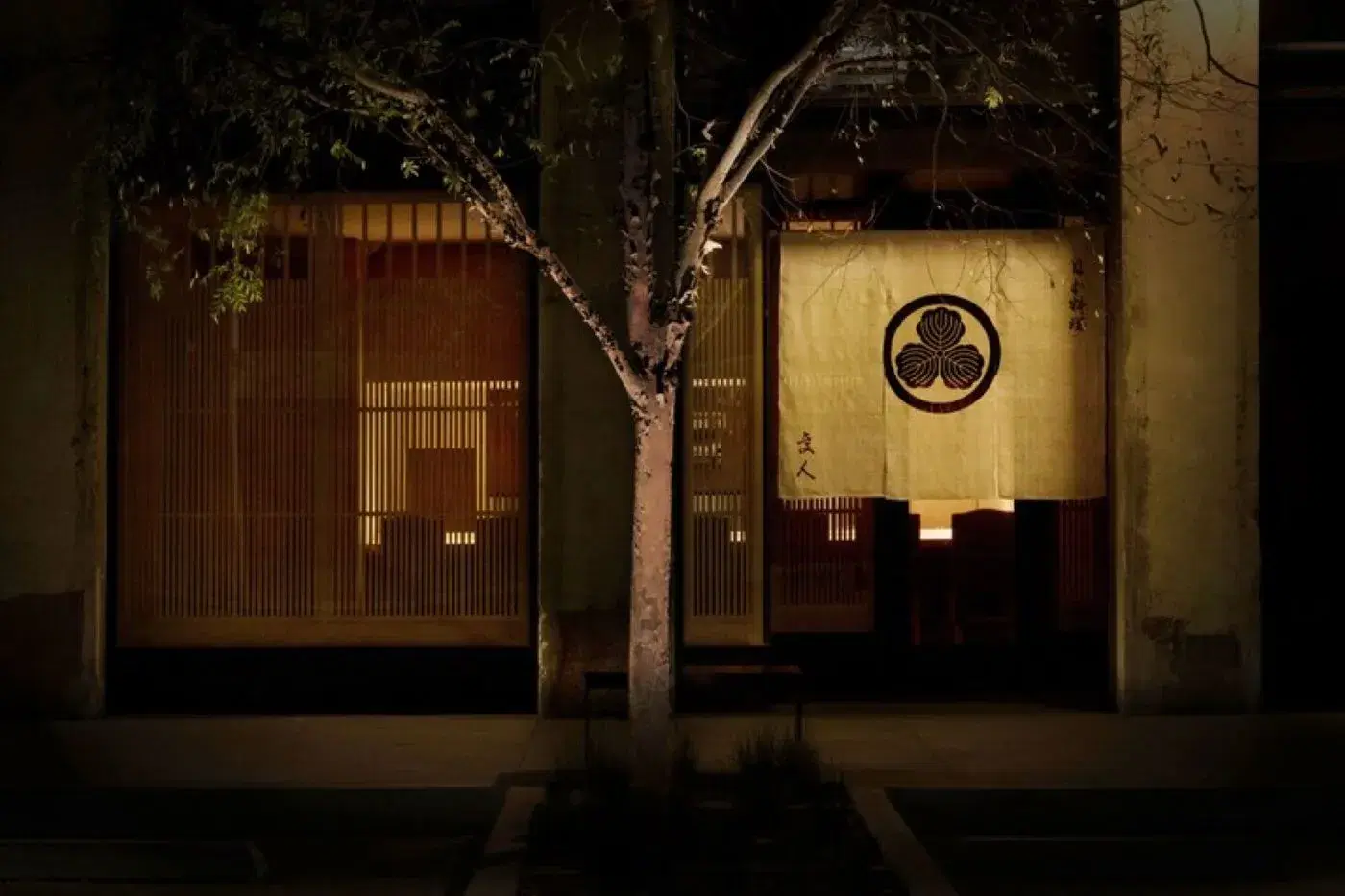
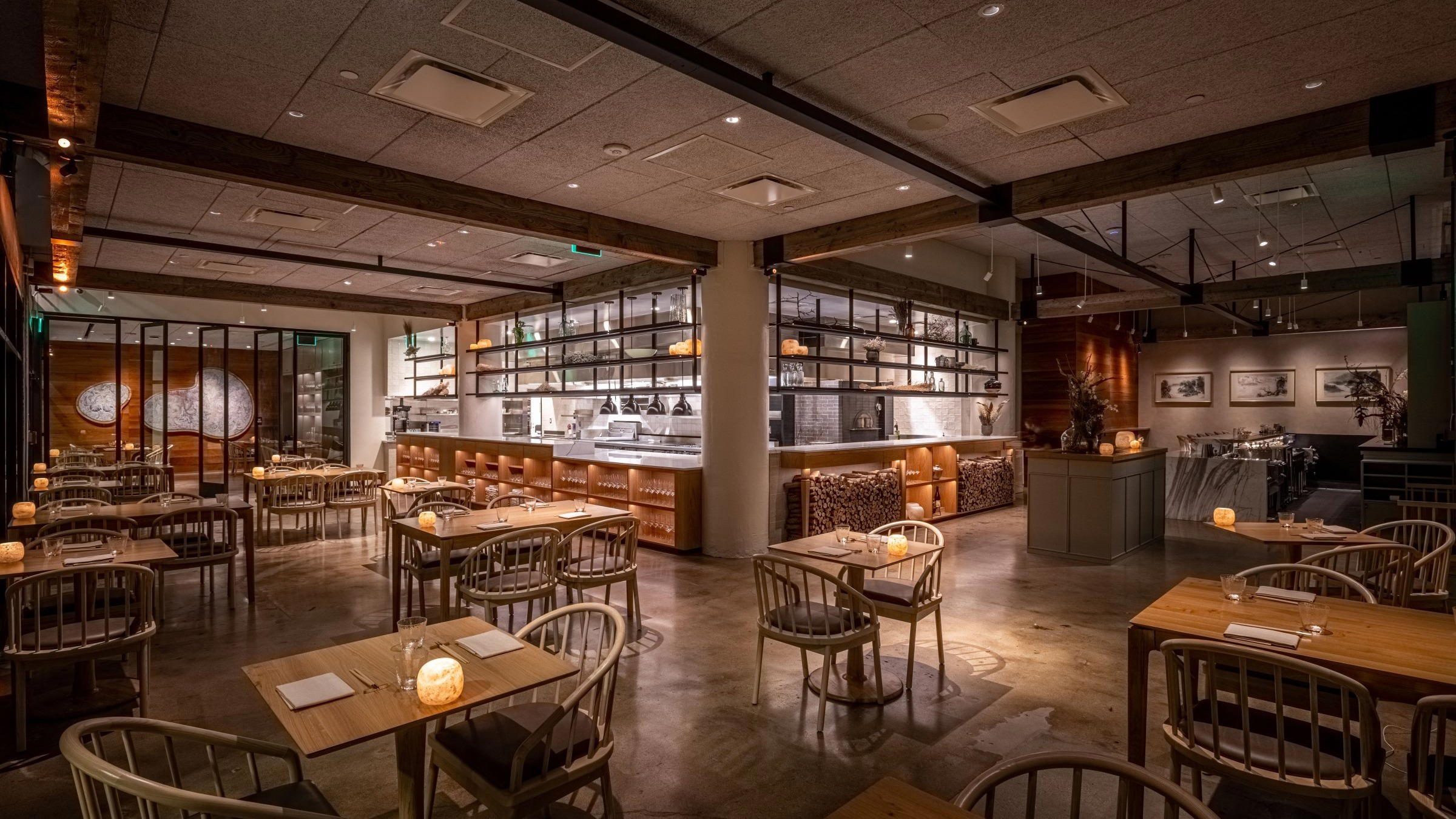
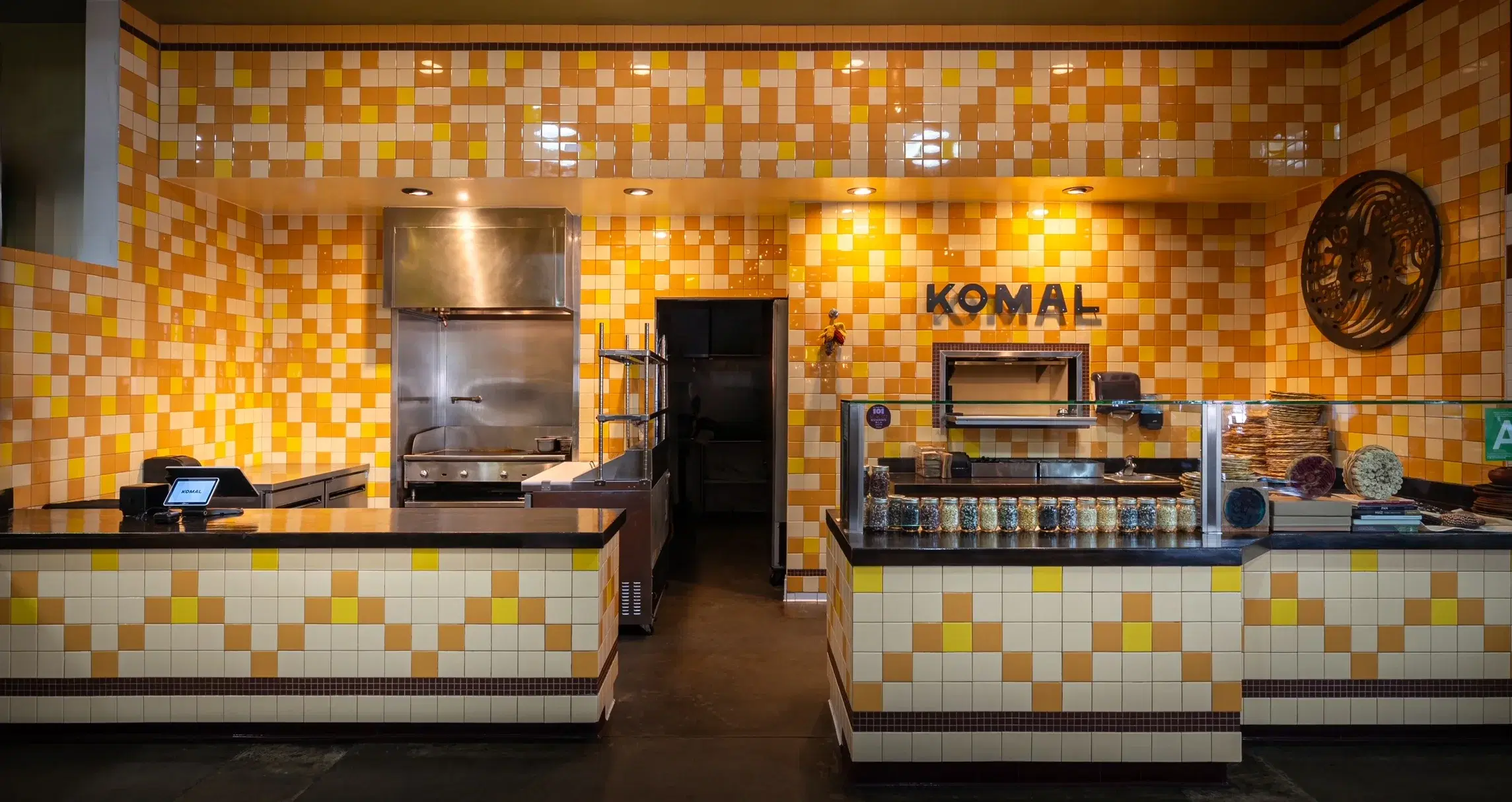
Bars in Huntington Beach
All bars in Huntington Beach →

Hotels in Huntington Beach
All hotels in Huntington Beach →
Wineries in Huntington Beach
Browse all →
Watertable
The wine
- Wine program
- Deep wine list
- Extensive wine list
- Craft cocktails
Details
- Scenic
- Elegant
- Cozy
- Sophisticated
- Brunch
- Date Night
- Special Occasion
- Group Dining
- Waterfront
- Hotel Restaurant
- Private Dining
- Extensive Wine List
- Craft Cocktails
- Local Sourcing
- Organic
- Waterfront
- A La Carte
- Vegetarian Friendly
- Vegan Options
- Gluten Free Options
Current opening hours
- Monday
- 7–11 AM, 5–9:30 PM
- Tuesday
- 7–11 AM, 5–9:30 PM
- Wednesday
- 7–11 AM, 5–9:30 PM
- Thursday
- 7–11 AM, 5–9:30 PM
- Friday
- 7–11 AM, 5–9:30 PM
- Saturday
- 7–11:30 AM, 5–9:30 PM
- Sunday
- 7–11:30 AM, 5–9:30 PM
Hours can change for holidays and private events. Hours as of .
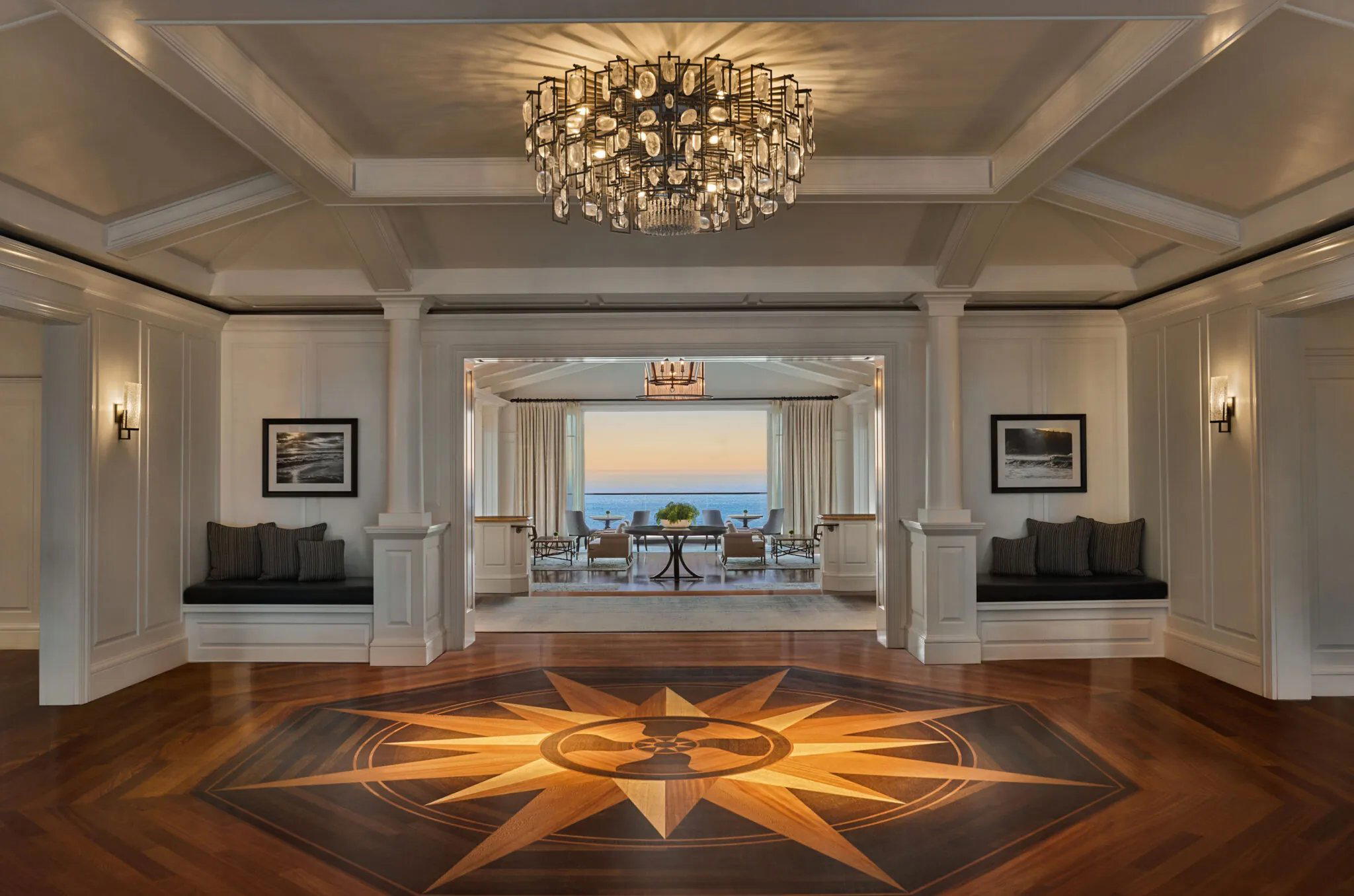
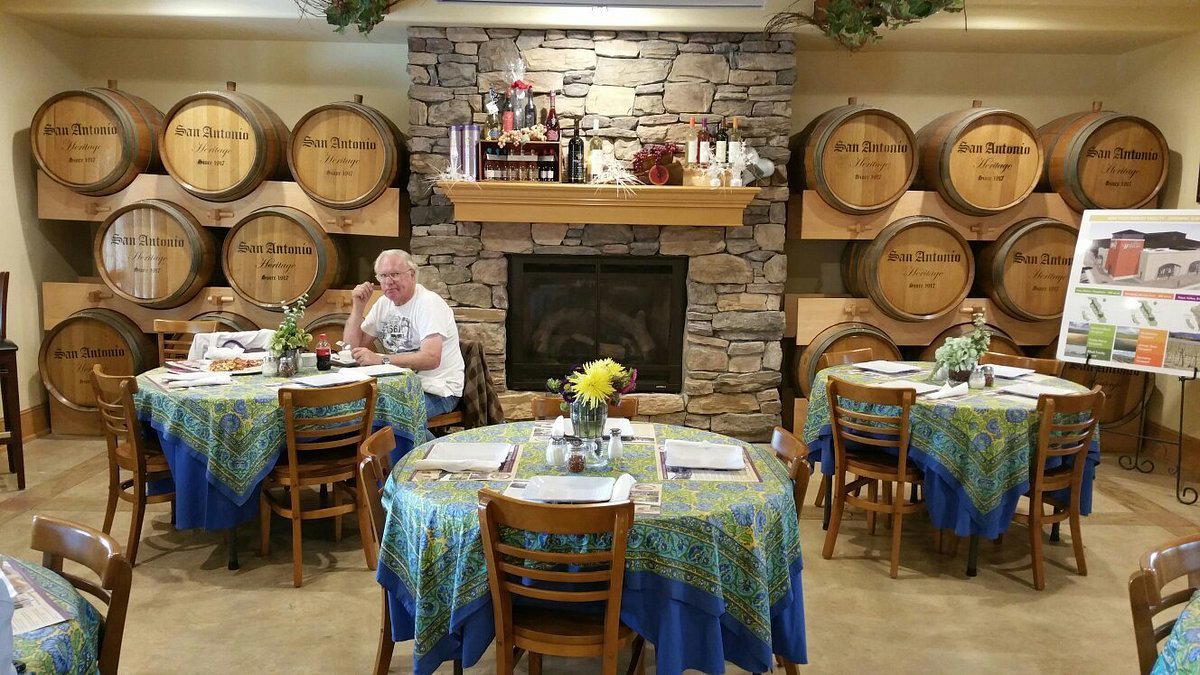
Relaxed coastal atmosphere with low lighting, fire pits, and views of the beach through landscaped gardens.