
Wan San Mian Guan in Chengdu's Jinjiang district has earned consecutive Michelin Bib Gourmand recognition in 2024 and 2025, placing it among a small tier of noodle shops that Michelin inspectors consider to deliver strong value. it represents the serious end of Chengdu's everyday noodle culture, where craft and price point converge without compromise.
Pearl is the En Primeur Club membership app — saves, bookings, and concierge access live there. Same editors, same standards.
- Address
- China, CN 四川省 成都市 锦江区 东糠市街 1 1号附5 邮政编码: 610023
- Phone
- +86 28 6423 1923
- Directions
- Get directions
 Saves & bookings on Pearl
Where Chengdu's Noodle Tradition Gets Serious
Dongkang Market Street in Jinjiang sits a few blocks removed from Chengdu's more tourist-facing corridors, and that address matters. The noodle shops that survive and accumulate reputations in these working residential and commercial pockets tend to do so through repeat local custom rather than foot traffic. Wan San Mian Guan operates in exactly that environment: a street-level shop in a city where noodles are not a trend or a casual category, but a daily institution with its own grammar of condiments, textures, and broth temperatures.
Chengdu's noodle culture occupies a distinct register within Sichuan cuisine. Where mapo tofu and twice-cooked pork carry the province's fire-and-complexity reputation internationally, the noodle bowl, dan dan mian, zhong shui jiao, hong you chao shou, operates at a different frequency: faster, cheaper, eaten standing or perched on low stools, calibrated for the morning or the late-night gap between meals. It is a cuisine of precision rather than elaboration, where the quality of the chili oil, the balance of the numbing Sichuan pepper, and the spring of the noodle itself determine whether a bowl is worth returning to. Wan San Mian Guan sits in this tradition, and it has attracted the attention of Michelin inspectors doing exactly what the Bib Gourmand program was designed to do: find the places where craft and price converge at the lower end of the price spectrum.
What the Bib Gourmand Recognition Signals
Michelin's Bib Gourmand designation, awarded in both 2024 and 2025 at Wan San Mian Guan, is a separate editorial statement. It is a separate editorial statement, identifying restaurants where inspectors believe the kitchen delivers cooking worth a dedicated trip at a price point accessible to most visitors. In Chengdu, where the Michelin guide has expanded its coverage of everyday formats alongside fine-dining entries, the Bib Gourmand category now includes a meaningful cluster of noodle and small-format operations. Consecutive recognition across two annual guides signals consistency, an inspector did not catch the kitchen on a good day; they found the same standard on return.
Within Chengdu's noodle category, that consecutive recognition places Wan San Mian Guan in a narrow peer group. Comparable operations recognised in recent Michelin Chengdu editions include Lao Chengdu San Yang Mian and Rongrong Beida Pugaimian, both operating in the same low price tier and same everyday-format tradition. The pattern across these addresses suggests that Michelin's Chengdu inspectors are treating the noodle shop as a serious category rather than a curiosity, a shift that reflects broader changes in how international guides are engaging with Chinese everyday food culture.
For context on how this fits within Chengdu's wider dining picture: the city's Michelin-recognised restaurants span from single-symbol operations like Wan San Mian Guan up through the four-symbol range seen at places like Yu Zhi Lan in the Sichuan fine-dining category. The Bib Gourmand tier occupies its own lane in that spread, connecting the guide to the city's ground-level food culture rather than only its prestige restaurants. Other Chengdu noodle and casual-format operations worth cross-referencing include Gan Ji Fei Chang Fen (Jinniu) and Mosnack, while the full picture of the city's recognised dining is covered in our full Chengdu restaurants guide.
The Cultural Weight of a Noodle Shop in Sichuan
Sichuan noodle culture carries specific regional identity in a way that differs from, say, Shanghainese noodle traditions or the hand-pulled noodle formats dominant in northwest China. The Sichuan bowl is typically defined by the sauce and condiment layer, chili oil infused with aromatics, sesame paste, black vinegar, ground meat, preserved vegetables, more than by the broth. Many Chengdu noodle formats are technically dry or lightly sauced, relying on the complexity of those condiment layers to deliver the dish's character. The noodle itself is usually thinner and more tender than the pulled formats of Lanzhou or the thick wheat noodles of northern China, and the portion size is calibrated for a meal that costs under thirty yuan.
This format has deep roots in Chengdu's teahouse and street culture, where small operators built loyal followings over decades through the consistency of a single sauce base or a particularly well-sourced chili variety. The city's food culture has always rewarded this kind of specialisation. Across China, the noodle shop as a format is seeing renewed editorial attention: A Bing Bao Shan Mian in Hangzhou and A Kun Mian in Taichung represent similar specialist operations in different regional traditions, both drawing guide attention for the same reason: a bowl of noodles, done with consistency and precision, is worth the attention of serious eaters regardless of price tier.
Wan San Mian Guan's, but it is consistent with the Michelin signal. At a price point in the single-yuan range per bowl, this is not a restaurant where visitors arrive with lowered expectations. Chengdu's regular customers know exactly what standard a Bib Gourmand address in this category should hold.
Across China more broadly, those tracing the range of Chinese culinary formats at Michelin-recognised addresses might also consider Xin Rong Ji (Xinyuan South Road) in Beijing, 102 House in Shanghai, Ru Yuan in Hangzhou, Chef Tam's Seasons in Macau, Imperial Treasure Fine Chinese Cuisine in Guangzhou, and Dai Yuet Heen in Nanjing. Another Chengdu address worth noting in the context of the city's mid-range dining tier is Member.
Know Before You Go
| Address | Dongkang Market Street 1, No. 8 (52 reviews) |
|---|---|
| Booking | Walk-in friendly |
| Hours | Not listed |
What It’s Closest To
Comparable venues nearby, for context on price, style, and recognition.
| Venue | Cuisine | Price | Awards | Notes |
|---|---|---|---|---|
| Wan San Mian Guan (Jinjiang)This venue — the venue you are viewing | Yibin-Style Ranmian Noodles | $$ | Bib Gourmand | Not listed |
| Mind | Sichuan Noodles | $$ | Bib Gourmand | Chengdushi |
| Shudidanggui (Wuhou) | Medicinal Herb Sichuan | $$ | Bib Gourmand | Chengdushi |
| Gan Ji Fei Chang Fen (Jinniu) | Sichuan Pork Intestines Glass Noodles | $ | Bib Gourmand | Chengdushi |
| Long Sen Yuan (Qingyang) | Authentic Chengdu Hotpot | $$ | Michelin Plate | Chengdushi |
| Hu Er Ge Yao Shan Ti Hua | Sichuan | $$ | Bib Gourmand | Chengdushi |
Recognition history
Dated appearances from independent guides and award organizations, with the underlying list record or original source where available.
Michelin Bib Gourmand
Michelin
Michelin Bib Gourmand
Michelin



At a Glance
- Classic
- Cozy
- Casual Hangout
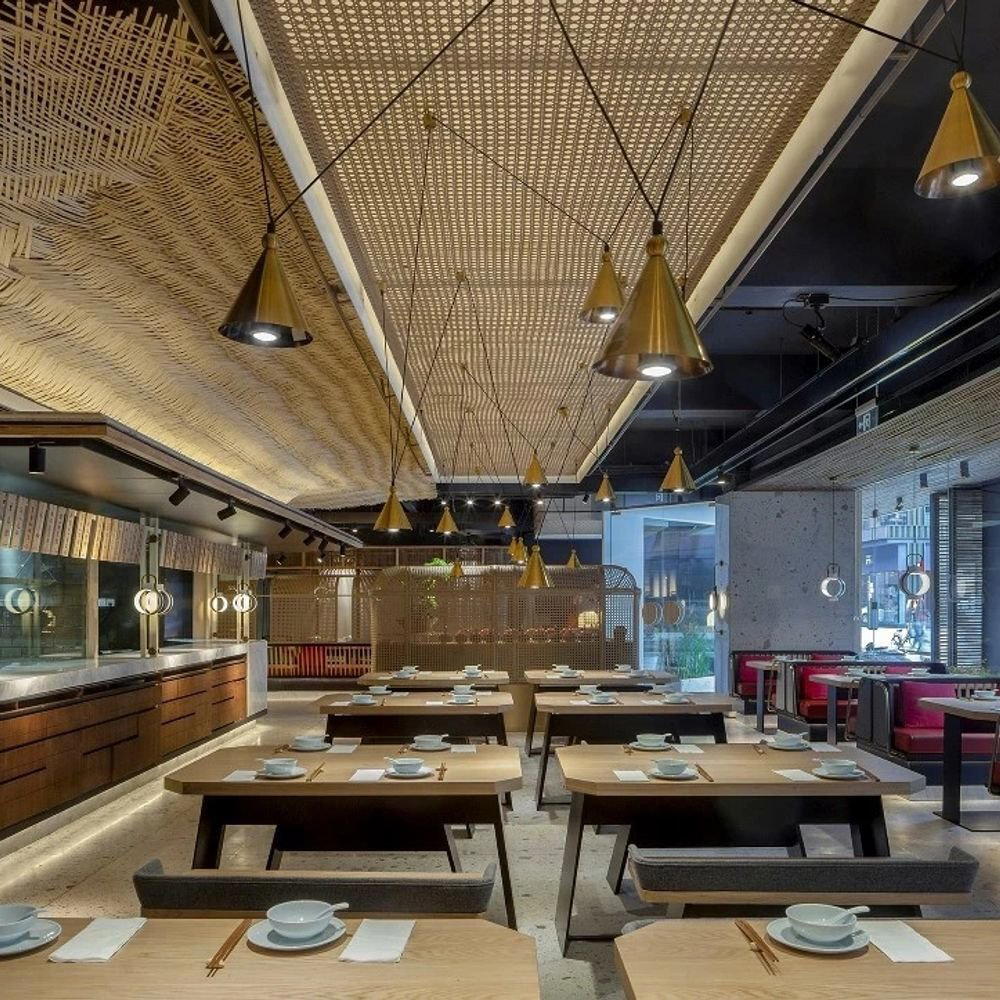
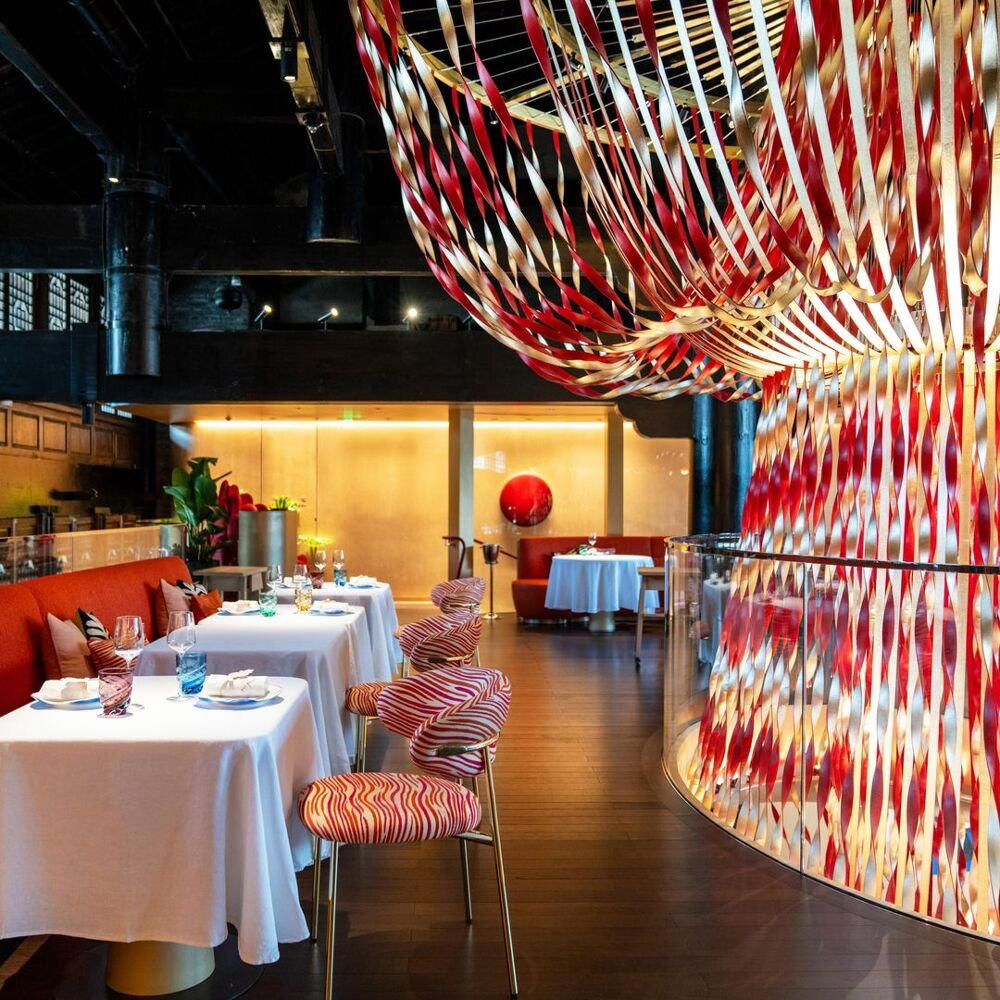
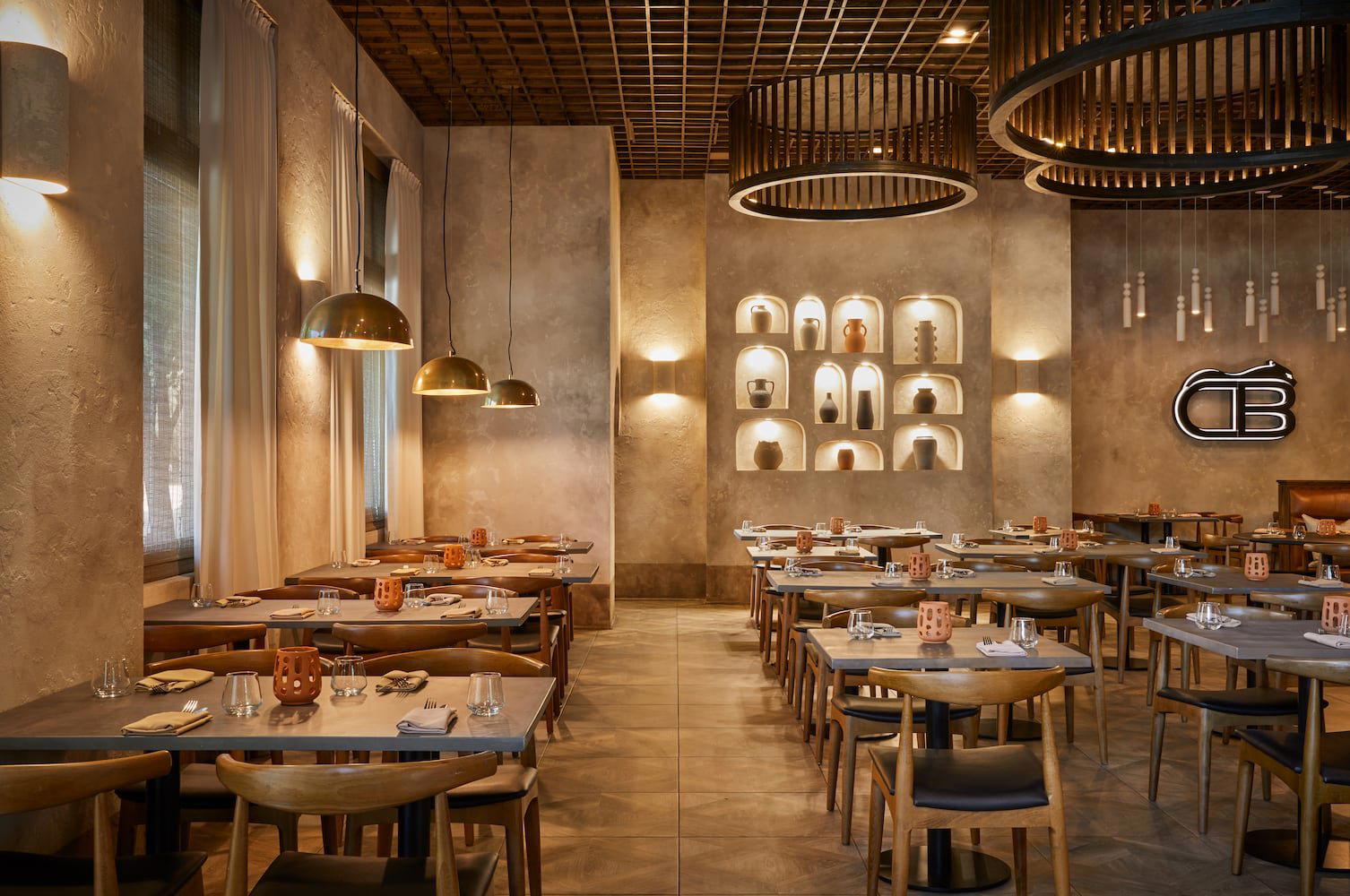
Casual neighborhood noodle shop with hometown pride and fast, flavorful service.