
Michelin Plate
Our verdict
A Michelin Plate-recognised seasonal kitchen on Fellbach's Kappelberg hill, Waldschlössle sits in the mid-price tier of a region with serious fine-dining depth. For Fellbach visitors, it anchors the local dining circuit alongside the town's broader wine-country offer.

Pearl is the En Primeur Club membership app — saves, bookings, and concierge access live there. Same editors, same standards.
- Address
- Auf dem Kappelberg 2, 70734 Fellbach, Germany
- Phone
- +49 711 33624390
- Hours
- Mon ClosedTue 5:30–10 PMWed–Fri 11:30 AM–2 PM, 5:30–10 PMSat–Sun Closed
- Website
- restaurant-waldschloessle.de
- Directions
- Get directions
The menu
What to order
- Vitello Forello with smoked trout cream
- Roasted veal with Fellbach verjus
- Crispy roasted Brunnenhof rooster
- Rehrücken (venison loin)
- Honauer salmon trout fillet
Kappelberg, Fellbach, and the Tradition of Hilltop Dining
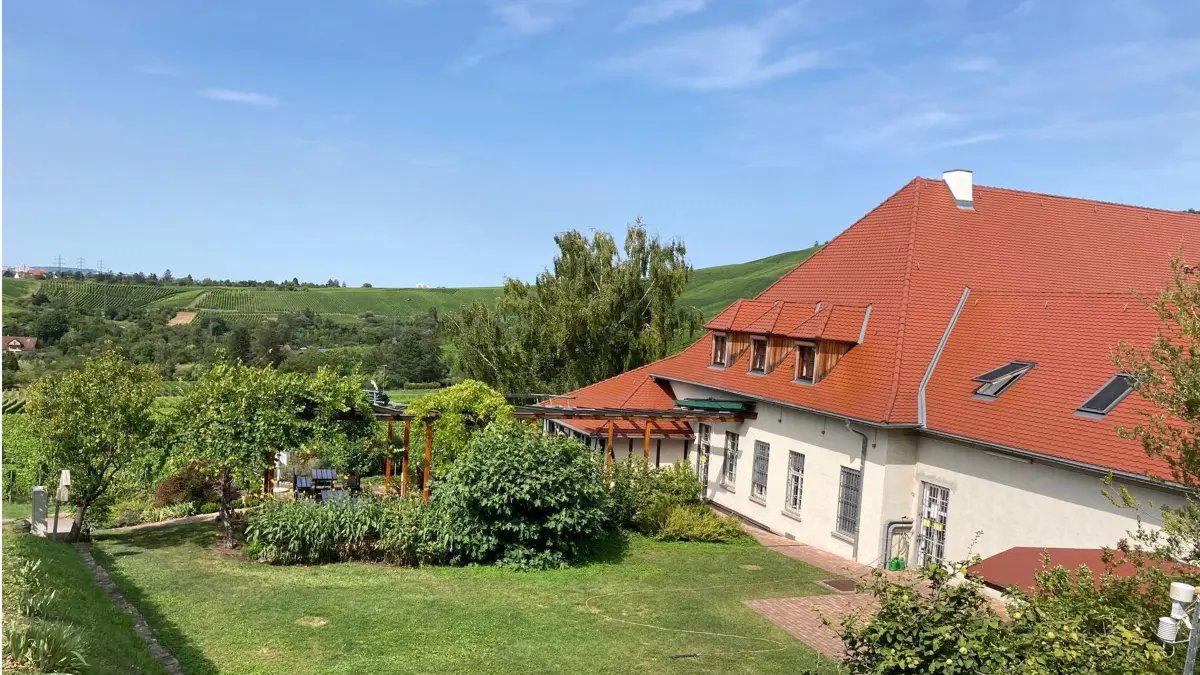
There is a particular logic to restaurant sites on refined ground in southwestern Germany. The view justifies the approach road, the elevation implies a kitchen with something to prove, and in wine country the altitude tends to correlate with proximity to the vineyards that supply the cellar. Waldschlössle occupies exactly that kind of position at Auf dem Kappelberg 2 in Fellbach, a town that sits on the northeastern edge of Stuttgart and whose Kappelberg hill is one of the Württemberg region's better-known wine slopes. Arriving here, the surrounding vine rows and the breadth of the Stuttgart basin below frame the meal before it begins.
Fellbach is not a city that announces itself to international food press the way Munich or Hamburg does, but it operates within a regional dining scene of considerable depth. The Württemberg corridor linking Stuttgart south toward the Swabian Alb and north into Franconia has produced a cluster of Michelin-recognised kitchens, and the broader Baden-Württemberg state encompasses addresses like Schwarzwaldstube in Baiersbronn, which sets the upper ceiling for classical French technique in the region. Waldschlössle operates at a different price register, the €€ bracket, which in the German Michelin context places it among neighbourhood-anchored kitchens rather than destination tasting-menu houses. For context on what that tier can produce nationally, the contrast with €€€€-tier venues like Aqua in Wolfsburg or Vendôme in Bergisch Gladbach is instructive: the Michelin Plate signals a kitchen that meets the guide's quality threshold without yet reaching starred territory.
Seasonal Cuisine in a Wine-Growing Region
Seasonal cooking in southwestern Germany draws on a specific larder: wild herbs from mixed forest edges, river fish from the Neckar and its tributaries, game from Swabian hill country, and vegetables from the fertile plains between Stuttgart and Heilbronn. The Württemberg region's agricultural calendar runs roughly from white asparagus in April through stone fruit and wild mushroom season toward autumn venison and root vegetable cooking in the colder months. A kitchen classified under seasonal cuisine in this geography is making an implicit commitment to follow that rhythm rather than maintaining a static menu year-round.
That commitment is more demanding than it might appear. Sourcing from a rotating regional base requires supplier relationships and kitchen flexibility that a fixed menu does not. It also positions a restaurant differently in the local market: diners return across seasons rather than treating a single visit as definitive. The Michelin Plate recognition in both 2024 and 2025 suggests the kitchen has maintained that standard across at least two full annual cycles, which is a meaningful continuity signal. Across Germany, seasonal-first kitchens at this price tier include comparable addresses like Kirchenwirt in Leogang and Mesnerhaus in Mauterndorf, both operating in Alpine wine-country contexts where provenance is central to the menu identity.
Where Waldschlössle Sits in the Fellbach Dining Circuit
Fellbach's restaurant offer is compact but covers meaningful ground. The town's Kappelberg location makes it a natural stop for visitors combining Stuttgart sightseeing with a foray into Württemberg wine country, and its proximity to Stuttgart's eastern suburbs means it draws a local professional clientele rather than purely tourist traffic. Within the Fellbach scene, Waldschlössle's Michelin Plate recognition places it at the quality ceiling of the local mid-price tier. For a broader overview of where it fits among the town's options, our full Fellbach restaurants guide maps the full range.
The closest comparator within Fellbach itself in terms of formal recognition is Oettinger's Restaurant, which operates in the modern French register. The two kitchens address different cooking traditions, French technique versus seasonal German, which means they complement rather than directly compete with each other in the local market. Visitors planning a longer stay in the area can extend their dining research with our Fellbach bars guide, our Fellbach wineries guide, and our Fellbach experiences guide, given that the wine infrastructure around the Kappelberg is substantial enough to anchor a multi-day itinerary.
Regional Fine Dining as a Broader Reference Point
Understanding what a Michelin Plate represents in the German context requires some calibration. The Plate, introduced by Michelin as a step below the star tier, identifies kitchens where the inspectors found cooking of sufficient quality to recommend without yet awarding a star. In a country where the guide's starred restaurants span from JAN in Munich to Waldhotel Sonnora in Dreis and Victor's Fine Dining by Christian Bau in Perl, the Plate marks a kitchen that has cleared the guide's basic quality bar. Two consecutive years of Plate recognition (2024 and 2025) indicates that the standard is held across inspections rather than achieved once and then fluctuating.
At that volume, the score reflects repeat visitors, first-timers, and the full range of seasonal menu changes that a kitchen working to a genuine seasonal brief will produce. For comparison, kitchens with more irregular quality profiles tend to show wider score distributions even at similar averages. The consistency suggested by Waldschlössle's numbers aligns with what the Michelin Plate implies: a kitchen that delivers reliably within its defined scope rather than occasionally overreaching.
Nationally, the creative end of German fine dining has moved in directions that Waldschlössle does not appear to follow. Addresses like CODA Dessert Dining in Berlin or ES:SENZ in Grassau represent experimental formats at the opposite end of the format spectrum. Waldschlössle's positioning, seasonal and mid-price in a wine-country setting, is a different proposition: it belongs to the tradition of regional German cooking that grounds itself in place and calendar rather than technique-first experimentation. That tradition has its own serious practitioners, and Schanz in Piesport and Restaurant Haerlin in Hamburg represent higher-tier expressions of the same underlying commitment to German produce and seasonal discipline.
Planning a Visit
Waldschlössle is at Auf dem Kappelberg 2, 70734 Fellbach, on the hill that gives the town its wine-country character. The address sits in the €€ price tier, making it accessible relative to starred alternatives in the Stuttgart region. Fellbach is reachable from Stuttgart city centre in under twenty minutes by S-Bahn (S2 line to Fellbach station), with the Kappelberg requiring either a short taxi or an uphill walk from the town centre. Visitors combining the meal with the local wine offer should consult our Fellbach hotels guide for overnight options that place the Kappelberg within easy reach.
Frequently asked questions
What do people recommend at Waldschlössle?
Because the menu follows seasonal rotation rather than a fixed format, specific dish recommendations shift across the year.
Booking and Cost Snapshot
| Venue | Cuisine | Price | Awards | Notes |
|---|---|---|---|---|
| WaldschlössleThis venue — the venue you are viewing | Fine Swabian Cuisine with Regional Seasonal Focus | $50–100 | Michelin Plate | Not listed |
| Schwarzwaldstube | French, Classic French | Not listed | Michelin 3 Star | Not listed |
| Aqua | Not listed | Not listed | Michelin 3 Star | Contemporary German, Italian/Japanese, Creative |
| CODA Dessert Dining | Creative | Not listed | Michelin 2 Star | Not listed |
| Tantris | Modern French, French Contemporary | Not listed | Michelin 2 Star | Not listed |
| Vendôme | Modern European, Creative | Not listed | Michelin 2 Star | Not listed |
Recognition history
Dated appearances from independent guides and award organizations, with the underlying list record or original source where available.
Michelin Plate
Michelin · 2026 Michelin Plate
Full recognition history (3 entries)
Michelin Plate
Michelin
Michelin Plate
Michelin
Continue exploring
More in Fellbach
Restaurants in Fellbach
Browse all →
Bars in Fellbach
Browse all →

Hotels in Fellbach
Browse all →

Details
- Scenic
- Romantic
- Elegant
- Cozy
- Date Night
- Special Occasion
- Celebration
- Terrace
- Panoramic View
- Standalone
- Sommelier Led
- Farm To Table
- Local Sourcing
- Organic
- Vineyard
- Mountain
- A La Carte
- Small Plates
- Set Menu
- Regional Wines
- Natural Wine
- Vegetarian Friendly
- Vegan Options
- Gluten Free Options
- Allergy Accommodating
Current opening hours
- Monday
- Closed
- Tuesday
- 5:30–10 PM
- Wednesday
- 11:30 AM–2 PM, 5:30–10 PM
- Thursday
- 11:30 AM–2 PM, 5:30–10 PM
- Friday
- 11:30 AM–2 PM, 5:30–10 PM
- Saturday
- Closed
- Sunday
- Closed
Hours can change for holidays and private events. Last verified .
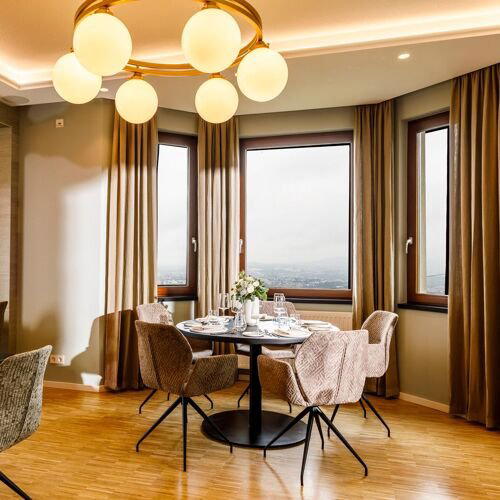
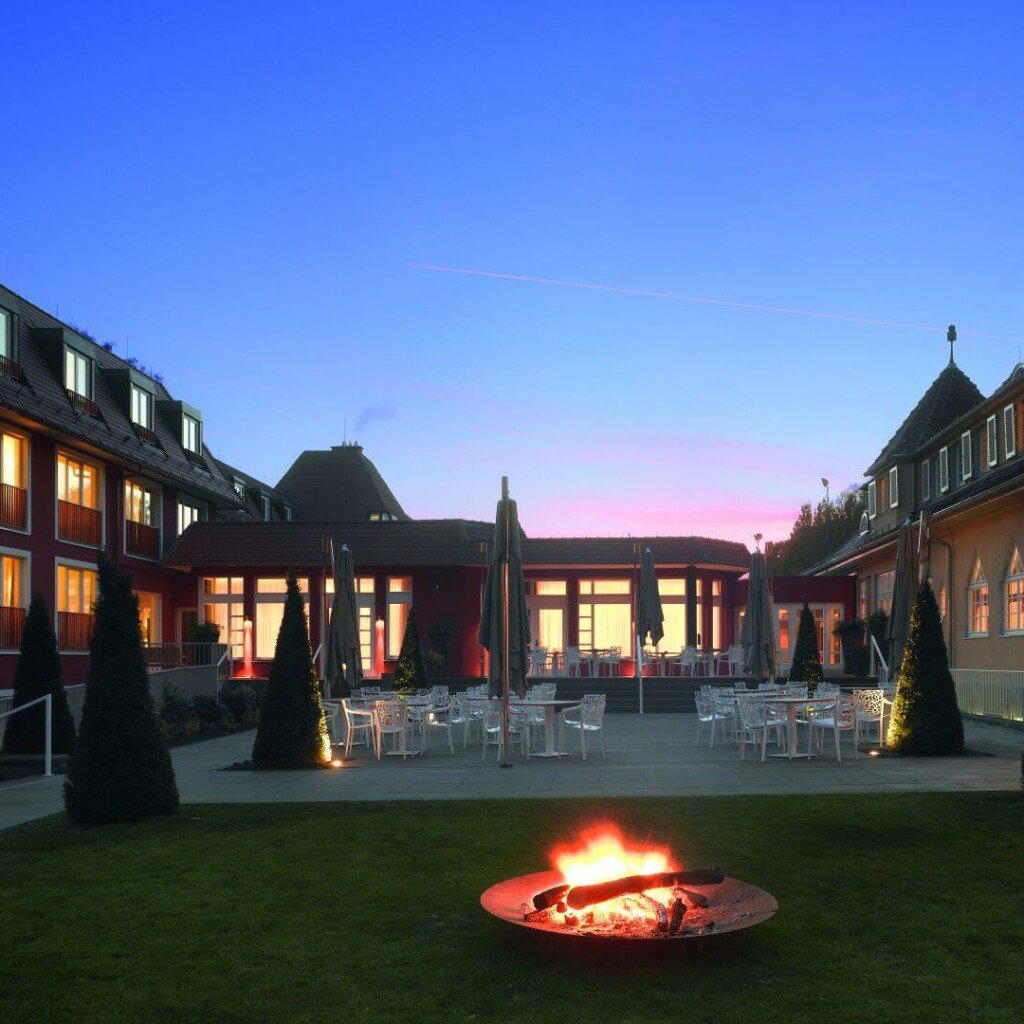
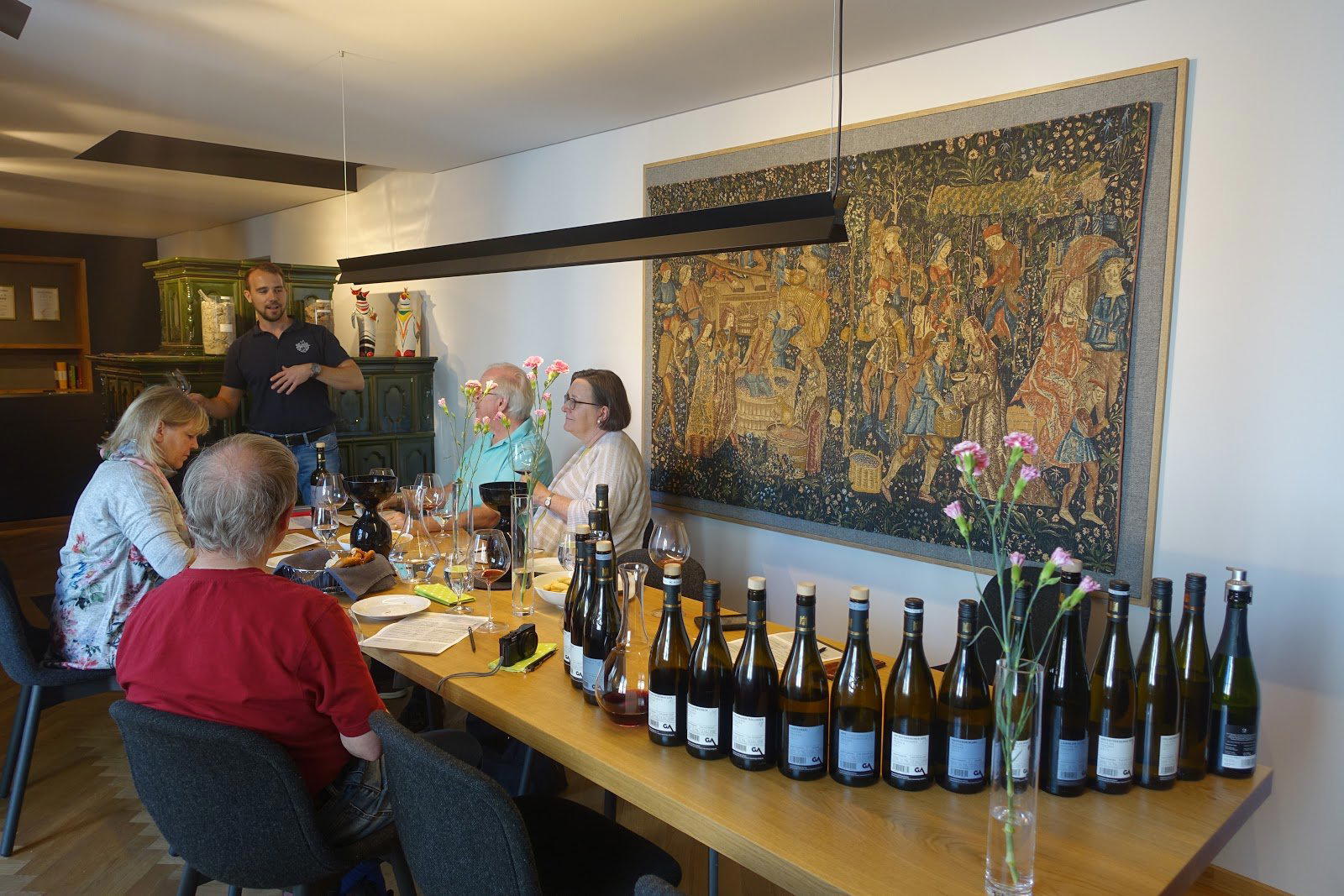
Bright and airy with floor-to-ceiling windows showcasing far-reaching vineyard and regional vistas; modern yet warm interior with a relaxed but stylish atmosphere.