Vous lé vous

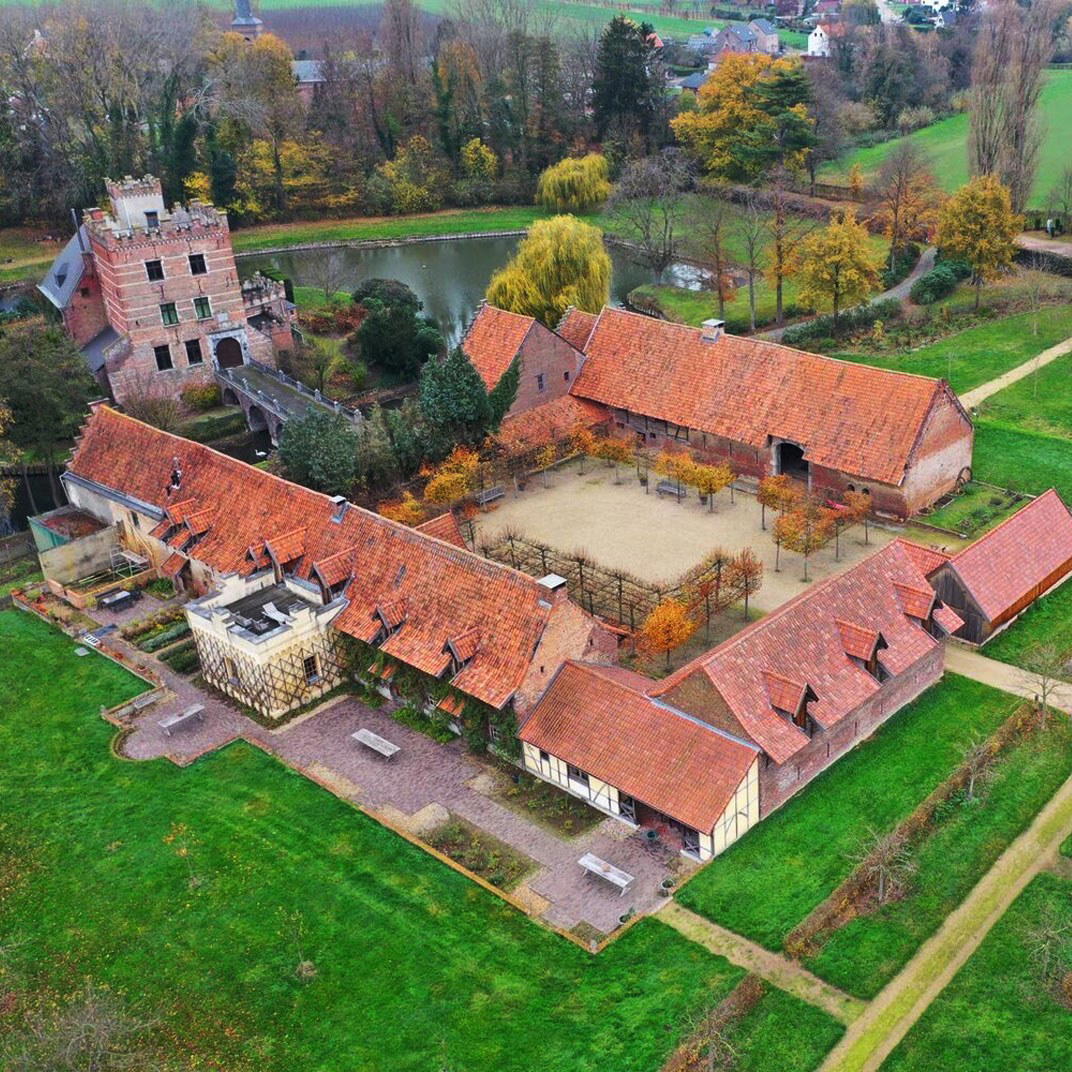
On the rural edge of Hasselt, Vous lé vous operates from a premise that most Belgian restaurants talk about but few commit to fully: the vegetable as the architectural centre of the plate, not its supporting cast. Chef Giovani Oosters grows, harvests, and cooks from his own land, serving a six-course Pure Nature menu on Friday and Saturday evenings. A boutique hotel sits alongside, making an overnight stay a practical option.
Pearl is the En Primeur Club membership app — saves, bookings, and concierge access live there. Same editors, same standards.
- Address
- Wimmertingenstraat 76, 3501 Hasselt, Belgium
- Phone
- +32 11 74 81 85
- Website
- vouslevous.be
- Directions
- Get directions
 Saves & bookings on Pearl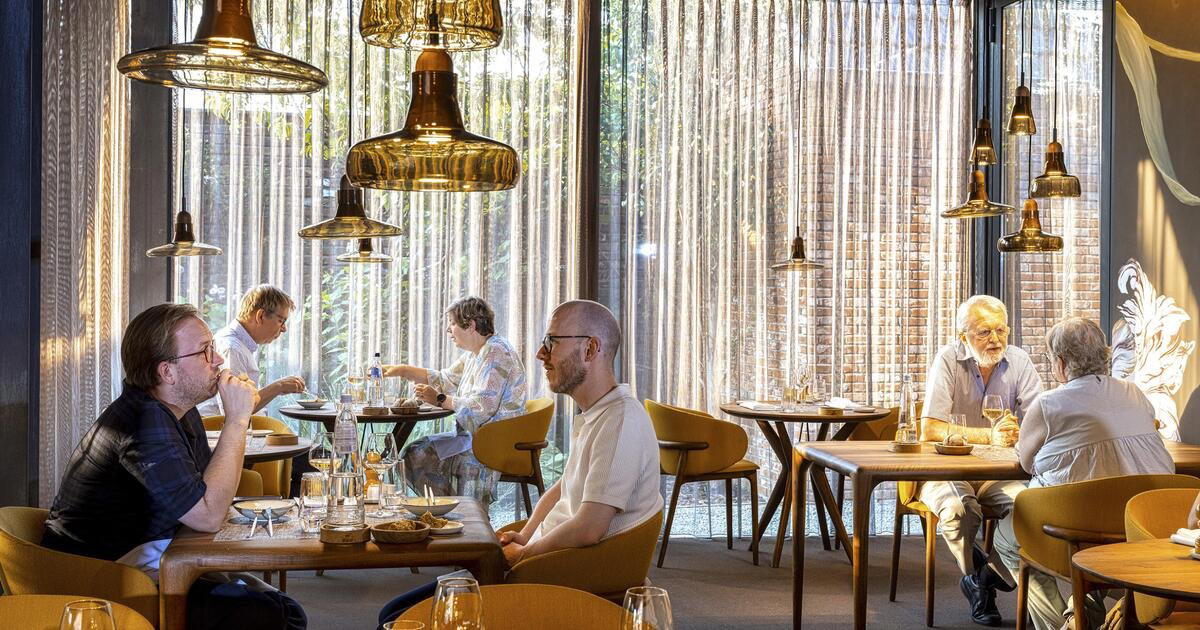
Where the Field Becomes the Menu
The road into Wimmertingen, a quiet commune on the agricultural fringe of Hasselt, does not suggest fine dining. It suggests farmland, because that is largely what it is. That context is not incidental to understanding Vous lé vous — it is the entire argument. In a country where Belgium's serious restaurant scene concentrates in Ghent, Bruges, and Antwerp (see Zilte in Antwerp or Boury in Roeselare for that tier), a chef who builds his menus around what he personally sows and harvests occupies a different position entirely. The premise is not proximity to a farm. The premise is the farm.
Chef Giovani Oosters grows a significant portion of the vegetables and herbs that appear on the plate. That decision has structural consequences for how the kitchen operates. Menus do not start with a protein and work outward. They start with what is ready, what is at its finest, what the ground has produced. This is not a marketing claim dressed as philosophy — it is a supply-chain reality that shapes every dish, and it places Vous lé vous in a niche that most restaurants at this price point in Belgium gesture toward without actually inhabiting.
The Six-Course Pure Nature Format
The restaurant runs its tasting format on Friday and Saturday evenings only: a six-course Pure Nature menu in which every dish takes its structural starting point from a vegetable. This is a deliberate constraint, not a theme. The distinction matters. A theme allows the kitchen to retreat when convenience demands it. A structural constraint does not.
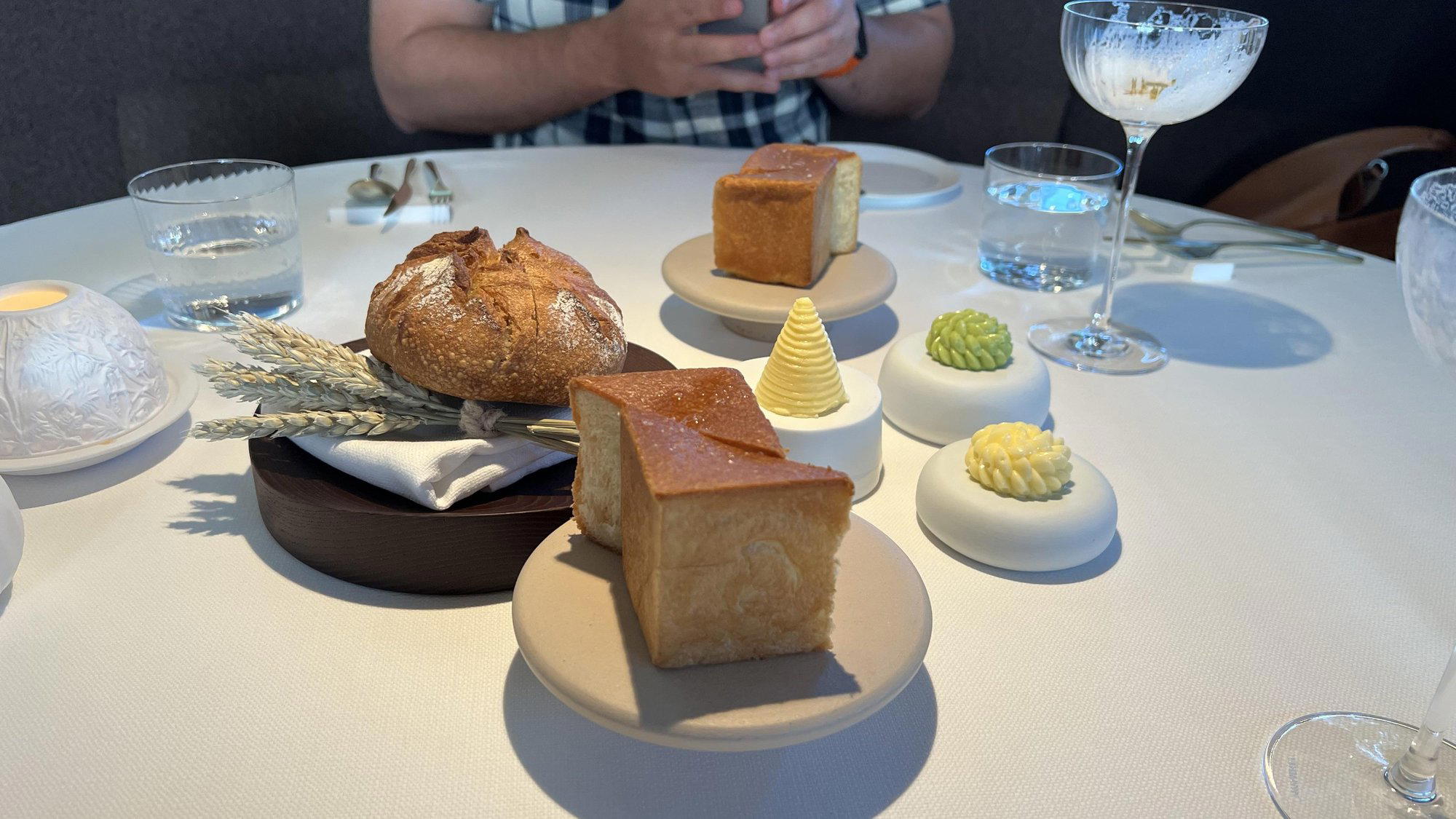
The dishes that have come from this format illustrate both the range and the discipline involved. A tapenade and salad of peas, combined with pistachio, roasted feta cheese, and a bitterbal of confit duck, shows how a legume can hold the centre of a plate while animal protein arrives as accent rather than anchor. Morels and watercress paired with beef fillet, sweet potato chips, garlic, and béarnaise demonstrates that the format does not preclude richness or classical technique, it simply insists on reorganising the hierarchy. Crustaceans, shellfish, fish, and meat all appear when the menu calls for them, but they arrive in service of the vegetable logic, not the other way around.
That approach puts Vous lé vous in conversation with a broader European shift toward ingredient-led, lower-intervention cooking, a shift visible in restaurants like Willem Hiele in Oudenburg and Castor in Beveren, which similarly position sourcing as the primary editorial statement of the menu. What distinguishes the Hasselt operation is the vertical integration: growing, not just sourcing.
Ingredient Sourcing as the Core Argument
Belgium's serious dining tier has, over the past decade, moved steadily toward sourcing transparency. The leading tables, Hof van Cleve in Kruishoutem, De Jonkman in Sint-Kruis, Cuchara in Lommel, all make supplier relationships a visible part of their identity. But supplier relationships and direct cultivation are different claims. The former requires trust in a network. The latter requires land, labour, and a different kind of operational commitment.
When a kitchen grows its own herbs and vegetables, the menu cycle shortens. What arrives on the plate in June cannot be repeated in October, not because of a policy decision, but because the biology does not permit it. This is the mechanism behind the Pure Nature format's credibility. The six-course structure is not arbitrary, it reflects a kitchen operating at the tempo of what the land produces, compressing that output into two service nights per week with sufficient focus to execute it at a level that justifies the format.
For diners accustomed to the Belgian fine dining circuit, places like Bartholomeus in Heist or L'Eau Vive in Arbre, Vous lé vous represents a particular position in that ecosystem: rigorous in sourcing, restrained in frequency, and located in a setting that reinforces rather than contradicts the cooking's argument. The wider Belgian reference frame also includes classical houses like d'Eugénie à Emilie in Baudour and the urban density of Bozar Restaurant in Brussels, contexts against which Wimmertingen's rural deliberateness reads as a conscious counterpoint. Internationally, the farm-to-table rigor at this level finds its closest analogues in kitchens like Le Bernardin in New York City, where sourcing integrity is a non-negotiable operational premise, or the produce-centred intensity of Emeril's in New Orleans.
The Boutique Hotel Connection
A boutique hotel is attached to the restaurant, which changes the calculus of visiting. Wimmertingen sits outside Hasselt's centre, and a Friday or Saturday dinner followed by a walk to a hotel room rather than a drive into the city reconfigures the experience from meal to stay. This is increasingly how serious dining destinations in rural Belgium position themselves, the table is the draw, the room is the extension of the evening. The combination is worth factoring into the reservation decision.
For visitors building a Limburg itinerary, our full Wimmertingen (Hasselt) hotels guide covers the broader accommodation picture in the area, and our full Wimmertingen (Hasselt) restaurants guide places Vous lé vous in its local dining context.
Planning Your Visit
Dinner service runs on Friday and Saturday evenings. The format is a set six-course menu, so the decision on arrival is not what to order but whether to commit to the kitchen's logic for the evening, which, given the sourcing model, is the point. Specific pricing and booking details are best confirmed directly with the restaurant, as the format's seasonal nature means menus and availability shift with the land's output. The boutique hotel attached to the property makes an overnight stay the most direct way to approach the drive from Hasselt proper.
For more on the area's drinking and leisure options, our Wimmertingen (Hasselt) bars guide, wineries guide, and experiences guide cover the surrounding scene.
How Vous lé vous Wimmertingen (Hasselt) compares with similar nearby venues.
| Venue | Cuisine | Price | Awards |
|---|---|---|---|
| Vous lé vous | Not listed | Not listed | We're Smart World 2025, 4 Radishes |
| Otoro | French Contemporary | €€€€ | Not listed |
| The Black Knife | French Contemporary | €€€ | Not listed |
| Brasserie Rongese | Traditional Cuisine | €€€ | Not listed |
Recognition history
Dated appearances from independent guides and award organizations, with the underlying list record or original source where available.
We're Smart World 4 Radishes
We're Smart World
Continue exploring
More in Wimmertingen (Hasselt)
Restaurants in Wimmertingen (Hasselt)
Browse all →
Bars in Wimmertingen (Hasselt)
Browse all →
Hotels in Wimmertingen (Hasselt)
Browse all →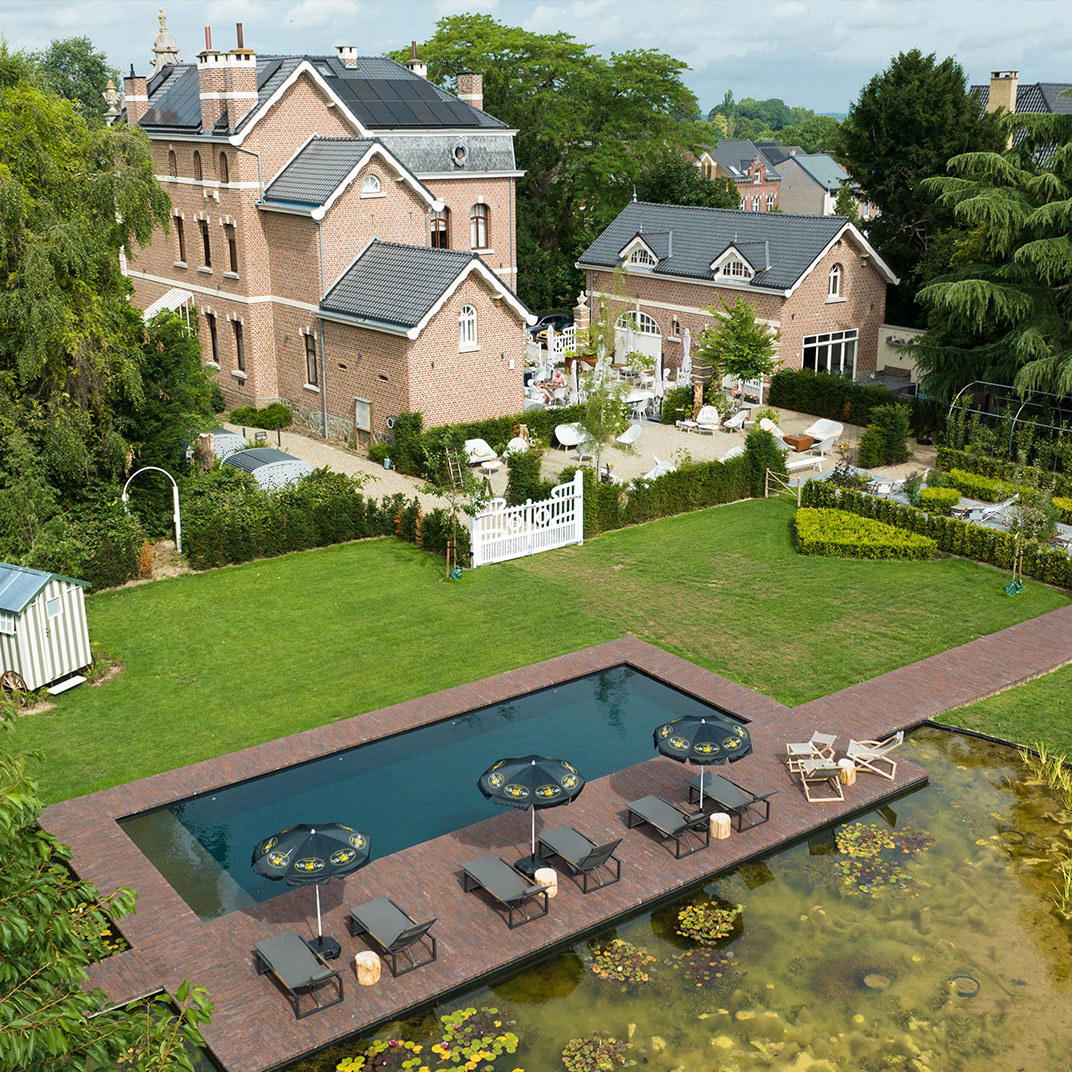
Wineries in Wimmertingen (Hasselt)
Browse all →
At a Glance
- Romantic
- Cozy
- Elegant
- Intimate
- Scenic
- Date Night
- Special Occasion
- Business Dinner
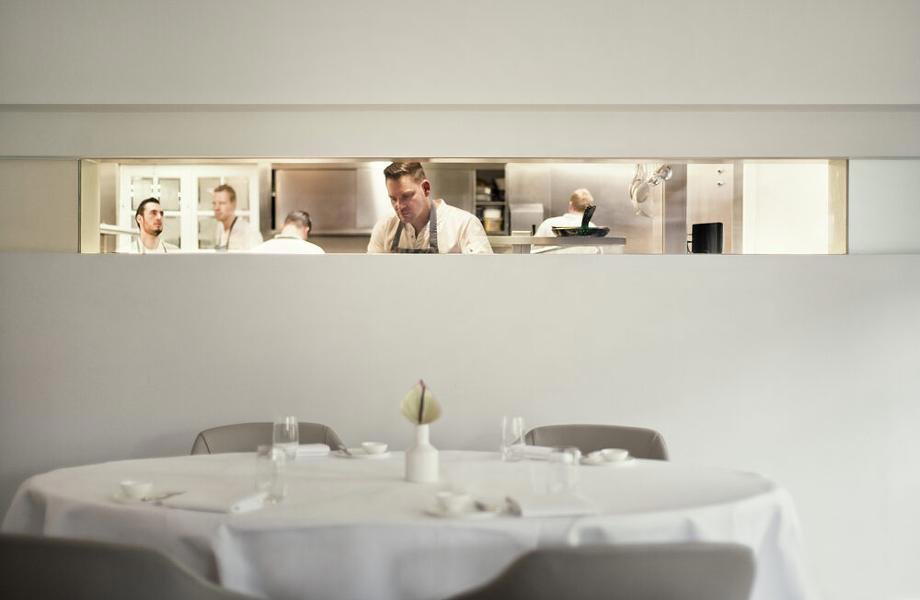
- Open Kitchen
- Garden
- Extensive Wine List
- Local Sourcing
- Garden
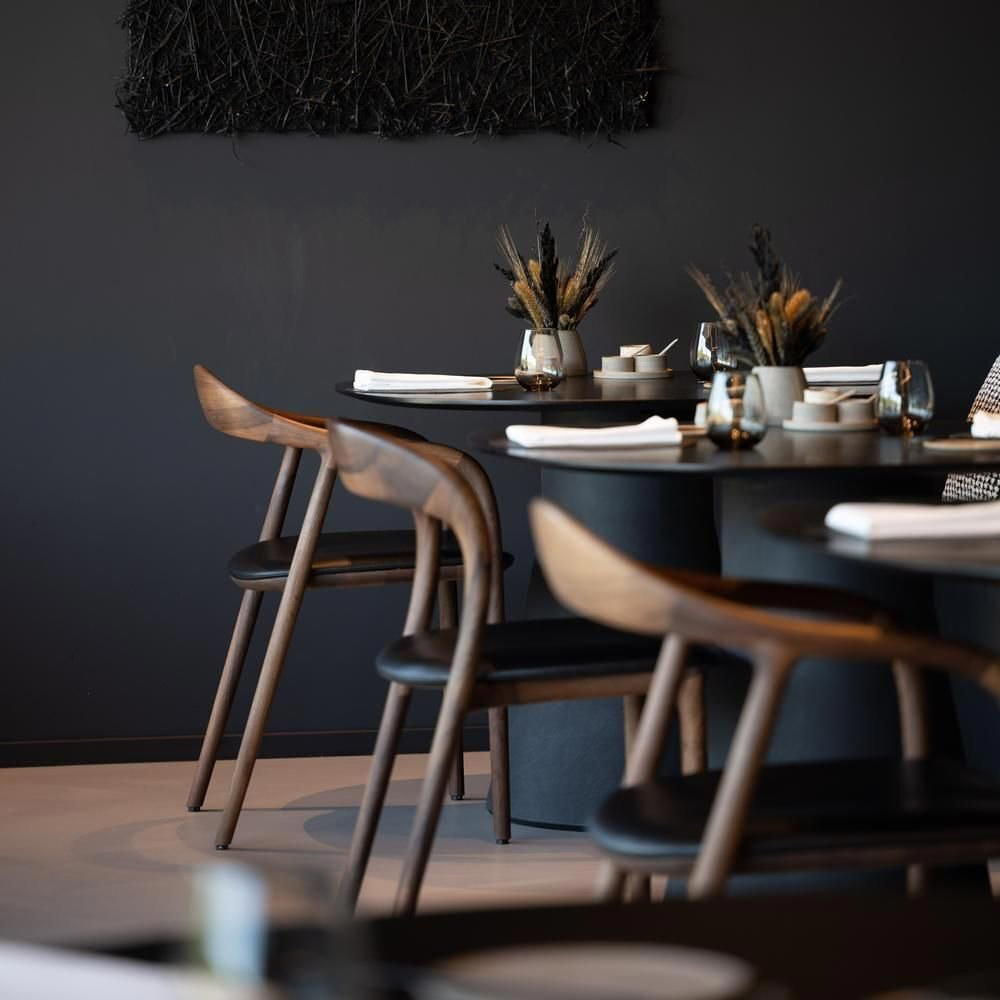
Warm, cozy atmosphere with personal service, garden views, and a sense of intimate rural charm.
Know Before You Go
- Getting there
- Wimmertingenstraat 76, 3501 Hasselt, Belgium