
Michelin Plate
Our verdict
Vorace occupies a family home in rural Gesves, where chef Noé Pellet builds ingredient-led menus around produce treated with minimal interference. The cooking is direct and seasonally grounded, from butter-fried cèpes with vin jaune cream to carefully sourced organic wine pairings curated by sommelier Elisa. Advance bookings are essential at this reservation-driven address in the Namur countryside.

Pearl is the En Primeur Club membership app — saves, bookings, and concierge access live there. Same editors, same standards.
- Address
- Ry Del Vau 2a
- Phone
- +32 473 12 08 21
- Hours
- Mon–Wed ClosedThu–Sat 12–2:30 PM, 7–9:30 PMSun Closed
- Website
- vorace.be
- Directions
- Get directions
- Booking
- Book on the venue's website
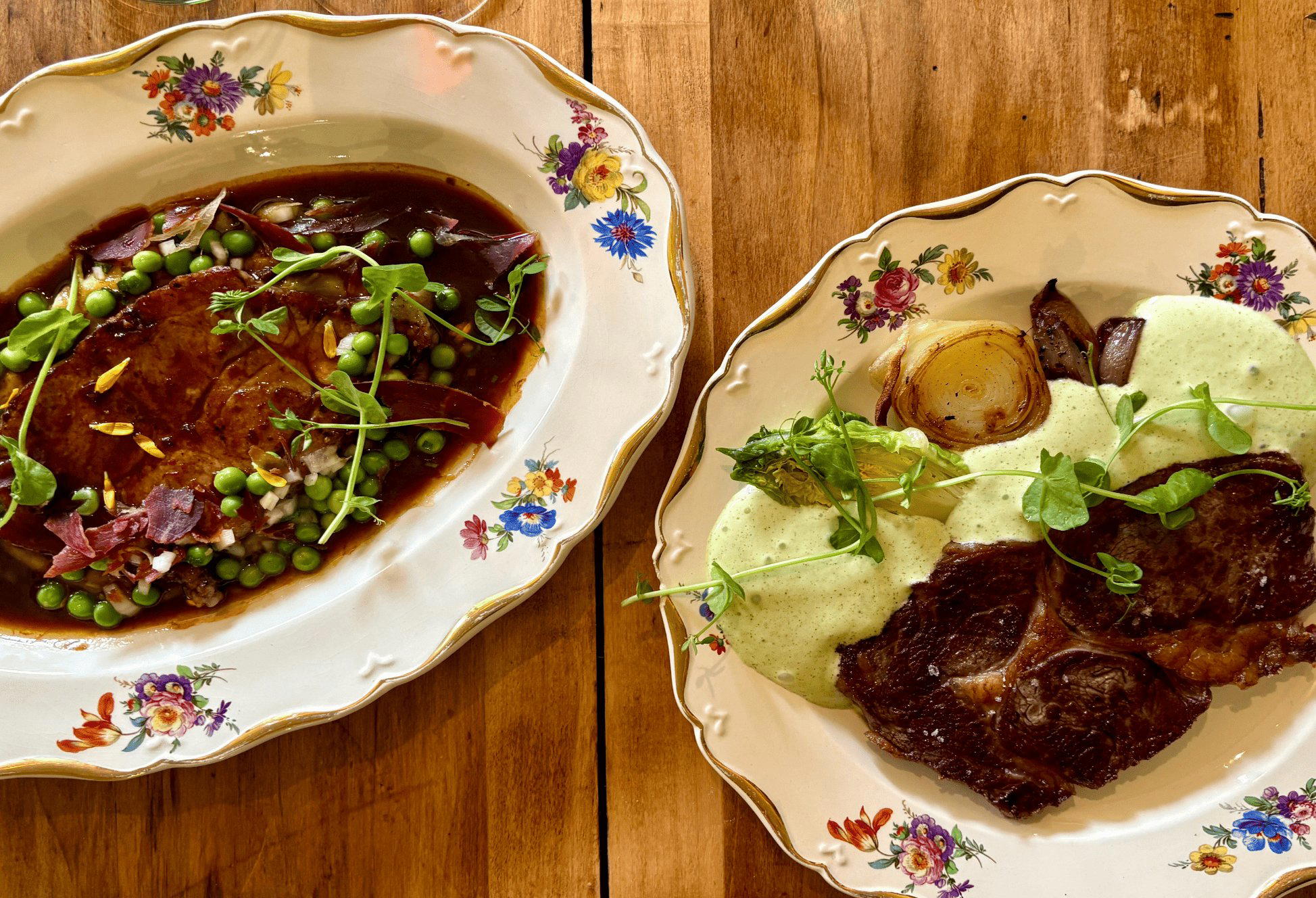
The menu
What to order
- Amberjack with white rice foam and shiso
- Rib-eye steak with tarragon sabayon
- Manjari chocolate with olive oil and salt
A Family House in the Namur Countryside
The villages of the Condroz plateau, the gently folded limestone country that stretches south of Liège and east of Namur, have never been a natural destination for restaurant pilgrims. Gesves sits in that territory: a commune of scattered hamlets and farmland with little of the tourist infrastructure that draws visitors to the Ardennes further south. That geographical remove is precisely what defines the cooking at Vorace. When a restaurant operates where no passing trade exists, the menu has to earn every reservation on its own terms. At Vorace, it does, through a commitment to the ingredient that sits closer to the farm-to-table principles found at Garde Manger than to the technically elaborate tasting menus that dominate Belgium's higher-profile tables.
The Setting: Domestic, Deliberate, Warm
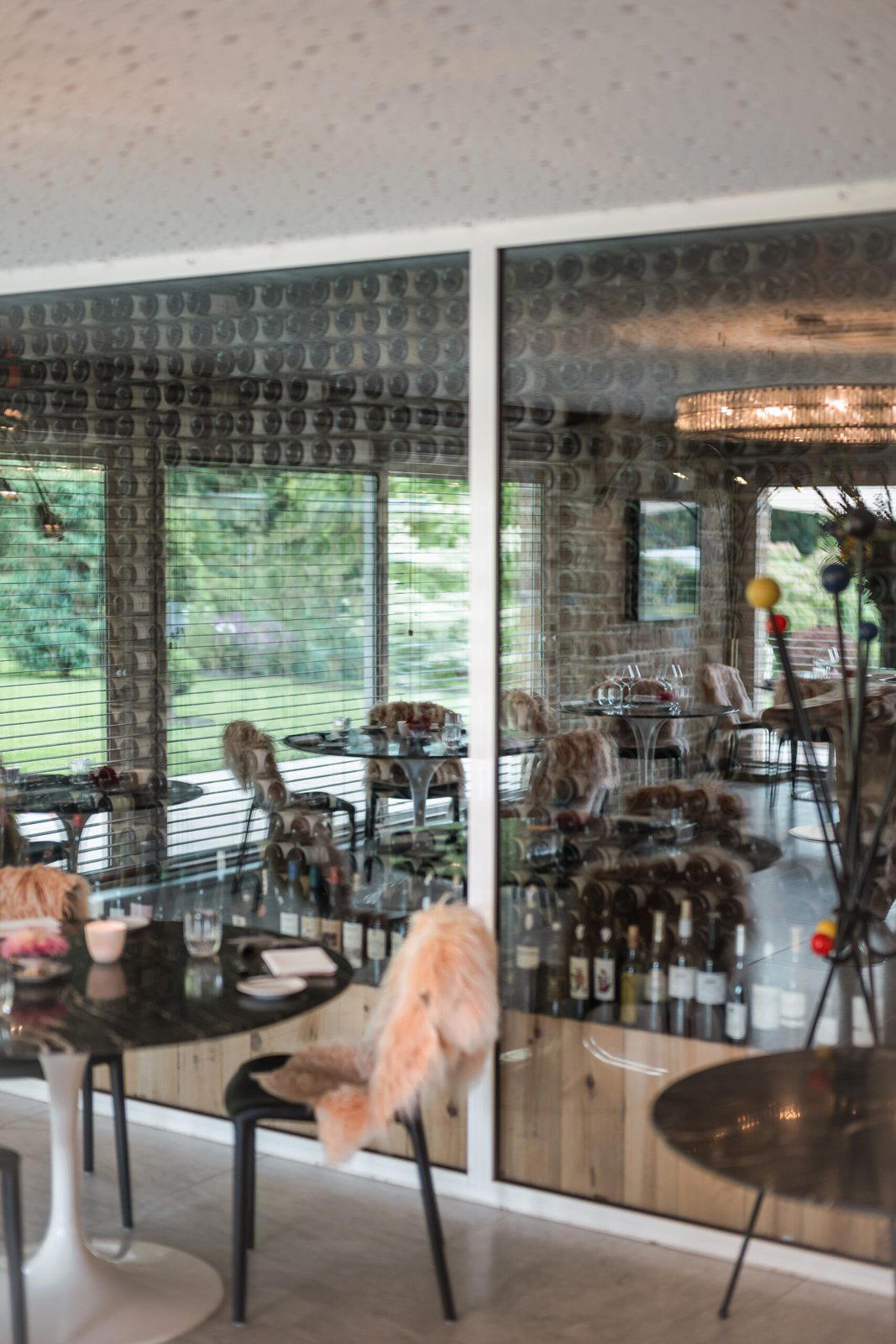
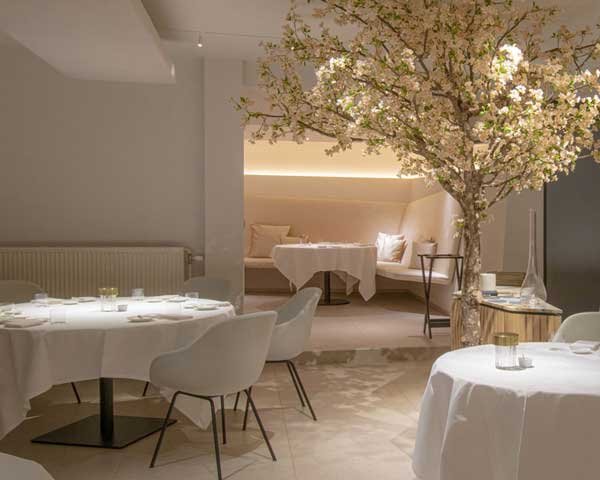
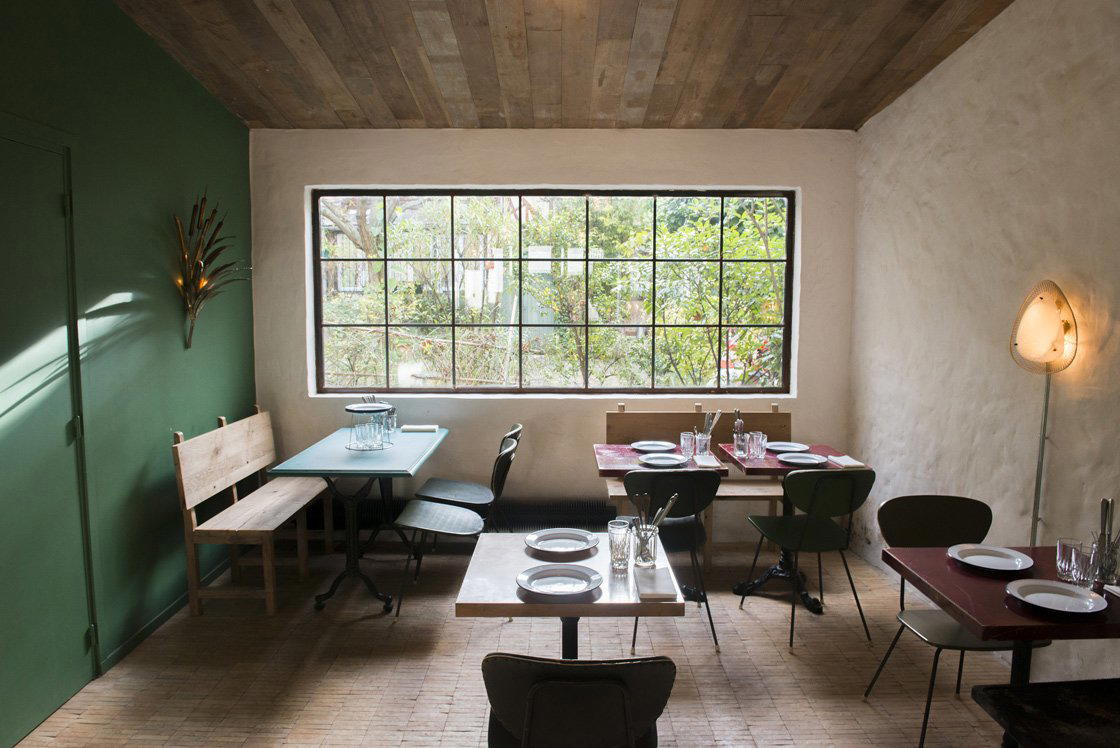
Vorace operates from a family home on the Ry Del Vau, and that domestic origin shapes everything about the experience before a single dish arrives. The vintage ambience is not a designer's interpretation of domesticity but the real thing: the accumulated character of a space lived in before it was cooked in. In Belgian restaurant terms, this places Vorace in a tradition of address-driven intimacy that the country's dining culture has long sustained alongside its more formal grand restaurants. The atmosphere is casual without being careless, the kind of room where the physical environment signals that the focus has been redirected entirely toward what arrives on the plate. Bookings are essential, which suggests the room fills on reputation rather than footfall, a meaningful distinction in a village of this size.
Ingredient Logic: Where the Food Comes From and Why It Matters
The editorial argument for ingredient-led cooking is often made abstractly, but at Vorace the approach has a specific and visible grammar. The kitchen does not reach for technique to create complexity where the raw material already provides it. Instead, each preparation is built to clarify and amplify what the ingredient offers at its seasonal peak. The cèpes dish illustrates this with precision: wild mushrooms fried in butter, accompanied by a vin jaune glazed mushroom cream, garlic cream, fried parsley, dried ham, enoki mushrooms, and quail eggs. That construction is generous in its layering, but every element returns to the central subject. The vin jaune glaze references the Jura's long tradition of pairing oxidative wine with forest mushrooms; the ham adds salinity and fat to deepen the earth notes; the enoki and quail eggs provide textural contrast without distracting from the cèpes themselves. This is cooking that knows what it is doing with an ingredient rather than cooking that uses an ingredient as a pretext.
Belgium's position in the northern European agricultural belt gives kitchens like this access to serious produce: the country's forests and fields produce cèpes, endive, grey shrimps, and heritage livestock of a quality that the country's leading tables have long relied upon. At the level of high-end Belgian cooking seen at addresses such as Boury in Roeselare, Zilte in Antwerp, and Hof van Cleve in Kruishoutem, that produce is often mediated through considerable technical intervention. Vorace occupies a different position in that national conversation: fewer frills, more direct relationship between source and plate.
The Wine Program: Organic Vintages and Considered Pairings
Sommelier Elisa manages the wine list with a clear point of view. Her preference for organic vintages matters in a room where the kitchen's own ingredient philosophy already foregrounds provenance. An organic-leaning wine list in this context is not a marketing category but a logical extension of how the food is thought about. The pairing suggestions she makes are described as genuinely useful rather than formulaic, the kind of guidance that comes from someone who has worked through the list rather than inherited it. For a restaurant of Vorace's scale and location, a wine program with a defined curatorial stance is a meaningful signal of ambition. Visitors to Gesves with an interest in natural and organic producers would be well served to follow her lead.
Belgium's wine identity has historically been overshadowed by its neighbours, but the country's sommeliers increasingly work with a broader European natural wine circuit that includes producers from the Loire, Jura, Alsace, and parts of Austria and Italy. Elisa's orientation toward organic vintages places Vorace within that movement, which is growing in presence at serious Belgian tables from Castor in Beveren to Cuchara in Lommel.
Vorace in the Context of Belgian Cooking
Belgium's restaurant culture spans an unusually wide range of formats, from the Michelin-heavy creative Flemish kitchens of De Jonkman in Sint-Kruis and the institution-grade formality of Bozar Restaurant in Brussels to smaller, province-based addresses where the cooking is personal and the room is intimate. That distinction matters. There is a version of the family-home restaurant that coasts on warmth and atmosphere while delivering competent but unremarkable food. Vorace is not that restaurant. The specificity of the dish, and the care evident in its construction, points to a kitchen that takes the ingredient seriously as a starting point for creative thinking.
For readers exploring Belgium beyond Brussels and the major Flemish cities, the Condroz and Namur region offers a different register of the country's culinary identity. The full Gesves restaurant guide covers the options in the area in more depth, while the experiences guide helps plan a wider stay.
Planning Your Visit
Vorace is at Ry Del Vau 2a in Gesves, a drive from Namur rather than a walkable urban destination. Given the rural location and the restaurant's clear reliance on reservations rather than passing trade, booking well in advance is not optional — it is the only practical approach. The intimate, domestic format means covers are limited, and the combination of a loyal local following and growing regional reputation tightens availability further. The experience is positioned as casual and warm rather than formally structured, so the expectation on arrival should be a relaxed evening built around food and wine, not a ceremonial progression through courses. Those travelling from further afield might pair a visit with an exploration of the wider Namur province, where the countryside and smaller villages offer context that Brussels and Ghent cannot.
Frequently asked questions
What's the overall feel of Vorace?
Vorace operates from Noé Pellet's family home at Ry Del Vau 2a in Gesves, which sets the tone from the moment you arrive. The space carries a warm, vintage domestic character rather than the formal positioning of Belgium's Michelin-circuit restaurants. Cooking here is ingredient-driven and without unnecessary embellishment, and that restraint extends to the atmosphere.
What's the best thing to order at Vorace?
The cèpes dish is the clearest expression of what the kitchen does: wild mushrooms fried in butter, served with a vin jaune glazed mushroom cream, garlic cream, fried parsley, dried ham, enoki, and quail eggs. It is specific, considered, and built around the ingredient rather than technique for its own sake. Sommelier Elisa's organic wine pairings are worth following — her suggestions are consistent and well-matched to the kitchen's direction.
Where is Vorace in Gesves?
Vorace is located at Ry Del Vau 2a, Gesves.
How Vorace Gesves compares with similar nearby venues.
| Venue | Cuisine | Price | Awards |
|---|---|---|---|
| VoraceThis venue — the venue you are viewing | Modern French Bistro | $50–100 | Michelin Plate |
| Garde Manger | Contemporary Belgian-French Farm-to-Table | $50–100 | Michelin Bib Gourmand |
| Le D'Arville | Modern Cuisine | Not listed | Not listed |
| La Grange d'Hamois | Modern French | Not listed | Not listed |
Recognition history
Dated appearances from independent guides and award organizations, with the underlying list record or original source where available.
Michelin Plate
Michelin

Vorace
The wine
- Wine program
- Curated wine list
- Natural wine
- Beer program
Details
- Cozy
- Intimate
- Rustic
- Elegant
- Date Night
- Special Occasion
- Terrace
- Garden
- Standalone
- Natural Wine
- Beer Program
- Farm To Table
- Local Sourcing
- Natural Wine
- Garden
- Vineyard
- A La Carte
- Small Plates
- Natural Wine
- Craft Beer
- Organic Focus
Current opening hours
- Monday
- Closed
- Tuesday
- Closed
- Wednesday
- Closed
- Thursday
- 12–2:30 PM, 7–9:30 PM
- Friday
- 12–2:30 PM, 7–9:30 PM
- Saturday
- 12–2:30 PM, 7–9:30 PM
- Sunday
- Closed
Hours can change for holidays and private events. Last verified .
Warm vintage ambience with a roaring fire in winter, lovingly decorated with second-hand furnishings, creating a casual yet refined atmosphere that feels like dining in a friend's home rather than a formal restaurant.