Vækst


Michelin Plate · We're Smart World 3 Radishes
Our verdict
Vækst sits in Copenhagen's affordable modern dining tier, holding a Michelin Plate in both 2024 and 2025 for vegetable-forward cooking on Sankt Peders Stræde. The three-course green menu places produce at the centre of each dish, though dairy appears consistently throughout.

Pearl is the En Primeur Club membership app, where members save venues, book tables and use the concierge.
The menu
What to order
- Salted scallops with white currants and gooseberries
- Grilled beef tenderloin with crispy celeriac
- Sea Buckthorn sorbet
A Courtyard Kitchen in the Heart of the Latin Quarter
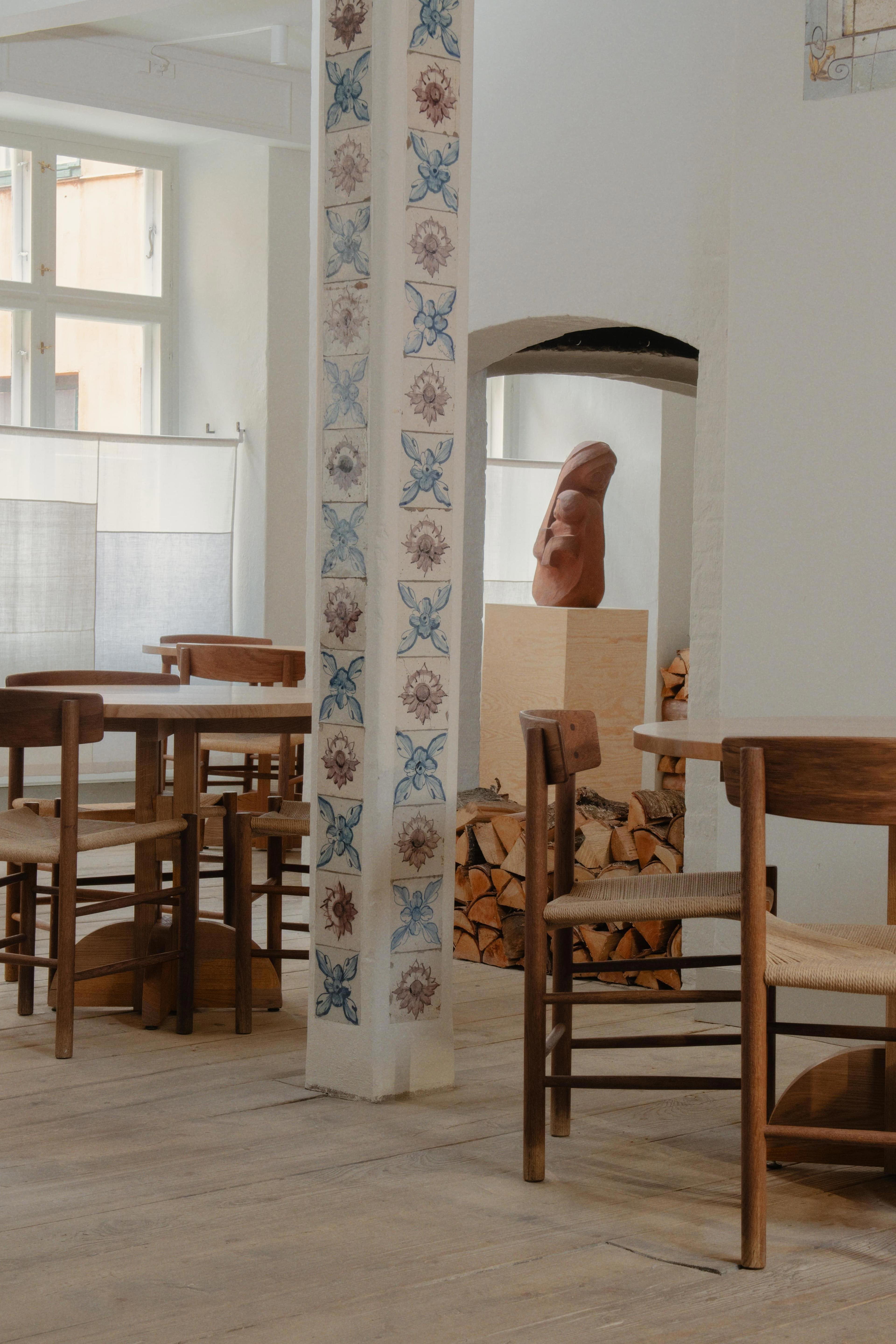
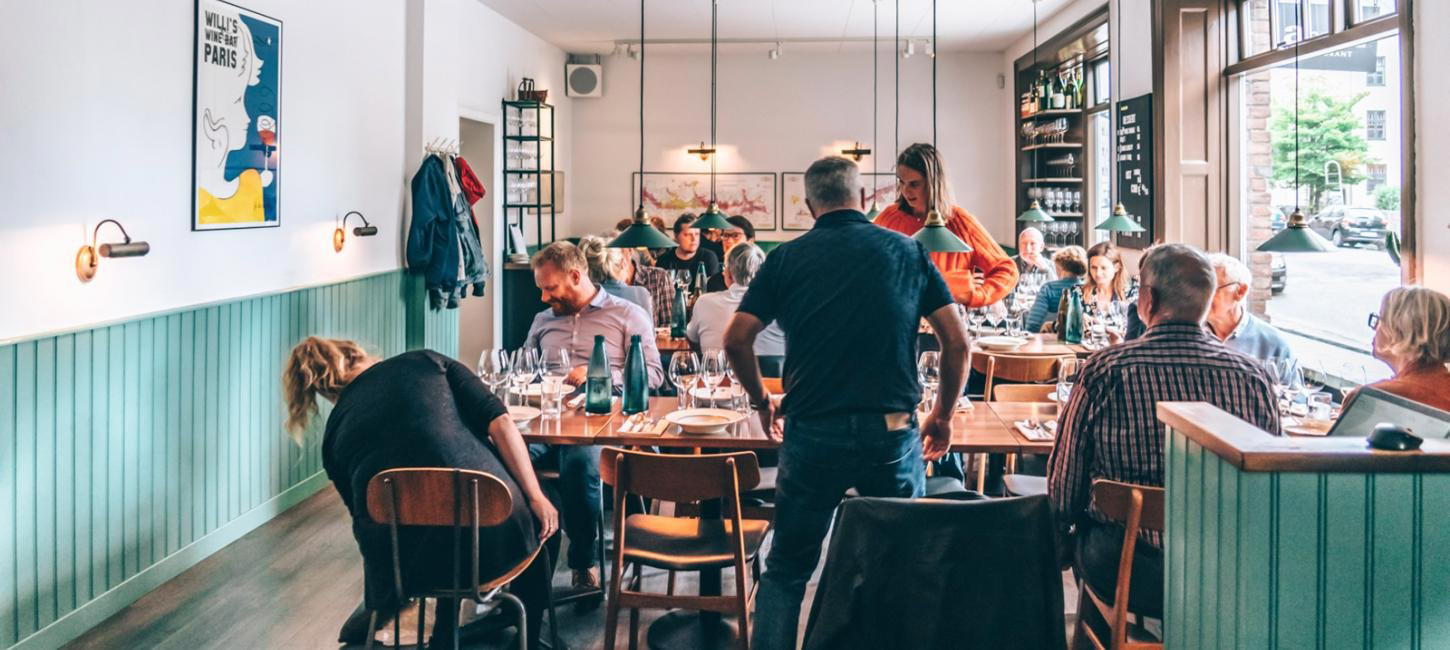
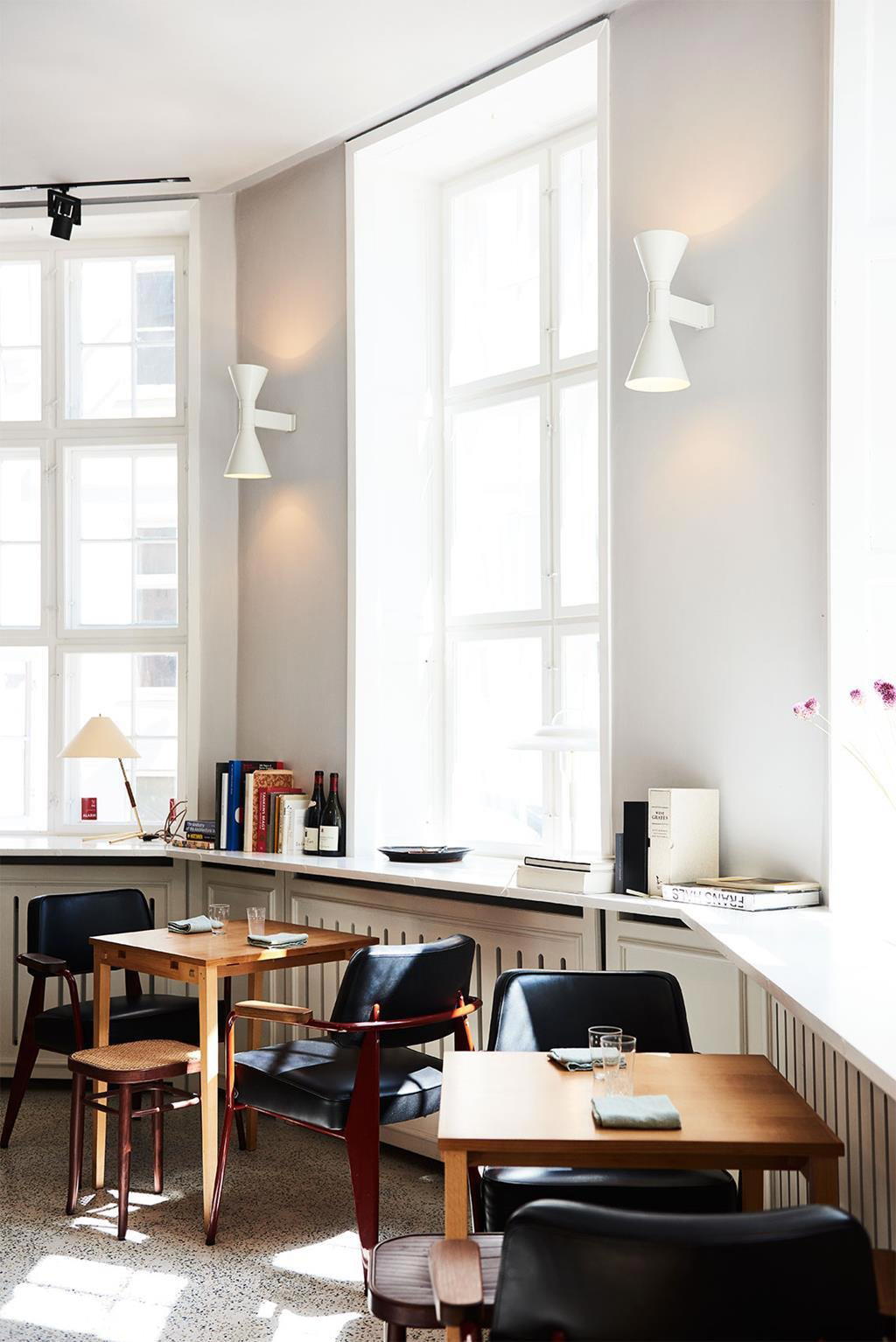
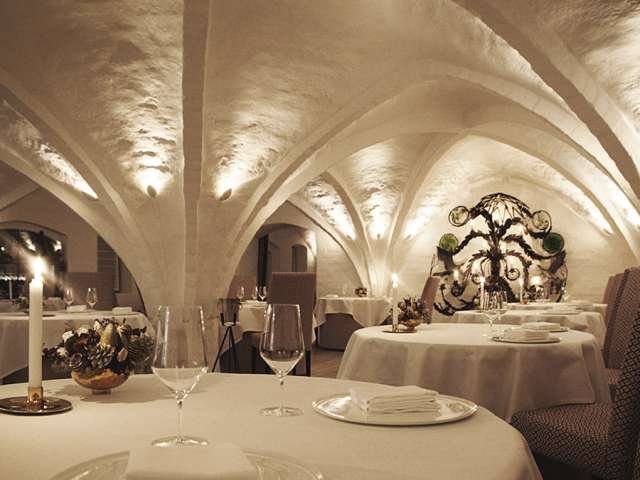
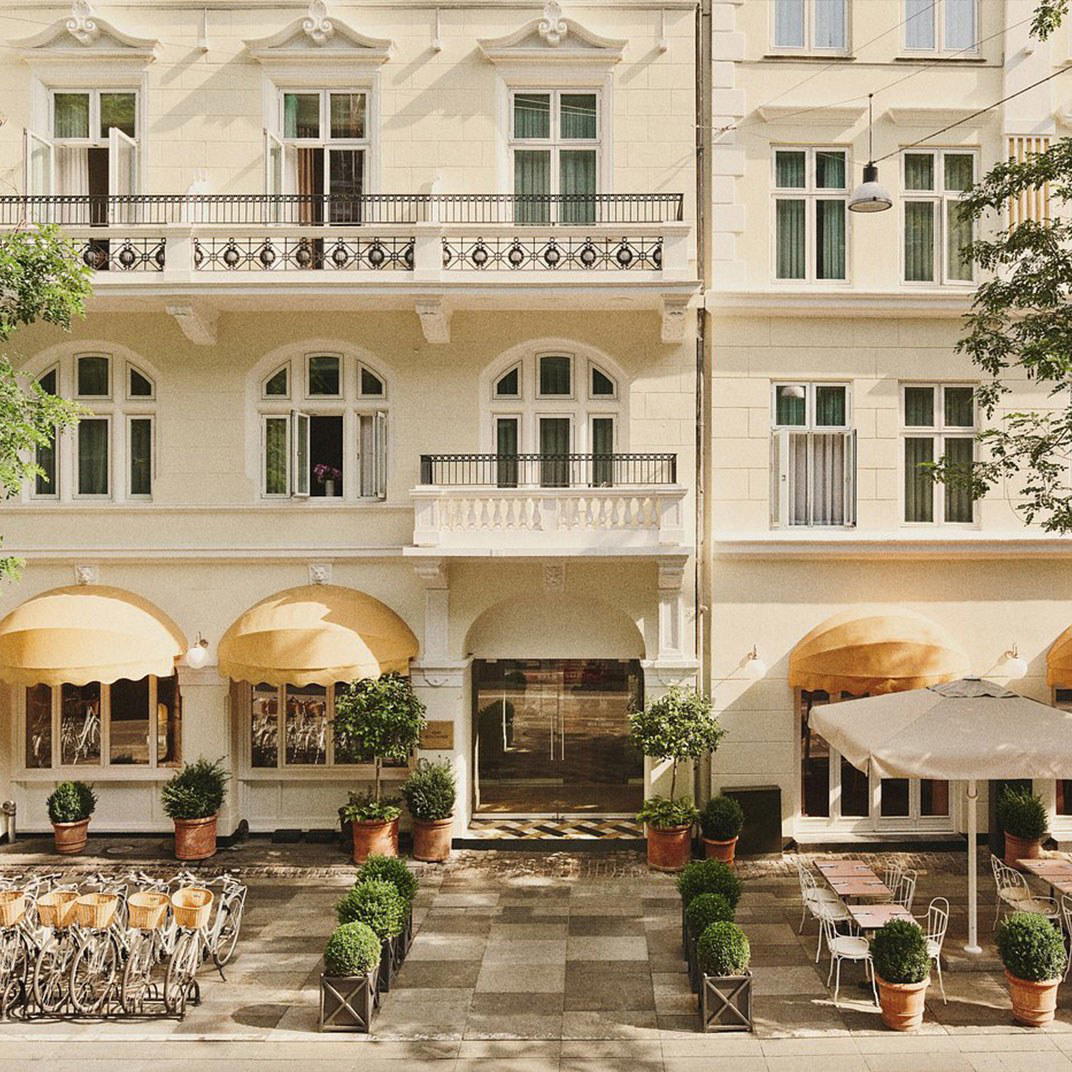
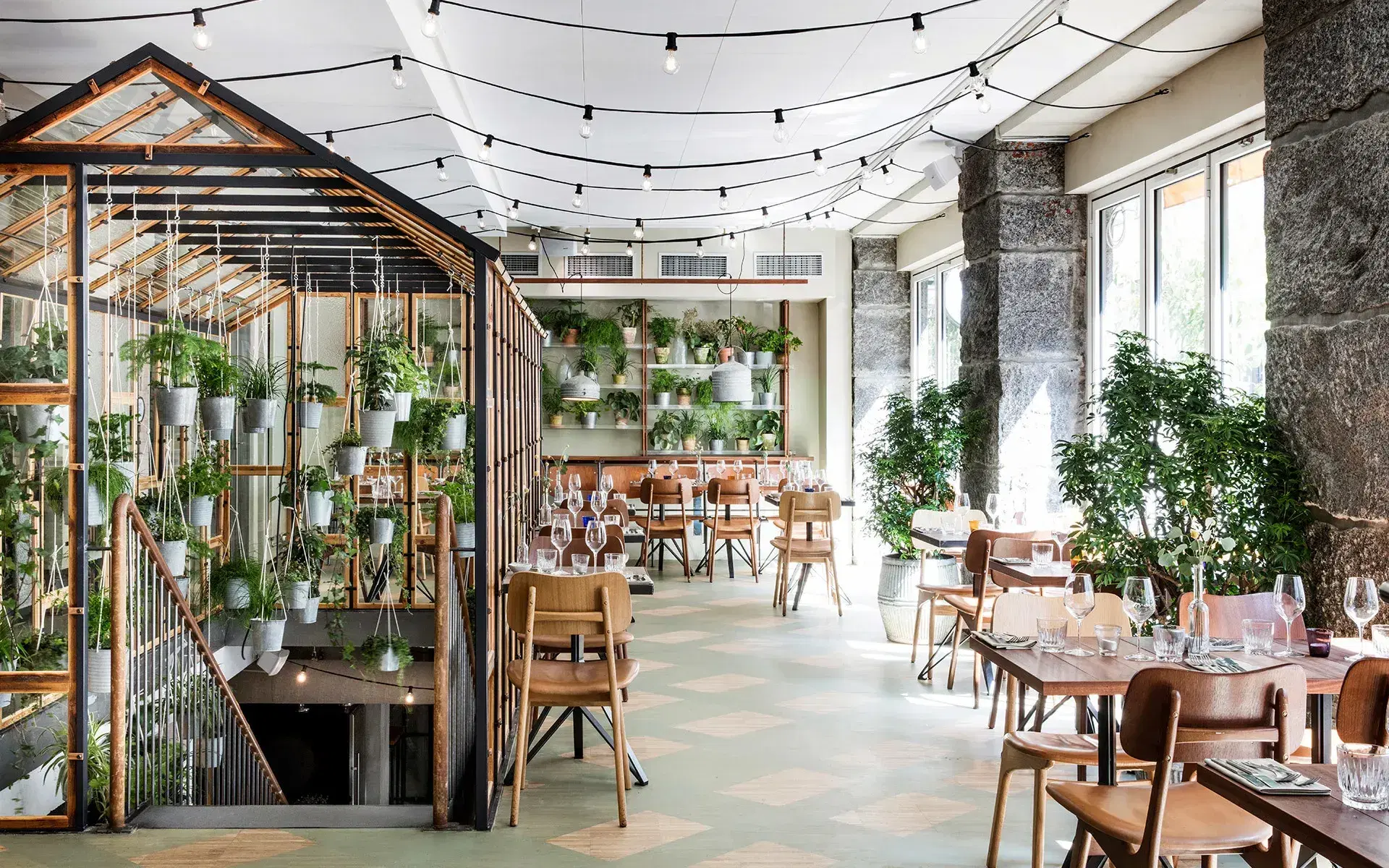
Sankt Peders Stræde cuts through Copenhagen's Latin Quarter with the kind of low-key confidence that defines the neighbourhood: second-hand bookshops beside natural wine bars, students on bicycles navigating cobbled corners, and restaurants that earn their regulars through consistency rather than spectacle. Vækst occupies a position at number 34 that feels in keeping with this rhythm. The address is residential in scale, the kind of building that might be a private townhouse if the window light didn't signal something more considered inside. Approaching from Nørreport, the street softens as you head south, and by the time you reach the door, the pace of the city has already dropped a register.
That physical context matters for understanding what Vækst is doing. This is not a high-concept destination restaurant in the mode of Alouette or the elaborate theatre of Alchemist. Nor does it sit in the refined tasting-menu bracket occupied by Geranium or Koan. Priced at the accessible end of Copenhagen's dining range, a single euro-sign classification that puts it well below the city's four-euro-sign fine dining tier, Vækst operates closer to the neighbourhood table than the destination occasion.
The Green Menu and the Vegetable Question
Copenhagen's standing as a reference point for plant-forward cooking is well established. The city's restaurants helped define a strand of Nordic cooking that placed vegetables, fermented grains, and foraged material at the centre of the plate rather than as accompaniment to protein. That tradition has now matured into a broad spectrum: from the technically rigorous New Nordic menus at formel B to more casual produce-led formats across the Latin Quarter and Vesterbro.
Vækst's green menu operates within this tradition, offering three courses in which vegetables take the leading role. The format is accessible and priced to encourage repeat visits, which gives it a different function in the city's dining ecosystem than the longer, more expensive menus that dominate award conversations. At this price point, vegetable-forward cooking reaches a wider audience, which carries its own argument about sustainability and food culture: making produce-centred dining the default for an everyday occasion, not a premium statement.
That said, the Michelin assessment attached to the venue's award record raises a pointed critique worth examining. The observation that dairy appears in each course of the green menu, and that this softens rather than sharpens the flavour of the primary vegetable, reflects a broader tension in plant-forward cooking across Northern Europe. Nordic cuisine, at its most disciplined, has argued for restraint: fewer ingredients per dish, no automatic reach for cream or butter as textural support. Restaurants such as texture have explored similar territory from different angles. The question being asked of Vækst, whether dairy is structurally necessary or habitual, is one the wider category has not yet fully resolved.
Sustainability as Structure, Not Branding
The editorial angle for vegetable-forward restaurants in 2025 has shifted. The first wave of plant-based fine dining leaned heavily on environmental framing, using sustainability as a selling point positioned above the food itself. Audiences have grown more attuned to the difference between restaurants that build sustainable practice into sourcing, waste management, and menu architecture, and those that use green language as positioning without the operational depth behind it.
What the Vækst model implies, at its most coherent, is that the most durable sustainability argument is economic accessibility. A vegetable-led three-course menu at a single price-tier pushes plant-centred cooking into the frequency range of a weeknight dinner, not a calendar occasion. That normalisation carries more long-term weight for shifting food culture than a ninety-euro tasting menu that makes vegetables aspirational but infrequent. The comparison set here is less Geranium or Noma and more the mid-tier neighbourhood tables in Vesterbro and Nørrebro that have built loyal local audiences around produce-driven cooking without requiring fine-dining budgets.
Copenhagen's position in this conversation is not accidental. The city's food culture has been shaped by decades of investment in organic agriculture, strong farm-to-table infrastructure, and a restaurant generation that trained under chefs who treated restraint as technique. Abigail & Co and Anarki represent adjacent positions in the same broader shift toward casual, ingredient-honest eating in the city's inner neighbourhoods.
Recognition and What It Signals
A Michelin Plate, awarded in both 2024 and 2025, places Vækst in the category of restaurants the Guide considers worth knowing about, without the formal star designation that implies a different level of technical ambition or consistency. In Copenhagen's context, this is meaningful: the city's Michelin presence is dense, with starred houses from the city centre out to Jordnær in Gentofte, and the Plate classification functions as a signal that a restaurant is performing at a level worth a deliberate visit, even if it is not competing in the same tier as the city's most decorated addresses.
Restaurants that attract critical attention but frustrate civilian diners often show a gap between publication ratings and review platform scores.
For a broader read on where Vækst sits within Denmark's dining picture, the country's regional scene extends well beyond Copenhagen: Frederikshøj in Aarhus, Henne Kirkeby Kro in Henne, Alimentum in Aalborg, ARO in Odense, and Domæne in Herning each represent the regional spread of serious cooking outside the capital. Across Scandinavia, the conversation extends further: Frantzén in Stockholm operates at the highest technical tier in the region, a useful reference point for understanding how different restaurants position their ambition within the same broad Nordic tradition.
Know Before You Go
Address: Sankt Peders Stræde 34, 1453 Copenhagen, Denmark
Price range: € (accessible, single-tier pricing)
Awards: Michelin Plate 2024 and 2025
Menu format: Three-course green menu; vegetables in the leading role, supplemented with dairy
Bookings: Reservation status; booking ahead is advisable for any recognised Copenhagen address, particularly at weekends
Neighbourhood: Latin Quarter, central Copenhagen; walkable from Nørreport station
For a full read on Copenhagen's dining range, from neighbourhood tables to destination fine dining, see our full Copenhagen restaurants guide. The city's wider offering, including accommodation, bars, and experiences, is covered in our full Copenhagen hotels guide, our full Copenhagen bars guide, our full Copenhagen wineries guide, and our full Copenhagen experiences guide.
Frequently asked questions
How much does it cost to eat at Vækst?
Pricing at Vækst is listed as €.
What's Vækst known for in terms of accolades?
Vækst has received recognition including: The Green menu at Vaekst features 3 courses, vegetables in the leading role but supplemented with dairy each time. Dear chefs, is that necessary to include dairy products every time, it weakens the flavour of the pure product. We know that ….
What do people recommend at Vækst?
The kitchen's calling card is the Green Menu, a three-course format that puts vegetables in the lead role. The Michelin Plate recognition in both 2024 and 2025 reflects consistent execution at that format. Some diners have noted that the dairy supplements included in each course soften the purity of the vegetable work, worth keeping in mind if you want the starkest expression of the produce.
Where do I go for Vækst?
Vækst is located at Sankt Peders Stræde 34, 1453 København, Denmark, Copenhagen.
Is Vækst reservation-only?
Given the Michelin Plate status and the compact dining room typical of Sankt Peders Stræde addresses, booking ahead is the practical approach, walk-in availability at Michelin-recognised Copenhagen restaurants is rarely reliable, particularly on weekends.
What's the standout thing about Vækst?
Vækst sits in Copenhagen's Latin Quarter and holds consecutive Michelin Plates (2024, 2025) for a vegetable-forward menu in a city that helped define plant-led Nordic cooking. The tension worth watching is structural: the Green Menu commits to vegetables as the main event but incorporates dairy across all three courses, which critics have flagged as pulling against the kitchen's cleaner instincts.
The Essentials
A short peer table to compare basics side-by-side.
| Venue | Cuisine | Price | Awards | Notes |
|---|---|---|---|---|
| VækstThis venue (the venue you are viewing) | Modern Nordic Danish | $50–100 | Michelin Plate · We're Smart World 3 Radishes | Not listed |
| Geranium | Modern New Nordic Pescatarian | $500+ | 3 Michelin Stars · World's 50 Best #1 | New Nordic, Creative |
| Noma | New Nordic Fine Dining | $300–500 | 3 Michelin Stars · World's 50 Best #1 | Creative |
| Alchemist | Avant-Garde Molecular Gastronomy with Social Commentary | $500+ | 2 Michelin Stars · World's 50 Best #3 | Progressive, Creative |
| Koan | Modern Korean-Nordic Fine Dining | $300–500 | 2 Michelin Stars · World's 50 Best #57 | New Nordic, Kaiseki, Creative |
| a|o|c | Modern Scandinavian Fine Dining | $300–500 | 2 Michelin Stars · La Liste Top Restaurants | New Nordic, Mediterranean Small Plates, Creative |
Recognition history
Dated appearances from independent guides and award organizations, with the underlying list record or original source where available.
Michelin Plate
Michelin
We're Smart World 3 Radishes
We're Smart World
Full recognition history (4 entries)
Michelin Plate
Michelin
Michelin Plate
Michelin