texture



1 Michelin Star · Falstaff Restaurant - 92 Falstaff Points
Our verdict
texture is a Michelin one-star Modern Cuisine restaurant in Copenhagen from chef Karim Khouani, set in a whitewashed townhouse with an intimate basement dining room. The cooking is French-based but shaped by Marseille, Italian and Moroccan influences, with luxury ingredients treated through a technical, ingredient-led lens.

Pearl is the En Primeur Club membership app — saves, bookings, and concierge access live there. Same editors, same standards.
- Address
- Sølvgade 86, 1307 København, Denmark
- Phone
- +45 30 14 60 60
- Hours
- Mon ClosedTue–Sat 6 PM–12 AMSun Closed
- Website
- texturerestaurant.com
- Directions
- Get directions
The menu
What to order
- Duck fat brioche
- Langoustine tartare
- Turbot with beurre blanc and caviar
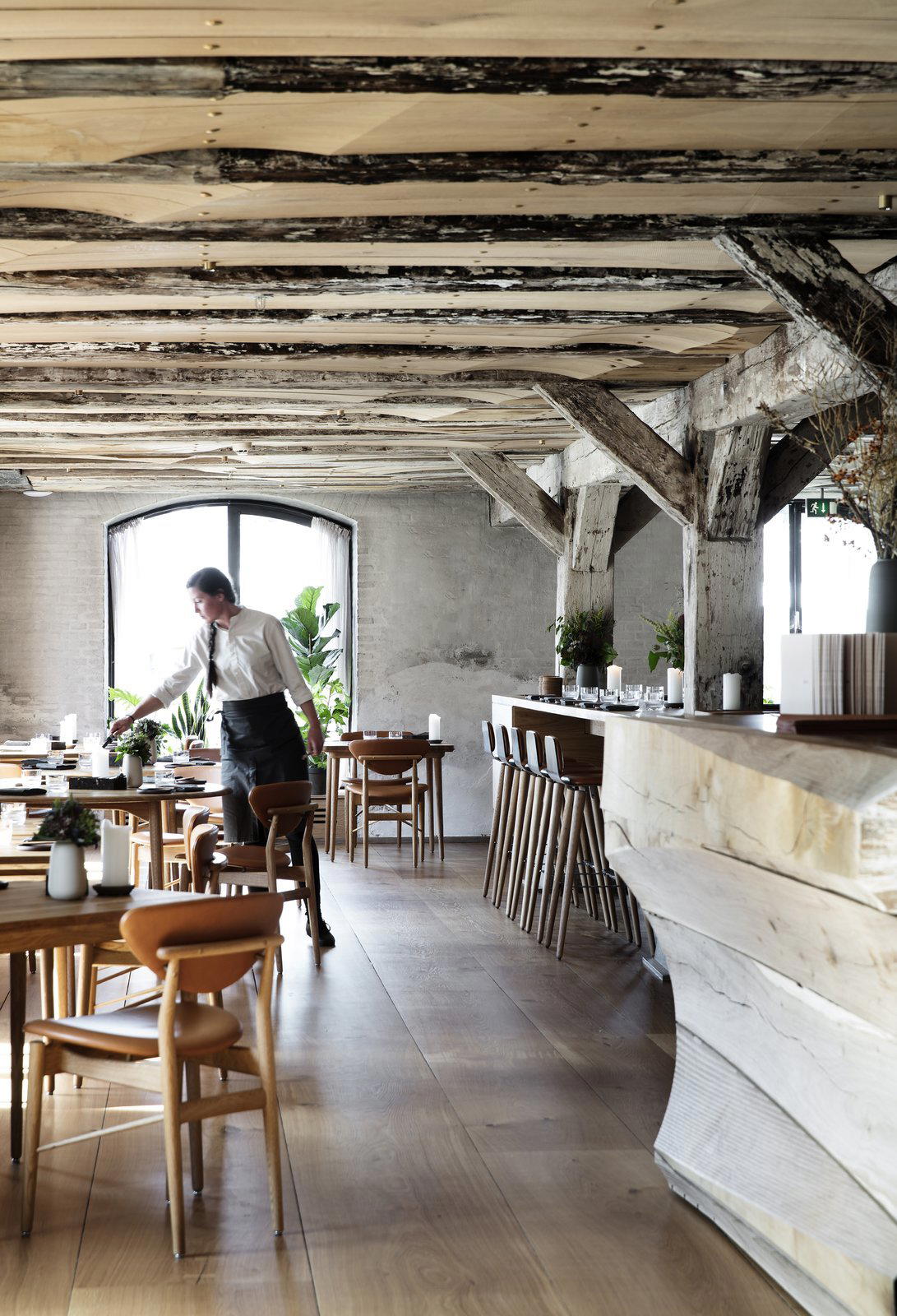
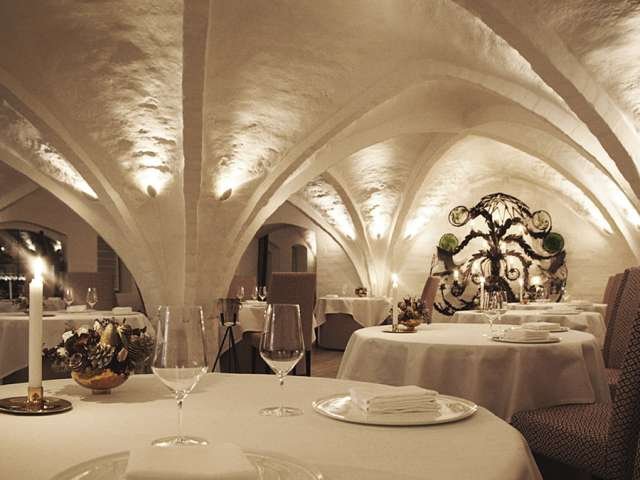
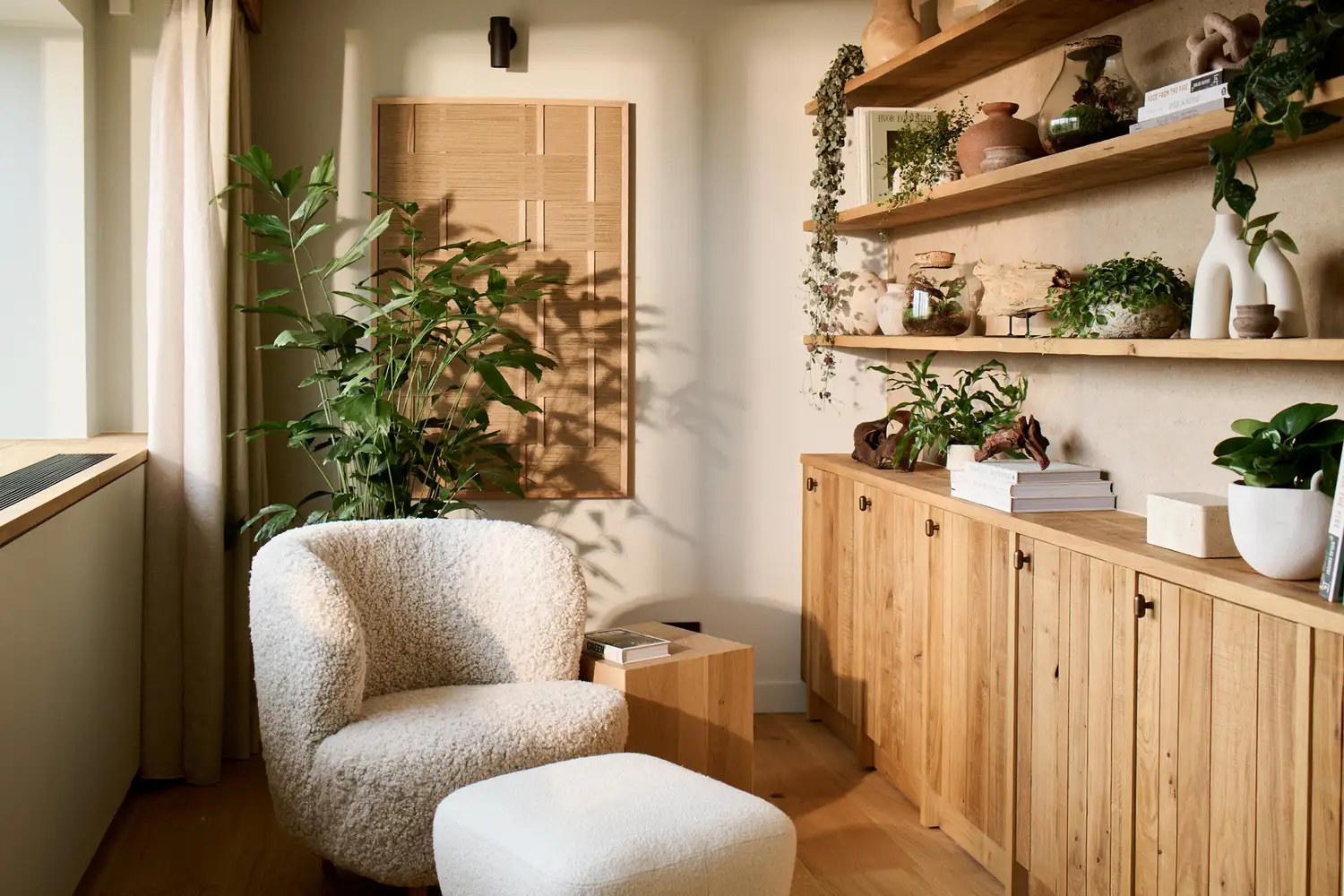
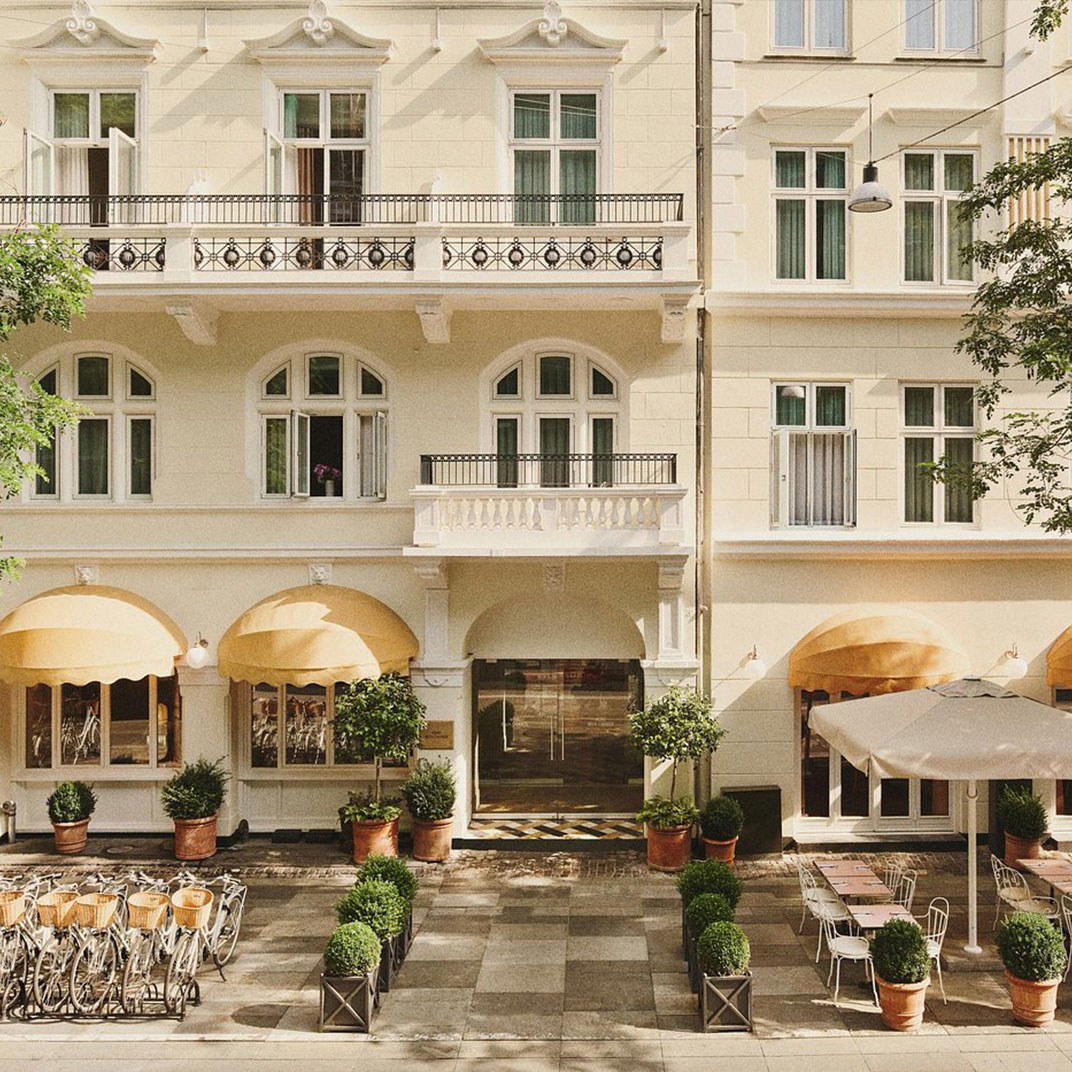
The descent matters. Copenhagen dining rooms often announce themselves with Nordic restraint, but texture begins in a whitewashed townhouse, then moves below street level into a compact, polished room where paintings break pale surfaces. The basement frames the meal: close, controlled and focused on the plate, not surrounding theatre.
Contemporary dining in Copenhagen now spans many styles, from casual precision to more elaborate evenings. texture sits among the city’s more ambitious dining rooms, where technique, flavour and pacing must carry the evening. For a wider reading of the city’s dining range, Our full Copenhagen restaurants guide maps the field, while references such as Alouette, Abigail & Co and other Copenhagen dining rooms show how varied the capital’s premium bracket has become.
French technique filtered through Marseille, Italy and Morocco
Copenhagen’s international restaurants have moved beyond New Nordic versus imported luxury. The stronger contemporary kitchens use Denmark as a stage while drawing fluently from other coastal and market traditions. Chef Karim Khouani’s background gives texture a clear place in that shift: Marseille by origin, with Italian and Moroccan family roots, working from a French technical base rather than a strictly Nordic grammar.
That matters because the menu is not French cooking simply transplanted into Copenhagen. It reads as technically adept, flavour-packed cooking built on contrast: shellfish and dairy richness, acidity and aromatic lift, pastry discipline and savoury depth. Publicly noted examples include langoustine tartare with lavender cream, clams and caviar, and goat’s cheese sorbet with olive oil, bergamot and bee pollen. Those combinations signal provenance and tension over comfort alone: marine sweetness against floral fat, lactic coldness against citrus perfume, luxury garnish used as seasoning, not decoration.
The Marseille thread is context, not biography for its own sake. Southern French cooking has long been shaped by port-city exchange: North African spice routes, Italian proximity, seafood, citrus, olive oil and herbs. In Copenhagen, where many high-end rooms lean cool, pale and vegetal, that warmer Mediterranean register gives texture a distinct editorial angle. The more revealing point is how the restaurant’s setting and menu vocabulary sit together: a chic, intimate basement room carrying cooking broader than classic French formality.
Ingredient sourcing as the argument, not the garnish
The ingredient-led impression is where texture becomes more than another polished basement restaurant. Premium Copenhagen dining can default to minimalism as visual language; here, the better reading is how the listed elements are made to interact. Langoustine, clams and caviar place the kitchen in the luxury seafood conversation. Goat’s cheese, olive oil, bergamot and bee pollen pull the meal toward dairy, citrus, fat and aroma. Duck fat and pink praline brioche, publicly noted as part of Khouani’s pâtissier strength, shows how pastry can carry savoury memory rather than arrive as a separate sweet department.
Comparisons inside Copenhagen are useful. Abigail & Co and Tèrra occupy their own contemporary lanes, while Alouette and texture give another reading of the city’s more polished dining. The distinction is not just category; it is the expectation that luxury elements be integrated with control. Caviar without restraint becomes shorthand. Shellfish without precision becomes easy pleasure. The demanding version uses those elements to argue for texture, temperature, acidity and aromatic balance.
The restaurant’s name invites an obvious reading, but the better point is structural. Texture in contemporary fine dining is not only crunch against softness. It is how a menu handles fat, temperature, cream, rawness, cooked shellfish, pastry and dairy. Goat’s cheese sorbet with olive oil, bergamot and bee pollen suggests layers: cold dairy, oil sheen, citrus bitterness, floral sweetness. That is flavour translated into architecture.
For travellers building a wider Denmark itinerary, Copenhagen’s capital-city polish can be set against other dining styles elsewhere in the country without forcing a direct comparison. The broader point is that serious restaurant travel changes with region, cellar culture and produce base; texture’s own argument remains rooted in Copenhagen, in an intimate room where French technique, Mediterranean memory and aromatic detail do the work.
How to read texture within Copenhagen's premium dining tier
The right diner for texture wants French technique with Mediterranean and Moroccan inflection, not maximal Copenhagen dining-room spectacle. The basement suits a meal where concentration matters: smaller visual field, fewer distractions, more attention on sauces, creams, shellfish, pastry and aromatic detail. That intimacy places the restaurant in the planning tier where dinner is the evening’s centre, not a stop between bars.
Its positioning among Copenhagen’s more serious dining rooms sharpens the competitive question: not whether the room is pleasant, but whether the cooking justifies choosing this idiom over the city’s other serious tables. The answer rests on Khouani’s range. A chef who can handle shellfish luxury and pâtisserie technique gives the menu two engines: savoury precision and pastry depth. In a city with many high-achieving kitchens, that dual competence is a meaningful signal.
Visitors should also read the restaurant against Copenhagen as a full travel city, not only a dinner destination. Pairing a serious table with the right city base changes a short stay’s rhythm, and Our full Copenhagen hotels guide is the natural companion for that decision. The after-dinner question belongs elsewhere: Our full Copenhagen bars guide covers cocktail and wine-bar options, while Our full Copenhagen wineries guide and Our full Copenhagen experiences guide broaden the trip beyond the table.
The editorial case for texture is specific. Copenhagen already has enough technically proficient restaurants; another polished menu is not, by itself, a reason to reorganise an itinerary. The reason to pay attention is the combination of French craft, port-city influence and flavour-led construction, expressed in a room scaled for close reading. For diners choosing within the city’s premium dining bracket, that is a clear lane.
Frequently asked questions
What kind of cuisine does texture serve?
texture serves technically adept, flavour-packed cooking with a French base and influences connected to Karim Khouani’s Marseille, Italian and Moroccan background.
What distinctions does texture have?
texture is noted for its whitewashed townhouse setting, chic and intimate basement dining room, paintings that add colour, and dishes such as langoustine tartare with lavender cream, clams and caviar, goat’s cheese sorbet with olive oil, bergamot and bee pollen, and duck fat and pink praline brioche.
Is texture expensive?
Check texture directly for current menu and pricing details.
What time does texture open and close?
Check texture directly for current opening hours.
What's texture's location?
Copenhagen.
Is texture chef-led?
The chef associated with texture is Karim Khouani.
Booking and Cost Snapshot
Side-by-side context: comparable cuisine and price.
| Venue | Cuisine | Price | Awards | Notes |
|---|---|---|---|---|
| textureThis venue — the venue you are viewing | Modern French Fine Dining | $150–200 | 1 Michelin Star · Falstaff Restaurant - 92 Falstaff Points | Not listed |
| Tèrra | Modern Italian-Nordic Sustainable | Not listed | Michelin Plate · Star Wine List | Modern Cuisine |
| Alouette | Modern Nordic Fine Dining | $200–300 | 1 Michelin Star · White Guide Nordic Restaurants - Masters Level | Modern Cuisine |
| Abigail & Co | Modern Nordic with Global Inspiration | $150–200 | Michelin Plate · Star Wine List | Modern Cuisine |
| formel B | Modern Nordic-French Fine Dining | $150–200 | 1 Michelin Star · Star Wine List | Modern Cuisine |
| Parsley Salon | Modern Cuisine | Not listed | Not listed | Not listed |
Recognition history
Dated appearances from independent guides and award organizations, with the underlying list record or original source where available.
Michelin 1 Star
Michelin
Falstaff Restaurant - 92 Falstaff Points
Falstaff
Opinionated About Dining Classical in Europe Highly Recommended
Opinionated About Dining
Full recognition history (6 entries)
Opinionated About Dining Newly Added European Restaurants
Opinionated About Dining
Opinionated About Dining Top Restaurants in Europe Recommended
Opinionated About Dining
Michelin 1 Star
Michelin
Continue exploring
More in Copenhagen
Restaurants in Copenhagen
Browse all →
Bars in Copenhagen
Browse all →
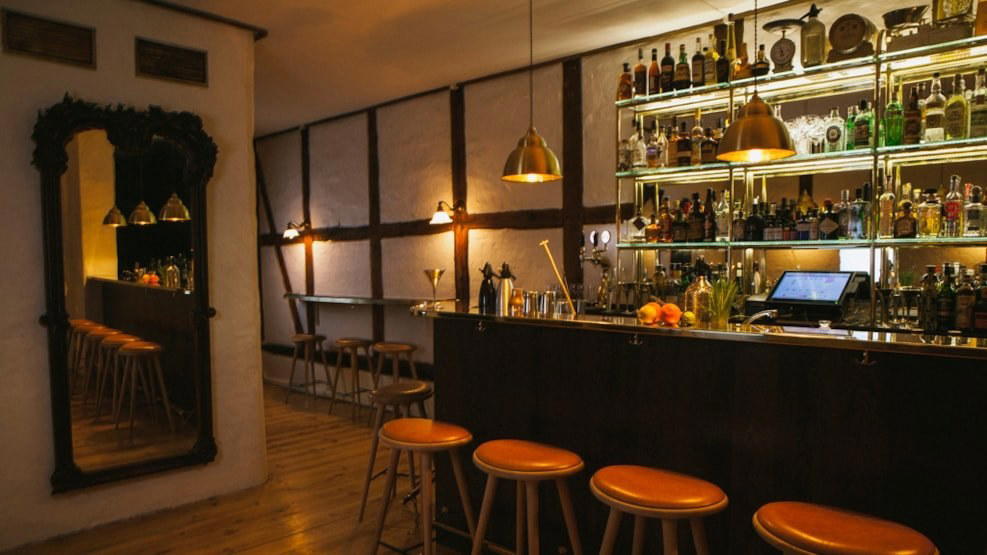
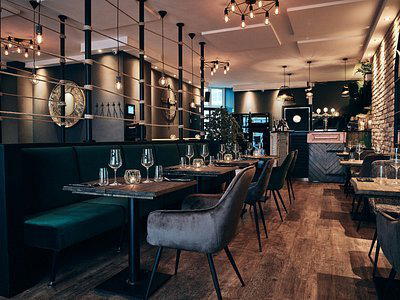
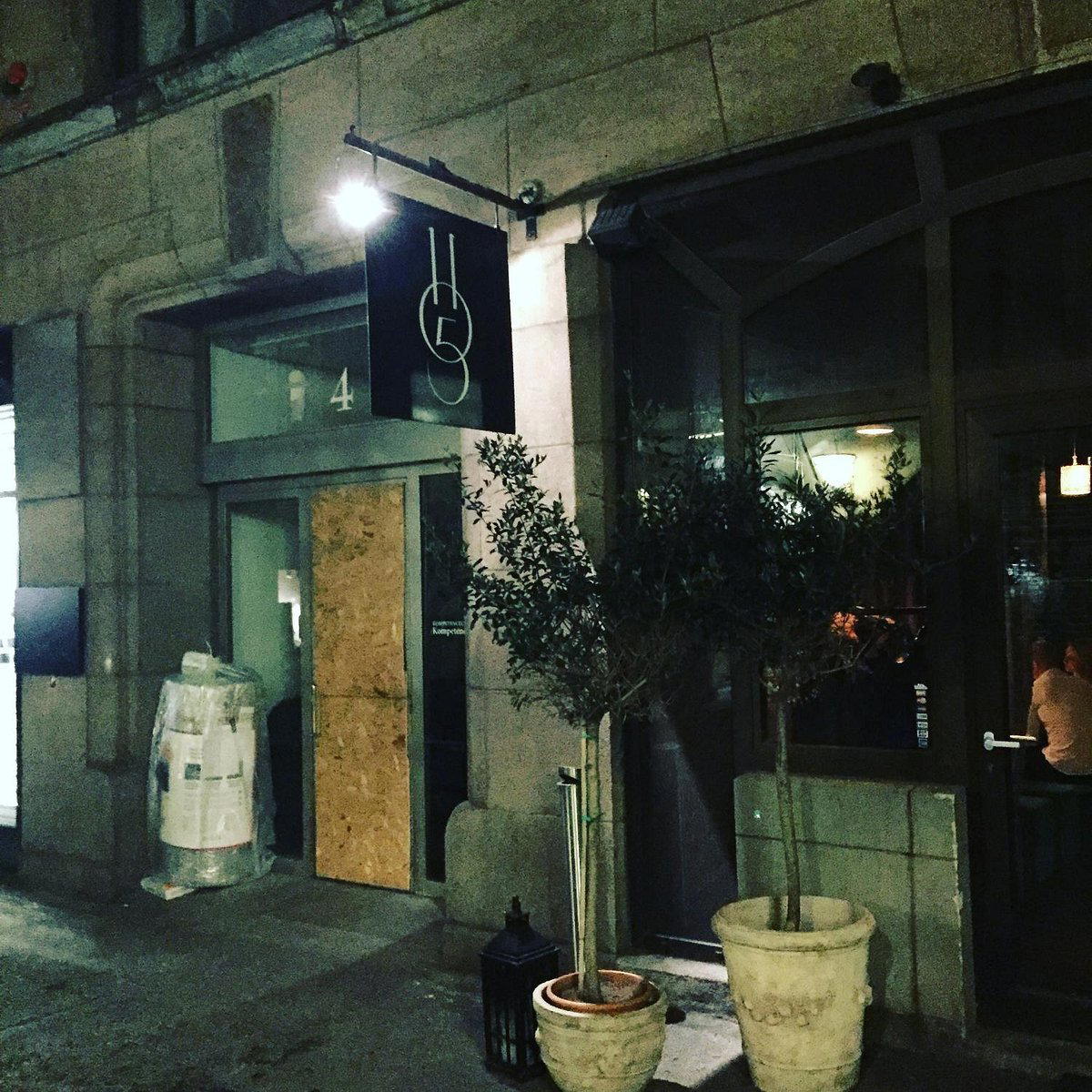
Hotels in Copenhagen
Browse all →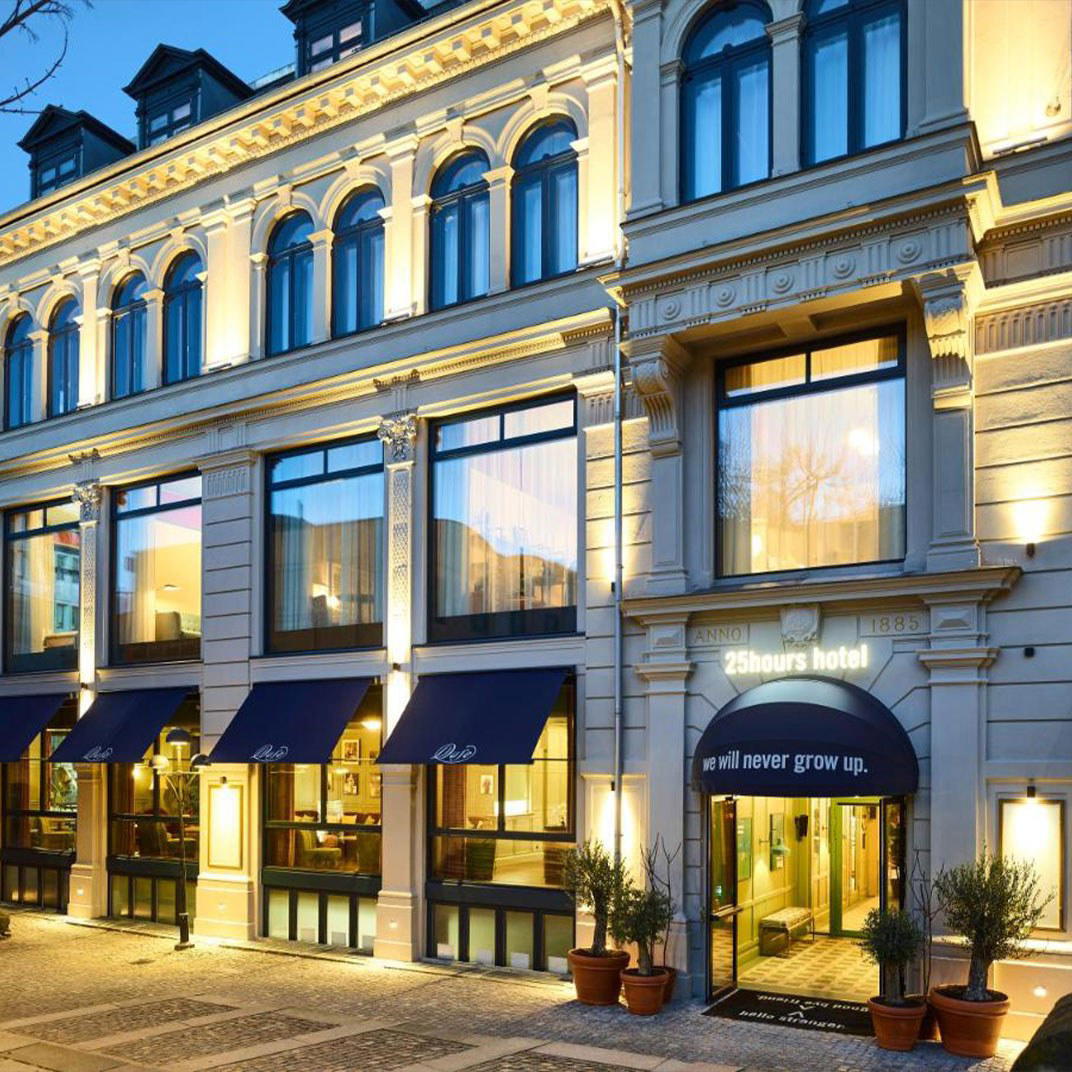

Details
- Intimate
- Elegant
- Sophisticated
- Modern
- Date Night
- Special Occasion
- Business Dinner
- Chefs Counter
- Extensive Wine List
- Local Sourcing
- Tasting Menu
Current opening hours
- Monday
- Closed
- Tuesday
- 6 PM–12 AM
- Wednesday
- 6 PM–12 AM
- Thursday
- 6 PM–12 AM
- Friday
- 6 PM–12 AM
- Saturday
- 6 PM–12 AM
- Sunday
- Closed
Hours can change for holidays and private events. Last verified .
Chic, intimate room in a whitewashed townhouse basement with colorful paintings, calm and relaxed atmosphere.