Virtuoso gourmet

Set in the Tuscan hills near Florence, Virtuoso gourmet draws its kitchen logic directly from an on-site vegetable and herb garden that shifts the menu with the seasons. Chef Antonello Sardi's cooking stays rooted in local tradition without drifting into nostalgia. The wine list carries the same seriousness as the food, making this a considered stop for anyone moving through the Mugello valley.
 Discover on Pearl
Pearl is the En Primeur Club membership app — saves, bookings, and concierge access live there. Same editors, same standards.
- Address
- Via di Lucigliano 13, , 50037 Scarperia e San Piero, Italy
- Website
- tenutaletrevirtu.it
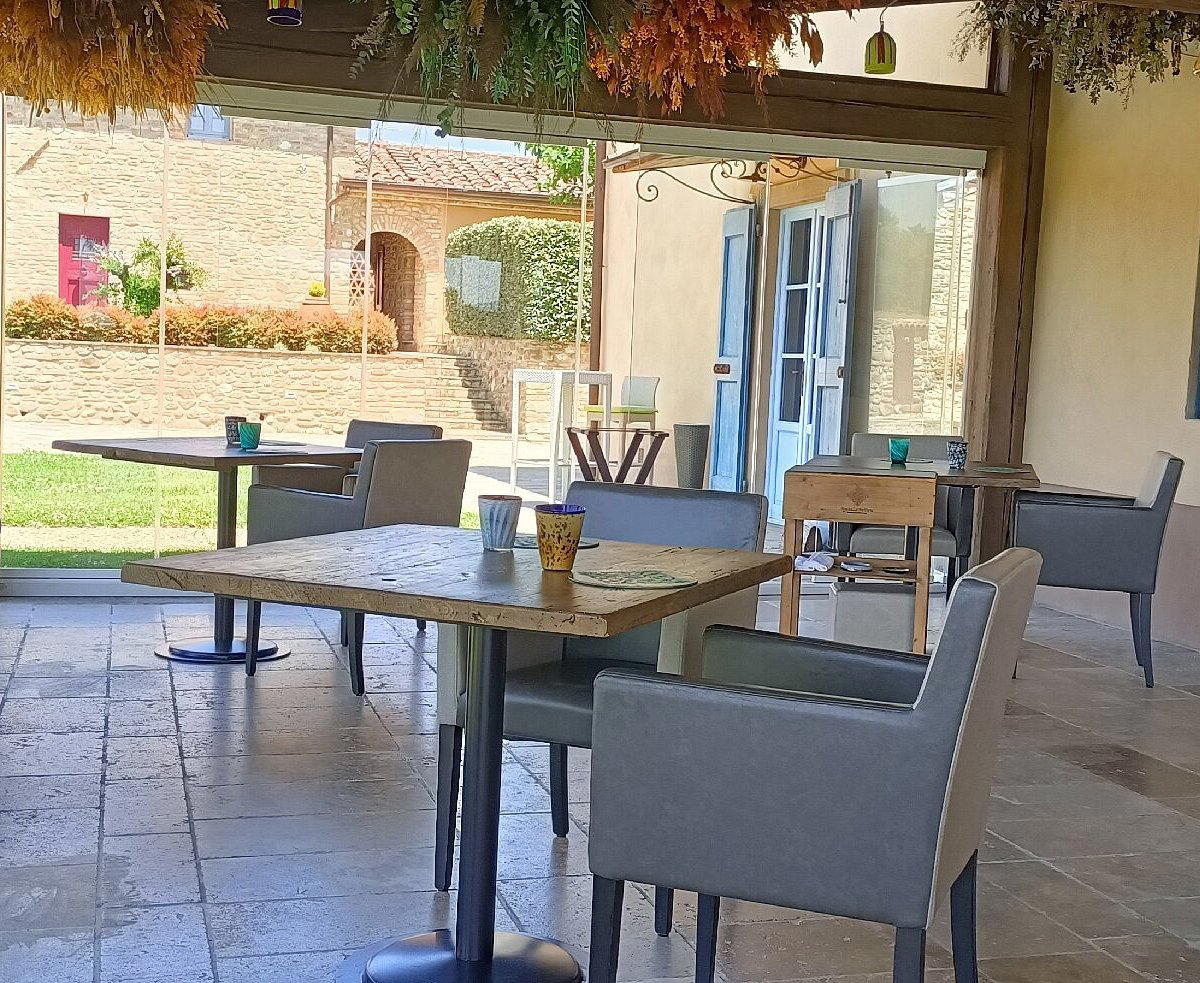
Where the Garden Sets the Agenda
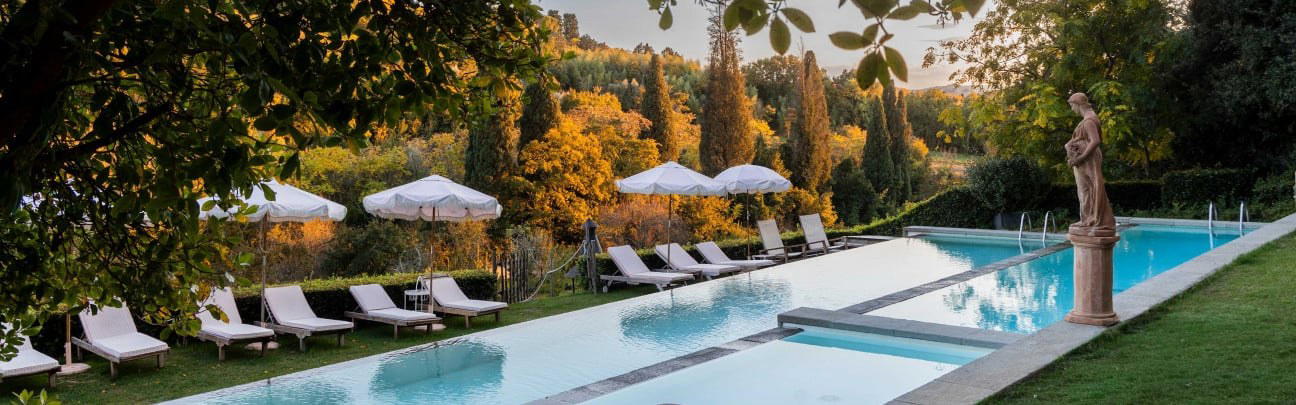
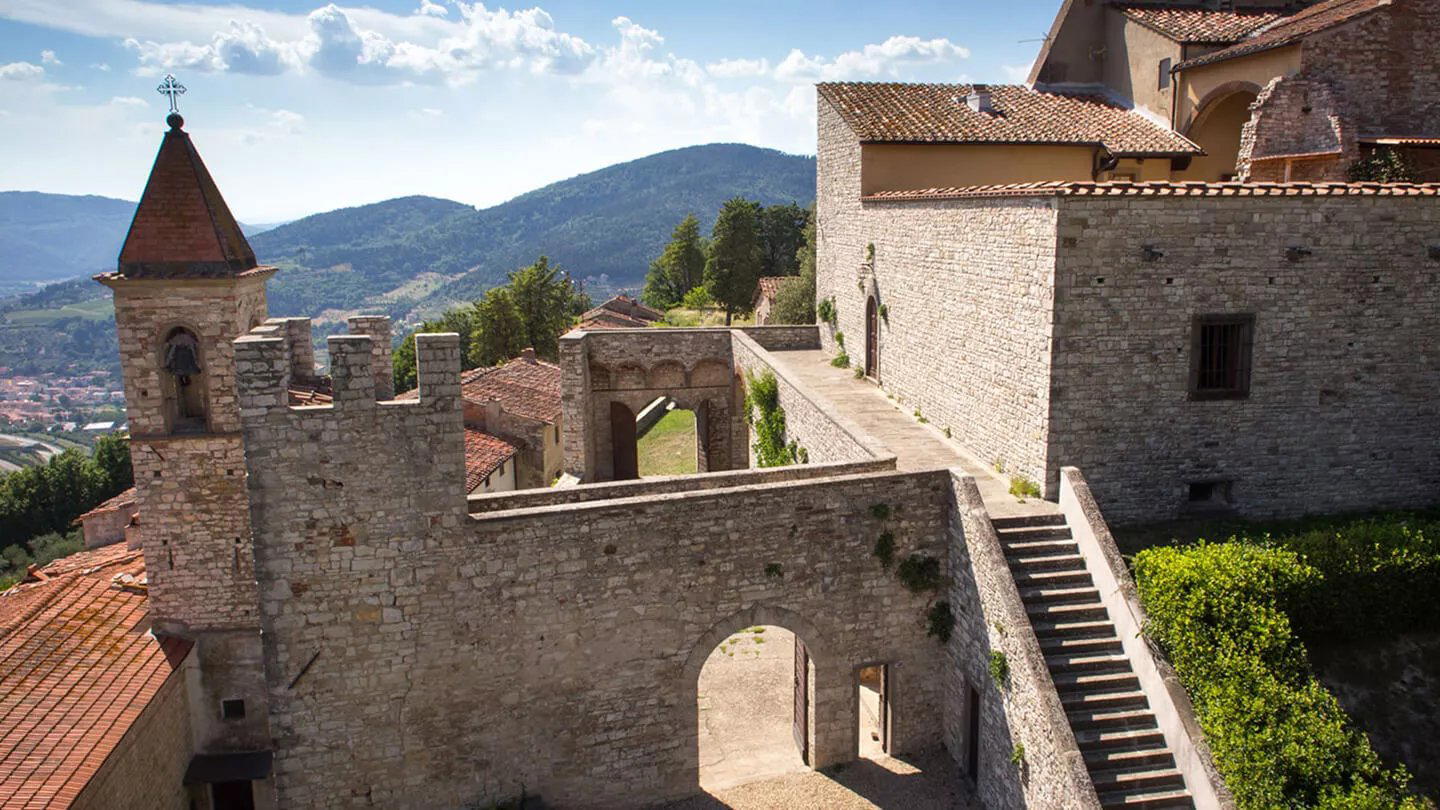
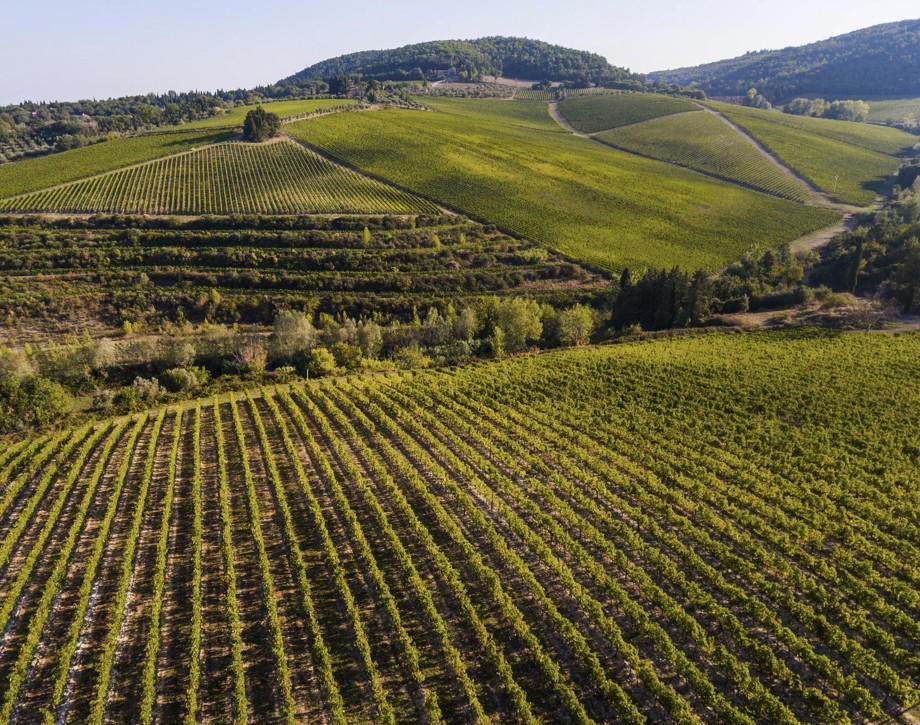
The road to Scarperia e San Piero climbs through the Mugello valley north of Florence, the kind of Tuscan topography that tends to produce kitchens more interested in what grows nearby than in what trends are moving through the city. This is not Chianti country for the tourist circuit. It is quieter, more agricultural, and the restaurants that earn attention here tend to do so on terms set by the land rather than by the guidebook. Virtuoso gourmet, a restaurant in Scarperia e San Piero, operates inside that tradition. The kitchen takes its seasonal cues from an on-site vegetable and herb garden, a discipline that shapes what arrives at the table before a single decision is made in the kitchen.
That kind of sourcing commitment is worth taking seriously. Italy's most decorated restaurants, from Osteria Francescana in Modena to Enoteca Pinchiorri in Florence, each make a claim to regional identity. But the claim reads differently when the supply chain is a garden on the same property. The distance between soil and plate compresses to almost nothing. What the garden produces in a given week becomes the kitchen's working brief, not a marketing note added after the menu is written.
The Logic of Seasonal Discipline in Tuscan Cooking
Tuscan cuisine has a reputation for restraint that is sometimes confused with simplicity. The regional tradition, from ribollita to bistecca Fiorentina, is built on a small number of high-quality ingredients treated with precision rather than elaboration. That philosophy travels well to a kitchen like this one, where the vegetable and herb garden reinforces what the tradition already demands: work with what is there, in the season it belongs to, and resist the temptation to improve on good raw material through excess technique.
Chef Sardi's approach is described as pure and Tuscan, a framing that suggests the cooking stays close to the regional repertoire without becoming a museum of it. Across Italy, the more compelling operators in this mode, places like Dal Pescatore in Runate and Reale in Castel di Sangro, share a quality of knowing exactly which tradition they are working in before deciding when to depart from it. The garden at Virtuoso gourmet is a structural signal of the same kind of commitment: the kitchen is not free to invent around imported ingredients because the season has already made the decision.
This has practical consequences for the visitor. A menu anchored to an on-site garden will shift noticeably between spring and autumn, between early summer abundance and the leaner, root-vegetable-heavy months that follow. The same restaurant visited in April and again in October will present differently. That variability is a feature of the format, not a limitation, and it is what distinguishes this kind of operation from kitchens that use seasonal language without the structural commitment to back it up.
The Wine List as a Parallel Argument
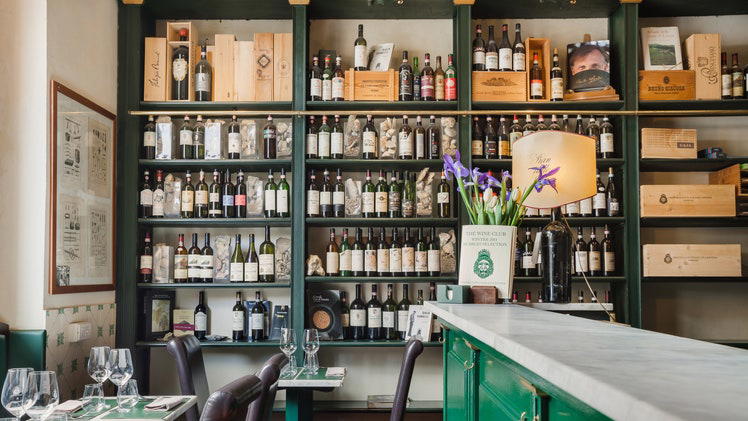
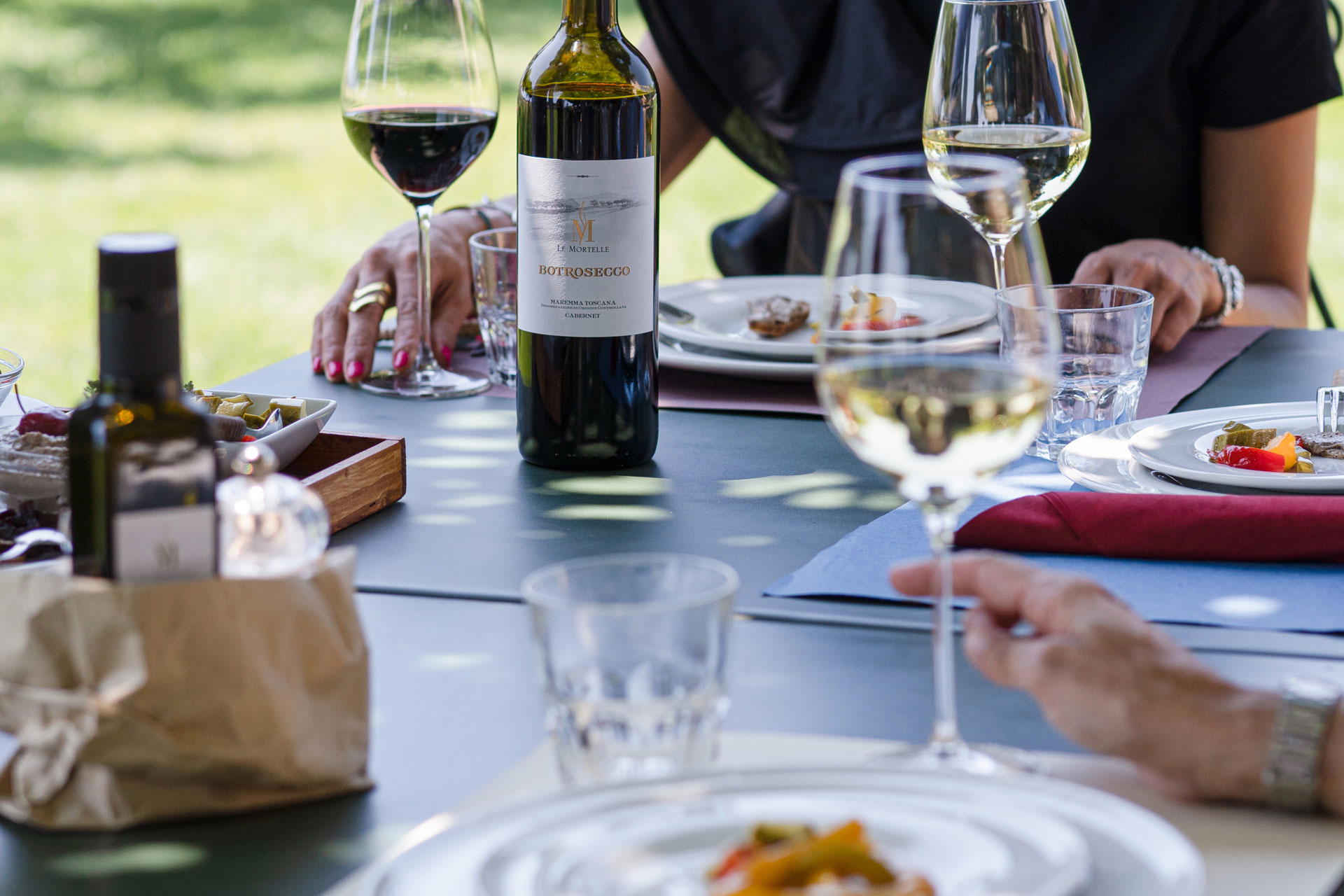
A kitchen this deliberate about its sourcing typically demands a wine program that can hold the same conversation. At Virtuoso gourmet, the wine list is described as impressive, which in Tuscany carries specific weight. The region produces some of Italy's most scrutinized bottles, from the Sangiovese-dominant wines of the Chianti Classico zone to the international-variety bottlings of the Bolgheri coast. A strong list here means navigating that hierarchy with a point of view, offering something beyond the predictable Brunello-and-Super-Tuscan selection that fills out wine lists across the region without much editorial thought.
Wine and food pairings at this level of the Tuscan tradition are not an add-on. They are a structural part of the meal. Restaurants in the same northern Tuscan orbit, operating in municipalities where the dining culture rewards patience and specificity, tend to treat the list as a second kitchen, a place where the regional argument continues past the last course. The fact that the wine program draws attention alongside the cooking suggests the two are designed to work together rather than operate in parallel.
Placing Virtuoso gourmet in Its Competitive Context
The category of serious regional Italian restaurants operating outside major cities is more crowded than it used to be. Italy's fine dining geography has expanded well beyond Milan, Rome, and Florence, with strong operators now distributed across smaller municipalities that offer producers, space, and a culinary culture the cities cannot replicate. Places like Piazza Duomo in Alba, Le Calandre in Rubano, and Uliassi in Senigallia demonstrate that the country's most precise cooking is not concentrated in its largest cities.
Virtuoso gourmet occupies a similar position in northern Tuscany: a destination-grade kitchen in a municipality that most visitors pass through rather than stop in. Its proximity to Florence, close enough to reach without extended travel, places it in a different conversation from the purely remote destination restaurant. It is accessible enough to plan around a Florence visit, far enough from the city to feel genuinely removed from the tourist infrastructure that surrounds the Duomo. For readers comparing options across the northern Italian fine dining circuit, consider Casa Perbellini 12 Apostoli in Verona, Atelier Moessmer Norbert Niederkofler in Brunico, and Enrico Bartolini in Milan, each representing a different approach to the question of what serious Italian cooking looks like outside the obvious urban centers. For contrast further afield, Quattro Passi in Marina del Cantone and Le Bernardin in New York City show how ingredient-led discipline translates across entirely different regional and international contexts.
Planning Your Visit
Virtuoso gourmet is located at Via di Lucigliano 13, Scarperia e San Piero, approximately 30 kilometres north of Florence via the SP503. The restaurant sits in a part of the Mugello valley that rewards arriving by car rather than public transport; the address puts it well outside the municipal centre, in the quieter agricultural zone where the garden that drives the kitchen makes practical sense. Given the nature of a menu built around a working garden and a serious wine program, this is a meal that benefits from unhurried timing. Arriving with the expectation of a long lunch or dinner is more appropriate than treating it as a quick stop.
For those pairing this visit with destinations further afield, Emeril's in New Orleans offers an interesting counterpoint in how a chef-driven kitchen builds a regional identity in a completely different culinary geography.
Comparable Spots, Quickly
Comparable venues nearby, for context on price, style, and recognition.
| Venue | Cuisine | Price | Awards | Notes |
|---|---|---|---|---|
| Virtuoso gourmetThis venue — the venue you are viewing | Tuscan Fine Dining | $$$$ | 1 recognition | |
| Ristorante la Reggia degli Etruschi | Traditional Tuscan Italian | $$$$ | , | Fiesole |
| Cedri | Modern Umbrian Fine Dining | $$$$ | 1 recognition | Boschetto Vecchio |
| Pieve Aldina | Modern Tuscan | $$$$ | 1 recognition | Radda in Chianti |
| Villa Abbazia | Michelin-Starred Italian Fine Dining | $$$$ | 1 recognition | Follina |
| Osteria del Vicario | Modern Tuscan Plant-Based | $$$ | 1 recognition | Certaldo Alto |
Continue exploring
More in Scarperia e San Piero
Restaurants in Scarperia e San Piero
Browse all →
Bars in Scarperia e San Piero
Browse all →
Hotels in Scarperia e San Piero
Browse all →
At a Glance
- Elegant
- Sophisticated
- Intimate
- Rustic
- Date Night
- Special Occasion
- Open Kitchen
- Private Dining
- Extensive Wine List
- Farm To Table
- Organic
- Local Sourcing
- Garden
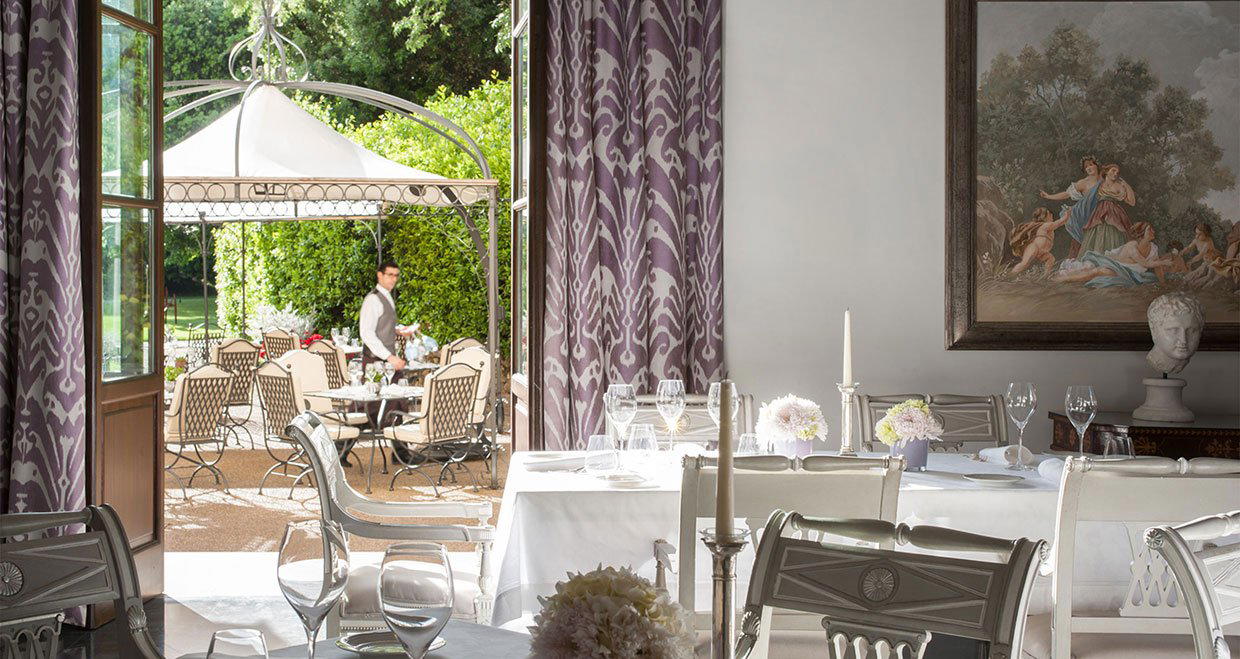
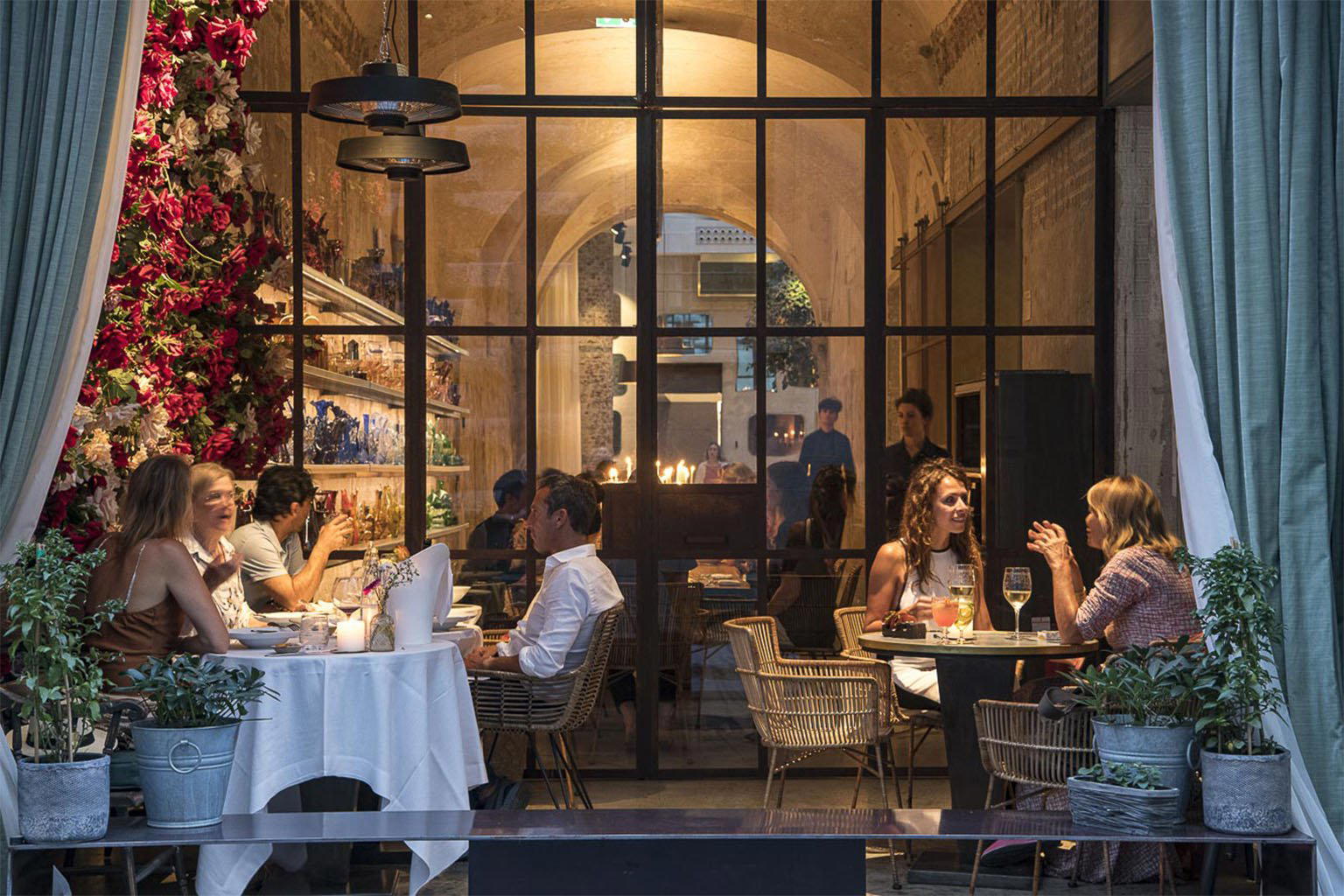
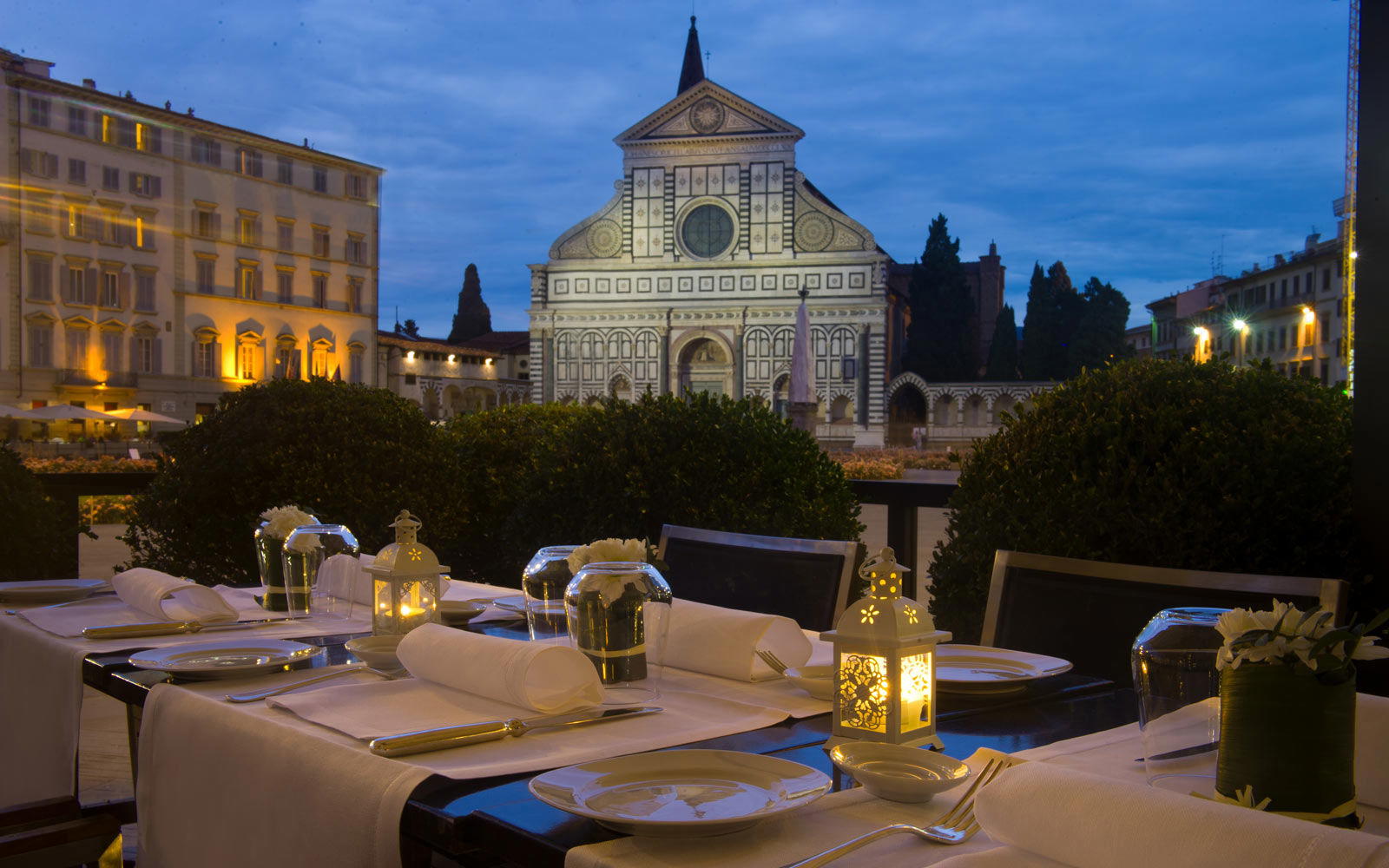
Intimate glass-fronted room with few tables, well-kept venue offering timeless elegance and exclusivity.