Vinovida
Our verdict
Vinovida occupies a wine-bar niche that San Juan's restaurant scene has long needed: a Condado-area address where the glass list does the heavy lifting and the food program answers to it. Positioned on Avenida Manuel Domenech, it draws a local crowd that drinks with intention, placing it in a different register than the tourist-facing dining rooms closer to the waterfront.

Pearl is the En Primeur Club membership app — saves, bookings, and concierge access live there. Same editors, same standards.
- Address
- 275 Av. Ing. Manuel Domenech, San Juan, 00918, Puerto Rico
- Phone
- (787) 520-8935
- Hours
- Mon ClosedTue 11:30 AM–5 PMWed 11:30 AM–9 PMThu–Fri 11:30 AM–10 PMSat 1–10 PMSun 11:30 AM–5 PM
- Website
- vinovidarestaurant.com
- Directions
- Get directions
- Booking
- Book on OpenTable
Wine Culture on Avenida Domenech
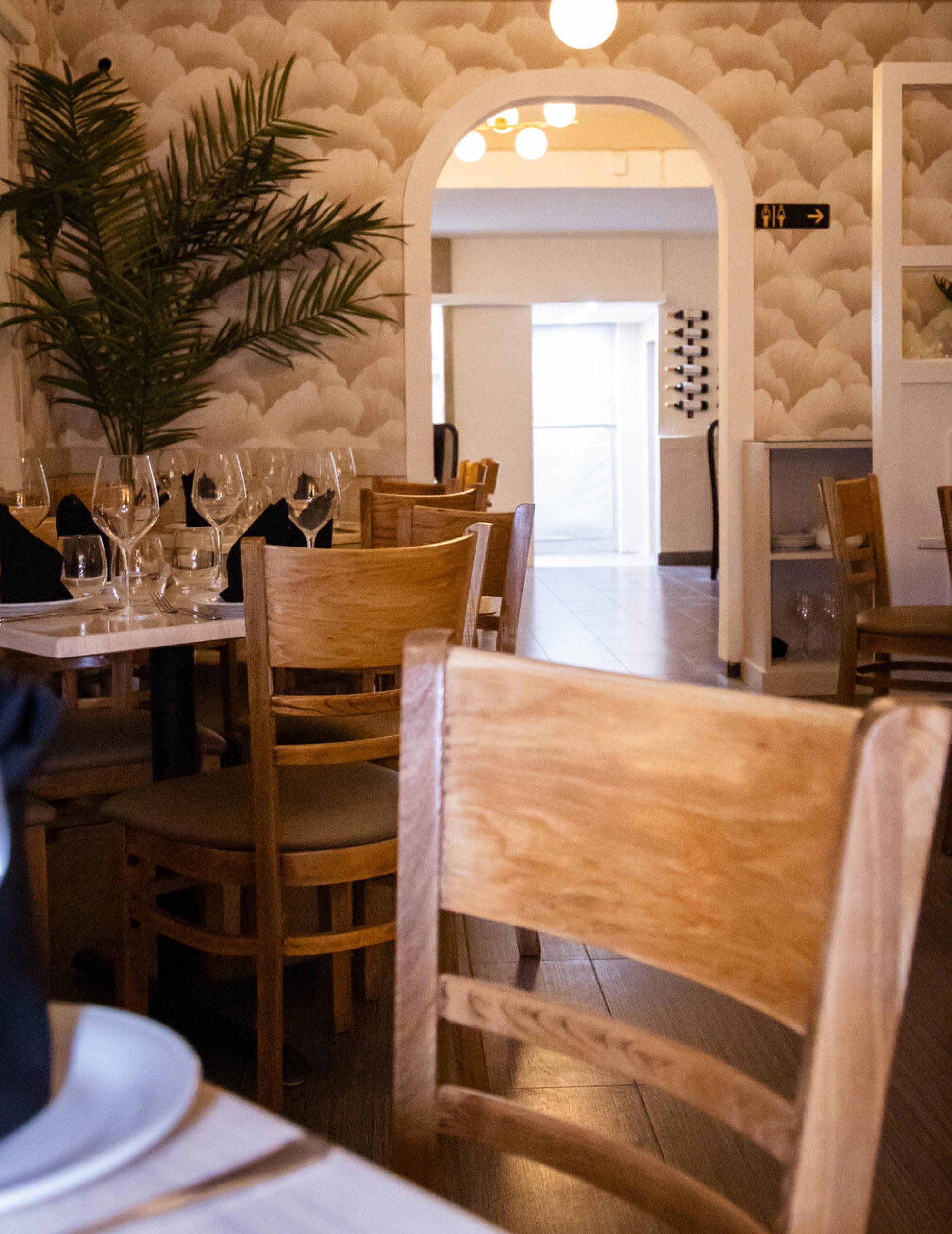
San Juan's dining geography has a clear fault line. The oceanfront corridors of Condado and Isla Verde attract the hotel-backed, format-heavy rooms — the kind of places where a view does half the work. A few blocks inland, on Avenida Ing. Manuel Domenech, a different kind of establishment holds ground: smaller, less choreographed, and more focused on what's in the glass. Vinovida occupies that quieter register. The address puts it inside the residential-commercial stretch of Santurce's upper reaches, where the ambient sound is street traffic rather than surf, and where the clientele tends to be local and repeat rather than first-time visitors orienting themselves from a hotel map.
That geography matters more than it might seem. In a city where dining out often means competing for the same tourist-facing dollar, venues that survive on a neighborhood footing have a different quality signal. They have to earn loyalty in a market that knows the difference. For a wine-forward concept in a Caribbean city more associated with rum and craft beer, that context is the first thing worth understanding.
Where Vinovida Sits in San Juan's Wine Conversation
Puerto Rico's wine culture has developed unevenly. The island's heat and humidity make cellar storage a genuine operational challenge, and import logistics add cost layers that push bottle prices above what the same wine would carry in a New York or Miami context. Against that backdrop, wine bars face a structural difficulty: the economics of by-the-glass programs in a hot-climate market with import overhead are harder to balance than in a temperate wine-capital city. The venues that make it work tend to do so through tight list curation, high rotation to prevent oxidation, and a pricing strategy that reflects the actual cost of doing business here rather than aspirationally mimicking mainland benchmarks.
Vinovida's position on Domenech places it in a peer group that includes thoughtful independent operators rather than hotel-backed outlets. Across the San Juan restaurant map, the most comparable critical conversations happen around places like Amor y Sal, which handles local sourcing and beverage programming with similar attention, and Areyto Modern Cuisine by Chef Jason González, where the wine selection is treated as a program rather than an afterthought. For a fuller picture of where Vinovida sits in San Juan's broader restaurant ecosystem, the full San Juan restaurants guide maps the competitive field in detail.
The Sustainability Dimension of Wine in the Caribbean
Wine bars operating in island markets carry an inherent sustainability tension. Every bottle arrives by container ship, accumulating carbon before it reaches the glass. How a program responds to that reality — whether it ignores it, acknowledges it, or builds around it, says something about the venue's operating philosophy. The most environmentally conscious wine programs in similar markets tend to lean on a few strategies: shorter supply chains where possible (highlighting producers from nearby regions like South America rather than defaulting to European defaults), lower-intervention wines that require less chemical input in the vineyard, and tight by-the-glass programs that reduce bottle waste through high turnover rather than letting open inventory oxidize.
In Caribbean contexts specifically, the local food sourcing question extends into the wine program's partner relationships. A wine bar that sources its food components from local Puerto Rican farmers and its wine from producers with documented sustainability certifications is making a materially different set of choices than one that relies on a standard distributor sheet. That distinction increasingly matters to the kind of diner who drinks with deliberation, the same person who has opinions about organic certification, natural wine, and what it means to eat responsibly in an island ecosystem that is simultaneously one of the world's most biodiverse and one of its most import-dependent.
Puerto Rico's agricultural recovery since Hurricane Maria in 2017 has made local sourcing a more viable and more politically charged act. Restaurants and bars that engage with local farmers and producers participate in a rebuilding story that goes beyond menu copy. For a venue on Domenech, in a neighborhood with deep local roots, that engagement sits closer to expectation than exception.
What to Expect When You Arrive
The Avenida Manuel Domenech address is a working urban street rather than a curated dining destination strip. Arriving here, you are in a San Juan that functions on its own terms. The atmosphere at a wine bar of this type in this neighborhood tends toward the conversational: smaller in scale than a restaurant, more intimate in format, with the list doing the work that a view or a theatrical kitchen might do elsewhere. The by-the-glass program, whatever its current shape, is the thing to pay attention to. In a hot climate, what arrives in the glass cooler than expected, or poured in a format that accounts for the ambient temperature, signals operational care.
For planning purposes, venues of this type in San Juan tend to operate on evening hours, with the most active window running from early evening through late night on weekends. The Domenech corridor is accessible by car with street parking available on side streets, and the neighborhood sits within reach of Santurce's broader dining circuit, which includes the heavier hitters at 1919 Restaurant and AQA Oceanfront for those building a full evening across multiple stops. Further afield, Puerto Rico's wine and dining conversation extends to spots like Bottles Dorado in Dorado and BODEGA in Caguas, both of which operate in the beverage-forward independent category.
Placing Vinovida in a Wider Frame
Wine bars in mid-sized Caribbean cities occupy a specific and somewhat precarious niche. They serve a local professional class that drinks wine seriously, a visitor segment that gravitates toward them precisely because they feel less touristy than hotel dining rooms, and a cultural function as gathering places where the conversation about food and drink can happen at a slower pace than a full-service restaurant allows. The leading examples of the format globally, from the natural wine bars of Paris's 11th arrondissement to the program-driven counters in New York's wine-serious neighborhoods, share a commitment to curation over volume, and to transparency about what they stock and why.
In New York, the wine-and-food integration question is answered at the high end by places like Le Bernardin, where the sommelier program is a program in the genuine sense, and at the more accessible level by format-driven operators whose influence has filtered into how wine bars everywhere think about their lists. Puerto Rico's version of that conversation is still developing, and venues that hold a consistent position on Domenech are part of writing it. For context on what a serious beverage program looks like in a different register, Atomix in New York City shows how beverage integration at the highest level of a tasting menu operates, a different format, but the same underlying conviction that what's in the glass is worth thinking about as carefully as what's on the plate.
Across Puerto Rico, the dining map rewards those willing to move beyond the Condado-to-Old-San-Juan axis. Carne Mía in Aguada, La Faena in Guaynabo, and Lechonera Los Pinos in Cayey each represent a different thread of the island's food culture, from heritage lechón tradition to neighborhood fine dining. Vinovida's place in that map is the wine-first, neighborhood-rooted operator whose value compounds over repeat visits rather than announcing itself on the first.
Frequently asked questions
What should I expect atmosphere-wise at Vinovida?
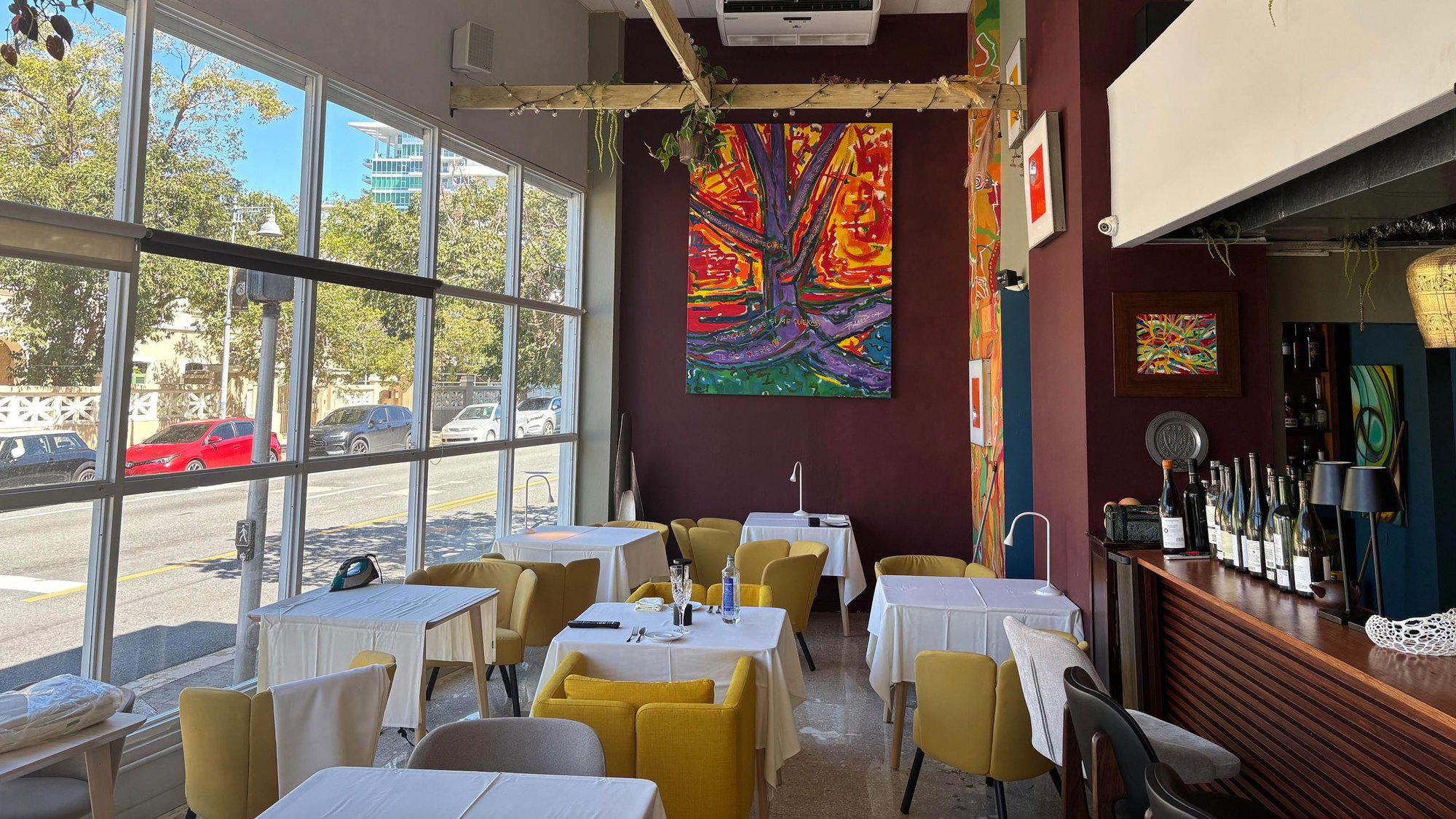
Vinovida sits on Avenida Manuel Domenech, a working urban street in San Juan rather than a polished tourist corridor. The setting reflects mid-city Puerto Rico: a local professional crowd, a pace dictated by conversation over wine rather than table turns, and none of the hotel-backed staging found in Condado. Come expecting a room that earns its tone through its regulars, not its décor brief.
What's Vinovida's location?
Vinovida is located at 275 Av. Ing. Manuel Domenech, San Juan, 00918, Puerto Rico, San Juan.
Is Vinovida a good option for wine-focused dining in San Juan compared to hotel restaurant alternatives?
For visitors wanting to drink wine with a local San Juan crowd rather than in a hotel-branded dining room, Vinovida's Avenida Domenech address is a deliberate departure from the Condado and Isla Verde format. Puerto Rico's wine scene has developed unevenly across the island, and a standalone wine bar in the mid-city residential grid represents a distinct commitment to that culture. It serves a professional local clientele that takes wine seriously, which tends to produce a more focused list than resort venues calibrated for broad tourist preferences.
What should I order at Vinovida?
The wine list is the core reason to visit: Vinovida operates in a market where island heat and import logistics make cellar curation genuinely difficult, so selections that make it onto the list have cleared a real operational bar. Beyond the glass, follow what the staff steers you toward on any given evening, as availability in a Caribbean wine-focused venue shifts with shipment cycles rather than fixed seasonal menus.
Should I book Vinovida in advance?
Vinovida addresses a specific and underserved niche in San Juan — a wine-forward room away from the resort belt, drawing a consistent local following. Walk-ins may work on quieter weeknights, but for weekend visits or groups, checking ahead via the venue's current social channels is the practical move given the address attracts repeat locals rather than high tourist turnover.
The Minimal Set
Comparable venues nearby, for context on price, style, and recognition.
| Venue | Cuisine | Price | Notes |
|---|---|---|---|
| VinovidaThis venue — the venue you are viewing | International Tapas with Wine Focus | Not listed | Not listed |
| Dulce Capricho | French-Puerto Rican Brunch Fusion | $20–30 | Martín Peña, French-Puerto Rican Brunch Fusion |
| TORU | Modern Asian Fusion | Not listed | Montehiedra, Modern Asian Fusion |
| dPaellas | Puerto Rican Paella | Not listed | Las Monjas, Puerto Rican Paella |
| Chocobar Cortés | Chocolate-Infused Caribbean | $20–30 | Catedral, Chocolate-Infused Caribbean |
| MĀRO | Pacífico-Latina Fusion | Not listed | Campo Alegre, Pacífico-Latina Fusion |
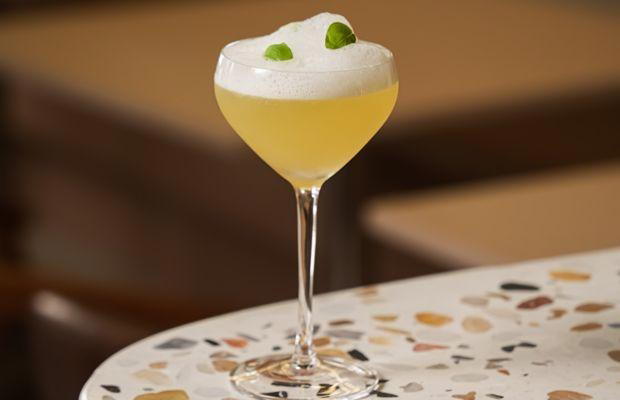
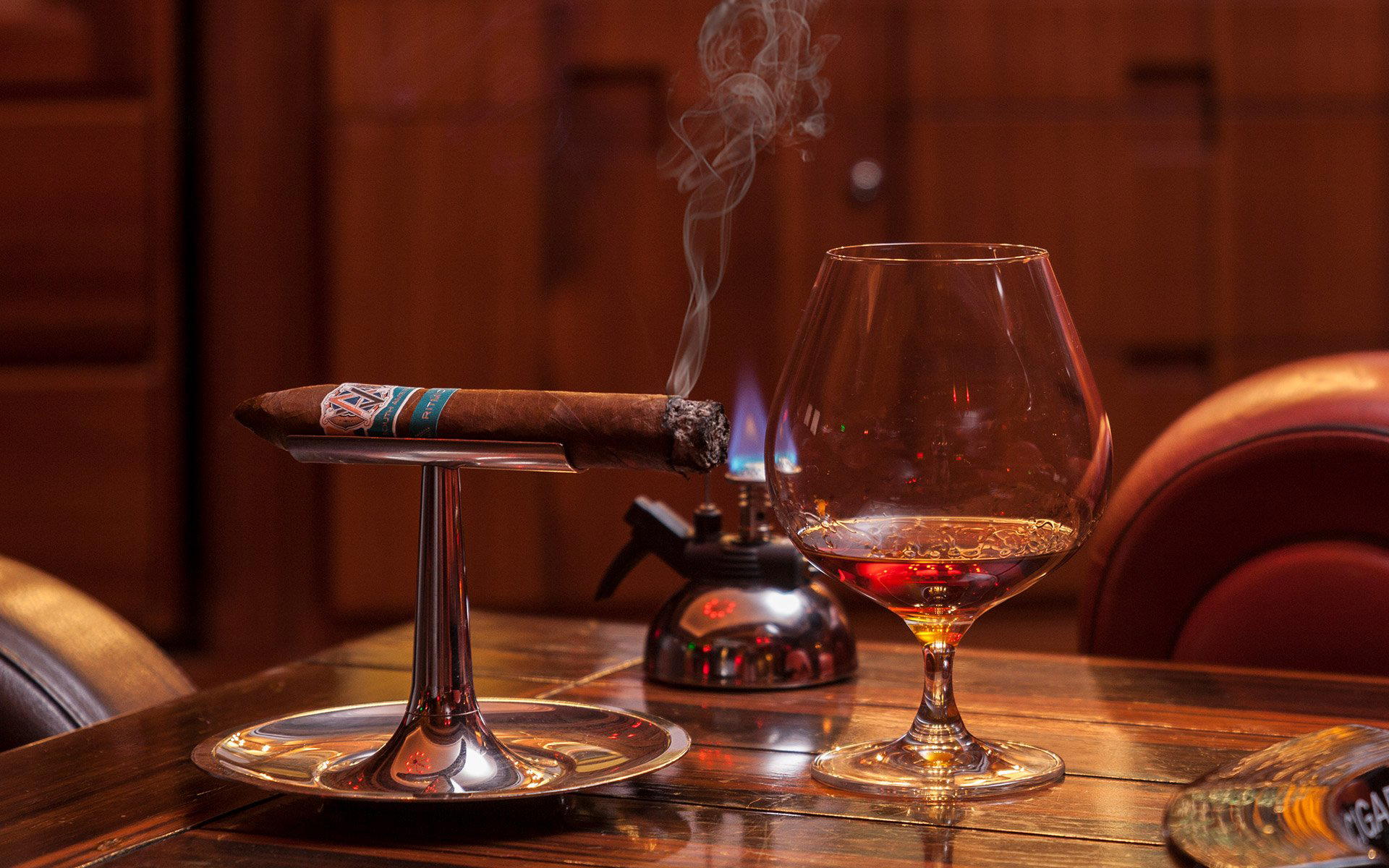
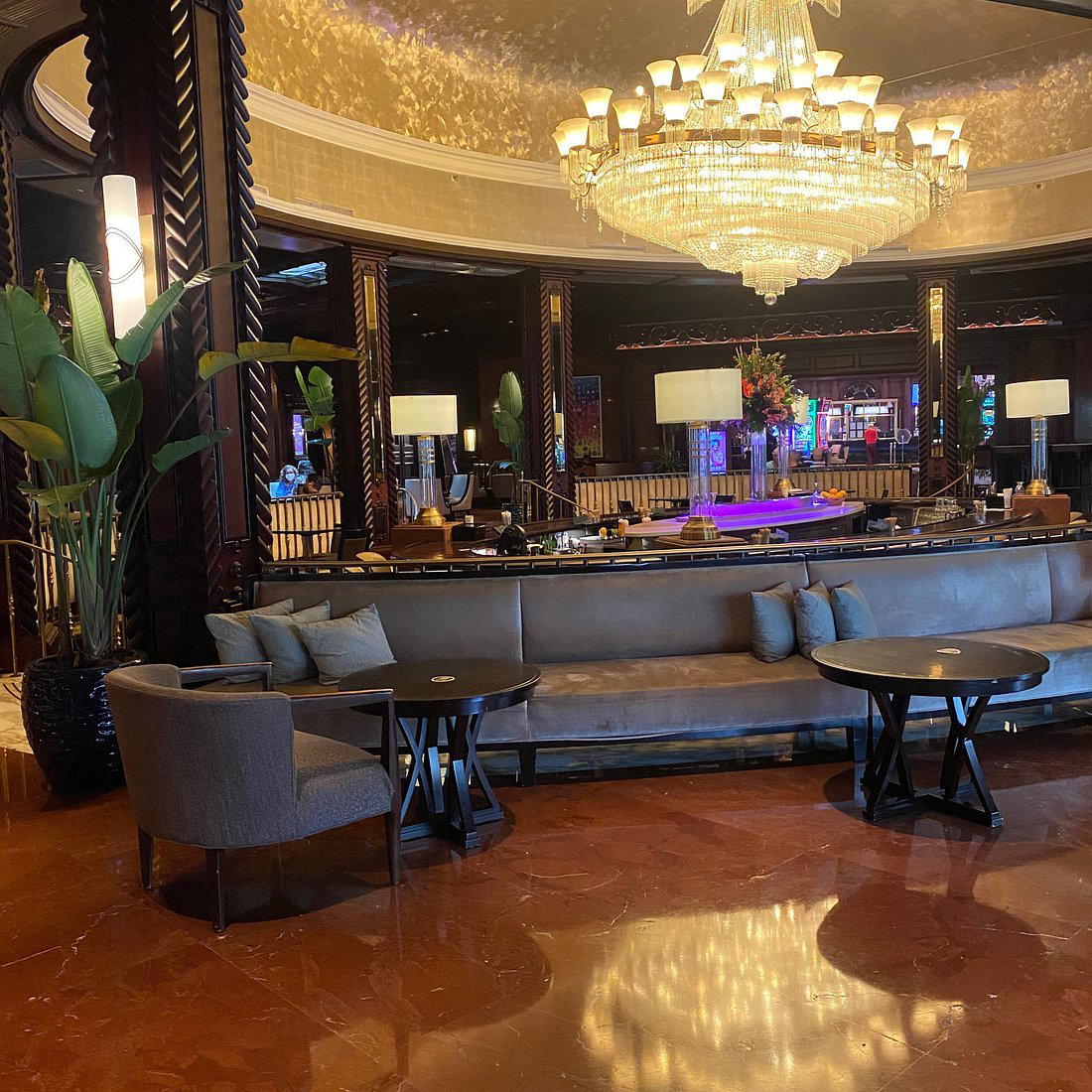

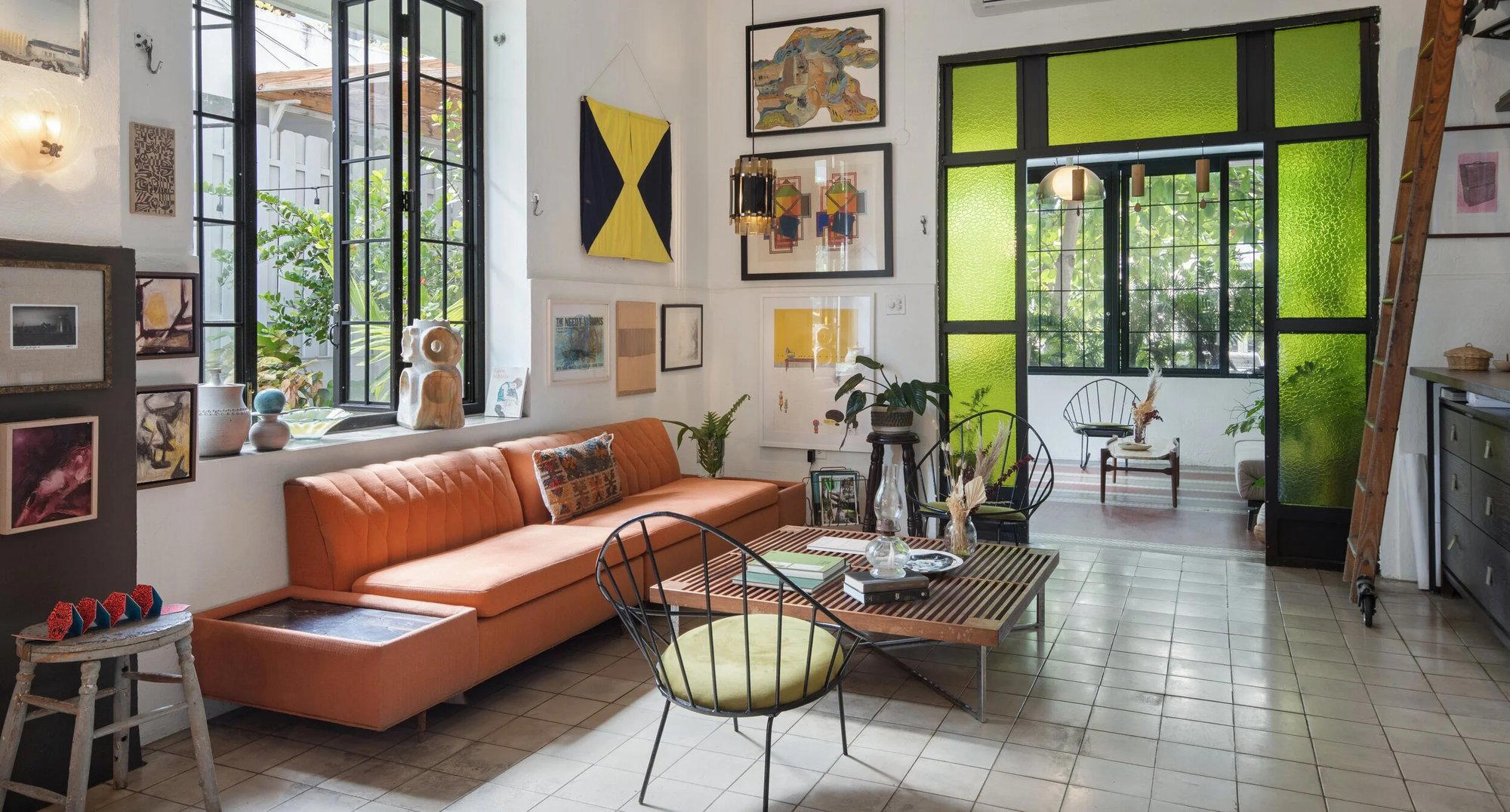
Vinovida
The wine
- Wine program
- Exceptional wine program
- Extensive wine list
- Sommelier-led
Details
- Intimate
- Elegant
- Sophisticated
- Date Night
- Special Occasion
- After Work
- Private Dining
- Extensive Wine List
- Sommelier Led
- A La Carte
- Small Plates
- Wine
Current opening hours
- Monday
- Closed
- Tuesday
- 11:30 AM–5 PM
- Wednesday
- 11:30 AM–9 PM
- Thursday
- 11:30 AM–10 PM
- Friday
- 11:30 AM–10 PM
- Saturday
- 1–10 PM
- Sunday
- 11:30 AM–5 PM
Hours can change for holidays and private events. Last verified .
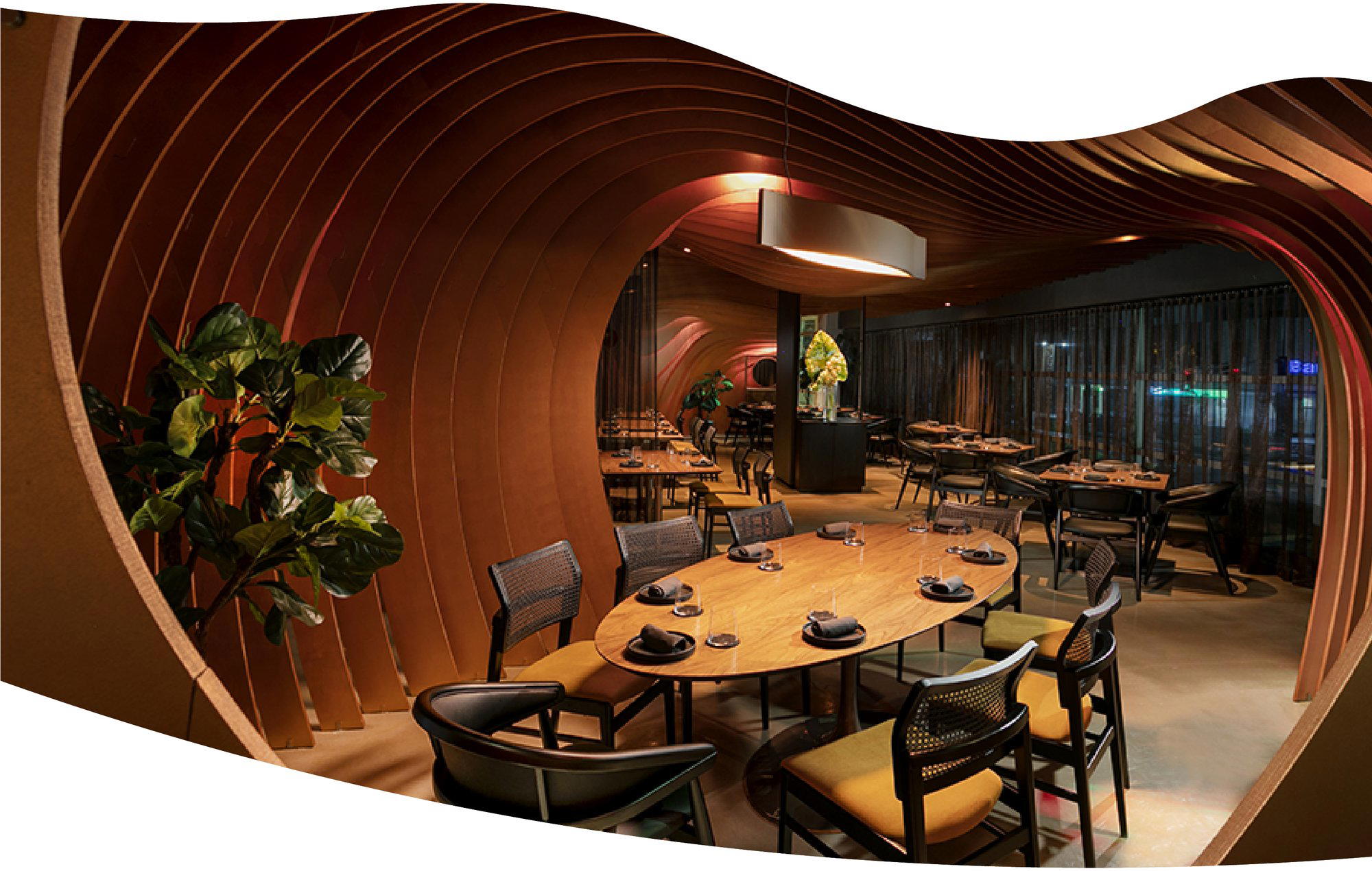
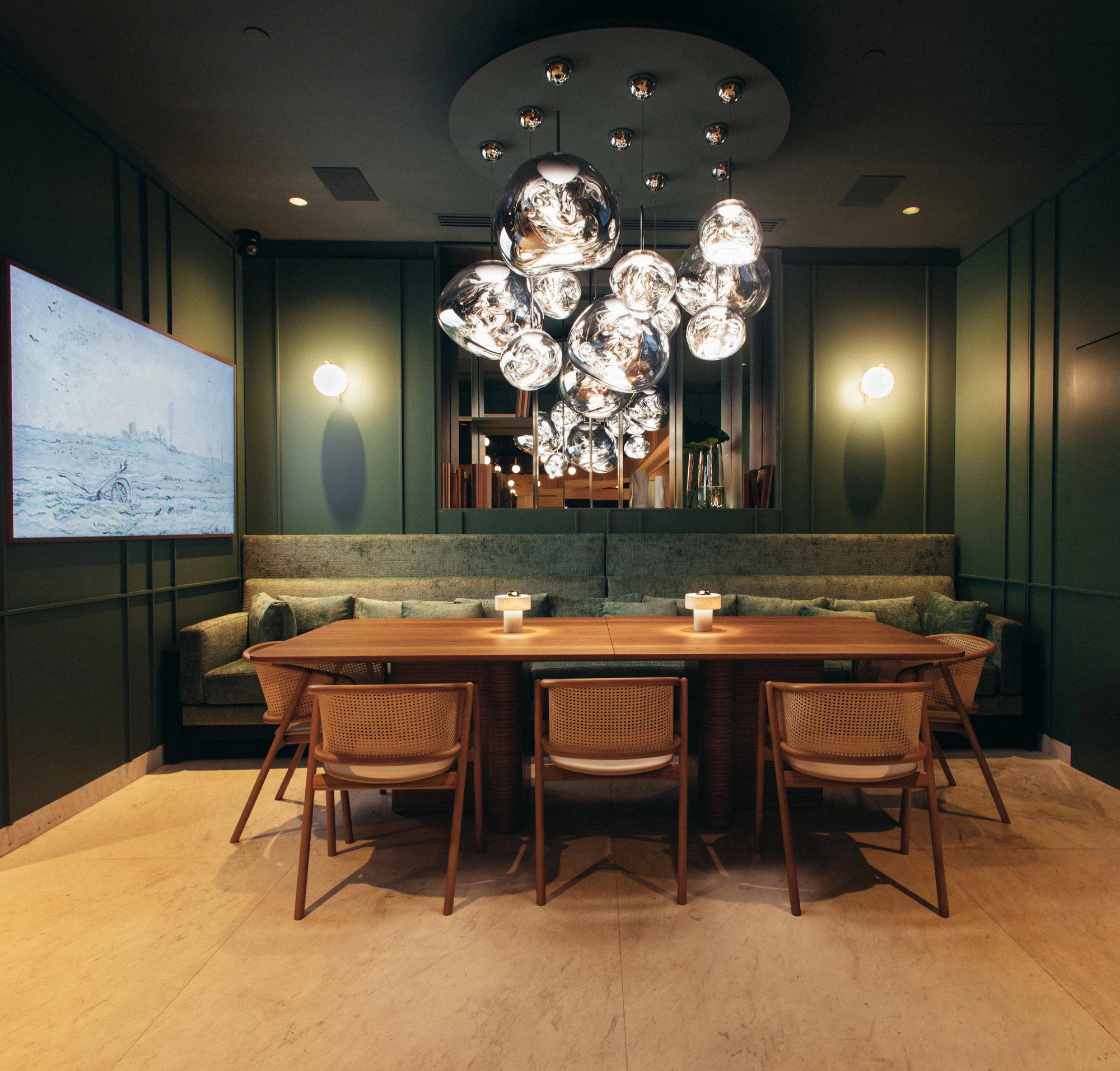
Intimate and sophisticated atmosphere with moderate noise levels, suitable for pre-show dining or special occasions.