dPaellas
A paella-focused restaurant on Calle Chile in San Juan's Santurce district, dPaellas brings one of Spain's most demanding rice dishes into a Caribbean context. The kitchen commits to the paella format at a time when few San Juan restaurants have staked their identity on it, making it a reference point for the dish on the island.
Pearl is the En Primeur Club membership app — saves, bookings, and concierge access live there. Same editors, same standards.
- Address
- 251 Cll Chile, San Juan, 00917, Puerto Rico
- Phone
- +17872355959
- Website
- dpaellas.com
- Directions
- Get directions
 Saves & bookings on Pearl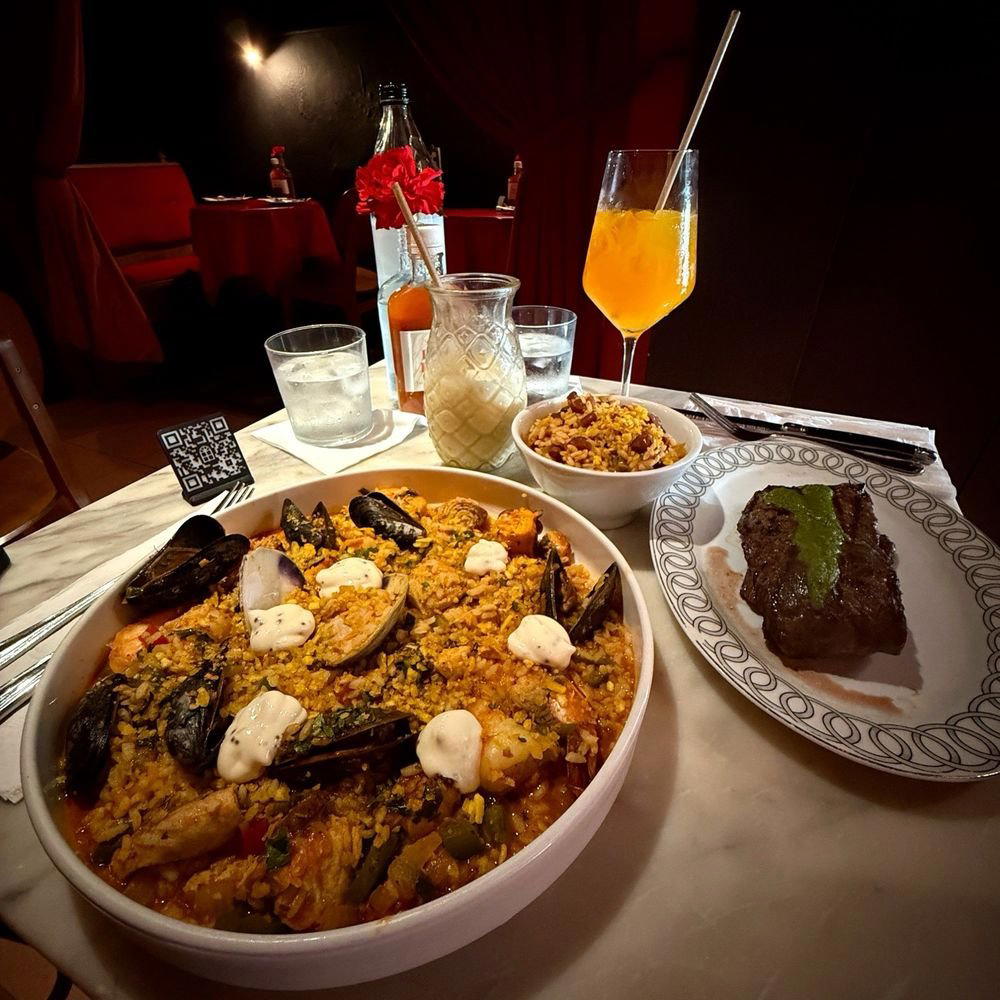
Rice, Fire, and the Spanish Caribbean
Santurce's dining scene operates on contradiction: a Puerto Rican neighborhood deeply rooted in its own culinary traditions, yet historically porous to the Spanish techniques that shaped island cooking for centuries. On Calle Chile, dPaellas takes that historical thread and pulls it into sharp focus. The premise is direct — a kitchen organized around paella, one of the most technically demanding rice dishes in the Iberian canon — in a city where the broader restaurant scene tends toward either fusion-forward concepts or deep criollo tradition. That positioning, in itself, is an editorial statement about what San Juan's dining culture can hold.
Paella has long occupied an awkward space in the Caribbean. Spain's rice-cooking traditions arrived with colonization, filtered through local ingredients and local memory, then largely dissolved into dishes like arroz con pollo or asopao. The paella form, the wide, shallow pan, the socarrat crust at the bottom, the discipline of stock ratios and heat management, remained closer to the Spanish mainland than to island kitchens. A restaurant that stakes its identity on that form is making a claim about culinary restoration, not novelty.
The Discipline of the Pan
What separates serious paella from its approximations is largely invisible to the diner until it arrives at the table: the quality of the stock, the variety of rice used, the calibration of heat that produces a proper socarrat without burning the base. In Spain, paella culture has its own internal hierarchy, with Valencian tradition, the original form, built on rabbit, chicken, and green beans, sitting at the apex, while seafood and mixed variants occupy different rungs of authenticity debate. San Juan's version of this dish operates in a different context, where the available seafood is Caribbean, the palate expectations differ, and the cultural resonance of the dish is shaped by colonial history rather than regional pride.
dPaellas, addressed at 251 Calle Chile in the 00917 zip code, plants itself in that intersection. The specific address places it in the denser, more residential stretch of Santurce, away from the tourist circuits of Old San Juan and closer to the neighborhood dining culture that has driven the area's culinary reputation in recent years. That geography matters: Santurce's restaurant scene has developed a reputation for serious, locally-oriented food rather than spectacle-driven concepts, and a paella-focused kitchen fits the area's tendency toward craft over performance.
Where dPaellas Sits in San Juan's Dining Picture
San Juan's premium dining tier has expanded considerably, with concepts like 1919 Restaurant (Modern American) and Areyto Modern Cuisine by Chef Jason González pushing into tasting-menu and modernist territory. Separately, seafront dining at venues like AQA Oceanfront captures a different kind of setting-driven appeal. dPaellas operates in neither of those registers. Its focus on a single format, the paella, places it in a smaller, more specialized category: restaurants that build identity through mastery of one dish rather than breadth of menu. That model is well-established in Spanish culinary culture but remains relatively rare in San Juan, where menus tend toward comprehensiveness.
Comparison with other San Juan restaurants further clarifies the position. Amor y Sal works in the seafood-forward criollo register. ARYA moves in a different cultural direction entirely. Paros Restaurant in Puerto Rico offers its own take on Mediterranean influences on the island. Among these, dPaellas holds a distinct position by focusing on a Spanish technique with specific cultural roots rather than a broader Mediterranean or fusion approach.
Beyond San Juan, Puerto Rico's dining geography extends to strong regional options: COA in Dorado, Estela Restaurant in Rincon, and Lago Dos Bocas in Arecibo each represent the island's culinary range outside the capital. In that broader Puerto Rico context, a Santurce restaurant dedicated to paella is doing something that neither the coastal criollo spots nor the mountain kitchens are attempting.
Cultural Roots and the Question of Authenticity
Any serious discussion of paella eventually circles back to origin and ownership. The dish was formalized in the Valencia region of Spain, and Valencian cooks are famously protective of what can and cannot carry the name. The debate about authenticity, whether chorizo belongs, whether seafood can share a pan with meat, whether the socarrat is necessary or accidental, has generated decades of spirited argument in Spanish food writing. Outside Spain, those debates lose some of their urgency but gain new complexity: in the Caribbean, paella exists as an inherited dish, filtered through a different set of agricultural conditions, different proteins, and different community memories of what Spanish cooking meant to the people who received it.
A restaurant in San Juan that commits to the paella format is therefore making a choice about how to handle that inheritance, whether to replicate, adapt, or reinterpret. The answer matters to how the food reads at the table, and it shapes the restaurant's relationship to both Spanish dining tradition and Puerto Rican culinary identity. For diners interested in that intersection, dPaellas represents a kitchen that has taken a clear position, even if the specifics of how they execute it require a visit to assess directly.
Planning Your Visit
dPaellas is located at 251 Calle Chile in Santurce, San Juan, Puerto Rico 00917. Current booking details, hours, and pricing were not available at the time of publication; contacting the restaurant directly is the recommended approach for reservations and current menu information. Santurce is well-connected by rideshare from Old San Juan and the Condado hotel strip, making it accessible for visitors staying in either of those areas. For a broader orientation to San Juan's dining scene before planning a visit, the full San Juan restaurants guide provides comparative context across the city's neighborhoods and formats.
Travelers who want to extend beyond San Juan will find strong regional options at Charco Azul in Vega Baja, La Parguera in La Parguera, El Dorado in Playita, Brazo Gitano Franco in Mayaguez, Kaplash in Anasco, and Da Bowls in Aguadilla, a cross-island circuit that maps the range of what Puerto Rican dining has become beyond the capital. For international reference points in single-format commitment, the discipline at Le Bernardin in New York City and the community-centered tasting format of Lazy Bear in San Francisco illustrate how focus and format definition can anchor a restaurant's identity across very different culinary traditions.
Peers in This Market
A short peer table to compare basics side-by-side.
| Venue | Cuisine |
|---|---|
| dPaellasThis venue — the venue you are viewing | Not listed |
| 1919 Restaurant | Modern American |



At a Glance
- Cozy
- Rustic
- Casual Hangout
- Family
- Private Dining
Current opening hours
- Monday
- Closed
- Tuesday
- 12–6 PM
- Wednesday
- 12–6 PM
- Thursday
- 12–6 PM
- Friday
- 12–6 PM
- Saturday
- 12–6 PM
- Sunday
- Closed
Hours can change for holidays and private events. Last verified .
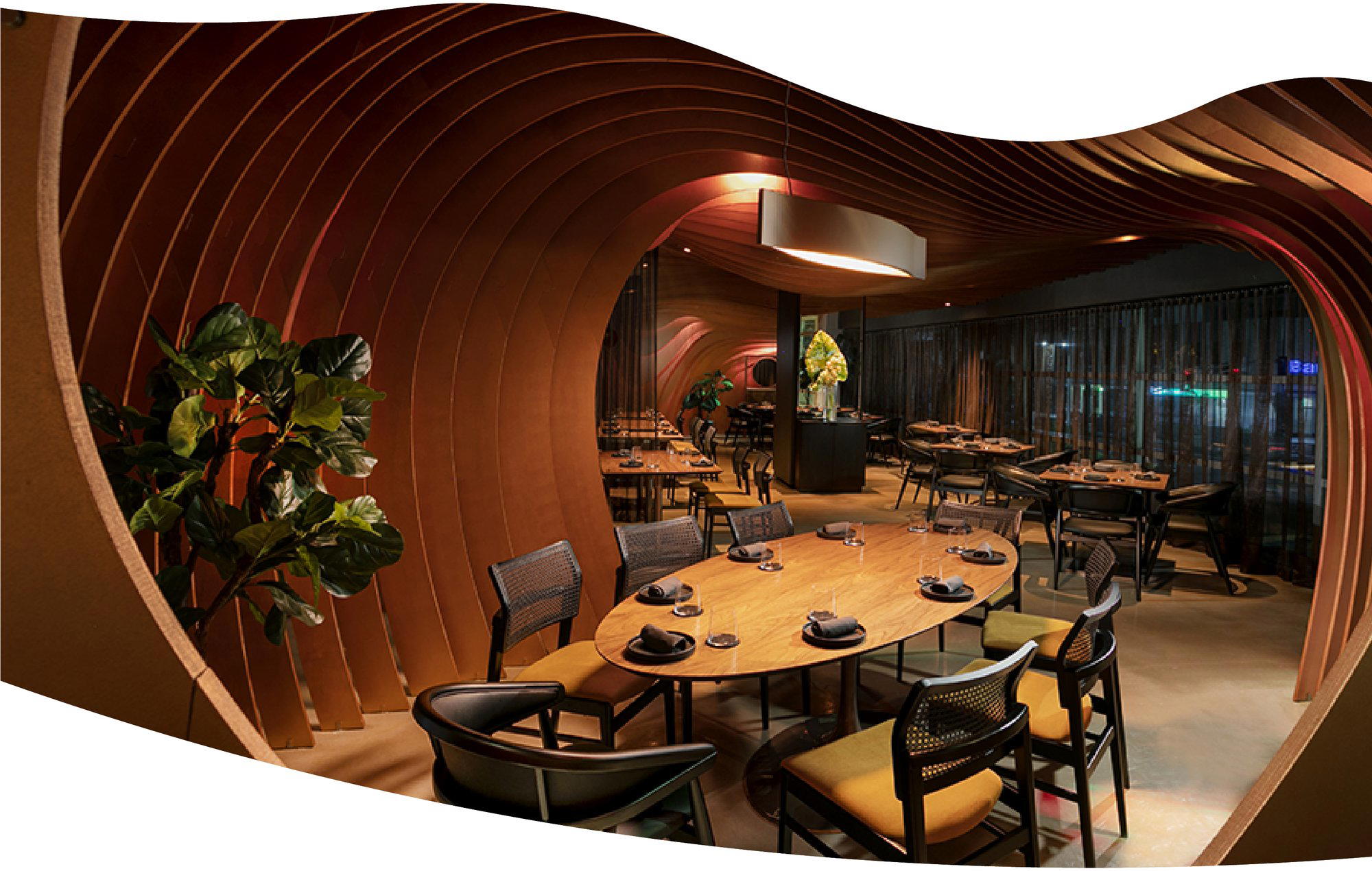
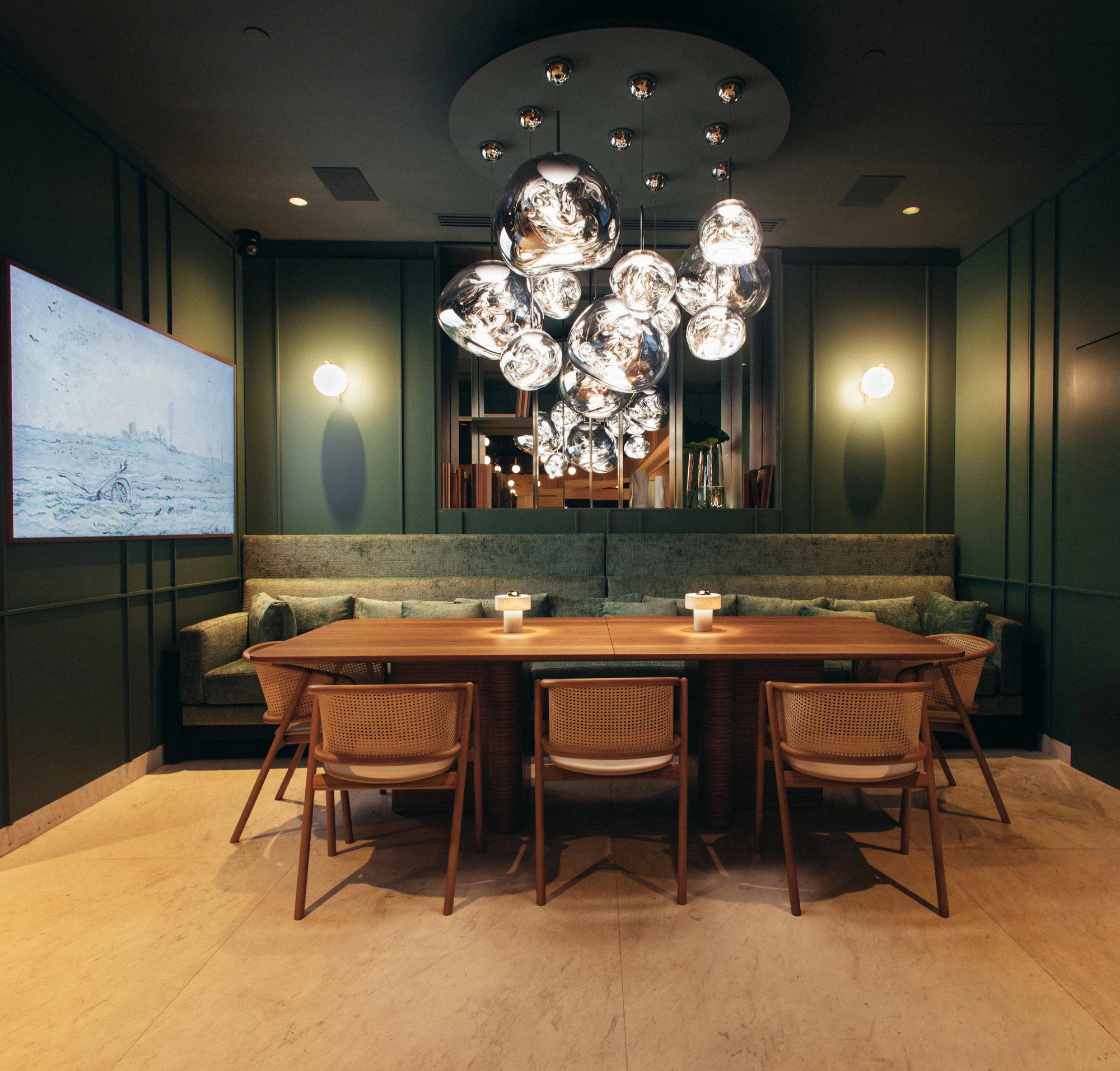
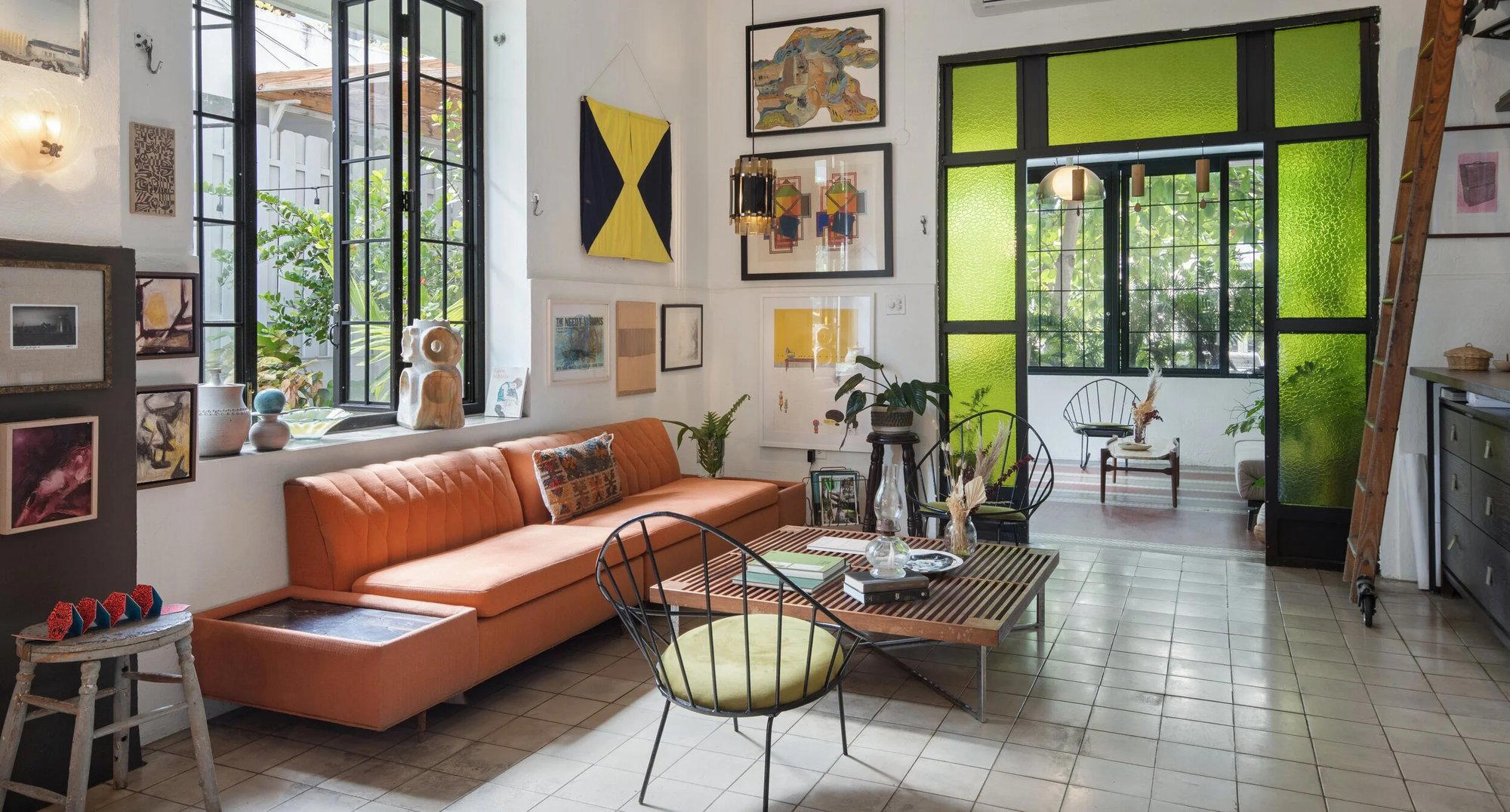
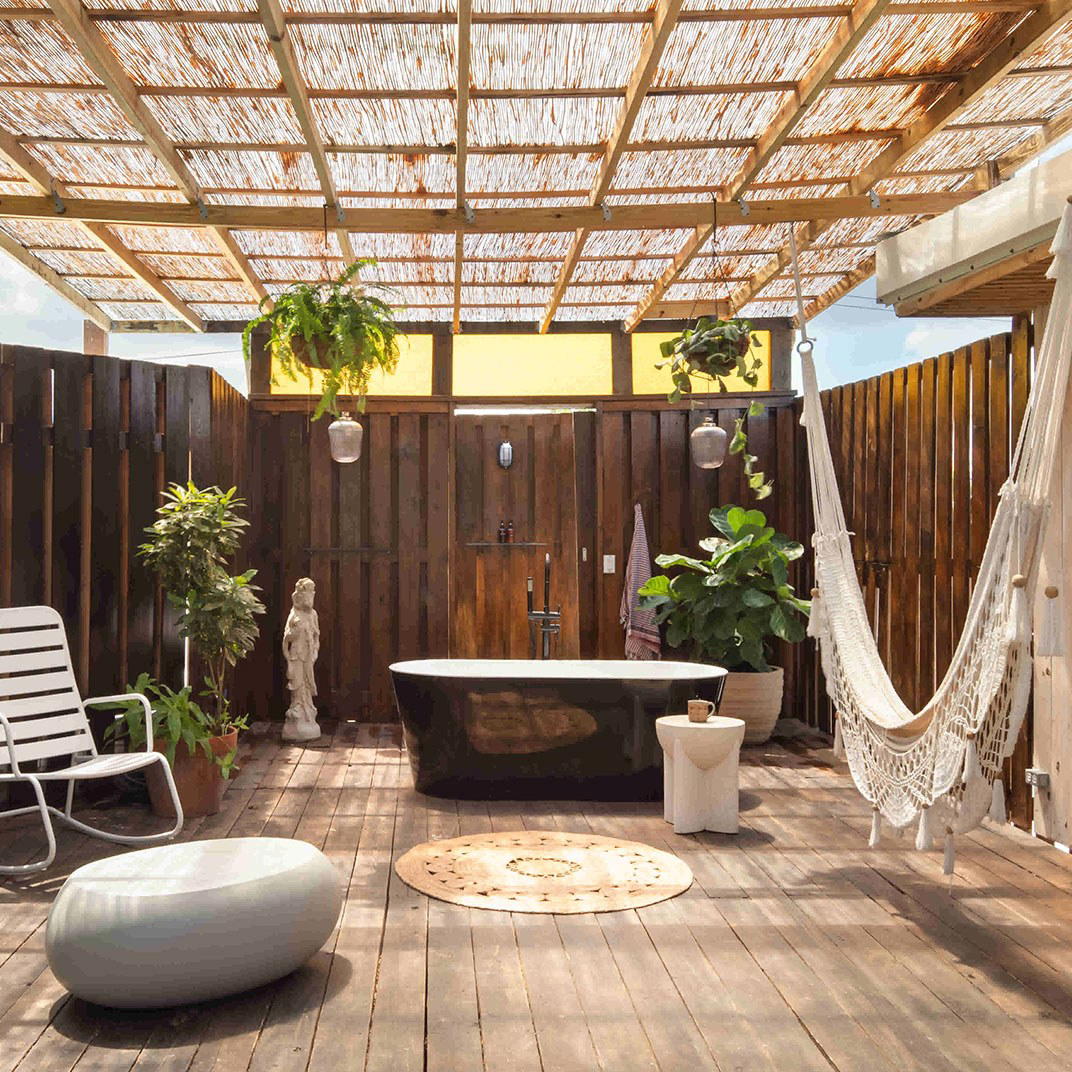
Laid-back and local-style atmosphere with casual seating.
Know Before You Go
- Getting there
- 251 Cll Chile, San Juan, 00917, Puerto Rico