Vino Bistro of Sarasota
Our verdict
Vino Bistro of Sarasota occupies a quiet stretch of 5th Street in the city's Rosemary District, positioning itself within a neighborhood that has shifted steadily toward independent dining rooms with considered wine programs. The format suggests a mid-tier bistro with wine-forward sensibilities, sitting in a Sarasota dining scene that increasingly rewards operators who anchor a room around the bottle as much as the plate.

Pearl is the En Primeur Club membership app — saves, bookings, and concierge access live there. Same editors, same standards.
- Address
- 1419 5th St, Sarasota, FL 34236
- Phone
- (941) 952-3172
- Hours
- Mon ClosedTue 1 AM–2 PM, 5–9 PMWed 11:30 AM–2 PM, 5–9 PMThu 5–9 PMFri–Sat 5–10 PMSun Closed
- Website
- vinobistrosarasota.com
- Directions
- Get directions
- Booking
- Book on OpenTable
The menu
What to order
- Andalusian Deviled Egg
- Baked Feta Cheese & Roasted Tomatoes
- Charcuterie Boards
A Room That Earns Its Address
Sarasota's Rosemary District has spent the better part of a decade clarifying its identity. What began as a mixed-use corridor north of downtown has developed into one of the city's more coherent dining neighborhoods, where smaller independent rooms have displaced earlier, more generic concepts. The 1400 block of 5th Street sits inside that shift. Vino Bistro of Sarasota occupies this address at a moment when the district's dining character is still being written, which means the room benefits from proximity to cultural foot traffic without the competitive density of Main Street or the tourist-driven economics of St. Armands Circle.
Bistro formats in American cities occupy an interesting middle position. They signal a particular contract with the diner: less ceremony than a tasting-menu room, more intention than a casual trattoria. Wine sits at the center of the proposition, framing both the menu architecture and the physical design of the space. In cities like Sarasota, where the dining public skews toward experienced travelers with reference points drawn from coastal markets, that contract lands differently than it might in a less wine-literate market. Operators in this format tend to invest in the list as heavily as the kitchen, because the list is what separates them from the broader casual-dining tier.
The Physical Container and What It Signals
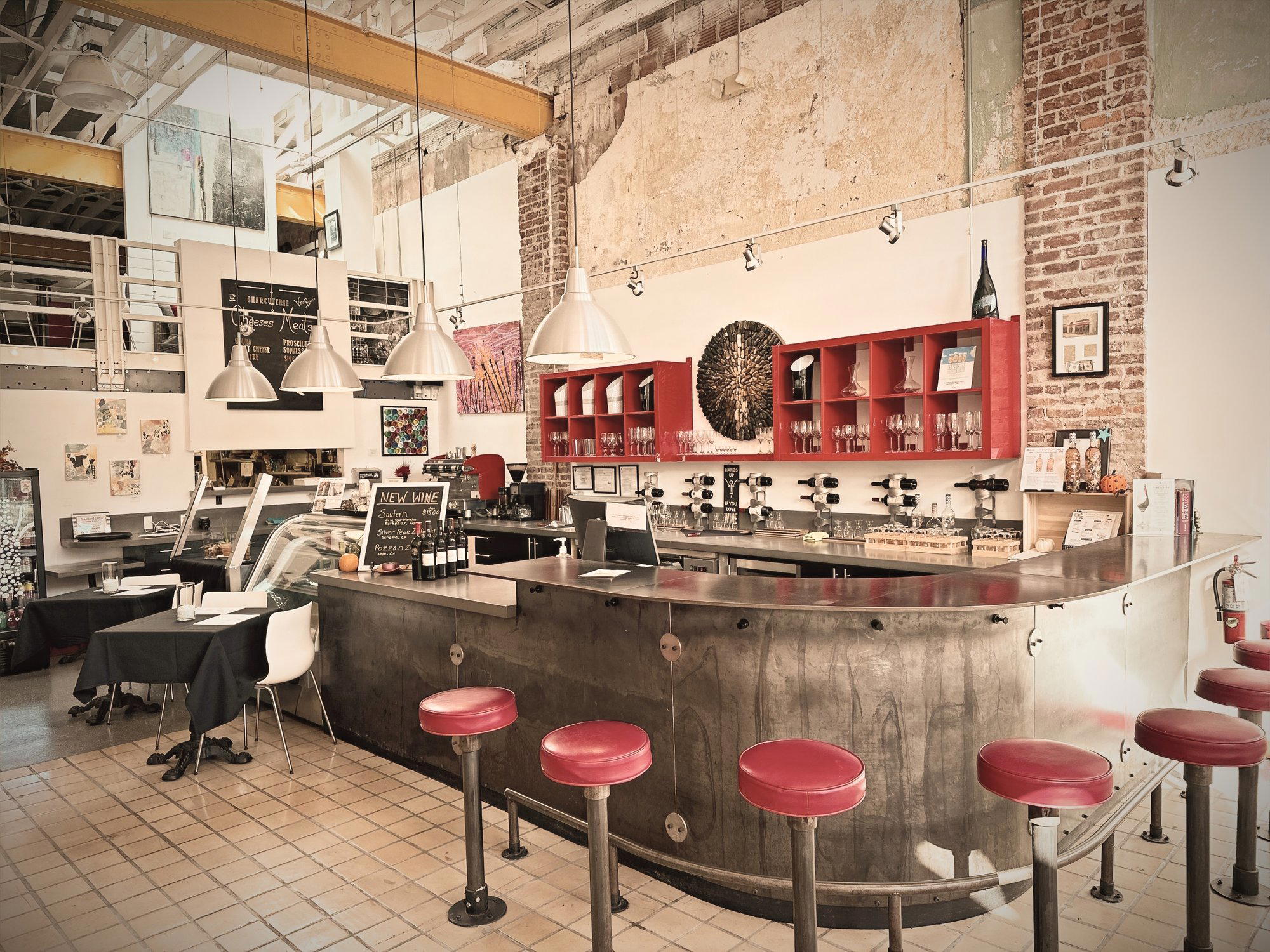
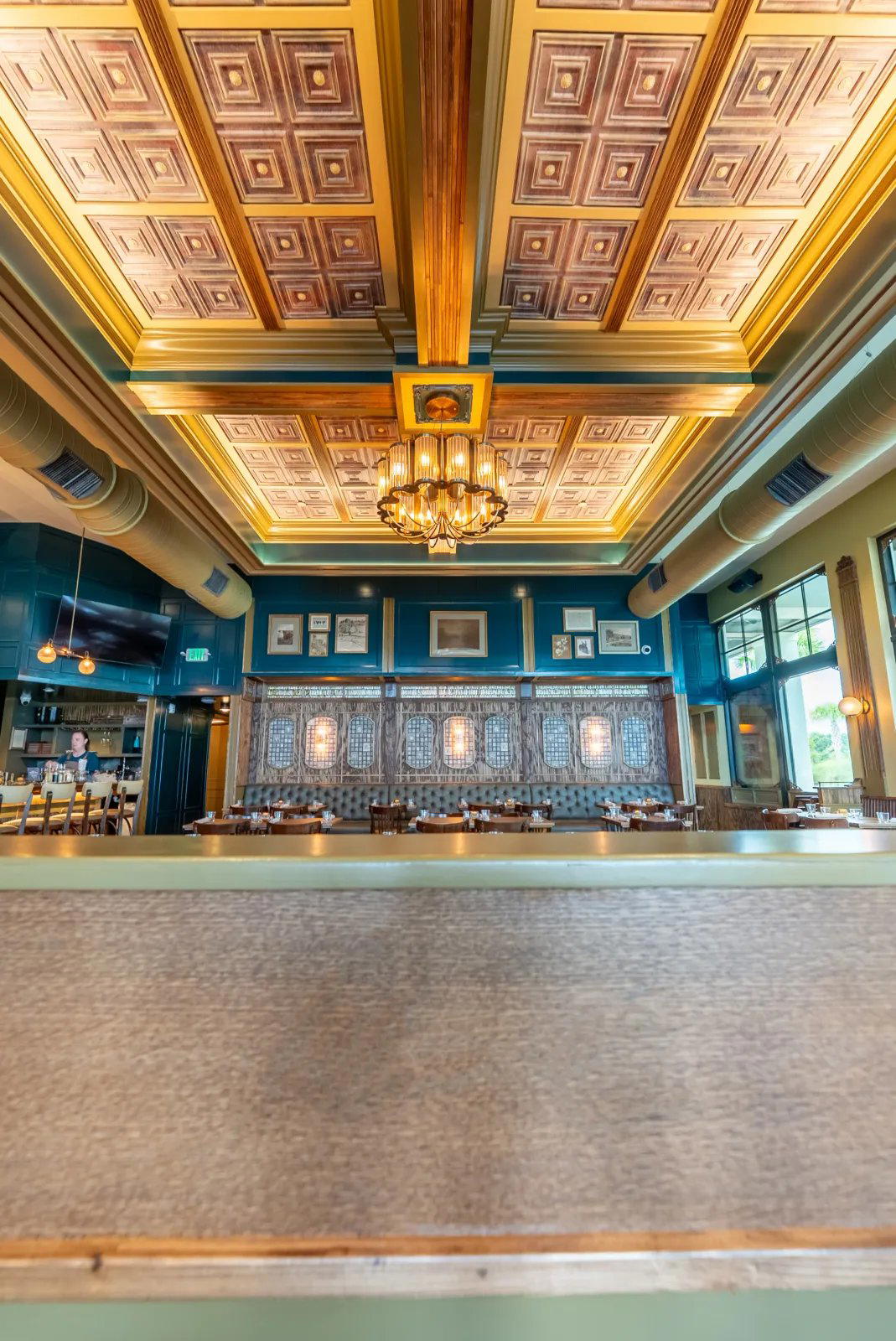
The editorial angle that matters most for a wine bistro is the room itself, because the room is an argument. How a space is arranged communicates who it is for, what pace the evening is expected to take, and how seriously the operator regards the act of dining. Bistro rooms that work tend to balance intimacy with animation: tables close enough to generate energy, but not so compressed that a conversation about a wine choice becomes public. Lighting calibrated for a two-hour meal rather than a quick turn. A bar section that functions as a genuine destination, not an overflow waiting area.
In the Rosemary District context, a well-considered bistro interior does specific work. The neighborhood draws a mix of arts-adjacent regulars, downtown professionals, and visitors staying within walking distance of the Van Wezel Performing Arts Hall. These are audiences with different tolerances for formality, which means the physical environment has to resolve competing demands. Rooms that succeed in this neighborhood tend to read as settled rather than designed for effect, with material choices that age gracefully rather than trend quickly. Exposed brick, natural wood, and a legible wine display do more for the proposition than a concept-heavy renovation would.
For a wine-forward room specifically, the relationship between the bar, the cellar display, and the dining floor matters structurally. Bottles visible to seated diners function as both menu and atmosphere. A by-the-glass program presented by the stem rather than purely by the list page creates a different kind of engagement. These are physical choices with editorial consequences, and they distinguish bistro formats that understand their own logic from those that apply the label without the substance.
Sarasota's Wine-Forward Dining Tier
Sarasota's restaurant scene has matured considerably over the past decade, with wine lists at independent rooms growing in depth and specificity. Venues like 1592 and Arts & Central represent the kind of operator that treats the list as a genuine point of differentiation. Italian-adjacent rooms such as 15 South by Napule and Amore Restaurant anchor their programs around regional producers. Spanish-focused Alma de España applies a similar logic with Iberian selections. The pattern across these rooms is consistent: wine is treated as part of the dining argument, not an afterthought presented in a laminated card.
Vino Bistro of Sarasota addresses this same market expectation from a bistro frame rather than a cuisine-specific one. That positioning has both advantages and constraints. The advantage is flexibility: a wine bistro format is not obligated to a single regional tradition, which allows the list to range more freely and the kitchen to compose around whatever the list suggests. The constraint is that the format must earn credibility on its own terms, without the shorthand of a named culinary tradition behind it. In markets with reference points as developed as Sarasota's, that requires the room and the program to do real work.
For readers building a broader picture of what serious wine-forward dining looks like at the national level, the reference set includes rooms like Le Bernardin in New York City, Lazy Bear in San Francisco, and Providence in Los Angeles, each of which integrates the cellar into the dining proposition at a different price point and formality level. Closer to the bistro end of that spectrum, Emeril's in New Orleans demonstrates how a room can balance wine-forward programming with accessible format. The Sarasota context is distinct from any of these, but the underlying logic of what makes a wine-anchored room work is consistent across markets.
Other high-integrity dining rooms worth understanding as reference points include Alinea in Chicago, The French Laundry in Napa, Blue Hill at Stone Barns in Tarrytown, Addison in San Diego, Single Thread Farm in Healdsburg, The Inn at Little Washington, Atomix in New York City, and 8 1/2 Otto e Mezzo Bombana in Hong Kong. These rooms sit at a different scale and price tier, but they clarify what it means to build a dining experience around the bottle as a primary argument rather than a secondary one.
Planning a Visit
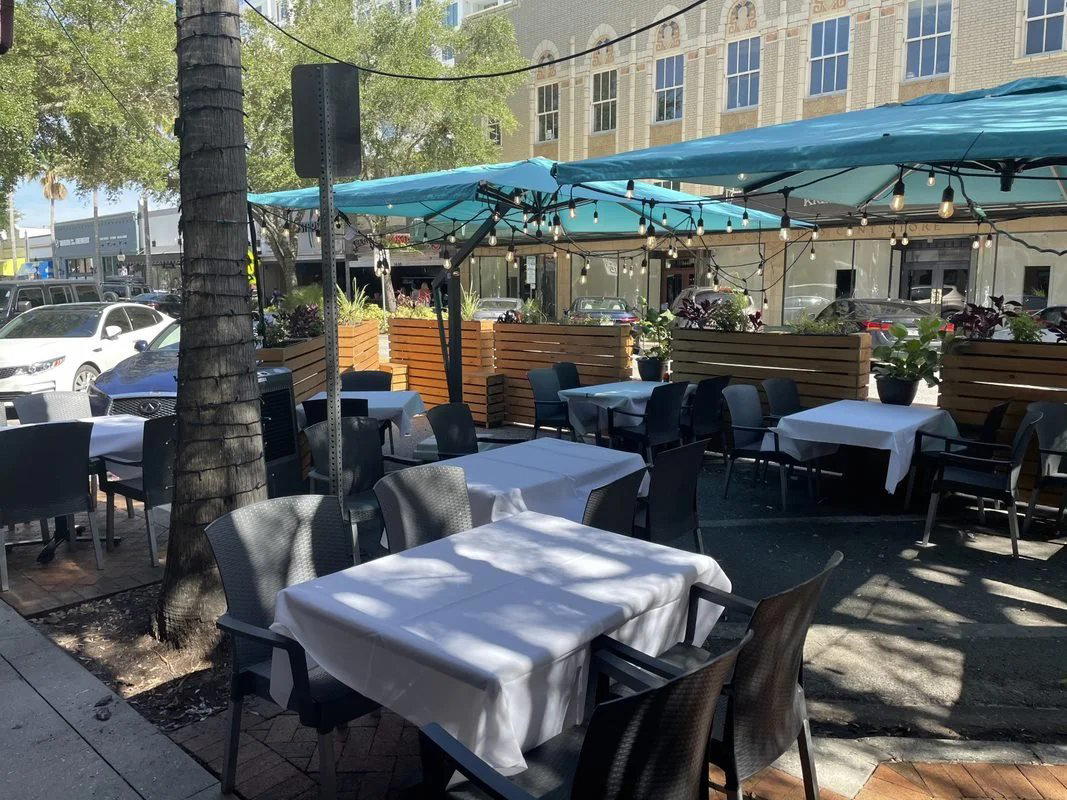
Vino Bistro of Sarasota is located at 1419 5th Street in the Rosemary District, walkable from downtown Sarasota and positioned close enough to the Van Wezel to make it a logical pre-performance option on the city's arts calendar. The Rosemary District rewards arriving on foot or by rideshare rather than dealing with the limited street parking that characterizes the area on busier evenings. For a fuller picture of where Vino Bistro sits within the city's dining options, see our full Sarasota restaurants guide.
Frequently asked questions
How do I find Vino Bistro of Sarasota?
Vino Bistro of Sarasota is located at 1419 5th St, Sarasota, FL 34236, Sarasota.
Is Vino Bistro of Sarasota a good option for wine enthusiasts visiting the Rosemary District?
The bistro format at 1419 5th Street is explicitly wine-forward, placing it within a small tier of Sarasota independents where the bottle list shapes the food programme rather than the reverse. The Rosemary District has developed a concentration of chef-driven rooms over the past decade, and a wine-anchored room like Vino Bistro fits that shift toward more specific, category-conscious dining. Visitors who prioritise list depth over broad menu range will find the format coherent with that priority.
What should I eat at Vino Bistro of Sarasota?
Vino Bistro sits in the Rosemary District at 1419 5th Street, a neighbourhood that has drawn Sarasota's more ingredient-focused independent kitchens over the past decade. The menu orientation tracks closely with the wine list, so expect dishes built to pair rather than to headline on their own. Specific current menu items are best confirmed directly with the restaurant before your visit.
What's the best way to book Vino Bistro of Sarasota?
The Rosemary District location at 1419 5th Street is walkable from downtown Sarasota, which makes a same-day drop-in a reasonable option for off-peak seatings. Confirming reservation policy ahead of time is advisable for weekend visits.
At a Glance
Comparable venues nearby, for context on price, style, and recognition.
| Venue | Cuisine | Price | Notes |
|---|---|---|---|
| Vino Bistro of SarasotaThis venue — the venue you are viewing | Mediterranean Tapas & Wine Bar | $30–50 | Not listed |
| 1592 | Modern Wood-Fired Mediterranean | $30–50 | downtown, Modern Wood-Fired Mediterranean |
| Turmeric | Modern Indian | $20–30 | downtown, Modern Indian |
| Cuba 1958 | Authentic Cuban | Not listed | downtown, Authentic Cuban |
| The Ringling Grillroom | Modern American | $20–30 | Georgetown, Modern American |
| Tzeva | Modern Mediterranean with Israeli Influences | $30–50 | Downtown, Modern Mediterranean with Israeli Influences |
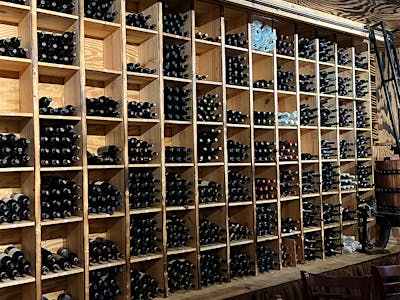
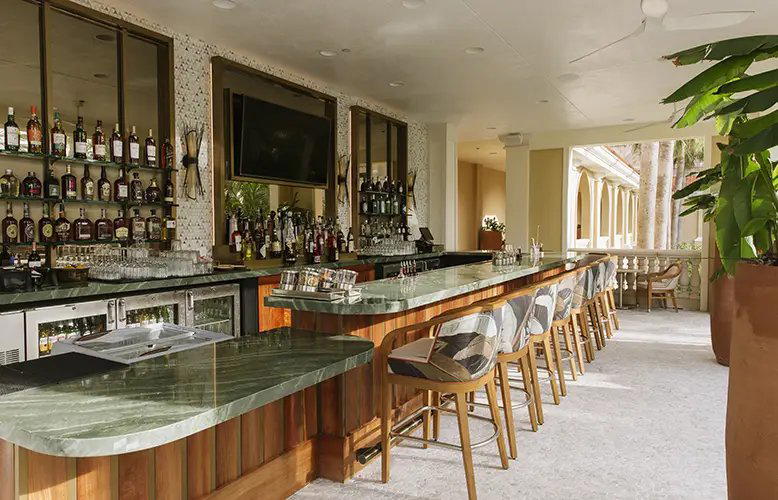
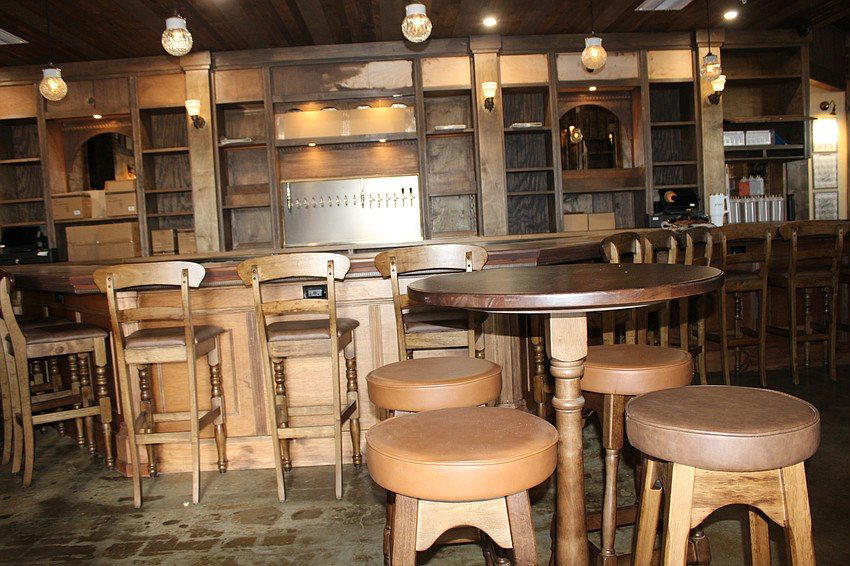
Vino Bistro of Sarasota
The wine
- Wine program
- Curated wine list
- Extensive wine list
- Sommelier-led
Details
- Cozy
- Sophisticated
- Romantic
- Intimate
- Date Night
- Casual Hangout
- After Work
- Group Dining
- Celebration
- Live Music
- Historic Building
- Standalone
- Extensive Wine List
- Sommelier Led
- Small Plates
- A La Carte
- Wine
- Wine Flights
- Vegetarian Friendly
Current opening hours
- Monday
- Closed
- Tuesday
- 1 AM–2 PM, 5–9 PM
- Wednesday
- 11:30 AM–2 PM, 5–9 PM
- Thursday
- 5–9 PM
- Friday
- 5–10 PM
- Saturday
- 5–10 PM
- Sunday
- Closed
Hours can change for holidays and private events. Last verified .
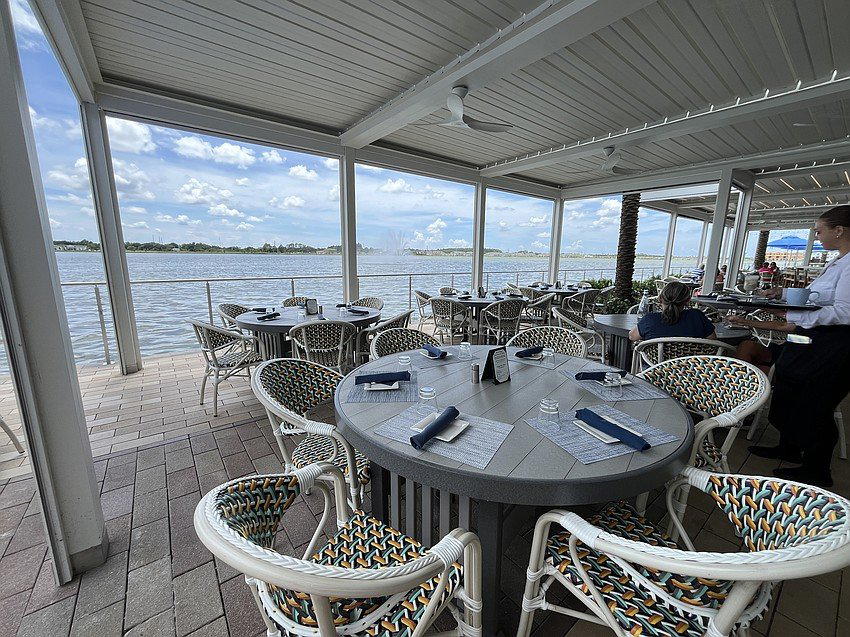
Relaxed and welcoming atmosphere with local Sarasota art displayed on walls, creating a sophisticated yet unpretentious gathering space that feels both cozy and refined.