Cuba 1958
Our verdict
Cuba 1958 brings the flavors and atmosphere of pre-revolution Havana to Sarasota's Main Street dining corridor. The address at 1766 Main St places it squarely in the heart of downtown, where the city's restaurant density runs highest. For anyone working through Sarasota's Latin dining options, this is one of the more distinctive cultural propositions on the strip.
- Address
- 1766 Main St, Sarasota, FL 34236
- Phone
- (941) 280-1958
- Website
- cuba1958.com
- Directions
- Get directions
The menu
What to order
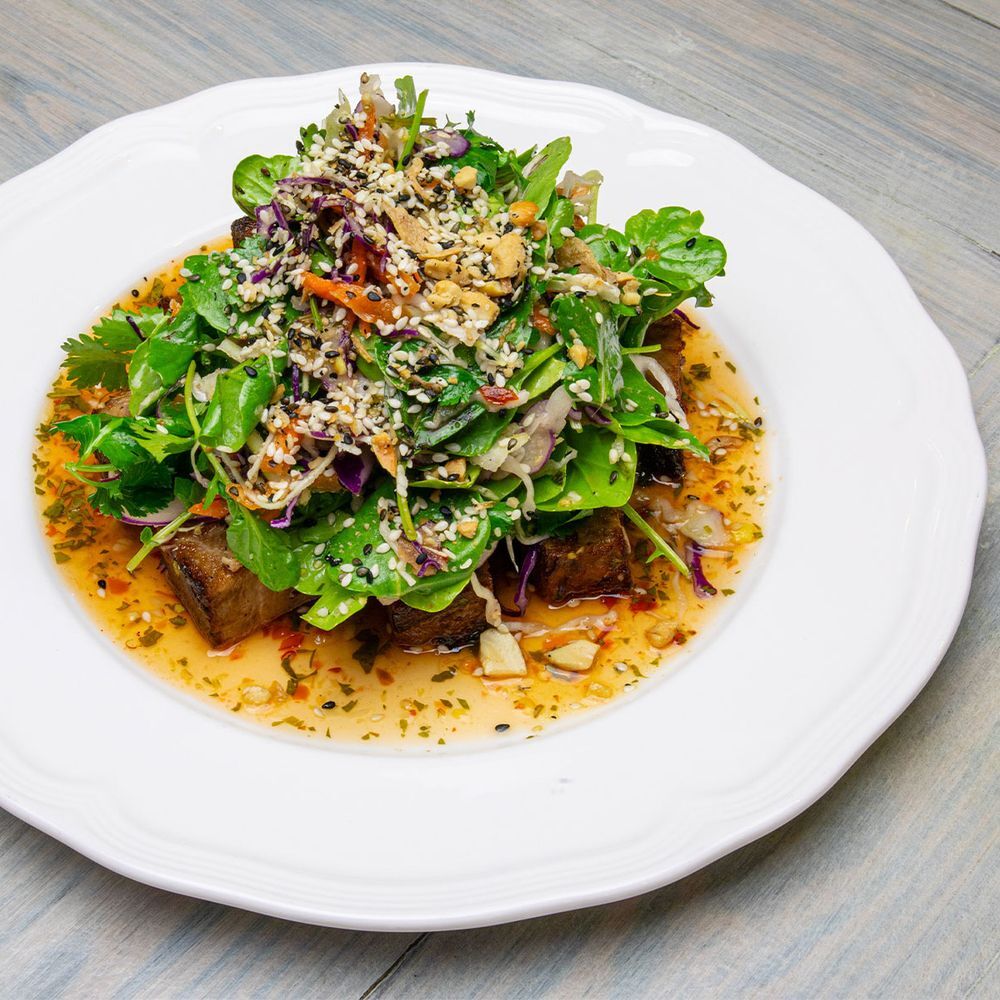
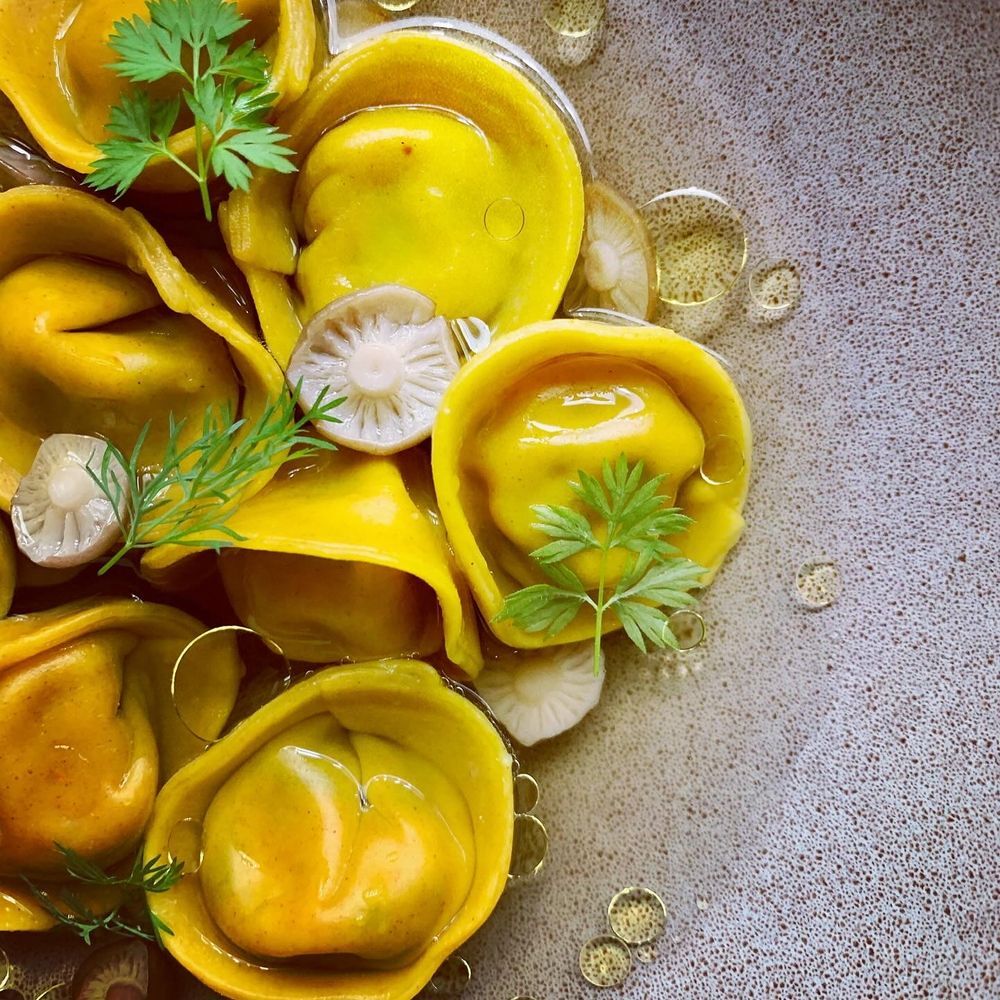
- Vaca Frita
- Ropa Vieja
- Chorizo al Vino
Havana on Main Street: What Cuban Dining Looks Like in Sarasota
Downtown Sarasota's Main Street corridor has developed into one of Florida's more interesting mid-sized city dining strips, with a concentration of international kitchens that punches above what the city's population might suggest. Within that corridor, Latin American food occupies a fragmented but growing tier: Spanish tapas at Alma de España, Italian-inflected casual dining at Amore Restaurant, and a broader American-modern approach at places like Arts & Central. Cuba 1958, at 1766 Main St, occupies a distinct lane within this set: a restaurant framed around a specific historical moment in Cuban culture, rather than a generalized Latin American identity.
The year in the name is doing real editorial work. 1958 is the last full year before Fidel Castro's revolution reshaped Cuba's social and culinary fabric. What that framing signals to a diner is a particular aesthetic register: pre-revolutionary Havana at its most cosmopolitan, before the privations that followed. Restaurants that anchor themselves to this period typically lean into the golden-age imagery of the Tropicana era, which means a certain theatricality in the room and a menu that draws from the classic Cuban canon rather than its diasporic evolution in Miami or New Jersey. Whether Cuba 1958 delivers on that promise fully is a question of execution, but the positioning itself is coherent and specific within the broader range of how Cuban restaurants in the American South tend to present themselves.
The Lunch and Dinner Divide: Two Different Restaurants, One Address
The most instructive way to think about Cuba 1958 is through the lens of how daytime and evening service typically differ at Cuban-concept restaurants operating at this address type and price position. Downtown Sarasota's lunch trade draws a mix of office workers, museum visitors from the nearby Ringling complex, and tourists moving between the bayfront and the shops on Main Street. That audience has different expectations than the evening crowd, which skews toward couples and small groups seeking a more deliberate dining experience with cocktails and the full menu arc.
At Cuban restaurants with this kind of dual-service model, the lunch hour tends to function as an accessible entry point into the menu, with pressed sandwiches, rice and bean plates, and smaller portions of the classic braised-meat preparations that take center stage at dinner. The Cuban sandwich itself, a benchmark preparation across Florida, tends to be more carefully executed at restaurants with genuine Cuban identity claims than at generalist cafes, where the bread-to-filling ratio and the press time are often afterthoughts. For the evening visitor, the shift is typically toward ropa vieja, lechón, and more extended plate constructions, often paired with mojitos or daiquiris that benefit from the bar's fuller attention.
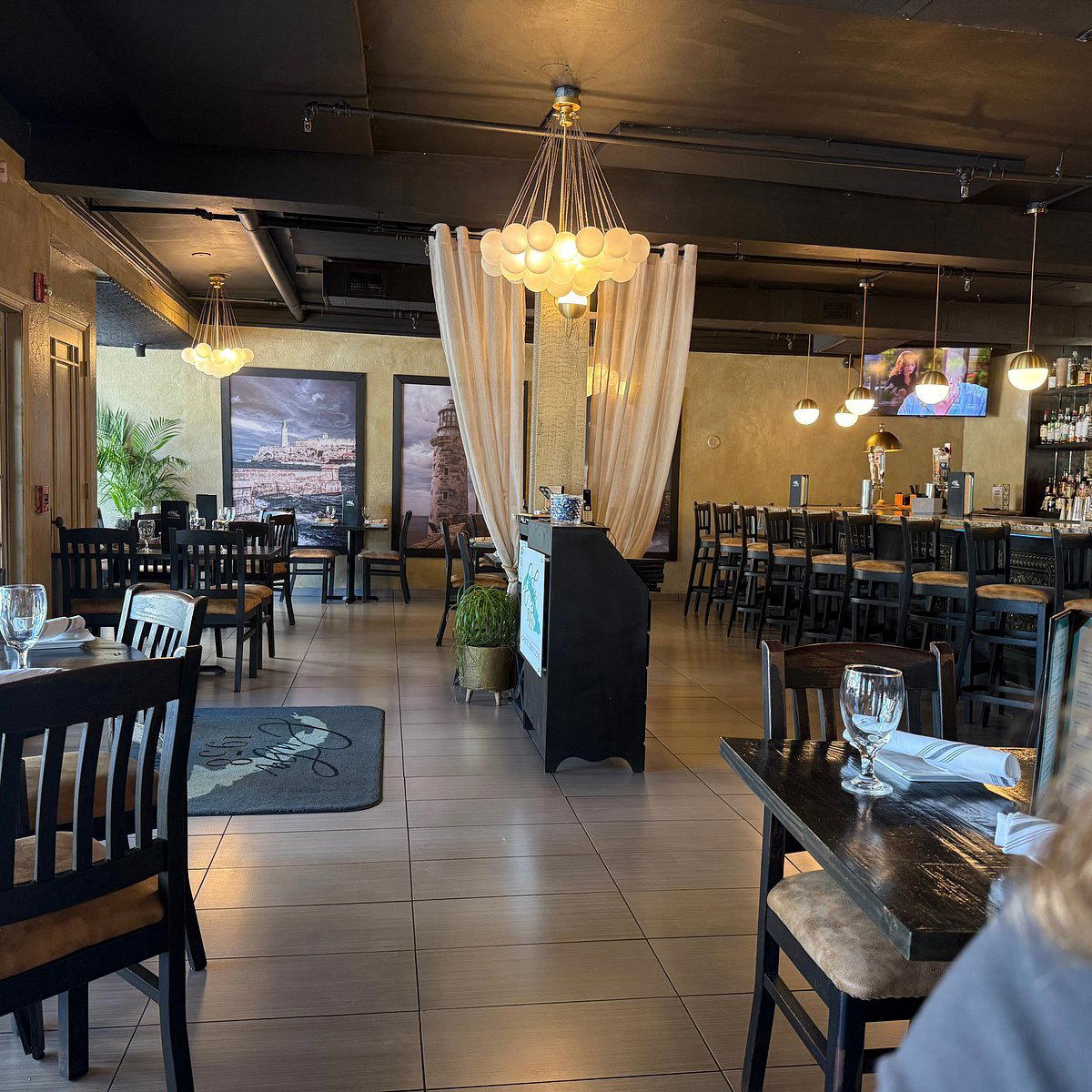
This lunch-to-dinner transition also plays out in atmosphere. A room that reads as casual and quick-service at noon can shift considerably by 7 p.m. when lighting drops, music volume adjusts, and the pace of service slows to match longer checks. Restaurants that manage this transition well do so through physical design choices, not just operational ones. Cuban restaurants in particular have a strong tradition of live music as an evening differentiator, which can make the gap between lunch and dinner feel substantial even in the same physical space.
Where Cuba 1958 Sits in Sarasota's Broader Restaurant Picture
Sarasota's dining scene has matured considerably over the past decade, though it remains a different animal from the tasting-menu circuits you find at destination-level addresses like The French Laundry in Napa, Le Bernardin in New York City, or Smyth in Chicago. The city's restaurant density rewards casual frequency over occasion dining, and the strongest addresses here, places like 15 South by Napule and 1592, tend to operate in that comfortable-but-serious middle register rather than the prix-fixe tier.
Cuba 1958 fits this pattern. It is not aiming at the same audience as Blue Hill at Stone Barns in Tarrytown or Atomix in New York City, nor does it need to. Its competitive set is the cluster of experience-driven, ethnically specific restaurants along Main Street that rely on atmosphere and culinary authenticity rather than tasting-menu ambition. In that peer group, a well-executed Cuban concept with strong historical framing holds a genuine position, particularly given that Cuban food remains underrepresented in Florida's Gulf Coast dining scene relative to its dominance in Miami-Dade.
For context on the broader range of serious American dining that EP Club covers, the roster runs from Lazy Bear in San Francisco and Providence in Los Angeles to Addison in San Diego, Emeril's in New Orleans, and The Inn at Little Washington. Cuba 1958 operates in a different register from all of those, but within Sarasota's Main Street corridor, the historical specificity of its concept and its cultural positioning give it a distinct identity that generalist restaurants nearby do not replicate. See our full Sarasota restaurants guide for a mapped view of where it sits relative to the broader field. For internationally minded diners who want a reference point further afield, Single Thread Farm in Healdsburg and Atelier Moessmer Norbert Niederkofler in Brunico illustrate how deep a restaurant's conceptual identity can go when place and era are made central to the offer.
Planning Your Visit
Cuba 1958 is at 1766 Main St in downtown Sarasota, walkable from the bayfront and within easy reach of the Ringling Museum complex to the north. For current hours, reservation availability, and menu information, visiting in person or checking local listing platforms is the most reliable route, as specific operational details were not available at time of writing. Downtown Sarasota's dining corridor is busiest on Friday and Saturday evenings, when Main Street foot traffic is highest and waits at popular addresses run longer. A weeknight dinner or a midday visit on a weekday will give you better access to the room at its own pace, which is worth considering if atmosphere rather than scene-watching is the priority.
Frequently asked questions
What's the address for Cuba 1958?
Cuba 1958 is located at 1766 Main St, Sarasota, FL 34236, Sarasota.
Is Cuba 1958 a good option for dining before or after a Ringling Museum visit in Sarasota?
Cuba 1958's location at 1766 Main St in downtown Sarasota puts it within practical distance of the John and Mable Ringling Museum of Art to the north, making it a workable option for a meal around a museum visit. Lunch service in particular fits the pacing of a daytime cultural itinerary better than a full dinner sitting would. Confirming current hours directly with the restaurant is recommended before planning around a specific visit time.
What do people recommend at Cuba 1958?
Cuba 1958 is a Cuban-concept restaurant at 1766 Main St in downtown Sarasota, so expect dishes rooted in Havana-style cooking — think slow-braised meats, rice and bean preparations, and pressed sandwiches common to that tradition. The lunch and dinner menus tend to operate with different priorities, with daytime service often leaning toward quicker, sandwich-focused formats. Checking directly with the restaurant before visiting is the best way to confirm current menu specifics.
How hard is it to get a table at Cuba 1958?
Cuba 1958 sits on Sarasota's Main Street corridor, a stretch that draws consistent foot traffic from the bayfront and the broader downtown area. Walk-in availability at lunch is generally more accessible than weekend dinner service at comparable Main Street spots. Calling ahead for evening visits is advisable, particularly during Sarasota's November-to-April high season.
What's the standout thing about Cuba 1958?
The address — 1766 Main St — puts Cuba 1958 at the center of one of Florida's more developed mid-sized city dining corridors, which means Cuban cooking gets considered here alongside a wider range of regional and international options. That context actually sharpens the restaurant's identity: it occupies a specific culinary lane rather than competing on every front. The day-to-night shift in service character also gives the venue a range that single-format restaurants on the same strip don't offer.
Can Cuba 1958 handle vegetarian requests?
Traditional Cuban cooking does include vegetarian-compatible dishes — black bean soups, rice preparations, and plantain-based sides are fixtures of the canon. Whether Cuba 1958's current menu accommodates vegetarian diners fully depends on their specific lineup, which isn't documented here. Contacting the restaurant at 1766 Main St directly before visiting is the practical step if dietary requirements are a factor.
Where It Fits
A quick peer list to put this venue’s basics in context.
| Venue | Cuisine | Price | Awards |
|---|---|---|---|
| Cuba 1958This venue — the venue you are viewing | Authentic Cuban | Not listed | Not listed |
| Michael's on East | Contemporary American Fine Dining with Seafood and Steaks | $50–100 | Star Wine List · Wine Spectator Best of Award of Excellence |
| Alma de España | Authentic Spanish Tapas & Wood Grill | Not listed | Not listed |
| Amore Restaurant | Italian & Portuguese | $30–50 | Not listed |
| Arts & Central | Modern American Bistro | $30–50 | Not listed |
| Baker & Wife | Globally-Inspired American Fusion | $30–50 | Not listed |
Details
- Lively
- Classic
- Elegant
- Date Night
- Group Dining
- Special Occasion
- Live Music
- Craft Cocktails
- A La Carte
- Family Style
- Small Plates
- Craft Cocktails
- Vegetarian Friendly
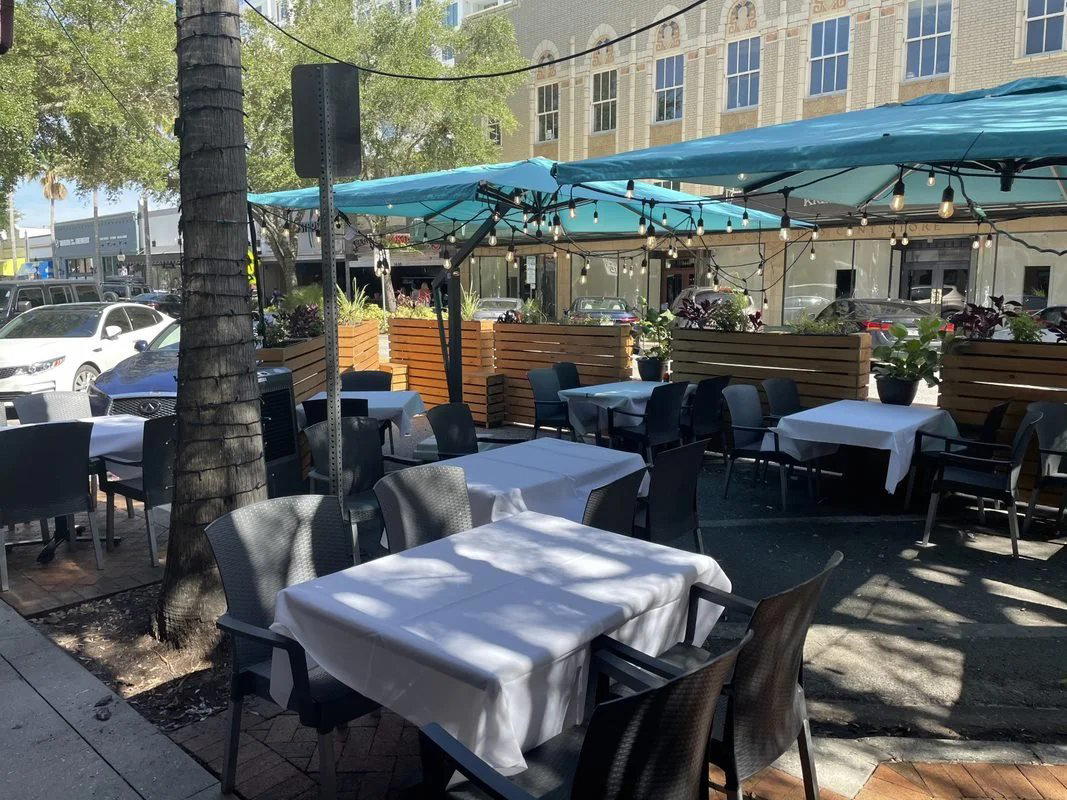
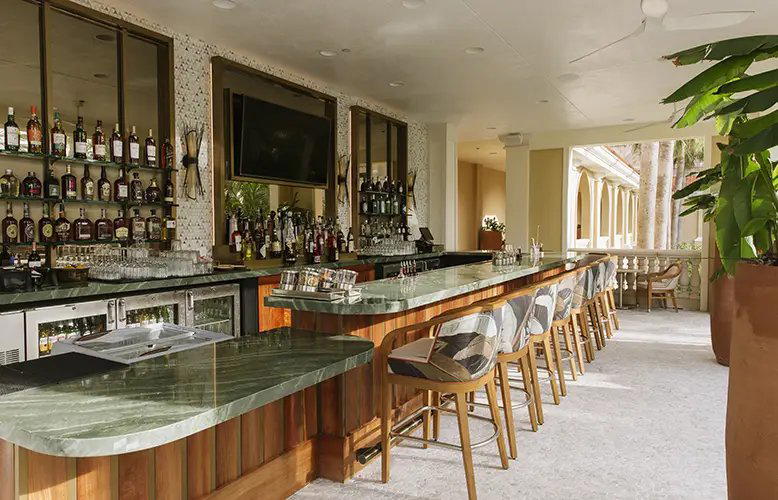
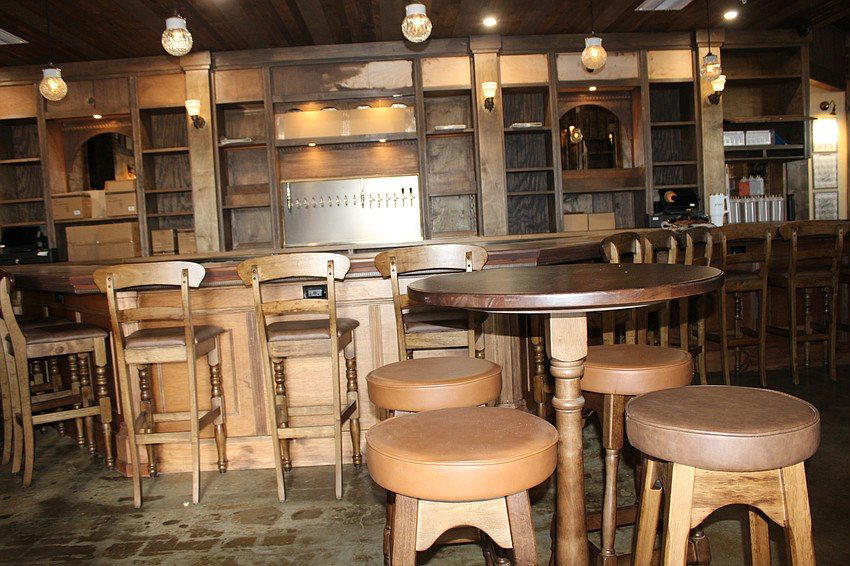
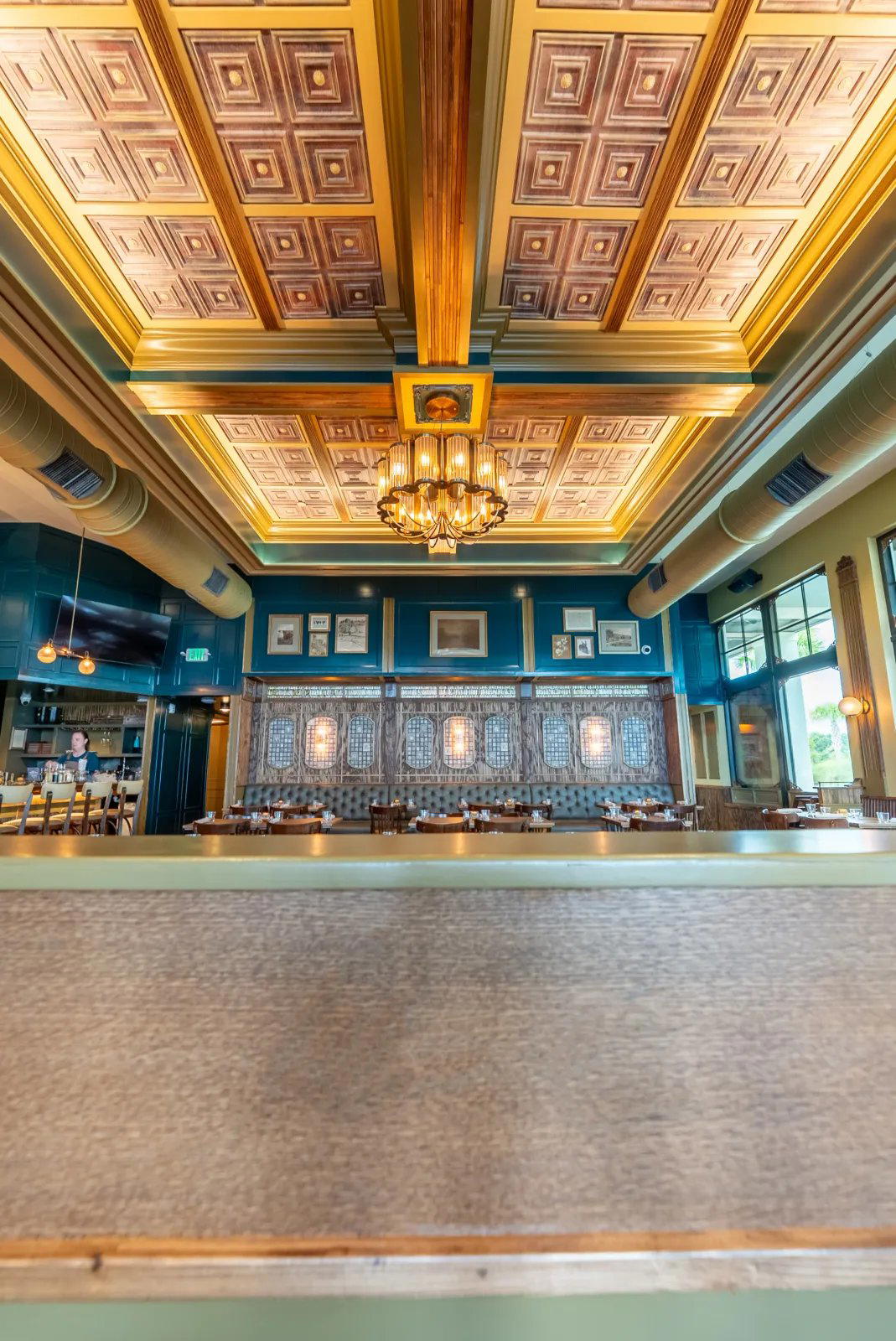
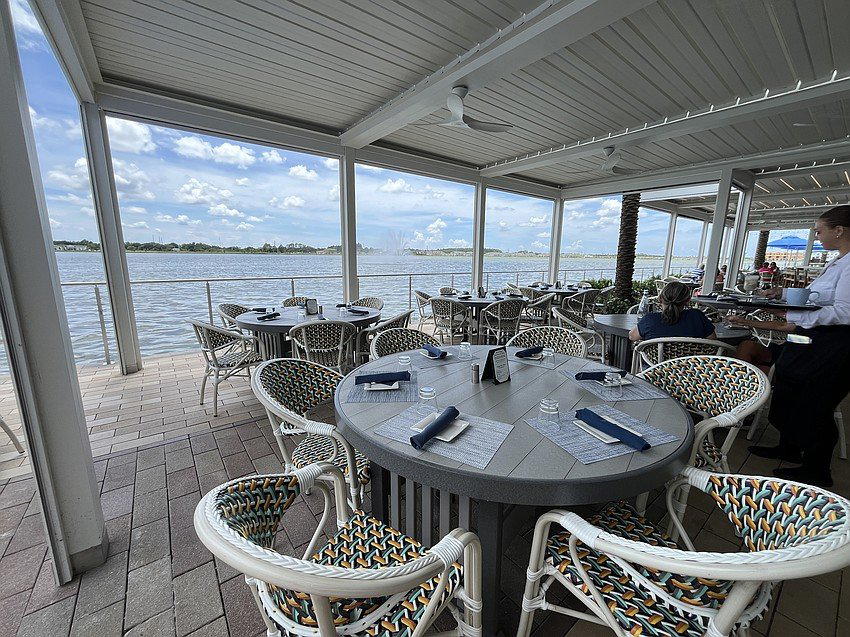
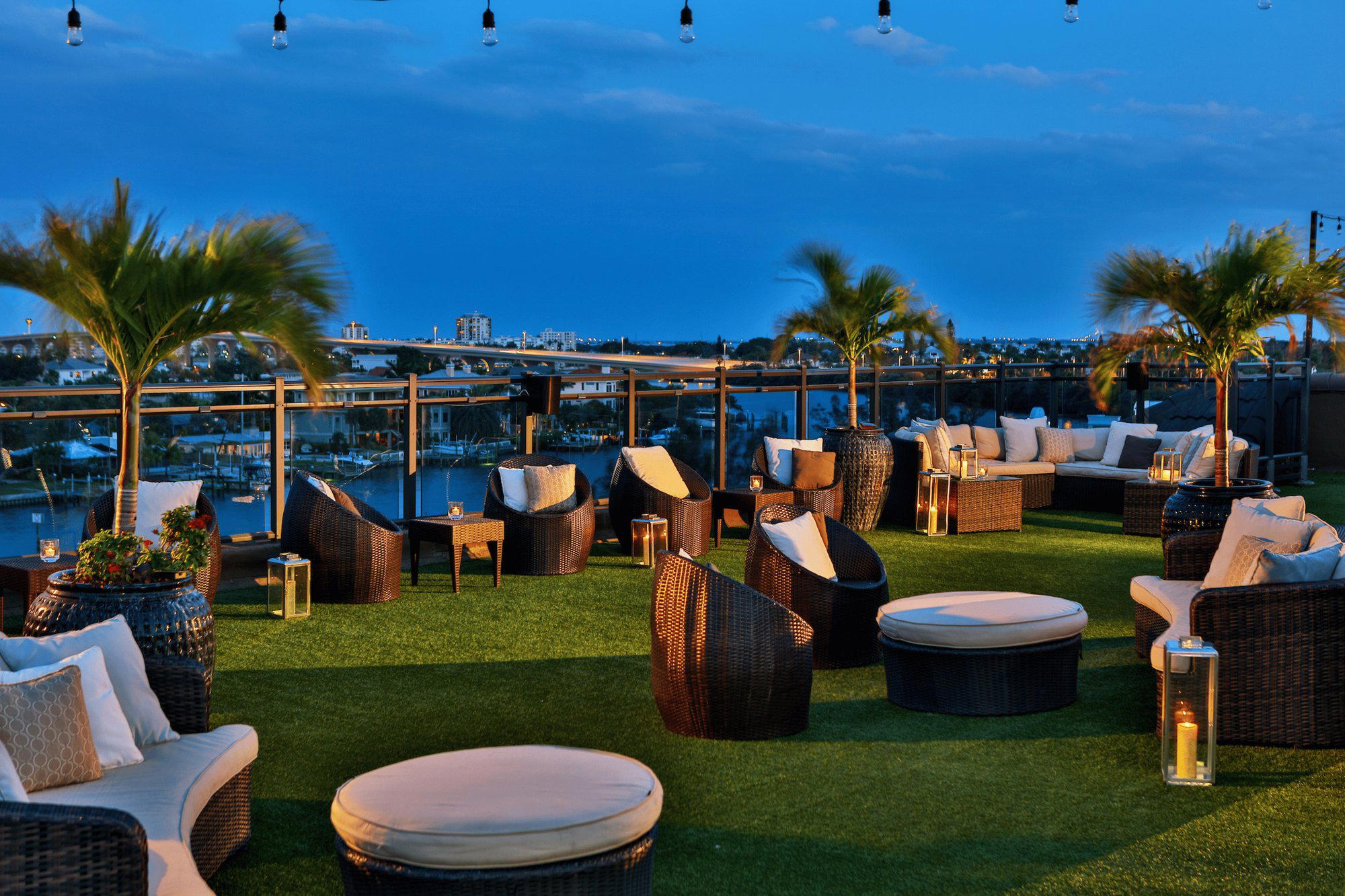
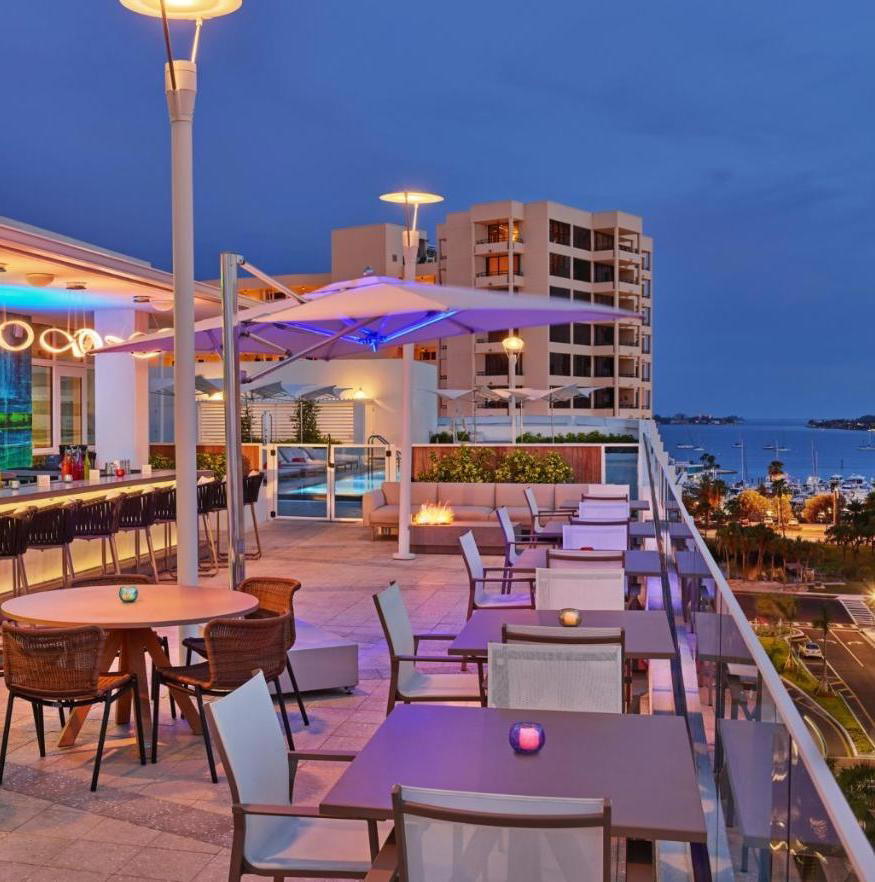
Lively and classy atmosphere evoking old Havana with vintage Cuban décor, warm lighting, and lively music.