Arts & Central
Our verdict
Arts & Central occupies a corner on Sarasota's Central Avenue where the city's arts district meets its dining scene. The address places it within walking distance of the Ringling Museum corridor and the galleries that line this stretch of downtown. For visitors building an evening around culture and food, it serves as a practical anchor on the west coast of Florida.

Pearl is the En Primeur Club membership app, where members save venues, book tables and use the concierge.
The menu
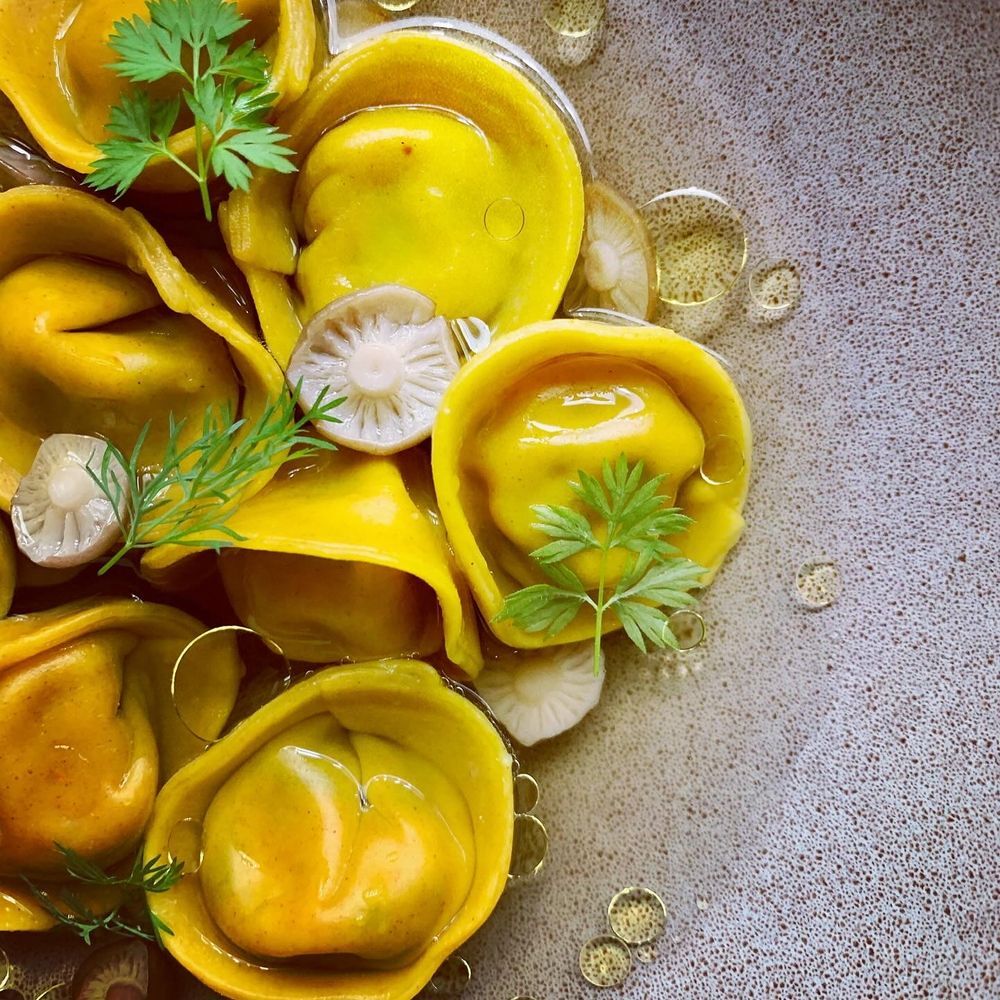
What to order
- Wagyu Filet
- Grilled Trout
- Mushroom Parfait
- Bouillabaisse
- Prime Rib
- Lamb Sliders
- Crispy Whole Fish
Where Central Avenue Sets the Pace
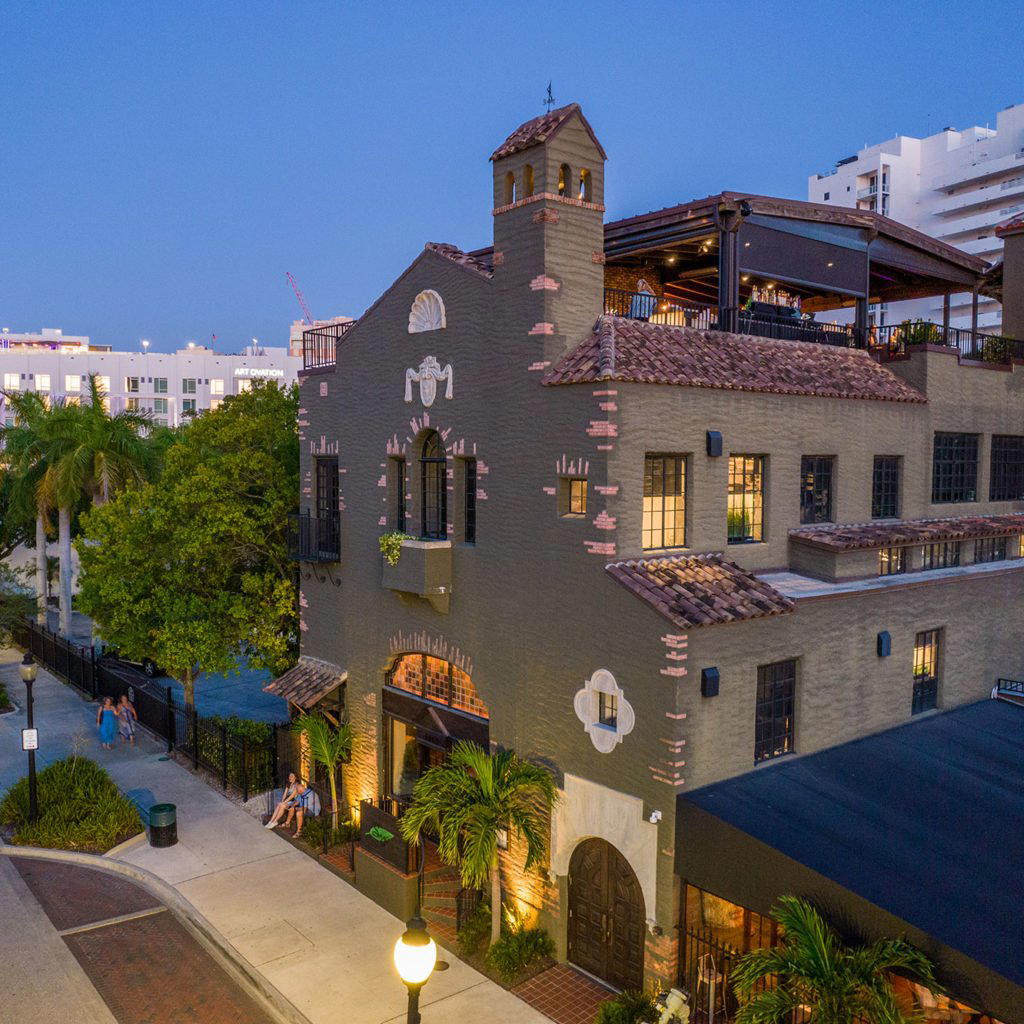
Central Avenue in downtown Sarasota functions as a connective tissue between the city's cultural institutions and its restaurant row. The street runs through a district where galleries sit beside chef-driven kitchens and independent wine bars, and the evening foot traffic tends to arrive with an agenda: a show, an opening, or a reservation. Arts & Central, at 611 Central Ave, positions itself squarely inside that rhythm, on a block where the built environment still carries the mid-century character that Sarasota's architectural reputation was built on. Approaching from the street, the address reads as part of the neighborhood rather than apart from it.
That relationship between venue and street is worth noting because it shapes how dining rituals tend to unfold in this part of Sarasota. Guests are rarely rushing from suburban parking lots. They walk from nearby hotels, from the Van Wezel Performing Arts Hall two blocks west, or from the gallery openings that populate this corridor on Friday evenings. The pace of the meal reflects that: deliberate, unhurried, oriented toward the table as a destination rather than a transaction.
The Ritual of Dining in Sarasota's Arts District
Sarasota occupies an unusual position in Florida's dining hierarchy. It lacks Miami's volume and Tampa's industrial food infrastructure, but it has sustained a restaurant culture with genuine depth for a city its size. The arts district concentration along Central Avenue is part of that story. When a significant share of a city's cultural life runs through one corridor, the restaurants on that corridor tend to develop a different relationship with their guests: longer average check times, higher wine attachment rates, more interest in tasting formats and seasonal menus.
This pattern plays out across American arts districts from the Pearl District in Portland to the Midtown Global Market area in Minneapolis. The dining ritual adapts to the audience. Guests who have come for culture tend to treat the meal as an extension of the evening rather than its own isolated event. Pacing slows. The kitchen, when it understands this, stops rushing covers and starts building sequences. Some of Sarasota's strongest tables have absorbed this logic. Alma de España operates in a similar register, with a format built for lingering. Baker & Wife on the north end of downtown has developed a following that returns for the room's conversational quality as much as the food.
Against that backdrop, the restaurants that hold their position in this neighborhood tend to be those that have internalized the arts-district contract: the guest has already made a cultural investment in the evening, and the kitchen's job is to honor that investment rather than undercut it with hurried service or unfocused cooking.
Sarasota Dining in National Context
Placing Sarasota within the broader American fine dining conversation requires some care. The city does not operate in the same tier as the coastal flagship markets. Le Bernardin in New York City, The French Laundry in Napa, Lazy Bear in San Francisco, Smyth in Chicago, and Providence in Los Angeles represent a different scale of ambition and infrastructure. Destinations like Blue Hill at Stone Barns in Tarrytown, Single Thread Farm in Healdsburg, Addison in San Diego, Atomix in New York City, The Inn at Little Washington, Emeril's in New Orleans, and Atelier Moessmer Norbert Niederkofler in Brunico each represent specific regional or national benchmarks in their own right.
What Sarasota offers instead is a concentrated dining culture within a small footprint, where a visitor can move between several credible tables in a single long weekend without the logistical friction of a major metro. The Central Avenue corridor sits at the center of that offer. Tables like Amore Restaurant, 1592, and 15 South by Napule each hold a distinct position in that ecosystem. The city's Italian tradition is particularly well-represented, which reflects the demographics of the Gulf Coast's long-established resident base.
Planning the Evening
For visitors arriving in Sarasota primarily for the Ringling Museum, the Sarasota Ballet, or the city's gallery circuit, Central Avenue is the practical center of gravity for dinner. The Van Wezel Performing Arts Hall anchors the western end of downtown, and most of the serious restaurants sit within a few blocks of it. That geography makes pre- or post-show dining direct, provided reservations are secured in advance during the November through April high season, when the city's winter population increases significantly and tables at the better addresses fill weeks out.
The summer months run quieter. Many of the city's seasonal visitors return north, and the local restaurant scene contracts slightly. For those specifically in Sarasota between June and September, the trade-off is shorter waits and, occasionally, more attentive service in less-pressured rooms. Humidity is a real factor in outdoor dining during this period. Arts & Central's Central Avenue address is downtown and walkable from the main hotel corridor along US-41.
For a fuller map of the city's dining options across neighborhoods and price tiers, the EP Club Sarasota restaurants guide covers the current field in detail.
Frequently asked questions
Where is Arts & Central in Sarasota?
Arts & Central is located at 611 Central Ave, Sarasota, FL 34236, Sarasota.
Is Arts & Central a good choice for dining near Sarasota's cultural venues?
The address at 611 Central Ave places Arts & Central directly within the downtown corridor that connects the Van Wezel Performing Arts Hall, the Sarasota Ballet, and the broader gallery circuit on and around Central Avenue. For visitors building an evening around a performance or museum visit, the location removes the logistics of crossing town. Pre-show timing in Sarasota generally means a reservation no later than 6:30 p.m. to clear the table comfortably before curtain.
What should I eat at Arts & Central?
EP Club does not currently hold confirmed menu or cuisine data for Arts & Central, which means any specific dish recommendation would be speculative. What the address at 611 Central Ave does signal is proximity to Sarasota's tightest concentration of chef-driven rooms, where seasonal Florida product tends to drive menus across the district.
How hard is it to get a table at Arts & Central?
Sarasota's reservation window compresses sharply between November and April, when seasonal residents push occupancy across downtown dining rooms well above summer norms. Arts & Central at 611 Central Ave sits in the heart of that demand zone. Booking a week or more ahead is a reasonable baseline during peak season; summer walk-ins are a more realistic option.
Where It Fits
Comparable options at a glance, pulled from our tracked venues.
| Venue | Cuisine | Price | Awards |
|---|---|---|---|
| Arts & CentralThis venue (the venue you are viewing) | Modern American Bistro | $30–50 | Not listed |
| Michael's on East | Contemporary American Fine Dining with Seafood and Steaks | $50–100 | Star Wine List · Wine Spectator Best of Award of Excellence |
| Alma de España | Authentic Spanish Tapas & Wood Grill | Not listed | Not listed |
| Amore Restaurant | Italian & Portuguese | $30–50 | Not listed |
| Baker & Wife | Globally-Inspired American Fusion | $30–50 | Not listed |
| Bevardi's Salute | Authentic Italian with House-Made Pasta | $50–100 | Not listed |

Continue exploring
More in Sarasota
Restaurants in Sarasota
All restaurants in Sarasota →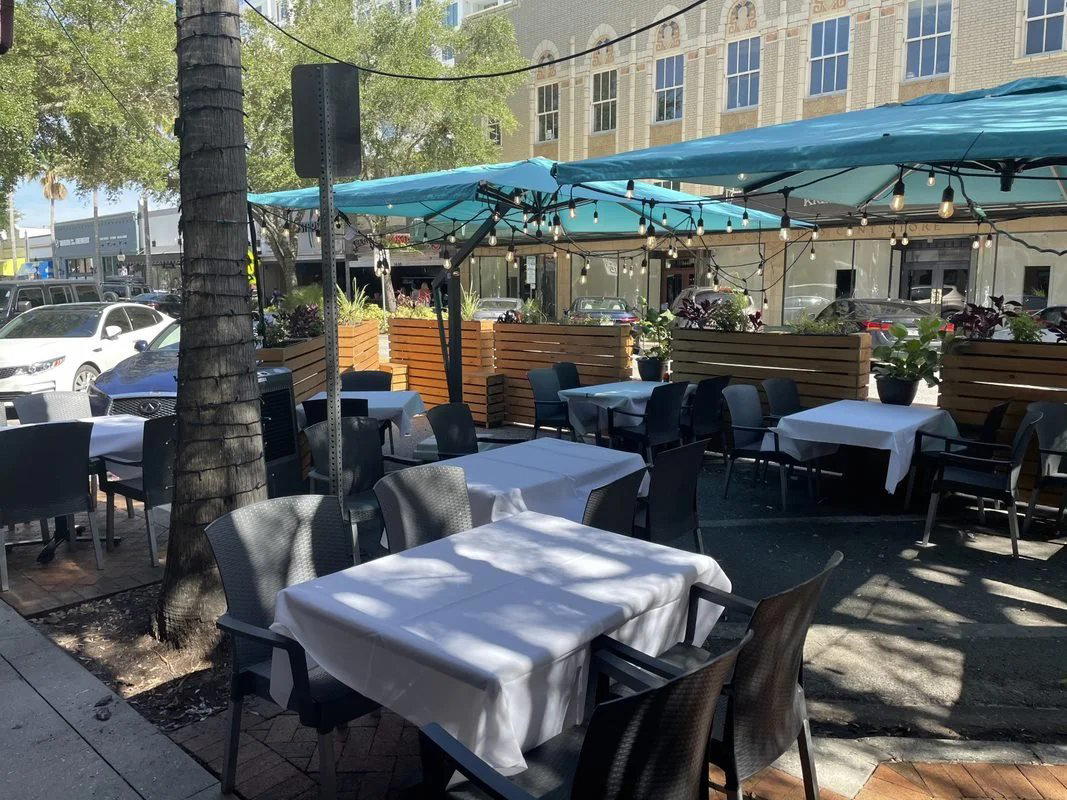
Bars in Sarasota
All bars in Sarasota →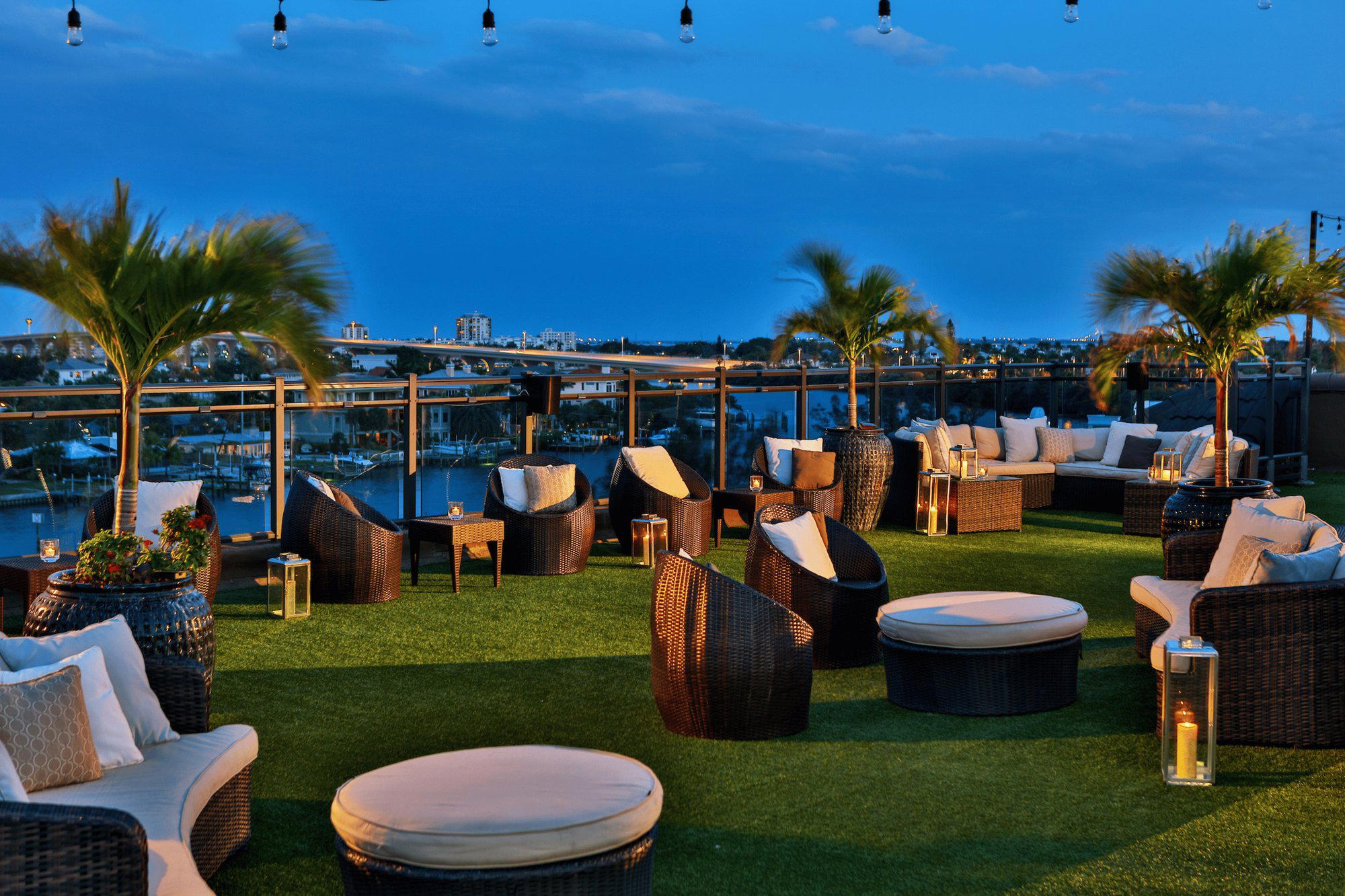
Details
- Modern
- Elegant
- Romantic
- Lively
- Date Night
- Brunch
- Special Occasion
- Casual Hangout
- Chefs Counter
- Open Kitchen
- Live Music
- Courtyard
- Design Destination
- Craft Cocktails
- Beer Program
- Local Sourcing
- A La Carte
- Counter Dining
- Small Plates
- Craft Cocktails
- Innovative Cocktails
- Vegetarian Friendly
- Gluten Free Options
- Allergy Accommodating
Current opening hours
- Monday
- 11 AM–10 PM
- Tuesday
- 11 AM–10 PM
- Wednesday
- 11 AM–10 PM
- Thursday
- 11 AM–10 PM
- Friday
- 11 AM–11 PM
- Saturday
- 11 AM–11 PM
- Sunday
- 10 AM–10 PM
Hours can change for holidays and private events. Hours as of .
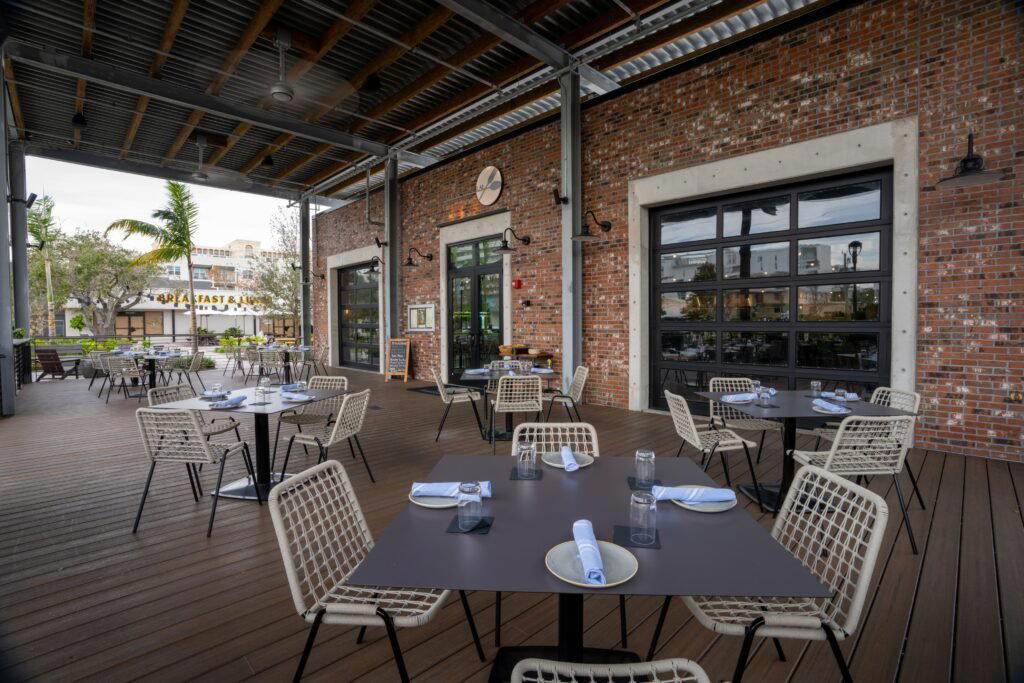
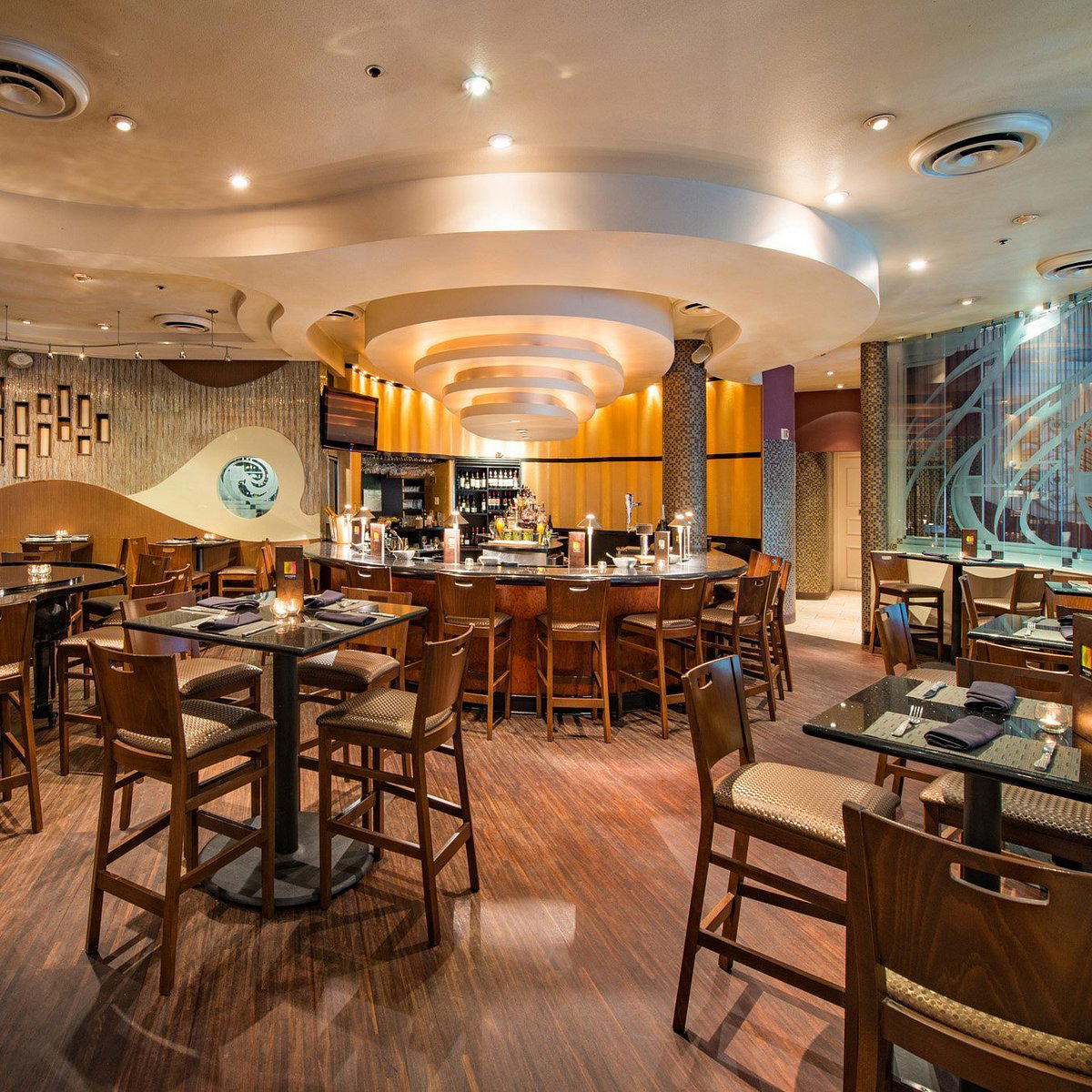
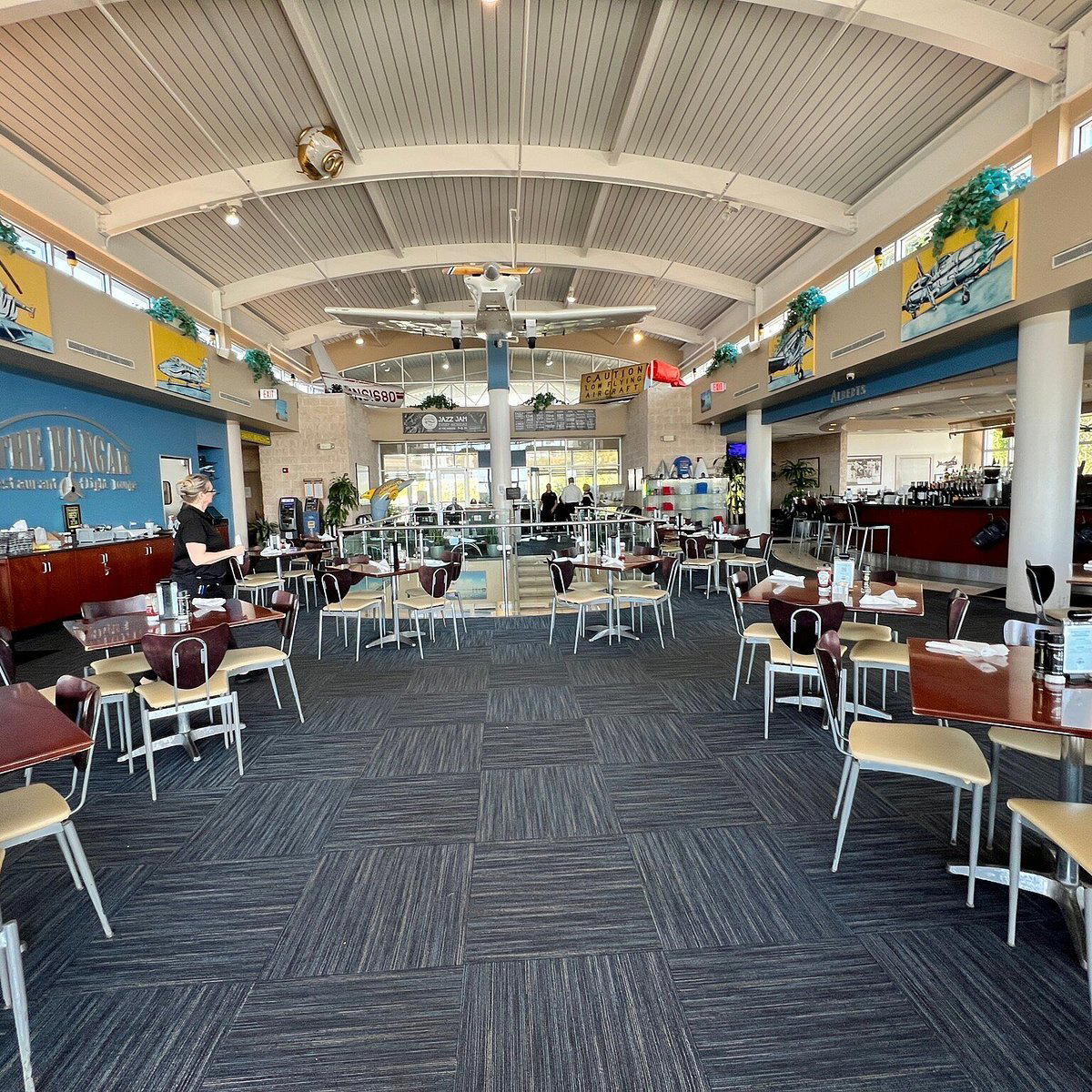
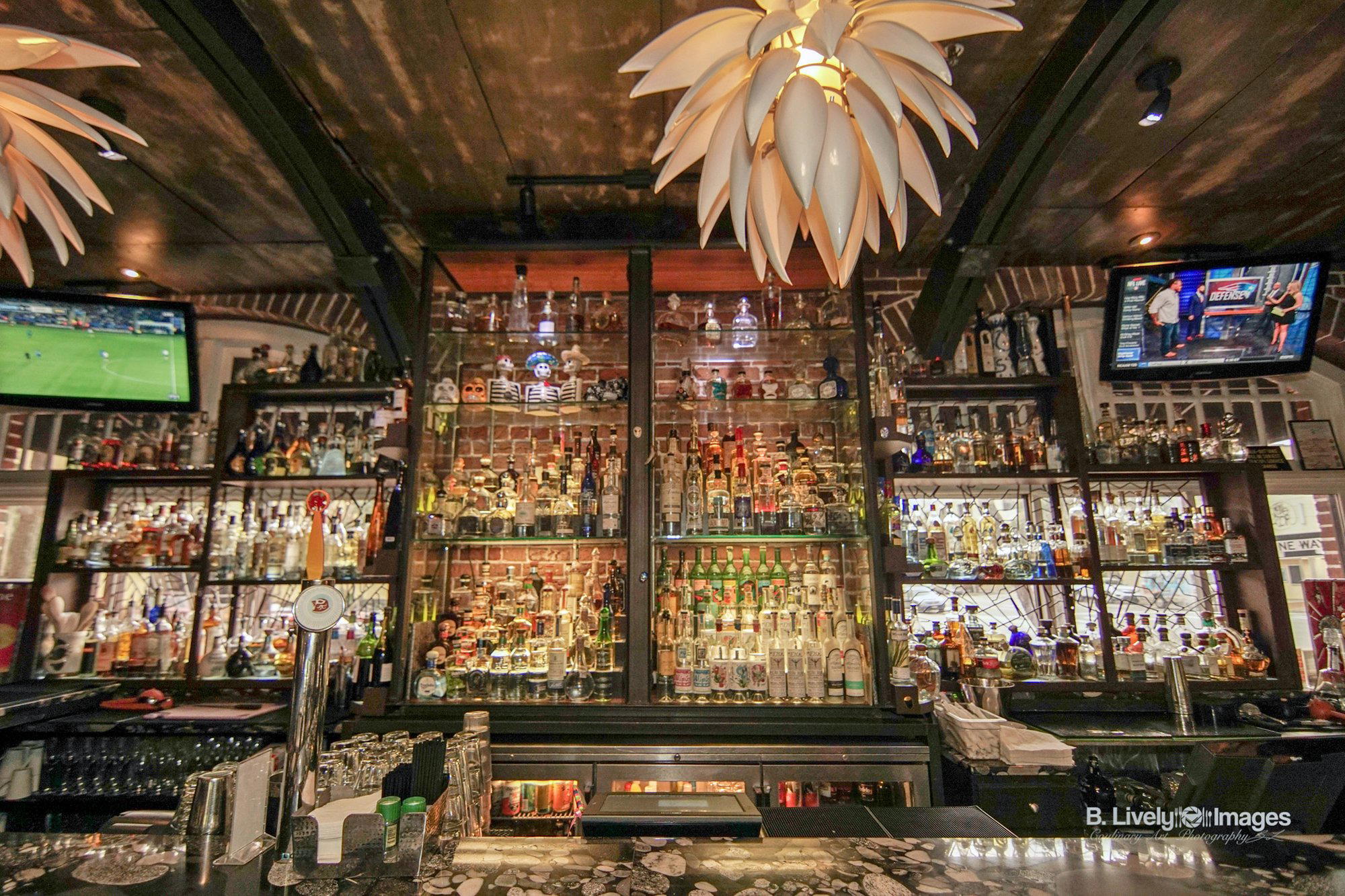
Warm, contemporary industrial-chic design with natural light, stylish modern decor, artwork-printed menus, and a comfortable blend of polished service with relaxed neighborhood bistro energy. Live music in bar area creates lively weekend atmosphere.