Transylvanian Street Food
On Badenerstrasse in Zurich's District 4, Transylvanian Street Food brings the fast-casual traditions of central Romania to a neighbourhood better known for late-night kebab runs and budget ramen. The format sits well outside the city's fine-dining corridor, offering a low-cost, high-specificity alternative to the Swiss and Italian mid-range options that dominate the surrounding blocks.
Pearl is the En Primeur Club membership app — saves, bookings, and concierge access live there. Same editors, same standards.
- Address
- Badenerstrasse 249, 8003 Zürich, Switzerland
- Phone
- +41762555198
- Website
- transylvanian.ch
- Directions
- Get directions
 Saves & bookings on Pearl
District 4 and the Case for Regional Specificity
Zurich's dining scene has, over the past decade, bifurcated sharply. At one end sit the multi-starred tasting-menu houses, places like IGNIV Zürich by Andreas Caminada, The Counter, and The Restaurant, operating at price points that reflect Switzerland's position as among the more expensive dining markets in Europe. At the other end, District 4's Langstrasse corridor has long functioned as the city's pressure valve: the neighbourhood where affordable, ethnically specific cooking finds a foothold without the polish or the price markup. Transylvanian Street Food, at Badenerstrasse 249, occupies that second world.
The address places it squarely in Kreis 4, a few blocks from the busier Langstrasse strip, in a stretch where the storefronts cycle between convenience shops, small bars, and the kind of restaurants that survive on repeat neighbourhood business rather than tourist traffic or corporate expense accounts. That context matters. Street food in this part of Zurich is not a branding exercise, it is the actual operating format of a large proportion of the area's eating options. Transylvanian Street Food competes in that environment on the basis of specificity: Romanian regional cooking, not generalized Eastern European, not Balkan fusion.
What Transylvanian Cooking Actually Is
Transylvania, the central-western region of Romania, historically contested between Hungarian, Saxon, and Romanian cultural traditions, produces a cuisine that does not map neatly onto Western European categories. It is heavily meat-focused, with smoked pork preparations, slow-cooked bean dishes, and fermented cabbage appearing across nearly all regional menus. The bread culture is serious. Paprika and caraway feature more prominently than in the coastal Romanian south, reflecting the region's deep Central European cross-pollination. Mamaliga, the Romanian polenta equivalent, functions as a staple starch in the way rice does in Southeast Asia, present in multiple forms, at multiple meal occasions, often as the vehicle for heavier braises or cured meats.
In Western European cities, this cooking tradition is almost entirely absent from the restaurant market. Romanian cuisine, in general, receives a fraction of the attention given to Hungarian or Polish food, despite sharing geographic and historical roots with both. A venue operating under a Transylvanian-specific banner in Zurich, a city whose restaurant market is dominated by Swiss, Italian, French, and Asian formats, is making a narrow, deliberate choice about audience. The regulars at a place like this tend to be Romanian expats for whom the cooking is a direct cultural reference, and a smaller group of Zurich residents who have moved past the city's more familiar international options.
The Lunch and Evening Divide
Street food venues in District 4 generally run one of two formats: the quick-service lunch model, built around a rotating daily special and fast table turnover, or the longer evening session where the kitchen can extend into more labour-intensive preparations. The distinction matters at a place serving regional Romanian cooking, because the two ends of the day pull in different directions.
At lunch, the practical logic of street food applies directly. Dishes that hold well, travel easily, and can be assembled quickly, filled flatbreads, grilled sausages, soups served with thick bread, fit the midday format. Zurich's working population in District 4 eats fast at lunch; the competition for that daypart includes everything from döner counters to Vietnamese pho shops, all operating on similar price logic. A Transylvanian kitchen competes on flavour differentiation rather than speed advantage, which means the lunch offering needs to be tight and accessible rather than encyclopedic.
Evening service, by contrast, allows for the slower preparations that define the cuisine at its most distinctive: long-cooked pork, stuffed cabbage rolls, dishes that require hours of stovetop time and benefit from being eaten at leisure. If the kitchen runs both services, the evening represents the stronger editorial case for the venue, the daytime offering may be its most commercially important, but the night menu is where the cooking's identity becomes legible. For anyone making a deliberate trip rather than a convenience stop, the evening service is the more defensible choice.
This lunch-versus-dinner calculus plays out across District 4 generally. The neighbourhood draws office workers and tradespeople at midday and a more mixed crowd, residents, bar-hoppers, people eating before or after a night out on Langstrasse, in the evening. A venue that reads as a canteen at noon can read differently at 8pm, simply by virtue of who is in the room and at what pace.
Where This Fits in Zurich's Broader Dining Map
Zurich supports a small number of high-stakes dining rooms whose reputations extend well beyond the city. Switzerland as a country punches above its population size in Michelin terms, venues like Hotel de Ville Crissier, Schloss Schauenstein in Fürstenau, and Cheval Blanc by Peter Knogl in Basel demonstrate the depth of the country's formal dining tier. Within Zurich itself, Widder and Eden Kitchen and Bar occupy the mid-to-upper bracket. Elsewhere in Switzerland, Memories in Bad Ragaz, 7132 Silver in Vals, Colonnade in Lucerne, Da Vittorio in St. Moritz, Einstein Gourmet in Sankt Gallen, and focus ATELIER in Vitznau fill out a surprisingly dense high-end tier for a country of this size. For context on how far removed the international fine-dining conversation has moved from street-food specificity, compare the Swiss market with reference points like Le Bernardin in New York or Atomix in New York and L'Atelier Robuchon in Geneva.
Transylvanian Street Food operates at the opposite end of this spectrum, not as an aspirational option but as a neighbourhood-anchored one. The competitive set is not the starred houses; it is the other fast-casual and casual ethnic restaurants on Badenerstrasse and the surrounding streets. That is not a diminishment, the street food category in District 4 is where Zurich's culinary diversity actually lives, and specificity at this price point is harder to sustain than it looks.
Cost and Credentials
Comparable venues nearby, for context on price, style, and recognition.
| Venue | Cuisine | Price |
|---|---|---|
| Transylvanian Street FoodThis venue — the venue you are viewing | Not listed | $ |
| Sarajevska Ćevabdžinica | Albisrieden, Authentic Bosnian | $$ |
| Viadukt | Industriequartier, Modern Swiss | $$ |
| Friedas Büxe | Aussersihl, Nightclub Bar Snacks | $ |
| Babu's | Aussersihl, Swiss Bakery Café | $$ |
| Ah-Hua Brauerstrasse | Aussersihl, Authentic Thai | $ |
At a Glance
- Cozy
- Rustic
- Casual Hangout
- Solo
- Standalone
Current opening hours
- Monday
- Closed
- Tuesday
- 12–10 PM
- Wednesday
- 12–10 PM
- Thursday
- 12–10 PM
- Friday
- 12–10 PM
- Saturday
- 12–10 PM
- Sunday
- Closed
Hours can change for holidays and private events. Last verified .
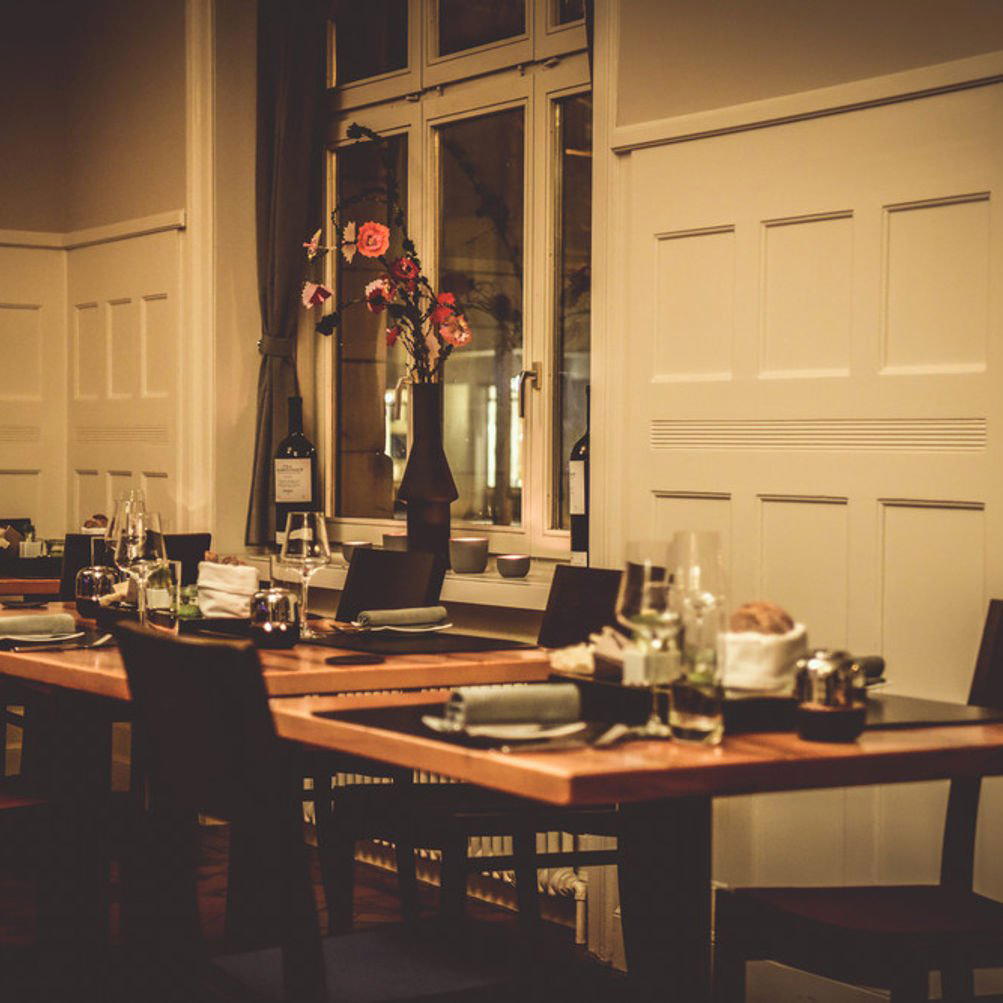
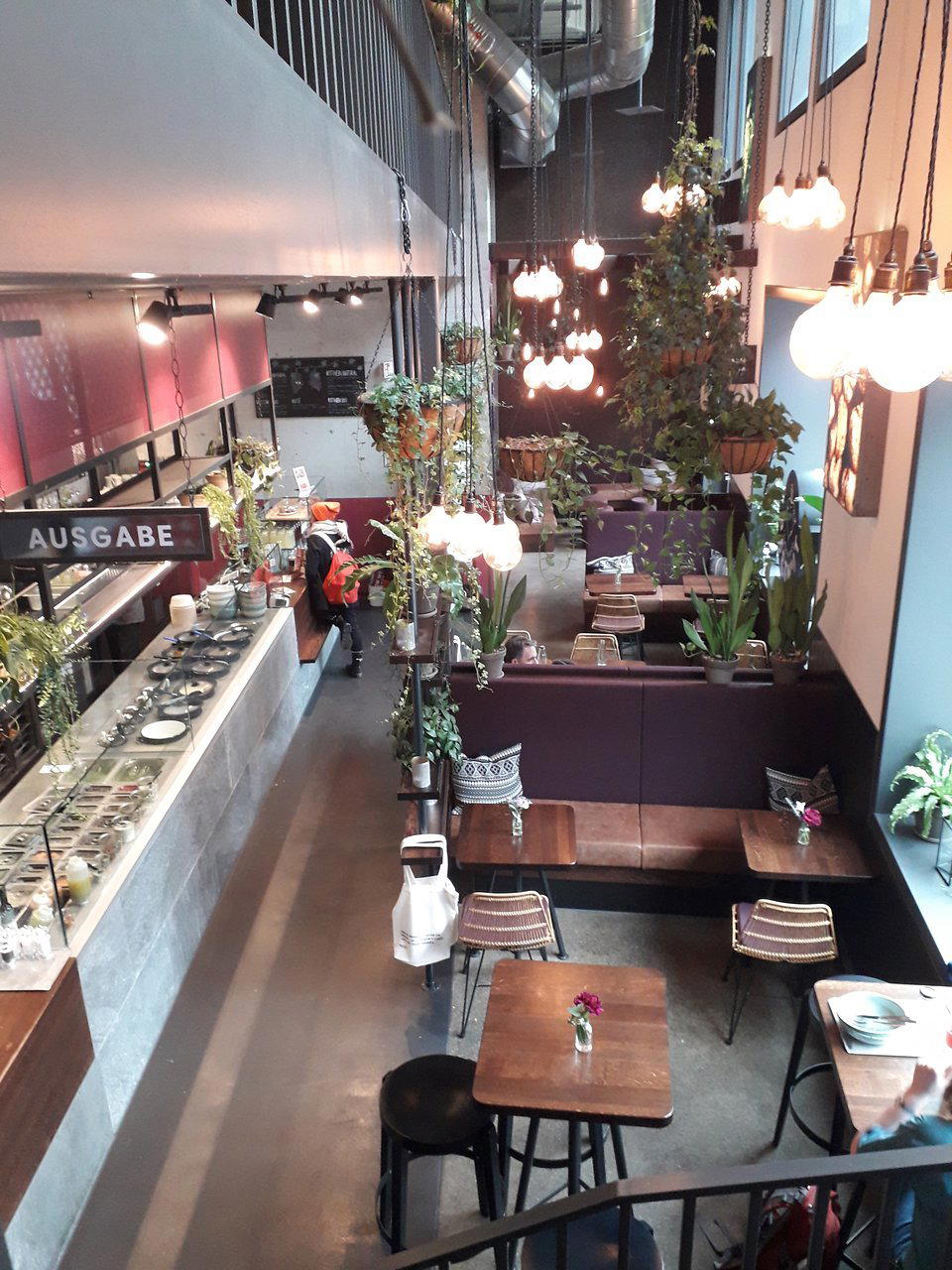
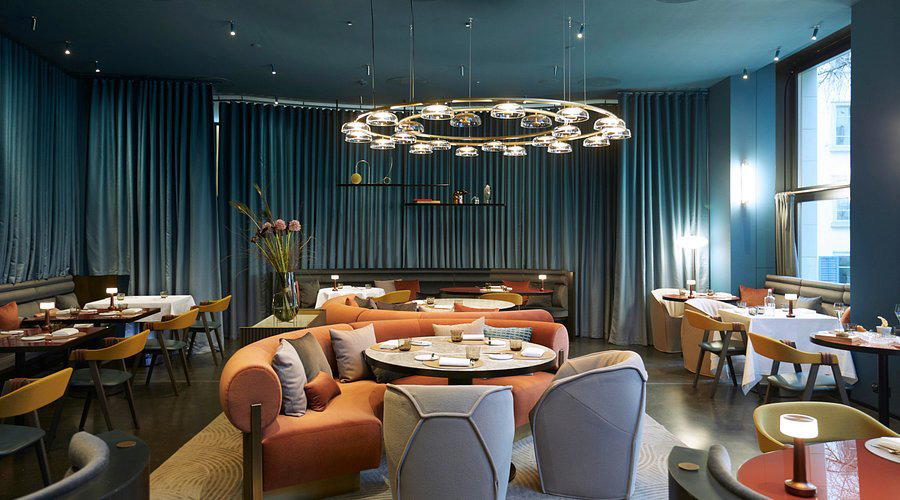
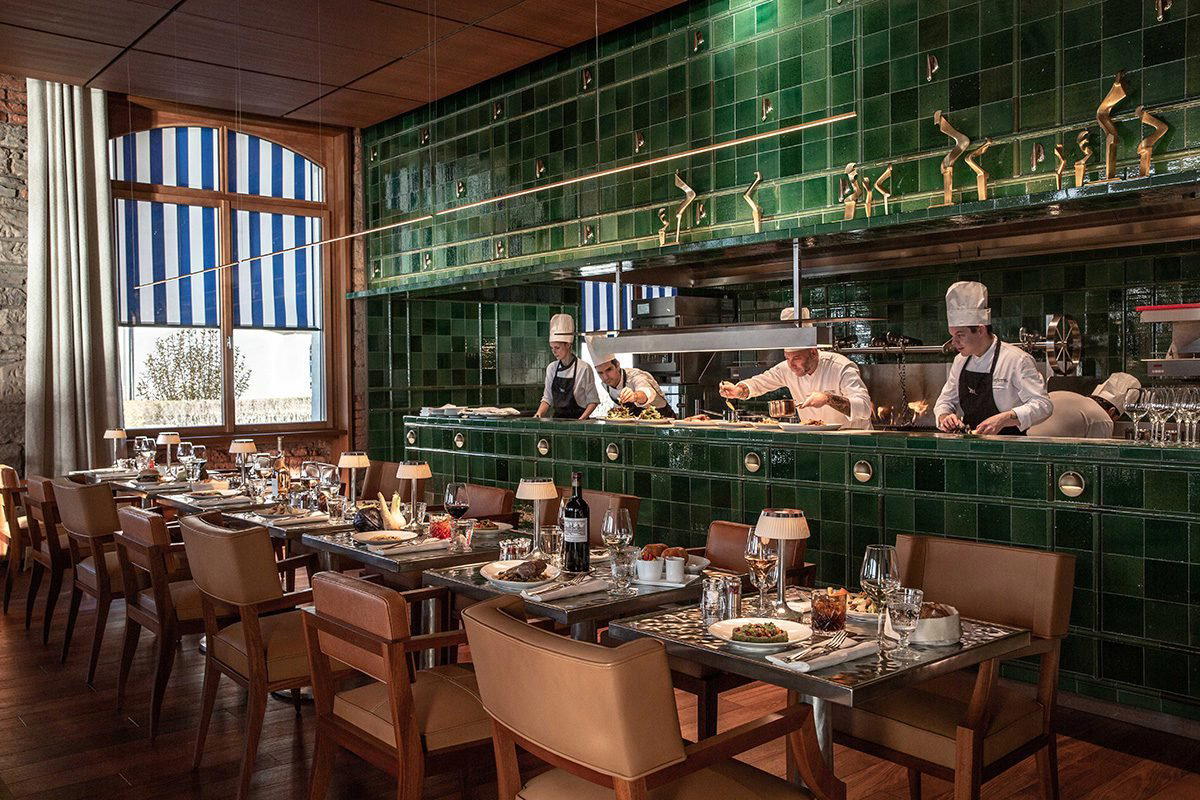
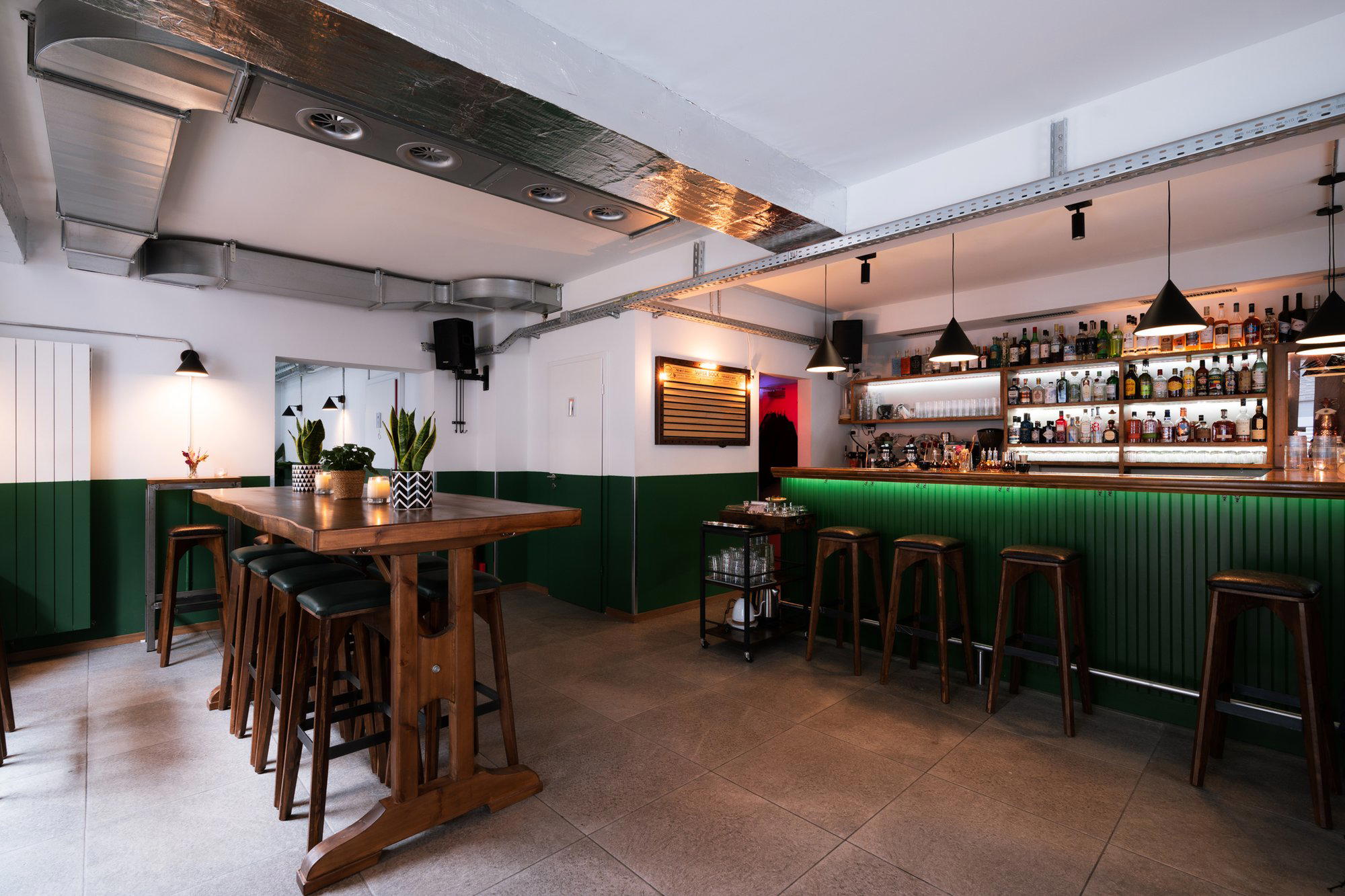
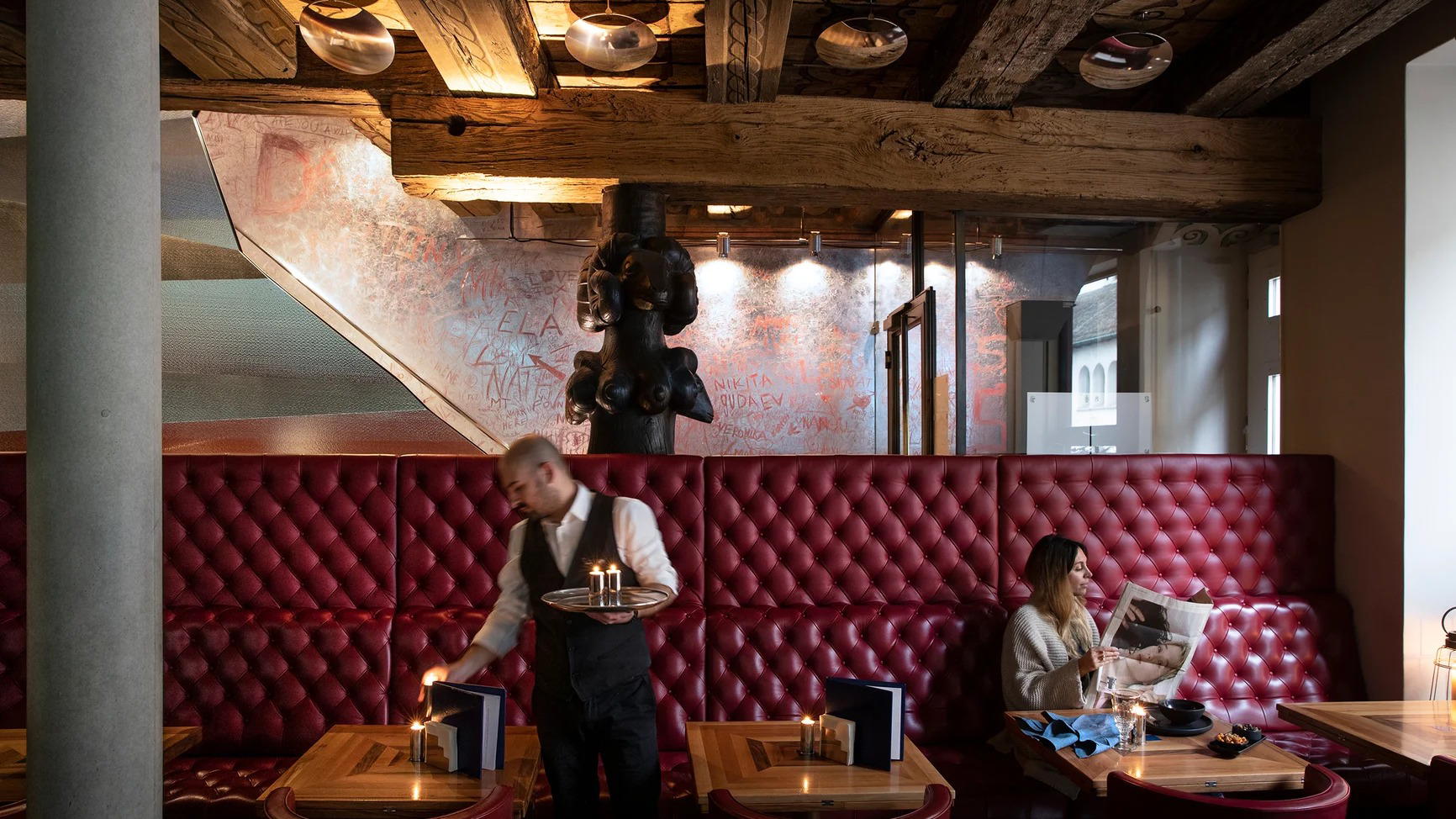
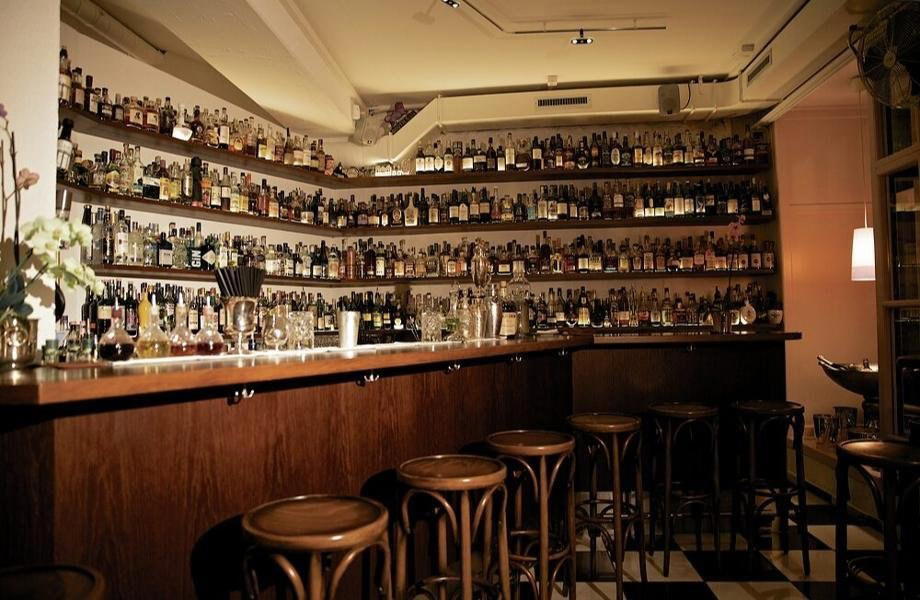
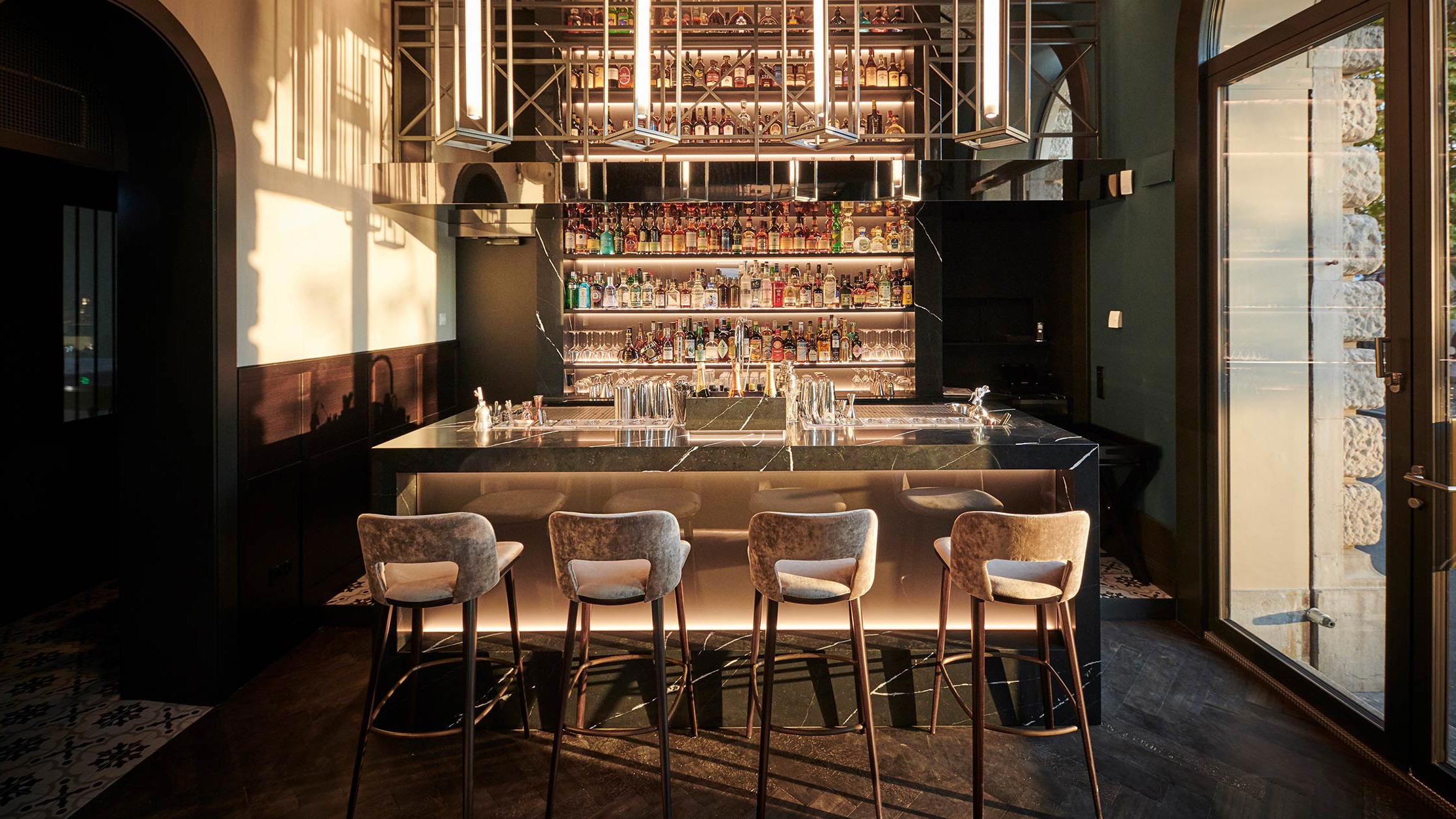
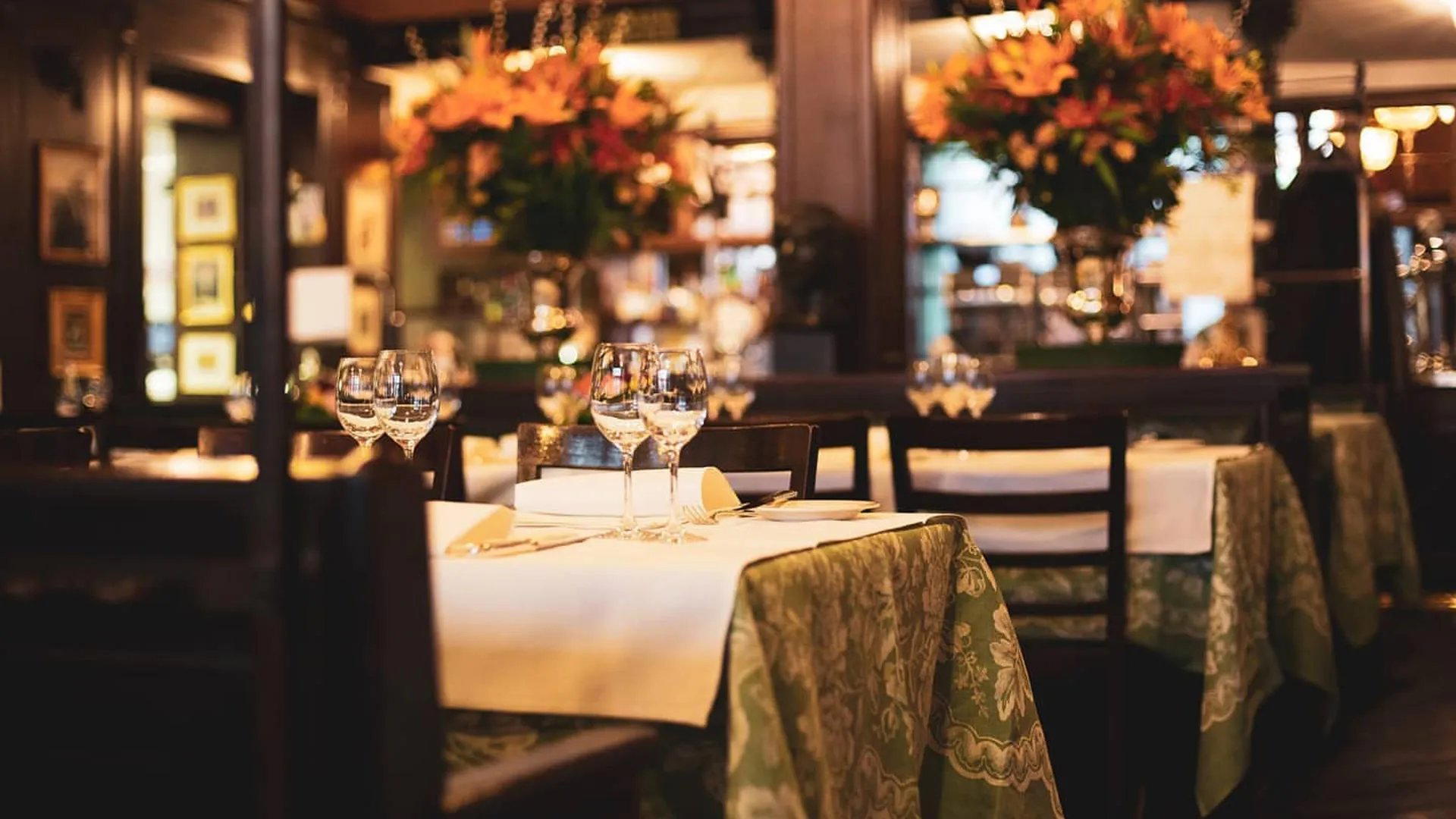
Nostalgic and intimate atmosphere with warm, homey lighting that evokes traditional Romanian hospitality.