

1 Michelin Star · The Best Chef One Knife
Our verdict
Vaisseau operates in the 11th arrondissement at a price point that places it alongside Paris's most serious creative tables, but the register here is irreverent rather than ceremonial. Chef Adrien Cachot, a Top Chef 2020 alumnus, runs carte blanche menus built around offal, unexpected surf-and-turf combinations, and preparations like his mochi riff on cacio e pepe. Ranked 230th in Europe by Opinionated About Dining in 2025, it holds a Michelin Plate.

Pearl is the En Primeur Club membership app, where members save venues, book tables and use the concierge.

The menu
What to order
- Mochi Cacio e Pepe
- Black Ruff with Tripe and Vin Jaune
- Lentils with Coffee and Spider Crab
- Veal Tongue with Kimchi
The 11th's Counter to Ceremony
Paris's €€€€ creative dining tier has long been concentrated on the Left Bank and the grands boulevards, where ceremony, tableside theatre, and multi-decade legacies function almost as load-bearing walls. Tables like Alléno Paris au Pavillon Ledoyen and Arpège set the dominant tone: architectural rooms, formal pacing, menus that feel like arguments about what French cuisine is or should become. Vaisseau, on Rue Faidherbe in the 11th arrondissement, prices at the same bracket but reads the room differently. The decor is minimalist rather than grand, the atmosphere intimate rather than performative, and the menu's governing logic is curiosity rather than tradition. That divergence is, in itself, an editorial position worth examining.
The 11th has been Paris's most reliable incubator of chef-driven neighbourhood restaurants for the better part of two decades. What began as a cluster of affordable bistros with serious kitchens has progressively tightened in ambition and price, producing a cohort of creative tables operating outside the institutional logic of palace hotels and three-star dining rooms. Vaisseau sits at the more demanding end of that cohort, running a carte blanche format that gives Adrien Cachot latitude most tasting menus reserve for the headline courses only.
What the Menu Is Actually Doing
Carte blanche formats at this price tier are common enough across Paris's creative scene, from Le Gabriel at La Réserve to the more austere rooms in the Marais. What distinguishes Vaisseau's version is the particular flavour of its playfulness. Cachot works with offal not as a nod to Lyonnais tradition but as a textural and aromatic device: the resistance and density of tripe, for instance, paired against the clean, high-register flavour of Mediterranean fish. That combination, black ruff from the Mediterranean seabed with tripe and vin jaune, operates on a logic of contrast that is closer to avant-garde Japanese cooking than to classical French technique.
The mochi prepared in the manner of cacio e pepe, a dish that generated significant attention when it appeared, illustrates the approach well. The preparation takes a Japanese ingredient and frames it inside an Italian reference, then executes it with the precision expected of French kitchen discipline. The result is not fusion in the casual sense but a deliberate structural joke that happens to work at a technical level. That willingness to be openly ludic at a top-tier price point separates Vaisseau from the more earnest creative tables that dominate this price bracket, including the likes of Blanc, which operates with a different register of seriousness in a similar neighbourhood band.
Surf-and-turf combinations appear repeatedly across the menu's architecture, not as a novelty but as a structuring principle. The pairing of sea and land ingredients at this level of specificity, where the fish comes from a named seabed and the land element is offal rather than a standard protein, signals a kitchen that thinks about contrast and umami layering rather than comfort and familiarity. It is a menu that asks something of its diners.
Atmosphere and the Spatial Logic of Minimalism
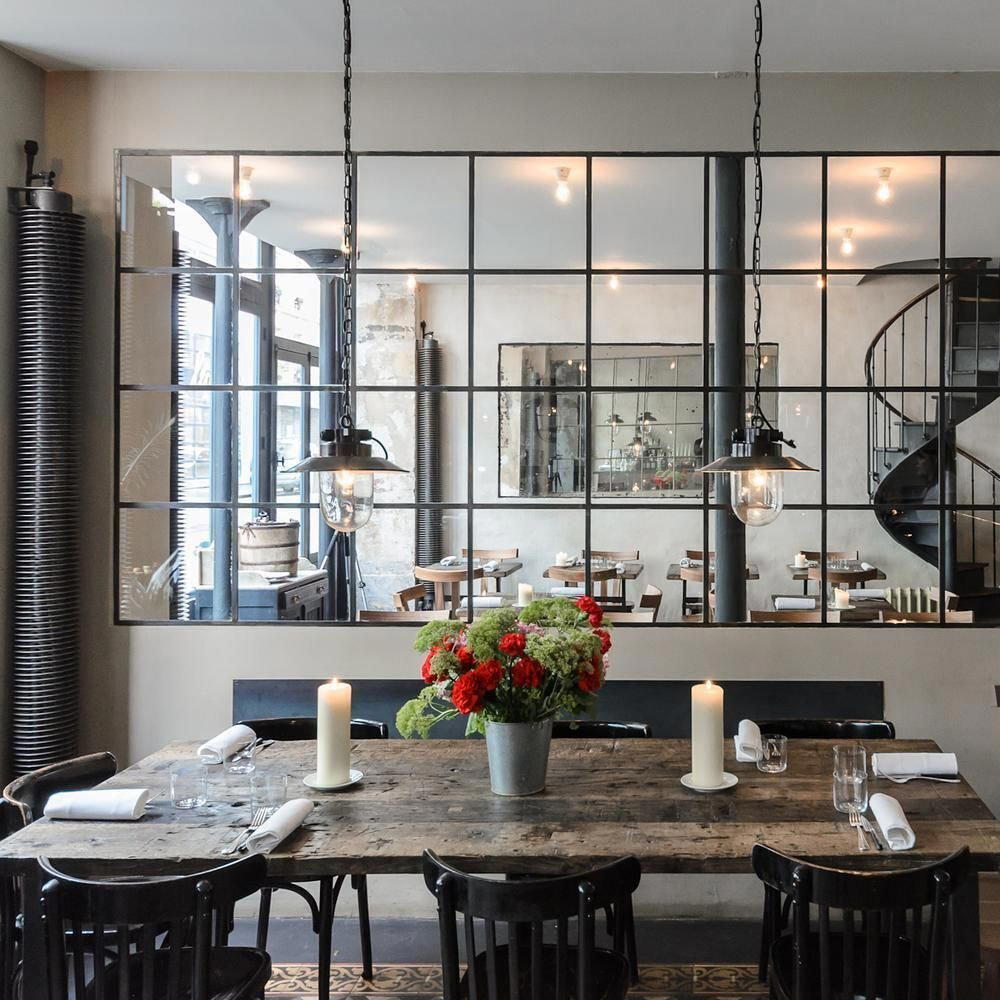
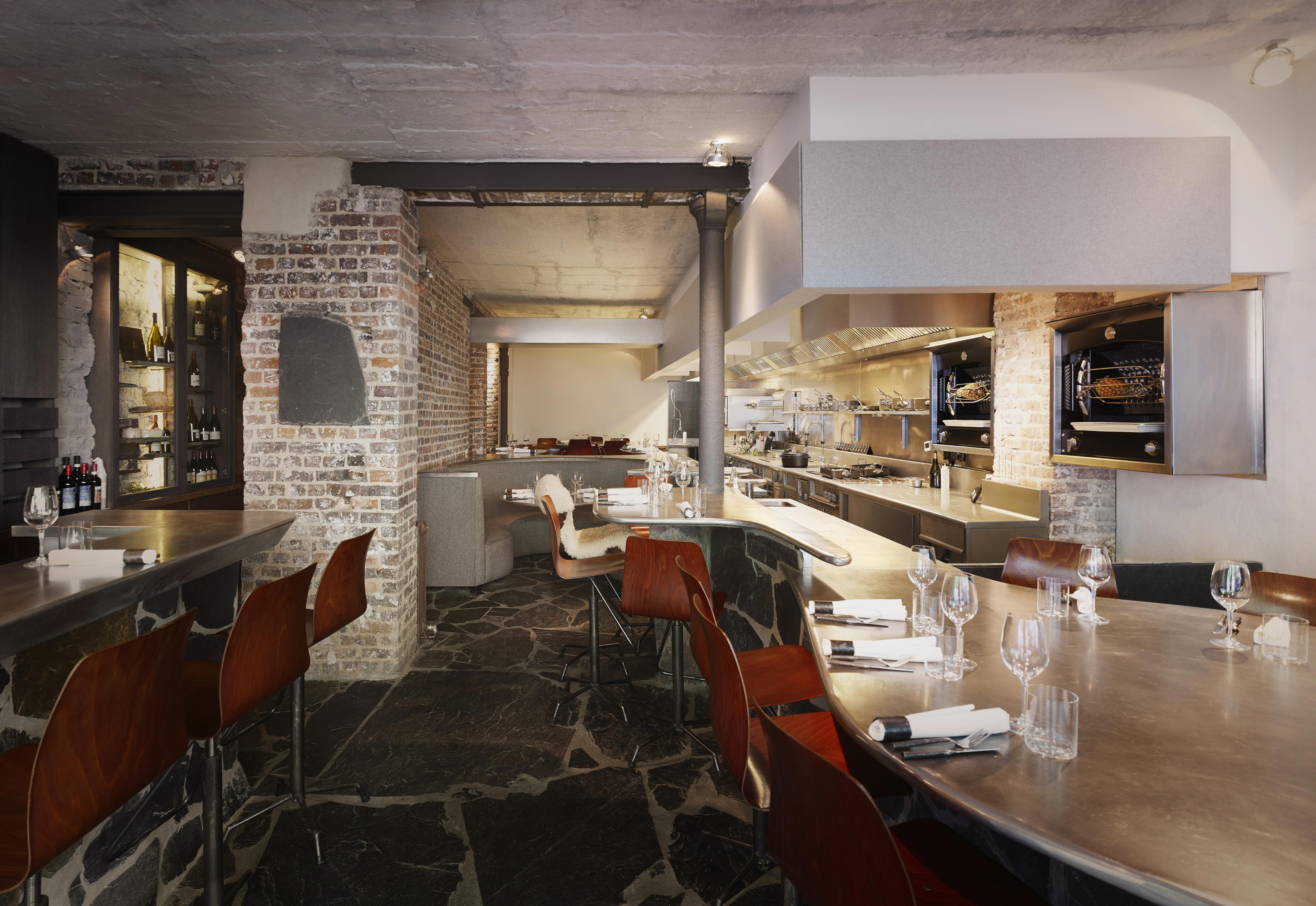
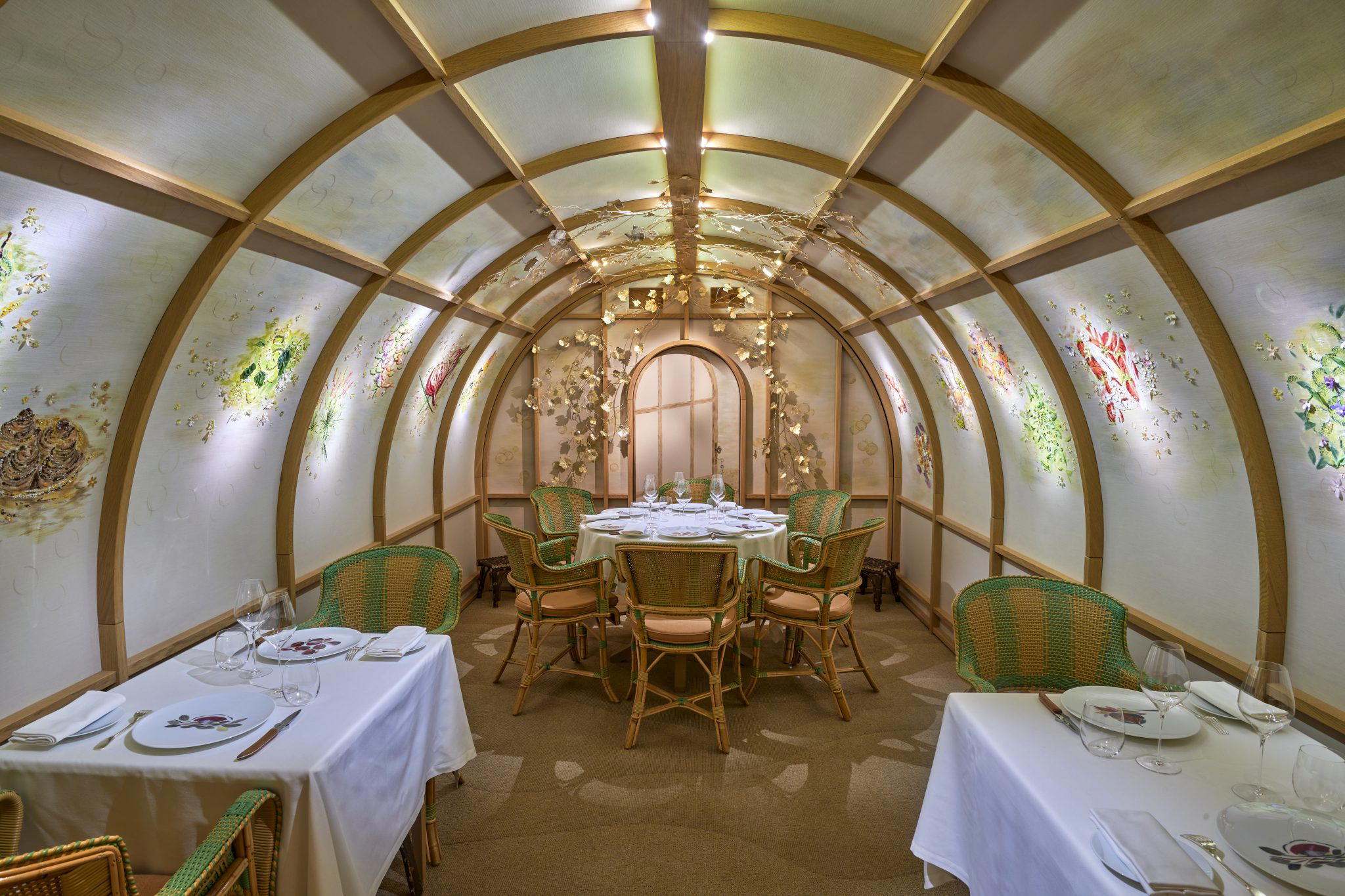
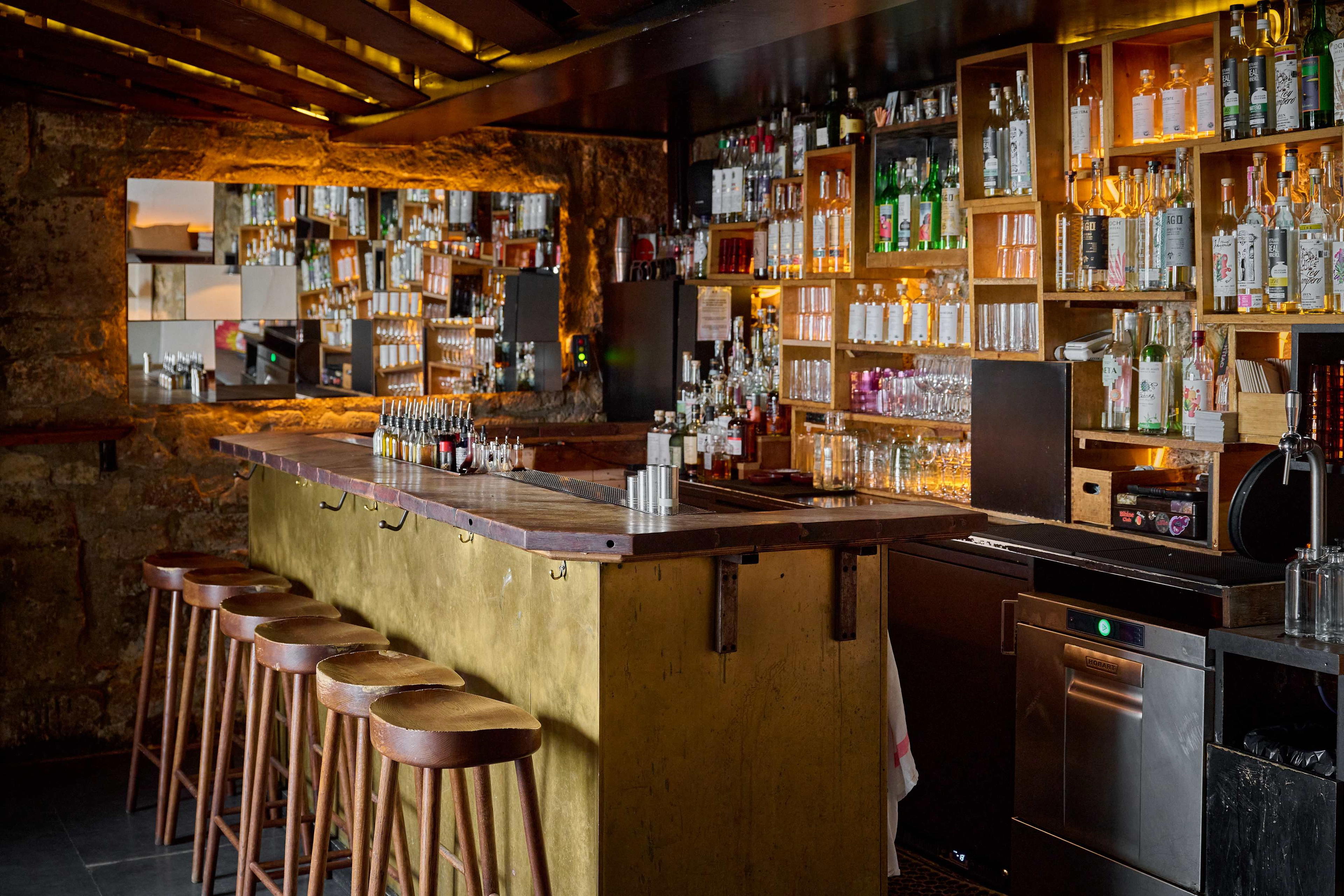
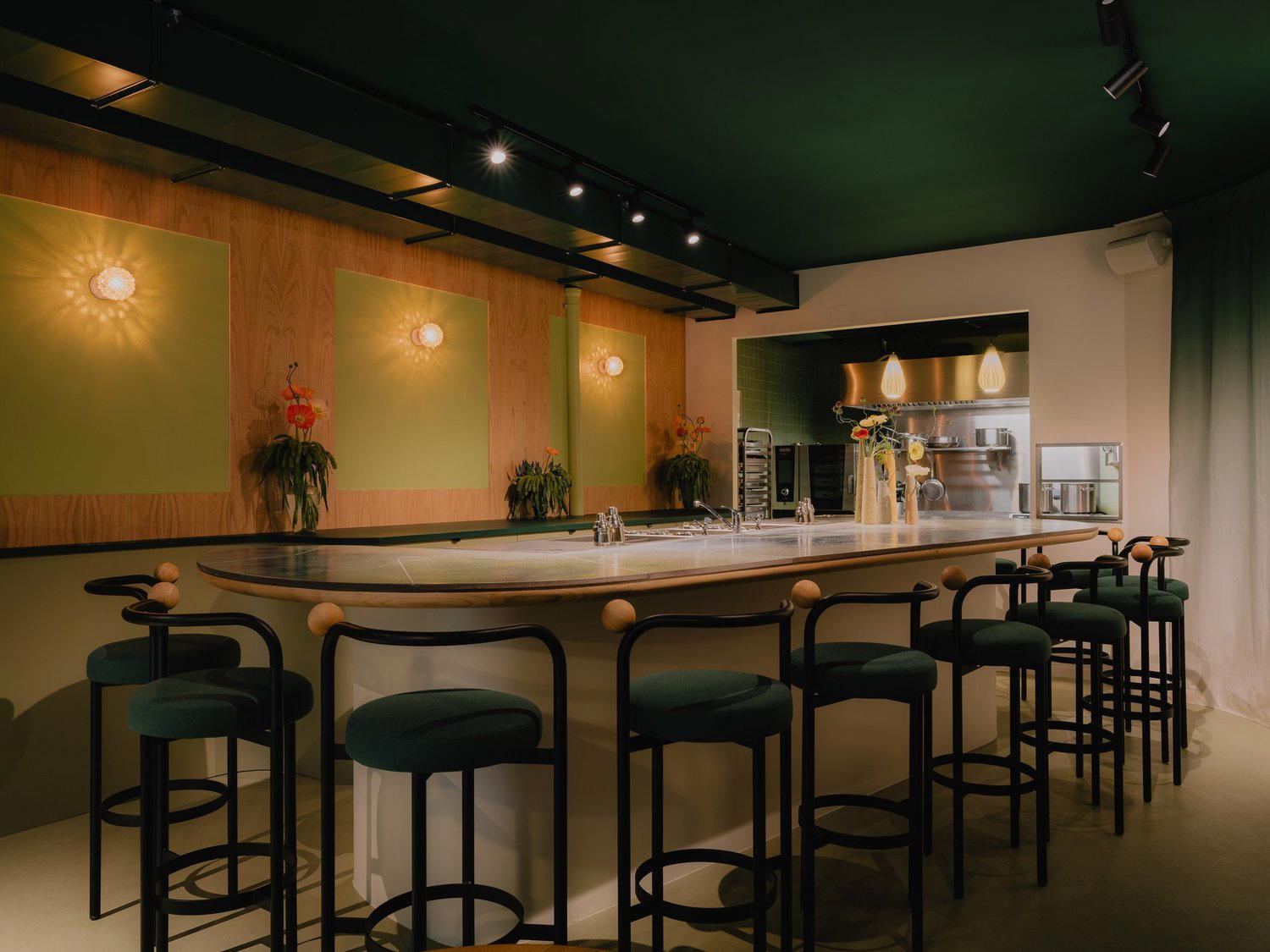
Paris's leading creative tables have diverged sharply on interior register over the past decade. The palace hotels, including Le Meurice Alain Ducasse, work within gilded rooms where the architecture is part of the dining argument. A smaller cohort has moved in precisely the opposite direction, toward stripped interiors where nothing competes with the plate. Vaisseau belongs firmly to the second camp. Minimalist decor in a room of this scale creates a specific sensory condition: attention narrows onto what is in front of you, sound carries differently without heavy textiles to absorb it, and the intimacy of a small space means service interactions are closer and less mediated.
That spatial logic is not incidental to the food. When a kitchen is running dishes built on unexpected combinations and textural surprise, a room that does not distract is a practical advantage. Diners are more likely to engage with the structural logic of a mochi prepared as cacio e pepe when the environment around them is quiet enough to notice what is actually happening on the plate. The minimalist room is, in this sense, a curatorial decision as much as an aesthetic one.
The hours at Vaisseau are tightly managed. Lunch service runs from noon to 1:30 PM Tuesday through Friday; dinner runs from 7:30 PM to 9:00 PM Monday through Friday. The restaurant is closed on weekends. That schedule is characteristic of a kitchen running at high intensity with a small team, prioritising quality over volume. It also has practical implications for planning: weekend visitors to Paris will need to look elsewhere in the city's broader creative scene, where our full Paris restaurants guide maps options across every price tier and neighbourhood.
Where Vaisseau Sits in the Wider Creative Scene
Opinionated About Dining ranked Vaisseau 230th among European restaurants in 2025, which places it inside the continent's broadly recognised top tier without positioning it at the very apex occupied by tables like Mirazur in Menton or Troisgros in Ouches. The Michelin Plate recognition in 2024 marks it as a kitchen of serious intent without the full star apparatus that surrounds much of Paris's top-end competition. That positioning, recognised but not yet institutionalised, is often where the most interesting eating happens: the kitchen is still proving something, and the menu reflects that energy.
Within France's broader creative dining conversation, Vaisseau operates in a different register from the grands maisons. Where Paul Bocuse's Auberge in Collonges-au-Mont-d'Or or Auberge de l'Ill in Illhaeusern ground their authority in historical continuity, Vaisseau draws its credibility from a different source: a chef whose public profile was built on a television competition and whose menu deliberately unsettles expectation. That is a new kind of legitimacy in French fine dining, and its emergence in the 11th rather than in a palace or a storied regional address says something about where creative authority in French restaurants is currently being produced.
For readers whose interests extend to creative cooking in other European cities, the comparison set is worth noting. Enrico Bartolini in Milan and JAN in Munich operate in a broadly comparable space of chef-driven creative cooking with strong individual personalities driving the menu. The difference at Vaisseau is the specific French context, both in terms of technique and in terms of how deliberately the kitchen departs from French convention. Flocons de Sel in Megève and Bras in Laguiole represent the French fine-dining tradition of regionalist creativity, rooted in landscape and local ingredient logic. Vaisseau is doing something different: urban, referential, and deliberately cross-cultural in its sourcing of ideas if not always of ingredients.
Planning a Visit
Vaisseau is at 35 Rue Faidherbe in the 11th arrondissement, a short walk from Faidherbe-Chaligny metro station on line 8. The service window is narrow: lunch is a 90-minute slot and dinner runs roughly 90 minutes from the 7:30 PM seating. No booking method is specified in available data, so checking directly via the address or third-party reservation platforms is the practical starting point. The restaurant operates Tuesday through Friday for both lunch and dinner, with dinner only on Mondays; plan accordingly if your Paris visit includes a weekend. For broader Paris planning, our Paris hotels guide, bars guide, wineries guide, and experiences guide cover the full city across all categories.
Frequently asked questions
What does dinner at Vaisseau typically cost?
Pricing at Vaisseau is listed as €€€€.
Who is the chef connected to Vaisseau?
The chef associated with Vaisseau is Adrien Cachot.
What dish is Vaisseau famous for?
Adrien Cachot's 'Cachot e pepe' mochi, riffing on the structure of a pepper and citrus risotto, has drawn the most attention since the restaurant opened. His black ruff paired with tripe and vin jaune is equally referenced in coverage of the menu: a Mediterranean seabed fish combined with offal is the kind of pairing that defines the carte blanche format at Vaisseau. Both dishes reflect Cachot's consistent preference for unexpected ingredient combinations over conventional fine-dining frameworks.
What type of food is Vaisseau known for?
What are the operating hours at Vaisseau?
Hours at Vaisseau: Monday 7:30 PM-9 PM Tuesday 12 PM-1:30 PM 7:30 PM-9 PM Wednesday 12 PM-1:30 PM 7:30 PM-9 PM Thursday 12 PM-1:30 PM 7:30 PM-9 PM Friday 12 PM-1:30 PM 7:30 PM-9 PM Saturday closed Sunday closed.
How do I find Vaisseau?
Vaisseau is located at 35 Rue Faidherbe, 75011 Paris, France, Paris.
A Tight Comparison
A compact comparison to help you place this venue among nearby peers.
| Venue | Cuisine | Price | Awards | Notes |
|---|---|---|---|---|
| VaisseauThis venue (the venue you are viewing) | Modern French Avant-Garde Tasting Menu | $100–150 | 1 Michelin Star · The Best Chef One Knife | Not listed |
| Alléno Paris au Pavillon Ledoyen | Modern French Fine Dining | $150–200 | 3 Michelin Stars · World's 50 Best #79 | Creative |
| Kei | Modern French with Japanese Influences | $300–500 | 3 Michelin Stars · World's 50 Best #93 | Contemporary French, Modern Cuisine |
| L'Ambroisie | Classic French Haute Cuisine | $300–500 | 2 Michelin Stars · World's 50 Best #23 | French, Classic Cuisine |
| Le Cinq - Four Seasons Hôtel George V | Modern French Fine Dining | $300–500 | 3 Michelin Stars · World's 50 Best #24 | French, Modern Cuisine |
| Plénitude | Modern French Sauce-Led Fine Dining | $300–500 | 3 Michelin Stars · World's 50 Best #14 | Contemporary French |
Recognition history
Dated appearances from independent guides and award organizations, with the underlying list record or original source where available.
Michelin 1 Star
Michelin
Opinionated About Dining Top Restaurants in Europe Highly Recommended
Opinionated About Dining
The Best Chef One Knife
The Best Chef
Full recognition history (6 entries)
Michelin 1 Star
Michelin
Opinionated About Dining Top Restaurants in Europe Ranked #230
Opinionated About Dining
Michelin Plate
Michelin