V C Jones
V C Jones sits on Harbour Street in Whitstable, one of the Kent coast's most characterful eating streets, where the proximity to the sea shapes almost everything on the plate. The address places it within a town whose oyster culture and fishing heritage run deeper than most coastal destinations in southern England. For the Canterbury area, it occupies a distinct position: a coastal counterpoint to the city's more formal dining options.
Pearl is the En Primeur Club membership app — saves, bookings, and concierge access live there. Same editors, same standards.
- Address
- 25 Harbour St, Whitstable CT5 1AH, United Kingdom
- Phone
- +44 1227 272703
- Website
- vcjones.co.uk
- Directions
- Get directions
 Saves & bookings on Pearl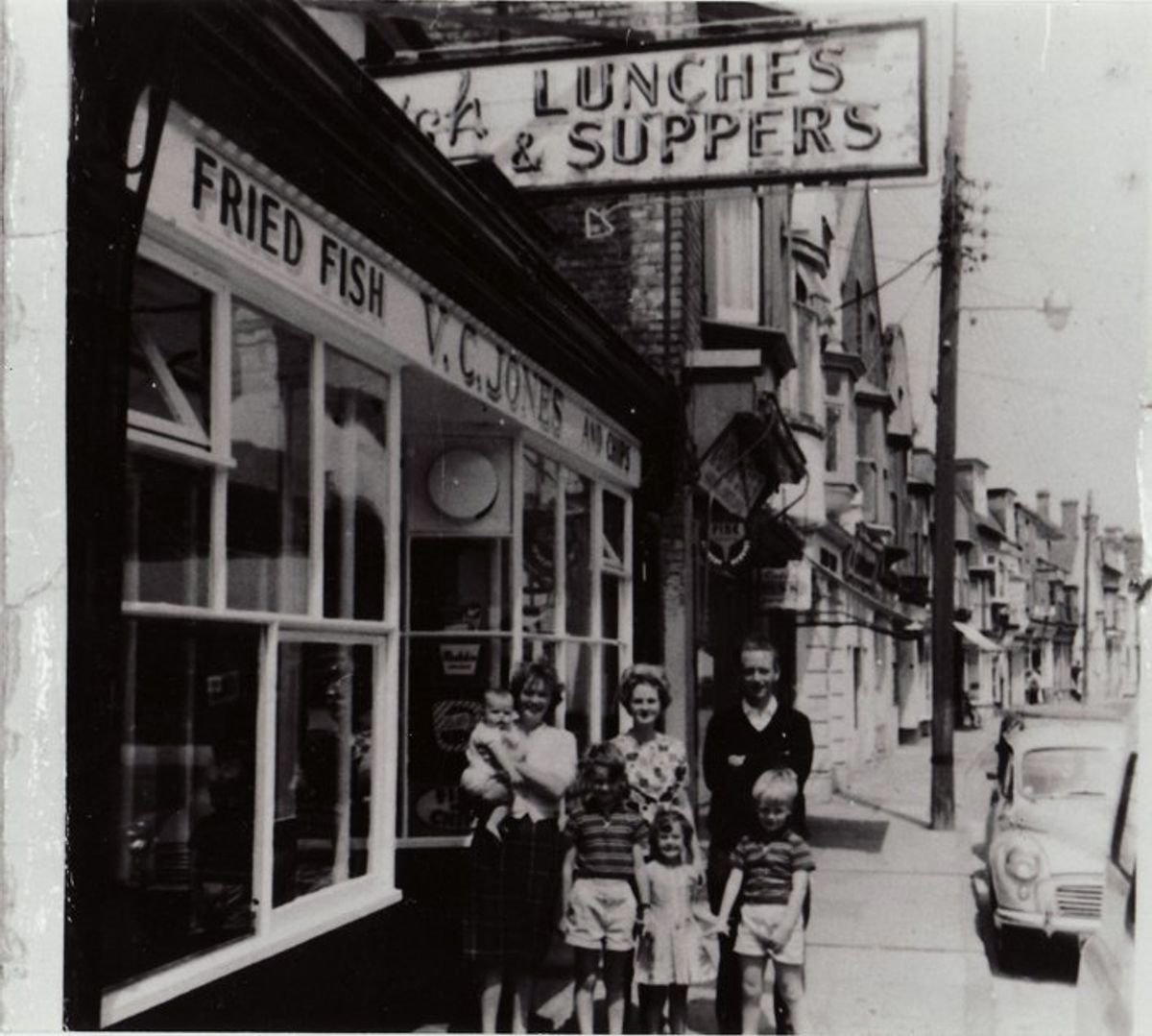
Whitstable's Harbour Street and the Logic of Eating by the Water
V C Jones is a casual restaurant serving Classic British Fish & Chips at 25 Harbour Street, Whitstable, with an average price of about $15 per person. Harbour Street in Whitstable operates on a different clock from the rest of Kent. By mid-morning the fishing boats have already done their work, and by the time lunch service begins, the distance between catch and kitchen is measured in minutes rather than days. This is the fundamental argument for eating on this stretch of coast: not novelty, but proximity. V C Jones sits at 25 Harbour Street, inside a town whose relationship with oysters, whelks, and seasonal fish predates the Victorian era that first made Whitstable fashionable with London day-trippers.
The street itself functions as a concentrated dining corridor, drawing visitors from Canterbury (roughly eight miles inland) and from London via the direct rail connection that makes Whitstable one of the more accessible coastal destinations from the capital. That accessibility has shaped the town's dining culture over the past two decades, raising expectations without entirely displacing the working-harbour character that gives the place its identity. What you eat on Harbour Street should reflect what the sea outside is actually producing, that tension between local supply and visitor expectation is the defining dynamic of the whole area.
The Cultural Weight of the Whitstable Oyster
No ingredient carries more cultural freight along this stretch of coastline than the native oyster. Whitstable natives (Ostrea edulis) have been harvested from the beds offshore since Roman times, and the town's identity has been inseparable from the oyster trade ever since. The Whitstable Oyster Company formalized that trade across the nineteenth century, and the annual Oyster Festival, running every July, signals how deeply the shellfish is embedded in local self-understanding. For any kitchen operating on Harbour Street, the oyster is not merely a menu item but a point of cultural accountability: to serve something other than local product at this address would read as a kind of deliberate indifference to place.
That cultural pressure extends beyond oysters to the broader category of Kent coastal seafood. The county's position at the southeastern tip of England, where the North Sea meets the English Channel, produces a particular catch profile: dover sole, skate, sea bass, and crab alongside the shellfish for which the area is better known. Restaurants across this shoreline have increasingly organized their menus around this supply, a pattern visible not just in Whitstable but in the broader Kent coastal dining scene that stretches toward Folkestone and Dungeness. The hide and fox in Saltwood represents one end of that coastal Kent spectrum, a more formal, technique-led approach to local seafood, while Whitstable's Harbour Street offers a rawer, less processed version of the same underlying argument about place and ingredient.
Where V C Jones Sits in the Canterbury Area Scene
Canterbury's dining options have grown in range and ambition over the past decade, but the city itself sits inland, which means its seafood offer is necessarily a step removed from source. V C Jones, by contrast, operates from one of the county's most literal farm-to-table (or in this case, harbour-to-table) positions. That geographical distinction gives Whitstable restaurants a structural advantage in one specific category, fresh shellfish and day-boat fish, that no inland Canterbury address can replicate regardless of supply chain investment.
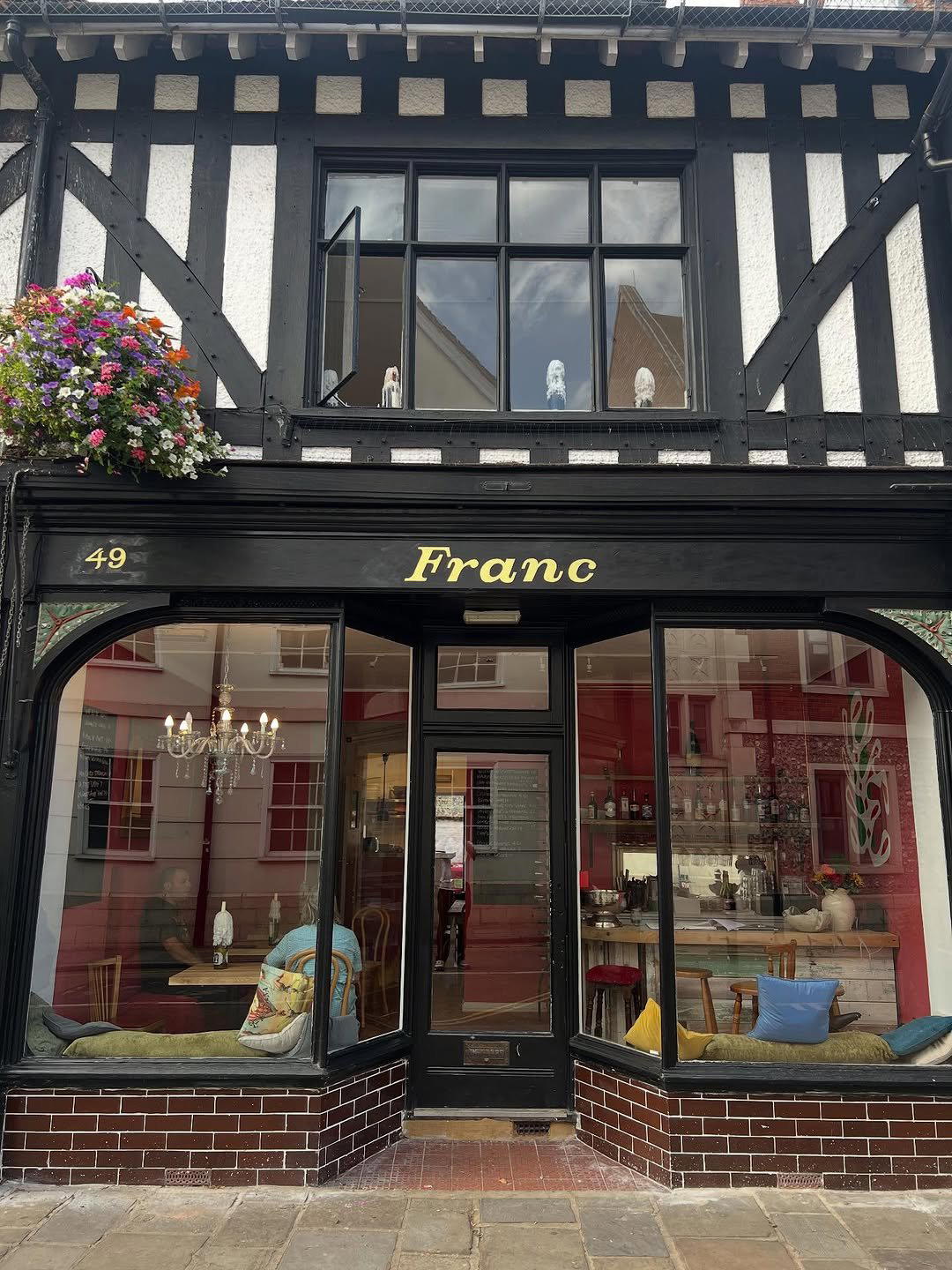
Within Canterbury's broader restaurant scene, the contrast with city-centre options is instructive. Franc works within a French bistro tradition that foregrounds technique and wine, while Samphire and The Goods Shed each make their own claims on local produce and market-driven cooking. The restaurant operates in a different register from all of them: the coastal address is not incidental to the offer but the entire organizing principle.
That positioning places Whitstable dining within a wider national pattern of coastal destination restaurants that have moved beyond the fish-and-chip model without abandoning the ingredient logic that underpins it. The shift visible across British coastal dining over the past fifteen years, from casual seaside eating toward more considered, produce-led cooking that still honours the informality of the setting, is legible in towns from Padstow to Whitby. Whitstable's version of that shift is distinguished by the oyster's singular cultural weight and by the town's unusually direct transport links, which sustain a year-round visitor base rather than a purely seasonal trade.
The Broader Context: British Coastal Dining and What It Takes to Do It Well
At the upper end of British restaurant cooking, coastal and rural addresses have generated particularly discussed tables of the past decade. Waterside Inn in Bray, L'Enclume in Cartmel, and Moor Hall in Aughton each demonstrate how a specific sense of place, expressed through sourcing, setting, and menu architecture, can anchor a restaurant's identity more durably than any individual chef's biography. Further afield, Gidleigh Park in Chagford and Ynyshir Hall in Machynlleth make similar arguments from their own landscapes. What connects these addresses is not format or price point but conviction about place as the primary ingredient.
The restaurant operates at a more casual price point than those destination restaurants, but the underlying argument is the same: the address should be doing work that no amount of importing or substitution could replicate. Harbour Street in Whitstable makes that argument more legibly than almost any inland address could. For visitors approaching from London, whether direct by rail or via Canterbury, the short detour to the coast is the difference between eating seafood and eating this seafood, at this address, sourced from these specific waters. That distinction is the whole case for making the trip. Comparable destination thinking at different price and formality levels can be seen at Hand and Flowers in Marlow, Midsummer House in Cambridge, CORE by Clare Smyth in London, Opheem in Birmingham, Restaurant Andrew Fairlie in Auchterarder, Le Manoir aux Quat' Saisons in Great Milton, and internationally at Le Bernardin in New York City and Lazy Bear in San Francisco.
Planning a Visit
Whitstable is accessible from London Victoria and London St Pancras via direct and connecting services to Whitstable station, with journey times from roughly ninety minutes depending on service. From Canterbury city centre, the drive takes under twenty minutes, making a combined Canterbury-Whitstable day a reasonable itinerary for visitors to the area. Harbour Street is walkable from Whitstable station in under ten minutes. The restaurant is open Tuesday to Saturday from 11:30 AM to 8 PM, and Sunday from 12 PM to 6 PM; it is closed Monday.
Price and Positioning
Comparable venues nearby, for context on price, style, and recognition.
| Venue | Cuisine | Price | Notes |
|---|---|---|---|
| V C JonesThis venue — the venue you are viewing | Not listed | $$ | Not listed |
| Samphire | Not listed | $$ | Whitstable High Street, Modern British Kentish Bistro |
| The Goods Shed | Not listed | $$ | Canterbury West, Seasonal British Gastropub |
| Harbour Street Tapas | Harbour Street, Dining | $$ | Not listed |
| Franc | Northgate, French Bistro | $$$ | Not listed |
Continue exploring
More in Canterbury
Restaurants in Canterbury
Browse all →
Bars in Canterbury
Browse all →
Hotels in Canterbury
Browse all →





At a Glance
- Classic
- Cozy
- Casual Hangout
Current opening hours
- Monday
- Closed
- Tuesday
- 11:30 AM–8 PM
- Wednesday
- 11:30 AM–8 PM
- Thursday
- 11:30 AM–8 PM
- Friday
- 11:30 AM–8 PM
- Saturday
- 11:30 AM–8 PM
- Sunday
- 12–6 PM
Hours can change for holidays and private events. Last verified .
Traditional, no-frills atmosphere of a classic British chippy with a cozy, nostalgic feel.