The Sportsman







1 Michelin Star · La Liste Top Restaurants · National Restaurant Awards Top 100 #58
Our verdict
A Michelin-starred pub two miles west of Whitstable, The Sportsman has spent more than 24 years proving that serious cooking and a sea-battered Kent pub are not contradictions. Under chef Dan Flavell, a five-course tasting menu built on estuary fish, local game, and marsh-grown produce delivers a level of technical assurance that draws diners from across the country — at prices that make London's comparable tier look unreasonable.

Pearl is the En Primeur Club membership app — saves, bookings, and concierge access live there. Same editors, same standards.
- Address
- Faversham Rd, Seasalter, Whitstable CT5 4BP, United Kingdom
- Phone
- +44 1227 273370
- Hours
- Mon ClosedTue–Sat 12–4:30 PM, 6:30–11 PMSun 12:30–5 PM
- Website
- thesportsmanseasalter.co.uk
- Directions
- Get directions
- Booking
- Book on OpenTable
The menu
What to order
- Slip_sole_with_seaweed_butter
A Pub by the Sea Wall — and What That Actually Means
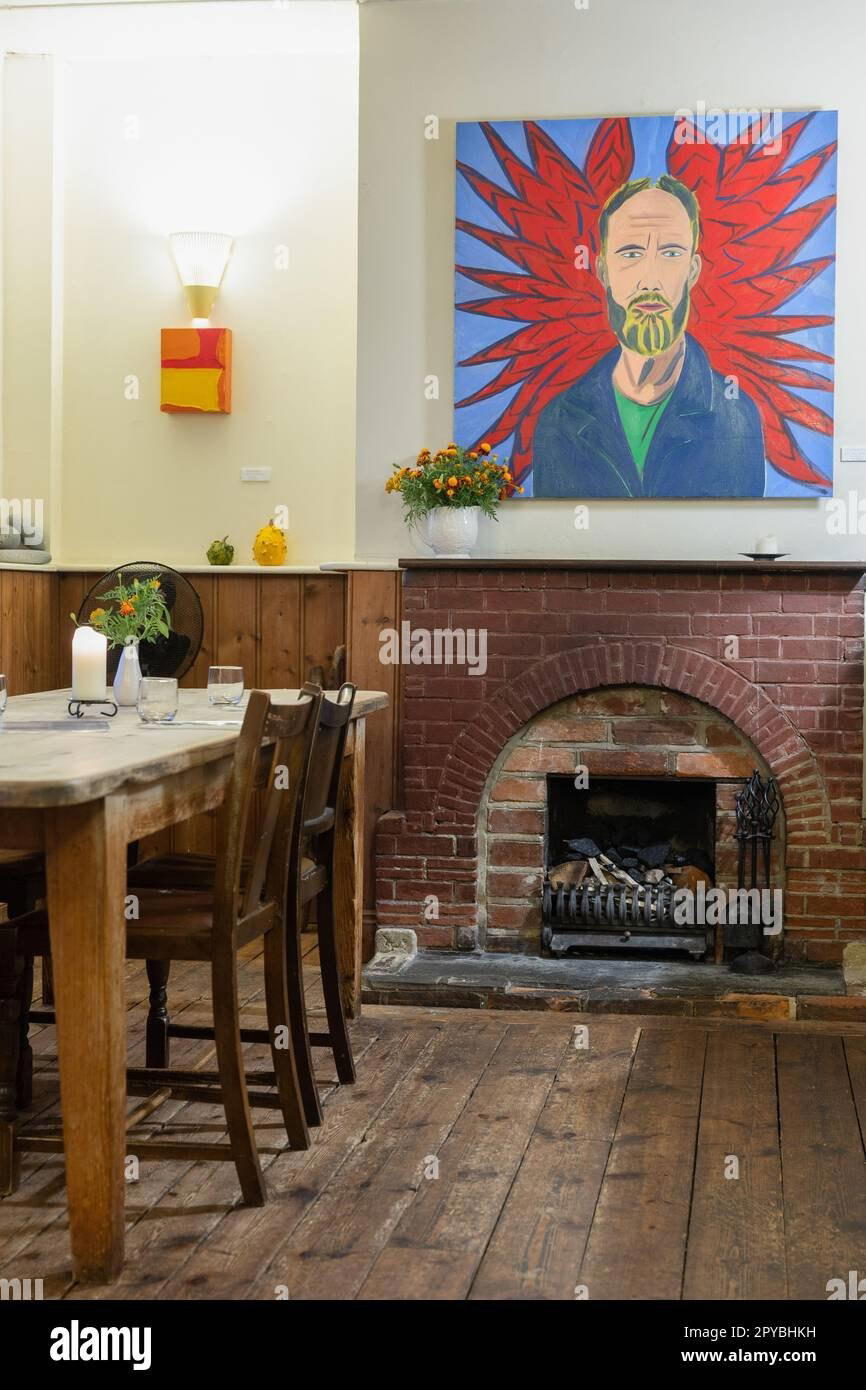
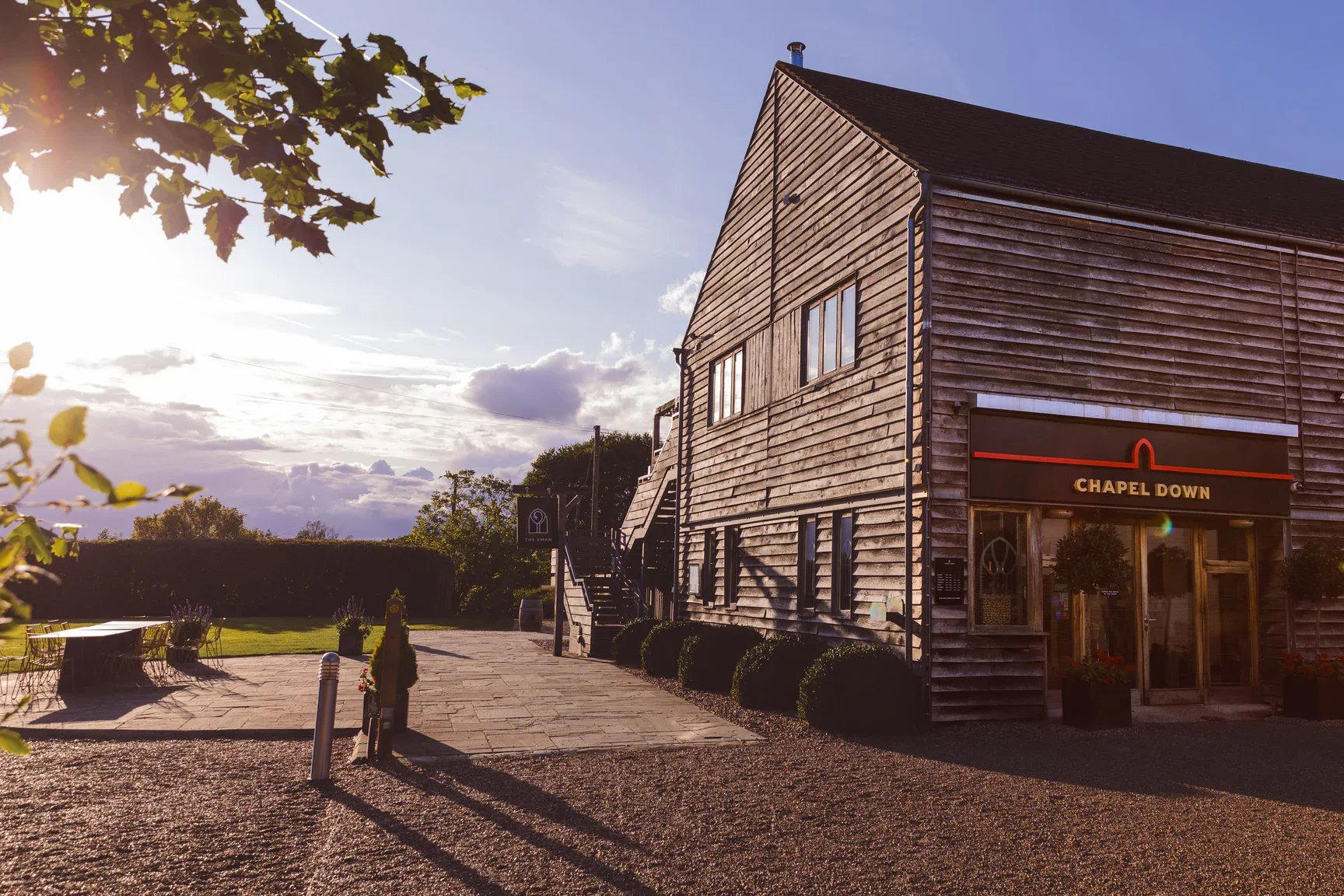
The road from Whitstable to Seasalter runs flat and exposed, with the Thames Estuary visible on one side and salt marshes stretching out on the other. The Sportsman sits at the end of it, pressed up against a sea defence wall, its exterior making no effort to announce itself. This is deliberate. The gap between what the building promises and what the kitchen delivers is, at this point, part of the experience. An inn has stood on the site since 1642, and the scrubbed, open-fire interior still reads as a Kent pub first and a destination restaurant second — which is precisely the point that much of British gastronomy has been trying to make for three decades.
The gastropub movement that began in London in the early 1990s was, at its core, an argument about where serious cooking could happen. The Sportsman, which has held a Michelin star since 2008 and currently sits at 86.5 points in the La Liste rankings, extends that argument further than most: it places the cooking in a genuinely working-class building, in a village most of its diners have to look up on a map, and charges prices, £££ rather than the £££££ expected at comparable technical level, that make CORE by Clare Smyth or The Ledbury feel like a different category of proposition. The Sportsman is not the only restaurant making this case, The Hand and Flowers in Marlow and hide and fox in Saltwood occupy adjacent ground, but it may make it most convincingly.
What the Estuary Puts on the Plate
Relationship between The Sportsman's kitchen and its immediate geography is not a marketing construct. The Thames Estuary produces fish and oysters of genuine quality; the adjacent marshes, woodlands, and soils supply meat, game, and vegetables. Head chef Dan Flavell, interpreting co-owner Stephen Harris's ingredients-led approach, works with a supply chain that is partly defined by what can be seen from the car park. That proximity sets a ceiling on what needs to be done in the kitchen: the cooking at this level is about restraint and alignment rather than transformation.
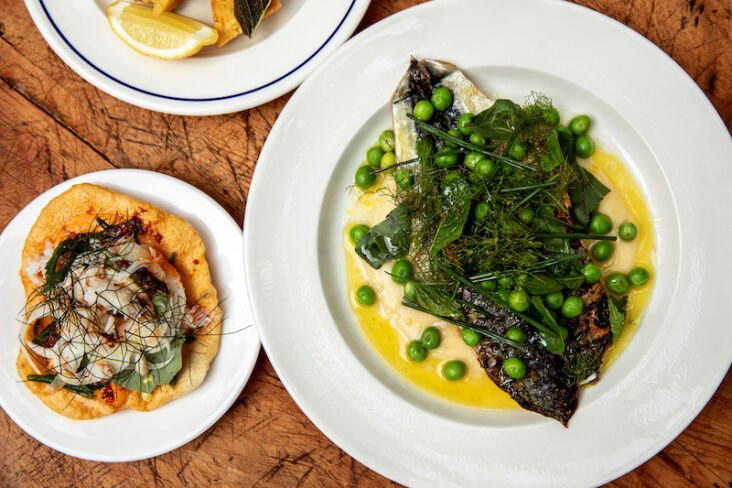
Five-course tasting menu, which includes snacks and offers choice at each stage, moves between estuary produce and land ingredients without making a ceremony of either. Poached oysters in a light beurre blanc sit alongside dishes built around pork, game, and seasonal vegetables, the kitchen matching technical complexity to the demands of each ingredient rather than applying a uniform register. The slip sole grilled in seaweed butter, a dish that has been widely referenced and replicated, illustrates the approach: it is a simple technique applied to an excellent piece of fish, and the result is something that holds up against far more elaborate preparations elsewhere. Braised halibut with cep and lemon verbena sauce, maple-cured charred pork with wholegrain mustard tartare and gooseberries, intensely flavoured roast beetroot with raspberries and raw crème fraîche: the menu demonstrates that the kitchen keeps pace with contemporary British cooking without chasing its clichés.
Desserts follow the same logic. A raspberry soufflé with raspberry ripple ice cream is not a technically showy finale, but it lands with the kind of clarity that more complicated conclusions often miss. The cooking, across the board, prioritises balance and flavour alignment over spectacle, a choice that reflects both the setting and a consistent editorial position about what cooking in this register should actually do.
The Gastropub Argument at Full Volume
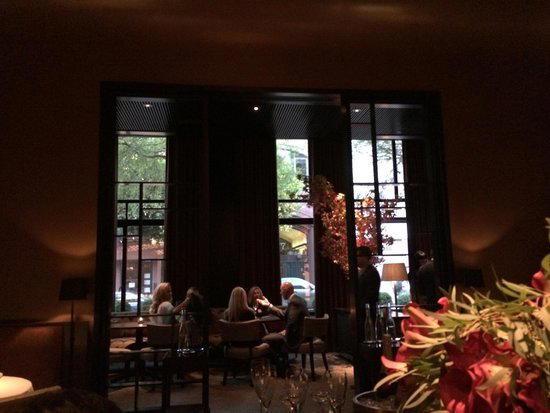
What separates The Sportsman from the bulk of the UK's Michelin-starred estate is not the quality of the cooking alone, there are technically superior kitchens in Britain, including L'Enclume in Cartmel and Moor Hall in Aughton, but the coherence between the building, the food, the price, and the hospitality. These elements do not pull against each other, which is rarer than it should be. The wine list is, by the account of multiple regular visitors, priced at a margin that fine-dining restaurants in London rarely attempt. The staff operate without the formality that can make a three-hour tasting menu feel like a test. The interior, scrubbed wood, open fires, the faint sound of the sea, does not perform rusticity; it simply is what it is.
This coherence has drawn diners for more than 24 years and produced a booking position, months ahead for most sittings, that would be notable for a city restaurant and is near-extraordinary for a pub in a Kentish village of a few hundred people. Le Manoir aux Quat'Saisons, Gidleigh Park, and Restaurant Andrew Fairlie operate in broadly comparable destination-dining territory, but with country house infrastructure and pricing to match. The Sportsman's position in that conversation, from a building that looks like it should be serving chips and a pint, remains the clearest possible statement about what the gastropub revolution was actually for.
For broader context on where this fits within the Modern British tradition, the contrast with the urban end of the category is instructive. The Ritz Restaurant, Midsummer House, and Opheem each frame the category through setting and ceremony. The Sportsman strips both back and asks whether the food can carry the room on its own terms. Over two-plus decades, the answer has been consistent.
Planning the Visit
The Sportsman is on Faversham Road in Seasalter, approximately two miles west of Whitstable in Kent. The closest rail connection is Whitstable station on the Southeastern mainline from London St Pancras, with a taxi or short drive required from there. Driving from London takes roughly 75 to 90 minutes depending on traffic, and the car park, which has, on occasion, hosted a McLaren among the Volvos, fills quickly on weekend lunch service.
The kitchen operates Tuesday through Saturday from noon to 4:30 PM and 6:30 PM to 11 PM, with Sunday lunch running from 12:30 PM to 5 PM. The restaurant is closed on Mondays. Bookings fill months in advance, particularly for Friday and Saturday evenings; Tuesday and Wednesday lunch sittings are the most accessible entry point for those without lead time. Wooden cabins in the garden are available for overnight stays, which converts the trip into a full coastal itinerary rather than a there-and-back from London.
For everything else the area has to offer, see our full Seasalter restaurants guide, our Seasalter hotels guide, our Seasalter bars guide, our Seasalter wineries guide, and our Seasalter experiences guide.
Frequently asked questions
What is the overall feel of The Sportsman?
If you arrive expecting the staging typical of a Michelin-starred room, formal tablecloths, reverential service, a wine list deployed as a status instrument, you will need to recalibrate. If you are comfortable with open fires, unselfconscious staff, and a room that looks and sounds like a pub, the food will exceed almost any expectation you bring.
What should you order at The Sportsman?
Order the five-course tasting menu. The slip sole grilled in seaweed butter is the dish most associated with the kitchen, it has been referenced and replicated widely enough to function as a benchmark, and the oyster course and any halibut preparation reflect the estuary supply chain at its most direct. The tasting format, which includes snacks and meaningful choice at each stage, is the most complete way to read what the kitchen is doing across its full range of ingredients and techniques.
Is The Sportsman suitable for children?
The pub setting and relaxed hospitality style make it considerably more accessible for families than most restaurants operating at this price and award level in the UK.
A Quick Peer Check
Comparable venues nearby, for context on price, style, and recognition.
| Venue | Cuisine | Price | Awards | Notes |
|---|---|---|---|---|
| The SportsmanThis venue — the venue you are viewing | Michelin-Starred British Gastropub | $50–100 | 1 Michelin Star · La Liste Top Restaurants | Not listed |
| Trinity | Modern British Fine Dining | $100–150 | 1 Michelin Star · Star Wine List | Clapham |
| Fordwich Arms | Modern British Fine Dining | $100–150 | 1 Michelin Star · AA Rosettes 3 Rosettes | Fordwich |
| The Harwood Arms | Michelin-Starred British Gastropub | $50–100 | 1 Michelin Star · The Good Food Guide GFG Very Good | Walham Green |
| Woven by Adam Smith | Modern British Fine Dining | $150–200 | 1 Michelin Star · La Liste Top Restaurants | Ascot |
| Aulis London | Modern British Chef's Table | $150–200 | 1 Michelin Star · Star Wine List | Soho |
Recognition history
Dated appearances from independent guides and award organizations, with the underlying list record or original source where available.
Michelin 1 Star
Michelin
La Liste Top Restaurants
La Liste
National Pub & Bar Awards Industry's Choice Award Top 10 #7
National Pub & Bar Awards
National Restaurant Awards Top 100 #58 · No. 58
National Restaurant Awards · 2026 National Restaurant Awards Top 100
Opinionated About Dining Top Restaurants in Europe Recommended
Opinionated About Dining
Full recognition history (15 entries)
SquareMeal UK Top 100 Restaurants #38
SquareMeal
Top 50 Gastropubs 2026 Estrella Damm Top 100 Gastropubs #26
Top 50 Gastropubs
La Liste Top Restaurants
La Liste
Michelin 1 Star
Michelin
National Restaurant Awards Top 100 #34
National Restaurant Awards
Opinionated About Dining Top Restaurants in Europe Ranked #309
Opinionated About Dining
The Good Food Guide GFG World Class
The Good Food Guide
Michelin 1 Star
Michelin
Opinionated About Dining Top Restaurants in Europe Ranked #192
Opinionated About Dining
Opinionated About Dining Top New Restaurants in Europe Ranked #148
Opinionated About Dining
Continue exploring
More in Seasalter
Restaurants in Seasalter
Browse all →
Bars in Seasalter
Browse all →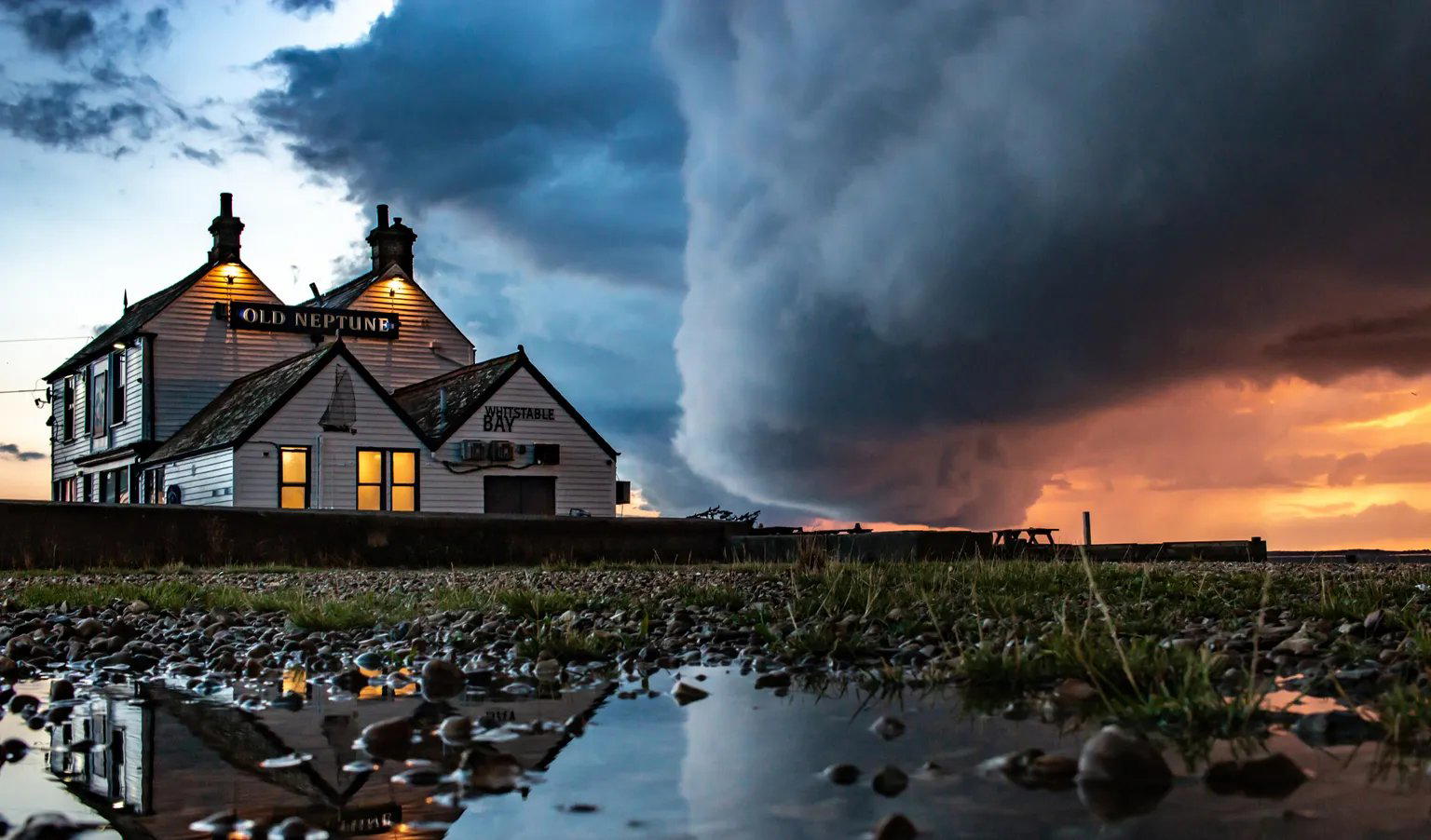
Hotels in Seasalter
Browse all →



Details
- Cozy
- Rustic
- Relaxed
- Special Occasion
- Date Night
- Standalone
- Historic Building
- Extensive Wine List
- Local Sourcing
- Waterfront
- Tasting Menu
- A La Carte
Current opening hours
- Monday
- Closed
- Tuesday
- 12–4:30 PM, 6:30–11 PM
- Wednesday
- 12–4:30 PM, 6:30–11 PM
- Thursday
- 12–4:30 PM, 6:30–11 PM
- Friday
- 12–4:30 PM, 6:30–11 PM
- Saturday
- 12–4:30 PM, 6:30–11 PM
- Sunday
- 12:30–5 PM
Hours can change for holidays and private events. Last verified .
Relaxed and welcoming pub atmosphere with friendly, attentive service.