Samphire
Samphire sits on Whitstable's High Street, drawing on the coast's proximity to frame a menu shaped by what the sea and surrounding farmland yield. The restaurant operates within a Kent dining scene that has grown increasingly confident about its own larder, and Samphire is one of the more focused expressions of that direction. Booking ahead is advisable, particularly during the oyster season months.
Pearl is the En Primeur Club membership app — saves, bookings, and concierge access live there. Same editors, same standards.
- Address
- 4 High St, Whitstable CT5 1BQ, United Kingdom
- Phone
- +44 1227 770075
- Website
- samphirewhitstable.co.uk
- Directions
- Get directions
 Saves & bookings on Pearl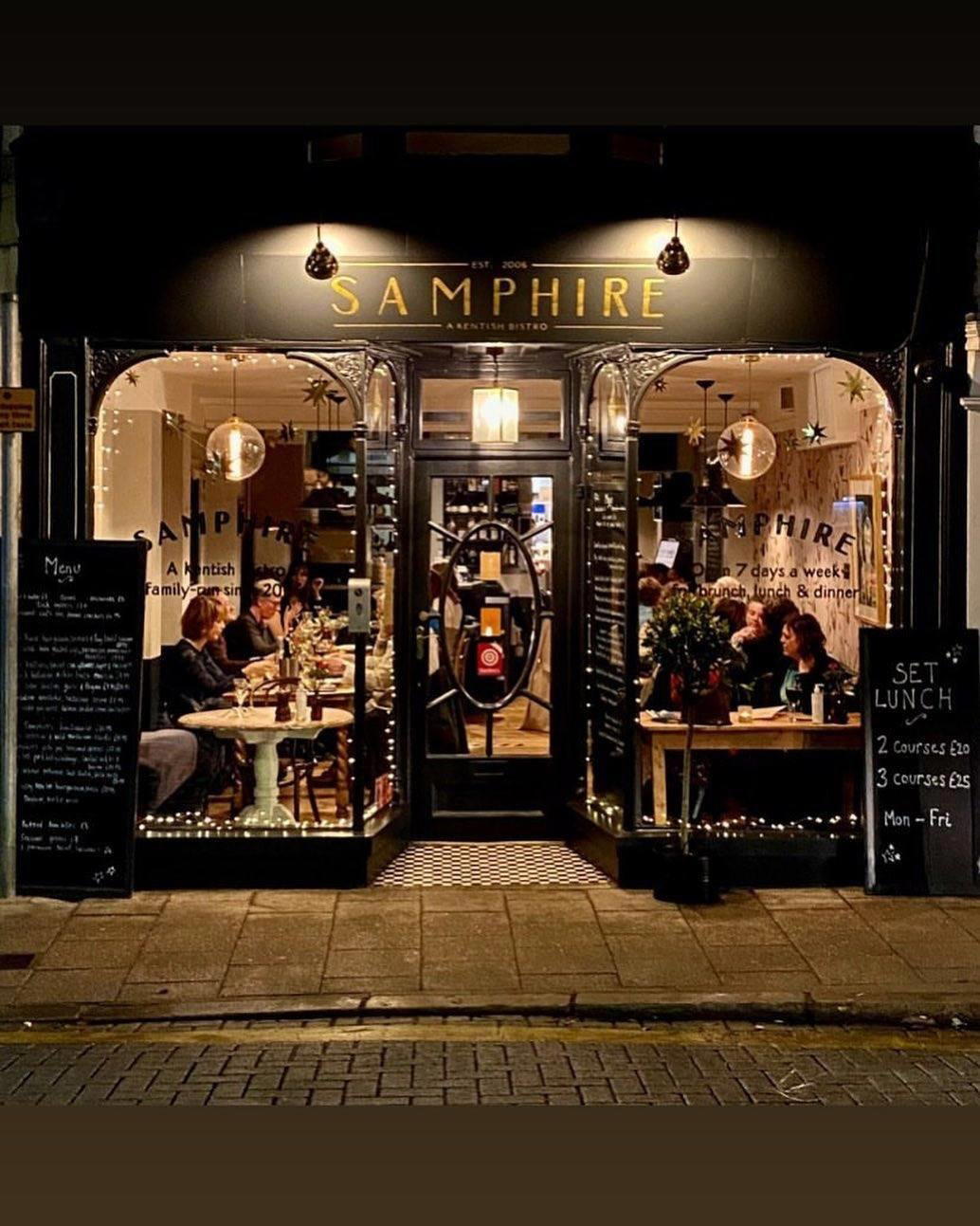
Where the Shoreline Meets the Plate
Samphire is a restaurant in Whitstable, United Kingdom, serving Modern British Kentish Bistro with a casual dress code and an essential reservation policy. The town sits on a stretch of the Kent coast where oyster beds have been commercially worked since Roman times, and the fishing boats that still come in at the harbour set the rhythm for how the town eats. Walking along the High Street toward number four, the smell of salt air is a reliable preview of what the kitchen will be drawing on. Samphire occupies that geography deliberately, positioning itself as a restaurant whose menu is shaped by what the surrounding coastline and farmland actually produce rather than what a supply catalogue might offer.
This matters more than it might seem. The ingredient-sourcing model that Samphire represents has become a marker of quality in British regional dining. In Kent, where the designation 'Garden of England' is backed by real agricultural density, proximity to source is an advantage that a restaurant either earns or squanders. The leading version of this approach connects the kitchen to a living supply chain: seasonal bivalves from the beds offshore, vegetables from farms on the North Downs, fish landed at the nearby harbour rather than trucked from a national distributor.
The Sourcing Logic Behind the Menu
The name itself is a signal. Samphire is a coastal plant, harvested from salt marshes and shingle beaches, and it has become one of the more recognisable emblems of a regional British kitchen that takes its geography seriously. Its appearance on menus from Le Manoir aux Quat' Saisons in the Oxfordshire countryside to hide and fox in Saltwood, just along the Kent coast, signals a kitchen paying attention to what the local environment yields. Naming a restaurant after it is a declaration of intent.
The sourcing-first approach that defines restaurants like Samphire connects to a broader shift in how serious British kitchens now operate. At the high end, places like L'Enclume in Cartmel and Moor Hall in Aughton have built their reputations substantially on their relationships with specific growers, fishermen, and foragers. The same logic operates at different price points: a coastal restaurant in Whitstable that takes its brief seriously has access to a supply chain that most urban kitchens would pay heavily to replicate. The question is always whether the kitchen has the discipline to build menus around what the season and the shoreline actually offer, rather than defaulting to what is easiest to obtain.
Whitstable's oysters are one obvious expression of that supply chain. The native flat oyster (Ostrea edulis) grown in the Swale estuary has been the town's defining export for centuries, and any restaurant on the High Street that ignores them is making a significant editorial choice. The Pacific rock oyster, farmed more intensively in the same waters, has extended the season and the availability, and together they give a kitchen working in this postcode a shellfish resource that few locations in the country can match. The same estuary and nearby coastal waters yield crab, lobster, and seasonal fish that shift with the calendar rather than the convenience of a year-round supplier.
Samphire in the Context of Canterbury Dining
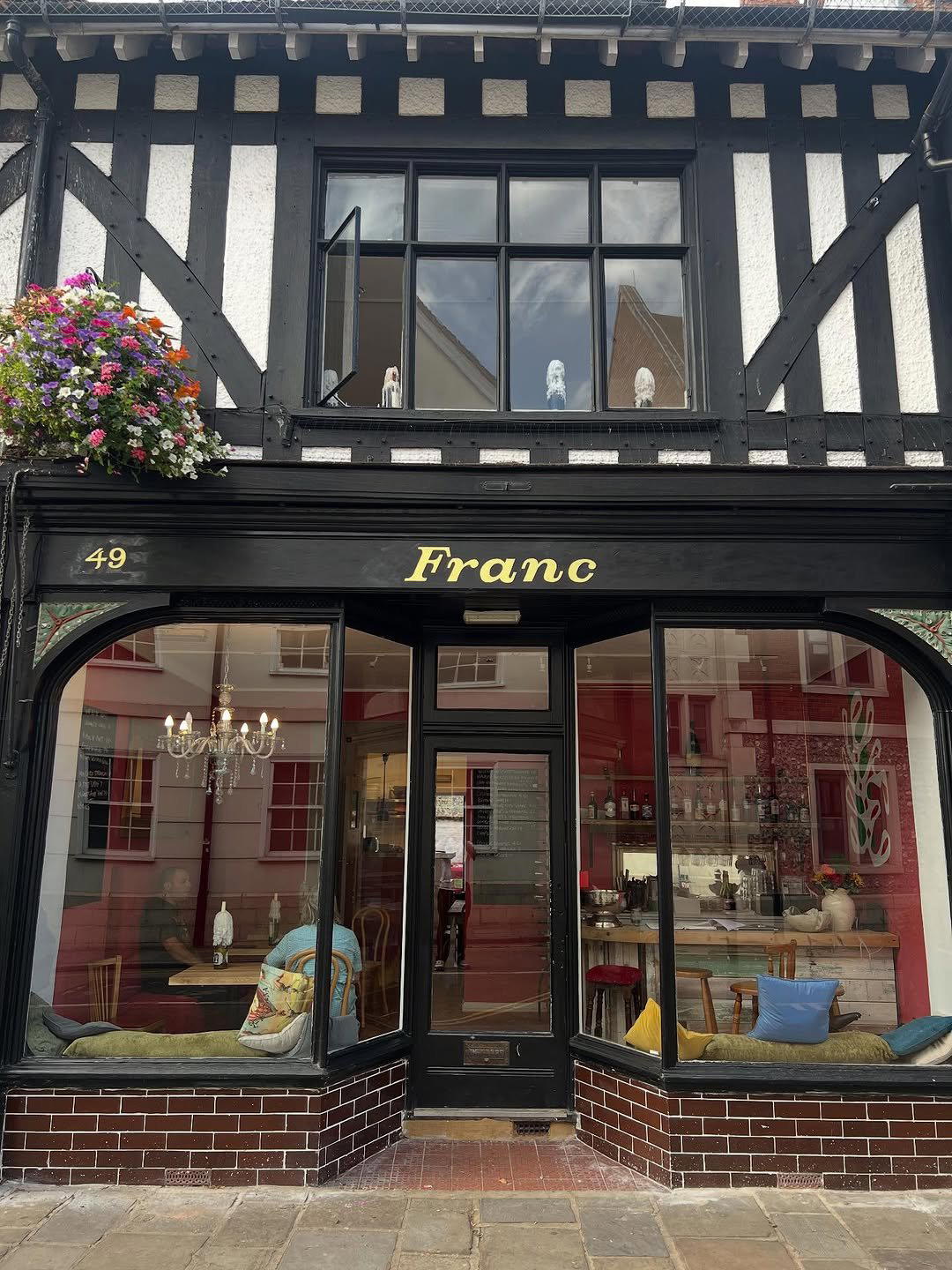
Canterbury and its surrounding towns have developed a more coherent dining identity over the past decade. The city itself now supports restaurants like Franc, which anchors the French end of the market, and The Goods Shed, a daily farmers' market and restaurant that operates on a similar ingredient-led philosophy. V C Jones adds further range.
Whitstable sits slightly outside Canterbury's immediate orbit but is close enough that it functions as part of the same extended dining geography. Day-trippers from London make up a significant share of the clientele at the town's better restaurants, particularly on weekends. That external audience has pushed quality standards upward while also creating pressure on tables during peak periods.
Among Kent's coastal restaurants, Samphire occupies a position that prioritises ingredient integrity over formal dining codes. This is a different register from the more ceremonial experiences available at Waterside Inn in Bray or Gidleigh Park in Chagford, and a different geography from the London fine dining circuit represented by CORE by Clare Smyth or the technique-forward work at Midsummer House in Cambridge. The relevant comparison is with regional restaurants that have made a clear commitment to the land and water around them.
Internationally, the coastal sourcing model Samphire represents has parallels in restaurants like Le Bernardin in New York City, where proximity to specific fisheries shapes the menu's ambition, and in the seasonal tasting formats of Lazy Bear in San Francisco, which builds around what Californian producers yield at a given moment. The approach is not distinctive to any one country; it is a philosophy that produces its leading results when a kitchen has the geographical good fortune to be near notable raw material.
Planning Your Visit
Samphire is located at 4 High Street in Whitstable, a short walk from the harbour and within easy reach of the town's main strip of independent shops and cafes. The Whitstable train station connects to Canterbury East, from which regular services run toward London.
Booking in advance is the sensible approach, particularly between May and September.
At-a-Glance Comparison
Comparable venues nearby, for context on price, style, and recognition.
| Venue | Cuisine | Price | Notes |
|---|---|---|---|
| SamphireThis venue — the venue you are viewing | Modern British Kentish Bistro | $$ | Not listed |
| The Goods Shed | Seasonal British Gastropub | $$ | Canterbury West |
| V C Jones | Classic British Fish & Chips | $$ | Canterbury City Centre |
| Franc | French Bistro | $$$ | Northgate |
| Harbour Street Tapas | Dining | $$ | Harbour Street |
Continue exploring
More in Canterbury
Restaurants in Canterbury
Browse all →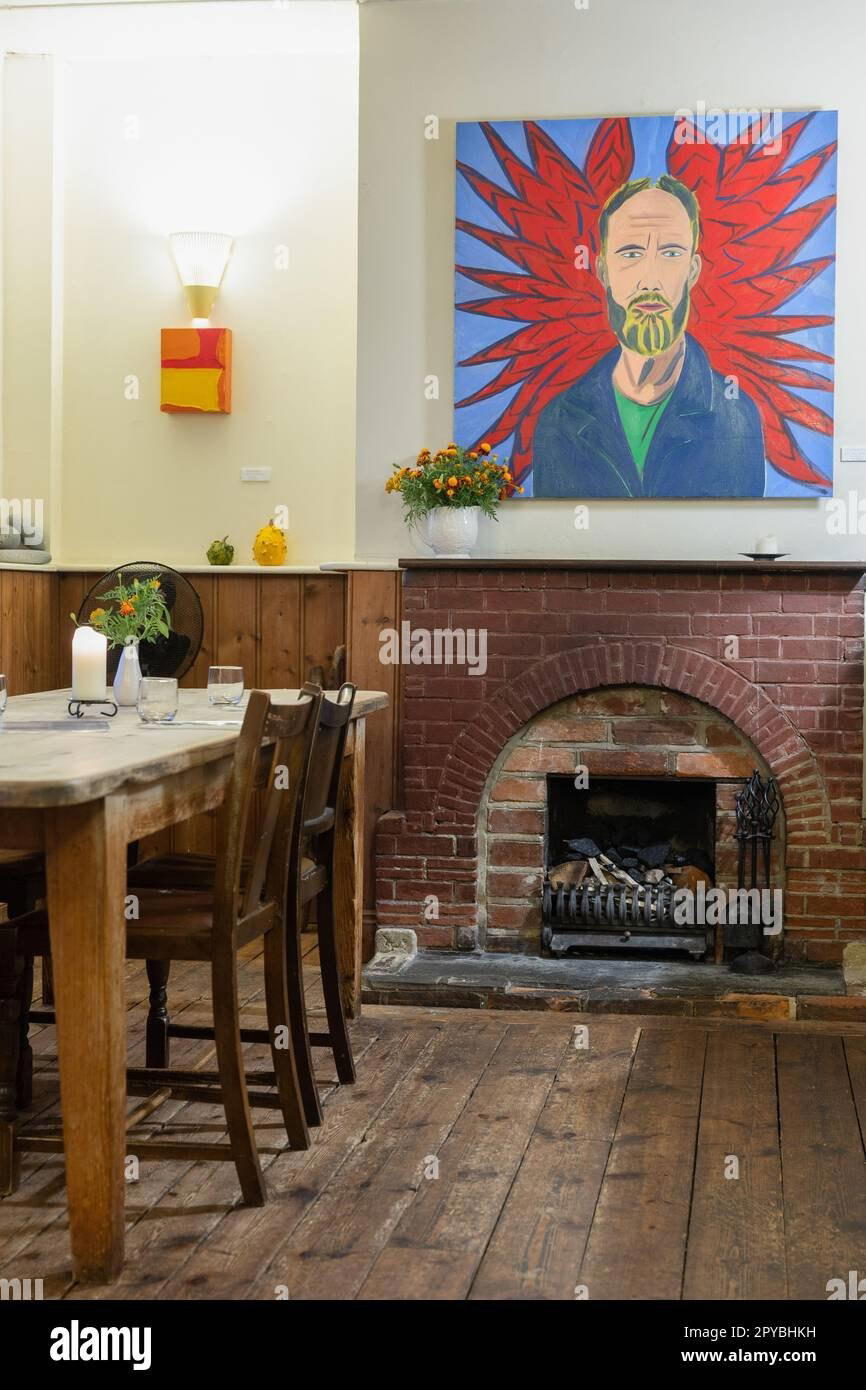
Bars in Canterbury
Browse all →
Hotels in Canterbury
Browse all →




At a Glance
- Cozy
- Rustic
- Intimate
- Casual Hangout
- Date Night
- Family
- Brunch
- Standalone
- Craft Cocktails
- Beer Program
- Farm To Table
- Local Sourcing
Current opening hours
- Monday
- 12–9 PM
- Tuesday
- 12–9 PM
- Wednesday
- 12–9 PM
- Thursday
- 12–9 PM
- Friday
- 12–9 PM
- Saturday
- 12–9 PM
- Sunday
- 12–9 PM
Hours can change for holidays and private events. Last verified .
Welcoming and relaxed with twinkling fairy lights, fresh flowers on each table, and a pretty space that encourages guests to linger over wine and conversation.