Whitstable Oyster Company

The Whitstable Oyster Company sits directly above its own working oyster farm on Horsebridge Road, making the gap between sea and plate shorter here than almost anywhere on the Kent coast. Holding the Michelin Plate in both 2024 and 2025, it serves the town's native oysters in their natural state alongside a short, catch-led menu of fish and shellfish with estuary views from a large terrace. Priced at ££, it is one of the more honest arguments for eating where the food actually comes from.
Pearl is the En Primeur Club membership app — saves, bookings, and concierge access live there. Same editors, same standards.
- Address
- Horsebridge Rd, Whitstable CT5 1BU, United Kingdom
- Phone
- +44 1227 276856
- Website
- whitstableoystercompany.com
- Directions
- Get directions
 Saves & bookings on Pearl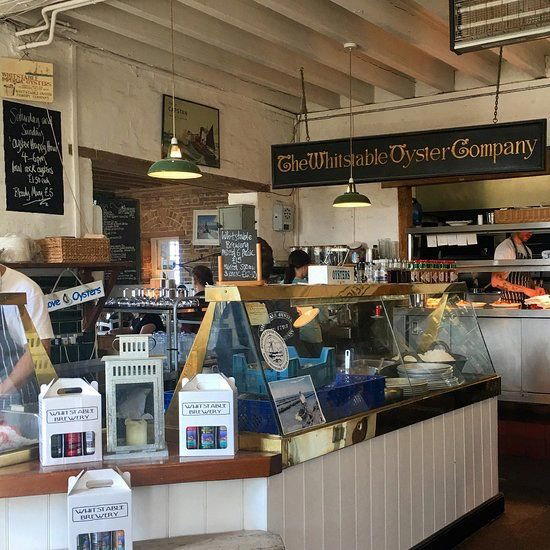
Where the Farm Ends and the Kitchen Begins
Arriving at Horsebridge Road, the sequencing is unusually literal. The oyster beds sit in the tidal flats immediately in front of the building; the restaurant is behind them. That physical proximity, farm to kitchen in metres rather than miles, is the central fact around which everything at the Whitstable Oyster Company organises itself. In a broader context where sourcing claims have become standard marketing language, this is one of the rare situations where the supply chain is visible from the dining room.
The town of Whitstable has been associated with oyster cultivation since Roman times, and the flat, mineral-rich waters of the Thames Estuary continue to produce what many shellfish buyers consider among the more characterful native oysters in England. The Whitstable Oyster Company operates the family's own farm directly outside the restaurant, which means the oysters on the menu have not been transported or held in a depot. Freshness here is a structural condition rather than a kitchen aspiration.
The Oysters: What the Menu Is Actually About
Britain's oyster-eating culture has long been divided between those who treat the mollusc as a vehicle for mignonette, Tabasco, and lemon and those who argue that any additive competes with the brine. The Whitstable Oyster Company's menu offers both positions without forcing a choice. Oysters are available natural, the starkest reading of the estuary's mineral signature, alongside 'Royale' and 'Rockefeller' preparations, the latter a cooked format with butter, herbs, and breadcrumb that suits those who prefer their first oyster to have a gentler entry point.
The Michelin Plate recognition in 2025 reflects consistent kitchen execution rather than transformative technique, which is precisely the right alignment for what the kitchen is trying to do. Michelin's Plate designation acknowledges good cooking without suggesting that the kitchen is aiming at starred complexity.
Beyond Oysters: The Catch-Led Menu
The broader approach to sourcing that defines the oyster programme extends to the rest of the menu. Gilthead bream and Dover sole appear according to what is available, prepared with minimal intervention. The Kent coast's proximity to the channel grounds gives the kitchen access to the same catch that reaches London's fish markets, but here the transport leg is shorter and the menu is written accordingly, around what the boats have brought in rather than a fixed format that has to be maintained year-round.
This positions the restaurant within a recognisable tradition of British seaside cooking where the menu's authority comes from the supply chain rather than from culinary elaboration. That approach has deep roots along the English coast, and it sits in deliberate contrast to the technically driven, produce-as-canvas style practised at destinations like L'Enclume in Cartmel or Moor Hall in Aughton. Neither approach is better; they are asking different questions, and the restaurant's answer, cook the fish properly and step aside, is a coherent one.
For readers interested in how Italian coastal kitchens handle a similar philosophy, the comparison with Gambero Rosso in Marina di Gioiosa Ionica or Alici on the Amalfi Coast is instructive. All three operate on the principle that proximity to source is its own culinary argument.
The Terrace and the Setting
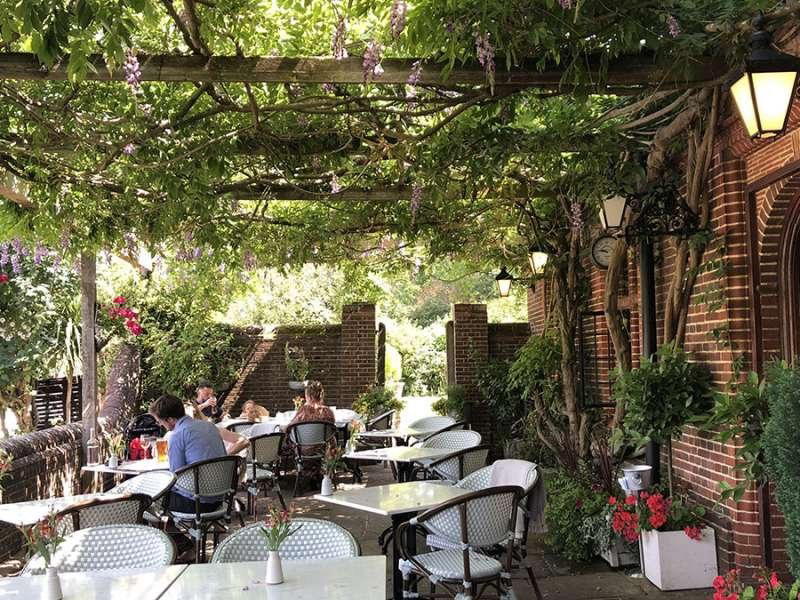
The large terrace at Horsebridge Road is a functional part of the experience, not an afterthought. Views across the estuary give the meal its spatial context: the water you are looking at is the water the oysters came from. On a clear day, that view extends across the Thames Estuary towards the Essex marshes. Seasonally, this is the kind of setting that makes a table in mid-summer different from a table in February, both in atmosphere and in what the menu reflects from the previous tide. The terrace capacity makes this one of the larger outdoor dining propositions in Whitstable, which is worth factoring into timing; the restaurant draws significant numbers during summer weekends and bank holidays.
Pricing, Booking, and Practical Notes
The ££ price range places the restaurant in the accessible mid-market tier for Whitstable dining, meaningful given that the town draws visitors willing to spend at higher levels. That pricing makes it relevant to a broad range of itineraries.4 from 2,199 reviews suggests consistent delivery across a large and varied customer base.
For those building a broader UK coastal or regional dining itinerary, the restaurant sits at a different point on the ambition spectrum from destination restaurants such as The Fat Duck in Bray, The Ledbury in London, Gidleigh Park in Chagford, or Le Manoir aux Quat' Saisons in Great Milton. It belongs to a different argument, that one direct route to a good plate of seafood is the shortest one between the water and the table.
Quick Comparison
Comparable venues nearby, for context on price, style, and recognition.
| Venue | Cuisine | Price | Awards | Notes |
|---|---|---|---|---|
| Whitstable Oyster CompanyThis venue — the venue you are viewing | Traditional British Seafood & Oysters | $$$ | Michelin Plate | Not listed |
| Wheelers Oyster Bar | Modern British Seafood | $$$ | Not listed | High Street |
| The Sportsman | Michelin-starred Modern British gastropub by the sea | $$$ | Not listed | Seasalter |
| JoJo’s | Mediterranean Meze & Grill | $$ | Not listed | Tankerton |
| Junior's Cafe & Deli | British Cafe & Deli | $$ | Not listed | Whitstable |
| Harbour Street Tapas | Authentic Spanish Tapas | $$$ | Not listed | Whitstable |
Recognition history
Dated appearances from independent guides and award organizations, with the underlying list record or original source where available.
Michelin Plate
Michelin
Michelin Plate
Michelin
Michelin Plate
Michelin
Continue exploring
More in Whitstable
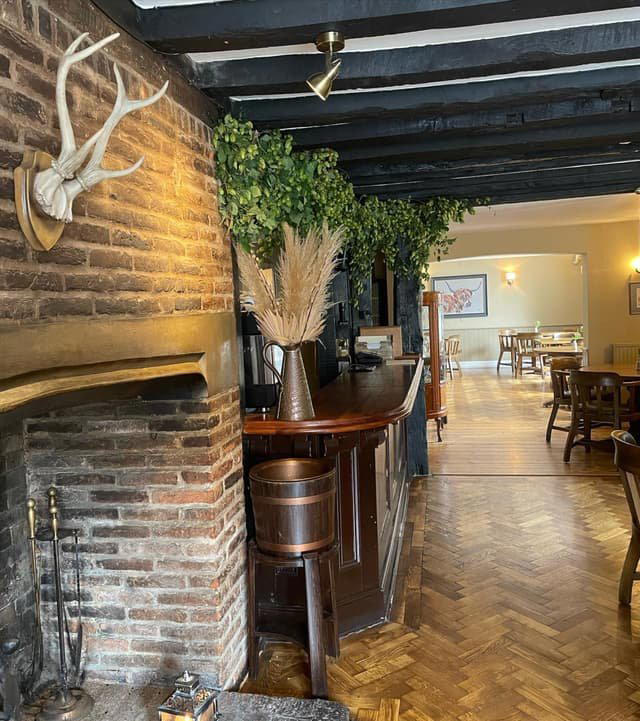
Restaurants in Whitstable
Browse all →
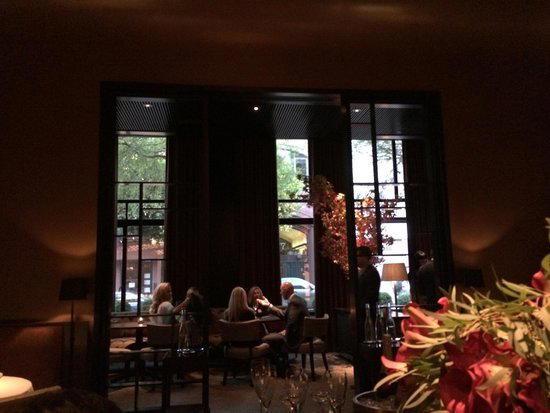
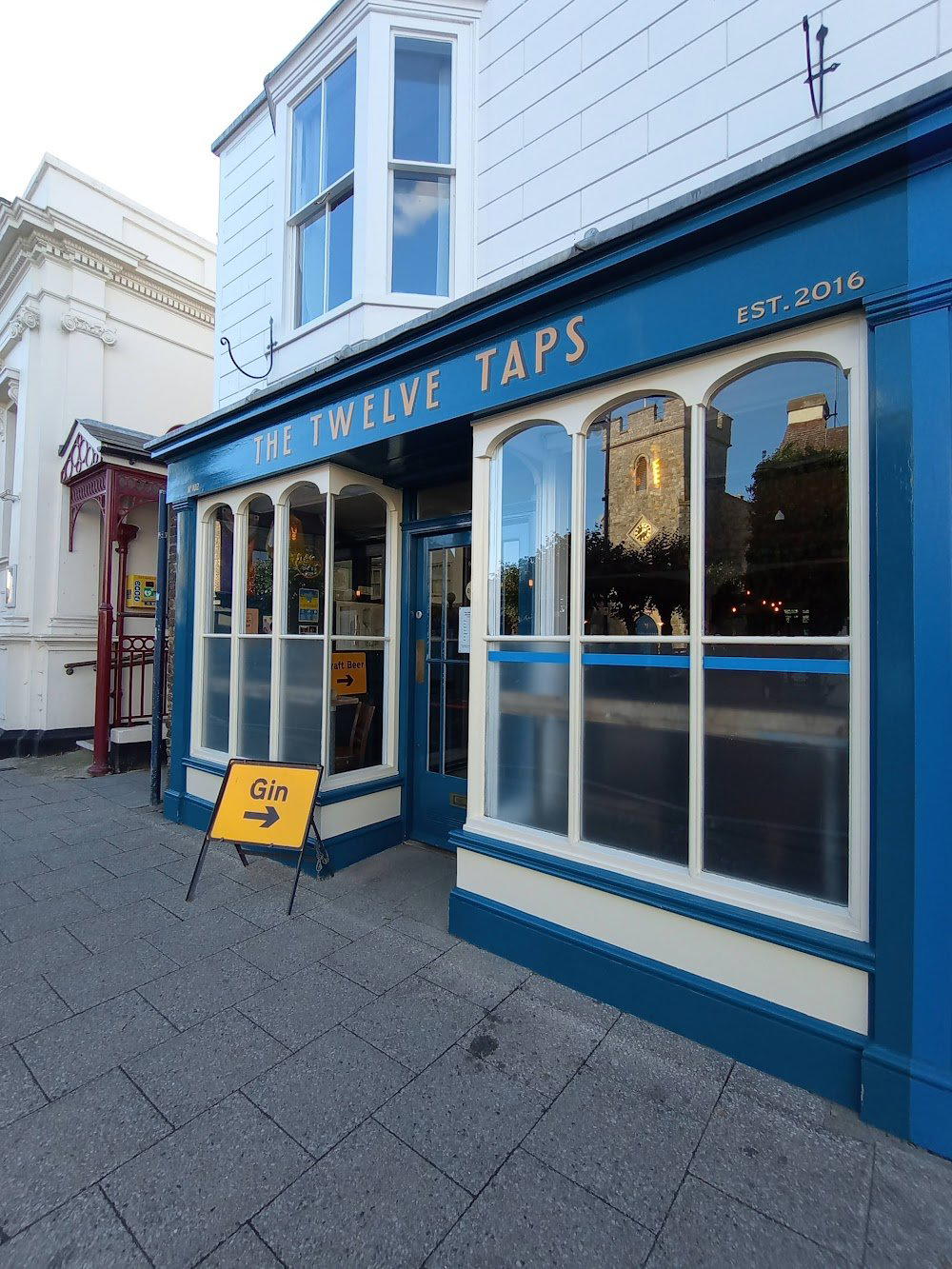
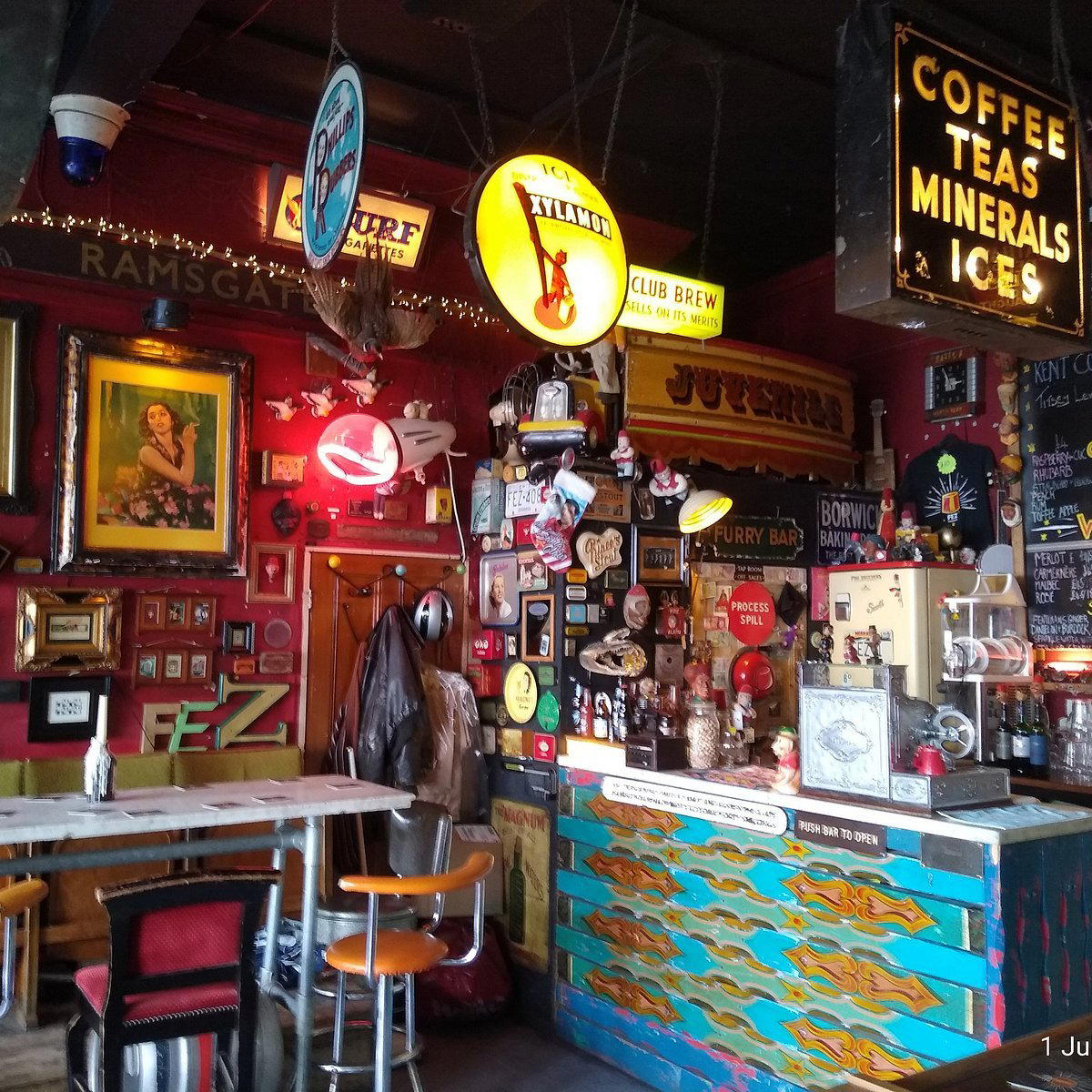
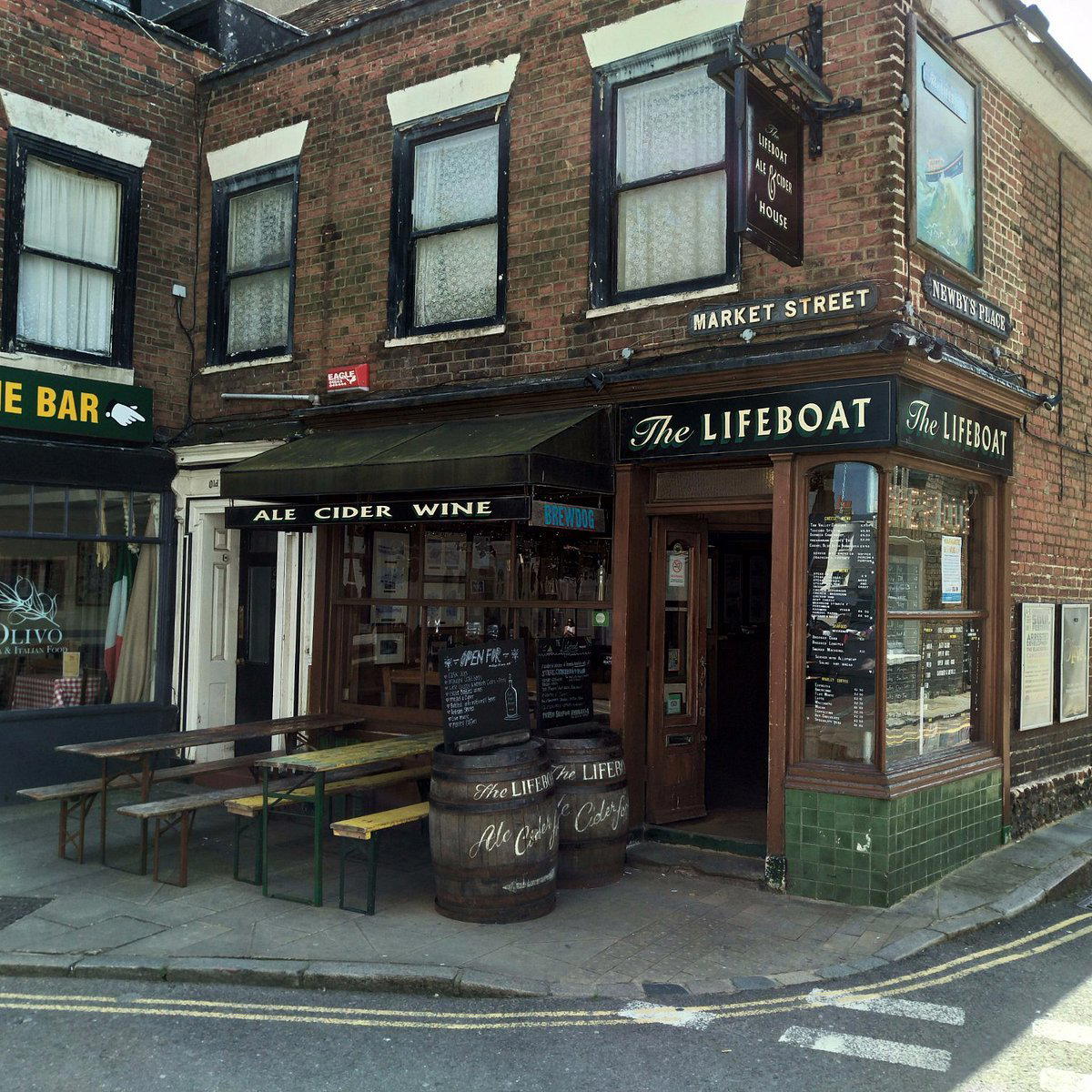
Bars in Whitstable
Browse all →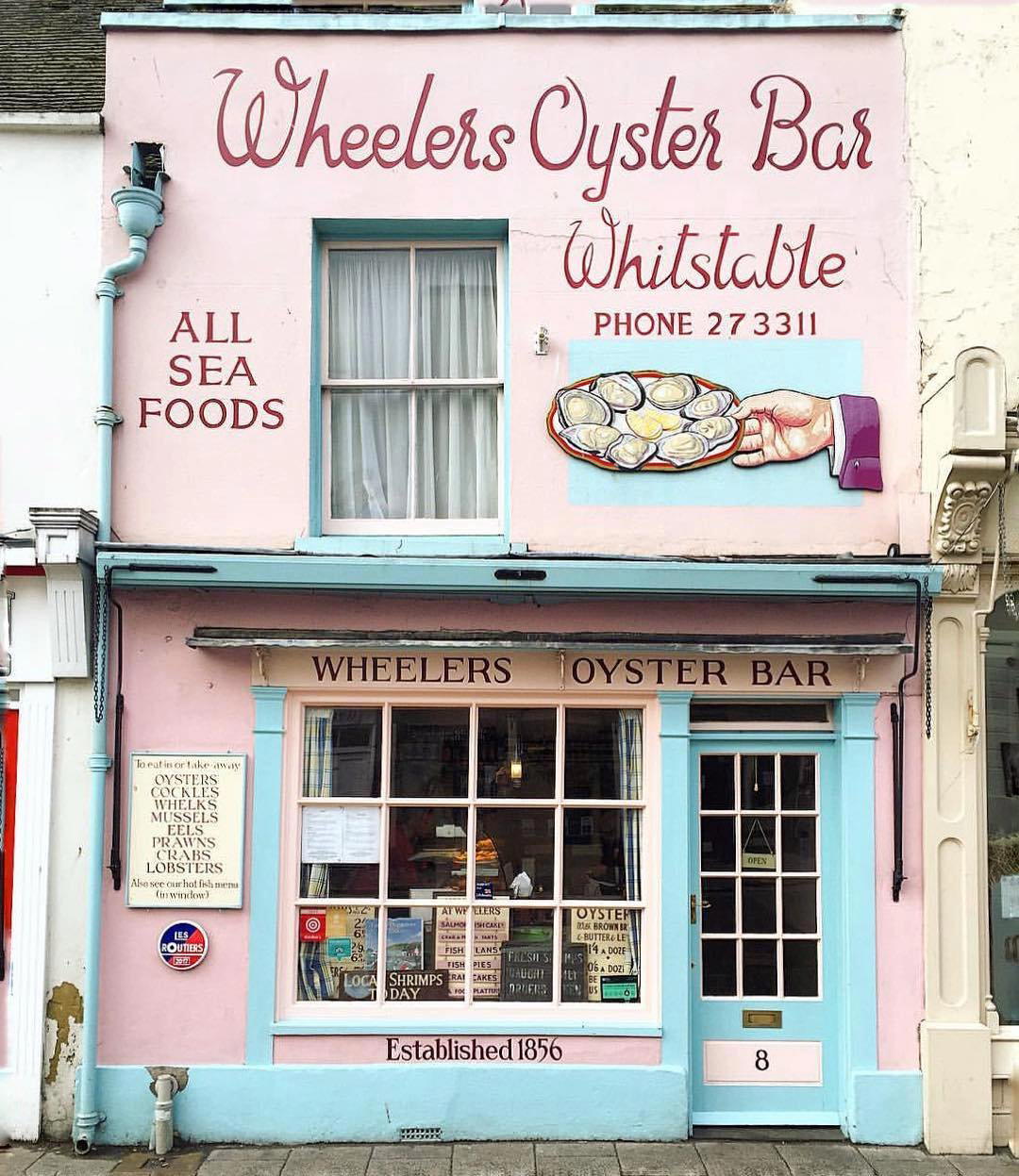
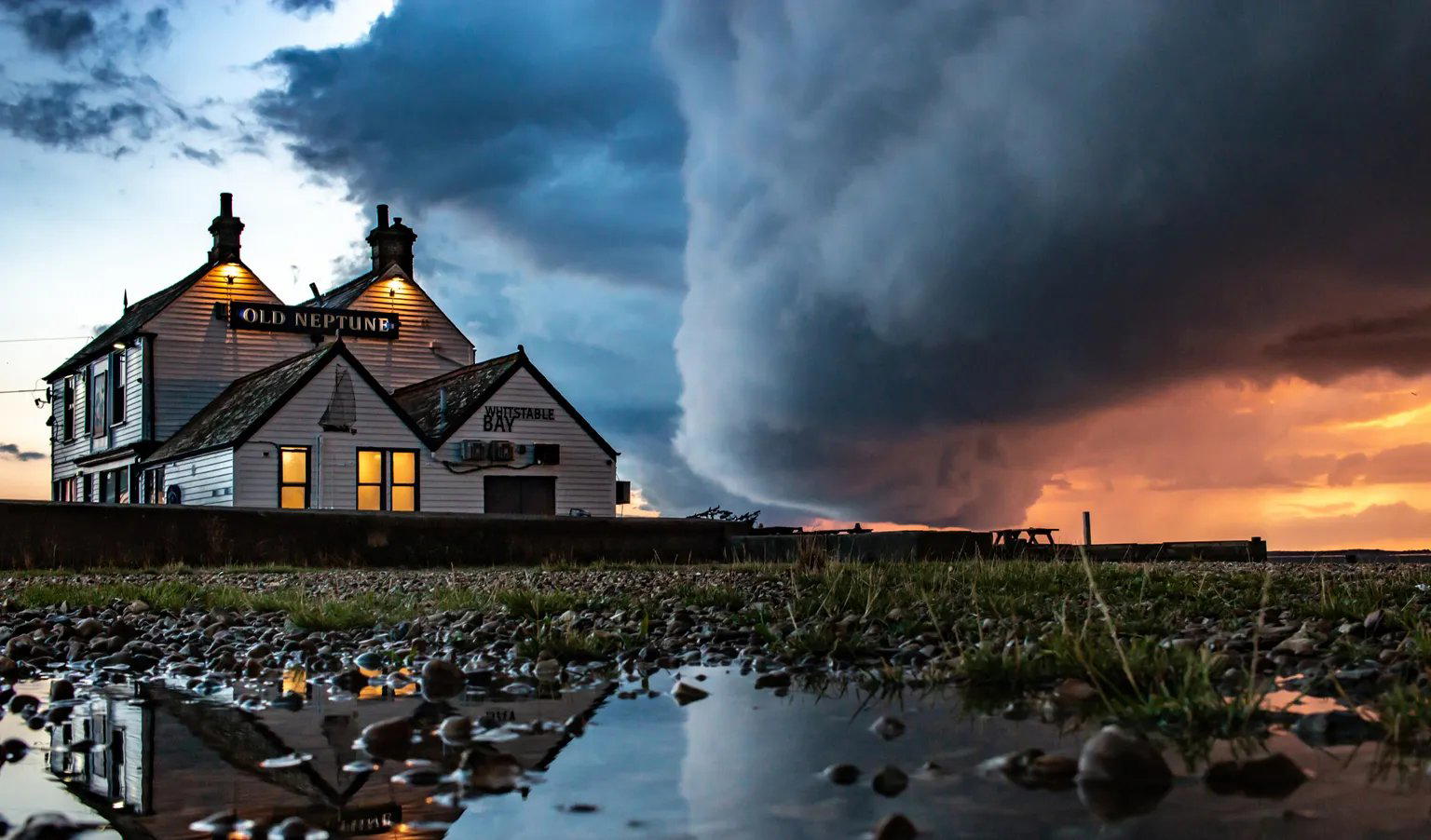
Hotels in Whitstable
Browse all →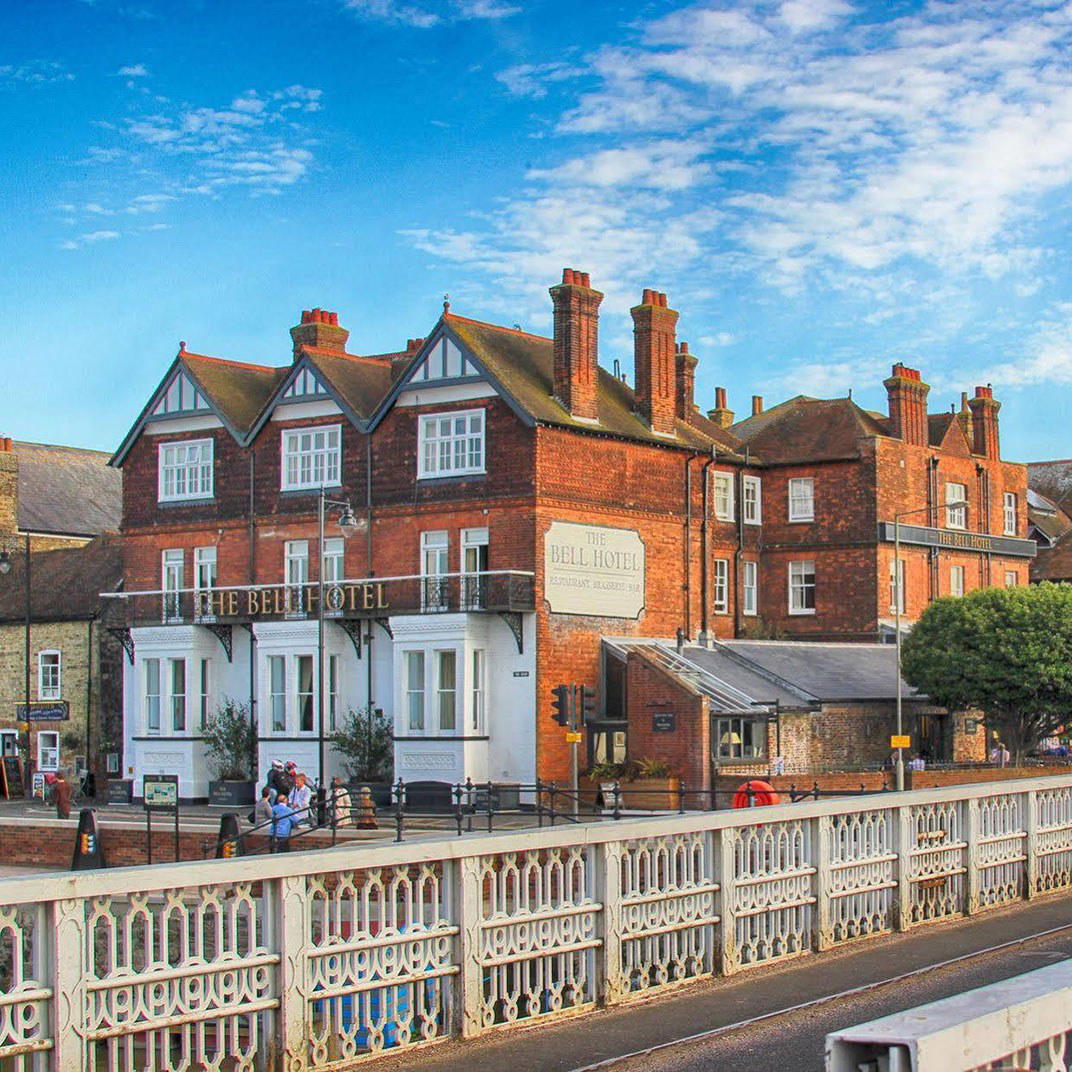





At a Glance
- Rustic
- Scenic
- Cozy
- Classic
- Date Night
- Casual Hangout
- Special Occasion
- Waterfront
- Terrace
- Open Kitchen
- Extensive Wine List
- Local Sourcing
- Sustainable Seafood
- Waterfront
Current opening hours
- Monday
- 12–2:30 PM
- Tuesday
- 12–2:30 PM
- Wednesday
- 12–2:30 PM
- Thursday
- 12–9 PM
- Friday
- 12–9 PM
- Saturday
- 12–9 PM
- Sunday
- 12–4:30 PM
Hours can change for holidays and private events. Last verified .
Light and airy dining room in a rustic oyster warehouse with nautical decor, gingham tablecloths, and scenic waterfront views creating a relaxed, charming atmosphere.