Uwajimaya Seattle
Uwajimaya at 600 5th Ave S is the anchor of Seattle's International District and one of the Pacific Northwest's most comprehensive Asian grocery and retail destinations. From fresh seafood counters to an extensive prepared foods section, it functions as both a provisioning stop and a place to mark an occasion with pantry finds that carry real cultural weight. For milestone meals cooked at home, few stops in the city offer this depth.
Pearl is the En Primeur Club membership app — saves, bookings, and concierge access live there. Same editors, same standards.
- Address
- 600 5th Ave S, Seattle, WA 98104
- Phone
- +1 206 624 6248
- Website
- uwajimaya.com
- Directions
- Get directions
 Saves & bookings on Pearl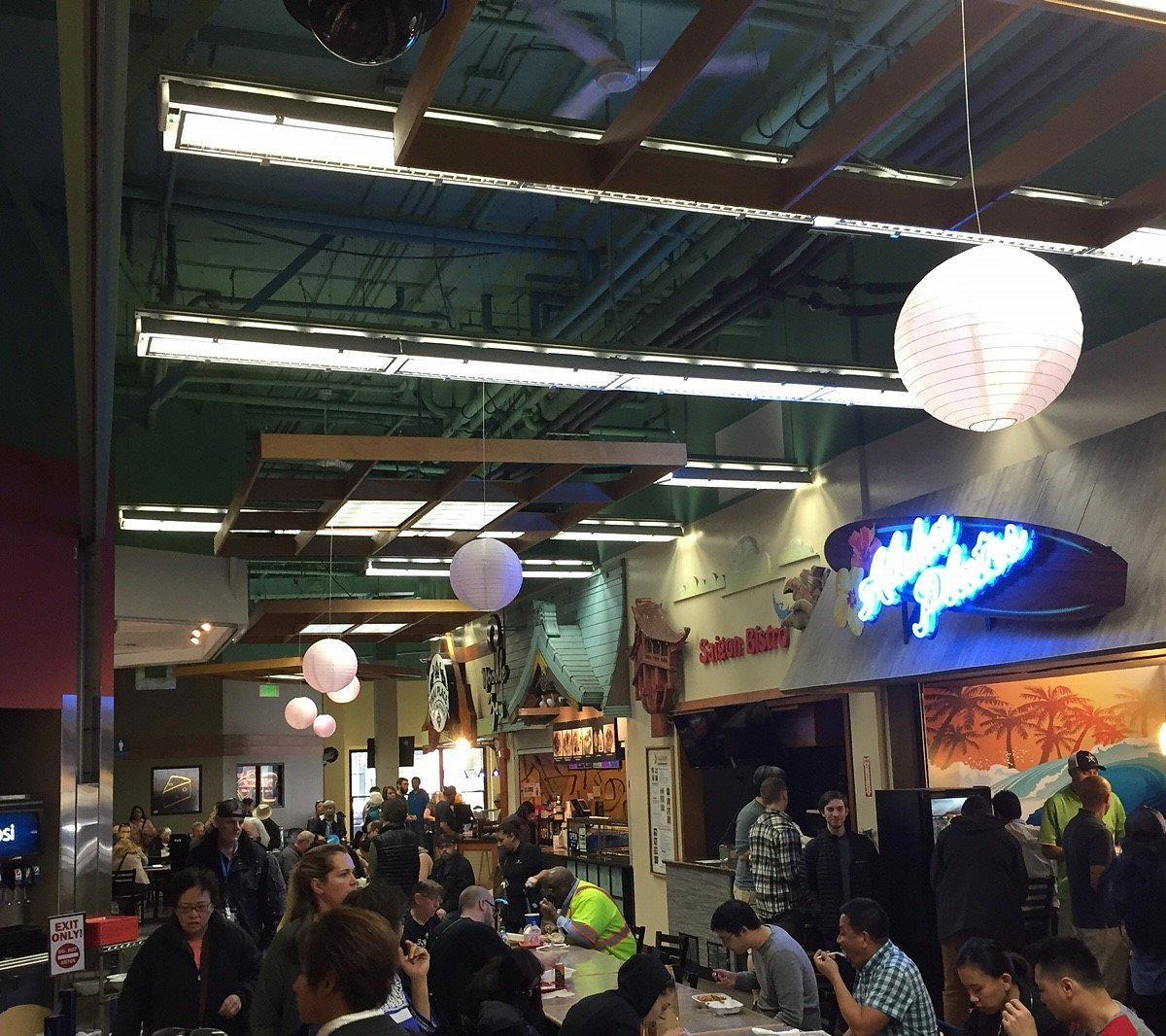
The International District's Provisioning Floor
Walk into the International District on a weekend morning and the foot traffic tells you something about how Seattle's Asian-American community uses this neighbourhood. The block around 5th Ave S functions less like a tourist precinct and more like a working district, produce vendors, herbalists, dim sum counters, and Uwajimaya at 600 5th Ave S sits at the centre of that ecosystem. For occasion cooking that begins in a kitchen rather than a restaurant, this is where many of the city's home cooks start.
The store's position in Seattle's food culture is particular. While the city's tasting-menu circuit, venues like Canlis (New American) and Joule (New Asian), handles milestone occasions through the lens of the professional kitchen, Uwajimaya operates in a parallel register: the celebratory meal that happens at home, prepared with ingredients that would be impossible or impractical to source elsewhere in the region. Birthday dinners built around a whole steamed fish. New Year's spreads requiring specific Japanese pantry items. Anniversary osechi assembled over two days. These are the occasions Uwajimaya is actually built for.
What the Floor Actually Offers
The retail floor covers a breadth that is difficult to summarise without walking it. The seafood counter stocks live and fresh product, including species that rarely appear in mainstream grocery chains. The produce section carries Asian vegetables, shiso, kabocha, bitter melon, taro in multiple varieties, that change with season and supply. A dedicated Japanese grocery section runs deep on pantry staples: dashi stocks, miso in regional varieties, soy sauces differentiated by region and fermentation method. The Korean and Chinese sections carry parallel depth.
Prepared foods section is one immediate option for visitors not cooking at home. Hot and cold preparations, bento, onigiri, sushi rolls, steam-table dishes, represent the kind of functional eating that a serious Asian grocery maintains as a secondary service rather than a primary identity. The quality level is consistent with the sourcing standards of the store overall, which sets it apart from mall food court comparisons.
A bookstore and housewares section occupies part of the complex, carrying Japanese-language titles, cookware, and tableware. For the cook planning an occasion dinner, the ability to source the vessel alongside the ingredient in one location is not incidental, it reflects the store's ambition to function as a complete resource rather than a single-category retailer.
Seattle's Asian Grocery Tradition and Where Uwajimaya Sits
Pacific Northwest cities developed significant Asian grocery infrastructure earlier than most American metros, driven by Japanese and Chinese communities that arrived in the late 19th and early 20th centuries. Seattle's International District is one of the surviving expressions of that history. Uwajimaya's presence there is not coincidental: it is a direct product of that community infrastructure, and its scale reflects decades of growth within a neighbourhood that has retained its function even as surrounding areas gentrified.
Compared to the International District's smaller specialist shops, fish markets, tofu producers, noodle importers, Uwajimaya operates at a different scale, functioning as a general resource rather than a narrow specialist. The two tiers coexist rather than compete: regulars might buy their dashi and rice at Uwajimaya, then source a specific aged miso from a smaller importer a block away. Understanding this layered structure helps explain why the International District remains useful to serious cooks rather than merely nostalgic.
For visitors accustomed to Asian grocery formats in other American cities, the comparison that holds leading is a well-curated Japanese supermarket with broader pan-Asian coverage. It does not match the sheer square footage of some Los Angeles or San Jose competitors, but the curation within its categories is more deliberate than a volume-first format. That distinction matters when you are sourcing for an occasion meal rather than daily shopping.
Occasion Cooking and the Case for Sourcing Here
The concept of occasion dining extends well beyond restaurant reservations. Across Japanese, Korean, Chinese, and Southeast Asian culinary traditions, particularly significant celebratory meals happen at home, prepared over hours and structured by specific ingredients that carry cultural meaning, dried abalone for Lunar New Year, specific rice cake formats for chuseok, particular cuts of wagyu for a birthday dinner. The sourcing of those ingredients is part of the occasion itself.
Uwajimaya operates as the accessible single-stop resource in Seattle for that kind of intentional shopping. Whether the meal involves Japanese techniques that require specific kombu grades, or a Filipino celebration that needs fresh banana leaves and the right vinegar, the store's breadth covers more of those requirements than any other single address in the Pacific Northwest. That breadth is the practical argument for it, not atmosphere, not a tasting menu, but depth of inventory when the cooking matters.
For context on what occasion dining looks like at the restaurant end of the spectrum, Le Bernardin in New York City, Lazy Bear in San Francisco, and The French Laundry in Napa represent the high-format tasting-menu approach to milestone meals. Uwajimaya occupies an entirely different position in that same occasion category, the infrastructure for the meal you cook yourself, with ingredients sourced at a standard that the occasion deserves.
Other American cities have their own equivalents: Smyth in Chicago, Providence in Los Angeles, and Addison in San Diego each anchor their cities' occasion-dining scenes at the restaurant level. Seattle's version of that occasion infrastructure includes both the restaurant tier and this kind of serious provisioning resource, and the two serve different but overlapping audiences.
Seattle visitors planning a broader food itinerary should cross-reference our full Seattle restaurants guide for the neighbourhood context that surrounds the International District, including nearby addresses at 2963 4th Ave S, 1415 1st Ave, and 1744 NW Market St. For reference-class occasion dining at the fine-dining level, Atomix in New York City, Blue Hill at Stone Barns in Tarrytown, The Inn at Little Washington, Single Thread Farm in Healdsburg, Emeril's in New Orleans, and Atelier Moessmer Norbert Niederkofler in Brunico set the international frame for what that category looks like at its most considered.
Know Before You Go
- Address: 600 5th Ave S, Seattle, WA 98104
- Neighbourhood: International District / Chinatown
- Getting There: The International District/Chinatown Link Light Rail station is directly adjacent, making this accessible from downtown Seattle without a car.
- Parking: Validated parking available in the Uwajimaya Village parking structure on-site.
- Leading Timing: Weekday mornings for the least crowded seafood counter experience; weekend afternoons draw the highest foot traffic from the broader community.
- What to Bring: A cooler or insulated bag if sourcing fresh seafood or perishables for an occasion meal, particularly relevant for visitors arriving by transit.
- Companion Stops: The International District's surrounding blocks carry specialist shops that complement Uwajimaya's general inventory, worth building time into any serious provisioning trip.
Recognition, Side-by-Side
Comparable venues nearby, for context on price, style, and recognition.
| Venue | Cuisine | Price | Notes |
|---|---|---|---|
| Uwajimaya SeattleThis venue — the venue you are viewing | Asian Food Hall | $$ | Not listed |
| Pallino Pastaria | Italian Pasta & Pizza | $$ | Central Business District |
| Ghostfish Brewing Company - Taproom & Restaurant | Gluten-Free Pub Classics | $$ | SoDo |
| Great State Burger | Organic Grass-Fed Burger Joint | $$ | Denny Triangle |
| The Collective Seattle | Modern American Pub | $$ | South Lake Union |
| Cafe Flora | Vegetarian | $$ | Stevens |
Continue exploring
More in Seattle
Restaurants in Seattle
Browse all →
Bars in Seattle
Browse all →
Hotels in Seattle
Browse all →

At a Glance
- Lively
- Casual
- Casual Hangout
- Sake Program
Current opening hours
- Monday
- 8 AM–9 PM
- Tuesday
- 8 AM–9 PM
- Wednesday
- 8 AM–9 PM
- Thursday
- 8 AM–9 PM
- Friday
- 8 AM–9 PM
- Saturday
- 8 AM–9 PM
- Sunday
- 8 AM–9 PM
Hours can change for holidays and private events. Last verified .
Casual and bustling food hall atmosphere with diverse seating amid the lively energy of multiple quick-service Asian eateries.