Mashiko Japanese Restaurant

Mashiko Japanese Restaurant occupies a quiet stretch of California Avenue SW in West Seattle, where it has built a reputation as one of the city's most committed sustainable sushi destinations. The restaurant draws a loyal neighborhood following and positions itself within a broader Pacific Northwest tradition of sourcing-conscious Japanese cuisine, making it a reference point for diners who treat provenance as seriously as technique.

Pearl is the En Primeur Club membership app, where members save venues, book tables and use the concierge.
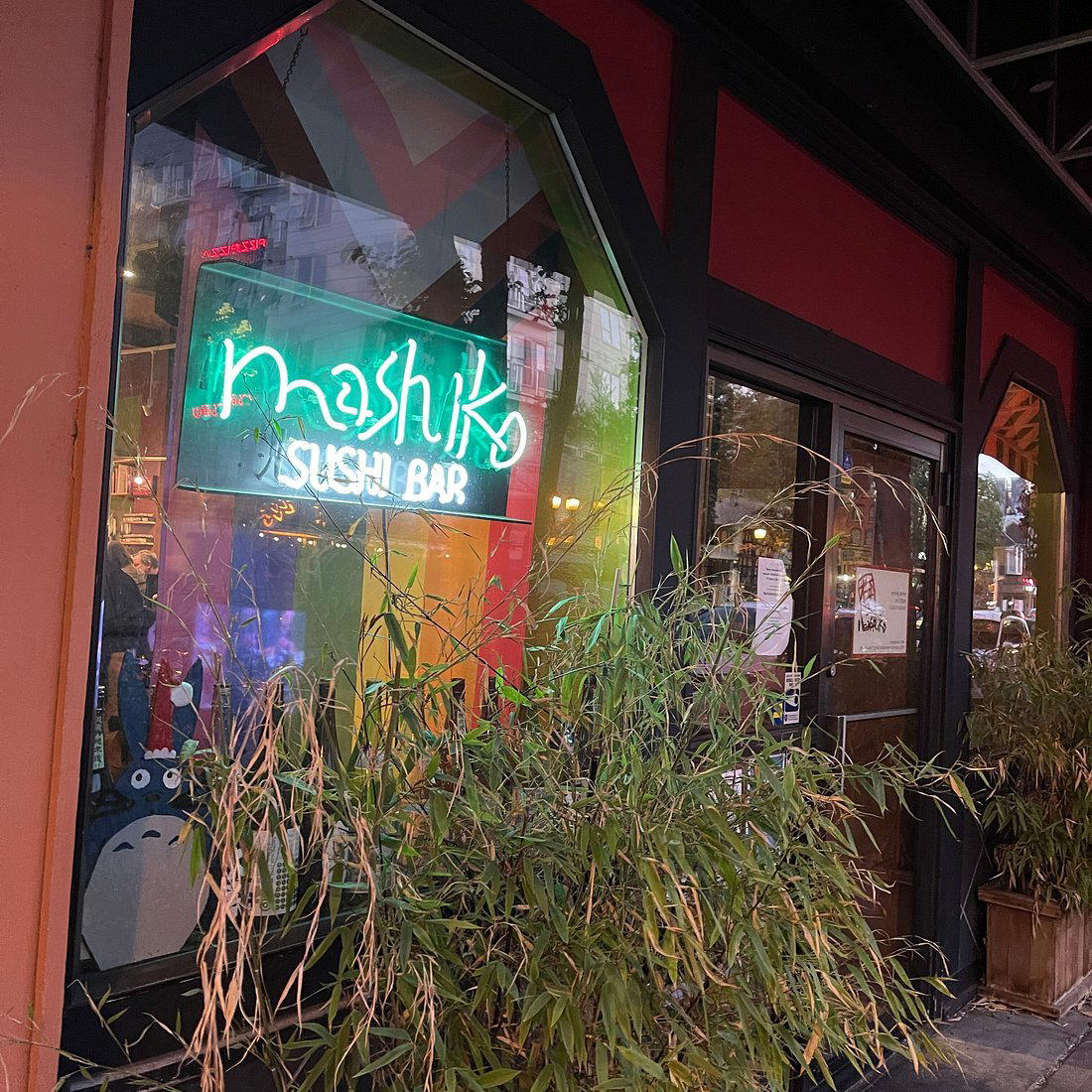
West Seattle's Quiet Commitment to Sustainable Sushi
California Avenue SW in West Seattle runs through a neighborhood that most visitors skip in favor of Capitol Hill or Belltown. That geographic remove has its own logic: the restaurants that survive here do so on local loyalty rather than tourist traffic, which tends to produce a more considered, lower-performance version of any given cuisine. Mashiko Japanese Restaurant, at 4725 California Ave SW, sits in that category. It is not a downtown showpiece. It is a neighborhood restaurant with a documented commitment to sustainable seafood sourcing that places it inside a much larger conversation about how Japanese cuisine operates in coastal American cities.
The Pacific Northwest context matters here. Seattle's proximity to Puget Sound, the Salish Sea, and the broader Alaska fishing supply chain gives its Japanese restaurants an unusual degree of access to traceable, domestic seafood. That supply chain is not automatically used well, many sushi restaurants in the city import from the same wholesale distributors regardless of geography, but the ones that engage with it seriously tend to develop a distinct identity. Mashiko is among those that have built that engagement into their operating identity over time.
The Room and the Approach
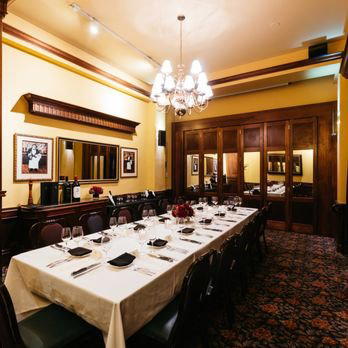
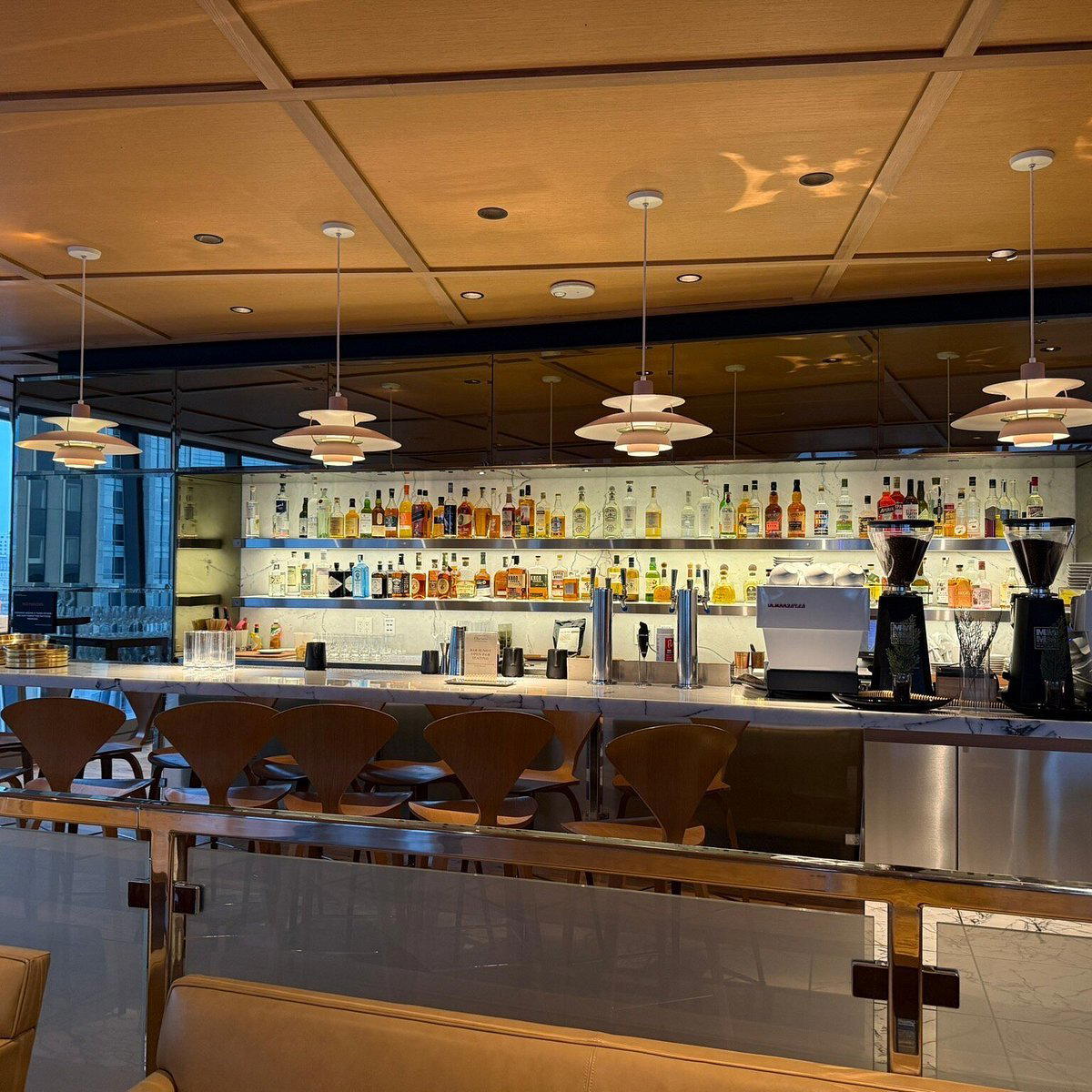
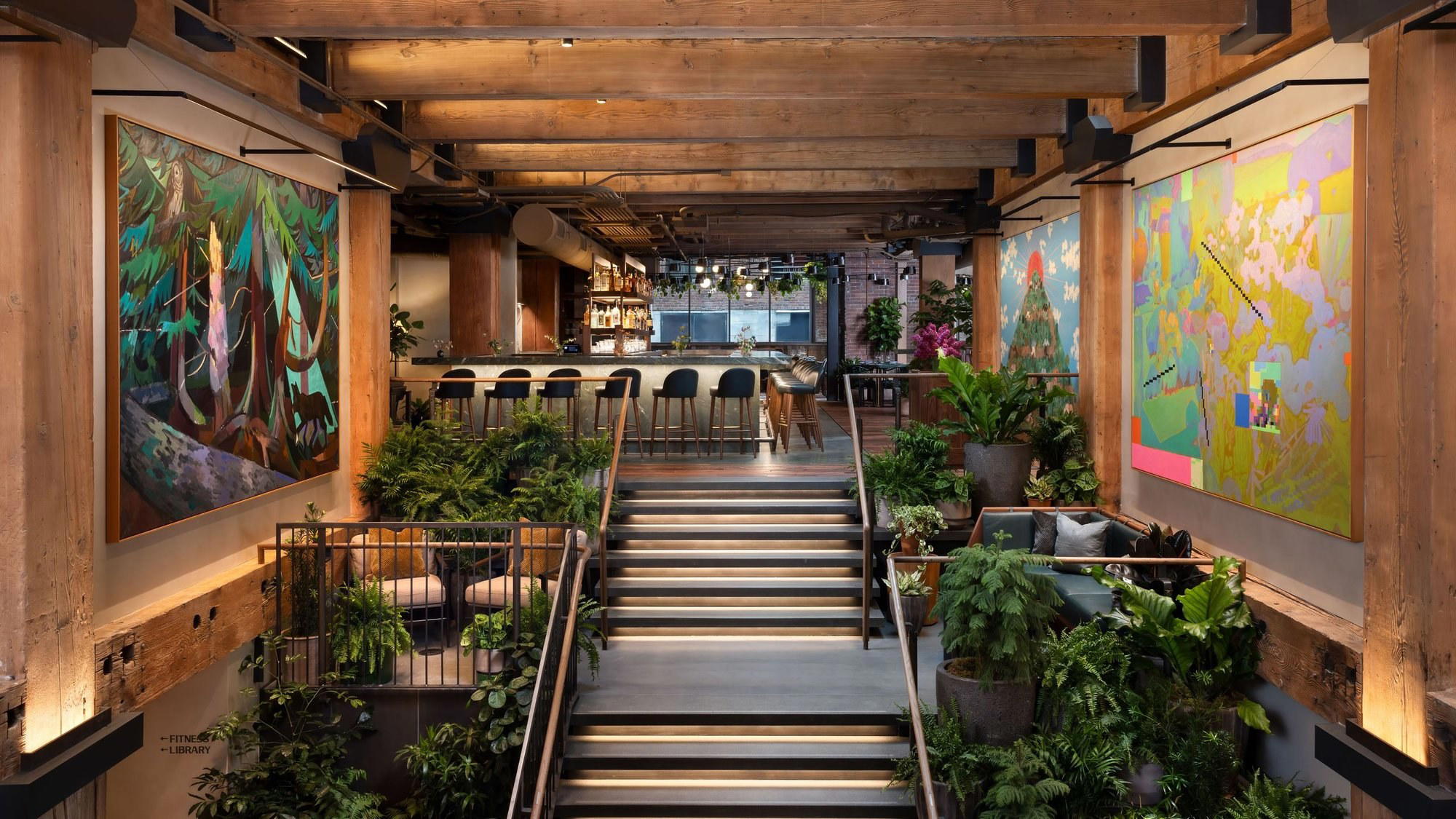
West Seattle's dining rooms tend toward the functional rather than the theatrical. The neighborhood's character runs counter to the kind of high-design Japanese restaurant that has proliferated in denser urban cores, where architectural choices signal price tier as clearly as the menu does. Mashiko reads as a working restaurant: the focus is on what arrives at the table rather than on the room itself. That emphasis shifts the sensory experience toward the food and the interaction at the counter or table, which is consistent with how the most sourcing-focused Japanese restaurants operate, the ingredient, not the setting, carries the narrative.
Sustainable sushi as a format requires a different kind of attention from the diner. When a kitchen declines to source certain species on environmental grounds, the menu becomes a rotating document shaped by availability and season rather than a fixed list. That variability is a feature in the sourcing-conscious tier of Japanese dining, not a limitation. It demands a level of engagement from the table that more scripted omakase formats do not, and it produces, on a good night, a meal that is directly legible as a product of time and place.
Seattle's Japanese Dining Spectrum
Seattle supports a wider range of Japanese dining formats than its size might suggest, from high-spend omakase counters in Belltown and the International District to casual ramen and izakaya operations across Capitol Hill. Mashiko occupies a position in that spectrum that is neither the most expensive nor the most casual: it functions as a mid-register neighborhood destination where the value proposition is sourcing integrity rather than spectacle or price compression.
For context on how Seattle's broader hospitality scene operates, the cocktail programs at Canon and Roquette demonstrate a similar commitment to sourcing specificity, spirits provenance and production method as primary selection criteria. That same ethos appears across the city's more serious dining operations, suggesting a coherent local culture around ingredient transparency. Bars like The Doctor's Office and 2963 4th Ave S extend that pattern into more experimental territory. The pattern is city-wide, not confined to any single neighborhood or format.
Nationally, the sourcing-forward Japanese restaurant occupies a growing niche. Programs like Kumiko in Chicago have demonstrated how Japanese precision and local ingredient sourcing can coexist at a high level. On the West Coast and beyond, operations across Honolulu, Houston, New Orleans, New York, and San Francisco, represented in the EP Club network by venues including Bar Leather Apron in Honolulu, Julep in Houston, Jewel of the South in New Orleans, Superbueno in New York City, and ABV in San Francisco, show how regional identity can be built into a hospitality concept without sacrificing technical ambition. Internationally, The Parlour in Frankfurt on the Main offers a comparable case study in how sourcing philosophy shapes a room's identity. Mashiko's West Seattle position maps onto that same trajectory at a neighborhood scale.
Planning a Visit
West Seattle requires intention. The neighborhood sits across the West Seattle Bridge from downtown, and without a car the journey involves a water taxi from Pier 50 (seasonal) or a bus connection that adds meaningful time to the trip from central Seattle. Visitors staying downtown should factor in at least twenty to thirty minutes of travel each way. The California Avenue corridor itself is walkable once you arrive, with enough surrounding activity to make an evening of it before or after the meal. For a fuller view of how Seattle's dining and drinking options map across its neighborhoods, our full Seattle restaurants guide covers the city by district with the same sourcing-aware editorial lens.
Accolades, Compared
Comparable venues nearby, for context on price, style, and recognition.
| Venue | Cuisine | Price | Notes |
|---|---|---|---|
| Mashiko Japanese RestaurantThis venue (the venue you are viewing) | Sushi | $50–100 | Not listed |
| Smith Tower Observatory & Bar | rooftop_bar | $30–50 | Pioneer Square |
| The Cloud Room Coworking Space | lounge | Not listed | Broadway |
| Taneda | sake_bar | $150–200 | Broadway |
| Firn | rooftop_bar | Not listed | Pioneer Square |
Recognition history
Dated appearances from independent guides and award organizations, with the underlying list record or original source where available.
Opinionated About Dining Casual in North America Recommended
Opinionated About Dining
Continue exploring
More in Seattle
Bars in Seattle
All bars in Seattle →
Restaurants in Seattle
All restaurants in Seattle →
Mashiko Japanese Restaurant
The drinks
- Craft beer
Signature drinks: Kappo omakase experience.
Details
- Cozy
- Modern
- Intimate
- Date Night
- Special Occasion
- Group Outing
- Standalone
- Design Destination
- Seated Bar
- Counter Only
- Sake
- Craft Beer
Current opening hours
- Monday
- 5:03–8:30 PM
- Tuesday
- Closed
- Wednesday
- 5:03–8:30 PM
- Thursday
- 5:03–8:30 PM
- Friday
- 11:33 AM–2:30 PM, 5:03–8:30 PM
- Saturday
- 11:33 AM–2:30 PM, 5:03–8:30 PM
- Sunday
- 11:33 AM–2:30 PM, 5:03–8:30 PM
Hours can change for holidays and private events. Hours as of .
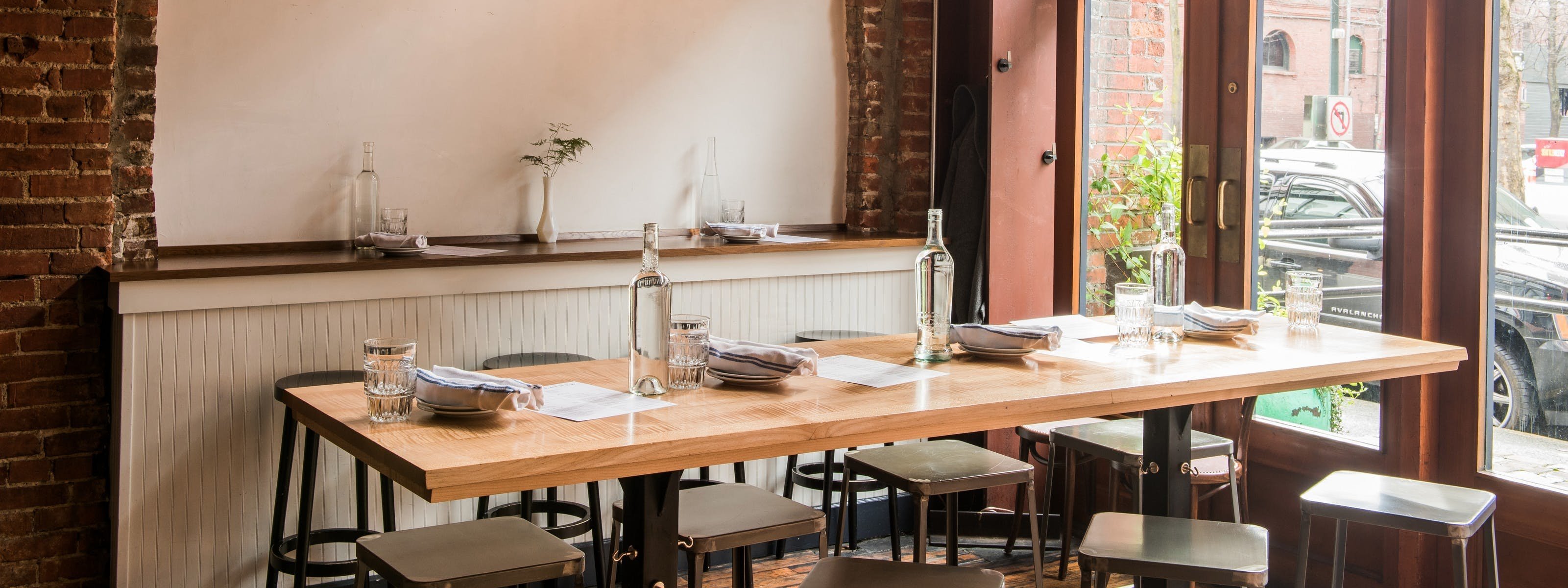
Cozy atmosphere with an open kitchen showcasing the chef's craft, blending traditional Japanese techniques with Pacific Northwest ingredients in an artsy, intimate setting.