
Utsumi Udon belongs to Takamatsu’s serious Sanuki udon circuit: low-cost, early-opening, and judged on noodle texture rather than dining-room polish. Its Tabelog 100 Udon Kagawa 2024 selection, counter-seating format, and sub-¥999 pricing place it firmly inside the region’s everyday craft tradition.
Pearl is the En Primeur Club membership app — saves, bookings, and concierge access live there. Same editors, same standards.
- Address
- 359-2 Shimotaicho, Takamatsu, Kagawa 761-0313, Japan
- Phone
- +81 87-813-0365
- Website
- tabelog.com
 Saves & bookings on Pearl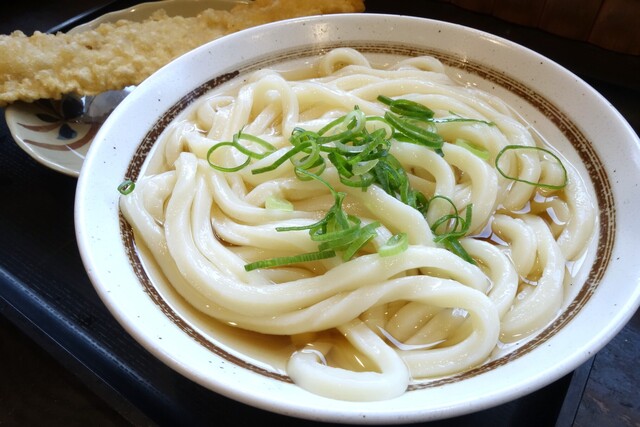
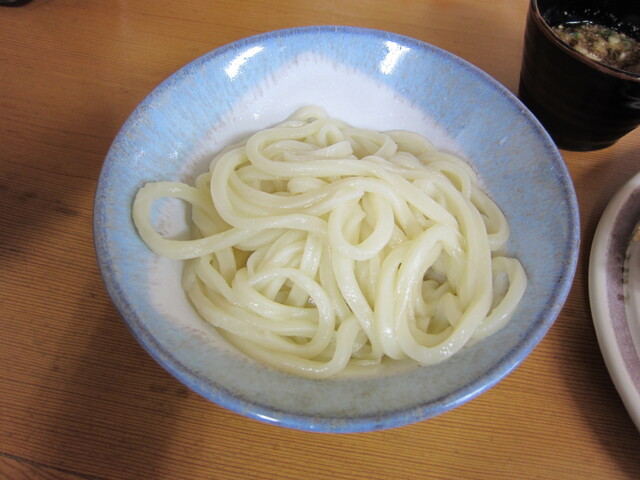
Approaching a house-style udon shop in suburban Takamatsu reframes the meal. The signal is not polished frontage or tasting-menu preamble, but morning noodle-house rhythm: counter seating, quick turnover, and the smell of wheat and broth before formal service. In Kagawa, that directness matters. Sanuki udon is central to the prefecture’s food culture, measured by elasticity, handling, broth discipline, and a democratic price.
Utsumi Udon sits inside that tradition as part of Takamatsu’s everyday udon infrastructure: early hours, no-reservation practicality, counter seating, and a budget below JPY 999. Its Tabelog 100 Udon Kagawa 2024 selection gives it an external marker in a prefecture where udon comparison is unusually granular. In a city where diners may move between Azuma, Chikusei Honten, Furukawa Udon, and Furusato Udon, recognition on a Kagawa-specific udon list is a meaningful filter, not a generic badge.
Sanuki udon judged by wheat, water, and speed
Kagawa’s udon culture makes sourcing and handling visible, even in modest shops. The cuisine depends on wheat noodles that hold chew without heaviness, clear broth rather than excess, and service formats that make freshness a matter of pace. Takamatsu udon does not imitate sushi or kaiseki solemnity. Its discipline is repetition: kneading, cutting, boiling, rinsing, warming, and serving fast enough that noodle structure remains the bowl’s point.
A low price ceiling is not lesser ambition here. In Sanuki udon, value and craft are linked. The category expects shops to feed solo diners, families, commuters, and noodle pilgrims without ceremony. Utsumi Udon’s sub-¥999 budget places it in the same everyday bracket as Takamatsu peers including Teuchi Udon Santoku, Udonya Matsuhama, Yume Kabou Takara Kasugachou honten, and Furusato Udon. Competition is not about luxury cues; it is whether the bowl justifies a detour in a specialist-dense prefecture.
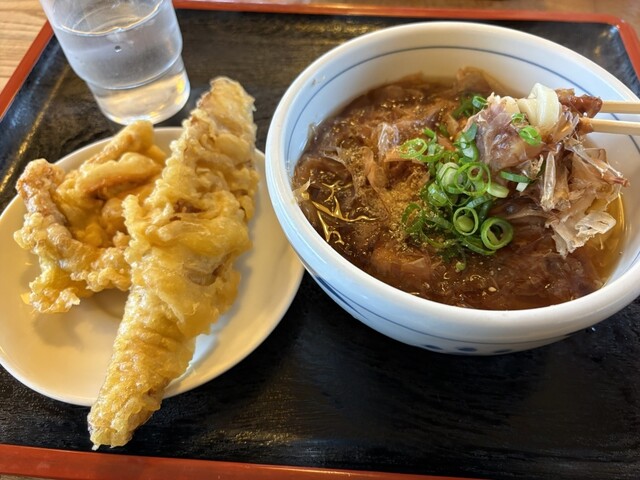
The ingredient angle matters because Sanuki udon is material cuisine. Noodles do not hide behind sauces or elaborate plating. Wheat quality, dough hydration, water, salt, and timing show in texture; broth and condiments frame rather than bury the noodle. The format is unforgiving: a shop can be simple, but not casual about execution. A Tabelog score of 3.77 and inclusion in the 2024 Kagawa udon selection show Utsumi Udon being judged within that demanding local vocabulary.
A Takamatsu meal format built for locals first
Kagawa’s strongest udon shops often work because they refuse to over-explain. Counter seating keeps the exchange functional. No private rooms, elaborate reservation choreography, or dress-code theatre are part of the appeal. This is for people who know what they came for: a bowl, a short pause, and the next stop. For travellers, that can teach more than a staged regional menu because it shows the cuisine operating without performing for visitors.
The restaurant’s location near Mizuta Station places it outside the easiest central checklist. Takamatsu’s udon map is not confined to postcard streets around the station or waterfront. Many serious shops sit in residential or roadside settings, where parking, early service, and neighbourhood routine shape demand. A house-restaurant setting reinforces its place in Kagawa’s domestic food culture rather than a polished urban concept.
Compared with broader Japanese casual dining, Sanuki udon is unusually transparent about value. Payment friction, seating style, smoking policy, and family suitability affect the experience more than décor. The restaurant is non-smoking, family friendly, and solo-dining friendly, aligning with udon’s role across Kagawa: fast enough for one person, accessible enough for children, and serious enough for adults who treat noodle texture as a regional benchmark.
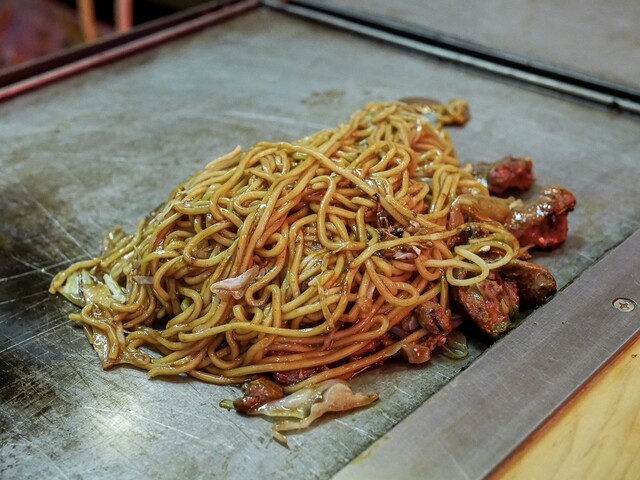
For a Takamatsu food itinerary, the useful comparison is not only other udon counters. The city’s casual range also includes places such as Fumiya Okonomiyaki Honten, where local comfort food follows a different grammar of griddle, batter, and sauce. Udon asks for a narrower lens, rewarding attention to timing and restraint: the shorter meal may teach more about Kagawa than a longer lunch elsewhere.
How to place it within a Kagawa itinerary
The restaurant makes most sense on a focused Sanuki udon route, not as a luxury-framed standalone destination. Its recognition, low cost, counter format, and morning-to-afternoon schedule suggest a practical pattern: start early, keep the day flexible, and treat each bowl as a comparison point. The value is cumulative. One shop clarifies another. A bowl here sharpens why Kagawa diners argue over noodle firmness, broth balance, and service rhythm with the seriousness other regions reserve for sushi counters or beef houses.
Within Takamatsu, it belongs in a cluster of udon stops read alongside broader city planning. Our full Takamatsu restaurants guide places it among casual counters, regional specialists, and more formal meals. Travellers pairing food with accommodation, drinks, producers, or cultural programming can also use our full Takamatsu hotels guide, full Takamatsu bars guide, full Takamatsu wineries guide, and full Takamatsu experiences guide to build the day around movement rather than a single reservation.
The wider Japan map clarifies why the restaurant matters. Regional specialisation is the country’s great casual-dining strength: sukiyaki in Kamakura at -Grilled beef Sukiyaki- KAMAKURA TANUKIAN 鎌倉 たぬき庵 in Kamakura, tuna and charcoal cooking at. 鮪と炭火焼き うお炭 秋葉原店 in Tokyo, café culture at.cafe in Osaka, and contemporary local dining at.know in Kumamoto all speak differently. Add (Shoku) Vietnam in Kawasaki or [Curry Senmon Ten] Maruyama Kyoju. in Sapporo, and the point sharpens: Japan’s casual excellence is local, specific, and often inexpensive.
For overseas readers, the comparison stretches further. A sake bar such as Jōdo Saké Bar in Los Angeles or a rice-ball specialist like Onigiri Time in Pasadena may translate Japanese formats abroad, but Kagawa udon is harder to export because its authority lies in density: many specialists, opinions, and bowls within a small geography. The restaurant earns attention because it belongs to that density, and because the meal’s measure is not spectacle. It is whether wheat, water, broth, and pace land precisely enough for a serious Takamatsu udon route.
In Context: Similar Options
Comparable venues by cuisine and price in the same metro.
| Venue | Cuisine | Price | Notes |
|---|---|---|---|
| Utsumi Udon | Sanuki Udon | $ | Takamatsu |
| Teuchi Udon Santoku | Sanuki hand-made udon | $ | Takamatsu |
| Udon Ippuku | Traditional Sanuki Udon Shop | $ | Takamatsu |
| Teuchi Udon Ueda | Traditional Sanuki udon shop | $ | Takamatsu |
| Teuchi Udon Tsurumaru | Late-night Sanuki & curry udon | $ | Takamatsu |
| Udonya Goemon | Late-night Sanuki udon & black curry udon | $ | Takamatsu |
Recognition history
Dated appearances from independent guides and award organizations, with the underlying list record or original source where available.
Tabelog 100 #41 · No. 41
Tabelog · Tabelog 100 - Udon - KAGAWA - 2024
Continue exploring
More in Takamatsu
Restaurants in Takamatsu
Browse all →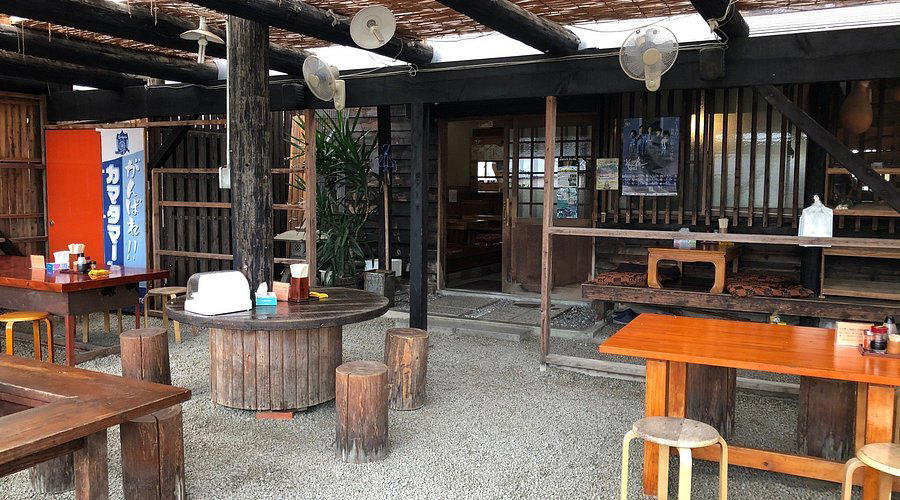
At a Glance
- Classic
- Cozy
- Rustic
- Family
- Solo
- Casual Hangout
- Brunch
- Standalone
- Zero Proof
Current opening hours
- Monday
- 6 AM–3 PM
- Tuesday
- Closed
- Wednesday
- Closed
- Thursday
- 6 AM–3 PM
- Friday
- 6 AM–3 PM
- Saturday
- 6 AM–3 PM
- Sunday
- 6 AM–3 PM
Hours can change for holidays and private events. Last verified .
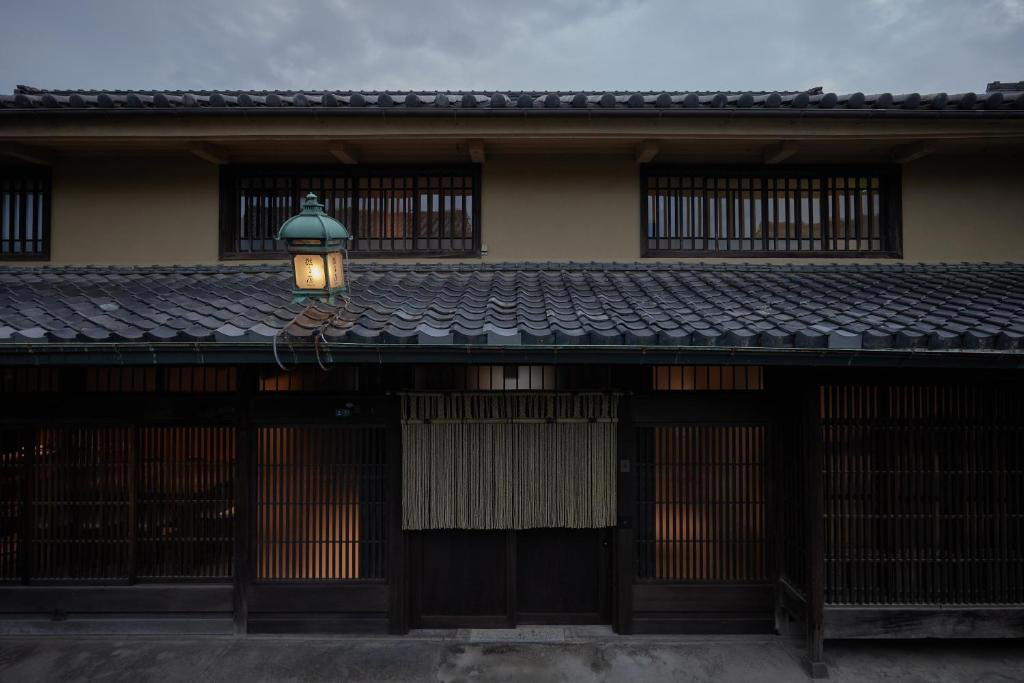
A casual, home-like udon shop atmosphere with counter seating and a traditional house-restaurant feel.