Our verdict
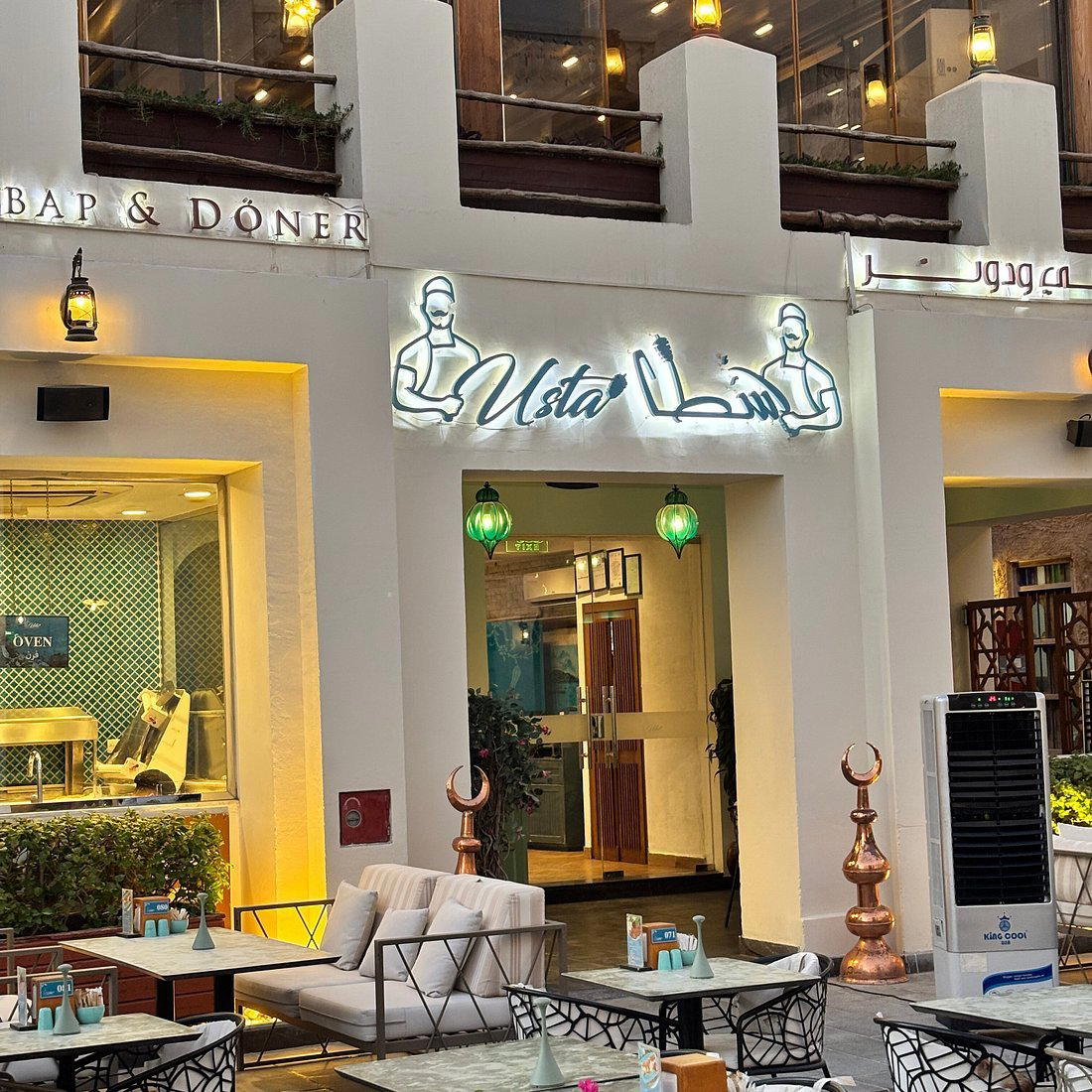
Usta Turkish Kebap & Doner serves authentic Turkish kebap and doner in Doha, with casual service, conversational noise, and street-scene views for lunch or dinner.

Pearl is the En Primeur Club membership app, where members save venues, book tables and use the concierge.
The menu
What to order
- Iskander Kebab
- Chicken Shish
- Kofta Platte
Grilling Traditions in a City Rewriting Its Food Story
Doha's restaurant scene has expanded at a pace that can obscure older, quieter anchors. The city's hotel dining rooms compete on imported prestige, with addresses like IDAM by Alain Ducasse and Al Sufra at Marsa Malaz Kempinski anchoring a price tier that reflects international positioning as much as local appetite. Against that backdrop, neighbourhood kebap and doner specialists operate on entirely different terms: lower overhead, a tighter product focus, and a customer base that returns out of habit rather than occasion. Usta Turkish Kebap and Doner belongs to that second category, drawing on a tradition that predates most of Doha's current dining infrastructure.
Turkish grilling culture arrived in Qatar largely through the labour migration patterns of the late twentieth century, establishing a category of informal restaurants that serve food rooted in Anatolian technique. The doner, at its core, is a study in heat management and meat selection: the cylinder of compressed and seasoned protein rotates against a vertical flame, with the outer surface carved as it crisps while the interior continues to cook. Done poorly, it produces dry, over-salted slabs. Done with care, the outer char gives way to moist, layered meat with a fat-rendered depth that no short-order method replicates. The distinction matters because Doha's informal dining tier, like those of many Gulf cities, accommodates both ends of that quality range.
What the Sourcing Signals
In Turkish kebap traditions, the ingredient sourcing argument is not abstract. Adana-style kebap, built around hand-minced lamb mixed with tail fat and red pepper flakes, fails without the fat-to-lean ratio and spice quality that give it its coarse, open texture on the grill. Shish preparations depend on marinade penetration and cut consistency. Doner relies on the layering sequence used during preparation, where alternating fat content through the stack determines how the column renders and how it holds moisture over a service period that may run for hours.
Restaurants operating in this category within Doha tend to source protein either through Qatari halal supply chains, which are subject to consistent regulatory oversight, or through direct arrangements with Turkish or regional suppliers. Either route, when managed seriously, supports the kind of ingredient baseline that the cuisine requires. The degree to which any given kitchen maintains those sourcing standards through busy service periods is, practically speaking, what separates the category's better addresses from its weaker ones. Usta's positioning as a dedicated kebap and doner specialist, rather than a broader Middle Eastern menu holder, implies a focus that tends to correlate with tighter sourcing attention.
For broader regional context on Doha's food scene, the EP Club Doha restaurants guide maps the full range from street-adjacent informal to high-end hotel dining.
The Informal Dining Tier in Doha
Qatar's restaurant market has historically concentrated investment at the upper end, partly because hotel licensing structures favour large-format venues and partly because the expatriate population skews toward expense-account and occasion dining. Venues like Baron and Al Nahham represent different expressions of mid-to-upper positioning in Doha's food market. The informal sector, by contrast, has been sustained mainly by South Asian and Levantine communities whose populations dwarf the city's fine-dining customer base.
Turkish kebap houses occupy a particular niche within that informal tier: they deliver a product with enough technique embedded in it to reward a customer who understands the difference between well-made and mass-produced, without the pricing or ritual of a formal restaurant. That positioning is why venues in this category tend to develop loyal regular followings rather than seasonal tourist traffic. A diner who discovers a reliable Adana or a well-constructed doner wrap tends to return on a weekly basis, which is a different commercial rhythm than the occasion-driven traffic that sustains hotel restaurants. See also the Al Liwan profile for a sense of how mid-range Doha dining is evolving across the broader market.
Technique as the Product
One feature of the Turkish grill category is that the preparation is almost entirely visible. The doner column rotates in plain sight. The kebap hits the charcoal grill in front of the ordering counter. This transparency is structurally different from the concealed kitchen model that defines most of Doha's higher-end venues, and it functions as its own form of quality signal. A kitchen that performs badly cannot hide the evidence when the grill is the room's central feature.
This also means the category rewards consistency over creativity. The Urfa kebap should be darker and milder than the Adana across multiple visits. The doner wrap should hold its structure. These are repeatability benchmarks, and they matter more here than seasonal menu changes or chef personality. The specialist format, when it holds to that discipline, is a defensible position in any city's dining market. For reference points on how specialist formats work at the other end of the price and formality scale, venues like Lazy Bear in San Francisco or Atomix in New York demonstrate the same logic applied to fine dining, where format discipline and repeatable standards define the product more than any single dish.
Planning a Visit
Doha's informal dining sector operates across different rhythms depending on neighbourhood. Some areas see heavy lunch traffic from nearby offices and worksites; others build around evening service. Turkish kebap restaurants in the Gulf typically run continuous service rather than the split service common in European dining, which means arriving outside peak hours is generally the more comfortable option for those who want to eat without a crowd. Walk-in access is the norm in this category, with no booking infrastructure typical for venues of this type. Dress expectations are casual throughout.
For those spending time in other parts of Doha or Qatar, the Koo Madame in Lusail and Carluccio's in Leabaib represent different informal-to-mid-market options in areas outside the city centre. The wider city food picture, from neighbourhood grills to hotel dining rooms, is covered in the EP Club Doha guide.
Frequently asked questions
How does Usta Turkish Kebap & Doner fit into Doha's Turkish food scene?
Turkish cuisine in Doha spans a range from hotel-adjacent restaurants to neighbourhood grill houses, and Usta positions itself at the working end of that spectrum, where the product is the kebap rather than the room. Doha's large expatriate and migrant worker population, including a significant number of Turkish and Central Asian residents, sustains demand for this style of cooking. A venue named around the Turkish word for 'master craftsman' signals an orientation toward grill-technique credibility rather than casual fusion.
What do people recommend at Usta Turkish Kebap & Doner?
The doner and kebap formats are the core of the menu at this Doha Turkish grill. In traditional Turkish kebap houses, Adana-style preparations, built around hand-minced lamb with tail fat and red pepper, draw the most repeat orders. Those familiar with the Turkish grill category tend to start there before exploring the doner column.
Do they take walk-ins at Usta Turkish Kebap & Doner?
Informal Turkish grill venues in Doha typically operate on a walk-in basis rather than advance reservations, particularly for lunch and early dinner sittings. That said, peak hours around midday and after evening prayers can see fuller rooms. Arriving slightly outside standard rush periods generally means faster seating.
What's Usta Turkish Kebap & Doner best at?
The venue sits squarely in the Turkish grill tradition, where the preparation is visible and the product is the technique itself. The rotating doner column and grilled kebap formats represent the kitchen's focus. In a Doha dining market that concentrates investment at the upper end, a venue this focused on a single culinary tradition is relatively uncommon.
Is Usta Turkish Kebap & Doner good for vegetarians?
Turkish kebap cuisine is predominantly meat-forward, with lamb and chicken central to the menu structure. Vegetarian options exist in the broader Turkish culinary tradition, including grilled vegetables, flatbreads, and legume-based sides, but Usta's kitchen centres on its grill work. Vegetarians should expect limited dedicated options compared to meat eaters.
Is eating at Usta Turkish Kebap & Doner worth the cost?
Turkish grill venues occupy the informal dining tier, where portion size and technique, not setting or service elaboration, determine value. In Doha, where restaurant investment has historically concentrated in hotel dining rooms at higher price points, a focused Turkish kebap house typically offers a more direct cost-to-product ratio.
What's the best season to visit Usta Turkish Kebap & Doner?
Doha's outdoor temperatures from November through March are substantially cooler, making movement around the city and neighbourhood dining more comfortable. The summer months, from June to September, push daytime temperatures well above 40°C, which concentrates activity indoors. Either season works for a sit-down grill meal, though cooler months see more active street-level foot traffic around informal dining areas.
A Quick Peer Check
Comparable venues nearby, for context on price, style, and recognition.
| Venue | Cuisine | Price | Awards | Notes |
|---|---|---|---|---|
| Usta Turkish Kebap & DonerThis venue (the venue you are viewing) | Authentic Turkish Kebap & Doner | $10–20 | Not listed | Not listed |
| Paul | French Bistro & Patisserie | $20–30 | Not listed | Multiple locations (Villagio Mall, Westbay Lagoon, Porto Arabia, Al Sadd) |
| yugo | Asian Fusion | Not listed | Not listed | West Bay |
| Benjarong Doha | Authentic Royal Thai Cuisine | $50–100 | Not listed | West Bay |
| Qatar Airways | International Fine Dining with Middle Eastern Influences | Not listed | World's Best Wine Lists Awards WBWL 3-Star | Doha International Airport |
| Sora Restaurant | Modern Japanese Rooftop | Not listed | Not listed | Msheireb Downtown |
Continue exploring
More in Doha
Restaurants in Doha
All restaurants in Doha →
Bars in Doha
All bars in Doha →
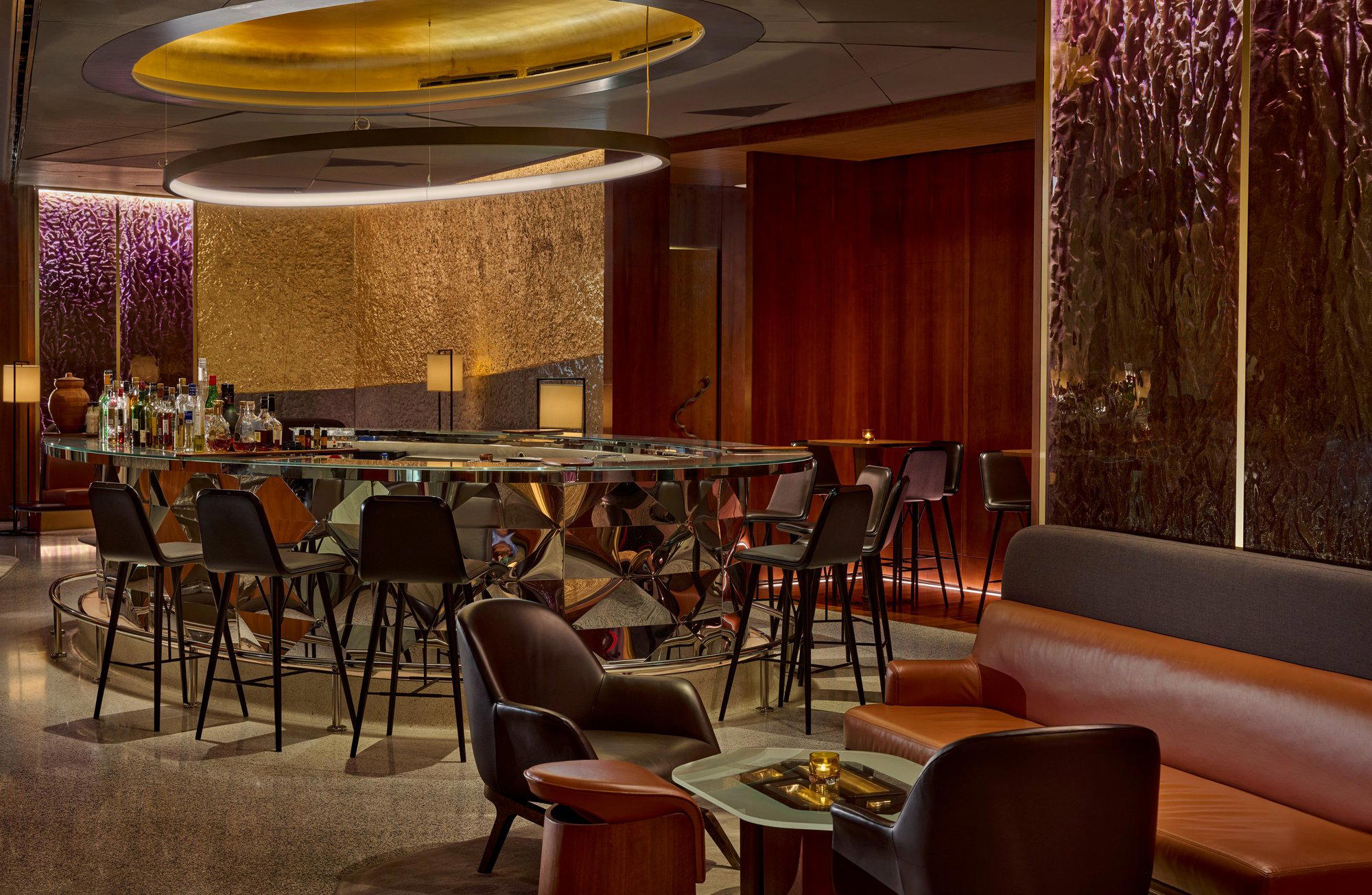
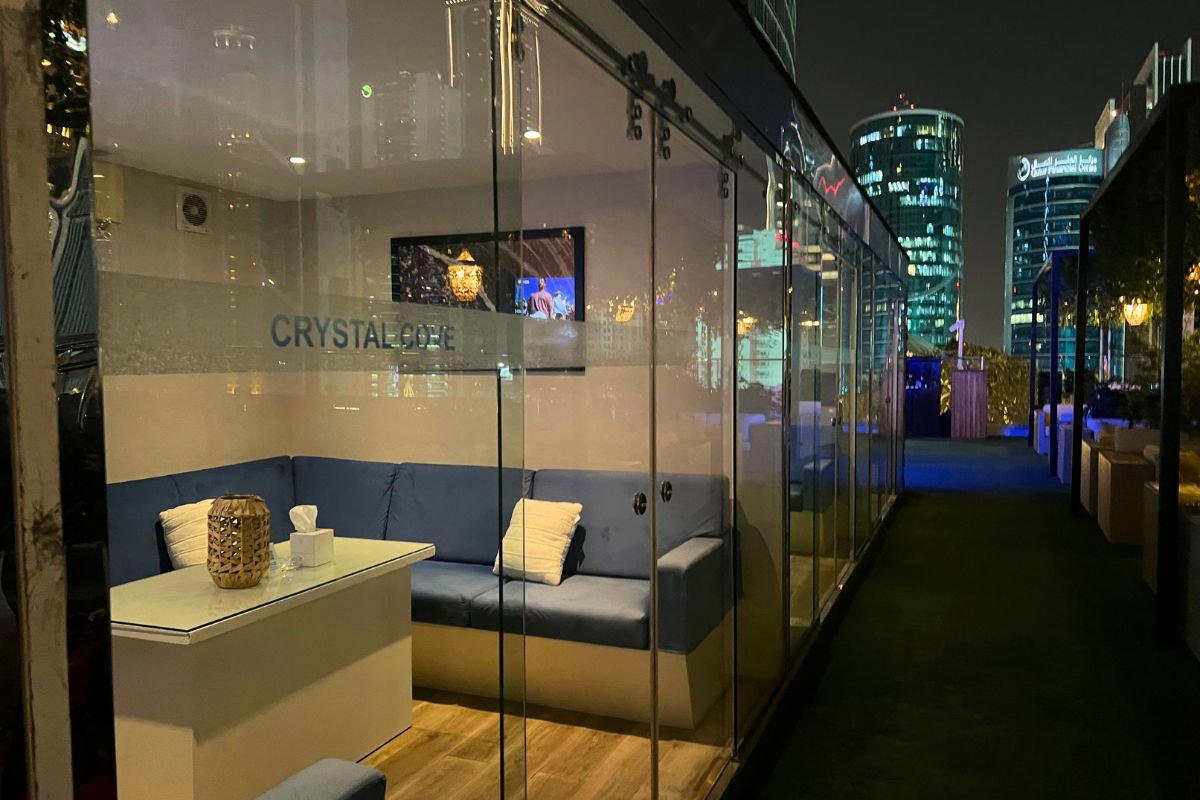
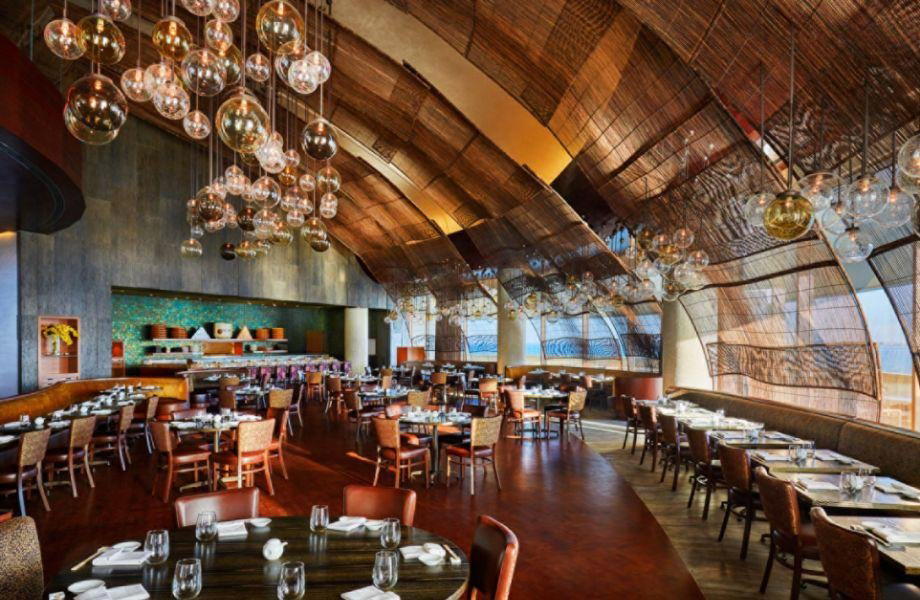

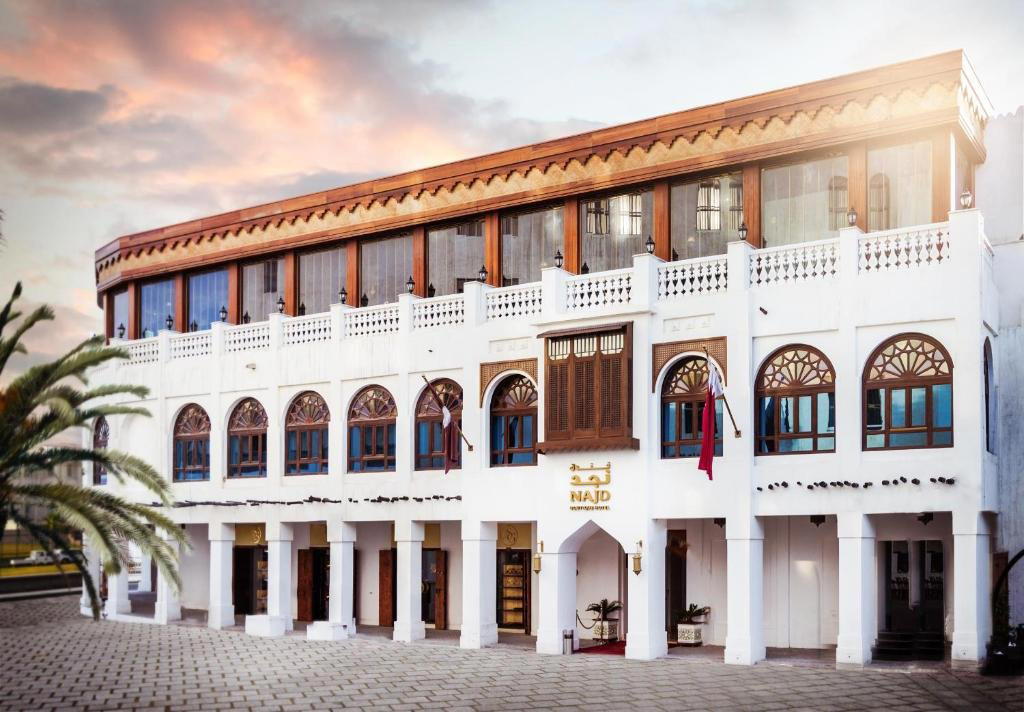
Details
- Lively
- Cozy
- Family
- Casual Hangout
- Group Dining
- Open Kitchen
- Street Scene
- A La Carte
- Vegetarian Friendly
- Halal
Casual and welcoming with the lively energy of Souq Waqif, featuring fresh bread and hospitable service.