Urs Wilhelm

Falstaff Restaurant - 92 Falstaff Points
Our verdict
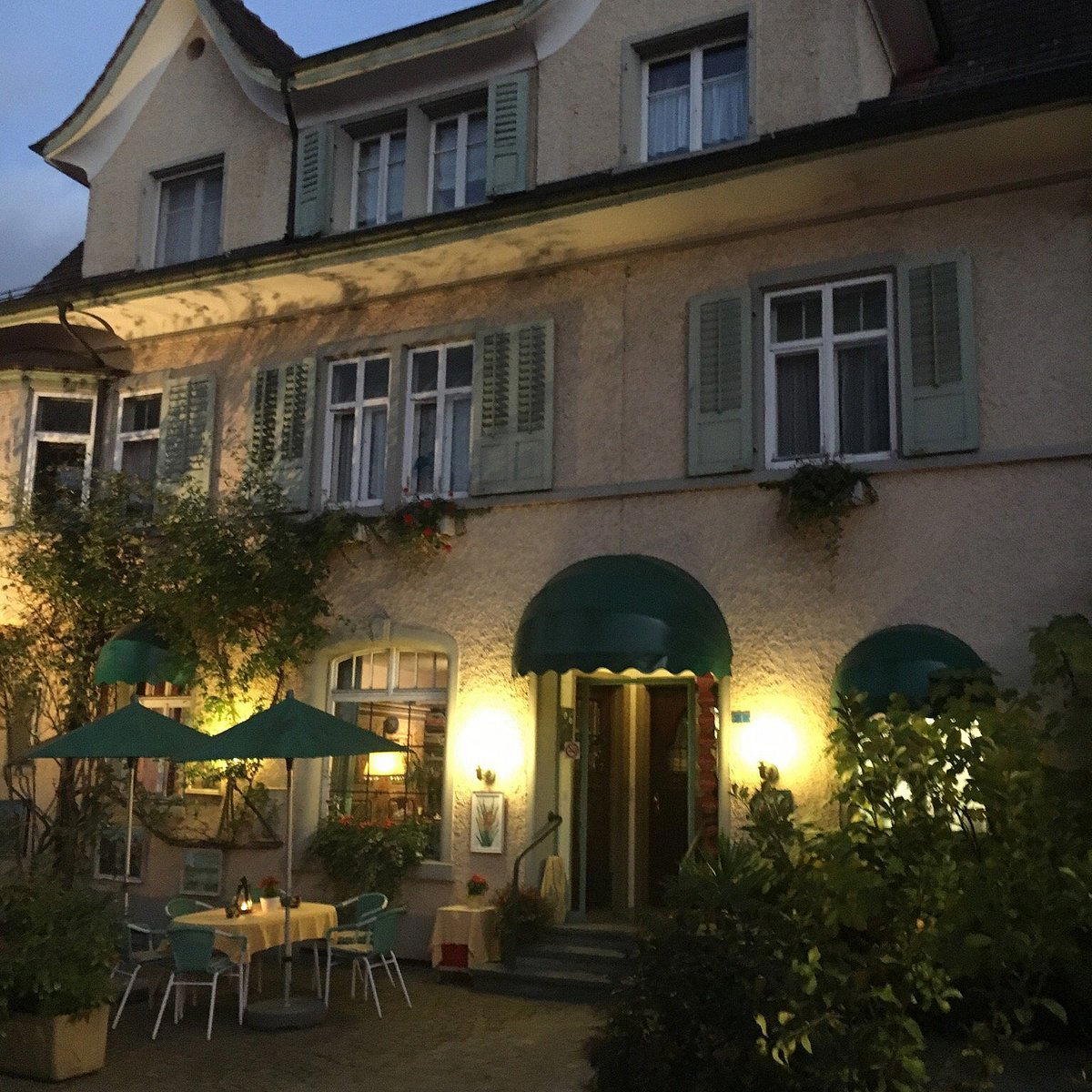
Urs Wilhelm sits at Kaffeegasse 1 in Altnau, a small lakeside commune on the southern shore of Lake Constance in canton Thurgau. The restaurant occupies a corner of Swiss-German provincial dining that rarely surfaces in international coverage, where local sourcing and regional cooking traditions hold more weight than metropolitan trends. For visitors tracing Switzerland's quieter dining circuits, it belongs in the same itinerary as the broader Thurgau table.

Pearl is the En Primeur Club membership app — saves, bookings, and concierge access live there. Same editors, same standards.
The menu
What to order
- Distinctive herb salad with addictive sauce
- Wiener Schnitzel
- Tafel-spitz
- Lake Constance fish
A Village Address in Thurgau's Orchard Country
Altnau sits on the southern edge of Lake Constance, in a canton that Switzerland's dining press tends to skip on its way to Zurich or Basel. Thurgau is orchard country: apple and pear cultivation defines the agricultural character of the region, and that identity has historically shaped what appears on tables here. The commune itself is small enough that Kaffeegasse, the street where Urs Wilhelm operates, registers as a genuine village address rather than a commercial strip. Approaching on foot, the scale of the place makes an argument before the food does: this is not a destination built around spectacle or scale.
That physical modesty is worth holding onto as context. Swiss provincial dining in the Lake Constance corridor has developed a particular logic: proximity to the lake and to the fruit-growing flatlands means that sourcing decisions are often less about philosophy and more about geography. Ingredients arrive from nearby because nearby is where the ingredients are. The distinction matters when comparing this kind of village table to the self-consciously foraged or farm-to-counter programs at higher-profile addresses like Schloss Schauenstein in Fürstenau or focus ATELIER in Vitznau. Those kitchens treat sourcing as a declared program; here, regional supply is structural rather than marketed.
What the Thurgau Table Looks Like
Canton Thurgau's culinary identity is quieter than its wine-country neighbors to the south and west. The region produces cider alongside wine, and its cooking leans toward the practical: lake fish, stone-fruit preparations, pork in various forms, and the kind of vegetable cookery that reflects what grows in volume at the right time of year. For a dining room at this address, those regional materials are the natural frame of reference, not an imported aesthetic. That puts Urs Wilhelm in a different conversation from the €€€€ tasting-menu tier represented by Memories in Bad Ragaz or IGNIV Zürich by Andreas Caminada, where sourcing stories are part of a formal narrative delivered across multiple courses.
In smaller Swiss-German communes, the village restaurant often carries social functions that urban fine-dining does not: it is the place for Sunday lunch after church, for local business conversations, for the kind of mid-week dinner that does not require advance planning. Whether Urs Wilhelm fits that pattern or tilts toward something more deliberate is not something the available record allows a firm claim on. What the address does confirm is a specific geographic commitment: Kaffeegasse 1, Altnau, places this kitchen inside a tight regional frame rather than a cosmopolitan one.
Ingredient Sourcing as Regional Fact
Across Switzerland's non-metropolitan dining belt, ingredient sourcing tends to follow two different logics. The first is proximity by default: kitchens buy from the nearest reliable suppliers because logistics favor it and the product quality is sufficient. The second is proximity as program: kitchens build sourcing relationships into their identity, communicate them to guests, and treat the provenance chain as part of the meal's meaning. The most celebrated Swiss tables in the current generation, including Hotel de Ville Crissier and Cheval Blanc by Peter Knogl in Basel, operate firmly in the second category, where sourcing is both a kitchen discipline and a guest-facing story.
A village address in Thurgau, by contrast, has the raw material conditions for sourcing by proximity: the lake offers perch and whitefish, the surrounding orchards offer fruit at harvest, and the agricultural flatlands around Altnau supply the kind of everyday produce that urban kitchens have to source from a greater distance. Regional produce in this corner of Switzerland arrives fresher and with less supply-chain pressure than it does in Zurich or Geneva, where kitchens like L'Atelier Robuchon are working from a different sourcing geography entirely.
Altnau's two other listed dining addresses, Derins Pizzeria and Krone am See, suggest a village dining scene that spans from casual to moderately formal. Krone am See, with its lakeside position, operates within the Swiss Gasthof tradition of combining regional food with a hospitality function. Urs Wilhelm, by address and name, reads as the more personal, likely owner-operated entry in that small local field.
Placing Urs Wilhelm in the Wider Swiss Table
Switzerland's restaurant map is often read through its Michelin geography: the concentration of recognized tables in Geneva, Zurich, and the Graubünden valleys, with a scattering of strong regional addresses in between. Places like Einstein Gourmet in Sankt Gallen, Colonnade in Lucerne, and 7132 Silver in Vals represent the tier that has attracted formal recognition while remaining outside the major urban centers. Altnau does not appear in that tier based on available documentation, which places Urs Wilhelm in the category of village restaurant that operates outside formal award circuits.
That positioning is not a deficit. Some of the most coherent regional cooking in Switzerland happens in exactly this register: small rooms, local clientele, menus that shift with what the surrounding countryside produces at a given time of year. The international comparison is instructive: the same pattern holds in France's smaller appellation towns, in northern Italy's agricultural communes, and in the village tables of coastal Croatia. The gap between a starred address and a capable village table is not always a gap in cooking quality; it is often a gap in program, communication, and marketing ambition.
For readers building a wider Swiss itinerary, the context extends further: Da Vittorio in St. Moritz and La Brezza in Ascona represent the resort-destination end of Swiss dining, where the room and the setting carry as much weight as the plate. La Table du Lausanne Palace sits in the hotel-fine-dining bracket. Urs Wilhelm sits at the opposite end of that spectrum: a specific address in a specific small town, without the infrastructure of a hotel, a resort, or a formal awards program behind it. That specificity is its clearest distinguishing characteristic. For a broader view of what the town has to offer across price points, our full Altnau restaurants guide covers the field.
Planning a Visit
Altnau is accessible by S-Bahn from both Zurich and Konstanz, with the Altnau station placing visitors within walking distance of Kaffeegasse. For travelers arriving by rail from Zurich, journey time runs under an hour on the Lake Constance route, making a day or evening trip logistically direct from the city. The absence of a digital footprint is not unusual for owner-operated village restaurants in this part of Switzerland, but it does mean that on-the-ground intelligence is harder to gather than for a fully documented urban address. Arriving without a confirmed reservation, particularly on weekends when local trade is heavier, carries more risk than it would at a city restaurant with published booking systems.
Frequently asked questions
Is Urs Wilhelm good for families?
The village setting at Kaffeegasse 1 in Altnau suggests an intimate, low-key environment rather than a large format dining room. Altnau itself is a small Thurgau commune, so the surrounding area is quiet and manageable with children.
What is the atmosphere like at Urs Wilhelm?
Urs Wilhelm occupies a village address in Altnau, a small commune on the southern edge of Lake Constance in Canton Thurgau. The setting points toward a contained, neighbourhood-scale dining room rather than anything resembling a city-centre operation. Thurgau's culinary character runs quieter than the wine-country tables further south and west, which shapes the general register here.
How do you get to Urs Wilhelm in Altnau without a car?
Altnau station is served by the S-Bahn network connecting Zurich and Konstanz, placing Kaffeegasse 1 within walking distance of the platform. The train link makes Urs Wilhelm accessible as a day or evening trip from either city without requiring a rental car. Check current SBB timetables for direct services into Altnau, as frequency varies by time of day.
What do people recommend at Urs Wilhelm?
Thurgau's regional table draws on local produce, cider alongside wine, and proximity-sourced ingredients — patterns that tend to inform kitchens operating at this village scale. For current menu detail, reaching out to the venue directly is the most reliable route.
What's Urs Wilhelm's location?
Urs Wilhelm is located at Kaffeegasse 1, 8595 Altnau, Switzerland, Altnau.
Is Urs Wilhelm reservation-only?
For a village-scale address in a small Thurgau commune, advance contact before visiting is advisable regardless of formal reservation requirements. No phone number or website is currently listed in the public record.
What's the signature at Urs Wilhelm?
No specific signature dish or tasting format is documented for Urs Wilhelm at this time. The Thurgau regional context — orchard produce, local cider culture, and proximity sourcing — provides the most likely frame for the kitchen's direction. Current menu specifics are best confirmed directly with the venue.
A Quick Peer Check
Comparable venues nearby, for context on price, style, and recognition.
| Venue | Cuisine | Price | Awards | Notes |
|---|---|---|---|---|
| Urs WilhelmThis venue — the venue you are viewing | Classic Swiss Gourmet | $50–100 | Falstaff Restaurant - 92 Falstaff Points | Not listed |
| Krone am See | Mediterranean & Regional Swiss Seasonal Cuisine | $50–100 | Michelin Plate | Altnau |
| Derins Pizzeria | Kebab & Pizzeria | $10–20 | Not listed | Altnau |
| Schwanau | Swiss Fine Dining | $50–100 | Not listed | Lauerz |
| Cuschina Menono | Contemporary Swiss Fine Dining | $100–150 | Not listed | Camischolas, Tavetsch |
| Wild Cabin | Swiss Brasserie with Sharing Plates | $50–100 | Not listed | Crans-Montana |
Recognition history
Dated appearances from independent guides and award organizations, with the underlying list record or original source where available.
Falstaff Restaurant - 92 Falstaff Points
Falstaff
Continue exploring
More in Altnau
Restaurants in Altnau
All restaurants in Altnau →
Bars in Altnau
Browse all →


Details
- Cozy
- Classic
- Intimate
- Special Occasion
- Business Dinner
- Terrace
- Local Sourcing
- A La Carte
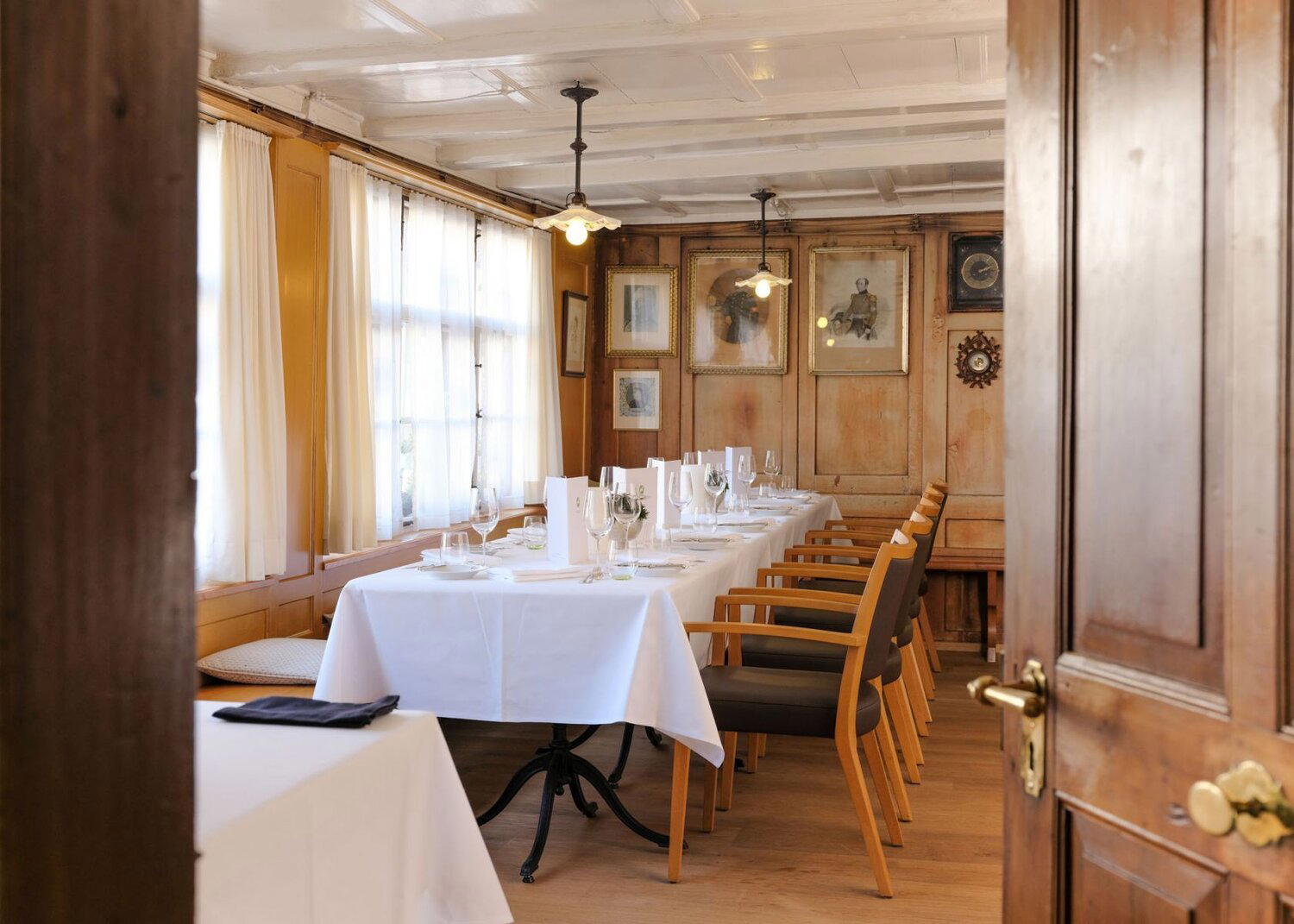
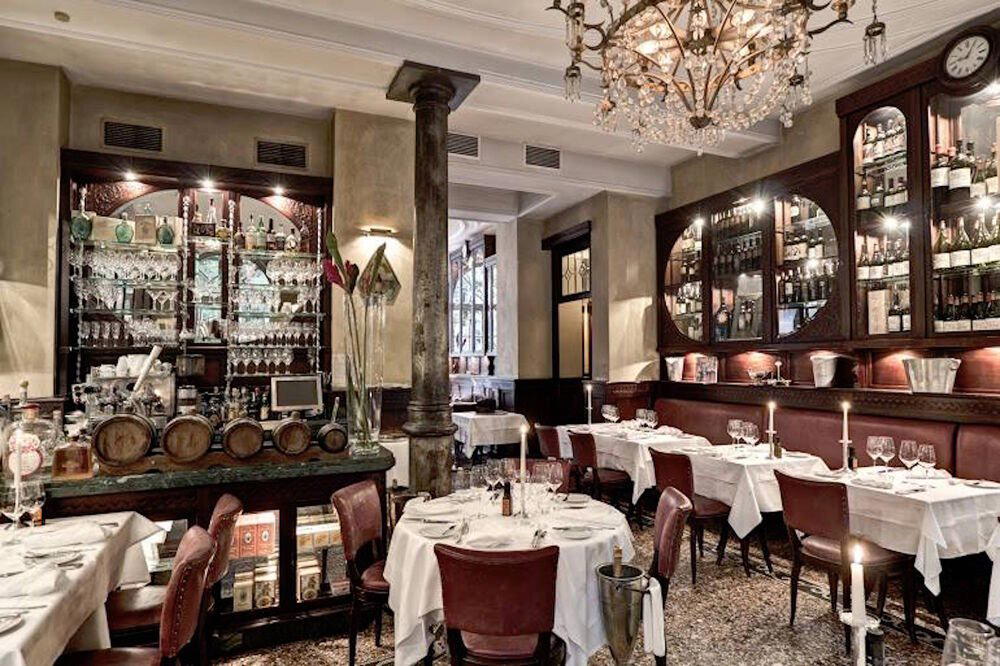
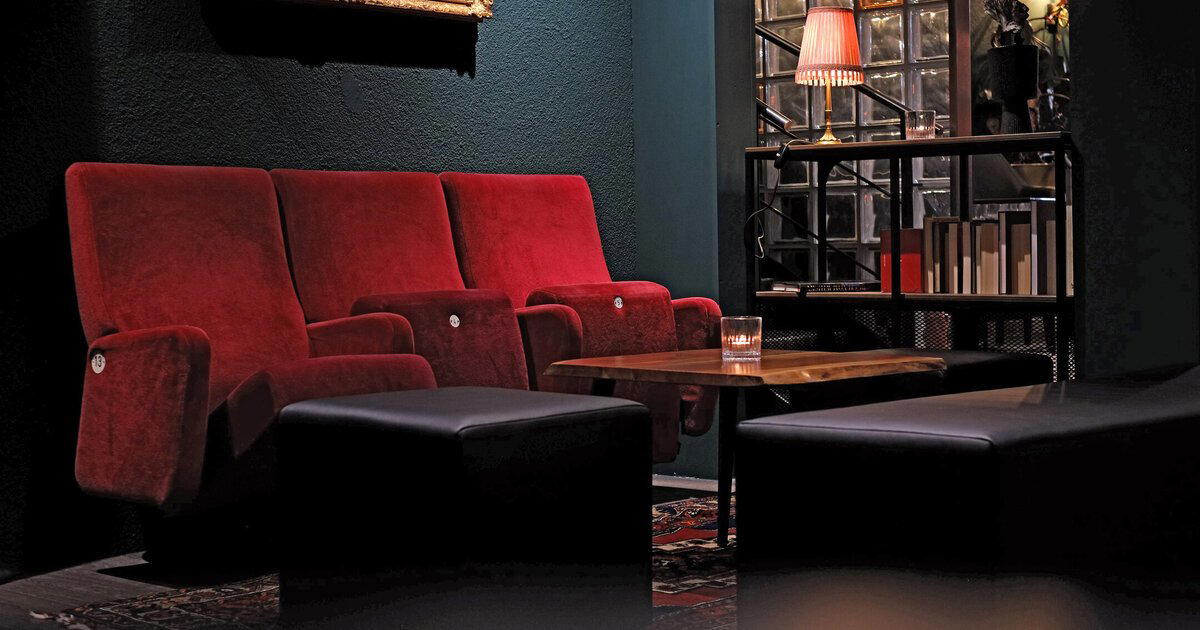
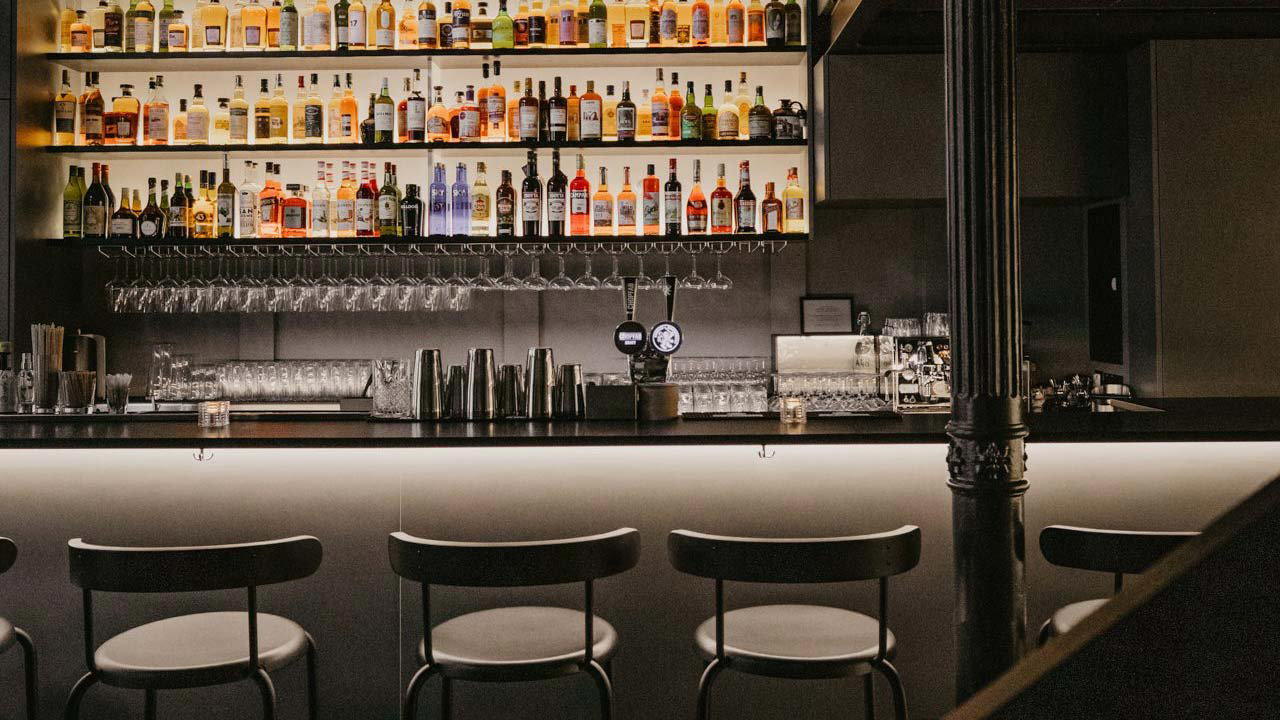
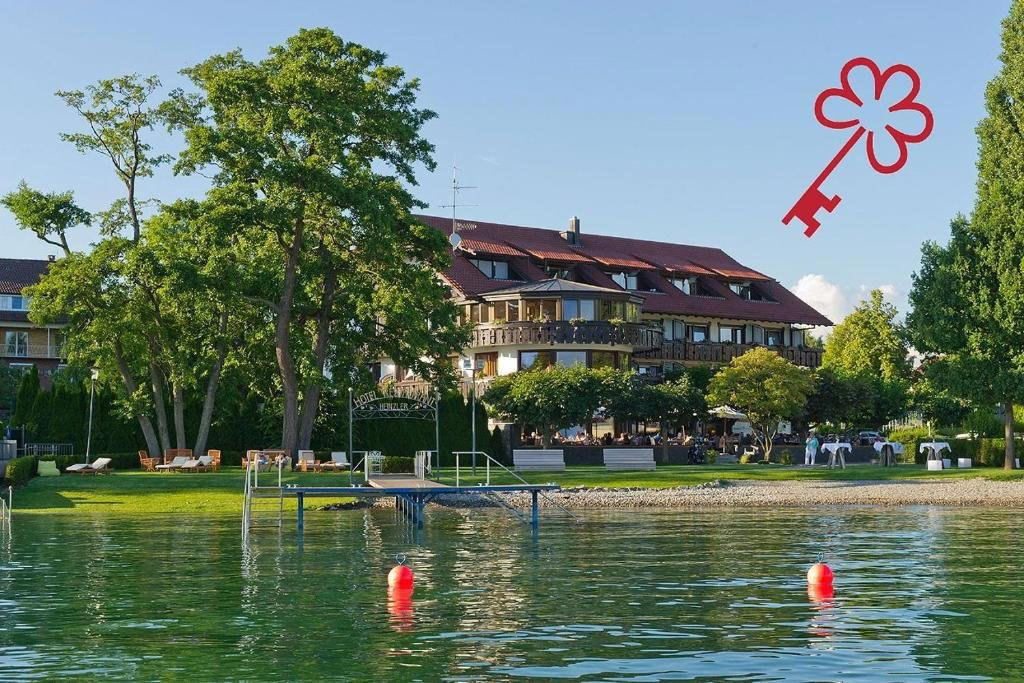
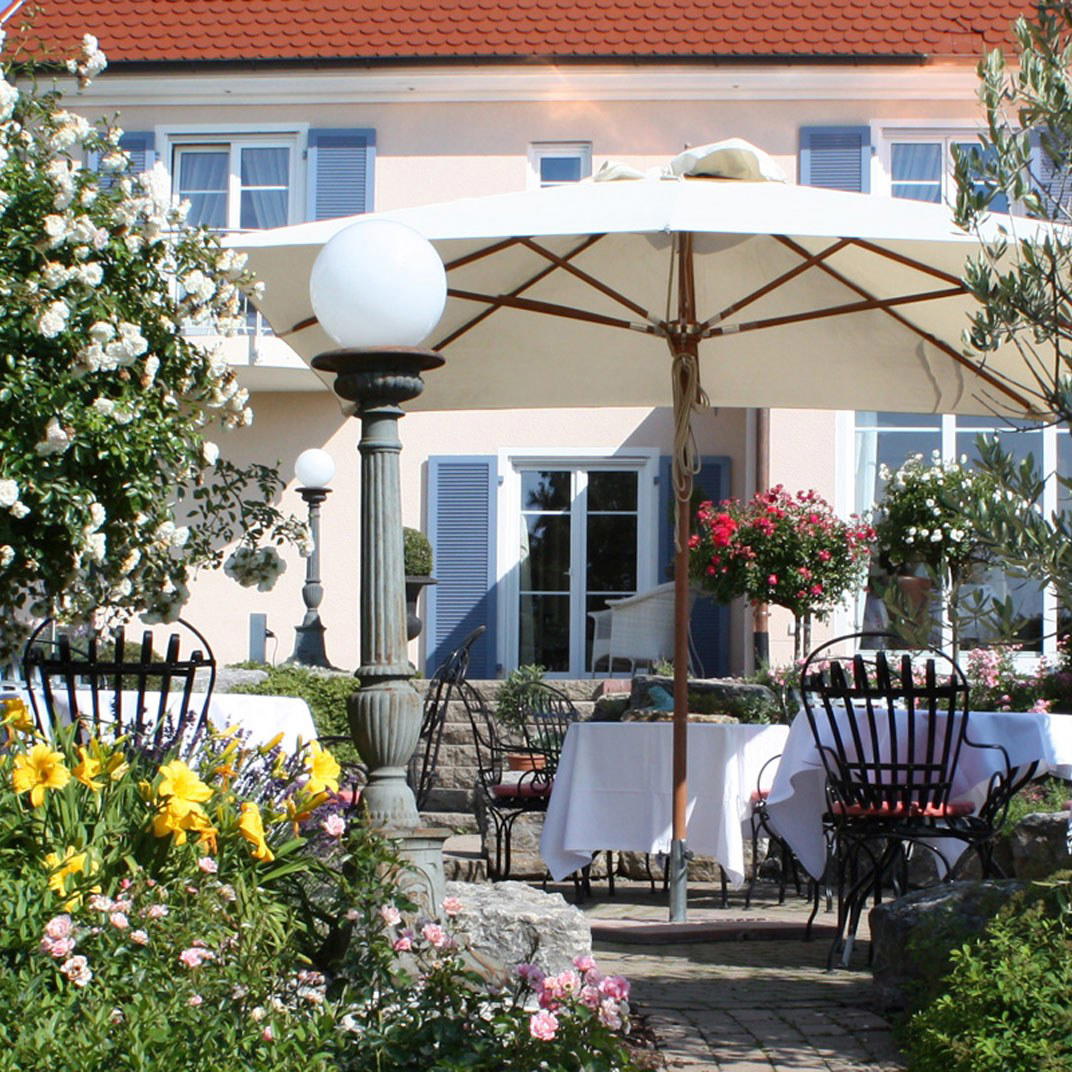
Cozy and homey ambiance in a charming Art Nouveau house with notable atmosphere.