
UNA-VERSE in Taichung's Nantun District takes the format of a multicourse dessert tasting menu and applies it with the precision of a full fine-dining kitchen. Counter seating puts diners face-to-face with the chefs as they work through modern reinterpretations of Taiwanese sweets, each informed by French technique and occasional savoury turns. Beverage pairings, both wine and non-alcoholic, are built into the experience.
Pearl is the En Primeur Club membership app — saves, bookings, and concierge access live there. Same editors, same standards.
- Address
- 268, Section 2, Wuquan West Road, Nantun District
- Directions
- Get directions
 Saves & bookings on Pearl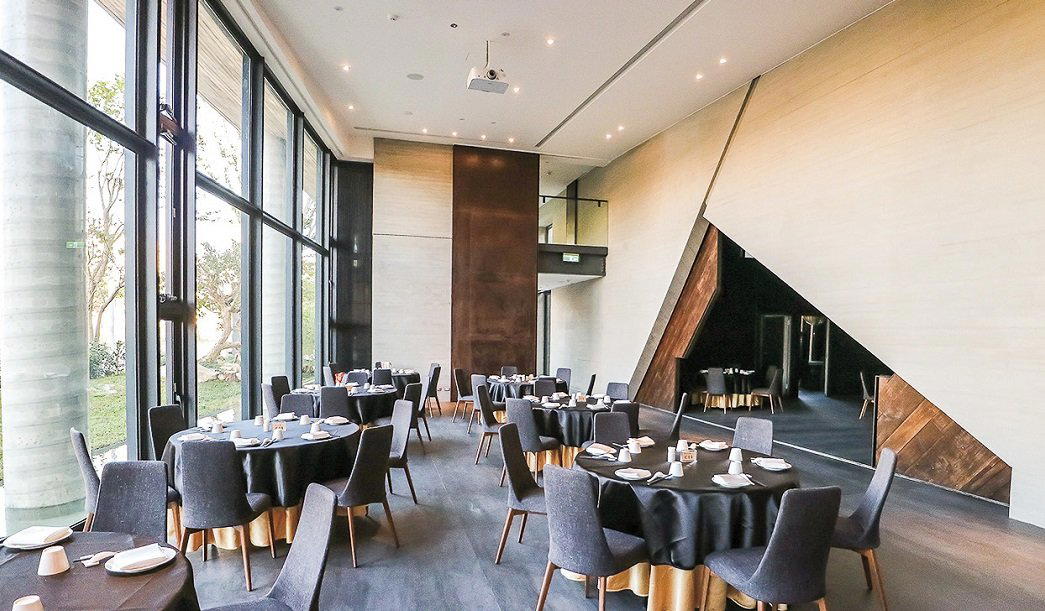
A Counter Seat and a Deliberate Pace
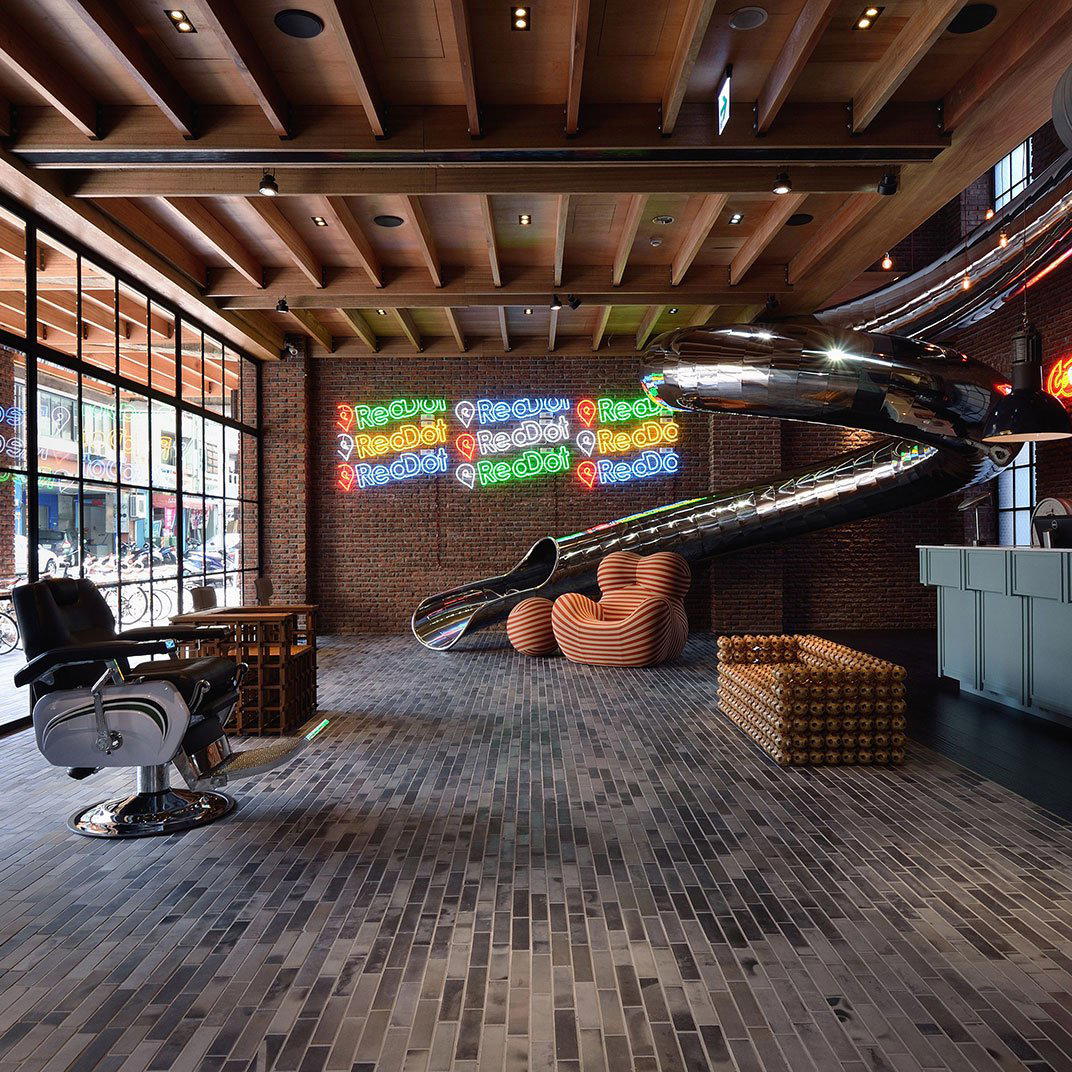
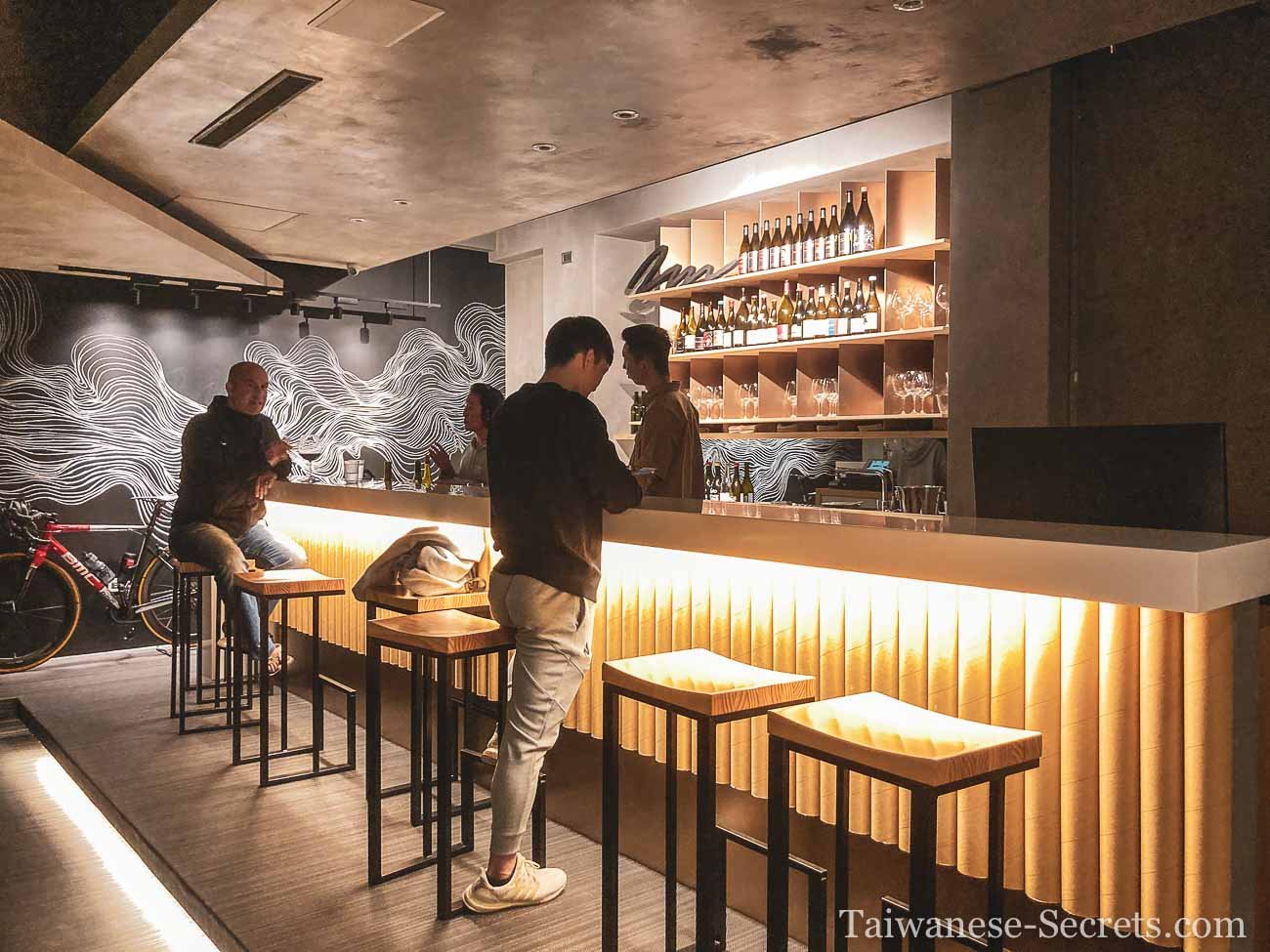
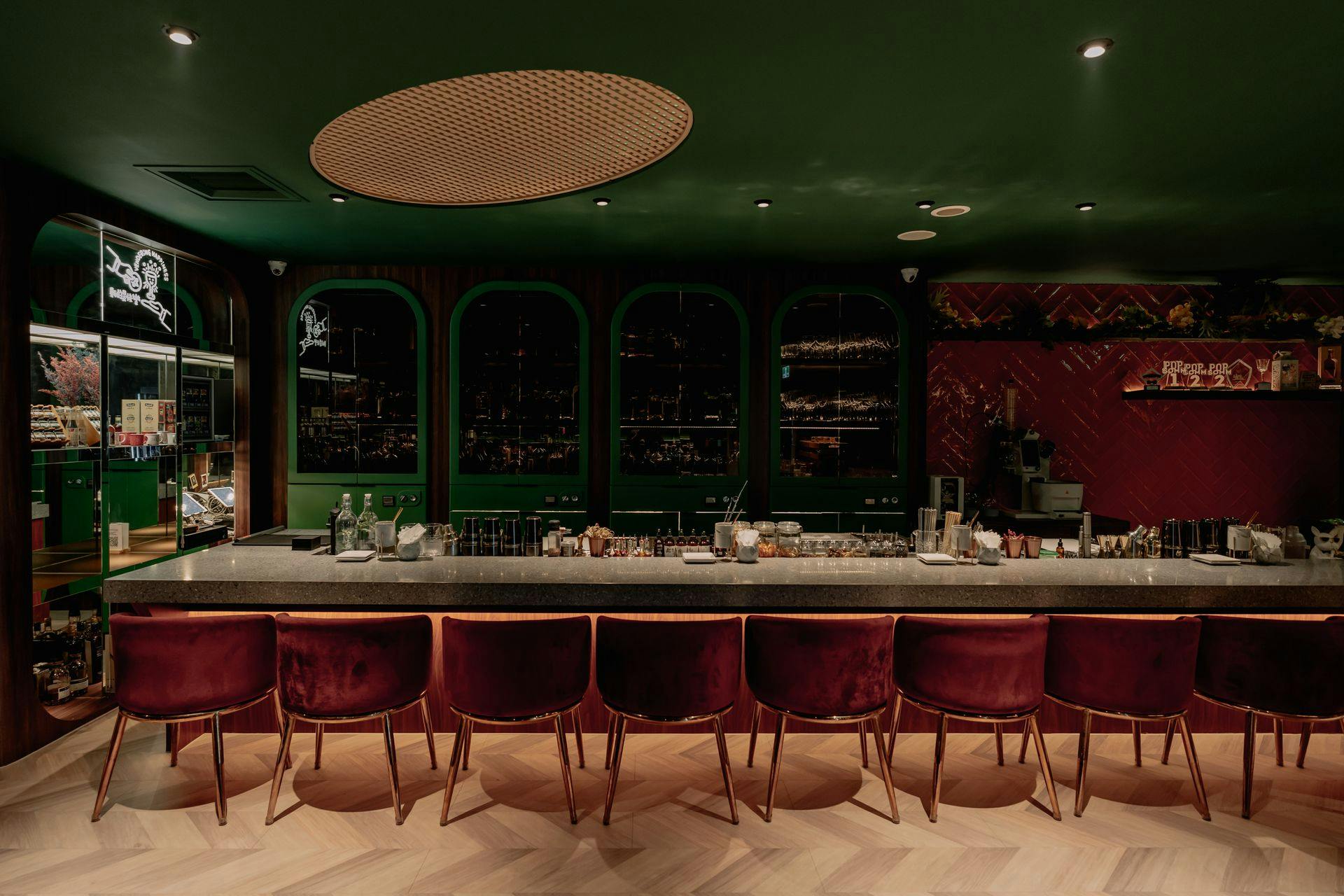
UNA-VERSE in Taichung is a modern Taiwanese dessert restaurant serving a multicourse tasting menu at a chef's counter, with an average price of about US$25 per person. The beige and light-wood interior at UNA-VERSE does something specific: it removes visual noise before the meal begins. In a city where Taichung's more theatrical fine-dining rooms compete on atmosphere as much as cuisine, the restrained palette here functions as a signal of intent. The cooking is meant to hold the attention, not the room. Counter seats run along the kitchen, so the pacing of each course is visible before it arrives. Diners watch preparation rather than waiting in the dark.
This kind of spatial honesty has become a recurring feature in Taiwan's smaller tasting-menu formats. The chef-to-diner relationship at a counter is fundamentally different from the tablecloth model: questions are answered in real time, modifications acknowledged mid-service, and the meal reads less like a performance and more like a conversation between two parties who both take dessert seriously. UNA-VERSE commits to that dynamic across every course.
The Dessert Tasting Menu as a Dining Structure
Multicourse dessert menus occupy a genuinely small niche in contemporary fine dining globally, and an even smaller one in Taiwan. The format asks something of the diner that a savoury tasting menu does not: a willingness to spend two or more hours inside a register of cuisine typically allocated thirty minutes at the end of a meal elsewhere. At their weakest, such menus expose the structural repetition of sugar. At their most considered, they function as a full argument about what Taiwanese ingredients and sweets traditions can sustain when given the same editorial rigour applied to a savoury kitchen.
The restaurant's menu operates in that second register. The foundation is Taiwanese sweets, read through the logic of French pastry technique, with savoury elements introduced at points where contrast earns its place. This is not fusion for its own sake. French training provided the grammar; Taiwanese ingredients supply the vocabulary. The combination produces something that reads as locally anchored rather than internationally generic, which is a harder outcome to achieve than it sounds.
Across Taichung's fine-dining tier, a few reference points clarify the restaurant's position. JL Studio works Modern Singaporean cuisine through a tasting format that similarly reinterprets a regional food tradition at fine-dining scale. Sur- takes a Taiwanese contemporary approach in the same general price tier. L'Atelier par Yao handles French Contemporary from a different vantage point. None of them share the dessert-forward format. The restaurant has no direct local competitor in its specific lane.
How the Ritual Moves
The dining ritual at a dessert counter requires a different kind of calibration than a savoury tasting menu. Portion scale runs smaller, transitions between courses arrive with shorter rests, and the beverage pairing program carries more structural weight as a result. At the restaurant, both wine and non-alcoholic pairings are offered alongside the food progression, which means the kitchen has considered how acidity, tannin, and carbonation interact with each dish at each stage. That level of integration is not incidental. It reflects the same design logic applied to a savoury fine-dining program at venues like logy in Taipei, where beverage direction and food direction are built in parallel rather than assembled separately.
For diners arriving from outside Taiwan, or from other Taiwanese cities, the format repays a slightly slower approach than habit might suggest. The non-alcoholic pairing is worth serious consideration rather than default dismissal: Taiwan's tea tradition and fruit fermentation culture produce pairing options that do substantive work alongside this kind of cooking, and restaurants operating at this level have generally thought carefully about which of those options belong at which point in the meal. GEN in Kaohsiung and Akame in Wutai Township both demonstrate how seriously regional kitchens have engaged with non-alcoholic pairing programs; the restaurant operates in that same current of thinking.
The Savoury Undertone
The occasional savoury element in the restaurant's menu is worth addressing directly, because it signals something about the kitchen's editorial position. A menu that builds savoury logic into the dessert courses themselves is doing something more considered: it treats sweetness as one variable in a composition rather than the constant against which everything else operates. The result is a menu that holds together as a coherent argument rather than a sequence of individually impressive sweets. Whether this satisfies or frustrates depends largely on what the diner brings to the counter, but it is the approach that separates a pastry chef's tasting menu from a dessert trolley with ambitions.
For context outside Taiwan, the format shares some kinship with the more rigorous end of the pastry-forward tasting genre seen at ambitious kitchens internationally. What distinguishes the restaurant's version is the specificity of its Taiwanese reference points, which gives the savoury-sweet balance a regional coherence rather than a generic fine-dining neutrality. Visitors who have tracked the development of Taiwanese ingredient-focused cooking at places like Zhu Xin Ju in Tainan will recognise the underlying approach.
Taichung's Wider Fine-Dining Context
Taichung has positioned itself as Taiwan's second fine-dining city over the past decade, with a concentration of tasting-menu restaurants across price tiers that competes credibly with Taipei in terms of ambition if not volume. Venues like MINIMAL and Oretachi No Nikuya occupy different format and cuisine positions, but collectively they signal a city where specialist formats can find an audience. The restaurant is a further data point in that pattern: a format with no obvious precedent in the city, operating on the assumption that Taichung diners will engage with a dessert-led multicourse meal at fine-dining pacing.
For visitors planning around the restaurant, Nantun District sits south of Taichung's central core. The address on Section 2 of Wuquan West Road is accessible by taxi or rideshare from the central hotel and dining cluster.
Style and Standing
Comparable venues nearby, for context on price, style, and recognition.
| Venue | Cuisine | Price | Awards | Notes |
|---|---|---|---|---|
| UNA-VERSEThis venue — the venue you are viewing | Modern Taiwanese Dessert | $$$ | Michelin Plate | Not listed |
| Ming Juan Lou | Contemporary Cantonese with Taiwanese Terroir | $$$ | Michelin Plate | Zhongxing |
| Hibiki Seafood | Fresh Seafood with Live Tank Selection | $$$ | Michelin Plate | Chaoyang |
| SHINEYU | Contemporary Cantonese & Chinese | $$$$ | Michelin Plate | Huilai |
| Yuan | Modern Taiwanese Seasonal Cuisine | $$$ | Michelin Plate | Gongping |
| Gubami | Gourmet Taiwanese Beef Noodle | $$$ | Not listed | West District |
Recognition history
Dated appearances from independent guides and award organizations, with the underlying list record or original source where available.
Michelin Plate
Michelin
At a Glance
- Modern
- Trendy
- Date Night
- Casual Hangout
- Design Destination
- Local Sourcing
Current opening hours
- Monday
- 12:30–6 PM
- Tuesday
- 12:30–6 PM
- Wednesday
- Closed
- Thursday
- Closed
- Friday
- 12:30–6 PM
- Saturday
- 12:30–6 PM
- Sunday
- 12:30–6 PM
Hours can change for holidays and private events. Last verified .
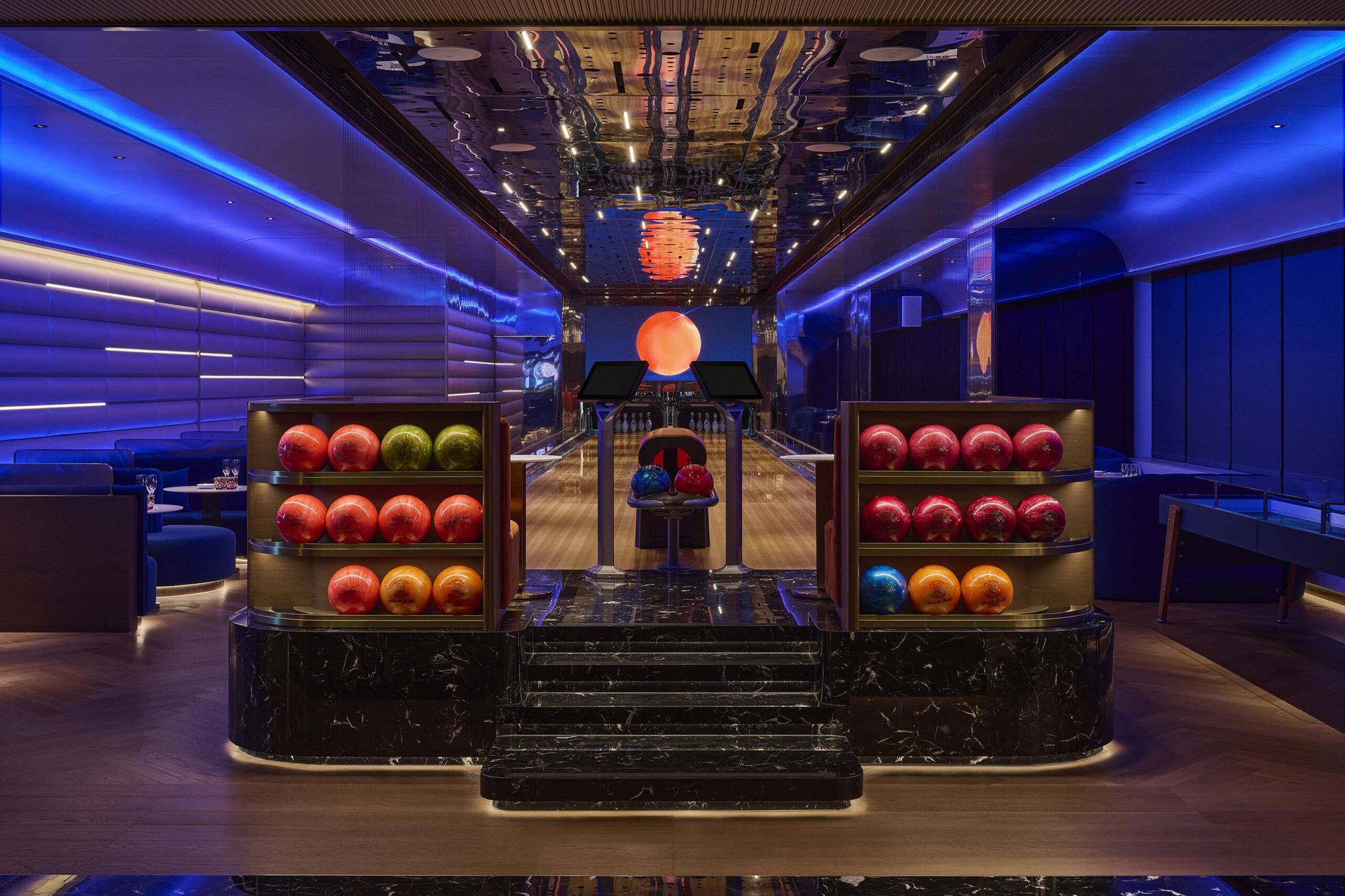
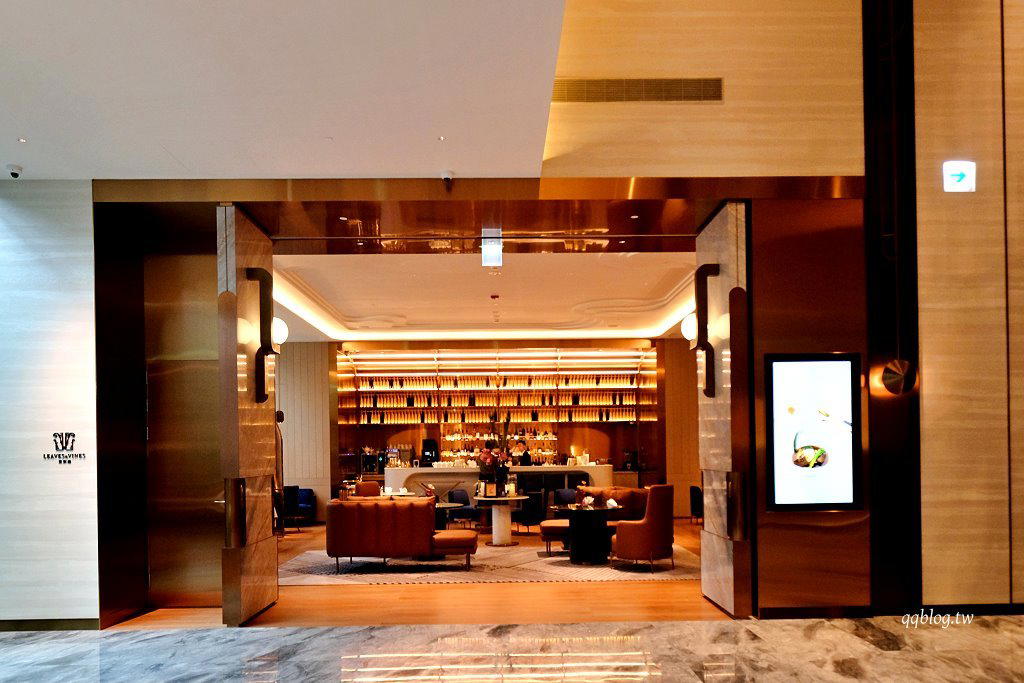
Warm, theatrical design resembling a dessert stage.