
Tabelog 100 #17
Our verdict
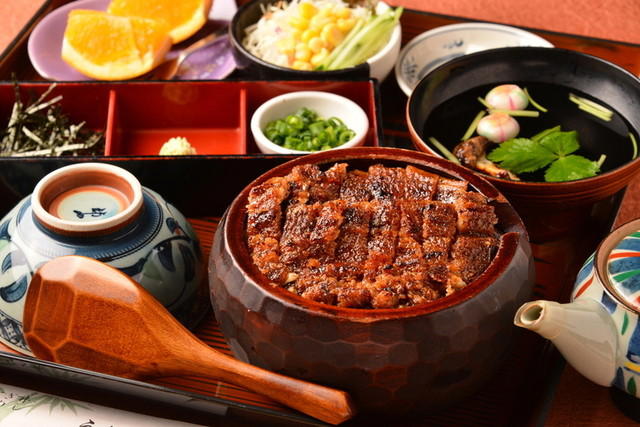
Una Sen places Tajimi’s unagi culture in a sourcing-led frame, with live eel primarily from Mikawa in Aichi and a format built around kabayaki, unaju, unagi don, and hitsumabushi. Its selection for Tabelog 100 - Unagi - 2024 gives it a clear national signal, while the mood remains closer to a regional eel house than a formal destination restaurant.

Pearl is the En Primeur Club membership app, where members save venues, book tables and use the concierge.
The menu
What to order
- Hitsumabushi
- Una-ju (grilled eel over rice)
- Shirayaki teishoku
- Nagayaki teishoku
Approaching a serious unagi house in provincial Japan, the first signal is patience: grilling, sauce, and rice handled in sequence rather than assembled on command. Tajimi, better known internationally for ceramics than restaurant theatrics, suits that rhythm. Its dining culture rewards specialist rooms, local tables, and ingredients with short regional logic. Una Sen belongs to that category: an eel restaurant whose authority comes from the old Japanese equation of fish, controlled heat, tare, and timing.
Unagi can look like one dish repeated across Japan, but the differences matter: how the eel is prepared and grilled, sauce assertiveness, and how rice is handled. Here the appeal is the focus. The kitchen is recognized in a category where texture, fat, grill response, and the balance between eel and rice become the point, rather than a decorative supporting detail.
Tajimi appetite and the discipline of kabayaki
Japan’s eel tradition is restraint disguised as comfort food. Kabayaki depends on repetition: prepared eel, grill, sauce, grill again, then rice that absorbs without collapsing. The restaurant’s category emphasizes grill and sauce rather than a long chef narrative, the right emphasis for this genre. In an unagi specialist, the craft becomes public only when it reaches the table; the real work is heat control and consistency across lunch and dinner.
The meal points to classic eel-house expectations, not tasting-menu reinterpretation. The choice is less about novelty than about how directly diners want to engage with grilled eel, sauce, and rice. That matters here because the pleasure is comparative, not decorative: sweetness against char, fat against grain, and a style that rewards attention even when the format looks simple.
Recognition gives the room national context. Selection for Tabelog Hyakumeiten in the unagi category for 2024 places it among a curated group of eel specialists, not general Japanese restaurants. That distinction helps travelers: the comparison is not sushi counters or kaiseki rooms, but unagi houses where sauce, eel handling, and rice service define the meal. A Tabelog score of 3.70 reinforces the picture: strong category-specific traction rather than broad international branding.
Where it sits in Tajimi's restaurant circuit
Tajimi’s restaurant map reads better by category than hierarchy. For a lighter local stop, Shinano Ya sits in a different everyday register. For another local Japanese format, Nobumi is a useful local counterpoint. Beef enters another register: Niku no Higuchi Chokuei Yakiniku Yasufuku Honten and Kominka Yakiniku Kotori make different evening decisions from an eel-house meal.
That comparison clarifies Una Sen’s role. It is not Tajimi’s broad survey of Japanese cooking; it is the specialist choice when eel is the reason for the meal. The listed budget, JPY 3,000–JPY 3,999 for both lunch and dinner, keeps the experience in a focused local dining band rather than pushing it into a formal luxury bracket. The useful expectation is precision and concentration rather than ceremony for its own sake.
For travelers building a Tajimi day around ceramics, local movement, and one focused meal, eel has a particular advantage. It is filling without requiring a long multi-course arc, and it expresses regional Japanese specialization better than a generic set meal. The trade-off is timing: grilled eel is not fast food, and houses cooking with care build waiting time into the pleasure and the cost of precision. That expectation matters more than dress code or ceremony.
How to read the meal before ordering
Approach this style by deciding how directly you want the eel to speak. The core appeal is eel, rice, sauce, and smoke, with little need for distraction. A good unagi meal does not need embellishment from many sides; the point is judging the eel’s fat, the sauce’s balance, and how the rice carries both. The simplicity is what makes small differences visible.
Drinks and extras should follow the same logic. The useful pairing principle is weight, not luxury: choose something that can handle sweetness and char without flattening the fish. Diners with restrictions should confirm current details directly with the restaurant, especially where sauce and accompaniments may matter. In a specialist room, practical questions are best settled before the meal so the table can focus on the eel.
Within a broader Japan itinerary, Una Sen shows how compelling meals often sit outside capital-city circuits. The national restaurant conversation can overvalue scarcity and underread regional specialization. Tajimi’s appeal is different: a ceramics city whose dining scene moves between eel, beef restaurants, and local Japanese formats. For planning context, use our full Tajimi restaurants guide, then pair the meal with our full Tajimi hotels guide, our full Tajimi bars guide, our full Tajimi wineries guide, and our full Tajimi experiences guide.
Readers comparing category-specific Japanese meals beyond Tajimi can also think generically rather than by prestige alone: grilled meat rooms, seafood counters, curry specialists, cafes, and compact local dining rooms all show how a focused format can define a meal. Outside Japan, the comparison becomes how clearly a single-format idea travels, and how much of the original appeal depends on local ingredients, service rhythm, and everyday dining culture.
Frequently asked questions
Is Una Sen child-friendly?
Una Sen is an unagi restaurant in Tajimi. For child seating, stroller access, and the latest dining-room policies, check the venue's official channels before visiting.
Is Una Sen formal or casual?
It reads as a focused unagi specialist rather than a formal tasting-menu venue. The listed lunch and dinner budget is JPY 3,000–JPY 3,999, and the main reason to book or visit is the eel category itself.
Is Una Sen expensive?
Pricing at Una Sen is listed as Dinner: JPY 3,000 - JPY 3,999; Lunch: JPY 3,000 - JPY 3,999.
What part of town is Una Sen in?
Tajimi.
At-a-Glance Comparison
Comparable venues by cuisine and price in the same metro.
| Venue | Cuisine | Price | Awards | Notes |
|---|---|---|---|---|
| Una SenThis venue (the venue you are viewing) | Traditional Japanese Unagi (eel) restaurant | $30–50 | Tabelog 100 #17 | Not listed |
| Kominka Yakiniku Kotori | Traditional Yakiniku in a Renovated Kominka | $20–30 | Tabelog 100 #84 | Takaramachi |
| Shinano Ya | Japanese Udon & Ramen | $1–10 | Tabelog 100 #48 | Uenocho |
| Nobumi | Casual Japanese | $10–20 | Tabelog 100 #38 | / Tajimi |
| Niku no Higuchi Chokuei Yakiniku Yasufuku Honten | Yakiniku & Hida Beef | $30–50 | Tabelog 100 #94 | Tajimi |
| Maruyoshi Shokudo | Traditional Miyako Soba | $10–20 | Not listed | Gusukube |
Recognition history
Dated appearances from independent guides and award organizations, with the underlying list record or original source where available.
Tabelog 100 #17 · No. 17
Tabelog · Tabelog 100 - Unagi - 2024
Continue exploring
More in Tajimi
Restaurants in Tajimi
All restaurants in Tajimi →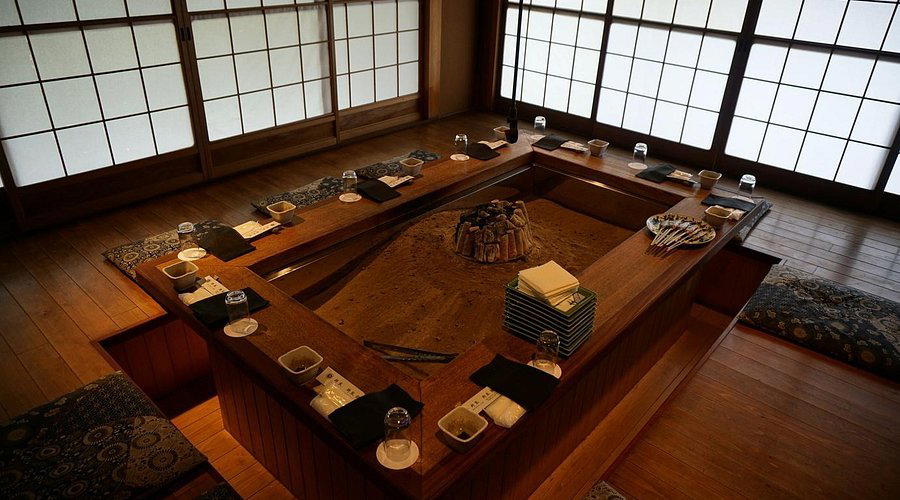


Details
- Classic
- Cozy
- Lively
- Family
- Group Dining
- Casual Hangout
- Solo
- Standalone
- Local Sourcing
- A La Carte
- Set Menu
- Tea
- Beer
- Pescatarian Friendly
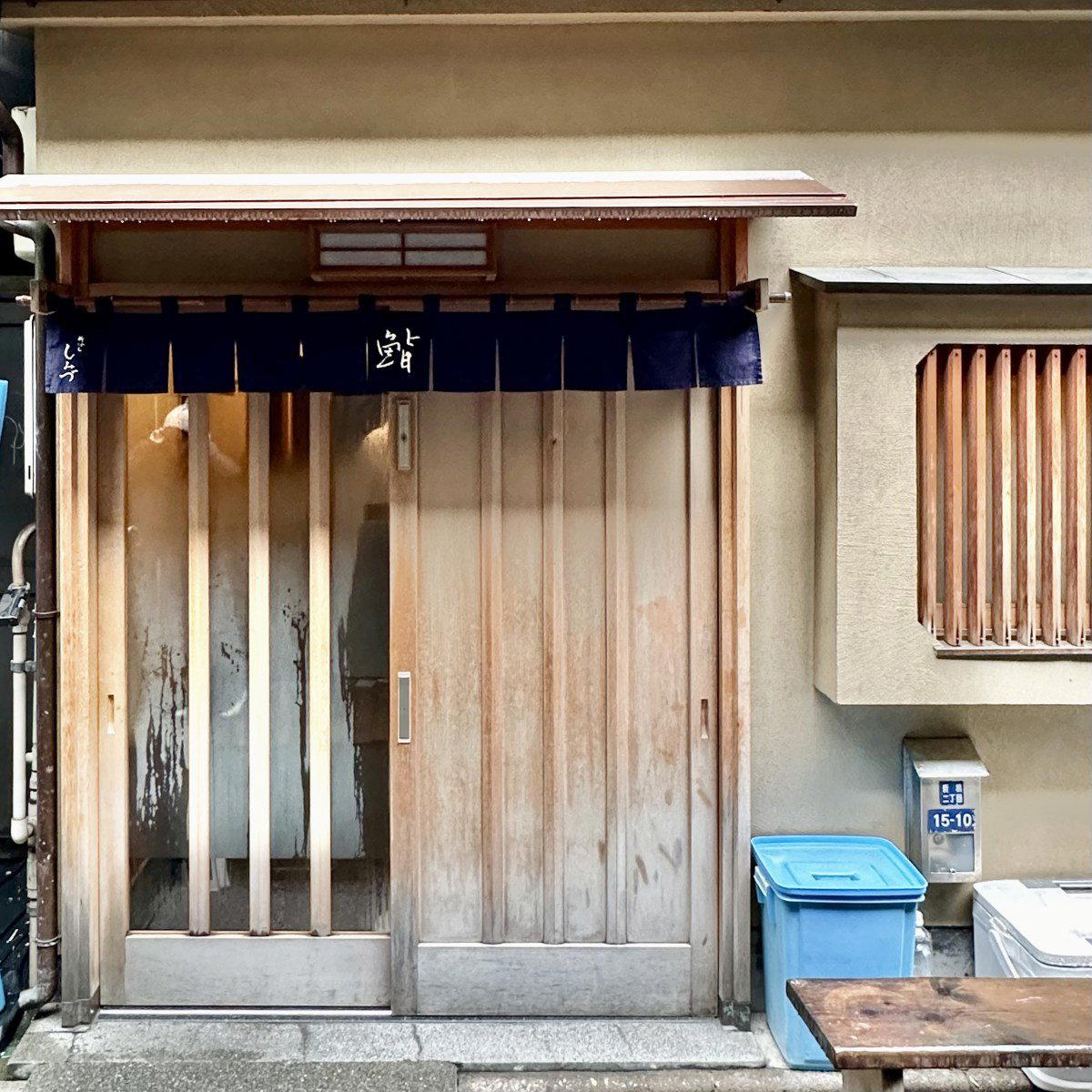
Busy, down-to-earth local eel house with simple furnishings, bright lighting, and a warm, family-friendly atmosphere that focuses on the aroma of grilling eel rather than design flourishes.