Umigawa Sushi
Umigawa Sushi operates out of Kirkland's Totem Lake district, bringing Japanese sushi tradition to the suburban Eastside corridor where chef-driven Japanese formats have historically been thin on the ground. The address at 12670 120th Ave NE places it within a walkable retail cluster that serves one of the greater Seattle metro's fastest-growing residential pockets.
Pearl is the En Primeur Club membership app — saves, bookings, and concierge access live there. Same editors, same standards.
- Address
- 12670 120th Ave NE suite 174, Kirkland, WA 98034
- Phone
- +14252421223
- Website
- umigawasushi.com
- Directions
- Get directions
 Saves & bookings on Pearl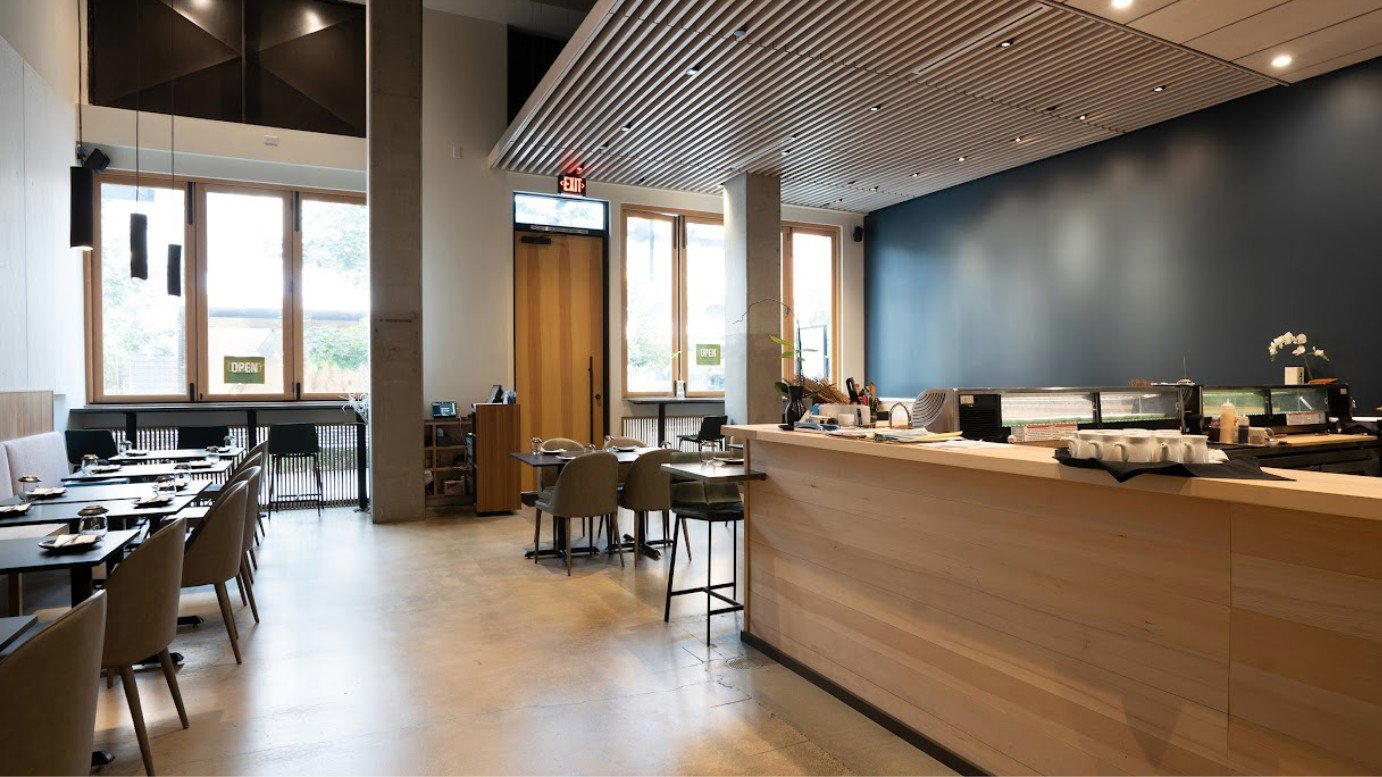
Sushi in the Suburbs: What Kirkland's Eastside Location Tells You
The strip-mall sushi bar is a distinctly American institution, and not always in a pejorative sense. Some of the Pacific Northwest's most technically serious Japanese cooking has emerged from exactly this format: low overhead, owner-operated kitchens, and a neighborhood clientele that returns weekly rather than occasionally. Kirkland's Totem Lake corridor, where Umigawa Sushi occupies Suite 174 at 12670 120th Ave NE, fits that pattern. The area has grown considerably as Seattle's Eastside has absorbed tech-sector expansion, and the dining infrastructure is catching up to the demographic shift. For a city that sits between Bellevue's more established restaurant scene and Seattle's dense core, Kirkland is developing a genuinely interesting mid-market dining culture,
That context matters when reading Umigawa. Japanese cuisine in the suburban United States tends to bifurcate sharply between the roll-heavy, sauce-forward format built for broad appeal and the quieter, more restrained approach that prioritizes fish quality and knife work. Where Umigawa sits on that spectrum shapes everything about what kind of visit it is.
The Cultural Weight Behind the Counter
Sushi's American evolution is a well-documented tension between adaptation and fidelity. California rolls and dynamite shrimp represent one end of the continuum; the omakase counter at which a chef dictates the meal according to the day's fish represents the other. Most neighborhood sushi operations in the suburban Pacific Northwest occupy the comfortable middle: recognizable formats, locally sourced seafood where practical, and menus that acknowledge both Japanese tradition and the expectations of a broadly American clientele.
The Pacific Northwest has a geographic advantage here that the rest of the country mostly does not. Proximity to quality salmon, halibut, and Dungeness crab means that even mid-range operations can draw on ingredients whose Atlantic-coast equivalents would require either importation or significant compromise. Kirkland's position near Lake Washington and within reasonable distance of Puget Sound suppliers gives local Japanese restaurants a regional identity that extends beyond menu design. This is a dining context quite different from what you find at reference-tier operations like Le Bernardin in New York City or Providence in Los Angeles, where the sourcing apparatus operates at a different scale and price point entirely, but the underlying logic of ingredient provenance is the same.
Japanese sushi culture itself carries significant weight in Washington State, which has maintained strong Japanese-American communities since before the Second World War and rebuilt them substantially afterward. That heritage is visible in the Eastside's restaurant mix: there are more genuinely Japan-facing operations per capita in the greater Seattle metro than in comparable mid-sized American cities, and the customer base tends to know the difference between house-made rice vinegar blends and bottled shortcuts.
The Kirkland Dining Scene Around It
Umigawa does not exist in isolation. The Kirkland restaurant scene has broadened meaningfully in recent years, with operations representing a range of formats and traditions. Bottle & Bull anchors the bar and small-plates end of the market; Cedar + Elm and COMO represent the area's move toward more considered, produce-driven cooking; Cafe Veloce and El Encanto fill out the broader casual-dining tier. A sushi operation in this environment is competing not just within its category but across a dining public that now has more options for an interesting weeknight meal than it did five years ago.
That competitive pressure is probably good for quality. Neighborhoods where the only Japanese food option is also the only interesting food option tend to have less incentive to improve. The Eastside's expanding restaurant density creates at least some of that pressure.
How Umigawa Compares to Its Wider comparable set
To calibrate expectations, it helps to place Kirkland's neighborhood sushi operations in relation to the outer boundaries of the form. The omakase counters that have driven the American sushi conversation over the past decade, the format that feeds into recognition programs and generates the kind of sustained critical attention associated with operations in major metro cores, operate under conditions that suburban formats typically cannot replicate: smaller seat counts, higher price floors, and supply chains that go directly to specific Japanese fish markets. Venues in that register, whether in New York or San Francisco, represent a different category of ambition than what most Kirkland residents are seeking on a Tuesday evening.
Within the suburban Eastside format, what tends to differentiate serious sushi operations from adequate ones is rice temperature and seasoning (often the first thing a knowledgeable customer notices), fish cut thickness and aging discipline, and the willingness to offer fish that isn't salmon. The Pacific Northwest defaults heavily to salmon because the local product is genuinely good and customers reliably order it; operations that move meaningfully beyond it into amberjack, sea bream, or aged tuna tend to signal a more Japan-facing kitchen orientation.
Planning Your Visit
Umigawa Sushi is located at 12670 120th Ave NE, Suite 174, Kirkland, WA 98034, in the Totem Lake retail area. The suite number indicates a multi-unit complex; first-time visitors should confirm the specific entrance before driving. The Totem Lake district is primarily car-accessible, with parking generally available in the surrounding lot. Given the suburban format, walk-in availability is likely more flexible than at counter-only omakase operations in denser urban settings, but calling ahead during peak evening hours is reasonable practice, particularly for larger parties.
For reference, the broader range of American dining ambition in the restaurant category runs from neighborhood operations like Umigawa through mid-range regional destinations to the fully formal tasting-menu programs at places like Alinea in Chicago, The French Laundry in Napa, Lazy Bear in San Francisco, Single Thread Farm in Healdsburg, Blue Hill at Stone Barns in Tarrytown, Addison in San Diego, The Inn at Little Washington, Atomix in New York City, Emeril's in New Orleans, and 8 1/2 Otto e Mezzo Bombana in Hong Kong. Umigawa serves a direct neighborhood role in Kirkland's Totem Lake corridor.
Budget and Context
Comparable venues nearby, for context on price, style, and recognition.
| Venue | Cuisine | Price | Notes |
|---|---|---|---|
| Umigawa SushiThis venue — the venue you are viewing | Totem Lake, Modern Japanese Sushi | $$ | Not listed |
| Bottle & Bull | Not listed | $$ | Downtown Kirkland, Contemporary American with Italian and Seafood Influences |
| Kathakali, An Indian Eatery | Juanita, Kerala Indian | $$ | Not listed |
| Volterra | Not listed | $$$ | Downtown Kirkland, Tuscan-Inspired Italian |
| RockCreek Seafood and Spirits | Downtown Kirkland, Seafood & Spirits | $$$ | Not listed |
| Hearth | Not listed | $$ | downtown, Pacific Northwest Hearth Oven American |
Continue exploring
More in Kirkland
Restaurants in Kirkland
Browse all →
Bars in Kirkland
Browse all →
Hotels in Kirkland
Browse all →
At a Glance
- Modern
- Elegant
- Date Night
- Casual Hangout
- Sake Program
Current opening hours
- Monday
- 11:30 AM–2 PM, 5–8 PM
- Tuesday
- 11:30 AM–2 PM, 5–8 PM
- Wednesday
- 11:30 AM–2 PM, 5–8 PM
- Thursday
- 11:30 AM–2 PM, 5–8 PM
- Friday
- 11:30 AM–2 PM, 4:30–8:30 PM
- Saturday
- 11:30 AM–2 PM, 4:30–8:30 PM
- Sunday
- 5–8 PM
Hours can change for holidays and private events. Last verified .
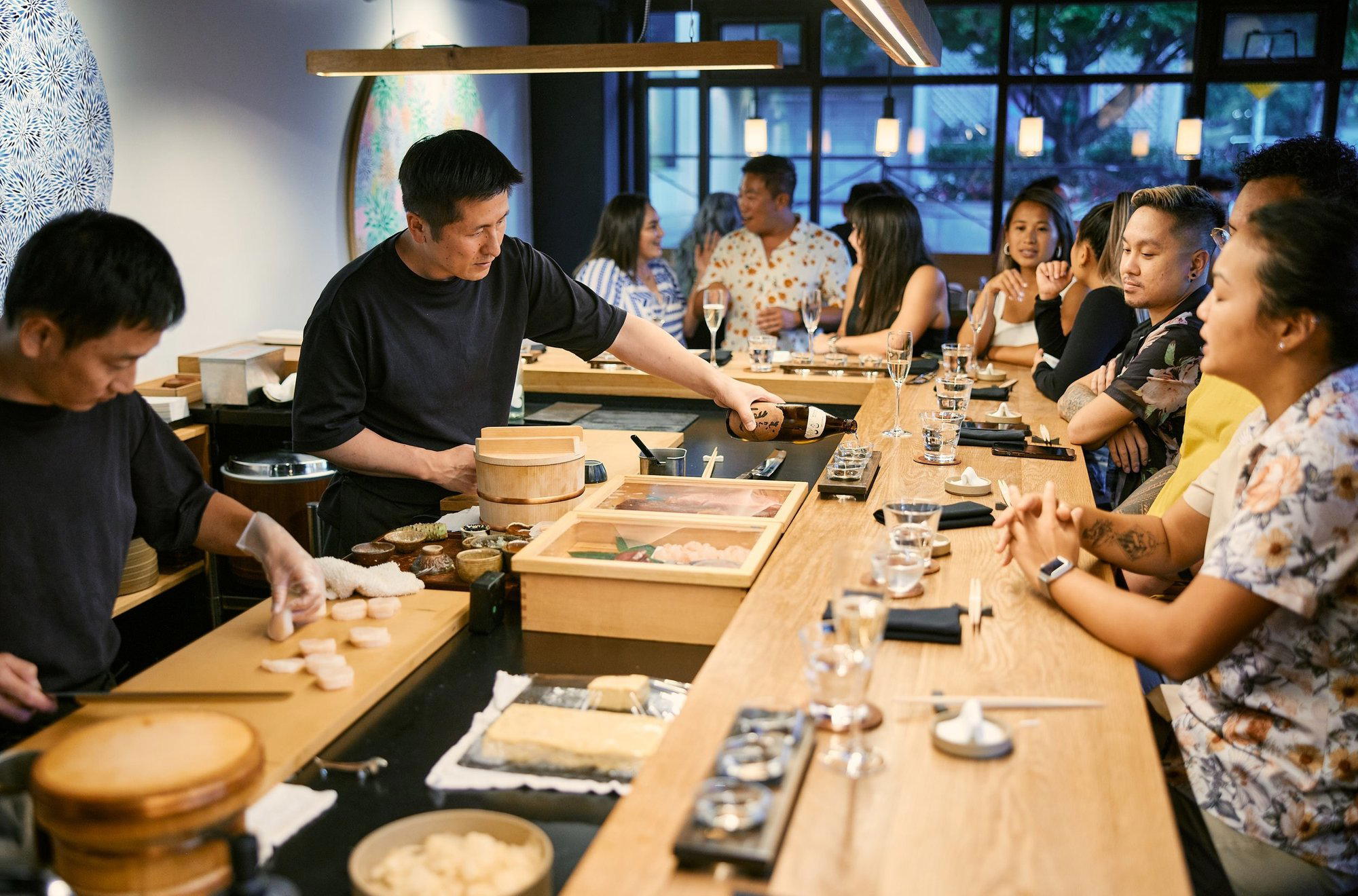
Pleasant, swanky vibe in an intimate and modern room with moderate noise levels.