El Encanto
At Carillon Point on Lake Washington, El Encanto occupies one of Kirkland's most architecturally considered waterfront addresses. The restaurant draws on the Spanish-inflected warmth its name suggests, placing it in a different register from the Pacific Northwest utilitarian norm. For visitors mapping the Eastside dining scene, it represents one of the more distinct options on the Kirkland waterfront.
Pearl is the En Primeur Club membership app — saves, bookings, and concierge access live there. Same editors, same standards.
- Address
- 1170 Carillon Point, Kirkland, WA 98033
- Phone
- +14252027114
- Website
- elencantousa.com
- Directions
- Get directions
 Saves & bookings on Pearl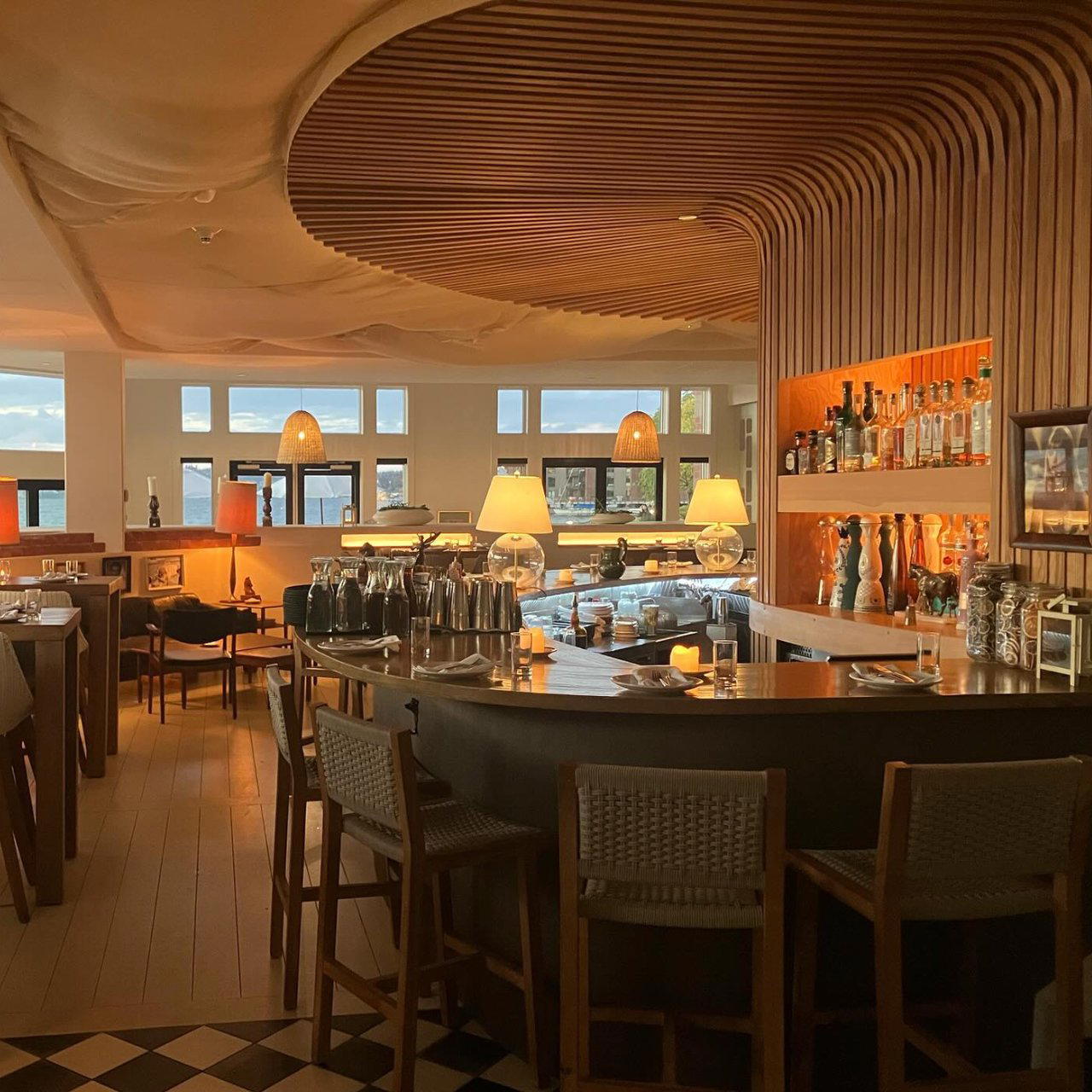
Water, Light, and What a Menu Reveals
Carillon Point sits at the southern edge of Kirkland's downtown waterfront, where the marina slips give way to a low-rise commercial complex built with more architectural intention than most of the Eastside's retail strips. The approach to El Encanto along that lakeside walkway, with Lake Washington opening to the west and the Olympic Mountains on a clear day beyond it, frames the meal before you've touched a menu. That physical context matters: waterfront dining in the Pacific Northwest carries real expectations around seafood, seasonal sourcing, and the kind of light that shifts through large windows during a long summer evening. El Encanto operates inside those expectations while the Spanish register of its name signals a departure from the region's default culinary vocabulary. This polished Mexican restaurant in Kirkland carries a $65 per person price point.
In a city like Kirkland, where the dining scene has historically tilted toward the casual and the pan-American, a restaurant that positions itself through a specific cultural lens occupies an interesting niche. The Eastside has been evolving, with places like FogRose Atelier and Cedar + Elm pushing the neighborhood's dining ambitions in more defined directions. El Encanto's positioning at Carillon Point places it in conversation with that shift, though its waterfront address also means it draws from a broader catchment than strictly neighborhood diners.
The Architecture of a Spanish-Influenced Menu
Menu architecture, the way a kitchen sequences its offer, prices its tiers, and signals its culinary allegiances through dish structure, tells you more about a restaurant's intentions than any press description. Spanish-influenced menus in the American context have historically been interpreted loosely, ranging from tapas-format sharing plates to full-service plated dinners that borrow primarily from aesthetics rather than tradition. The more disciplined version of this approach draws from the logic of Spanish meal structure: the aperitivo tier of small bites, the transition to more substantial raciones, and a main-course register that can accommodate both casual and celebratory dining in a single service.
At venues positioned in the upper-casual to premium range along lakefront addresses, comparable in format to what you'd find at waterfront restaurants in Seattle proper, the menu's internal logic often determines whether a dinner feels cohesive or incidental. Shared plates that are priced for individual ordering tend to frustrate groups; fixed-price formats that ignore the table's rhythm feel institutional. The better operators in this category design menus that allow the table to self-direct, with a spread architecture that rewards both the couple ordering lightly and the group working through the full range. How the restaurant resolves that design question is part of what separates it from the more generic waterfront operators along this stretch of Lake Washington.
For context on how premium American restaurants structure comparable menus, the approaches at Lazy Bear in San Francisco and Smyth in Chicago represent one end of the formality spectrum, highly structured tasting formats where the kitchen controls sequencing entirely. On the other end, places like Emeril's in New Orleans have long demonstrated how a la carte frameworks can carry cultural specificity without sacrificing flexibility. The restaurant's waterfront-casual register sits somewhere between those poles, closer to the kind of experience-forward but unpretentious dining that Kirkland's demographic tends to favor.
Kirkland's Waterfront Dining Context
Kirkland's dining scene has been consolidating around a handful of distinct personalities. Bottle & Bull brings a bar-forward energy to its corner of the market; Cafe Veloce occupies the Italian-casual tier; COMO pushes into a more contemporary direction. What's notable about this comparable set is that none of them operate with quite the same cultural specificity that a Spanish-inflected concept implies.
For the Kirkland visitor making a night of it on the waterfront, the Carillon Point address has practical advantages: parking is accessible relative to downtown Seattle, the walkable lakefront approach makes for an easy pre-dinner stroll, and the combination of the marina view and the mountain backdrop on a clear evening provides the kind of environmental payoff that justifies a destination dinner. These logistical factors matter more than they're usually credited with in dining decisions, particularly for the Eastside resident who wants a special-occasion restaurant without commuting into the city.
Readers mapping the wider Pacific Northwest fine dining spectrum can cross-reference against Seattle's stronger programs and look further afield to the caliber set by The French Laundry in Napa, Single Thread Farm in Healdsburg, Providence in Los Angeles, Addison in San Diego, or Blue Hill at Stone Barns in Tarrytown. Internationally, the approach to regional identity and menu discipline at Atelier Moessmer Norbert Niederkofler in Brunico represents a benchmark for how a location-specific restaurant can articulate a cultural argument through its menu structure alone. The Korean tasting model at Atomix in New York City and the seafood authority of Le Bernardin in New York City offer further reference points for how focused culinary identity translates into program coherence. Closer to Kirkland's own scale and register, The Inn at Little Washington in Washington demonstrates how a destination restaurant can carry a specific cultural personality across decades without diluting it for a broader market.
Planning a Visit
The restaurant sits at 1170 Carillon Point in Kirkland, WA 98033, along the marina-side walkway of the Carillon Point complex. The waterfront location makes it a reasonable destination for both Eastside residents and Seattle visitors crossing the bridge for a meal with a different environmental backdrop than the city provides. Given the venue's position at a mixed-use waterfront development, the surrounding area offers pre- or post-dinner walking without requiring a car. Booking is recommended, and the restaurant is open Monday through Friday from 4 to 10 PM, with Saturday and Sunday service from 11 AM to 3 PM and 4 to 10 PM.
- Ceviche
- Hamachi Crudo
- Pollo Fundido
- Tamale
- Guacamole with Pomegranate
- Churro Ice Cream Sandwich
Standing Among Peers
Comparable venues nearby, for context on price, style, and recognition.
| Venue | Cuisine | Price | Notes |
|---|---|---|---|
| El EncantoThis venue — the venue you are viewing | Polished Mexican | $$$ | Not listed |
| Rimini Restaurant | Authentic Italian | $$$ | historic downtown |
| RockCreek Seafood and Spirits | Seafood & Spirits | $$$ | Downtown Kirkland |
| Cafe Veloce | Casual Italian Pizza and Pasta | $$$ | Kirkland |
| Umigawa Sushi | Modern Japanese Sushi | $$ | Totem Lake |
| Volterra | Tuscan-Inspired Italian | $$$ | Downtown Kirkland |
Continue exploring
More in Kirkland
Restaurants in Kirkland
Browse all →
Bars in Kirkland
Browse all →
Hotels in Kirkland
Browse all →
At a Glance
- Romantic
- Scenic
- Elegant
- Lively
- Date Night
- Group Dining
- Celebration
- Special Occasion
- Waterfront
- Private Dining
- Terrace
- Panoramic View
- Craft Cocktails
- Corkage Allowed
- Waterfront
Current opening hours
- Monday
- 4–10 PM
- Tuesday
- 4–10 PM
- Wednesday
- 4–10 PM
- Thursday
- 4–10 PM
- Friday
- 4–10 PM
- Saturday
- 11 AM–3 PM, 4–10 PM
- Sunday
- 11 AM–3 PM, 4–10 PM
Hours can change for holidays and private events. Last verified .
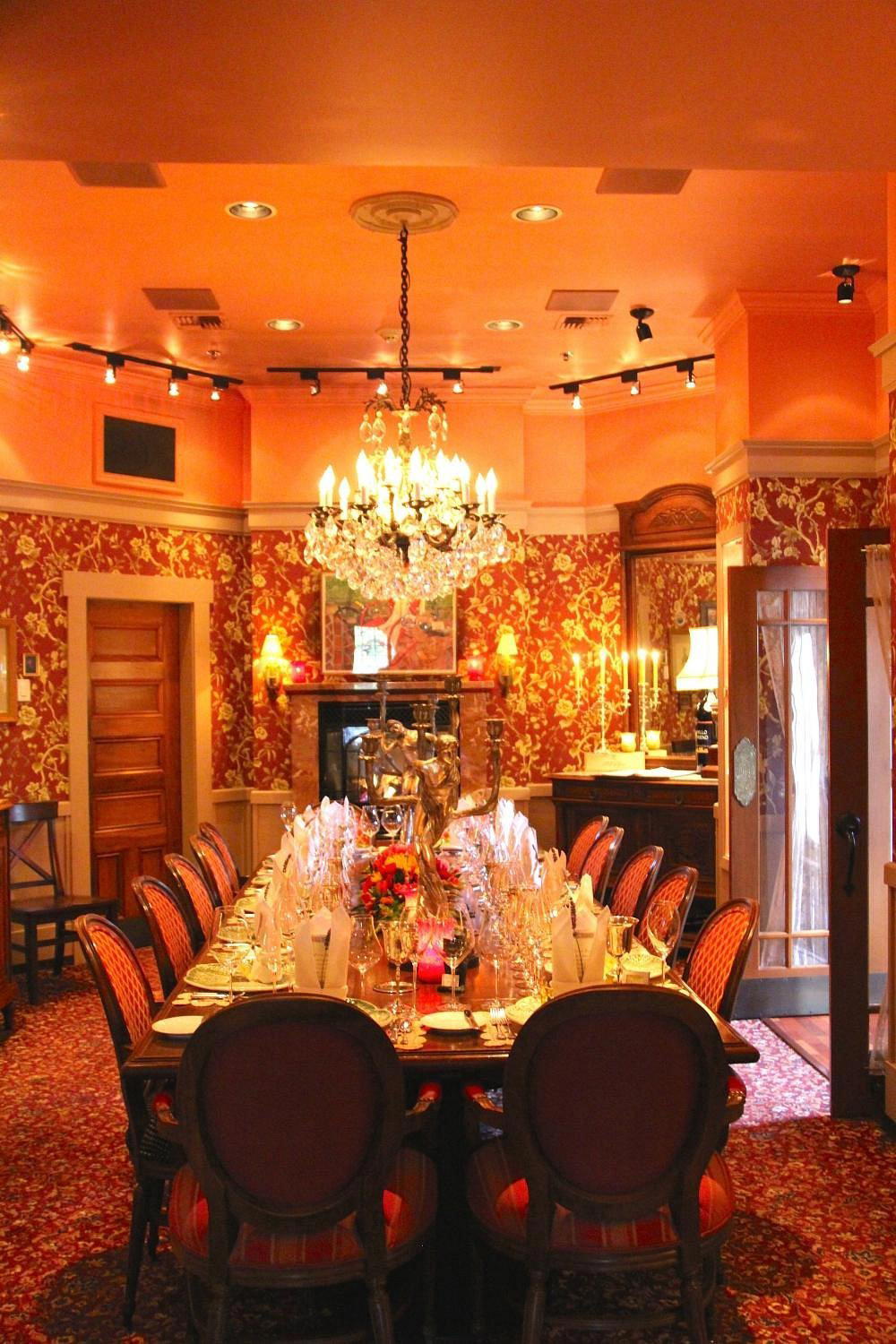
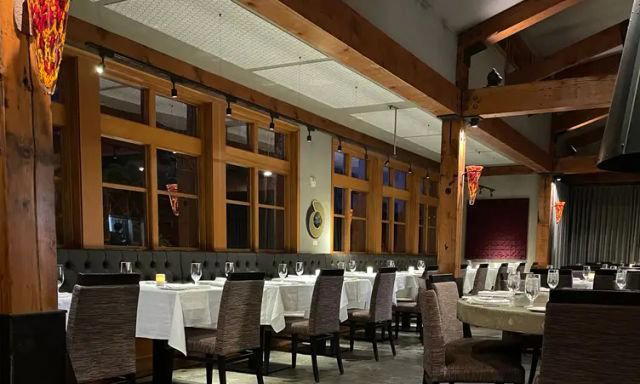
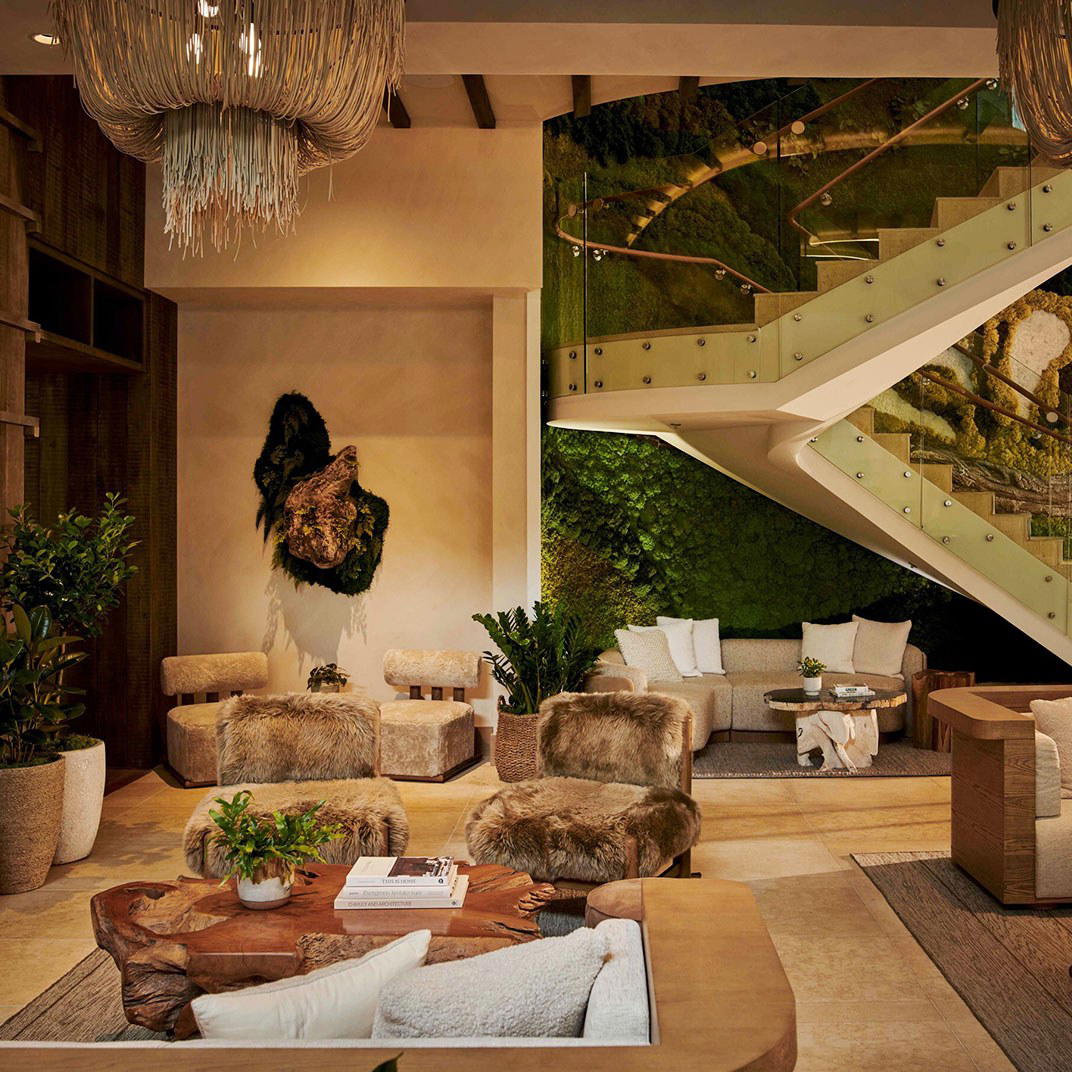
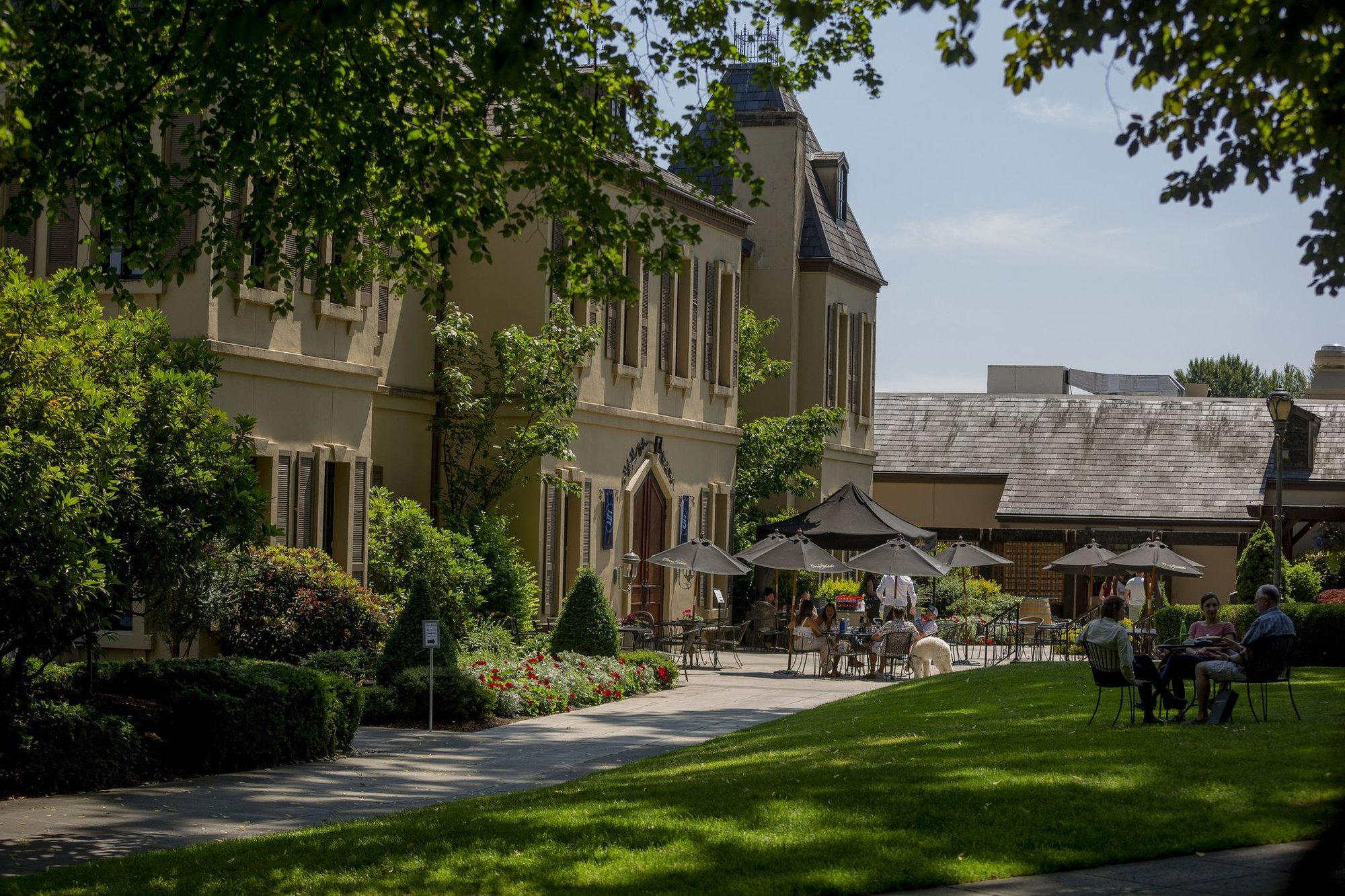
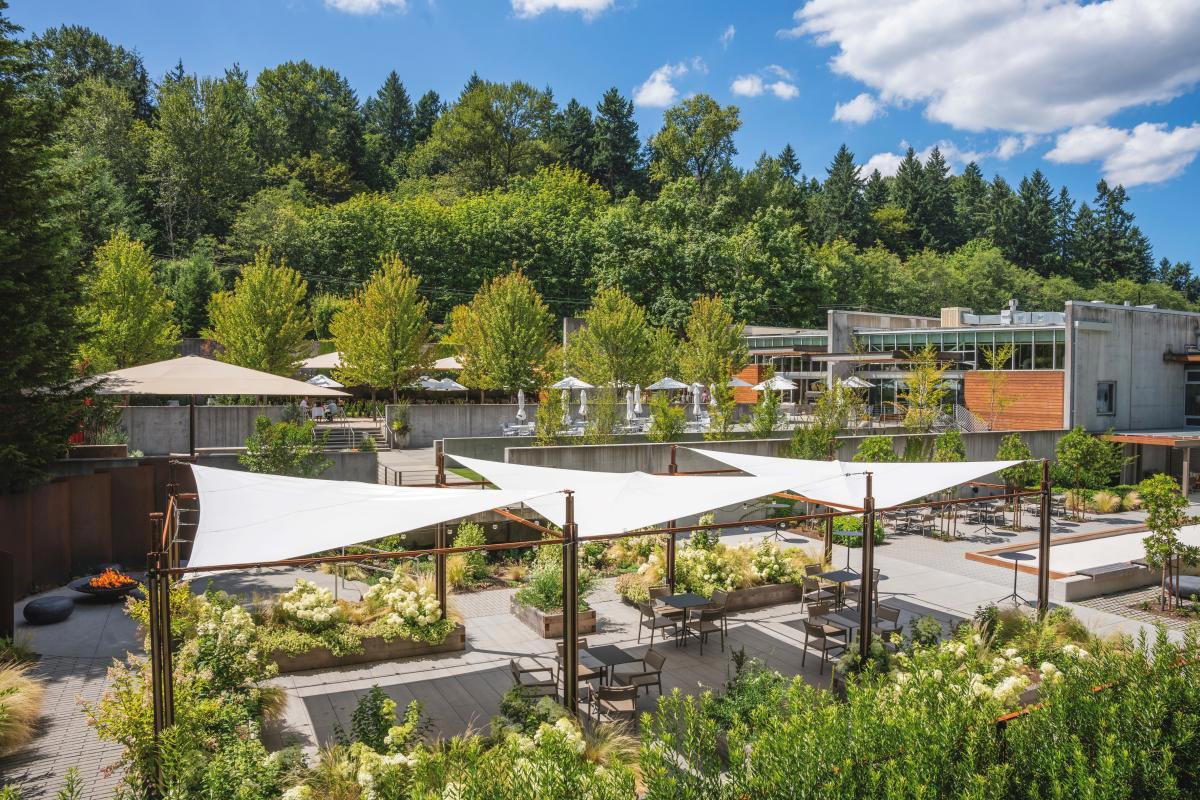
Bright waterfront setting with outdoor patio seating; lively atmosphere during peak hours with modern upscale Mexican decor.