Umarell

White Guide Sweden Restaurants - Fine Level
Our verdict
Umarell sits on Parkgatan in central Gothenburg, operating within a city whose restaurant culture has grown increasingly serious about ingredient provenance and Scandinavian sourcing traditions. Without a fixed public profile, the restaurant invites discovery through the broader context of a dining scene that rewards curiosity and a willingness to book before you know exactly what you're walking into.

Pearl is the En Primeur Club membership app — saves, bookings, and concierge access live there. Same editors, same standards.
- Address
- Parkgatan 2, 411 38 Göteborg, Sweden
- Hours
- Mon ClosedTue 4–11 PMWed–Thu 4 PM–12 AMFri–Sat 4 PM–1 AMSun Closed
- Website
- umarellrestaurant.se
- Directions
- Get directions
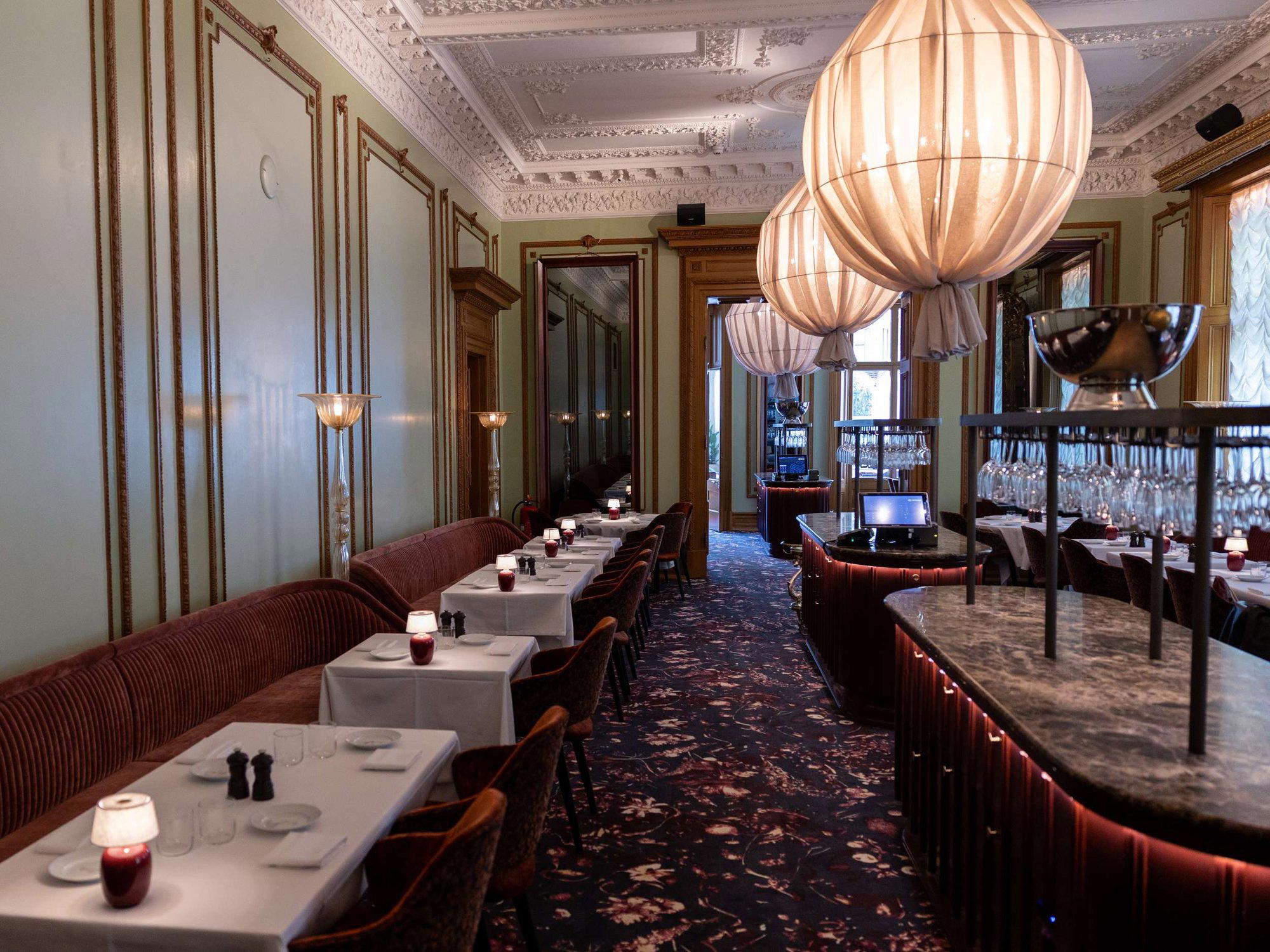
The menu
What to order
- Fusillone with pistachio pesto
- Beef ragù with chitarra spaghetti
- Pistachio pasta
- Ragu
Parkgatan and the Gothenburg Sourcing Conversation
Gothenburg's serious dining addresses have spent the past decade making sourcing the central argument of the menu rather than a footnote in the press material. The city sits at the convergence of West Swedish coastal fishing grounds, inland forest foraging terrain, and some of Scandinavia's most productive small-scale agriculture, and the restaurants that have built lasting reputations here tend to treat that geography as a structural constraint, not just a talking point. Umarell, at Parkgatan 2 in the city's central grid, enters that conversation at an address that places it within easy reach of the neighbourhood's mix of residents and visitors who arrive already primed for this kind of kitchen logic.
The name itself carries a specific cultural weight. In northern Italian dialect, umarell refers to retired men who stand at construction sites watching workers with their hands clasped behind their backs, occasionally offering unsolicited advice. It is a word about observation, about the pleasure of watching something being made, and about the particular authority that comes from having seen a great deal over time. Whether the restaurant consciously maps that etymology onto its approach to ingredients and technique is a question the menu answers more reliably than any press summary, but the framing is pointed enough to suggest a kitchen that values attention and process over spectacle.
Where Ingredient Provenance Becomes the Menu's Architecture
Swedish restaurant culture, particularly at the level where Gothenburg now operates, has moved decisively past the phase where Scandinavian sourcing was a marketing category. The transition happened gradually through the 2010s as restaurants across the region, from Frantzén in Stockholm to Vollmers in Malmö, demonstrated that hyperlocal sourcing could carry a full tasting menu without becoming repetitive or provincial. The more interesting development since then is that mid-tier restaurants have absorbed the same logic, building menus around supplier relationships and seasonal availability rather than around fixed signature dishes.
In Gothenburg specifically, this plays out against a backdrop of sustained critical attention. Koka has long held its position as a reference point for modern Nordic cooking in the city, while SK Mat & Människor has built its reputation on precisely the kind of careful, produce-led approach that now defines the city's better dining rooms. Further along the register, 28+ and Project represent the modern cuisine tier that takes sourcing seriously without making it the only story on the table. Umarell operates in the context of all of this accumulated expectation.
The West Swedish coastline, running from Gothenburg north toward Bohuslän, produces shellfish, particularly oysters, mussels, and langoustine, that rank among the most referenced in Nordic cooking. The forests of Västra Götaland contribute chanterelles, lingonberries, and other foraged material that moves through the city's kitchens from late summer into autumn. Farms in Halland and Värmland supply dairy and meat to restaurants across the region. A kitchen working seriously with this supply network is not making arbitrary choices about proximity; it is positioning itself within a specific seasonal calendar that changes the menu's character significantly between March and October.
The Broader Swedish Context: Sourcing as Critical Standard
It is worth placing Gothenburg's ingredient-led restaurants against the wider Swedish picture. Destinations like ÄNG in Tvååker and VYN in Simrishamn have demonstrated that farm-to-table practice in Sweden operates at a level of institutional seriousness that few other European countries have matched at the regional level. Knystaforsen in Rydöbruk and Signum in Mölnlycke both represent the pattern of high-commitment sourcing programs operating outside major city centres, where supplier relationships are necessarily tighter and the seasonal constraints are more visible on the plate.
This matters for how you calibrate expectations when sitting down at a Gothenburg address like Umarell. The city's dining culture has been shaped by a national conversation about what Swedish ingredients actually are at their leading, and that conversation is rigorous. It has been reinforced by international recognition at restaurants like Frantzén and documented by critics at publications tracking Scandinavian cooking as a reference cuisine rather than a regional curiosity. The practical effect is that even restaurants without a prominent public footprint are operating in an environment of informed diners and supply chains built for quality.
Gothenburg's Dining Tier and What Umarell's Address Signals
Parkgatan sits in central Gothenburg within the Vasastan and Haga adjacency that has increasingly concentrated the city's serious independent restaurants. The immediate area draws a mix of university-educated locals, visiting professionals, and the kind of international traveller who arrives with a working knowledge of the Nordic food conversation. This is not the tourist-facing waterfront; it is a residential-commercial mix where the restaurants that survive tend to do so on the strength of return visits rather than passing trade.
For comparison across Swedish cities, the mid-tier modern cuisine space Umarell appears to occupy has parallels at PM & Vänner in Växjö and Enoteket in Norrköping, both of which have built strong local followings on sourcing credibility and careful technique without necessarily competing for international award attention. Adrian Restaurang in Borås and Brasserie Park in Jönköping represent the same dynamic in smaller Swedish cities, where the local dining conversation is serious even when the wider coverage is thin. Hoze, operating at the top of Gothenburg's price tier with a sushi focus, shows the range of ambition across the city's restaurant spectrum.
For a full picture of where Umarell sits within the Gothenburg dining frame, the EP Club Gothenburg restaurants guide maps the city's key addresses by cuisine and price tier.
Planning a Visit
Umarell's address at Parkgatan 2 places it in a walkable part of central Gothenburg, accessible from the city's tram network via the Vasaplatsen stop, which connects through to the central station and the broader transit grid. Given the absence of a public booking system in current listings, reservations are worth pursuing directly through the restaurant. For an address at this level of local attention in Gothenburg, booking at least two to three weeks ahead for weekend tables is a reasonable working assumption. First-time visitors who want to understand the city's sourcing-led dining conversation more broadly would do well to pair a visit here with a meal at Koka or SK Mat & Människor, both of which operate in the same tradition and make the comparison instructive.
Frequently asked questions
Is Umarell suitable for children?
Umarell sits within Gothenburg's tier of serious, sourcing-focused independent restaurants, where the format and pace are typically oriented toward adult diners with an interest in the kitchen's ingredient argument. That does not make it off-limits for older children who are comfortable at a deliberate table, but it is not a venue with a children's menu or informal family infrastructure. Parkgatan 2 is centrally located and accessible, which eases logistics, but the dining register is adult-first.
What should I expect atmosphere-wise at Umarell?
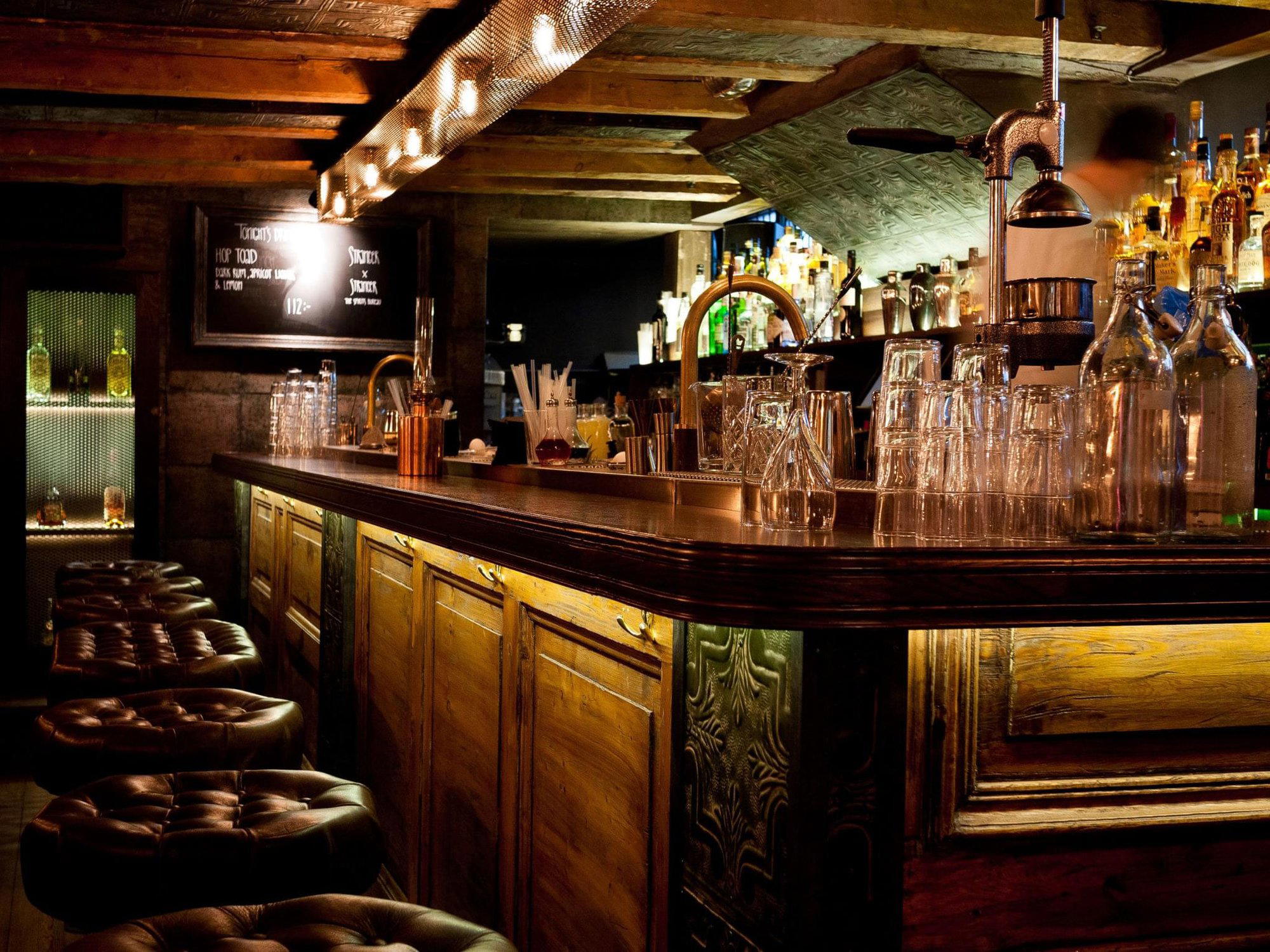
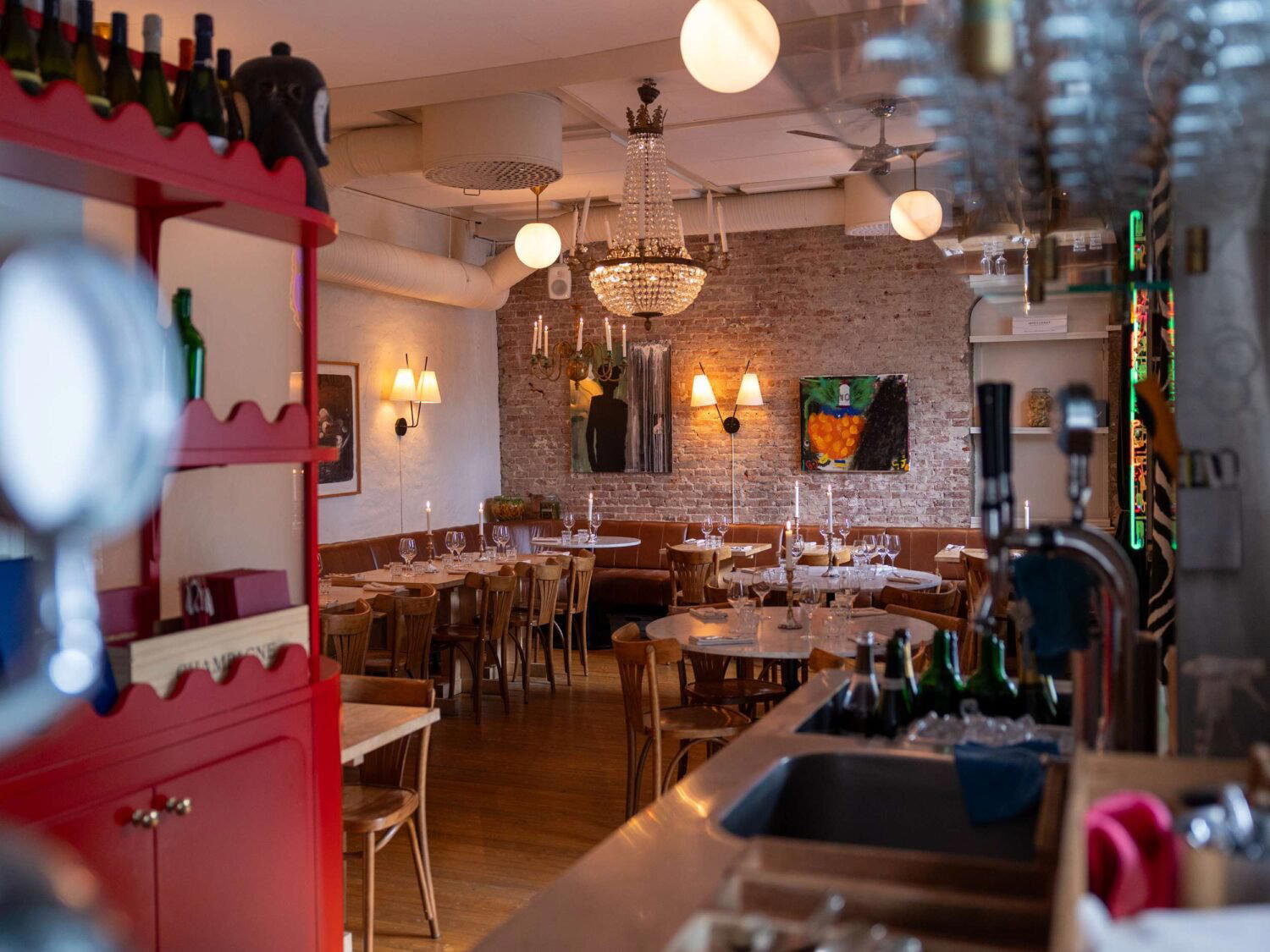
Umarell occupies a Vasastan address that has become associated with Gothenburg's concentrated cluster of independent, chef-driven restaurants. The atmosphere sits closer to focused and considered than loud or celebratory — the kind of room where the sourcing conversation carries across the table rather than competing with a soundtrack. Parkgatan's residential-commercial character keeps the setting grounded rather than theatrical.
How does Umarell fit into Gothenburg's broader independent dining scene?
This positions Umarell alongside the city's direction of travel as a Swedish dining destination, where provenance-led menus have become the critical standard rather than a point of difference. Gothenburg now operates in the same regional conversation as destinations like ÄNG in Tvååker and VYN in Simrishamn.
What should I order at Umarell?
The most reliable approach is to follow the kitchen's lead rather than arrive with fixed expectations. Swedish restaurants operating at this address level in Gothenburg typically structure the menu around what is sourced rather than what is permanent.
In Context: Similar Options
Comparable venues nearby, for context on price, style, and recognition.
| Venue | Cuisine | Price | Awards | Notes |
|---|---|---|---|---|
| UmarellThis venue — the venue you are viewing | Modern Italian | Not listed | White Guide Sweden Restaurants - Fine Level | Not listed |
| Brasserie Lavette | Modern French Brasserie & Grill | Not listed | Star Wine List | near Korsvägen |
| Bang | Modern Swedish Fine Dining | $50–100 | White Guide Sweden Restaurants - Very Fine Level | Stigberget |
| Norda | American-Scandinavian Fusion | Not listed | White Guide Sweden Restaurants - Fine Level | central Gothenburg |
| Wagners Bistro | Modern French-Swedish Bistro | Not listed | Star Wine List | Kungsportshuset |
| Bistro Odette | French Bistro | $50–100 | Star Wine List · White Guide Sweden Restaurants - Very Fine Level | Linné |
Recognition history
Dated appearances from independent guides and award organizations, with the underlying list record or original source where available.
White Guide Sweden Restaurants - Fine Level
White Guide
Continue exploring
More in Gothenburg
Restaurants in Gothenburg
Browse all →
Bars in Gothenburg
Browse all →
Details
- Elegant
- Intimate
- Sophisticated
- Cozy
- Date Night
- Special Occasion
- Group Dining
- Casual Hangout
- Historic Building
- Private Dining
- Extensive Wine List
- A La Carte
- Set Menu
Current opening hours
- Monday
- Closed
- Tuesday
- 4–11 PM
- Wednesday
- 4 PM–12 AM
- Thursday
- 4 PM–12 AM
- Friday
- 4 PM–1 AM
- Saturday
- 4 PM–1 AM
- Sunday
- Closed
Hours can change for holidays and private events. Last verified .
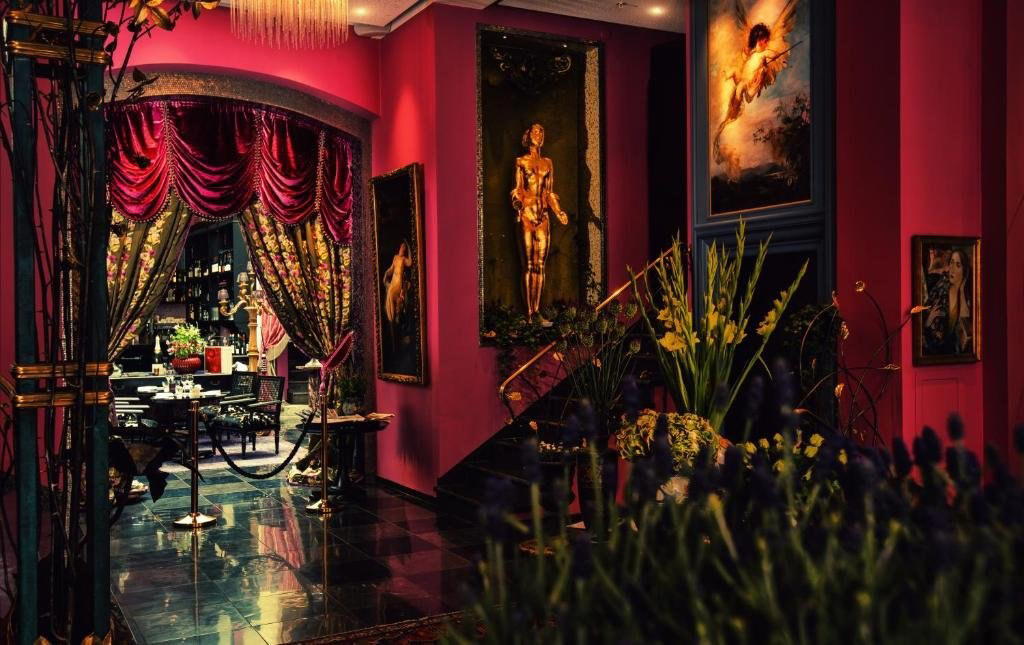
Welcoming with a lively buzz, warm atmosphere in majestic historic halls with polished service.