Koka




Beneath a 19th-century glass ceiling on Viktoriagatan, Koka holds a Michelin star for tasting menus that place vegetables at the centre of the plate without apology. The kitchen's seasonal logic runs deep: spring and summer menus lean heavily plant-led, while autumn brings fallow deer and game supported by fruit-forward sauces..
Pearl is the En Primeur Club membership app — saves, bookings, and concierge access live there. Same editors, same standards.
- Address
- Viktoriagatan 12, 411 25 Göteborg, Sweden
- Phone
- +46 31 701 79 79
- Website
- restaurangkoka.se
- Directions
- Get directions
 Saves & bookings on Pearl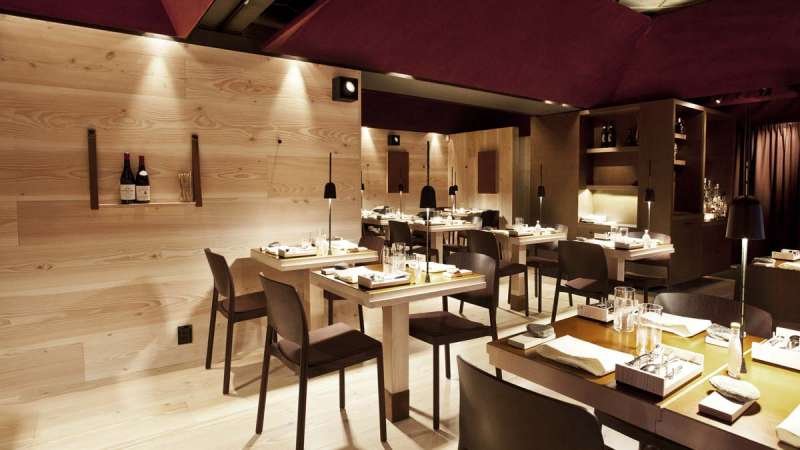
A Glass Ceiling and a Seasonal Argument
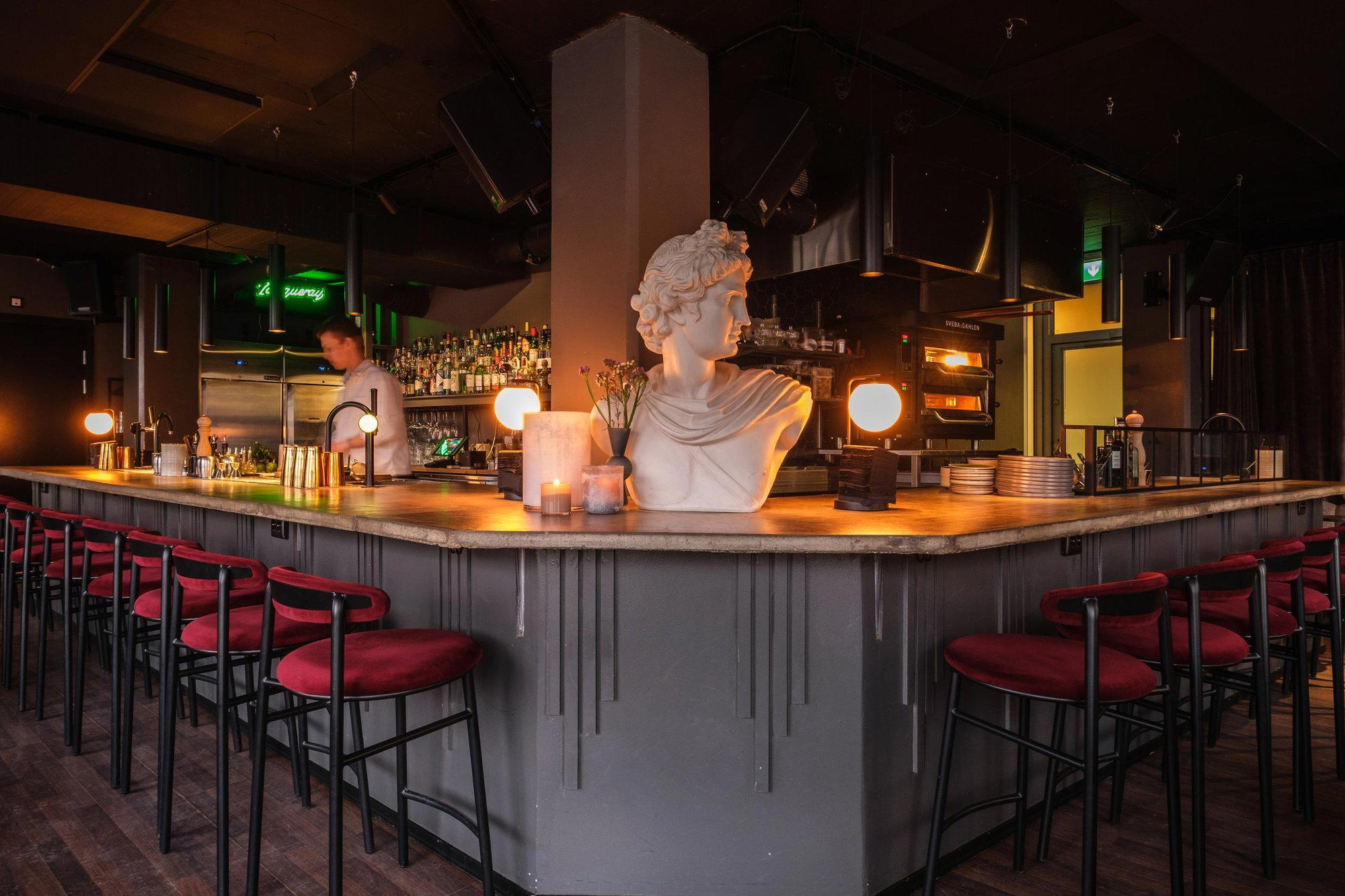
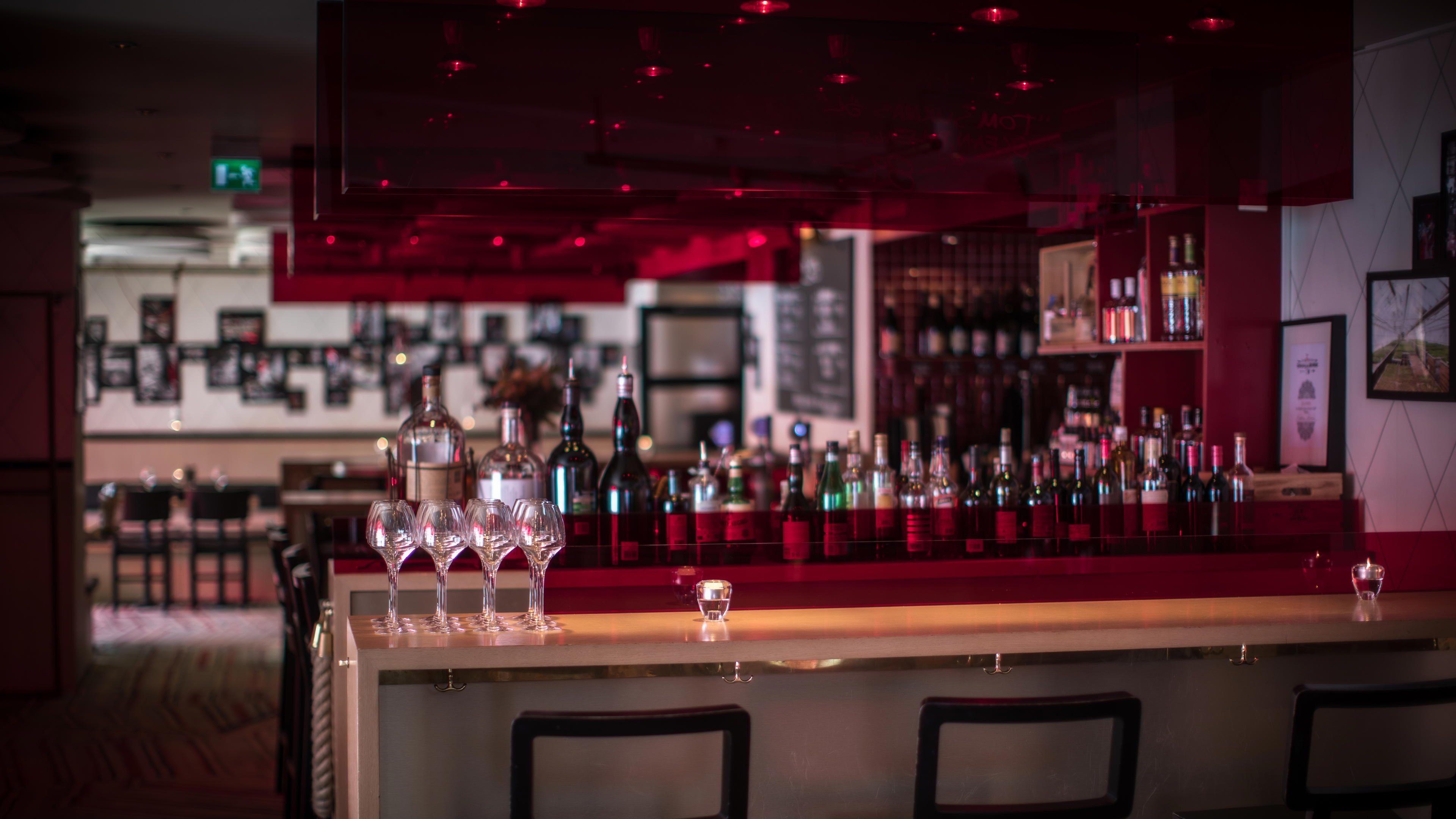
Koka is a one-star Michelin restaurant in Gothenburg serving Modern Swedish Gastronomy. Set beneath an ornate 19th-century glass ceiling fringed by a burgundy canopy, the dining space uses light wood panelling and bespoke furnishings to create an atmosphere that is airy rather than austere, formal without being stiff. In a city where modern Nordic restaurants often default to minimalist concrete and exposed ductwork, the architecture here reads as a deliberate counterpoint: warmth as a design philosophy, not just a hospitality cue.
Gothenburg's fine dining scene has matured steadily over the past decade, moving from a secondary position behind Stockholm toward a more confident identity of its own. The city now holds multiple Michelin-recognised addresses, and the competitive tier at the €€€ price point includes 28+ (Modern Cuisine) and Project (Modern Cuisine), both operating with similarly refined seasonal frameworks. What separates Koka within that peer group is a structural commitment to vegetables as the primary narrative of the menu, not as supporting characters.
The Seasonal Logic of the Menu
Tasting menus across Scandinavia have converged around a shared grammar: local sourcing, seasonal rotation, restraint in technique. Within that grammar, different kitchens make different bets. Some weight the menu toward seafood; others anchor around aged meat. Koka's bet is on produce, and the spring and summer menus make that explicit, forming largely around plant-led dishes. Michelin's recognition noted vegetables that shine and creative application across the menu.
The autumn and winter menus shift the register toward game, with combinations such as fallow deer with beetroot supported by a venison jus flavoured with blackcurrant. The approach follows a logic common in Nordic cooking: fruit acidity as a counterweight to rich, dark meat. Langoustine appears in season, accompanied by Brussels sprouts and marigold in a bisque format, where classical combinations are, as Michelin observed, subtly modernised through well-judged sauces rather than wholesale reinvention. The kitchen under Johan Björkman and Jonas Larsson operates in a register where the twists are clever rather than conspicuous.
This places Koka within a broader conversation about what New Nordic cooking means in the mid-2020s. The original New Nordic canon, built around foraging, fermentation, and hyper-local sourcing, has been absorbed into the mainstream to the point where it risks becoming a formula. The more interesting contemporary kitchens are those using that inherited vocabulary to make specific arguments, about sustainability, about a particular region's produce, about how meat and vegetables should share a plate. Koka's argument, evidenced by its Michelin 2024 citation for attention to sustainability and pure products, sits clearly within that more purposeful strand.
Aquavit, Snaps, and the Drinking Framework
Any honest account of a Swedish dinner at this level needs to address what happens in the glass alongside the food. The snaps tradition in Sweden is not incidental to a meal of this kind; it is structural. A formal Swedish dinner moves through toasts with near-choreographic precision, each skål punctuating a course or marking a social moment. The drinking culture is one where aquavit's caraway and dill notes are considered as seriously as any wine pairing, and at a tasting menu restaurant like Koka, the beverage program should be understood in that context.
Aquavit's botanical profile, typically built around caraway, fennel, dill, or citrus peel depending on the producer and aging method, pairs with the same logic as a sommelier applies to wine: the anise and dill registers in an unaged Danish-style aquavit run parallel to the herbaceous notes in a spring vegetable dish; a barrel-aged Norwegian aquavit carries enough oxidative depth to sit alongside game. At a restaurant focused on seasonal produce and sustainability, the beverage program deserves attention alongside the food.
This drinking culture also sets the social cadence of a Swedish dinner at this price point apart from its French or Italian equivalents. The table is expected to participate collectively in the toasting ritual, which changes the pacing of a tasting menu. Dishes arrive into a room already in conversation, already loosened by the first skål. It is a format that rewards groups willing to commit to the full arc of the evening.
Where Koka Sits in the Regional Picture
Koka sits in a recognisable tier of Swedish fine dining: technically assured, seasonally disciplined, regionally rooted, and sustainably oriented. The same framework defines Signum in Mölnlycke and Vollmers in Malmö, and extends across the border to addresses like Maaemo in Oslo, where the New Nordic canon is applied at the highest level. At the Stockholm end of the Swedish spectrum, Frantzén operates in a different category entirely, but the foundational commitment to Swedish produce and seasonal logic is shared.
Within Gothenburg specifically, Koka's vegetable-forward positioning creates a clear distinction from the city's other fine dining options. Hoze operates in the sushi tier at €€€€, drawing on entirely different culinary logic. SK Mat & Människor covers the modern cuisine bracket with its own seasonal framework. Bar La Lune brings a French-inspired register to the city's dining options. The result is a scene with enough internal differentiation that choosing between addresses requires a genuine decision about what kind of evening you want, not just a price comparison.
At a tasting menu restaurant with a specific dietary philosophy, a rating built across that volume of responses suggests consistent execution rather than a single memorable night. Michelin's note that the restaurant is making a lot of fans, and rightly so points in the same direction: this is a kitchen that has found its voice and repeats it reliably.
Planning Your Visit
Koka operates Monday through Thursday from 6 PM to 12 AM, Friday and Saturday from 5 PM to 12 AM, and is closed on Sunday. The address is Viktoriagatan 12 in central Gothenburg. Dinner at this price and format typically runs two and a half to three hours for the full tasting menu, so the midnight closing gives the kitchen room to run a proper service without rushing the back end of the evening.
Category Peers
Comparable venues nearby, for context on price, style, and recognition.
| Venue | Cuisine | Price | Awards | Notes |
|---|---|---|---|---|
| KokaThis venue — the venue you are viewing | Modern Swedish Gastronomy | $$$ | Michelin 1 Star | Not listed |
| Project | Modern New Nordic | $$$ | Michelin 1 Star | Lorensberg |
| 28+ | French-Scandinavian Fine Dining | $$$$ | Michelin 1 Star | City Center |
| SK Mat & Människor | Modern Swedish Fine Dining | $$$ | Michelin 1 Star | Lorensberg |
| Sjömagasinet | Seafood | $$$ | Michelin Plate | Not listed |
| Familjen | Modern Swedish Bistro | $$ | Bib Gourmand | Centrum |
Recognition history
Dated appearances from independent guides and award organizations, with the underlying list record or original source where available.
Michelin 1 Star
Michelin
Star Wine List
Star Wine List
White Guide Sweden Restaurants - Masters Level
White Guide
Michelin 1 Star
Michelin
We're Smart World 4 Radishes
We're Smart World
Michelin 1 Star
Michelin
Continue exploring
More in Gothenburg
Restaurants in Gothenburg
Browse all →
Bars in Gothenburg
Browse all →

At a Glance
- Elegant
- Sophisticated
- Intimate
- Modern
- Quiet
- Date Night
- Special Occasion
- Celebration
- Standalone
- Historic Building
- Design Destination
- Extensive Wine List
- Natural Wine
- Sommelier Led
- Farm To Table
- Local Sourcing
- Organic
- Biodynamic
Current opening hours
- Monday
- 6 PM–12 AM
- Tuesday
- 6 PM–12 AM
- Wednesday
- 6 PM–12 AM
- Thursday
- 6 PM–12 AM
- Friday
- 5 PM–12 AM
- Saturday
- 5 PM–12 AM
- Sunday
- Closed
Hours can change for holidays and private events. Last verified .
Warm and elegant with light wood-paneled walls, clean Nordic minimalism, ornate 19th-century glass ceiling with burgundy canopy, widely spaced tables creating a relaxed yet refined atmosphere without stuffiness.