Project



1 Michelin Star · Star Wine List · White Guide Sweden Restaurants - Very Fine Level
Our verdict
Project Gothenburg elevates intimate fine dining through a husband-and-wife team's seasonal tasting menu, where Swedish seafood and local game meet Japanese influences in dishes like turbot with yuzu kosho, complemented by their legendary five-day bread and warmly eloquent service.

Pearl is the En Primeur Club membership app, where members save venues, book tables and use the concierge.
The menu
What to order
- Jerusalem artichoke & trout roe
- Gammel Knas cheese
Where Södra Vägen Meets the Wine List
Södra Vägen is one of Gothenburg's quieter artery roads, running south from the city centre through residential neighbourhoods that most visitors pass without stopping. Project, at number 45, occupies that kind of address deliberately. The room doesn't announce itself with theatrical signage or a destination-hotel backdrop. What draws people in is something more incremental: a recommendation from someone who has already been, repeated often enough that the table is now difficult to get on short notice.
That word-of-mouth pattern is characteristic of a specific tier of Gothenburg dining. The city has long operated with a serious restaurant culture that punches above its population size, and its most committed regulars tend to cluster around a handful of rooms where the format suits sustained return visits rather than single occasions. Project fits that pattern precisely. It holds a Michelin star, awarded in both 2024 and 2025, and its format spans both set menus and à la carte, which gives returning guests a reason to eat differently each visit.
The Format That Keeps People Coming Back
The dual format is more significant than it might appear. In the current Michelin-recognised tier of Swedish dining, most starred rooms commit firmly to one mode: tasting menus that require full table buy-in, or à la carte that leaves pacing entirely to the guest. Project's decision to run both simultaneously places it in a smaller cohort of restaurants where regulars can time their visits to their mood and schedule, rather than planning around a single long-format commitment.
For the regular, the person on their fourth or fifth visit, this matters considerably. The set menu rewards patience and surrender; the à la carte rewards familiarity and decisiveness. A table of two who already know the kitchen's direction can move through three courses without ceremony. The wine bar dimension compounds this: the list is taken seriously here, and for guests who arrive primarily to drink well and eat around the wine rather than the reverse, that option is available. Gothenburg's starred dining scene, which also includes rooms like Koka (New Nordic, Modern Cuisine) and Carbon, tends toward more fixed formats, which makes Project's flexibility a functional differentiator.
Internationally Inspired, Gothenburg-Grounded
The menu description, internationally inspired modern cuisine, positions Project outside the New Nordic framework that defined Scandinavian fine dining for most of the last fifteen years. That framework, built on hyper-local sourcing, foraged ingredients, and explicit regional identity, remains influential but is no longer the only credible mode. A younger set of Swedish kitchens, particularly in Gothenburg, has begun working with broader ingredient and technique references without abandoning the discipline and restraint that Nordic cooking built its reputation on.
Chef Peter Grasmeier leads the kitchen, and while the biographical details are not the point here, the sustained Michelin recognition across consecutive years signals a consistency that the guide rewards specifically. A single star awarded once can reflect a strong moment; two consecutive years of recognition signals that the kitchen is operating at a stable level rather than peaking on the year of inspection. For regulars, that consistency is the thing. You return because you expect the standard to hold, and here it has.
In the broader Swedish Michelin context, Project sits within a group of restaurants demonstrating that starred dining doesn't require Stockholm geography. Frantzén in Stockholm remains the country's headline name, but Gothenburg and the wider south have developed a credible cluster of their own, including Signum in Mölnlycke, Vollmers in Malmö, VYN in Simrishamn, and PM & Vänner in Växjö. Project belongs firmly to that regional conversation.
What the Regulars Have Worked Out
The rating has stayed high enough that new visitors arrive with calibrated expectations rather than inflated ones, which is a healthy sign for a room in this tier.
What the regulars have effectively mapped out is a set of unwritten preferences: which format suits a Tuesday versus a Friday, whether to lean into the wine list with shorter food orders or to use the à la carte as the primary vehicle. These are the decisions that distinguish a second visit from a first, and the fact that the room supports multiple strategies is what builds the loyal cohort. In Gothenburg's starred tier, alongside rooms like 28+ and SK Mat & Människor, Project occupies a specific niche: serious enough for a celebration, flexible enough for a Thursday.
At €€€, Project sits in the same price band as several of Gothenburg's more serious rooms, including Koka and 28+, and a tier below Hoze (Sushi) at €€€€. The Michelin star separates it from the mid-range crowd while the price keeps it accessible relative to the very leading end. For guests comparing options in the city, this positioning means Project is not the most expensive choice available, but it is operating with the credential structure of the upper tier. That gap, starred quality at a price point below the ceiling, is precisely what its regulars have noticed and continue to act on.
For a wider view of what the city offers across different categories and price points, the full Gothenburg restaurants guide maps the range in detail. Those planning a longer stay can also consult our full Gothenburg hotels guide, our full Gothenburg bars guide, our full Gothenburg wineries guide, and our full Gothenburg experiences guide for a complete picture of the city.
For reference points outside Sweden, the internationally inspired modern cuisine format Project operates in has parallels at rooms like FZN by Björn Frantzén in Dubai and Maison Lameloise in Chagny, both working within starred frameworks with internationally drawn references. Closer to home, Knystaforsen in Rydöbruk represents the rural Swedish end of the same broader movement toward modern cuisine that isn't defined by strict regional identity.
Planning Your Visit
Project is located at Södra Vägen 45 in Gothenburg's 412 54 postcode, accessible by tram from the city centre. Given the consecutive Michelin recognition and the venue's position in Gothenburg's committed dining scene, booking in advance is the standard approach, walk-in availability at this tier is not something to rely on, particularly on weekends. The €€€ price range positions it as a deliberate dinner-out expense rather than a casual drop-in, and the dual format of set menus and à la carte means it is worth deciding in advance which mode suits the evening. The wine bar component makes it viable as a lighter visit if the intention is to eat around a specific bottle rather than commit to a full menu arc.
What People Recommend at Project
Because specific menu items and dish details are not available here, the most accurate picture of what regulars gravitate toward comes from the format itself: Project's wine list is taken seriously, and the à la carte allows guests to build a meal around the wine rather than the reverse. The set menu format is the more structured route for a first visit; returning guests tend to shift toward à la carte once they have a feel for the kitchen's direction. Chef Peter Grasmeier's internationally inspired approach means the menu draws on references beyond Scandinavia, which gives regulars a broader range of dishes to cycle through across multiple visits. The Michelin recognition, consecutive stars in 2024 and 2025, signals that the kitchen maintains its standard across seasons rather than peaking unpredictably, which is the practical thing that keeps a regular coming back.
Nearby-ish Comparables
| Venue | Cuisine | Price | Awards | Notes |
|---|---|---|---|---|
| ProjectThis venue (the venue you are viewing) | Modern New Nordic | $100–150 | 1 Michelin Star · Star Wine List | Not listed |
| Hoze | Nordic-Japanese Omakase | $200–300 | 1 Michelin Star · White Guide Nordic Restaurants - Masters Level | Sushi |
| Koka | Modern Swedish Gastronomy | $50–100 | 1 Michelin Star · Star Wine List | New Nordic, Modern Cuisine |
| 28+ | French-Scandinavian Fine Dining | $150–200 | 1 Michelin Star · Star Wine List | Modern Cuisine |
| Familjen | Modern Swedish Bistro | $30–50 | Michelin Bib Gourmand · Star Wine List | Scandinavian |
| Bar La Lune | French-inspired European small plates & natural wine | Not listed | Falstaff Wine Bar - 94 Falstaff Points | Not listed |
Recognition history
Dated appearances from independent guides and award organizations, with the underlying list record or original source where available.
Michelin 1 Star
Michelin
Star Wine List
Star Wine List
White Guide Sweden Restaurants - Very Fine Level
White Guide
Full recognition history (6 entries)
White Guide Nordic Restaurants - Very Fine Level
White Guide
Michelin 1 Star
Michelin
Michelin 1 Star
Michelin
Continue exploring
More in Gothenburg
Restaurants in Gothenburg
All restaurants in Gothenburg →
Details
- Cozy
- Modern
- Intimate
- Date Night
- Special Occasion
- Open Kitchen
- Extensive Wine List
- Local Sourcing
- Tasting Menu
- Wine Pairing
- Vegetarian Friendly
- Vegan Options
Current opening hours
- Monday
- Closed
- Tuesday
- Closed
- Wednesday
- 5 PM–12 AM
- Thursday
- 5 PM–12 AM
- Friday
- 5 PM–12 AM
- Saturday
- 5 PM–12 AM
- Sunday
- Closed
Hours can change for holidays and private events. Hours as of .
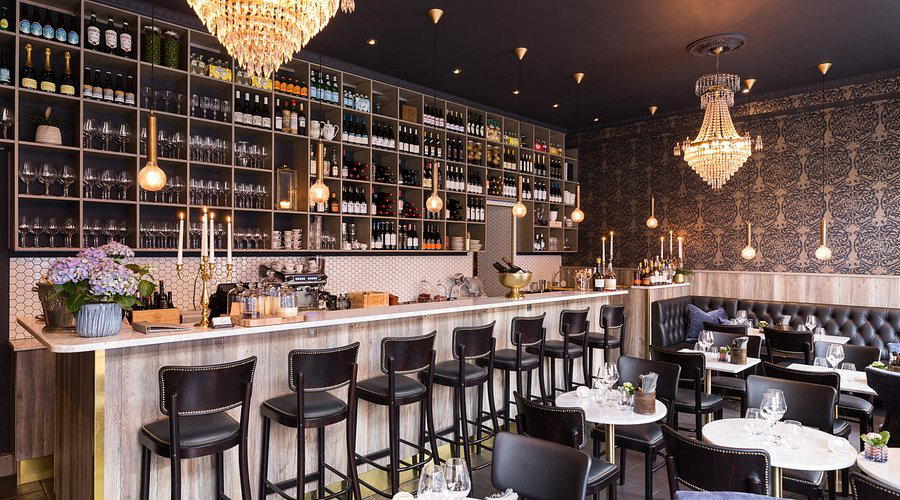
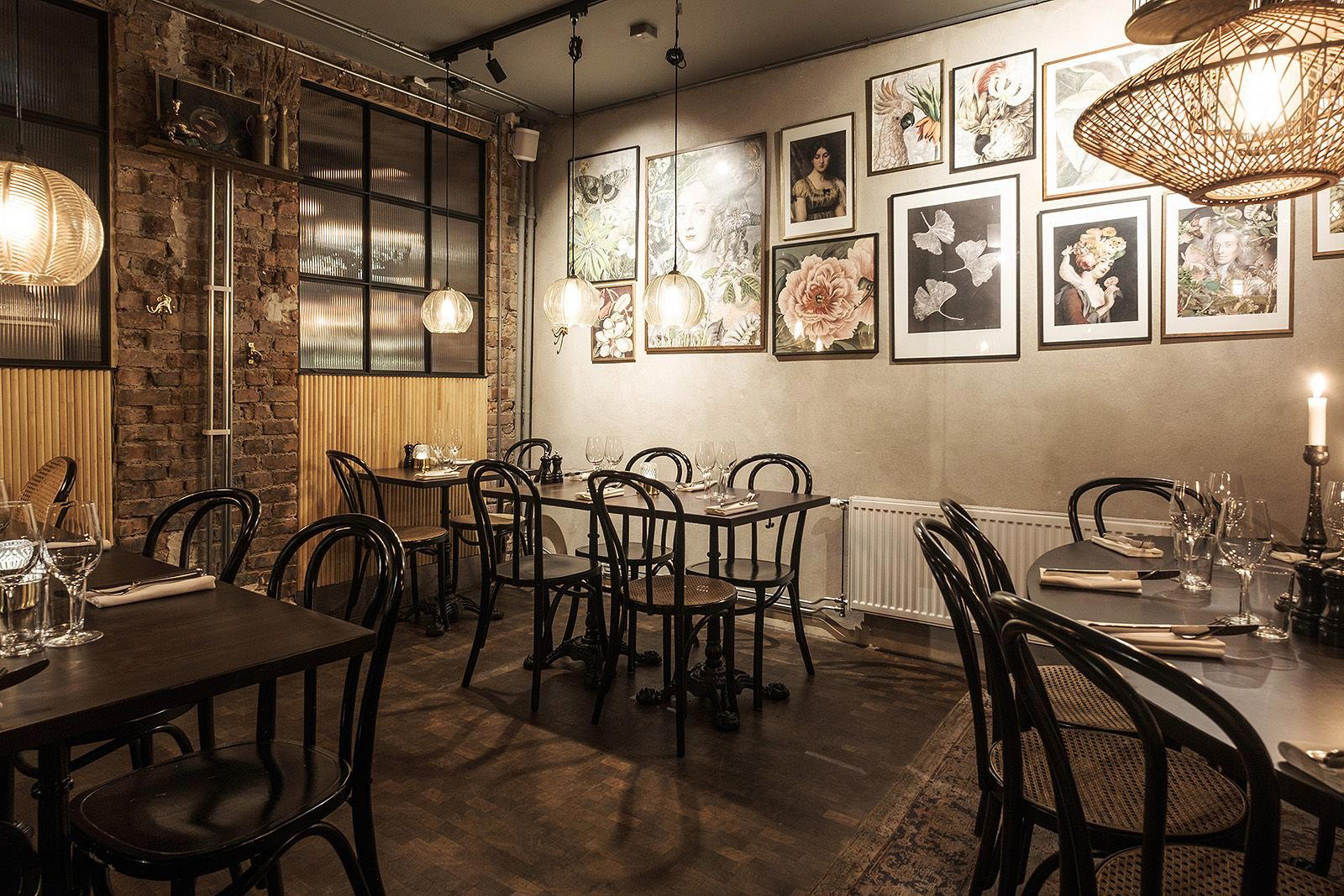
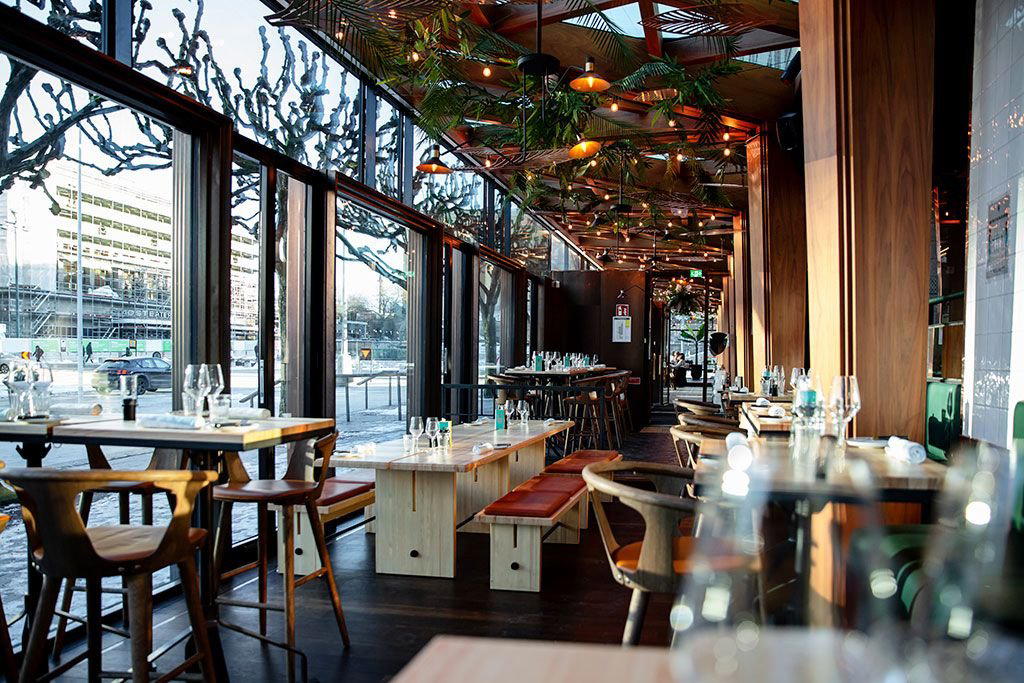
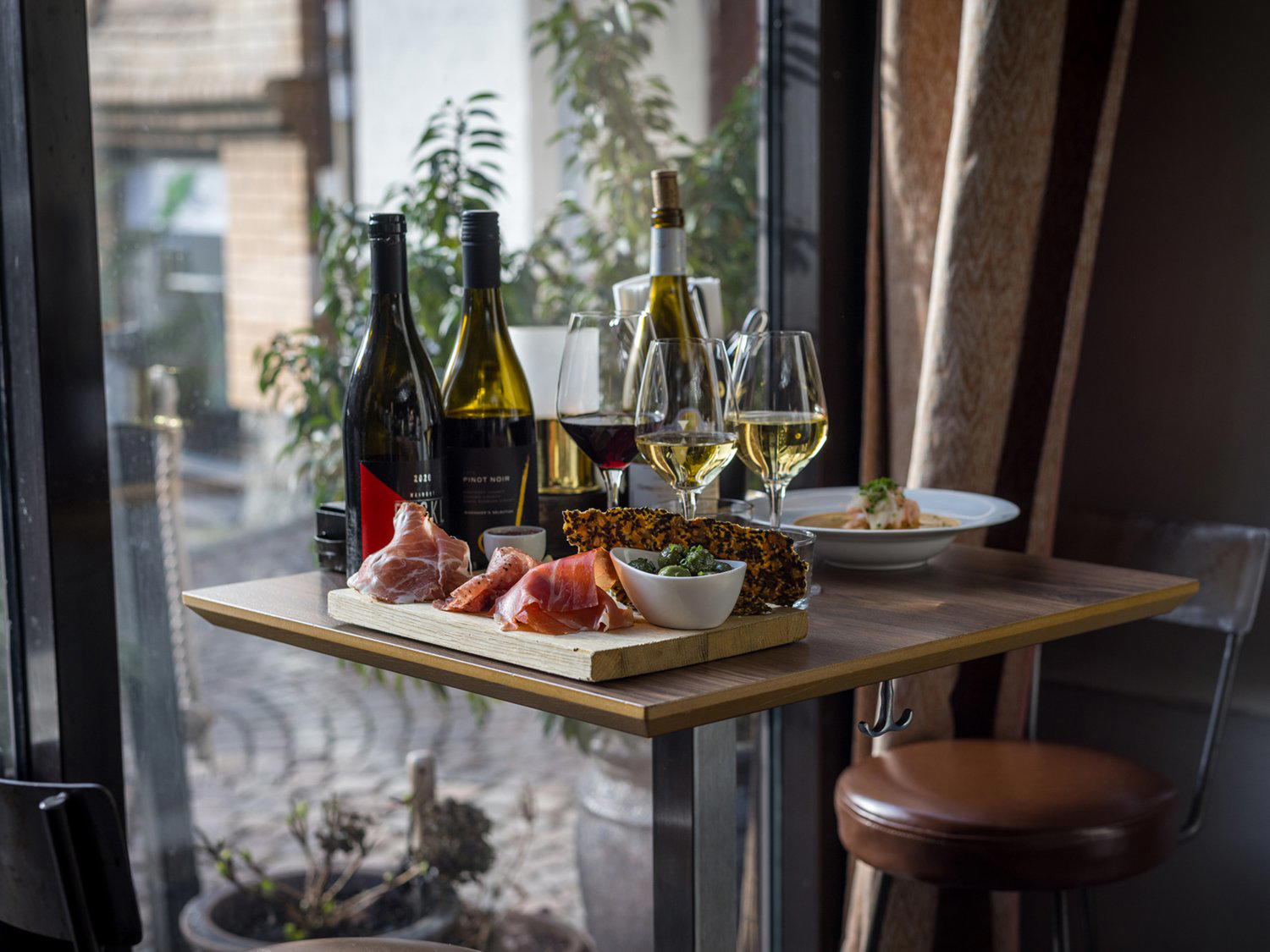
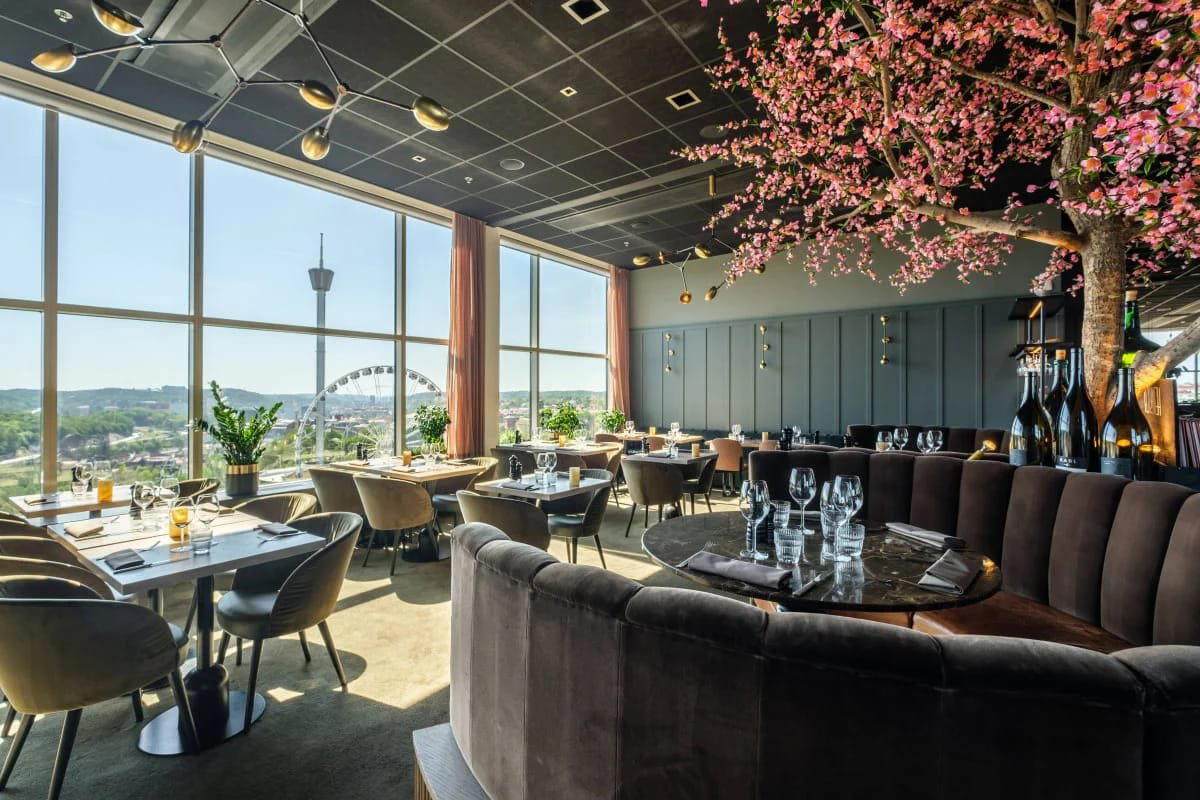
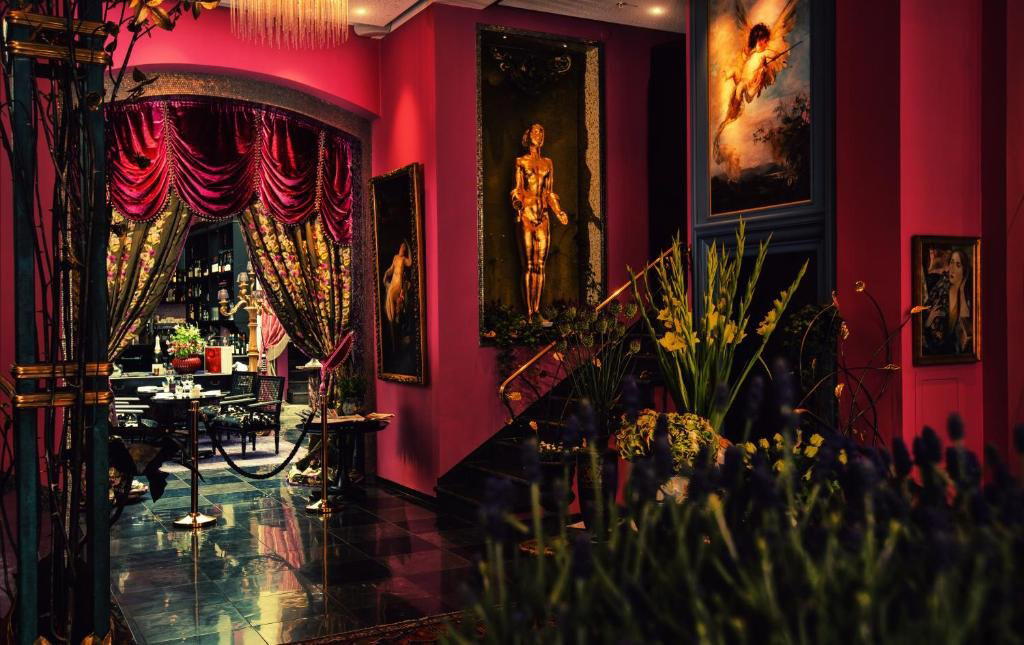
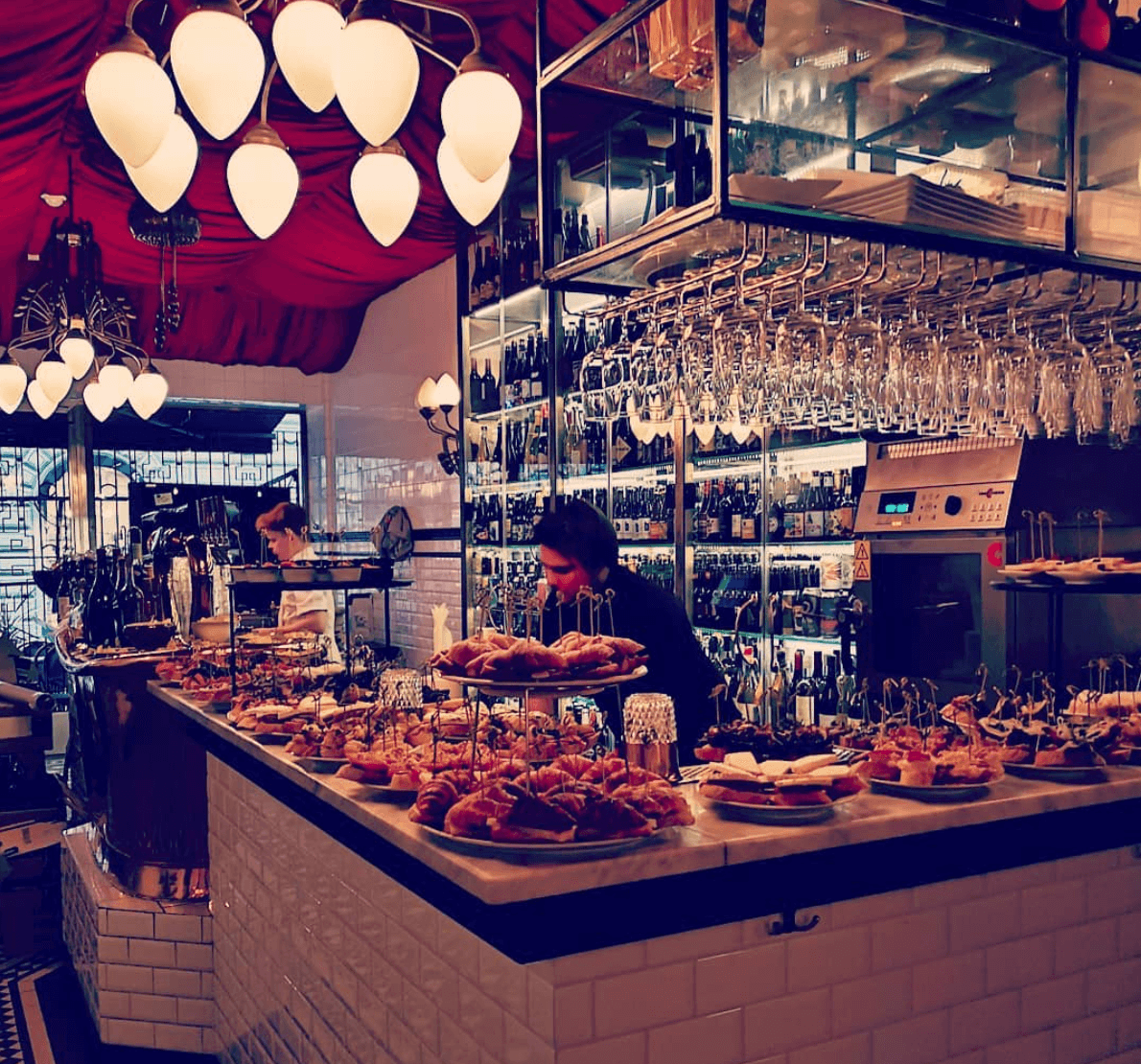
Warm, woody interior with funky decor, large open windows, and a relaxed bistro-like atmosphere.