UMAMI
UMAMI serves Pan-Asian Fusion with Sushi and Laksa, set around a garden terrace in a lively, smart-casual room for lunch or dinner.
Pearl is the En Primeur Club membership app — saves, bookings, and concierge access live there. Same editors, same standards.
- Address
- 100 Cromwell Rd, South Kensington, London SW7 4ER, United Kingdom
- Phone
- +442073412321
- Website
- umamikitchens.co.uk
- Directions
- Get directions
 Saves & bookings on Pearl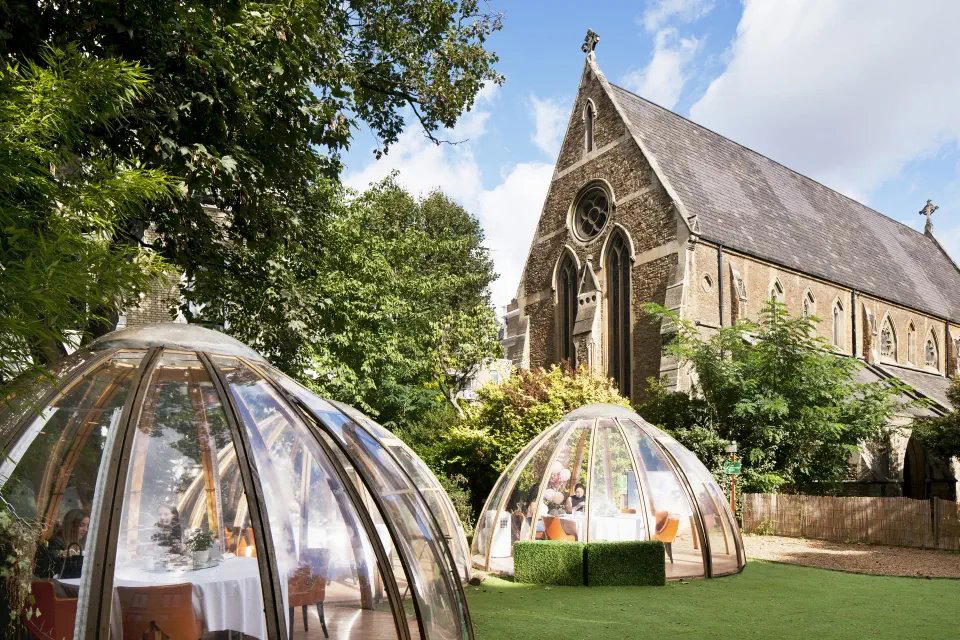
South Kensington's Quieter Register
Cromwell Road has never been London's loudest dining address. The thoroughfare carries the weight of the Natural History Museum, the V&A, and a dense international residential population, and the restaurants that survive here tend to serve a neighbourhood that moves quietly and eats seriously. UMAMI occupies 100 Cromwell Road in that context: a South Kensington address that sits several postcodes and several decibels away from the Mayfair or the City dining circuits that dominate restaurant conversation in London.
The name itself signals a specific ambition. Umami, the fifth taste codified by Japanese food science in the early twentieth century, has become shorthand across the broader London scene for a cooking philosophy that prioritises depth over brightness, savouriness over sweetness. Restaurants carrying that reference into their identity are making a statement about what they think food should do, and South Kensington, with its proximity to the museums and its French and Japanese residential communities, provides a more considered audience for that kind of statement than, say, Soho or Covent Garden would.
The Sensory Register of the Room
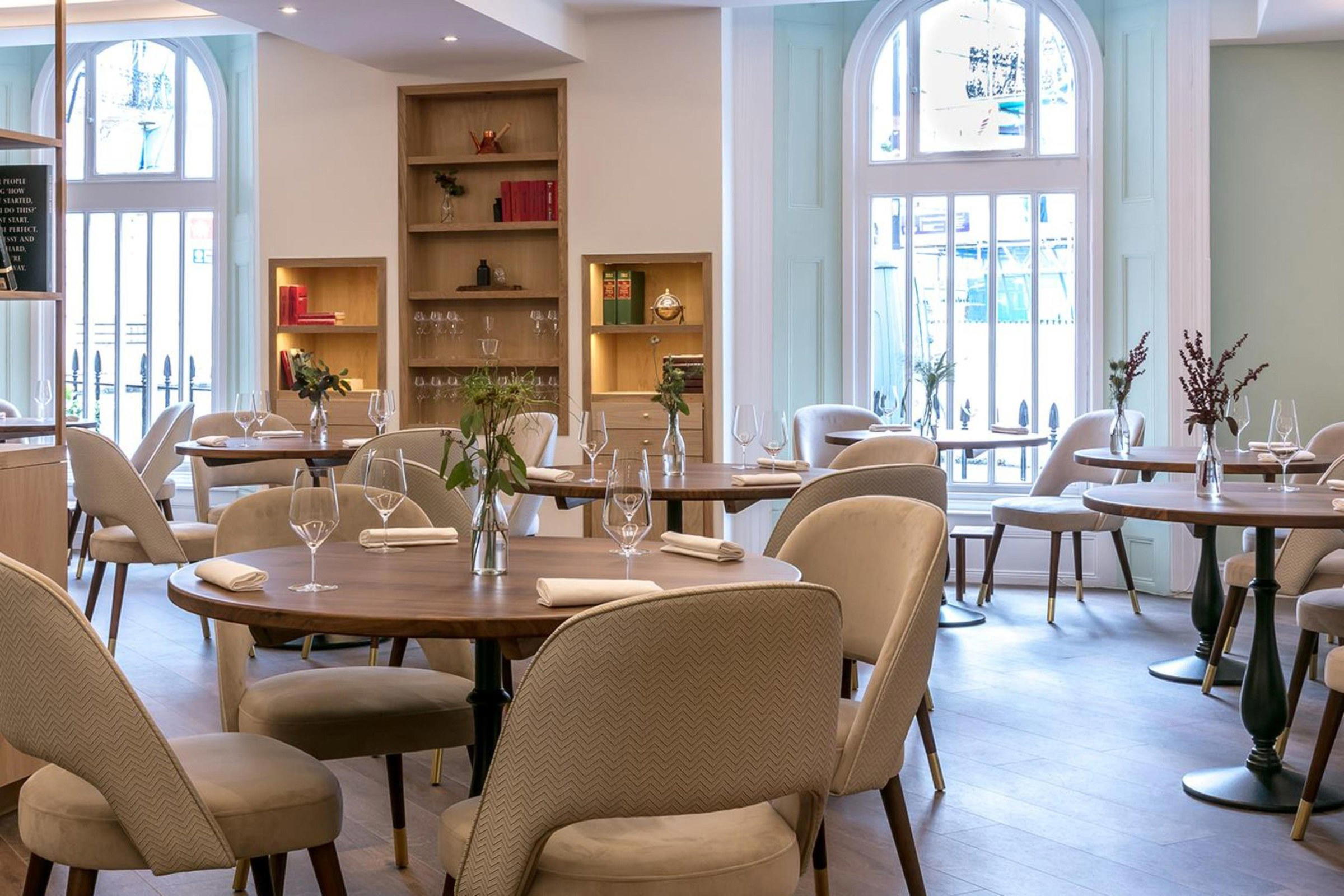
South Kensington restaurant spaces occupy a particular architectural type: Victorian or Edwardian ground floors converted with varying degrees of ambition. The better ones manage the tension between the period shell and a contemporary interior language without forcing either direction. Cromwell Road's scale, wide pavements and broad frontages, allows the approach to a restaurant to feel considered rather than rushed, which matters for a dining room that signals umami depth before the first course arrives.
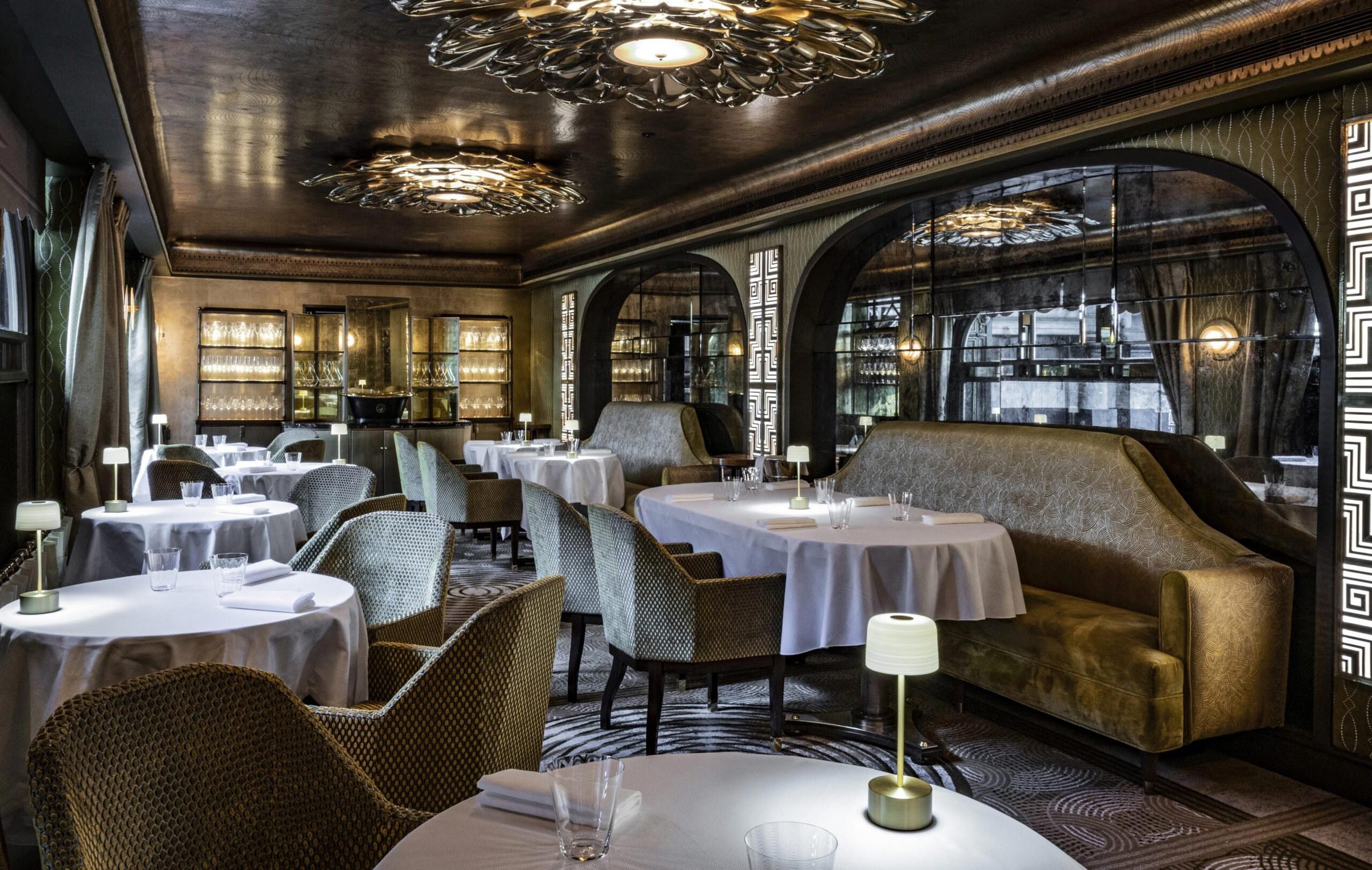
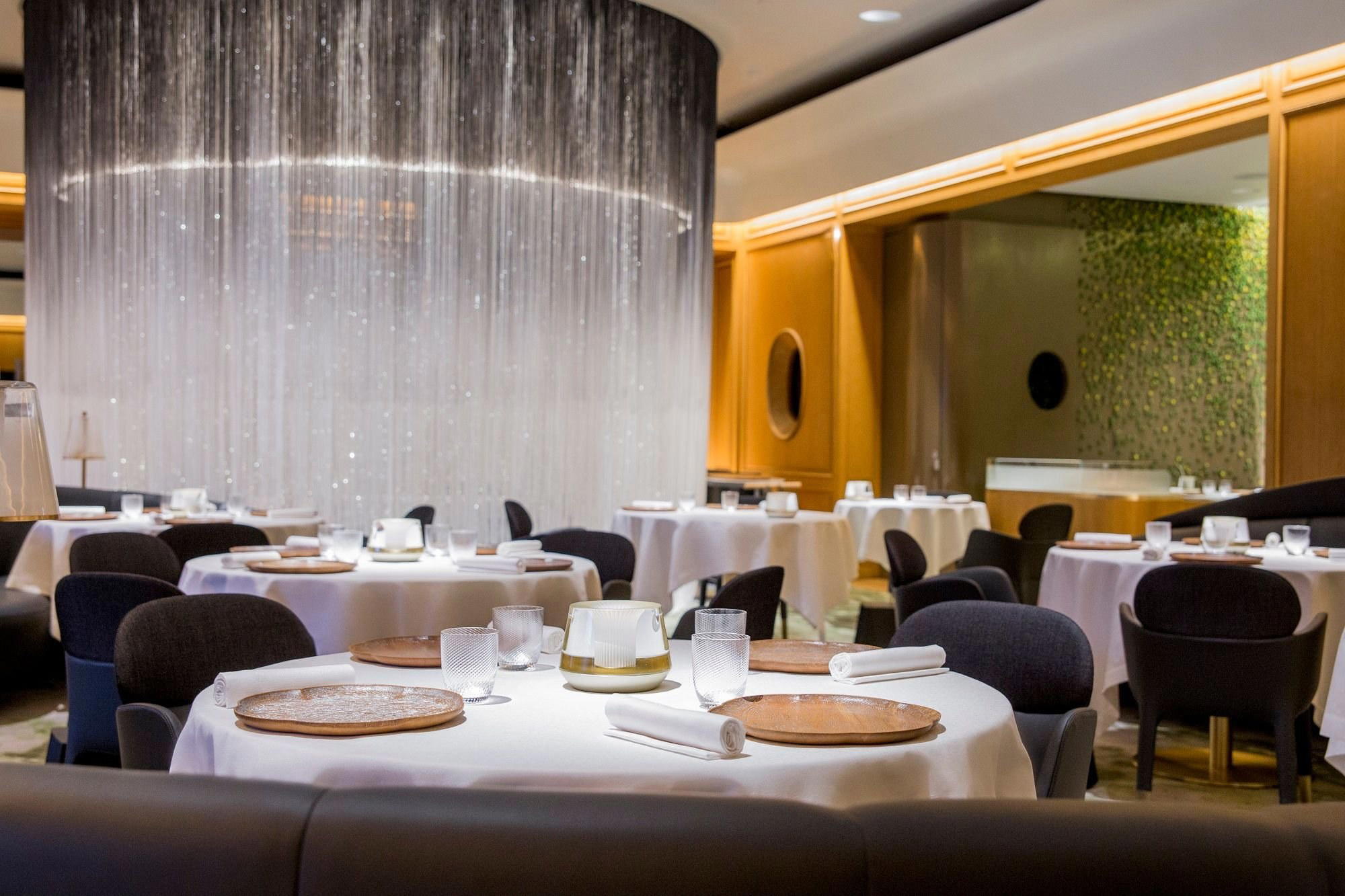
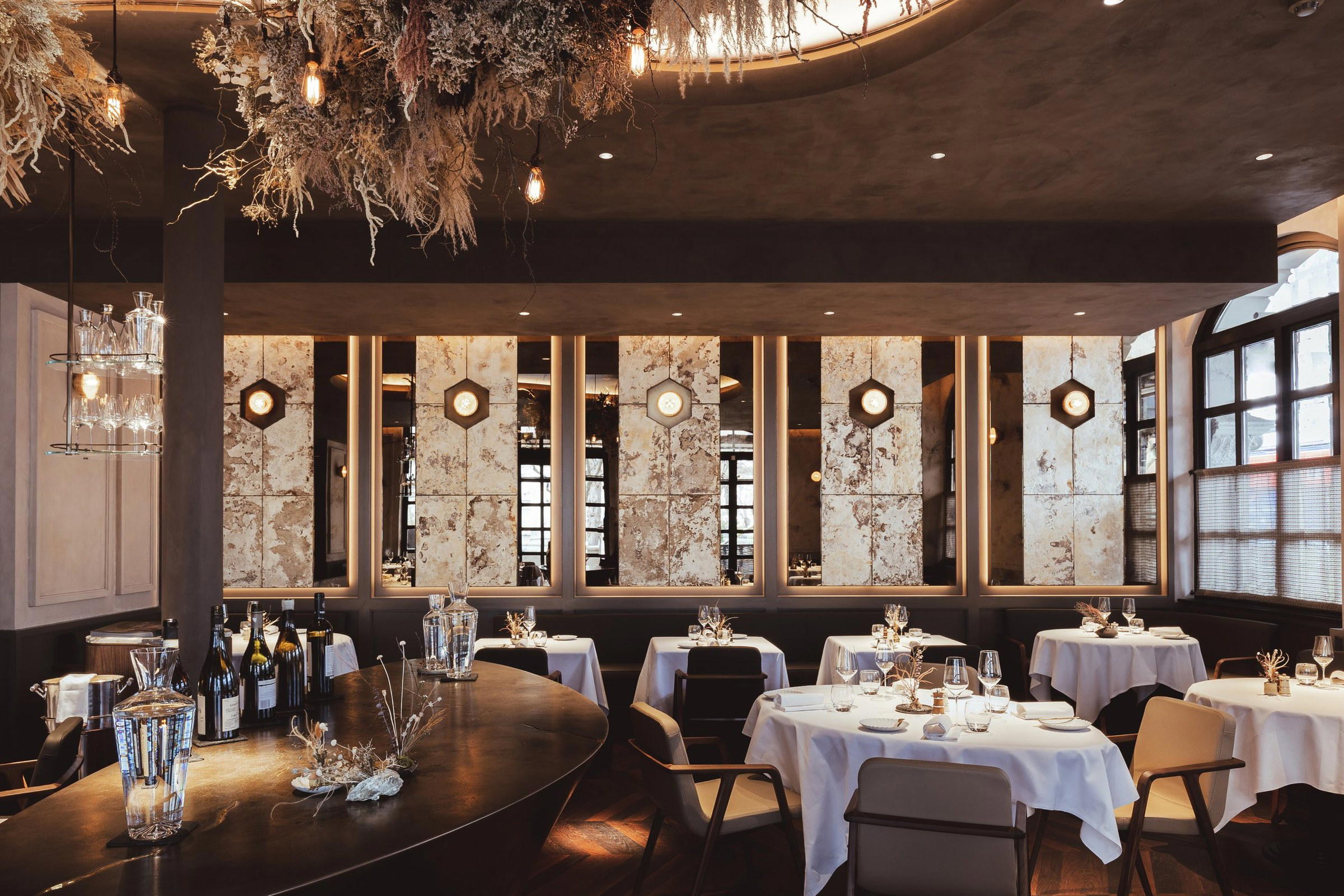
Inside, the sensory register that a room like this produces depends almost entirely on restraint: how much noise the kitchen allows to travel into the dining room, how tightly the lighting is controlled across service, whether the smell of the cooking reaches the table as an appetiser or as an intrusion. These are the calibrations that separate a neighbourhood restaurant operating at a serious level from one operating at a pleasant but unremarkable one. London's mid-tier South Kensington dining has improved significantly over the past decade, which raises the competitive bar for any address on Cromwell Road that wants to be taken seriously by a food-literate audience.
Where UMAMI Sits in London's Dining Map
London's upper-tier restaurant addresses have consolidated around a familiar set of postcodes and a familiar set of price points. At the highest level, the city's dining conversation is dominated by addresses such as CORE by Clare Smyth, operating at the Modern British apex, Restaurant Gordon Ramsay in Chelsea at the contemporary European end, Sketch, The Lecture Room and Library in Mayfair for Modern French, and The Ledbury in Notting Hill. Dinner by Heston Blumenthal in the Mandarin Oriental brings a different register of Modern British reference entirely. These are the restaurants against which London's more serious dining scene benchmarks itself, all carrying formal award recognition and multi-year booking pressure.
UMAMI's South Kensington location places it adjacent to the Knightsbridge and Chelsea dining clusters but distinct from them. That adjacency matters: the neighbourhood draws an international clientele with high baseline expectations, visitors staying in the South Kensington hotel corridor, and a resident population that eats out frequently and selectively. A restaurant that reads the room correctly here builds a loyal local audience while also drawing visitors who have already worked through the obvious Mayfair shortlist.
The National Context
The UK's serious restaurant tier now extends well beyond London, with addresses such as Waterside Inn in Bray, Le Manoir aux Quat'Saisons in Oxford, L'Enclume in Cartmel, Moor Hall in Aughton, and Gidleigh Park in Chagford carrying significant formal recognition. The regional spread matters because it has shifted the terms on which London restaurants compete: proximity and convenience no longer automatically confer advantage when a two-hour drive delivers something demonstrably more considered. Closer to the capital, Hand and Flowers in Marlow, hide and fox in Saltwood, and Midsummer House in Cambridge each offer strong arguments for leaving the city. Opheem in Birmingham and Restaurant Andrew Fairlie in Auchterarder extend the map further still.
Internationally, the frame for serious dining of this register extends to addresses like Le Bernardin in New York City and Atomix in New York City, both of which demonstrate how the umami-led, Japanese-influenced cooking philosophy has translated into sustained formal recognition at the highest level in another major dining capital.
What the Name Commits To
Choosing umami as a restaurant identity is a deliberate editorial decision. The fifth taste is not a cuisine category; it is a depth signal, and restaurants that invoke it are committing to cooking that reaches for layered savouriness through technique rather than through heavy seasoning. Fermentation, ageing, reduction, careful sourcing of naturally glutamate-rich ingredients: these are the tools that a kitchen built around umami philosophy typically reaches for. London's broader dining scene has absorbed Japanese technique at every price point over the past fifteen years, and the more sophisticated end of that absorption looks nothing like the early nineties idea of Japanese food in Britain. It looks closer to what the leading Korean and Japanese-influenced restaurants in Seoul and Tokyo have been doing for decades, and what addresses like Atomix in New York have brought into formal Western recognition.
A restaurant in South Kensington carrying that name into its identity is positioning itself against a specific sensory expectation. Whether the kitchen delivers on the depth that name implies is the question any food-literate visitor will arrive with.
Know Before You Go
Address: 100 Cromwell Road, South Kensington, London SW7 4ER, United Kingdom
Nearest Tube: South Kensington (District, Circle, Piccadilly lines), approximately a five-minute walk westward along Cromwell Road.
Booking: Reservations are recommended.
Price Range: About $35 per person.
Hours: Mon: 5–9 PM; Tue: 5–9 PM; Wed: 5–9 PM; Thu: 5–9 PM; Fri: 12–10 PM; Sat: 12–10 PM; Sun: 12–10 PM.
Dress Code: Smart casual.
Awards:
Price and Positioning
Comparable venues nearby, for context on price, style, and recognition.
| Venue | Cuisine | Price | Notes |
|---|---|---|---|
| UMAMIThis venue — the venue you are viewing | South Kensington, Pan-Asian Fusion | $$ | Not listed |
| Arcade Food Hall | Not listed | $$ | Holborn, Global Street Food & International Cuisines |
| Pantechnicon | Belgravia, Modern Japanese-Nordic Fusion | $$$ | Not listed |
| Doost & Amici - Flavorful Dishes of Iran to Italy | Vauxhall, Persian-Italian Fusion | $$ | Not listed |
| Kaia | Not listed | $$$ | Cheapside, Asian-Pacific Poke and Robata Grill |
| Banyan on the Thames | Not listed | $$$ | Battersea, Indo-French Fusion with Thai & Indian Influences |
Continue exploring
More in London
Restaurants in London
Browse all →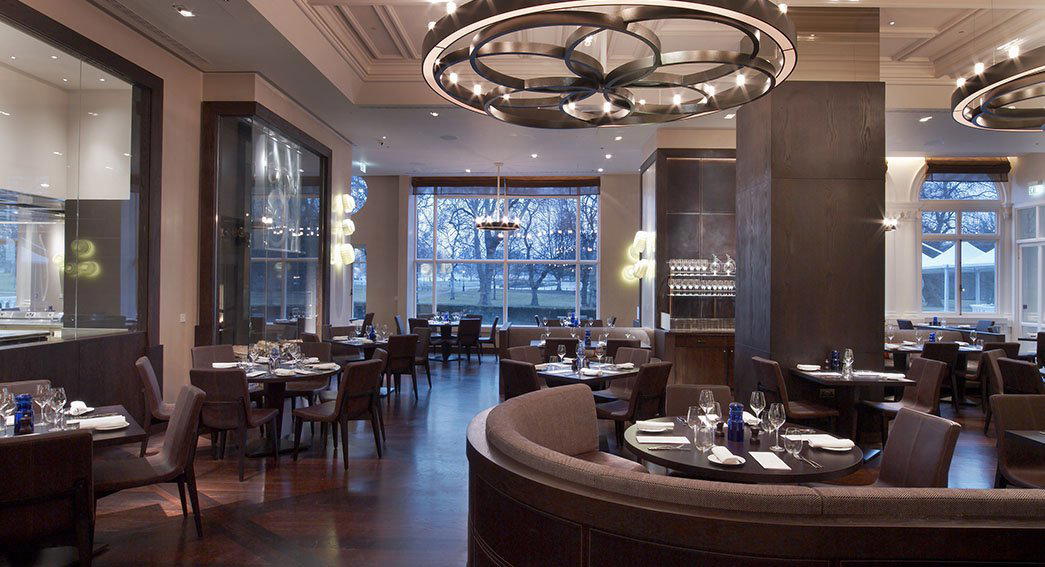
Bars in London
Browse all →
Hotels in London
Browse all →


At a Glance
- Modern
- Trendy
- Date Night
- Casual Hangout
- Garden
- Terrace
- Garden
Current opening hours
- Monday
- 5–9 PM
- Tuesday
- 5–9 PM
- Wednesday
- 5–9 PM
- Thursday
- 5–9 PM
- Friday
- 12–10 PM
- Saturday
- 12–10 PM
- Sunday
- 12–10 PM
Hours can change for holidays and private events. Last verified .
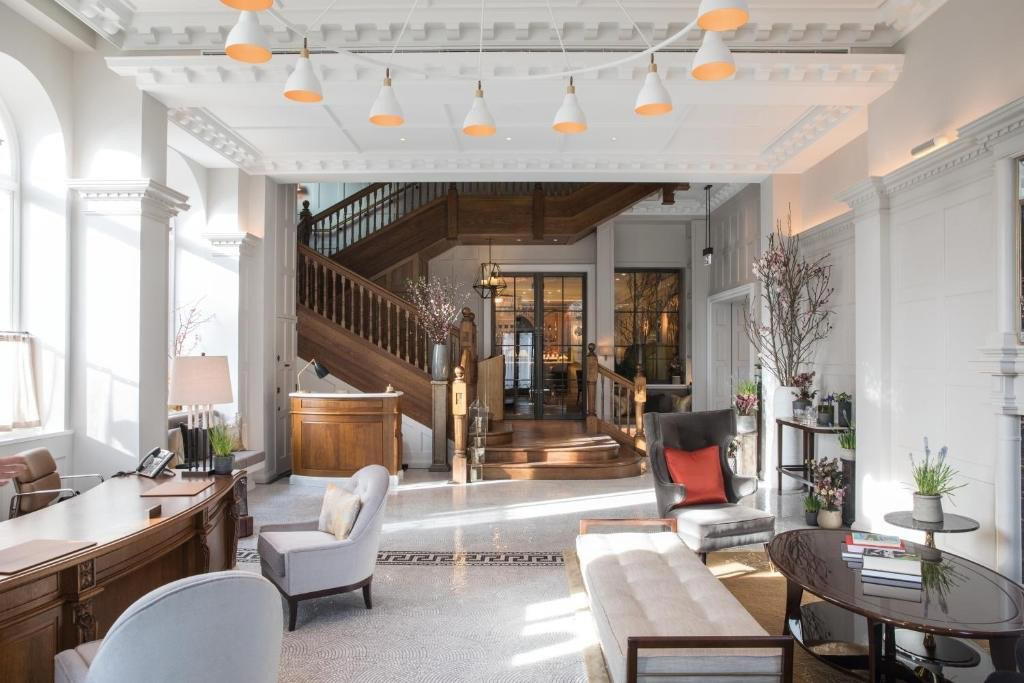
Voguish feng shui surrounds blending modern trendy vibes with lush garden greenery and energetic atmosphere.