On Rua da Picaria in central Porto, Nabos da Púcara occupies a position in a city where traditional tavern formats and contemporary dining rooms increasingly share the same streets. Compared to Porto's high-end tasting-menu circuit, Euskalduna Studio, Antiqvvm, Le Monument, this address operates at a different register, oriented toward the neighbourhood rather than the destination-dining set.
Pearl is the En Primeur Club membership app — saves, bookings, and concierge access live there. Same editors, same standards.
- Address
- Rua dos Caldeireiros 121, 4050-140 Porto, Portugal
- Phone
- +351 961 346 030
- Website
- facebook.com
- Directions
- Get directions
 Saves & bookings on Pearl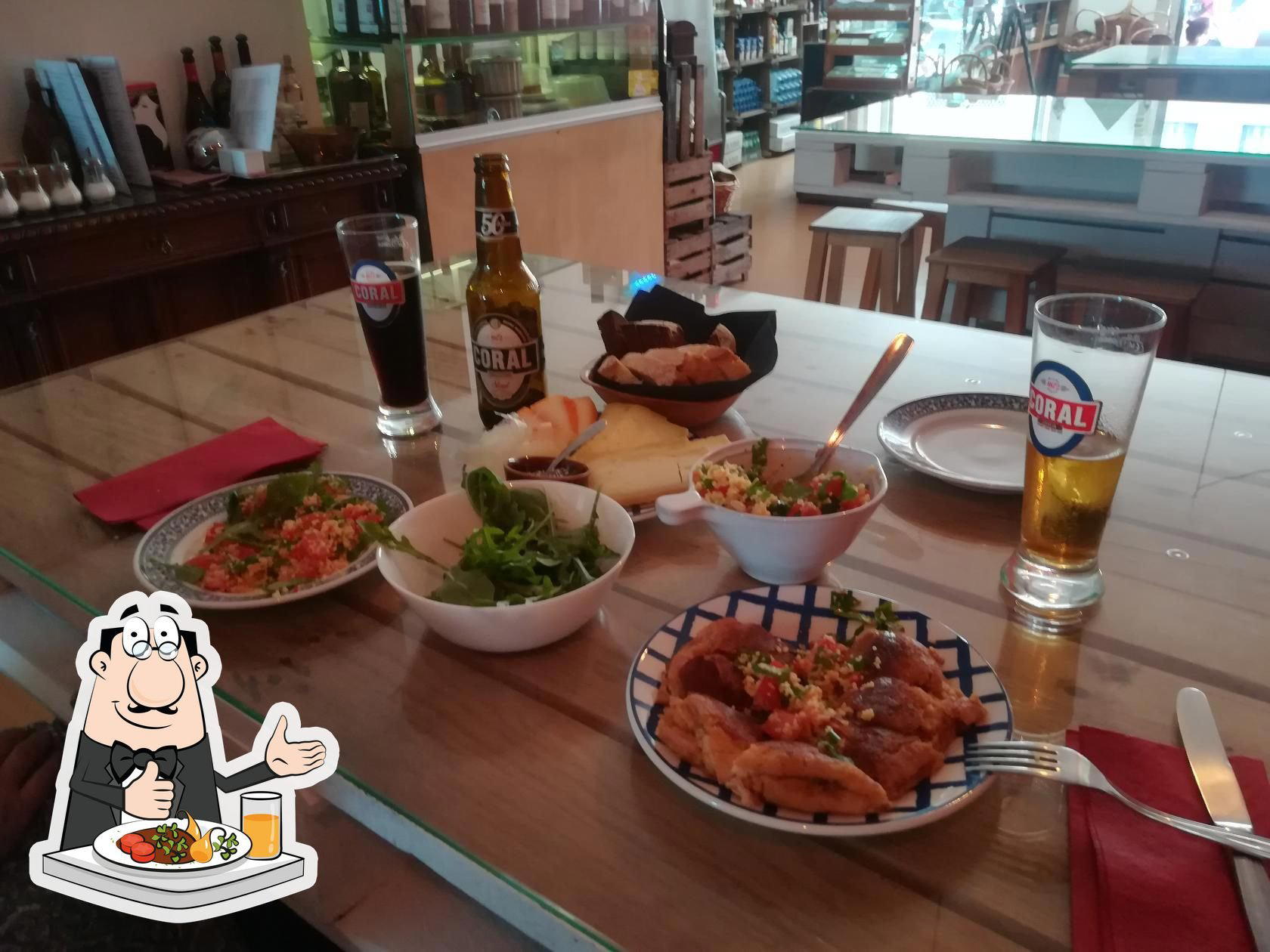
Where Rua da Picaria Sits in Porto's Dining Order
Porto's restaurant scene has bifurcated sharply over the past decade. On one side, a cluster of tasting-menu restaurants has pulled the city into serious international conversation: Euskalduna Studio with its progressive Portuguese format, Antiqvvm with its creative ambition, Le Monument anchoring the contemporary end. On the other, a quieter tier of neighbourhood addresses has held its ground against the tide of repositioning, serving a more immediate version of what Porto has always been: direct, product-led, unpretentious without performing unpretentiousness. Rua da Picaria, running through the city's older commercial core, belongs to the latter geography. Nabos da Púcara at number 40 is part of that fabric.
The address sits in a part of Porto that has avoided the full tourist-capture of Ribeira while remaining accessible enough to draw visitors who have done their research. That positioning matters for how a room reads. Streets like Rua da Picaria carry the kind of ambient normalcy that tasting-menu destinations in converted mansions or hotel dining rooms cannot manufacture. The physical container of a place on this street is determined partly by the street itself.
The Room and What It Communicates
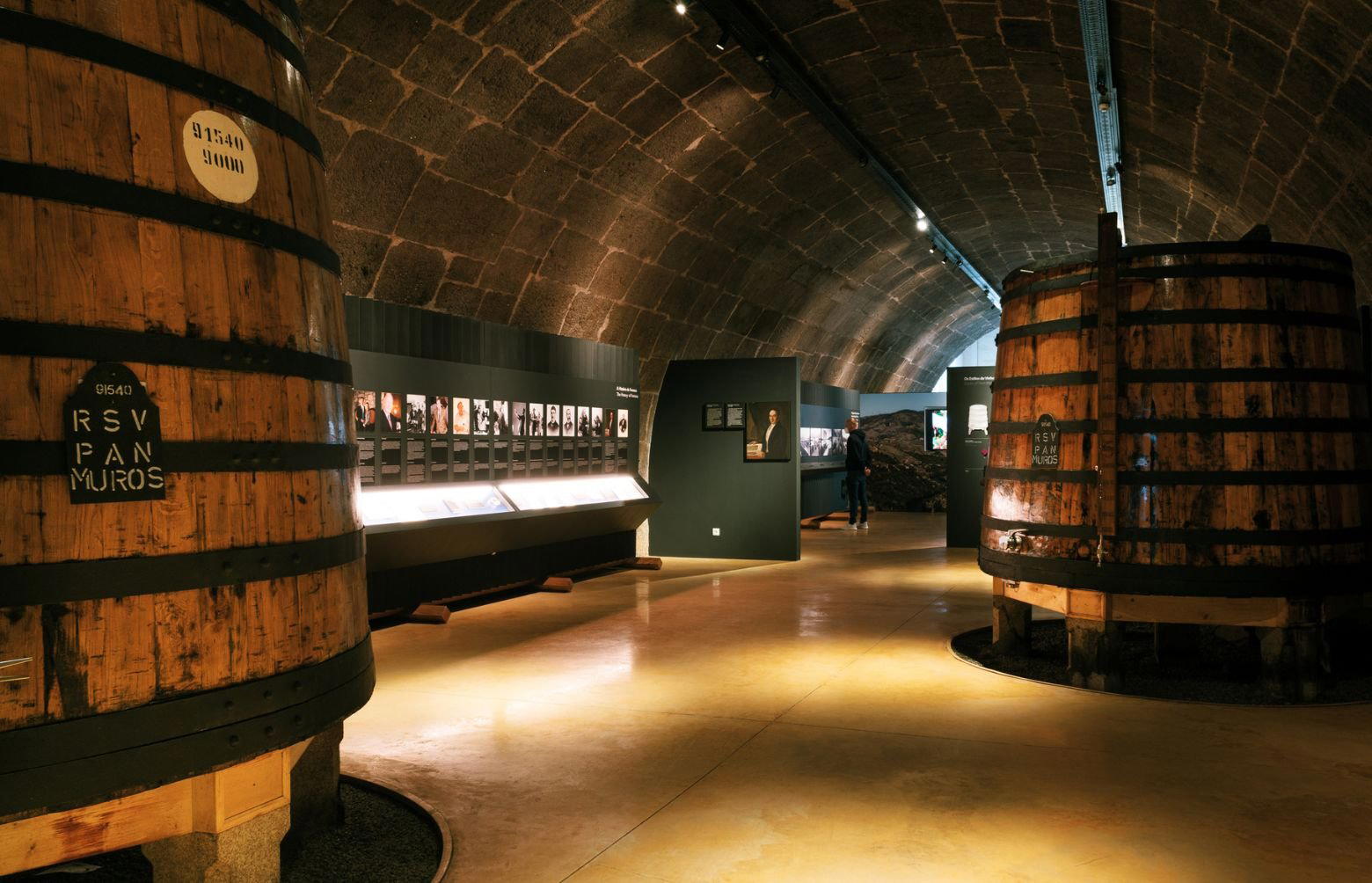
In Portuguese tavern and tasca tradition, the interior is rarely neutral. The choice of tile, timber, counter height, and table spacing all carry social signals that a regular Porto diner reads instinctively. A marble counter means quick service and standing trade. Azulejo panels running floor to ceiling signal a more formal, rooted commitment to place. Bare brick, mismatched chairs, and handwritten menus signal the opposite: informality as a considered stance rather than a budgetary constraint.
How Nabos da Púcara deploys these elements is the key question for anyone approaching for the first time. The name itself offers a clue: nabos is the Portuguese for turnips, and púcara refers to a traditional clay cooking vessel used across northern Portugal and the Minho region. Both words anchor the place firmly in a vernacular culinary register, suggesting a kitchen oriented toward slow-cooked, peasant-origin dishes rather than modernist reworking. Whether the interior reflects that etymology in its material choices, in its lighting, or in the way tables are arranged for communal versus private dining is something the room itself will settle quickly.
Porto's most considered neighbourhood restaurants tend to keep décor functional but not stripped. The warmth comes from accumulation: wine bottles used as shelf filler, handwritten specials boards, the sound of a kitchen without a pass. These are spaces where the architecture steps back so the food and conversation can come forward. That format, when executed with discipline, creates more genuine hospitality than a designed-for-Instagram interior at twice the price point.
Nabos da Púcara in Porto's Competitive Set
Positioning the restaurant against Porto's upper tier requires acknowledging how different the ambition is. Restaurants like Blind or Vila Foz are operating in a destination category where the meal itself is the event: multi-course, reservation-driven, priced for occasions. Portugal's Michelin-starred circuit more broadly, from Belcanto in Lisbon to Vila Joya in Albufeira to Casa de Chá da Boa Nova in Leça da Palmeira, is a different conversation entirely, one that restaurant neither enters nor needs to.
The more relevant comparable set for a room on Rua da Picaria is the mid-tier of Porto's neighbourhood dining: places where a well-sourced daily fish, a slow-braised pork cheek, or a caldo verde made with proper chouriço represents the ceiling of the offering, and where that ceiling is genuinely respected. Almeja operates in a similar register at the €€ price band. Pedro Lemos sits one bracket above in execution and formality. The restaurant, based on its name and address alone, reads as a place where the kitchen's vocabulary is traditional and the room's grammar is functional. That is not a limitation; it is a positioning choice, and in Porto's current dining environment, it is a commercially and culturally coherent one.
For comparison, international diners who have experienced the neighbourhood-anchor format at its sharpest, whether at Lazy Bear in San Francisco or the rigorous fish-focused discipline of Le Bernardin in New York City, will recognise that seriousness of purpose does not require architectural gesture. A room that knows what it is tends to deliver on its own terms more reliably than one that tries to be several things at once.
Planning Your Visit
Rua da Picaria 40 is within walking distance of the central Bolhão area and accessible from most of Porto's hotel stock without requiring transport. As with most smaller Porto addresses in this category, the practical advice is consistent: arrive at opening to secure a table if the restaurant does not take reservations, or call ahead if a booking line is published on site. Lunchtime in Porto's neighbourhood restaurants often sees shorter waits and more relaxed pacing than evening service, where local custom tends toward longer, slower meals. Portugal's wider dining calendar means summer months bring higher visitor volume to the city; visiting outside July and August typically means easier access to the kind of unhurried service that this format is designed to provide. For the broader Porto dining context, the EP Club Porto restaurants guide maps the full range from neighbourhood essentials to the tasting-menu tier, including The Yeatman in Vila Nova de Gaia across the river, and further afield options like Ocean in Porches, Il Gallo d'Oro in Funchal, Fortaleza do Guincho in Cascais, Ó Balcão in Santarém, Al Sud in Lagos, and Gusto by Heinz Beck in Almancil for those building a wider Portuguese itinerary.
A Tight Comparison
Comparable venues nearby, for context on price, style, and recognition.
| Venue | Cuisine | Price | Notes |
|---|---|---|---|
| Nabos da PúcaraThis venue — the venue you are viewing | Vitória, Portuguese Petiscos | $$ | Not listed |
| Zenith | Vitória, Modern Brunch & Cocktails Cafe | $$ | Not listed |
| Em Carne Viva | Not listed | $$$ | Cedofeita, Modern Vegan Portuguese Fine Dining |
| Adega São Nicolau | S Nicolau, Authentic Portuguese | $$ | Not listed |
| Eatery 119 ӏ food, desserts & specialty coffee | Not listed | $$ | Santo Ildefonso, Ukrainian-Inspired Brunch Café |
| Uma Marisqueira (Ze Bota) - A Seafood Resturant | Vitória, Traditional Portuguese Seafood | $$ | Not listed |
Continue exploring
More in Porto
Restaurants in Porto
Browse all →
Bars in Porto
Browse all →
Hotels in Porto
Browse all →
At a Glance
- Rustic
- Cozy
- Intimate
- Casual Hangout
- Historic Building
- Local Sourcing
Current opening hours
- Monday
- 11:30 AM–3 PM
- Tuesday
- 11:30 AM–3 PM
- Wednesday
- 11:30 AM–3 PM
- Thursday
- 11:30 AM–2:30 PM
- Friday
- 11:30 AM–3 PM, 7–10:30 PM
- Saturday
- Closed
- Sunday
- Closed
Hours can change for holidays and private events. Last verified .
Rustic and simple with a modern touch, cozy small tables for sharing seasonal petiscos.