On a quiet residential street in central Caen, Ty Gibus occupies a position in the city's mid-tier dining scene where neighbourhood atmosphere counts for more than formality. The address at 17 bis Rue des Tilleuls places it within walking distance of Caen's compact restaurant cluster, alongside a range of options running from traditional Norman cooking to modern French formats. Advance booking is advisable, particularly on weekend evenings.
Pearl is the En Primeur Club membership app — saves, bookings, and concierge access live there. Same editors, same standards.
- Address
- 17 bis Rue des Tilleuls, 14000 Caen, France
- Phone
- +33231860133
- Website
- olivierbriand.bzh
- Directions
- Get directions
 Saves & bookings on Pearl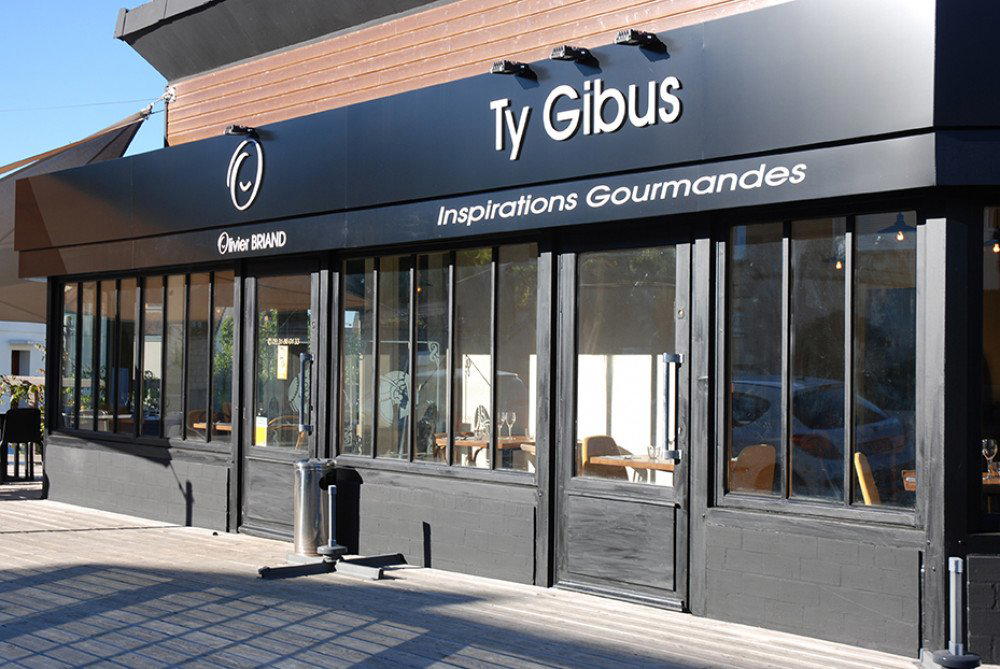
A Street in Caen That Rewards Attention
Rue des Tilleuls is the kind of address that Caen's dining scene tends to quietly accumulate: a residential street close enough to the city centre to draw foot traffic, but removed enough from the main tourist corridors that the clientele skews local. Ty Gibus sits at number 17 bis. In a city that rebuilt itself almost entirely after the devastation of 1944, Caen's dining rooms often feel warm, calibrated to compensate for the hard geometry of postwar construction outside. Small restaurants on streets like this one carry that function.
Caen's restaurant scene in 2024 operates across a fairly legible tier structure. At the leading end, Ivan Vautier anchors the city's modern cuisine offer with a formal tasting format and a price point to match. Below that, a cluster of mid-range addresses handles the daily work of feeding a city of around 100,000 people: Augia brings a contemporary sensibility to that bracket, while places like Chez Abbas and Horace fill different flavour registers within it. L'Embroche covers the grilled-meat end of the spectrum. Ty Gibus occupies this mid-field.
Norman Grounding and the Sensory Register of the Room
Normandy's culinary identity is among the more geographically coherent in France. The region's dairy output, cream, butter, a range of washed-rind cheeses, shapes cooking at almost every price point, from farmhouse tables to particularly considered restaurant kitchens. Apple orchards deliver calvados and cider to menus that lean into local provenance, and the Channel coast brings shellfish and flatfish to plates that would look different fifty kilometres inland. In Caen specifically, tripes à la mode de Caen has historical claim to the city's table: slow-cooked offal in cider and calvados, a dish that takes hours and smells, during cooking, of exactly the landscape it comes from.
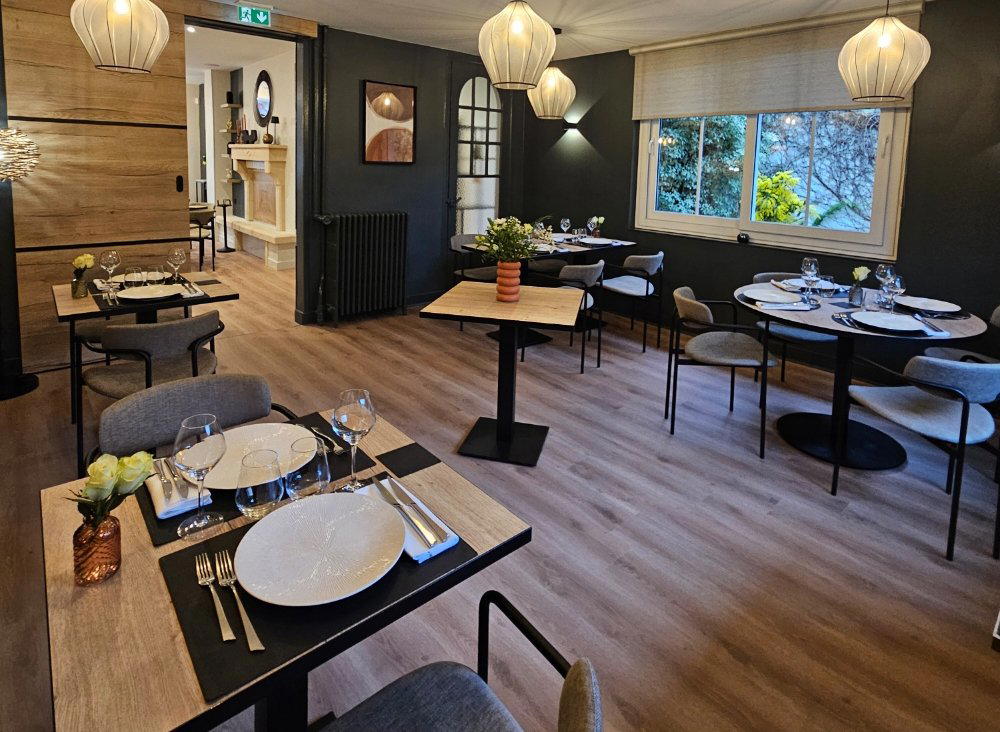
A neighbourhood restaurant on Rue des Tilleuls is likely to operate within this regional grammar, at least in part. The sensory signature of Norman cooking at this level is less about technical precision than about material quality: butter that has flavour of its own, cream that thickens sauces without needing reduction tricks, bread that earns its place on the table. Whether a kitchen leans into these materials or treats them as defaults tells you most of what you need to know about its seriousness. The room itself, in a building of this scale and street position, is modest in size.
This is a different sensory experience from what you find at the formal end of French dining. Venues like Alléno Paris au Pavillon Ledoyen or Mirazur in Menton engineer silence and space as part of the price. Restaurants like Flocons de Sel in Megève wrap guests in a specific landscape-driven quietness. The neighbourhood bistro format that Ty Gibus appears to inhabit is louder, more compressed, and more social, which for many diners is exactly the point. French regional cooking at this level has historically been evaluated on whether it tastes like somewhere rather than whether it looks like something.
Placing Ty Gibus in the Wider French Dining Conversation
The broader French restaurant scene includes institutions with multigenerational track records: Auberge de l'Ill in Illhaeusern, Troisgros in Ouches, Bras in Laguiole, and Paul Bocuse's Auberge du Pont de Collonges. These are reference points for a tier of French dining that has shaped how the world understands the country's culinary culture. But they are also, in practical terms, a different category entirely from a neighbourhood address in Caen. The more useful comparison set for a restaurant at this address and scale includes Caen's own mid-range table.
At the high-technical end of French influence, places like AM par Alexandre Mazzia in Marseille and Assiette Champenoise in Reims represent the format where the chef's sensibility is the primary subject of the meal. Alsatian cooking history at Au Crocodile in Strasbourg shows how regional traditions sustain long institutional histories. None of these comparisons are meant to diminish the restaurant; they are meant to clarify what kind of dining experience Rue des Tilleuls is likely to deliver. The register is neighbourhood, and the geography is Norman. Le Bernardin in New York City or the tasting-menu precision of Atomix makes the point clearly: this is a different category of restaurant serving a different purpose, and should be evaluated accordingly.
Planning Your Visit
The restaurant is located at 17 bis Rue des Tilleuls, 14000 Caen, in central Normandy. Weekend evenings at neighbourhood restaurants in Caen tend to fill quickly with local tables, so advance reservation is recommended.
Similar Picks
Comparable venues nearby, for context on price, style, and recognition.
| Venue | Cuisine | Price | Notes |
|---|---|---|---|
| Ty GibusThis venue — the venue you are viewing | French Bistronomy | $$ | Not listed |
| L'Embroche | Traditional French Bistronomique | $$ | Quartier du Vaugueux |
| Horace | Modern Normandy French Bistro | $$ | Vaugueux |
| Le Chef et sa Femme | Traditional French Bistronomie | $$ | >null |
| Le Bistrot Basque | Basque Bistro | $$ | Quai Vendeuvre |
| L'Intuition d'André | Modern French Bistro | $$$ | Centre-ville |
Continue exploring
More in Caen
Restaurants in Caen
Browse all →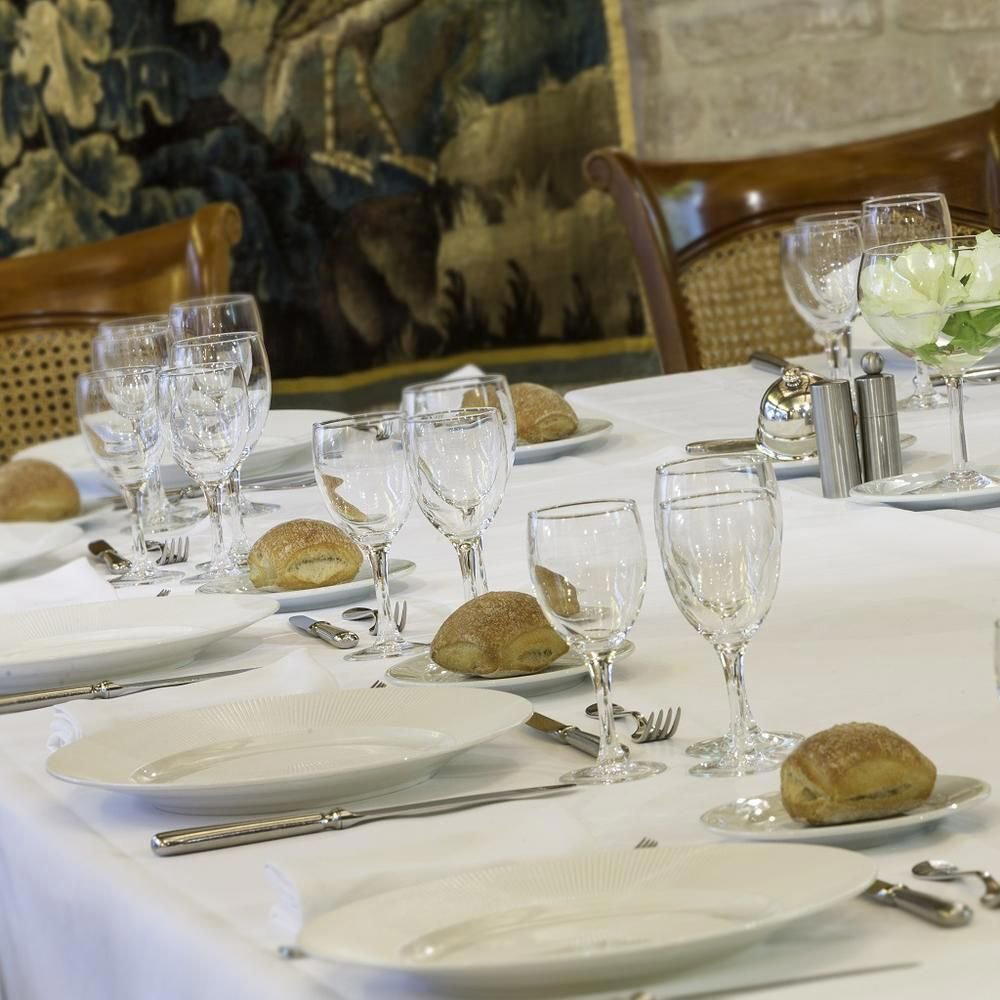
Bars in Caen
Browse all →
Hotels in Caen
Browse all →
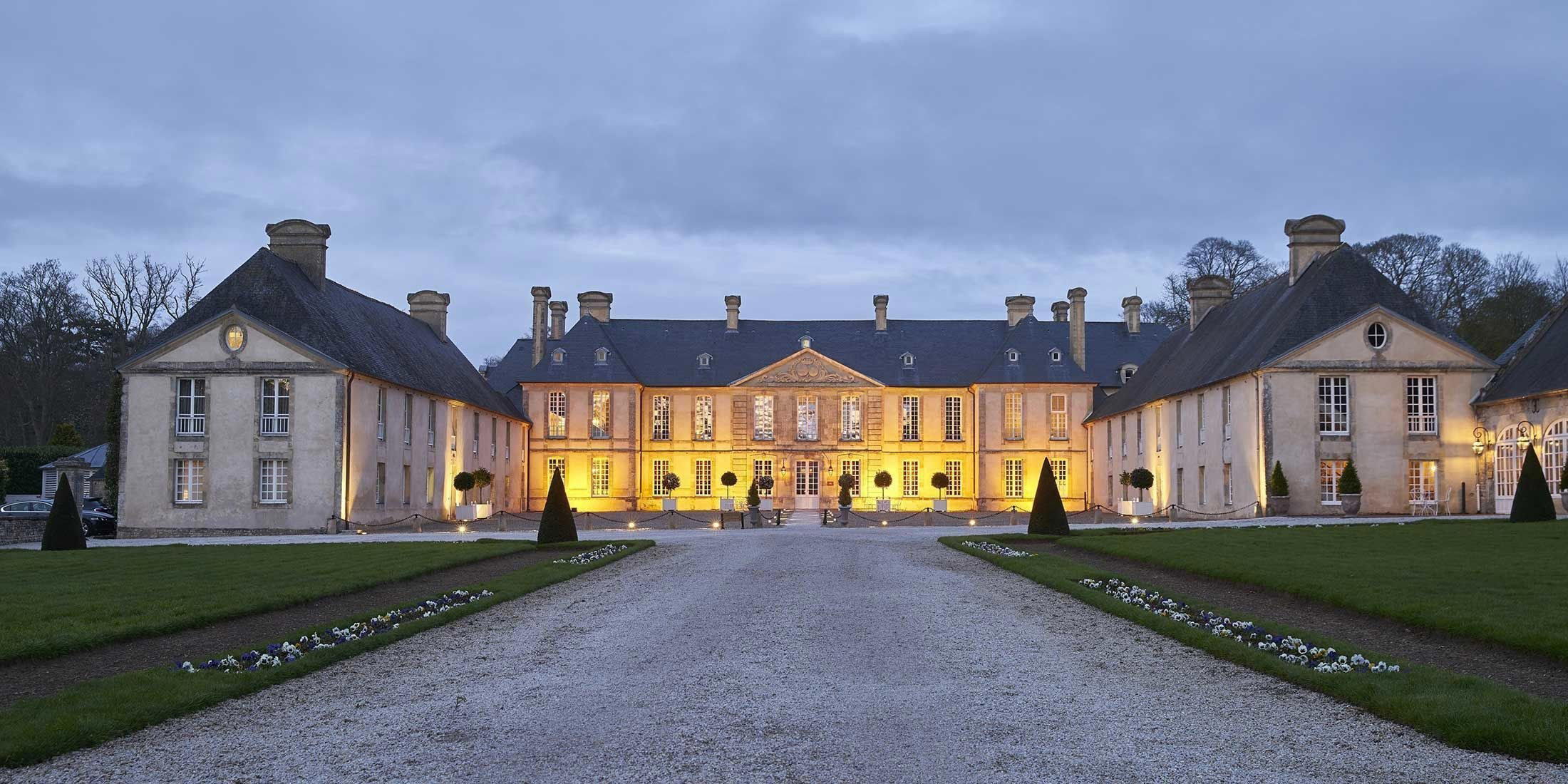
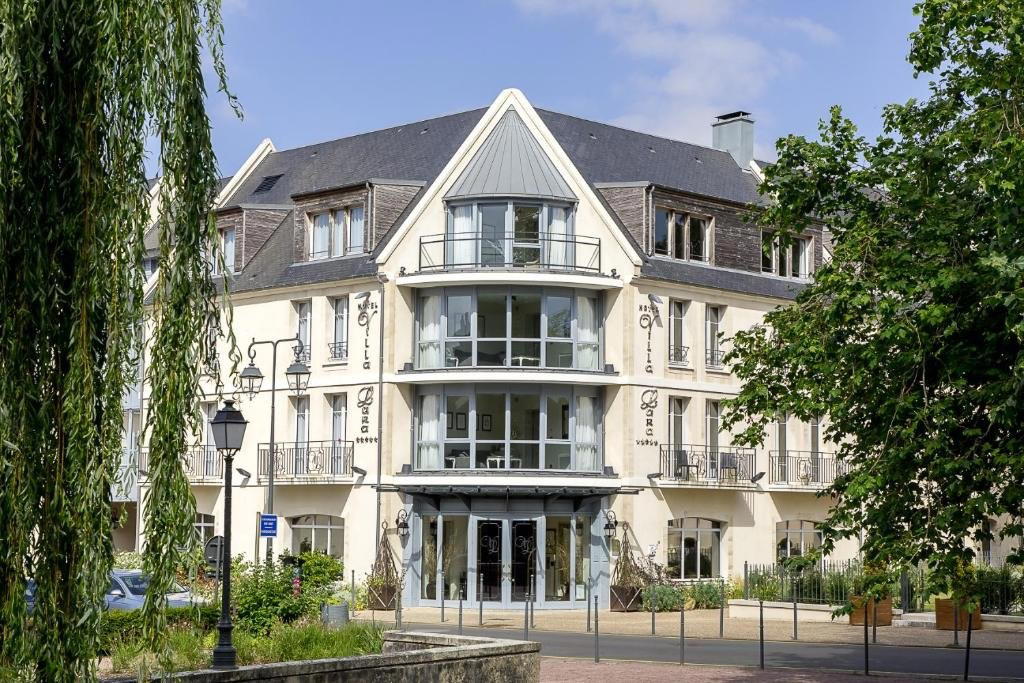
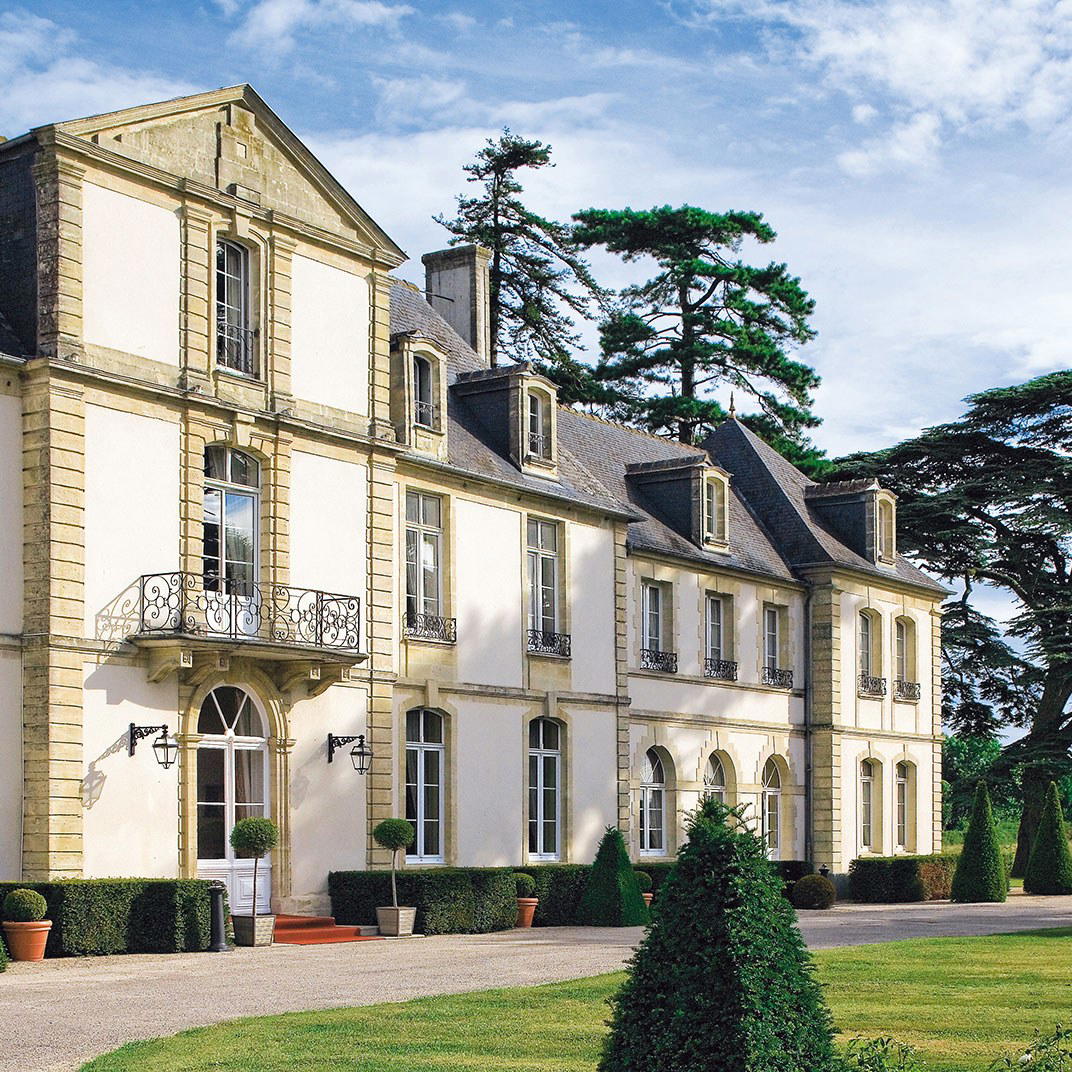
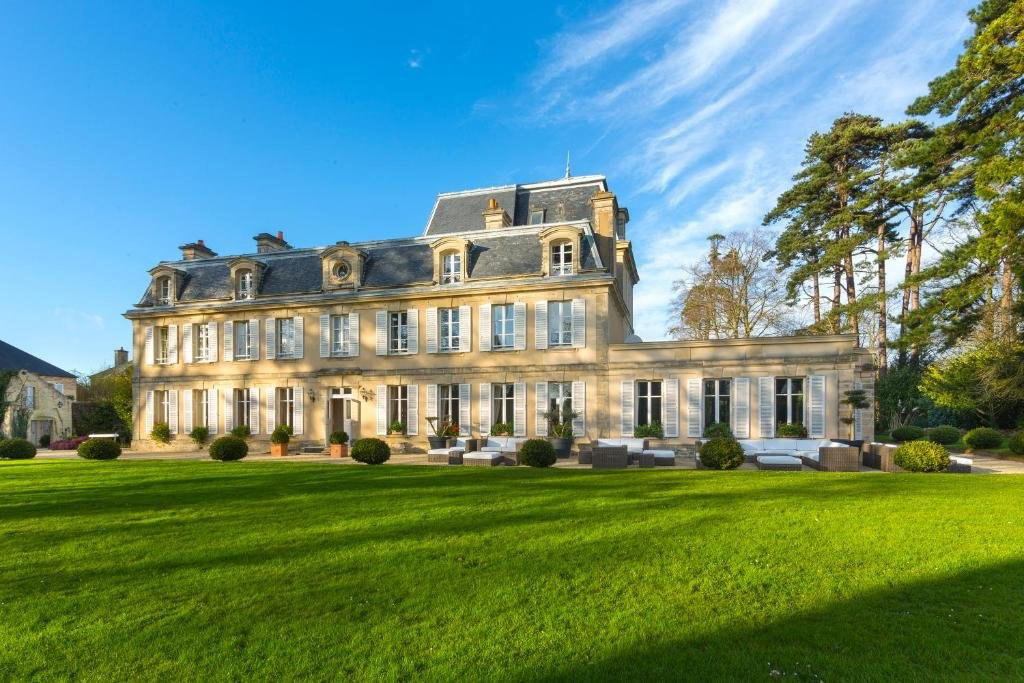
Wineries in Caen
Browse all →
At a Glance
- Cozy
- Lively
- Casual Hangout
- Business Dinner
- Local Sourcing
Current opening hours
- Monday
- 12–2 PM
- Tuesday
- 12–2 PM
- Wednesday
- 12–2 PM
- Thursday
- 12–2 PM
- Friday
- 12–2 PM, 7–9 PM
- Saturday
- Closed
- Sunday
- Closed
Hours can change for holidays and private events. Last verified .
Convivial and chaleureux (warm and welcoming) atmosphere.