
A compact bistro a short walk from the Abbaye aux Hommes, L'Intuition d'André sits in Caen's mid-range contemporary dining tier and delivers a menu that moves between Norman comfort and wider global reference. Chef Kim Ortin trained at L'Espérance in Hérouville-Saint-Clair before opening here with his partner Hélène, and the cooking reflects that grounding: technically considered, ingredient-led, and unpretentious in its ambitions.
Pearl is the En Primeur Club membership app — saves, bookings, and concierge access live there. Same editors, same standards.
- Address
- 16 rue Caponière
- Phone
- +33 9 80 82 91 70
- Website
- intuition-andre.fr
- Directions
- Get directions
 Saves & bookings on Pearl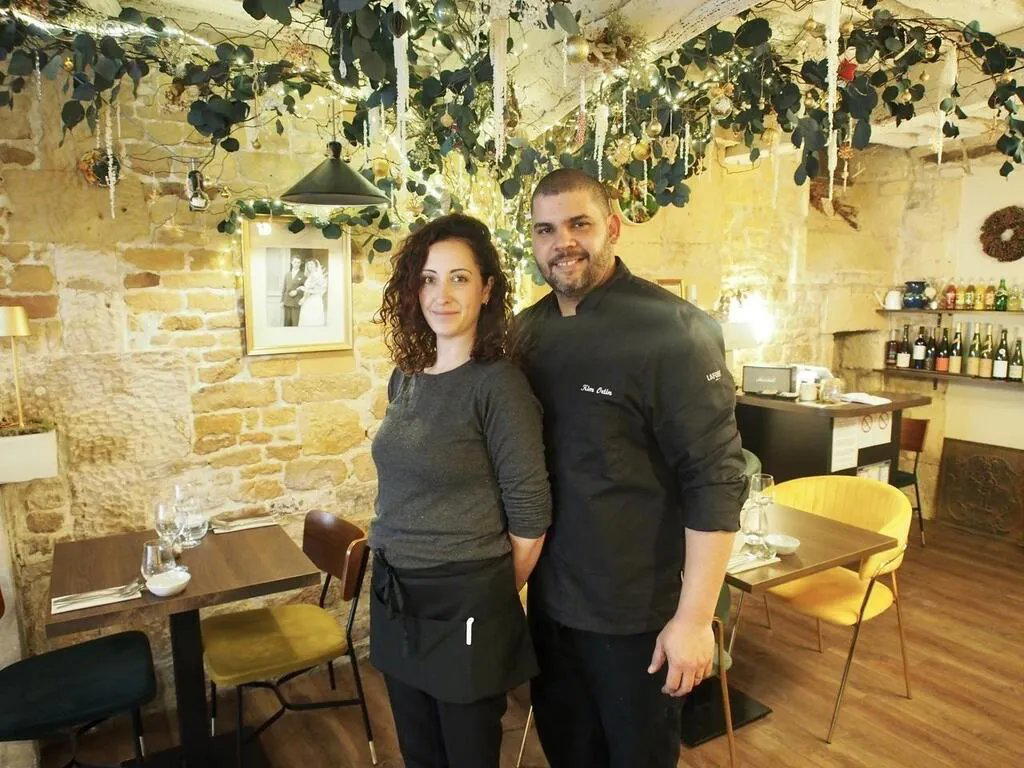
A Bistro Built on Considered Sourcing
L'Intuition d'André is a Modern French Bistro in Caen on rue Caponière, with a smart casual dress code and a recommended reservation policy. L'Intuition d'André occupies that position in the city's mid-range contemporary tier, a compact space in the shadow of the Abbaye aux Hommes where the editorial logic runs from ingredient first, technique second, and presentation a distant third. That ordering is not a compromise. It is, increasingly, the more credible position in French contemporary dining.
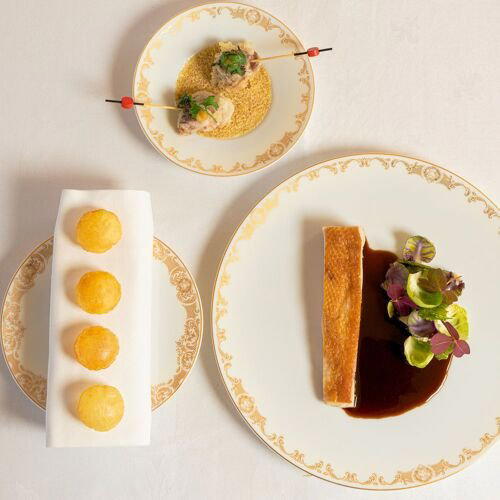
France's better bistros have always resolved a tension between comfort and curiosity. The restaurants that hold both things without collapsing into either tend to do so through sourcing discipline: knowing which Norman producers to trust for dairy and beef, which coastal suppliers handle fish with the right frequency, and which pantry imports, whether spice, citrus, or cured meat, are worth the reach. At L'Intuition d'André, that sourcing logic is readable in the menu's architecture. Camembert de Normandie appears roasted, a treatment that depends entirely on the quality of the original cheese rather than technical intervention. Beef fillet is served with butter and fries cooked in beef fat, a preparation that only rewards the kitchen if the cattle sourcing is sound. These are not safe choices dressed as classics. They are classics that expose the supply chain.
Where Global Reference Meets Norman Grounding
The more interesting editorial question around the restaurant is what happens when Ortin moves beyond regional French convention. After training at L'Espérance in Hérouville-Saint-Clair and accumulating travel references that inform the menu's wider reach, the kitchen produces dishes that bring non-Norman ingredients into the same ingredient-first logic. Tuna tataki with poppy seeds and wasabi mayonnaise signals Japanese technique applied without ceremony; rosemary-infused cod arrives alongside sweet potato purée with vanilla and a grilled chorizo cream, a plate that crosses the Atlantic in its flavour references without announcing itself as fusion.
This kind of cross-referencing has become a minor genre in French bistro cooking, but it fails when the sourcing on the imported elements is lazy. When the tuna is a quality cut handled at the right temperature, when the sweet potato has actual density and sweetness rather than industrial softness, the combination holds. The available dish descriptions suggest Ortin is working in that discipline rather than using global reference as decoration. It is the difference between a kitchen that has thought about where the vanilla came from and one that uses it as a flavour note without context.
For further orientation on where this style of cooking sits in the Caen scene, our full Caen restaurants guide maps the city's contemporary and traditional tiers in more depth.
Caen's Contemporary Dining Tier
Caen's restaurant scene sorts into a recognisable hierarchy. At the upper end, Ivan Vautier operates at the €€€ level with Michelin recognition and a formal tasting format. The mid-range contemporary tier, which is where the restaurant sits alongside Augia and Magma, operates at €€ and tends to favour shorter menus, less ceremonial service, and cooking that trades on ingredient quality over elaboration. Le Bouchon du Vaugueux occupies a different position in the same price bracket, anchored to traditional Norman cuisine rather than contemporary reference. Le Dauphin covers modern ground at a similar level.
Within that mid-range contemporary comparable set, the restaurant is distinguished by the Caribbean and travel-inflected breadth of its sourcing references, which gives its menu a different radius than purely Norman-focused contemporaries. This is not a kitchen trying to replicate what happens at three-star level in Paris or at destination restaurants like Alléno Paris au Pavillon Ledoyen, Mirazur, or Troisgros. Nor does it pursue the kind of terroir-singular identity found at Bras in Laguiole or Auberge de l'Ill in Alsace. It operates in an honest middle register, and in a city the size of Caen, that register serves a real need.
The broader pattern that restaurant exemplifies, a chef with formal French training who pulls sourcing references from a wider personal geography without abandoning comfort-food anchors, is not distinctive to Caen. It appears across France's secondary cities wherever a chef has genuine range but is working in a market that also wants crème brûlée. The tension between the tataki and the roasted Camembert is not a failure of identity. It is the actual creative condition of cooking for a mixed room in a regional French city. Kitchens that pretend otherwise tend to produce menus that satisfy neither demographic.
The Room and the Rhythm
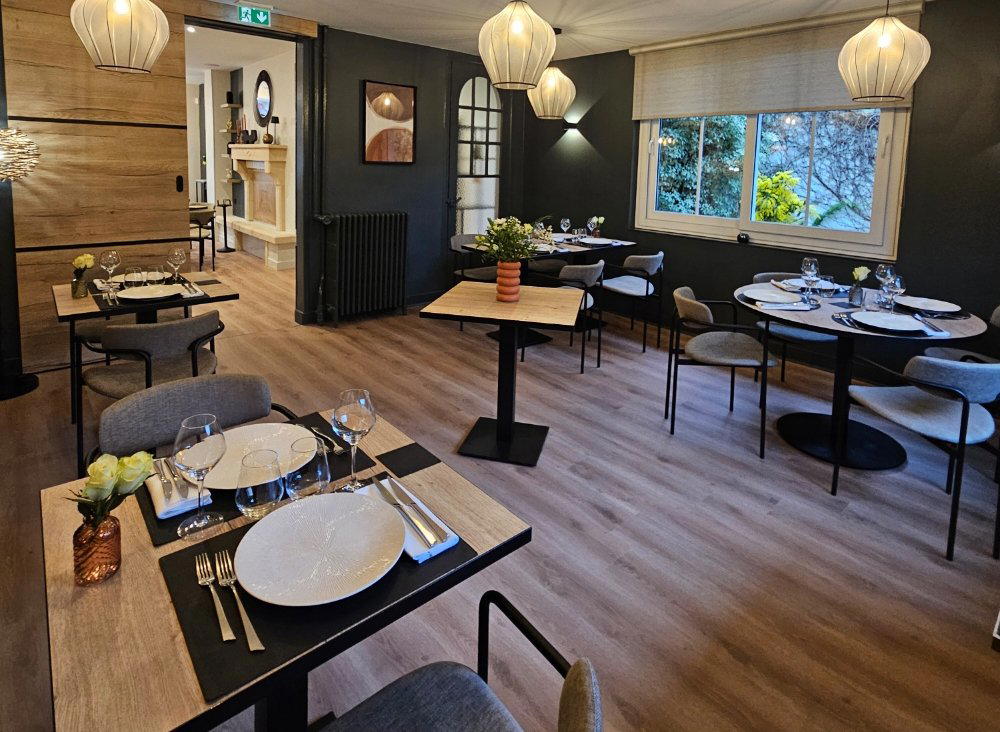
Compact bistros in French provincial cities carry specific structural pressures: limited covers, reliance on repeat local custom, and service rhythms calibrated to a neighbourhood pace rather than a destination crowd. The restaurant fits that model. The address on rue Caponière, close to the Abbaye aux Hommes, places it in a part of Caen with historic and residential weight rather than tourist concentration, which shapes both the clientele and the atmosphere. The room favors close tables, direct service, and attention on the kitchen.
Planning a Visit
The restaurant sits at the €€ price point, which in Caen's context means a two-course meal for a price that would cover a glass of wine at several Paris addresses in the tier above. The bistro's compact format means covers are limited, and the combination of neighbourhood loyalty and growing visitor awareness suggests booking in advance is worthwhile, particularly on weekend evenings. The rue Caponière location is walkable from central Caen and from several of the city's main hotels. Reservations are recommended.
A Quick Peer Check
Comparable venues nearby, for context on price, style, and recognition.
| Venue | Cuisine | Price | Awards | Notes |
|---|---|---|---|---|
| L'Intuition d'André | Modern French Bistro | $$$ | Michelin Plate | Centre-ville |
| Stéphane Carbone | Modern French Fine Dining | $$$ | Michelin Plate | near port de plaisance |
| Séquence | Modern French Tasting Menu | $$$$ | Michelin Plate | Caen city center |
| Moments | Seasonal French Bistro | $$ | Not listed | historic center |
| Magma | Modern French Gastronomic | $$$ | Michelin Plate | Saint-Manvieu |
| Augia | Modern French Bistronomie | $$$$ | Michelin Plate | Vaugueux |
Recognition history
Dated appearances from independent guides and award organizations, with the underlying list record or original source where available.
Michelin Plate
Michelin
Continue exploring
More in Caen
Restaurants in Caen
Browse all →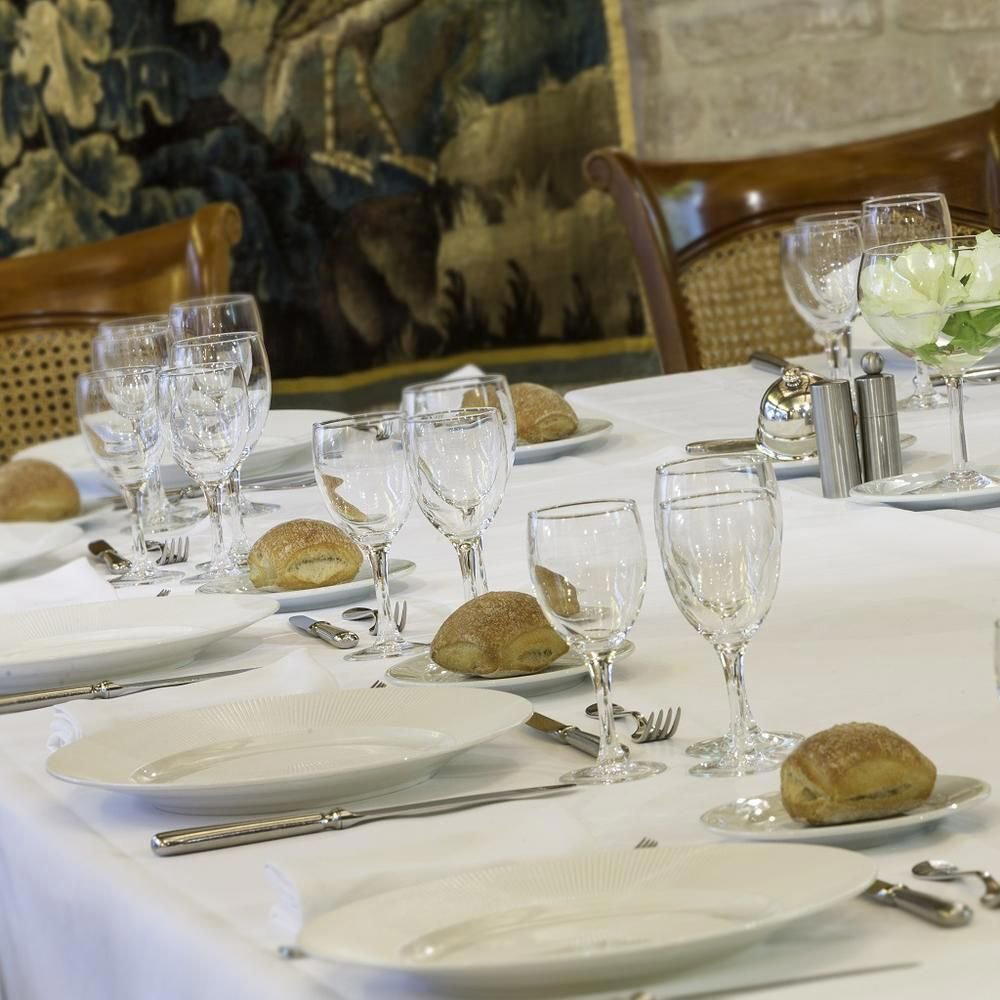
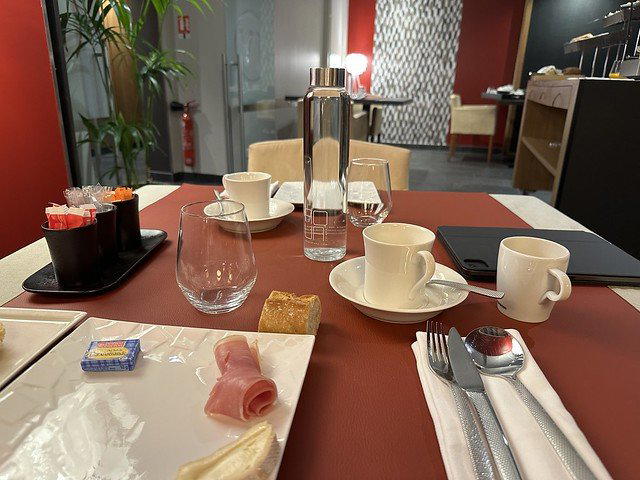
Bars in Caen
Browse all →
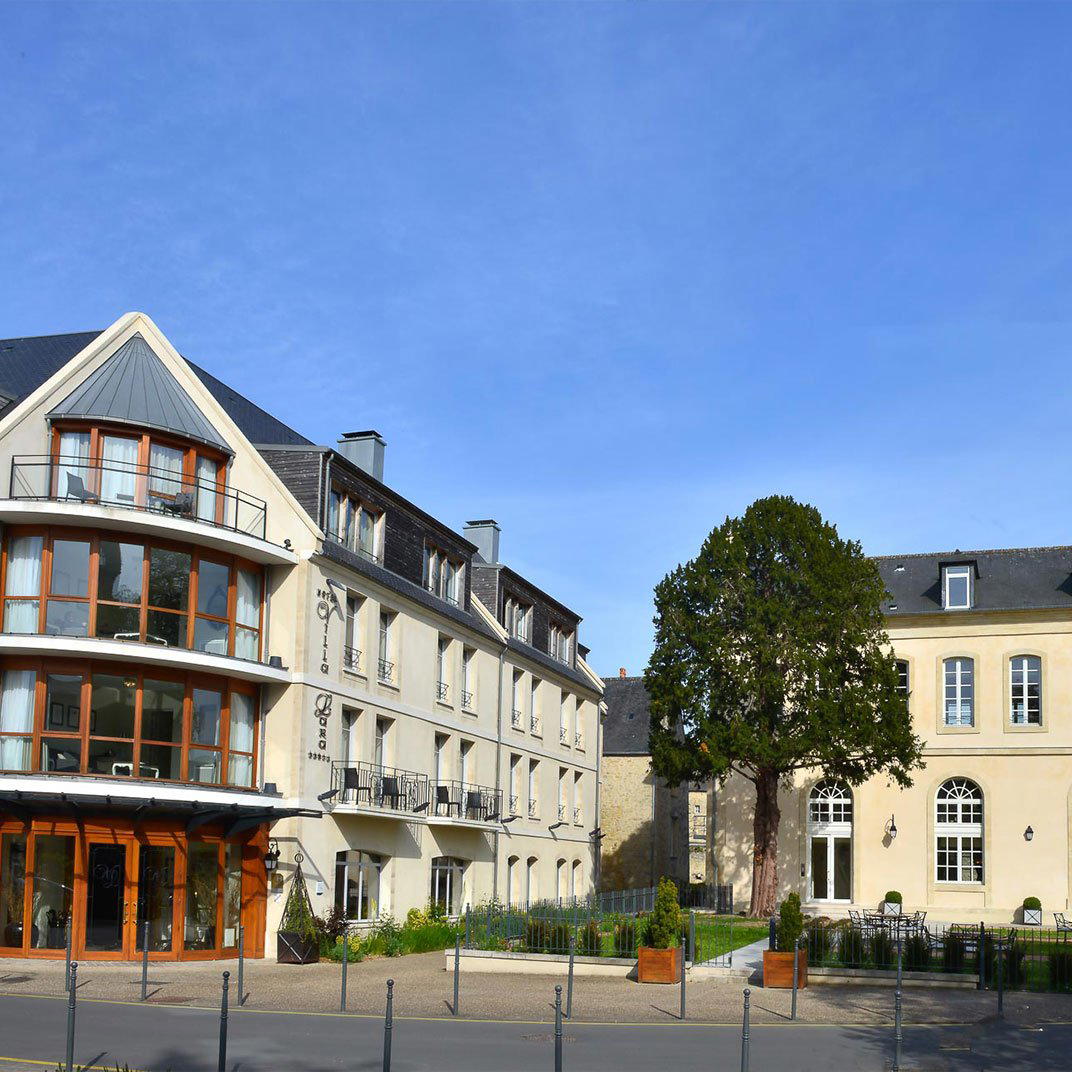
Hotels in Caen
Browse all →
Wineries in Caen
Browse all →
At a Glance
- Cozy
- Elegant
- Intimate
- Date Night
- Special Occasion
- Historic Building
Current opening hours
- Monday
- Closed
- Tuesday
- 12–1:30 PM, 7–9:30 PM
- Wednesday
- 12–1:30 PM, 7–9:30 PM
- Thursday
- 12–1:30 PM
- Friday
- 12–1:30 PM, 7–10 PM
- Saturday
- 12–1:30 PM, 7–10 PM
- Sunday
- Closed
Hours can change for holidays and private events. Last verified .
Cozy atmosphere with Caen stone walls and family touches, offering an intimate dining experience.