Our verdict
L'Embroche sits on Rue Prte au Berger in central Caen, operating within a city whose restaurant scene has long been shaped by the agricultural depth of Normandy's surrounding countryside. The address places it in walking distance of Caen's historic core, where traditional and contemporary dining formats compete for a loyal local clientele. Visitors oriented toward ingredient-led cooking will find Caen's broader offer worth mapping carefully before booking.

Pearl is the En Primeur Club membership app, where members save venues, book tables and use the concierge.

The menu
What to order
- Brick de camembert au calvados
- Tripes à la mode de Caen
- Faux filet au poivre de Kampot
Caen's Dining Scene and Where Ingredient Sourcing Fits In
Normandy's food identity is built on raw material quality that few French regions can match: cream and butter from Isigny, aged Camembert and Livarot from the Pays d'Auge, salt-meadow lamb from the bay of Mont-Saint-Michel, and oysters and scallops from the Cotentin coast. Caen sits at the centre of this supply network, and the restaurants that take full advantage of it tend to earn loyalty not through spectacle but through consistency of sourcing. The gap between a Caen kitchen that buys local and one that simply cites Normandy on a menu is a meaningful one, and it defines how the city's mid-tier dining scene separates itself.
L'Embroche, at 17 Rue Prte au Berger in the 14000 postcode, occupies a position in that mid-tier conversation. The address is close to Caen's central commercial district, a stretch of the city that recovered its character gradually after postwar reconstruction and now holds a working mix of neighbourhood restaurants, bakeries, and the kind of dining rooms that draw regular weekday trade rather than purely destination visitors.
What the Physical Setting Signals
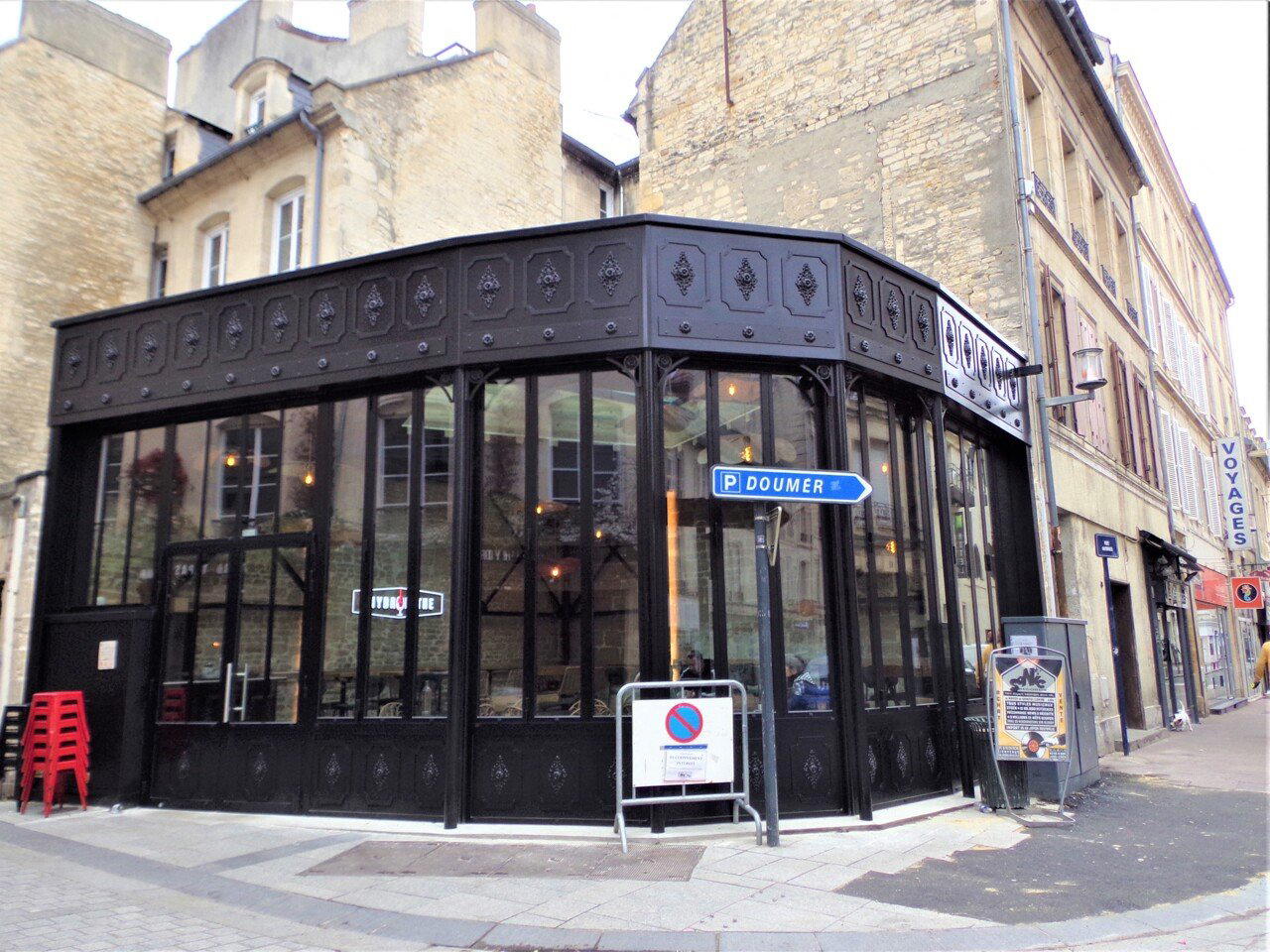
Approaching a restaurant on a street like Rue Prte au Berger, the first read comes from the facade: how much a kitchen invests in its front-of-house presentation often correlates with how it thinks about its audience. In Caen's more characterful streets, dining rooms tend toward the compact, with décor that references the region's Norman heritage or keeps things deliberately plain so the food can hold attention. The name L'Embroche, which translates to the spit or skewer, carries a suggestion of direct, heat-forward cooking: the kind of preparation where the quality of the raw ingredient cannot hide behind complexity. That framing matters when the surrounding countryside is producing some of France's most recognisable primary produce.
The Normandy Sourcing Argument
Across France, the restaurants that hold lasting reputations in mid-sized cities tend to be those that use their geography rather than work against it. The broader French fine dining tier, represented by houses like Mirazur in Menton, Bras in Laguiole, and Flocons de Sel in Megève, has built its authority precisely on this principle: the terroir of the immediate region becomes the editorial content of the menu. At the provincial level, the same logic applies with less ceremony but equal weight. A Caen kitchen that can place Normandy butter, local cream, regional cheeses, and coastal shellfish into coherent plates earns a different kind of credibility than one importing its key ingredients from outside the region.
The name's implied reference to spit-roasting suggests a kitchen comfortable with whole-animal and open-heat approaches, techniques that place a premium on the quality of the primary product. In a region where poultry, pork, and salt-meadow lamb are genuinely distinctive, that approach can produce results that more technically elaborate formats struggle to match.
Caen has developed a restaurant scene that spans several distinct registers. At the formal end, Ivan Vautier represents modern cuisine at the €€€ tier, with a cooking approach that reflects contemporary French technique applied to Norman ingredients. Augia occupies a similar modern-cuisine positioning. At the more accessible end, Chez Abbas and Horace hold neighbourhood followings, while L'Intuition d'André operates in a format that rewards returning visitors. The fuller picture of how these restaurants fit together is mapped in our full Caen restaurants guide.
Within this set, a restaurant named around a cooking implement rather than a chef's name or a neighbourhood reference positions itself as craft-led rather than personality-led. That is a deliberate signal in a city where several higher-profile rooms trade on the chef's public profile. The comparison is worth making for readers deciding where to direct an evening.
France's Broader Provincial Restaurant Tradition
French regional dining has historically produced some of the country's most durable restaurant reputations outside Paris. Houses like Auberge de l'Ill in Illhaeusern, Troisgros in Ouches, and Paul Bocuse's Auberge du Pont de Collonges built their reputations on exactly this logic: a deep relationship with regional supply translated into cooking that could not have originated anywhere else. At a different scale, rooms like Assiette Champenoise in Reims and Au Crocodile in Strasbourg demonstrate how provincial cities sustain serious kitchens without requiring the density of Paris. Even at the international level, the connection between sourcing discipline and critical recognition shows up at houses as different as Le Bernardin in New York City and AM par Alexandre Mazzia in Marseille. The underlying principle holds across formats: where a kitchen sources its ingredients is a structural decision, not a marketing one, and it shapes every plate that leaves the pass. For further contrast, the commitment to ingredient provenance at Alléno Paris au Pavillon Ledoyen and the produce-forward philosophy at Atomix in New York City show how the same sourcing argument plays out across entirely different culinary traditions.
Planning a Visit
L'Embroche is at 17 Rue Prte au Berger, 14000 Caen, a central address that is walkable from Caen's main train station and the city's historic quarter. Hours, pricing, and seasonal availability can shift, particularly in a city where several restaurants adjust their midweek offer based on local trade patterns. For visitors planning time around Normandy's wider food itinerary, Caen is a logical base: the regional markets, the Isigny dairy country, and the coastal seafood sources are all within a short drive, and an evening in the city can anchor a day that has already engaged with the supply chain at its origin.
Frequently asked questions
What's the address for L'Embroche?
L'Embroche is located at 17 Rue Prte au Berger, 14000 Caen, France, Caen.
Is L'Embroche a good option for dinner in central Caen within walking distance of the train station?
L'Embroche is at 17 Rue Prte au Berger, 14000 Caen, a central address that sits within the walkable radius of Caen's main train station and the city's historic quarter. That positioning makes it a practical choice for visitors arriving by rail from Paris Saint-Lazare, a journey of roughly two hours on direct services.
What do regulars order at L'Embroche?
Regulars at restaurants in this tradition tend to gravitate toward preparations that foreground those materials: braised meats, cream-finished sauces, and regional cheeses at the close of a meal. Checking directly with the restaurant at 17 Rue Prte au Berger before your visit will confirm what is on the current menu.
What's the best way to book L'Embroche?
No online booking platform or phone number is currently listed for L'Embroche, so visiting in person at 17 Rue Prte au Berger, 14000 Caen is the most direct route to securing a reservation. The address is walkable from Caen's central train station, making a quick reconnaissance visit practical if you are already in the city. For time-sensitive travel plans, arriving early in the service to speak with the team directly is the surest approach.
What has L'Embroche built its reputation on?
L'Embroche operates in Caen, a city where the strongest restaurant reputations have historically been built on a close relationship with Normandy's raw material supply: Isigny cream and butter, Camembert and Livarot, and seafood from the nearby Channel coast. Restaurants in this tradition that sustain a following do so by treating that geography as a competitive advantage rather than a background detail. No formal awards are currently documented for L'Embroche, but its central Caen address places it within a dining scene that rewards kitchens with clear regional intent.
How does L'Embroche handle allergies?
The practical step is to check the venue's official channels at 17 Rue Prte au Berger, 14000 Caen before your visit to discuss any dietary requirements. French law requires restaurants to provide allergen information on request, so the team will be able to advise on specific dishes.
In Context: Similar Options
Comparable venues nearby, for context on price, style, and recognition.
| Venue | Cuisine | Price | Awards | Notes |
|---|---|---|---|---|
| L'EmbrocheThis venue (the venue you are viewing) | Traditional French Bistronomique | $30–50 | Not listed | Not listed |
| Le Bistrot Basque | Basque Bistro | $20–30 | Not listed | Quai Vendeuvre |
| Moments | Seasonal French Bistro | $30–50 | Not listed | historic center |
| L'Intuition d'André | Modern French Bistro | Not listed | Michelin Plate | Centre-ville |
| Chez Abbas | Middle Eastern Kebabs | $10–20 | Not listed | Avenue de la Libération |
| Stéphane Carbone | Modern French Fine Dining | $50–100 | Michelin Plate | near port de plaisance |
Continue exploring
More in Caen
Restaurants in Caen
All restaurants in Caen →
Hotels in Caen
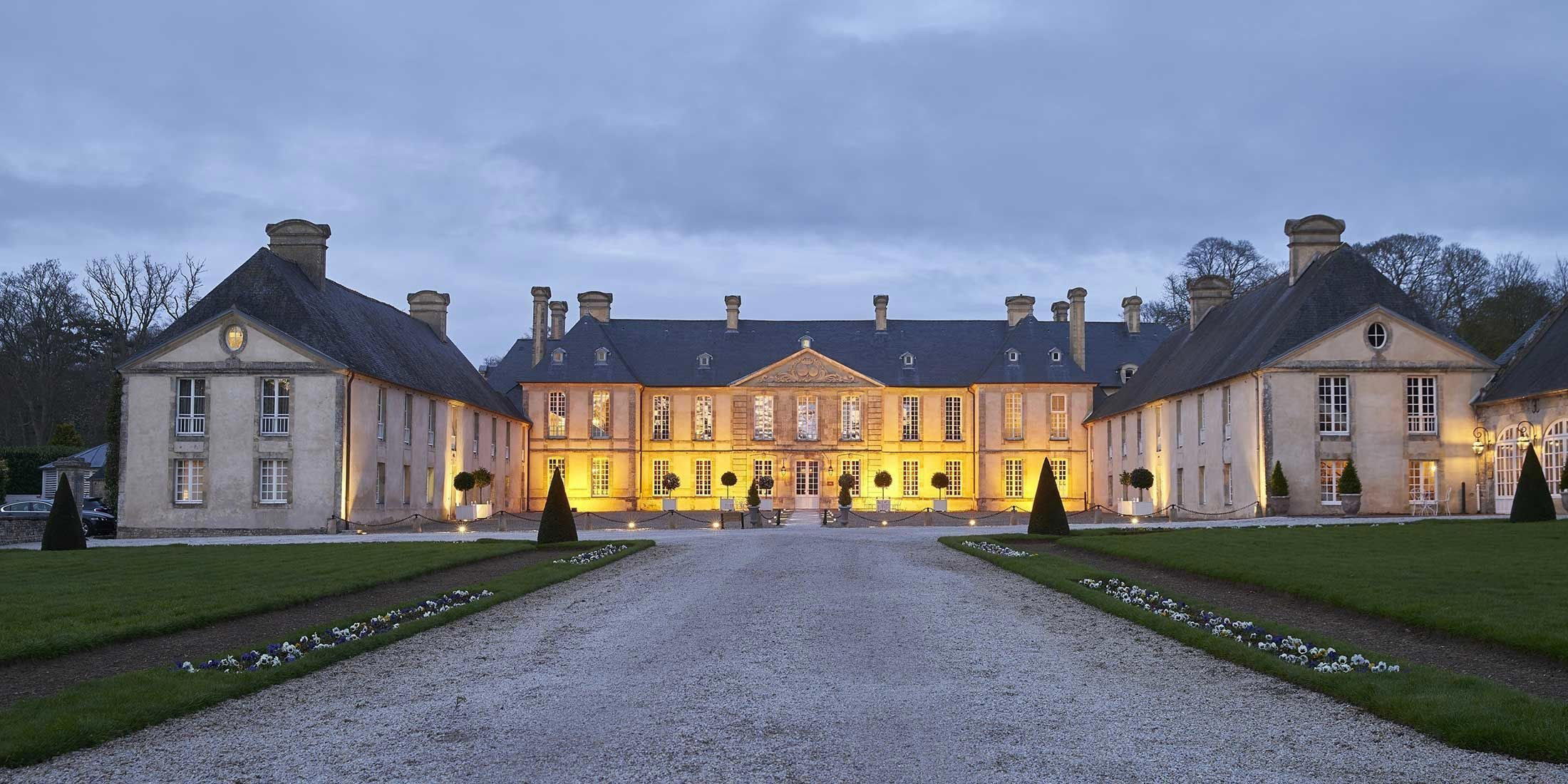
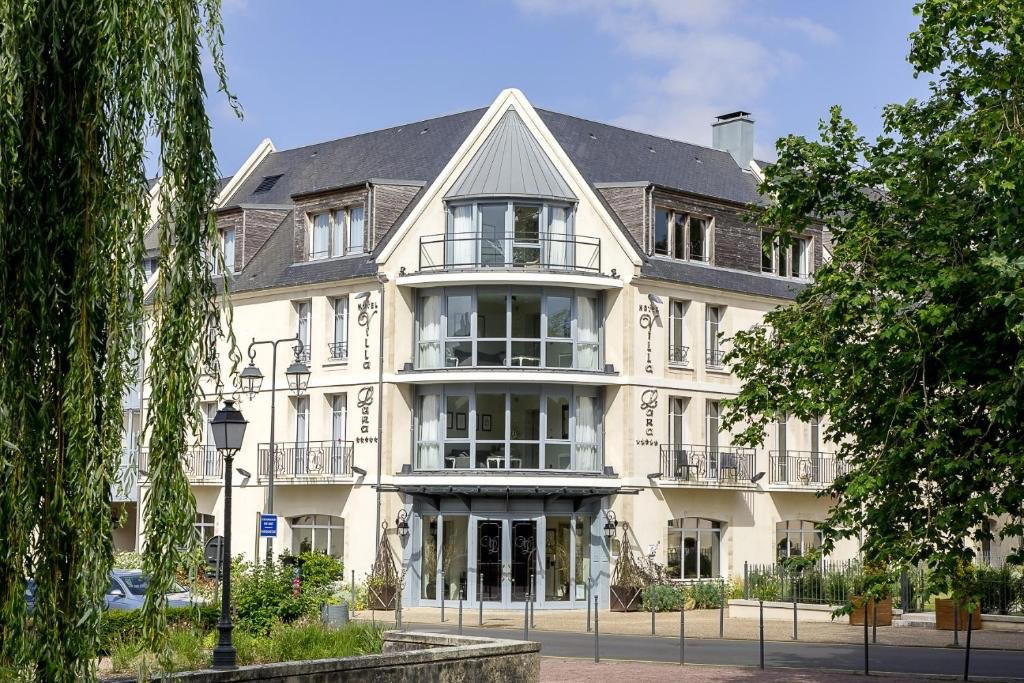
All hotels in Caen →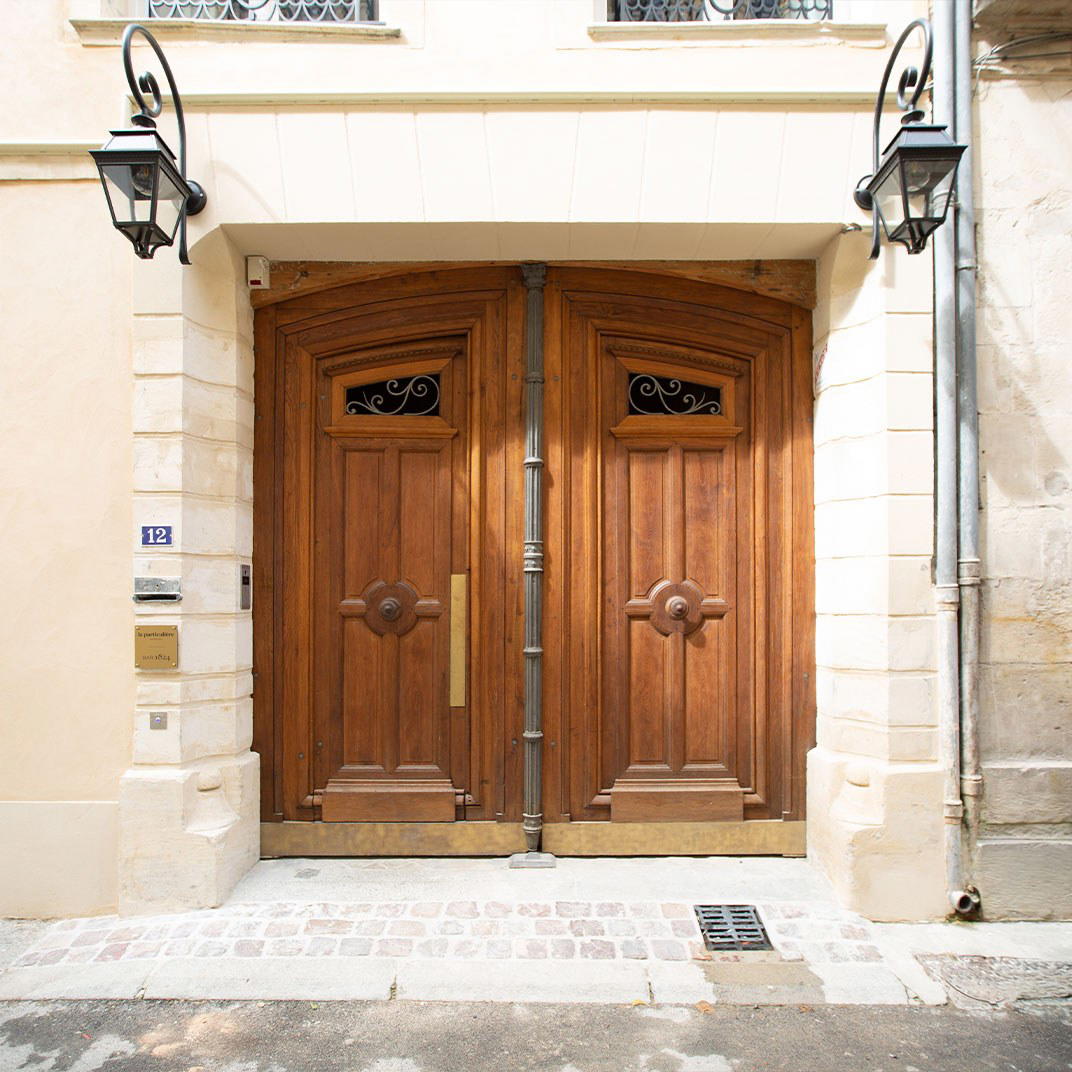
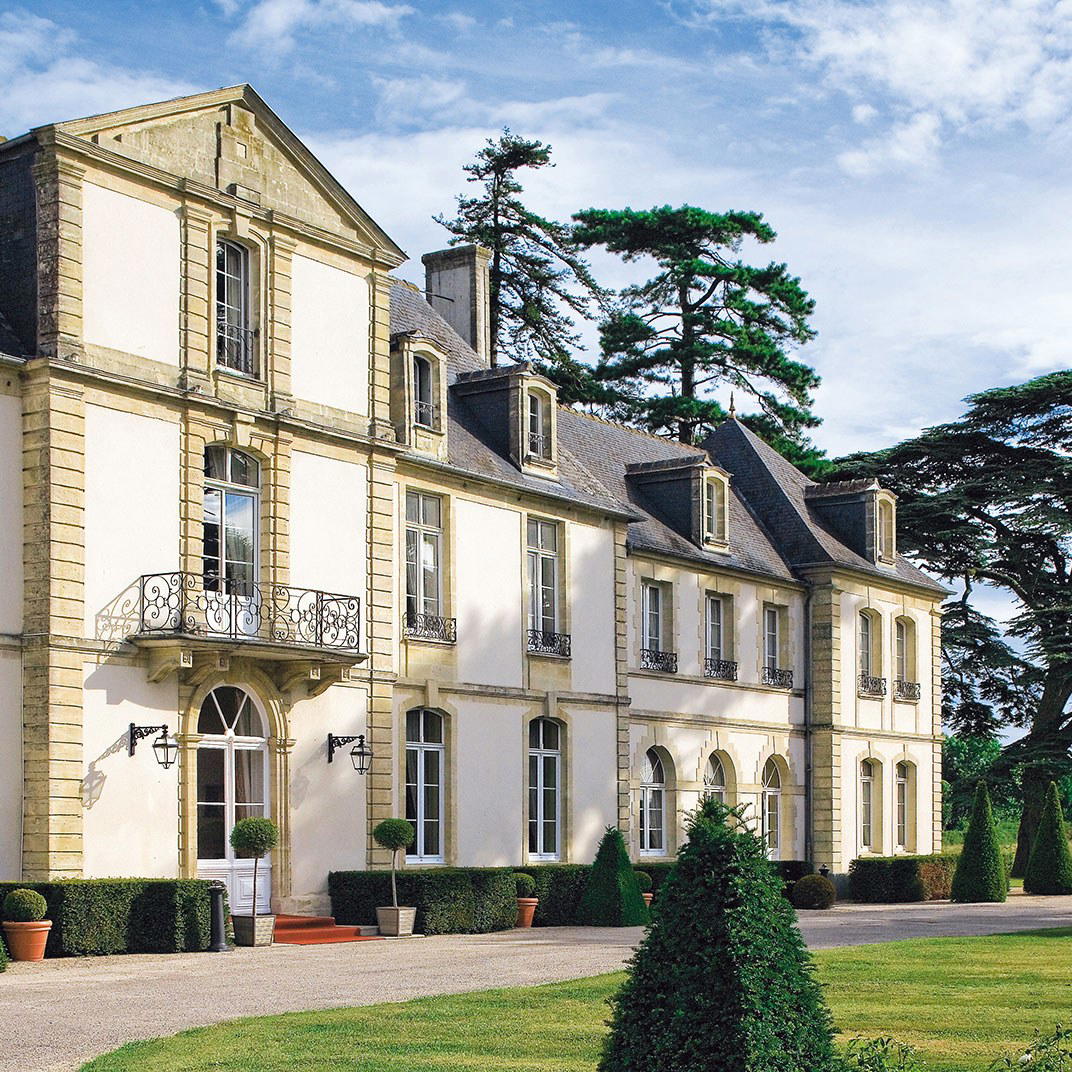
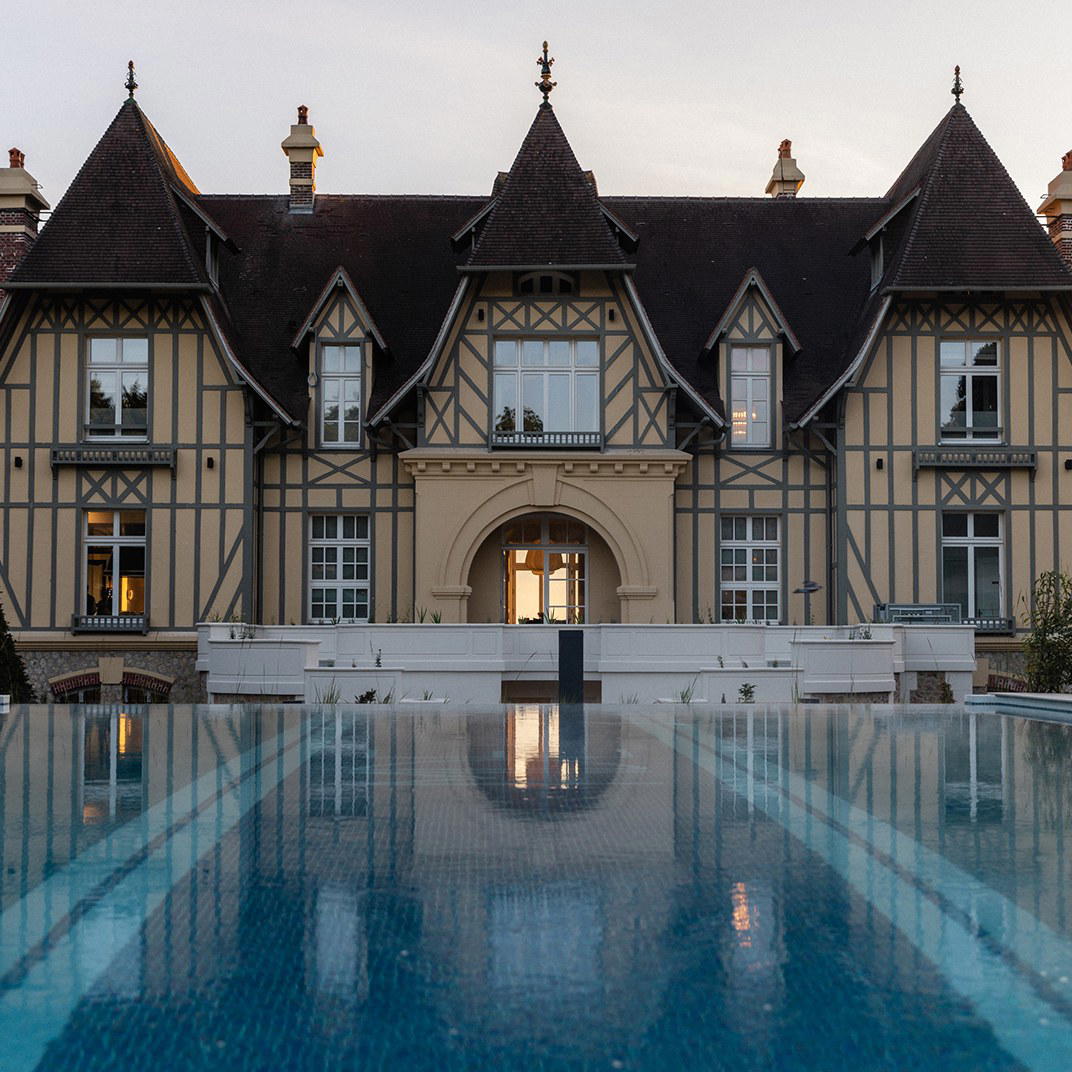
Wineries in Caen
Browse all →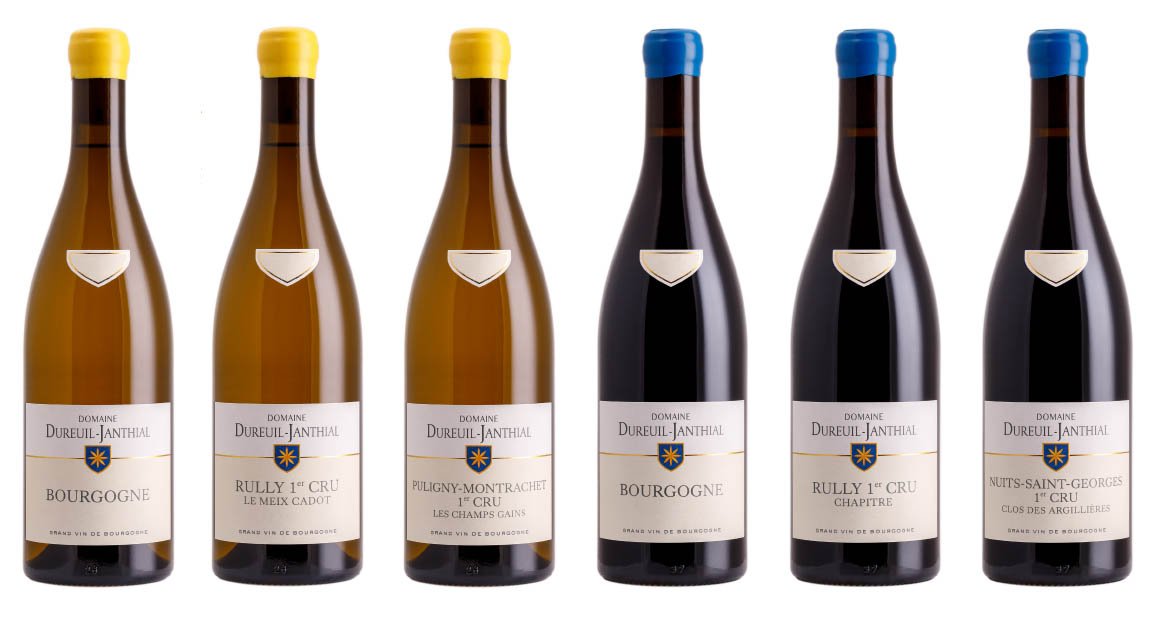
Details
- Cozy
- Classic
- Intimate
- Casual Hangout
- Group Dining
- Terrace
- Local Sourcing
- Street Scene
- A La Carte
- Vegetarian Friendly
Current opening hours
- Monday
- Closed
- Tuesday
- 12–2 PM, 7–9:30 PM
- Wednesday
- 12–2 PM, 7–9:30 PM
- Thursday
- 12–2 PM, 7–9:30 PM
- Friday
- 12–2 PM, 7–9:30 PM
- Saturday
- 12–2 PM, 7–10 PM
- Sunday
- Closed
Hours can change for holidays and private events. Hours as of .
Relaxed and welcoming atmosphere with terrace seating for calm dining away from crowds, featuring traditional bistro charm and friendly service.