

Le Séran sits within Château d'Audrieu, a Norman château hotel south of Bayeux, where chef Andrius Kubilius holds a Michelin Plate for creative modern cooking. The restaurant draws on the agricultural density of Calvados, dairy farms, apple orchards, coastal waters, to frame a menu that reads as a direct register of the surrounding countryside. Advance reservations are advisable for this €€€€ hotel dining room.
Pearl is the En Primeur Club membership app — saves, bookings, and concierge access live there. Same editors, same standards.
- Address
- Château d'Audrieu, 14250 Audrieu, France
- Phone
- +33 2 31 80 21 52
- Website
- chateaudaudrieu.com
- Directions
- Get directions
 Saves & bookings on Pearl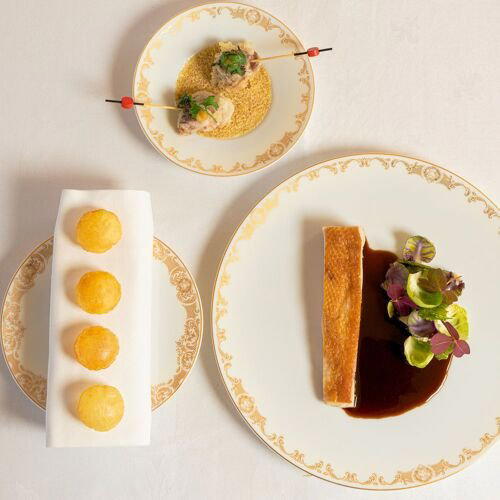
Cooking from the Bocage Inward
Normandy's restaurant identity has long been framed by what the land produces rather than what chefs import. The bocage country around Audrieu sits at the intersection of some of France's most productive agricultural zones: Isigny-sur-Mer's AOC butter and cream to the northwest, Mont-Saint-Michel Bay's pre-salé lamb to the southwest, Calvados apple orchards running along the plateau above the valley floors, and a coastline within reach that supplies oysters, scallops, and line-caught fish to kitchens throughout the department. For a creative kitchen working at the €€€€ price tier, this density of raw material is not incidental. It is the structural argument of the menu.
Le Séran, the fine dining room at Château d'Audrieu, operates inside that tradition. Chef Andrius Kubilius holds a Michelin Plate in both 2024 and 2025 for creative cooking, and the Plate designation in Michelin's framework signals a kitchen the Guide considers worth watching: technically grounded, showing quality and care, but not yet at the one-star threshold. Within the broader map of French château hotel dining, that positioning is meaningful. It places Le Séran in a tier of serious provincial kitchens where the cooking is demonstrably accomplished but the experience remains more accessible than the region's occasional starred properties.
What Normandy's Terroir Demands from a Kitchen
The editorial case for an ingredient-sourcing lens at Le Séran is essentially geographical. Audrieu sits in the Calvados department, and the agricultural geography here does something unusual: it provides a kitchen with peer-quality dairy, meat, apple-derived spirits, and coastal seafood within a compact radius. France produces great ingredients in many regions, but few areas hand a single kitchen this range of premium raw material in such close proximity. The pre-salé lamb raised on salt-marsh grass develops a minerality and tenderness that distinguishes it from inland-reared alternatives. The Isigny AOC designation on the local butter and cream sets a benchmark that kitchens in Paris pay import premiums to access.
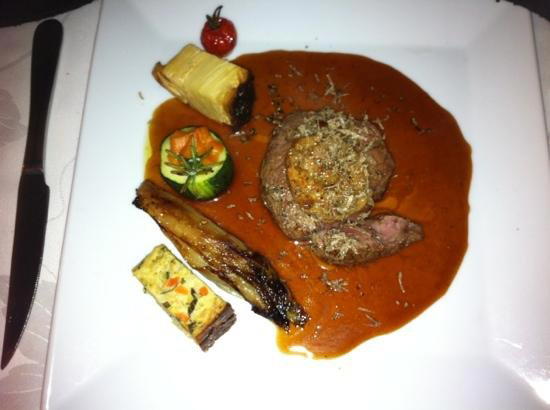
For modern cuisine operating at the Michelin Plate level and above, the question is not whether to use these ingredients but how to frame them. The shift in recent years across French fine dining has moved toward restraint in technique: fewer sauce reductions masking the base ingredient, more preparation that foregrounds texture and provenance. This approach requires sourcing that can support that transparency. A cream that is merely good gets hidden inside a classical beurre blanc. An Isigny cream with genuine depth of fat and flavour can carry a dish on its own terms. The agricultural specificity around Audrieu positions Le Séran to make that kind of argument on the plate, assuming the kitchen chooses to pursue it.
This is where the Michelin Plate recognition carries informational weight beyond the basic credential. The Guide's flagging of creative cooking suggests a kitchen not simply executing Norman classics but working with the region's materials in a way that demonstrates editorial intent. Compare that to the classical direction taken at Auberge de l'Ill in Illhaeusern, where heritage recipes frame the sourcing, or the maximalist technical register at Alléno Paris au Pavillon Ledoyen, and the creative framing at Le Séran suggests something more exploratory than either of those poles.
The Château Setting and What It Shapes
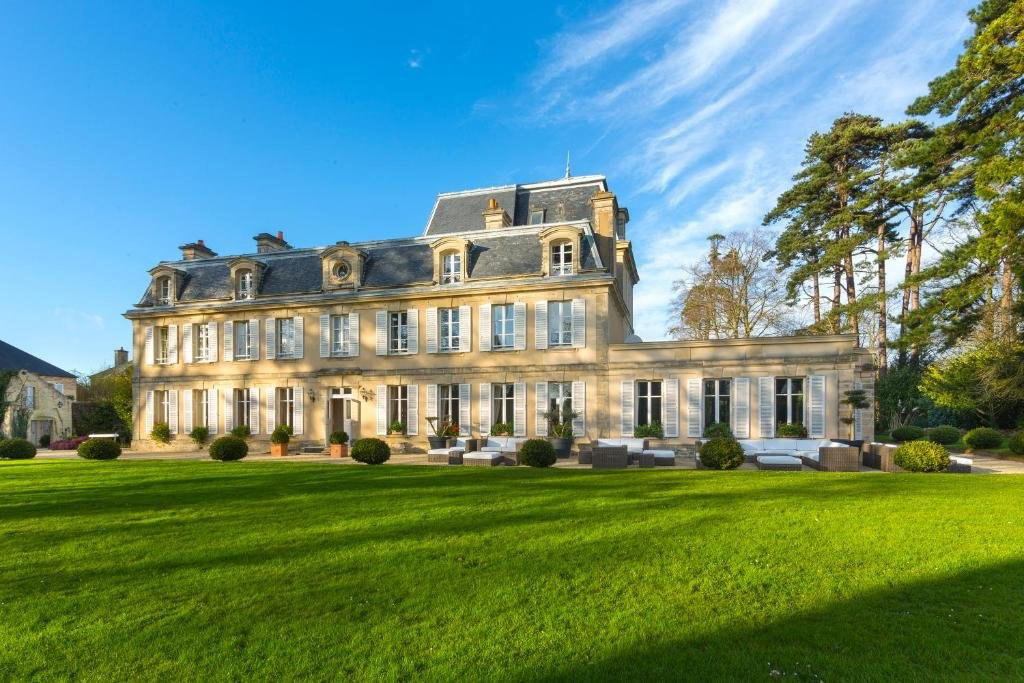
Arriving at Château d'Audrieu means approaching a late-seventeenth-century Norman manor house set on grounds that retain the visual character of estate agriculture: stone walls, mature tree cover, a sense of formal structure that has softened with age. The dining room inherits that register. Château hotel restaurants in France operate under a particular set of expectations: the setting implies ceremony, the price point implies occasion, and guests arrive with assumptions about pacing and formality that differ from urban restaurant visits.
Le Séran fits within a broader category of château-hotel restaurants where the building's history and the kitchen's ambition exist in productive tension. The setting is not neutral backdrop but an active signal to guests about what kind of evening this will be. Properties like Flocons de Sel in Megève demonstrate how a hotel dining room can carry serious culinary credentials while remaining inseparable from its physical environment. At Le Séran, the Norman stone and parkland frame a meal in a way that an urban restaurant on a Parisian arrondissement cannot replicate.
Practically, the dining room functions as part of the château hotel operation, which means it serves both resident guests and outside visitors. For those travelling specifically to eat here, the hotel stay provides one complete version of the experience: dinner framed by the grounds, then a night in the property before the Normandy countryside reasserts itself in the morning. For a meal outside a stay, the château context still defines the evening's tempo. This is not a restaurant where you linger over one glass and leave. The format is occasion dining, and the pricing and setting reinforce that expectation.
Le Séran Within the Normandy Dining Map
Normandy does not carry the same restaurant density as Lyon, Bordeaux, or the Côte d'Azur, where properties like Mirazur in Menton operate at the summit of international recognition. The department of Calvados has its own dining culture shaped by agricultural wealth rather than urban concentration, and the restaurants that perform here tend to reflect that character: château hotels, auberges rooted in regional cooking, and a small number of more ambitious kitchens pushing against the classical grain.
Le Séran occupies a specific position in that map. It is not a village auberge serving textbook tripes à la mode de Caen, nor is it a destination kitchen of the kind attracting international press alongside Bras in Laguiole or AM par Alexandre Mazzia in Marseille. It sits in the middle tier of serious French provincial hotel dining, where the Michelin Plate signals genuine ambition and the €€€€ price point signals a kitchen that has committed to a premium raw-material position. For visitors touring the D-Day sites, the abbeys, and the Bayeux, it represents the strongest fine dining option in the immediate area.
Within the château's own broader offer, the restaurant exists alongside the hotel and its grounds as part of a complete property.
Planning Your Visit
Le Séran sits at the €€€€ price tier, which in the Normandy context corresponds to a full tasting menu or multi-course à la carte experience at premium French provincial rates. The Michelin Plate recognition in both 2024 and 2025 provides an external benchmark for kitchen quality.5 across 19 ratings. Reservations are advisable, particularly for weekend evenings and summer months when Normandy sees its highest visitor concentration. The restaurant is housed within Château d'Audrieu at 14250 Audrieu, France, approximately fifteen kilometres southeast of Bayeux and within direct driving distance of the major D-Day memorial sites. Given the rural setting, a car is the practical means of arrival. Those pairing dinner with a stay at the château should book both simultaneously, as hotel availability and restaurant availability are linked during peak periods.
Assiette Champenoise in Reims to Troisgros - Le Bois sans Feuilles in Ouches, Paul Bocuse - L'Auberge du Pont de Collonges, Au Crocodile in Strasbourg, and international creative kitchens including Frantzén in Stockholm and FZN by Björn Frantzén in Dubai.
Cost Snapshot
Comparable venues nearby, for context on price, style, and recognition.
| Venue | Cuisine | Price | Awards | Notes |
|---|---|---|---|---|
| Le Séran - Château d'AudrieuThis venue — the venue you are viewing | Audrieu, Norman French Fine Dining | $$$$ | Michelin Plate | Not listed |
| Château d’Audrieu | Not listed | $$$$ | Not listed | Audrieu, Normandy-Inspired French Fine Dining |
| Le 1715 Chill & Eat | Not listed | $$$ | Not listed | /, Bistro-style French restaurant & bar in a historic château |
| Séquence | Not listed | $$$$ | Michelin Plate | Caen city center, Modern French Tasting Menu |
| Le 1720 - Château de Sully | Sully, Modern French Norman Fine Dining | $$$$ | Michelin Plate | Not listed |
| Augia | Vaugueux, Modern French Bistronomie | $$$$ | Michelin Plate | Not listed |
Recognition history
Dated appearances from independent guides and award organizations, with the underlying list record or original source where available.
Michelin Plate
Michelin
Relais Chateaux Award
Relais Chateaux
Michelin Plate
Michelin
Relais Chateaux Award
Relais Chateaux
Michelin Plate
Michelin
Continue exploring
More in Audrieu
Restaurants in Audrieu
Browse all →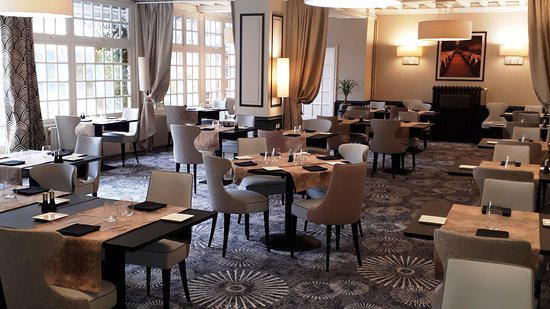
Hotels in Audrieu
Browse all →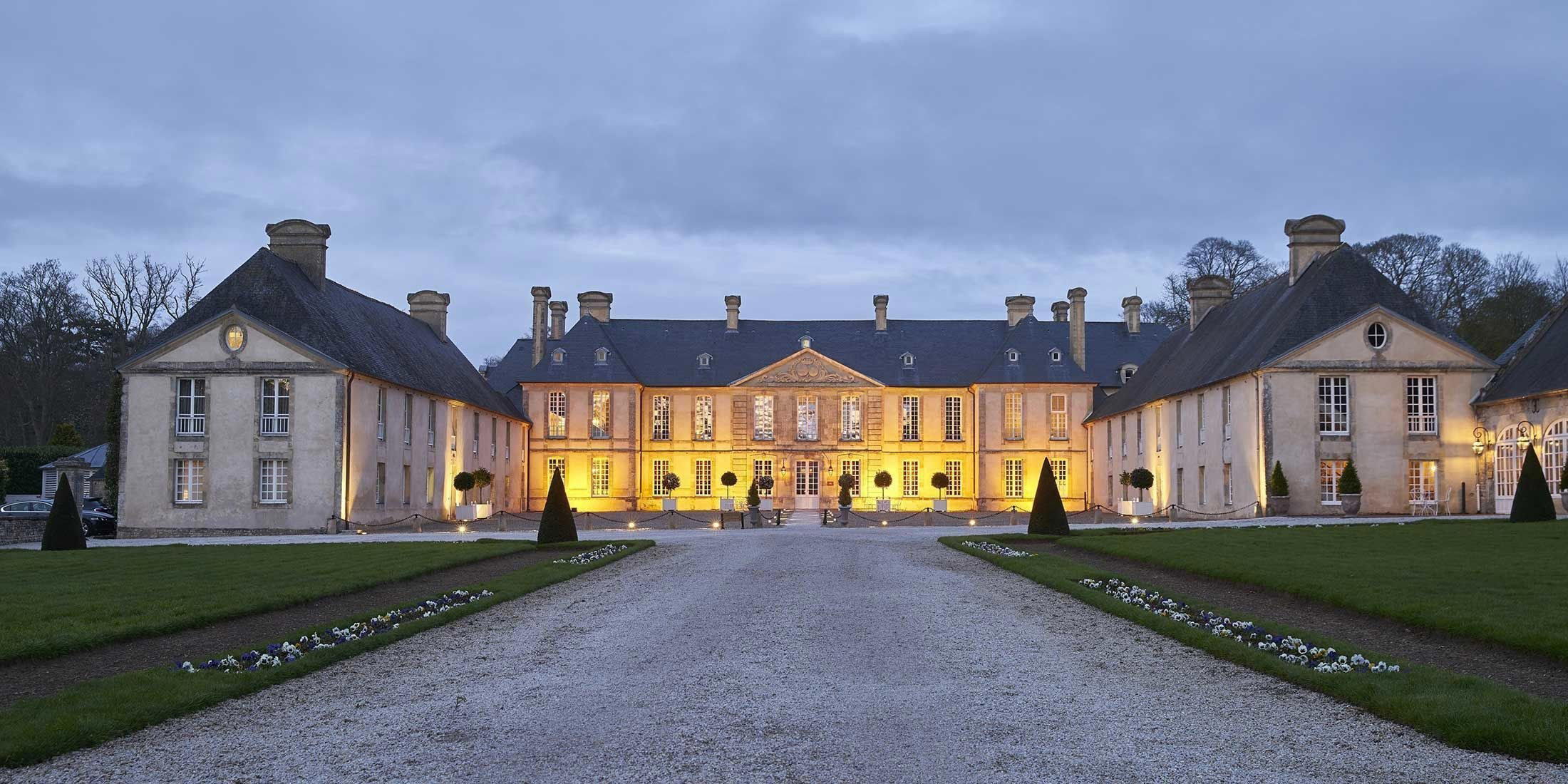
Wineries in Audrieu
Browse all →
At a Glance
- Romantic
- Elegant
- Classic
- Intimate
- Sophisticated
- Date Night
- Special Occasion
- Celebration
- Hotel Restaurant
- Historic Building
- Garden
- Private Dining
- Extensive Wine List
- Sommelier Led
- Local Sourcing
- Farm To Table
- Garden
Current opening hours
- Monday
- Closed
- Tuesday
- 7–9 PM
- Wednesday
- 7–9 PM
- Thursday
- 7–9 PM
- Friday
- 7–9 PM
- Saturday
- 7–9 PM
- Sunday
- Closed
Hours can change for holidays and private events. Last verified .
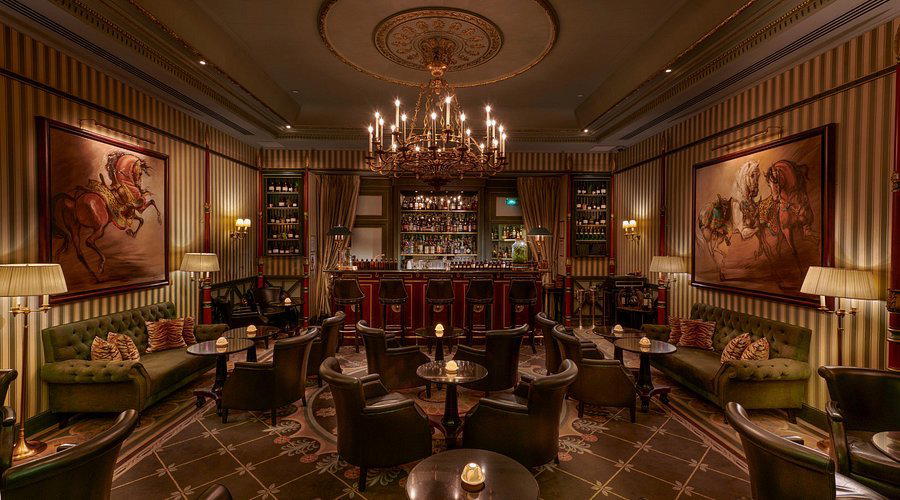
Refined seigneurial hall with elegant, romantic, and calm atmosphere.