Twohey's Restaurant
Twohey's Restaurant at 424 Fair Oaks Ave has anchored South Pasadena's dining scene for decades, representing a strain of American casual dining that predates the fast-casual era and resists it still. For visitors exploring the San Gabriel Valley's layered food culture, it occupies a distinct position: a long-running neighborhood institution in a city that has always taken its local restaurants seriously.
Pearl is the En Primeur Club membership app — saves, bookings, and concierge access live there. Same editors, same standards.
- Address
- 424 Fair Oaks Ave, South Pasadena, CA 91030
- Phone
- +1 626-284-7387
- Website
- twoheys.com
- Directions
- Get directions
 Saves & bookings on Pearl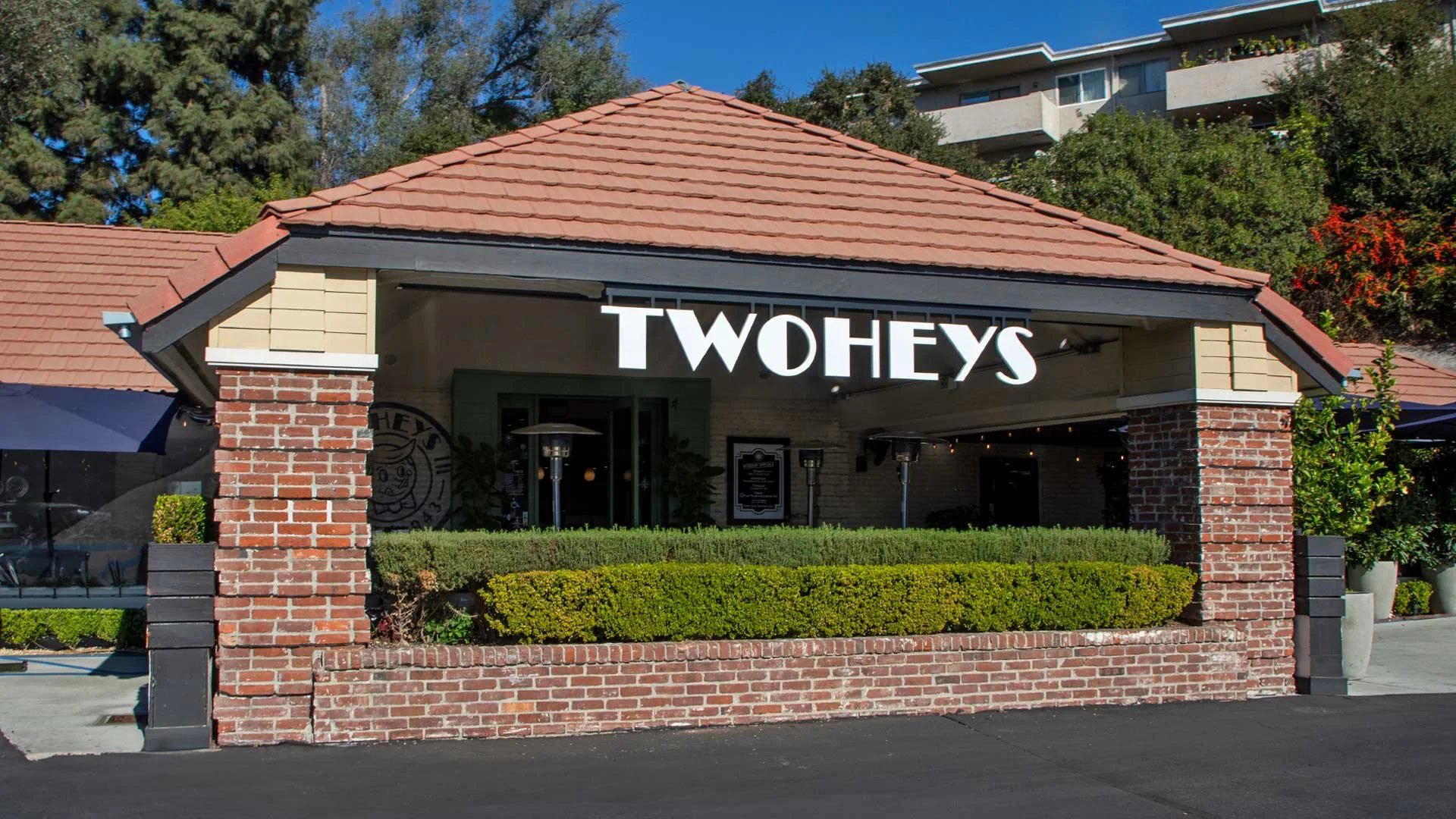
Fair Oaks Ave and the Long Memory of American Casual Dining
South Pasadena's Fair Oaks Avenue corridor has seen multiple cycles of restaurant culture come and go, farm-to-table waves, chef-driven small plates, the craft burger moment, and through most of them, Twohey's Restaurant at 424 Fair Oaks Ave has continued operating on its own timeline. That kind of institutional longevity is less common than it once was in Southern California, where lease economics and demographic shifts reset dining scenes on roughly decade-long cycles. A restaurant that persists across multiple such cycles tends to do so because it has become structurally embedded in a community, not because it keeps reinventing itself.
That is the more interesting story here, and it connects to something broader about how American casual dining actually survives. The format that places like Twohey's represent, a full-service neighborhood restaurant with a menu covering American comfort categories, thrives not by chasing trend cycles but by becoming a fixed point that regulars organize around. Across the country, the restaurants with the deepest community roots are rarely the ones that attracted critical attention in any given year. They are the ones that showed up consistently. In the San Gabriel Valley, where food culture skews heavily toward the cuisines of the Chinese, Vietnamese, and broader East and Southeast Asian diaspora communities, a long-running American diner-style institution occupies a genuinely distinct cultural position.
South Pasadena's Dining Character and Where Twohey's Sits Within It
South Pasadena is a small, walkable city that functions in many ways as a quieter residential counterpoint to Pasadena proper. Its restaurant scene is modestly scaled but consistent, with Fair Oaks Avenue serving as the primary commercial spine. The city sits inside the broader San Gabriel Valley food corridor, among the more culinarily significant stretches in the United States for Chinese regional cooking, Taiwanese cuisine, and a range of other Asian culinary traditions concentrated in cities like San Gabriel, Monterey Park, Alhambra, and Arcadia.
Within that broader context, Twohey's occupies a different lane entirely. It represents an older stratum of Southern California dining culture, one that predates the food tourism economy that now draws visitors to the SGV specifically for hand-pulled noodles or Hong Kong-style roast meats. For travelers building a complete picture of what South Pasadena offers across its dining register, Twohey's is one data point in a genuinely varied local scene. Gus's BBQ provides another, and the full range is mapped in our full South Pasadena restaurants guide.
For context on how South Pasadena's hospitality scene extends beyond dining, our full South Pasadena hotels guide, our full South Pasadena bars guide, our full South Pasadena wineries guide, and our full South Pasadena experiences guide cover the city's broader offer.
The Cultural Weight of the American Diner Tradition
American casual dining in the diner and coffee shop tradition has deeper cultural roots than its commercial ubiquity tends to suggest. The format's origins lie in the late 19th and early 20th centuries, when lunch wagons and then purpose-built diners became the primary way that working-class Americans accessed cooked food outside the home. By mid-century, the full-service American restaurant with booths, counter seating, and a broad menu covering breakfast-through-dinner categories had become a defining institution of domestic life, a space for family meals, post-game stops, after-church lunches, and the kind of low-pressure sociability that more formal dining never quite provides.
California's version of this tradition was shaped by car culture and suburban expansion, producing a regional variant that often combined the diner format with elements of the drive-in and the coffee shop. The San Gabriel Valley was developed heavily in the postwar period, and the restaurants that opened then and survived are now among the area's longest-standing institutions. That historical layer matters for understanding why a place like Twohey's carries the kind of local attachment it does. The restaurant is not simply a place that serves food; it is a site where the social rituals of the mid-20th century American suburb were enacted, repeated, and passed between generations.
This puts Twohey's in a different cultural register than the restaurants that dominate contemporary critical attention at the national level. High-end destinations like Le Bernardin in New York City, The French Laundry in Napa, Alinea in Chicago, Lazy Bear in San Francisco, and Providence in Los Angeles compete on entirely different terms, offering tasting-menu formats, award credentials, and a kind of dining that requires advance planning and a significant financial commitment. So do acclaimed destinations like Addison in San Diego, Atomix in New York City, Single Thread Farm in Healdsburg, Blue Hill at Stone Barns in Tarrytown, The Inn at Little Washington, Emeril's in New Orleans, and 8 1/2 Otto e Mezzo Bombana in Hong Kong. Twohey's competes on entirely different terms: accessibility, consistency, familiarity, and the kind of value proposition that serves a community rather than attracts destination diners.
Planning a Visit
Twohey's Restaurant sits at 424 Fair Oaks Ave in South Pasadena. The format is built for walk-in traffic and community use.
Booking and Cost Snapshot
Comparable venues nearby, for context on price, style, and recognition.
| Venue | Cuisine | Price | Notes |
|---|---|---|---|
| Twohey's RestaurantThis venue — the venue you are viewing | South Pasadena, Classic American Diner | $$ | Not listed |
| Gus's BBQ | South Pasadena, Southern BBQ | $$ | Not listed |
| Mike & Anne's | South Pasadena, New American | $$ | Not listed |
| Shiro | South Pasadena, French-Japanese Fusion | $$$$ | Not listed |
| Canoe House | Fair Oaks, Hawaiian | $$ | Not listed |
| Fair Oaks Pharmacy | Not listed | $ | Mission Street, Classic American Soda Fountain |
Continue exploring
More in South Pasadena
Restaurants in South Pasadena
Browse all →
Bars in South Pasadena
Browse all →
Hotels in South Pasadena
Browse all →
Wineries in South Pasadena
Browse all →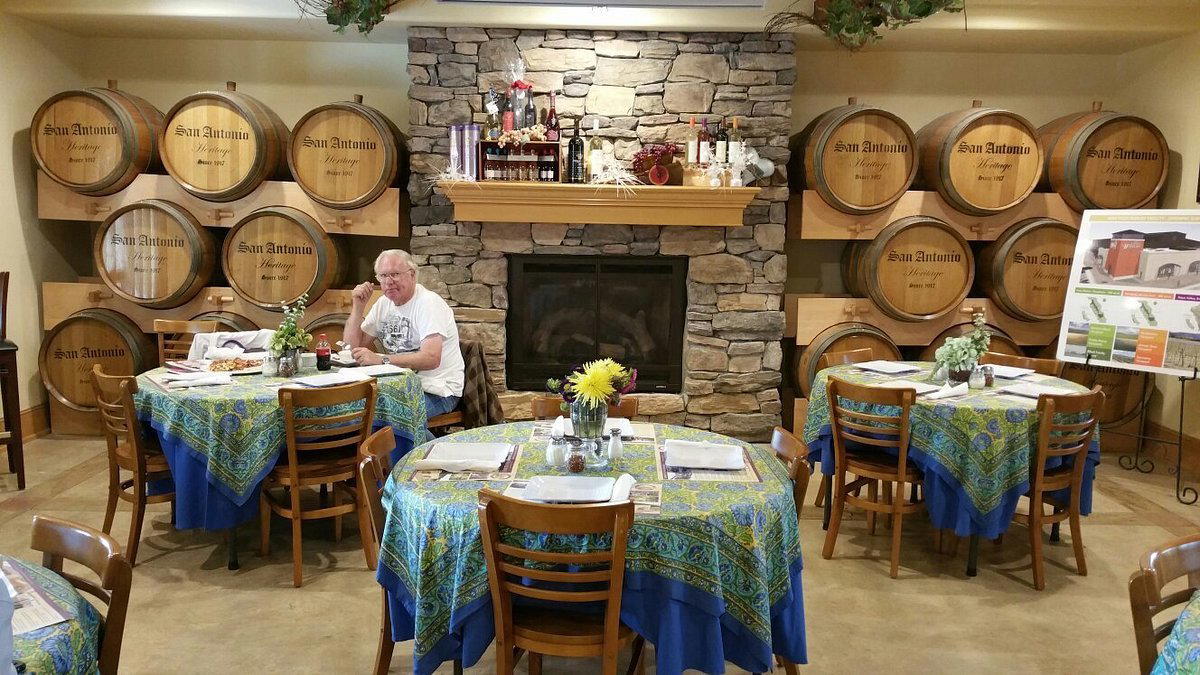
At a Glance
- Classic
- Cozy
- Well Known
- Family
- Casual Hangout
- Brunch
- Historic Building
Current opening hours
- Monday
- 9 a.m.–9 p.m.
- Tuesday
- Closed
- Wednesday
- 9 a.m.–9 p.m.
- Thursday
- 9 a.m.–9 p.m.
- Friday
- 9 a.m.–10 p.m.
- Saturday
- 8 a.m.–10 p.m.
- Sunday
- 8 a.m.–9 p.m.
Hours can change for holidays and private events. Last verified .
Retro diner atmosphere with a classic feel, lively noise levels, and comfortable seating.