Tuscany
Tuscany sits in Holladay's quieter dining corridor at 2832 E 6200 S, drawing from the Italian tradition of ingredient-led cooking in a market where that approach still commands serious attention. For travelers passing through the greater Salt Lake City area, it represents a considered Italian option in an otherwise eclectic suburban dining scene.
Pearl is the En Primeur Club membership app — saves, bookings, and concierge access live there. Same editors, same standards.
- Address
- 2832 E 6200 S, Salt Lake City, UT 84121
- Phone
- +18012779919
- Website
- tuscanyslc.com
- Directions
- Get directions
 Saves & bookings on Pearl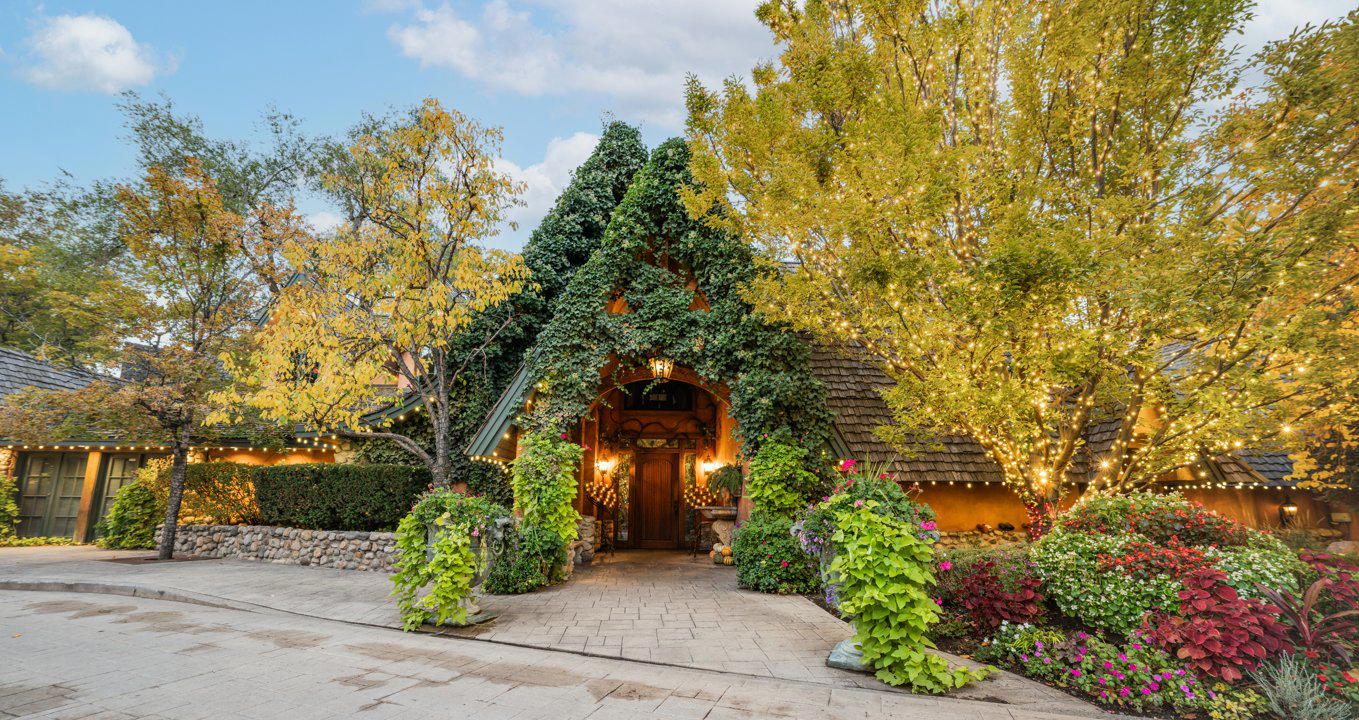
Italian Sourcing Logic in a Suburban Utah Setting
Italian regional cooking, at its most credible, is built on a simple constraint: the ingredient decides the dish. That principle has driven the better end of Italian-American dining for decades, and it is what separates the restaurants in this category that age well from those that coast on atmosphere and portion size. In Holladay, a residential suburb southeast of Salt Lake City, Tuscany operates at 2832 E 6200 S within a dining corridor that has quietly developed a range of serious independent operators. The question worth asking of any Italian restaurant in this market is not whether the menu is long, but whether the kitchen has made deliberate choices about where its core ingredients come from.
That sourcing logic matters in Utah more than it might in coastal markets. The state sits at distance from both Pacific seafood ports and the agricultural belts that supply East Coast Italian kitchens. Restaurants that prioritize ingredient quality in this geography either build relationships with regional producers in the Intermountain West or maintain supply chains to reliable national distributors for items that cannot be sourced locally. Either approach requires a level of procurement discipline that signals intent. Holladay's independent dining scene, which includes a notably varied set of operators across cuisines, has room for a restaurant that applies that discipline to Italian cooking.
Where Tuscany Sits in the Holladay Dining Picture
Holladay's restaurant row is more varied than most visitors expect. Café Madrid anchors the Spanish end of the spectrum, while Kimi's Chop and Oyster House occupies the steakhouse-and-seafood tier. Franck's brings a European fine-dining sensibility to the area, and places like Tandoor Indian Grill and Taqueria 27 Holladay cover South Asian and Mexican ground respectively. Tuscany adds an Italian presence to that spread, which means it is operating in a neighborhood where diners already have options that span continents and price points. In that context, standing on ingredient quality rather than novelty is a considered positioning choice.
The broader Salt Lake Valley dining scene has grown in seriousness over the past decade. The city proper has attracted more technically ambitious kitchens, and the suburbs have followed with independent operators willing to invest in product. Tuscany's address in Holladay places it in a neighborhood where the diner demographic tends toward established residents with consistent dining habits, a customer base that rewards reliability and ingredient integrity over trend-chasing.
For a fuller picture of what Holladay's dining scene offers, the EP Club Holladay restaurants guide maps the area's independent operators across cuisine types and price tiers.
The Italian Sourcing Tradition This Restaurant Draws From
Tuscan cooking, as a regional category, has one of the clearest sourcing philosophies in Italian cuisine. The tradition prizes legumes, seasonal vegetables, local olive oil, and meat from breeds tied to specific Tuscan valleys. Bistecca alla Fiorentina, for example, is not just a preparation style but a specification: Chianina beef, a particular cut, a particular thickness, cooked over wood embers. The dish collapses without the ingredient. That specificity is what distinguishes authentic regional Italian from the broader category of Italian-influenced cooking that dominates American suburban dining.
When an Italian restaurant in the American market takes Tuscany as its name and reference point, it is implicitly invoking that sourcing discipline. The better American restaurants working in this tradition, from Le Bernardin in New York City to producers-first operations like Single Thread Farm in Healdsburg and Blue Hill at Stone Barns in Tarrytown, demonstrate that American kitchens can apply European sourcing rigor when the operational commitment is genuine. The standard is not geographic, it is attitudinal.
That framework places any Tuscany-named restaurant in a lineage with specific obligations. Pasta made in-house from quality flour and eggs, proteins sourced with breed or provenance awareness, and oil selected for flavor rather than cost efficiency are the minimum markers of a kitchen that takes its reference point seriously. These are not extraordinary demands; they are the baseline of what the name implies.
Italian Fine Dining in the American Mountain West: A Brief Comparison
The Mountain West has fewer Italian restaurants operating at the sourcing-led tier than coastal markets, but the category exists. Kitchens in this region have demonstrated that altitude and distance from traditional supply chains are not disqualifying factors. The constraints often produce more creative procurement: direct relationships with Idaho grain producers, Colorado ranchers, or Utah dairy farms can generate supply chains that are shorter and more traceable than those available to large urban markets dependent on national distributors.
At the national level, the Italian-influenced fine dining tier is well-mapped. Operations like Alinea in Chicago, The French Laundry in Napa, and Providence in Los Angeles define what serious American tasting-menu kitchens look like at the highest tier. Programs like Addison in San Diego, Lazy Bear in San Francisco, and The Inn at Little Washington show what happens when regional identity and sourcing discipline intersect. Atomix in New York City and 8 1/2 Otto e Mezzo Bombana in Hong Kong extend the conversation internationally, demonstrating how ingredient-led dining translates across cultural contexts. Emeril's in New Orleans provides a parallel example of regional American fine dining with strong sourcing identity. These comparisons are not benchmarks for Tuscany in Holladay; they are the wider category context that informs what Italian sourcing-led dining can look like when a kitchen commits to the premise.
Planning a Visit
Tuscany is located at 2832 E 6200 S in Holladay, Utah, accessible from Salt Lake City proper via surface roads southeast of the city center. For travelers staying downtown, the drive runs through residential neighborhoods and takes under twenty minutes in normal traffic. Given Holladay's suburban character, a car is the practical option for reaching this address. Visitors planning a weekend evening should account for the fact that Holladay's better independent operators tend to fill on Friday and Saturday nights, and confirming availability before arrival is advisable. For current hours, booking status, and any seasonal menu changes, contacting the restaurant directly via its current listed channels is the most reliable approach, as operational details in the venue's public record are not fully confirmed at time of publication.
In Context: Similar Options
| Venue | Cuisine |
|---|---|
| TuscanyThis venue — the venue you are viewing | This venue |
Continue exploring
More in Holladay
Restaurants in Holladay
Browse all →
Bars in Holladay
Browse all →
Hotels in Holladay
Browse all →
Wineries in Holladay
Browse all →
At a Glance
- Romantic
- Elegant
- Rustic
- Scenic
- Sophisticated
- Date Night
- Special Occasion
- Celebration
- Business Dinner
- Private Event
- Private Dining
- Garden
- Terrace
- Historic Building
- Standalone
- Extensive Wine List
- Corkage Allowed
- Byob
- Mountain
- Garden
Current opening hours
- Monday
- 5–9 PM
- Tuesday
- 5–9 PM
- Wednesday
- 5–9 PM
- Thursday
- 5–9 PM
- Friday
- 5–9:30 PM
- Saturday
- 5–9:30 PM
- Sunday
- 5–9 PM
Hours can change for holidays and private events. Last verified .
Warm, inviting Old-World charm with rustic Italian architecture, hand-painted tiles, terra cotta-toned floors, wood-burning oven aromas, indoor fireplaces, and lush surroundings creating an elegant yet intimate retreat.
Know Before You Go
- Getting there
- 2832 E 6200 S, Salt Lake City, UT 84121