Tugu Kunstkring Paleis occupies a Dutch colonial mansion in Menteng, one of Jakarta's oldest residential districts, where the building's layered history as an arts society, consulate, and dining venue shapes every room. The property sits within the Tugu Hotels collection, which positions Indonesian heritage as its central curatorial thread across multiple cities. It belongs to a small category of Jakarta dining addresses where the architecture carries as much weight as the menu.
Pearl is the En Primeur Club membership app — saves, bookings, and concierge access live there. Same editors, same standards.
- Address
- Jalan Teuku Umar.1, Jl. Teuku Umar No.1, RT.1/RW.1, Gondangdia, Kec. Menteng, Kota Jakarta Pusat, Daerah Khusus Ibukota Jakarta 10350, Indonesia
- Phone
- +6262213900899
- Website
- tuguhotels.com
- Directions
- Get directions
 Saves & bookings on Pearl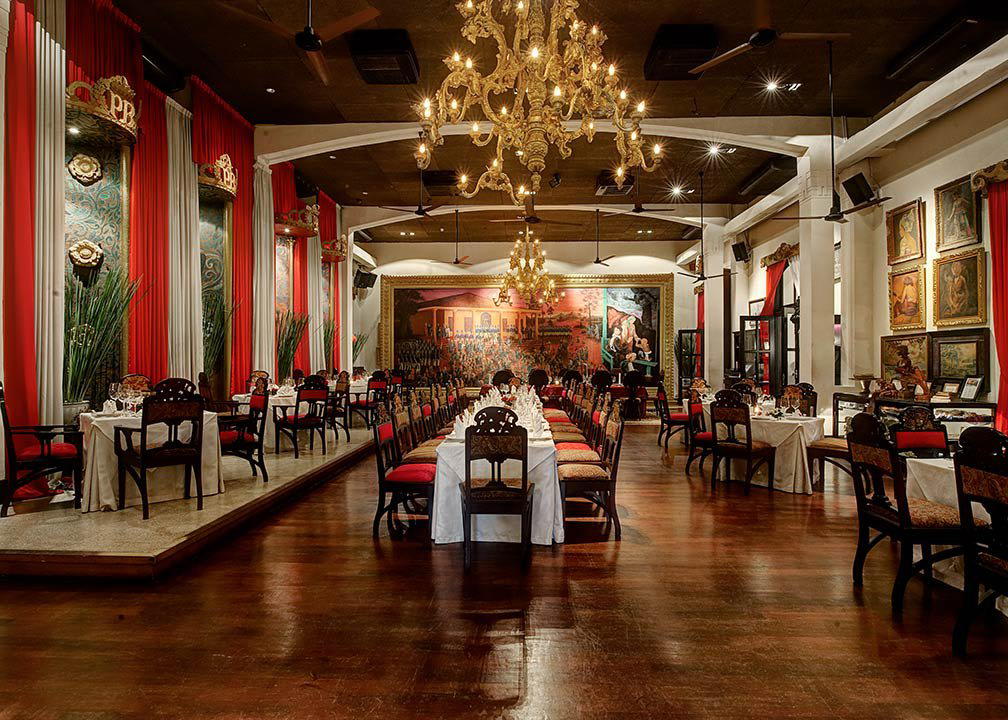
A Colonial Mansion in Menteng, Still Evolving
Menteng is Jakarta's most coherent colonial neighbourhood, a grid of broad avenues and Dutch-era buildings that survived the city's rapid vertical expansion largely intact. Within that district, Jalan Teuku Umar produces one of the more arresting dining approaches in the capital: a whitewashed mansion set back from the street, its facade a reminder that this building predates the republic by decades. Tugu Kunstkring Paleis is not simply a restaurant that happens to occupy a historic structure. The building's biography, arts society, consulate outpost, period of neglect, eventual restoration, is the operating logic of the entire property, and that biography has continued to shift with each phase of stewardship.
Jakarta's mid-to-upper dining tier has split in recent years between two legible formats: contemporary Indonesian restaurants that use local ingredients as a design premise (see August for that direction), and heritage properties where the physical space is the primary offering and the kitchen operates in support of it. Tugu Kunstkring Paleis sits firmly in the second category. The Tugu Hotels group, which also operates properties in Bali and Malang, has built its identity around Indonesian art collection and colonial-era architecture, and this Menteng address is its Jakarta expression of that approach.
The Rooms as Accumulation
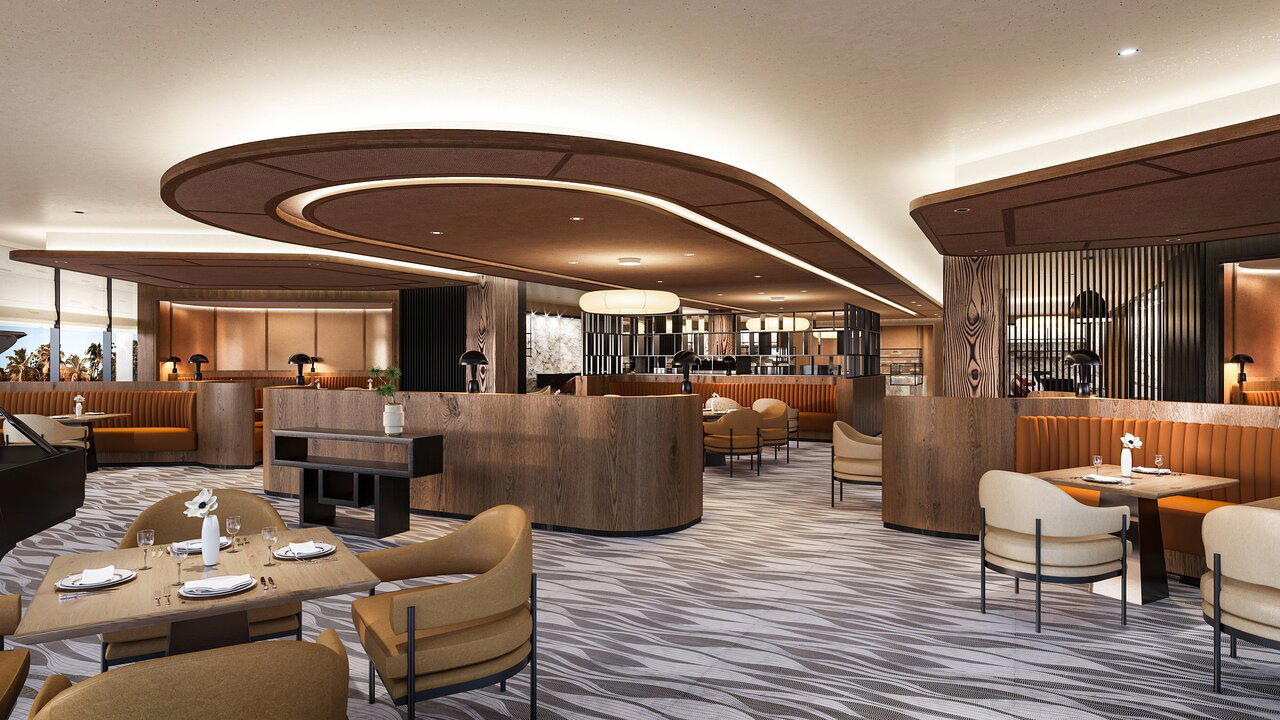
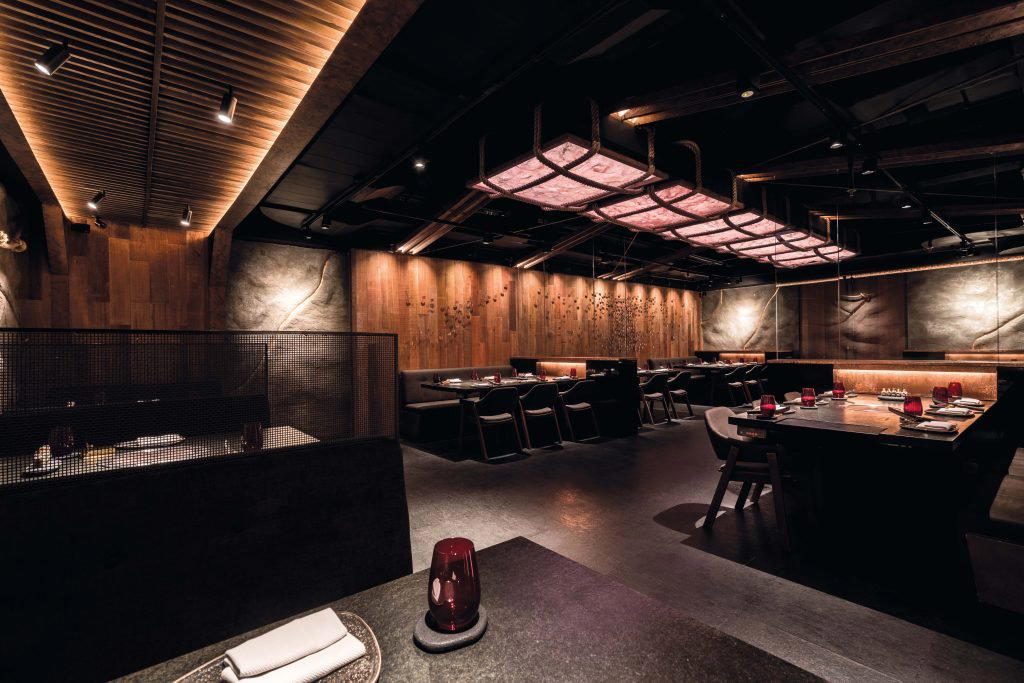
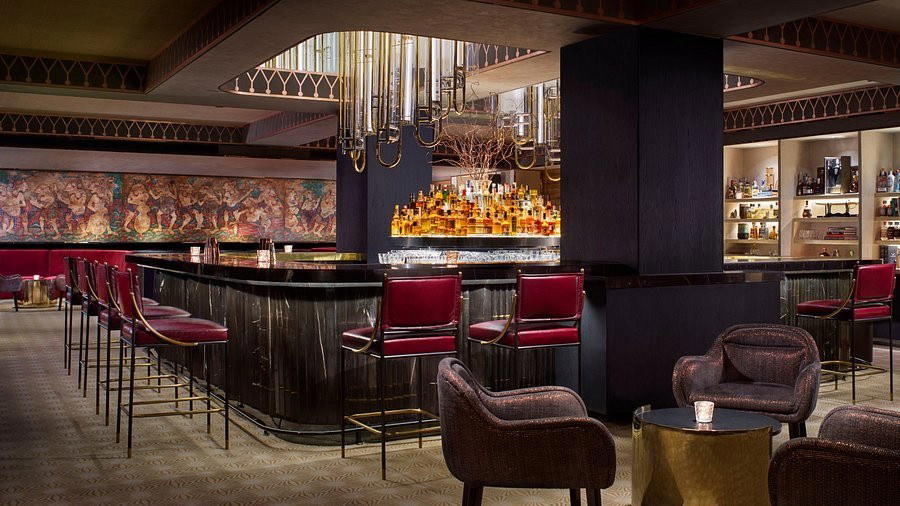
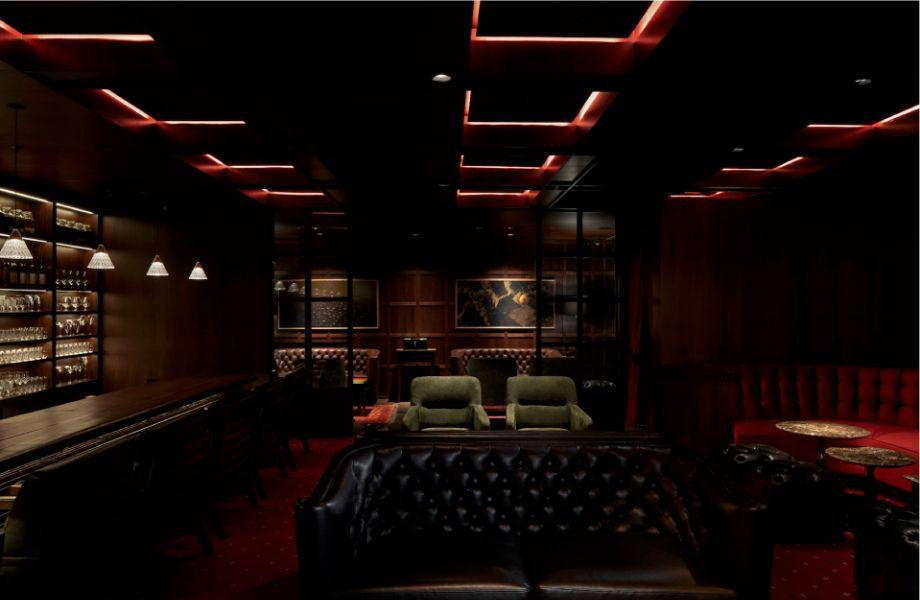
Walking into the Kunstkring is closer to entering a private collection than a conventional dining room. The property's interior accumulates Dutch colonial furniture, Javanese antiques, batik textiles, and colonial-era photography across multiple salons and dining areas. This is not the spare, object-on-a-plinth approach of a design hotel; it is accumulation as philosophy, the sense that every surface carries something worth examining. The effect can read as overwhelming on first encounter, but it is consistent with the Tugu Hotels model, where density of objects signals depth of research rather than decorative excess.
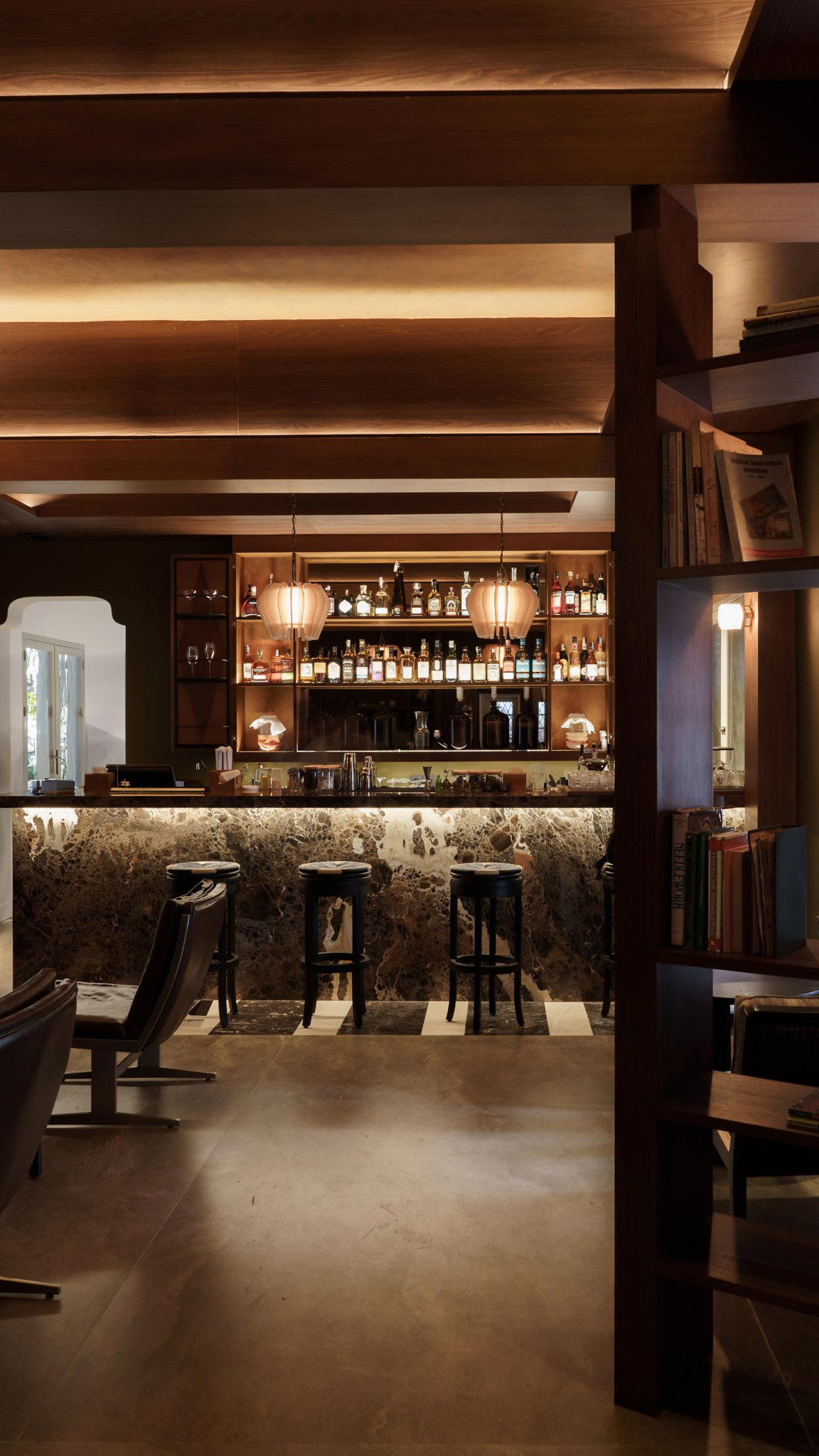
The ground floor moves between a bar area, a more formal dining salon, and a terrace that looks onto the Menteng street. Evenings on the terrace place you in one of central Jakarta's calmer residential pockets, a contrast to the mall-anchored dining that dominates much of the city's restaurant geography. For visitors oriented around a broader Jakarta dining itinerary, the Menteng location pairs naturally with nearby Kita 喜多 Restaurant And Bar in Kecamatan Menteng, which operates in the same general neighbourhood.
The Evolution Argument: From Arts Space to Dining Destination
The Kunstkring building's original function was cultural rather than culinary. In the colonial period, it served as the Kunstkring, arts circle, a gathering point for European residents engaging with visual art, performance, and social life. That function lapsed, the building changed hands and purposes multiple times, and by the time Tugu Hotels undertook its restoration it had passed through enough histories to constitute a minor archive of Jakarta's twentieth century. The decision to restore it as a dining and event property rather than a conventional hotel or commercial space reflects a broader pattern in Indonesian heritage hospitality: the building's value is legibility, the ability of guests to read layers of history in a single room.
This is a different proposition from the model at, say, Bistecca or Aged + Butchered Jakarta, where the kitchen program is the primary draw and the room is its frame. At Kunstkring, the hierarchy runs the other way. The kitchen's job is to hold a guest in a room long enough for the room to do its work. That is not a lesser proposition, but it does require a different kind of patience from a diner accustomed to ingredient-led tasting menus.
The comparison that matters most in positioning Kunstkring within Jakarta's dining conversation is with other heritage properties. In that frame, it belongs alongside a small number of Menteng and Cikini addresses where the post-colonial building stock has been converted into hospitality uses, a category that remains thin in Jakarta compared to, say, Penang or Yogyakarta, where heritage conservation infrastructure is more developed.
The Menu in Context
The kitchen at Tugu Kunstkring Paleis operates in Indonesian and Dutch-Indonesian registers, which is the appropriate culinary response to a building that spent its formative decades as a colonial social institution. Rijsttafel, the Dutch colonial dining format that spread multiple Indonesian dishes across a single table service, has found a modest revival at heritage properties across Indonesia as a way of anchoring the dining experience to historical context rather than contemporary trend. Kunstkring is among the Jakarta properties where this format has periodically appeared, placing it in a lineage that includes Bali addresses and Yogyakarta heritage hotels.
For Indonesian restaurant comparisons further afield within the EP Club network, Locavore NXT in Ubud represents the progressive end of Indonesian cuisine's current ambitions, while Abunawas Restaurant - Kemang Branch offers a different Jakarta interpretation of the heritage-food relationship. At the international end of the fine dining spectrum, properties like Le Bernardin in New York City and Atomix in New York City demonstrate what it means to build a restaurant identity around a single culinary argument sustained over decades, a model that heritage Indonesian dining has not yet fully adopted but which properties like Kunstkring gesture toward through their curatorial consistency.
Planning a Visit
The property sits on Jalan Teuku Umar in Gondangdia, Menteng. For broader Jakarta dining context, including hotpot-format options like Chongqing Liuyishou Hotpot in South Jakarta and Hai Di Lao in Central Jakarta, or the casual end represented by Bakerzin Central Park,
Cuisine Context
Comparable venues nearby, for context on price, style, and recognition.
| Venue | Cuisine | Price | Notes |
|---|---|---|---|
| Tugu Kunstkring PaleisThis venue — the venue you are viewing | Indonesian & International Fine Dining | $$$ | Not listed |
| Seribu Rasa Menteng | Southeast Asian and Indonesian Seafood | $$$ | Gondangdia |
| LAPO PORSEA - SCBD | Modern Batak Toba | $$$$ | Senayan |
| MAISON TATSUYA Teppanyaki PAKUBUWONO | Japanese Teppanyaki | $$$ | Gunung |
| Plataran Dharmawangsa | Authentic Indonesian | $$$ | Pulo |
| Esa | New Jakarta Cuisine | $$$ | Senayan |
At a Glance
- Historic
- Elegant
- Classic
- Well Known
- Special Occasion
- Business Dinner
- Celebration
- Historic Building
- Private Dining
- Extensive Wine List
Current opening hours
- Monday
- 11 AM–12 AM
- Tuesday
- 11 AM–12 AM
- Wednesday
- 11 AM–12 AM
- Thursday
- 11 AM–12 AM
- Friday
- 11 AM–12 AM
- Saturday
- 11 AM–12 AM
- Sunday
- 11 AM–12 AM
Hours can change for holidays and private events. Last verified .
Grand palatial atmosphere with colonial architecture, art-filled interiors, and elegant lighting evoking a bygone era.