On Rue Vasselot in central Rennes, Tête d'ail sits within a neighbourhood where ingredient-led cooking has become the dominant mode. The name alone signals a kitchen that takes its raw materials seriously, positioned alongside a cohort of Breton restaurants trading on what the region grows, fishes, and ferments rather than on imported technique alone.
Pearl is the En Primeur Club membership app — saves, bookings, and concierge access live there. Same editors, same standards.
- Address
- 34 Rue Vasselot, 35000 Rennes, France
- Phone
- +33769556685
- Website
- tetedailrennes.fr
- Directions
- Get directions
 Saves & bookings on Pearl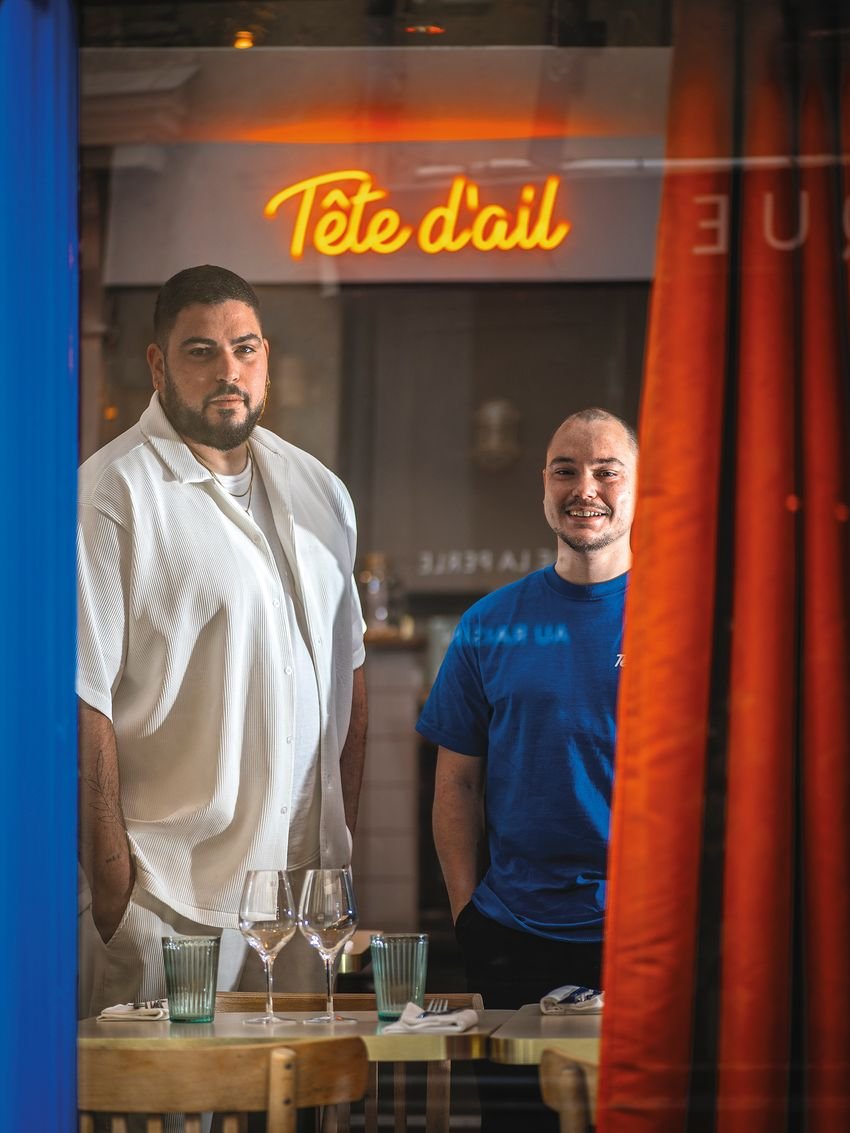
Rue Vasselot and the Ingredient-First Current Running Through Rennes
Walk along Rue Vasselot on a weekday evening and the street tells you something about where mid-range dining in Rennes has settled over the last decade. Tête d'ail is a contemporary French bistrot in Rennes, France, at 34 Rue Vasselot. The city's historic centre, compact and walkable, has produced a cluster of kitchens that answer a specific question: what does honest French cooking look like when the larder is genuinely Breton? The name itself, translating to "head of garlic," announces a kitchen more interested in the building blocks of flavour than in elaborate presentation for its own sake.
Brittany's position as a sourcing territory is not incidental. The region produces some of France's most consequential agricultural and coastal ingredients: artichokes from the Léon, oysters from the Belon and Cancale, butter from Bordier in Saint-Malo that has become a reference point for dairy quality across the country. Restaurants that connect to this supply chain gain immediate credibility with an audience that already knows what those ingredients taste like at source. The address on Rue Vasselot places it within reach of that credibility, in a city where informed diners have grown accustomed to tracking provenance rather than simply reading a menu.
What Ingredient Sourcing Means in the Breton Context
The sourcing conversation in Brittany is older and more specific than the general farm-to-table language that circulated internationally through the 2010s. Here it connects to a regional economy built around fishing ports, dairy cooperatives, and market garden traditions that survived industrialisation in ways that comparable English or northern European regions did not. Rennes, as the regional capital, sits at the administrative and commercial centre of that network. A restaurant in this city that takes its sourcing seriously is not making a lifestyle statement so much as participating in an ongoing local argument about what Breton produce is actually worth.
That argument has sharpened the city's dining scene into something more demanding than its size might suggest. Comparison venues in the same price tier illustrate the range of approaches: Breizh Café Rennes anchors its identity explicitly to Breton galette tradition, while Benèze and Alphonse occupy the neighbourhood bistro tier where seasonal menus shift with market availability. At the more experimental end, Ima pushes into creative territory at the leading price point, and Bombance reads the same modern French energy with its own editorial filter. Tête d'ail's name and address place it within this conversation.
The Garlic Signal and What It Implies About the Kitchen
Naming a restaurant after a head of garlic is a deliberate act of positioning. It signals rusticity without apology, an indifference to refinement for its own sake, and a commitment to flavour compounds that build slowly rather than arrive as spectacle. In French culinary shorthand, garlic carries specific regional weight: it is the aromatic foundation of southern and western cooking, associated with markets, with hands that smell of the kitchen rather than the dining room, with a tradition that predates the codified brigade system.
For diners cross-referencing Tête d'ail against France's most celebrated address-driven restaurants, such as Mirazur in Menton with its garden-to-plate sourcing philosophy or Bras in Laguiole and its decades-long engagement with the Aubrac plateau's wild ingredients, the premise is recognisable even if the scale differs entirely. The kitchen that takes its primary ingredient language from the soil and sea around it, rather than from a luxury supply chain, is making an argument about what cooking is for. The restaurant makes that argument at street level, in a Rennes neighbourhood where the argument has genuine traction.
Planning Your Visit
The restaurant is located at 34 Rue Vasselot in Rennes's city centre, within comfortable walking distance of the Gare de Rennes and the main market at Place des Lices, which operates on Saturday mornings and draws producers from across the region. Reservations are recommended.
For those building a broader France itinerary, Rennes pairs logistically with destinations further afield covered in restaurant guides, including Alléno Paris au Pavillon Ledoyen, Assiette Champenoise in Reims, and Au Crocodile in Strasbourg. For context on what ingredient-driven cooking at the highest level looks like elsewhere in France, Flocons de Sel in Megève, Troisgros in Ouches, and Auberge de l'Ill in Illhaeusern all offer reference points built on decades of regional sourcing logic. The full Rennes restaurants guide covers the city's dining options across all price tiers and formats.
Peers You’d Cross-Shop
Comparable venues nearby, for context on price, style, and recognition.
| Venue | Cuisine | Price | Notes |
|---|---|---|---|
| Tête d'ailThis venue — the venue you are viewing | Contemporary French Bistrot | $$ | Not listed |
| Coquille | French Bistro | $$ | Cathédrale |
| Le Globe | Traditional French Bistro | $$ | Centre Ville |
| La Mirlitantouille | French Bistro | $$ | Cathédrale |
| La Chope | Traditional French Brasserie | $$ | Parcheminerie Toussaints |
| Chez P'tit Louis | Modern French Bistro | $$ | City centre |
Continue exploring
More in Rennes
Restaurants in Rennes
Browse all →
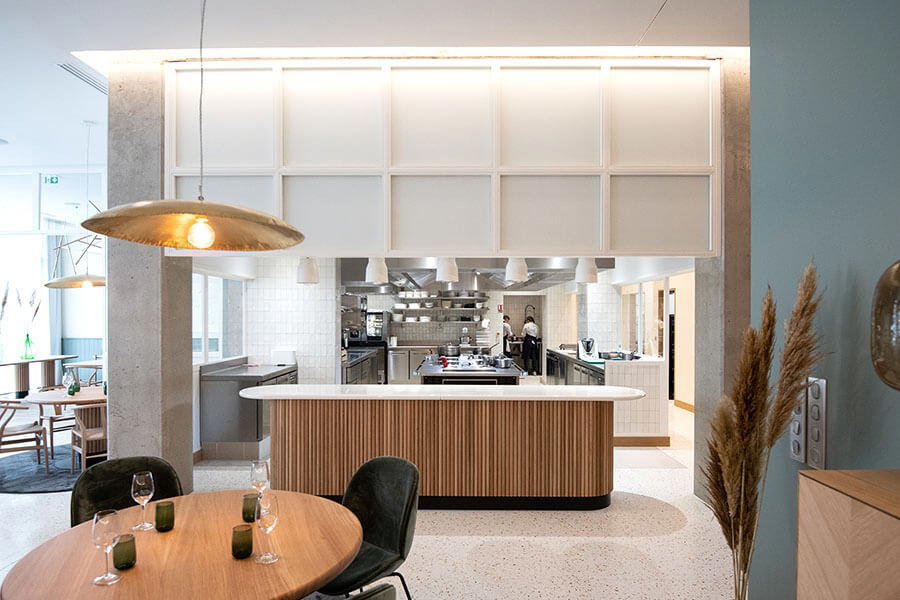
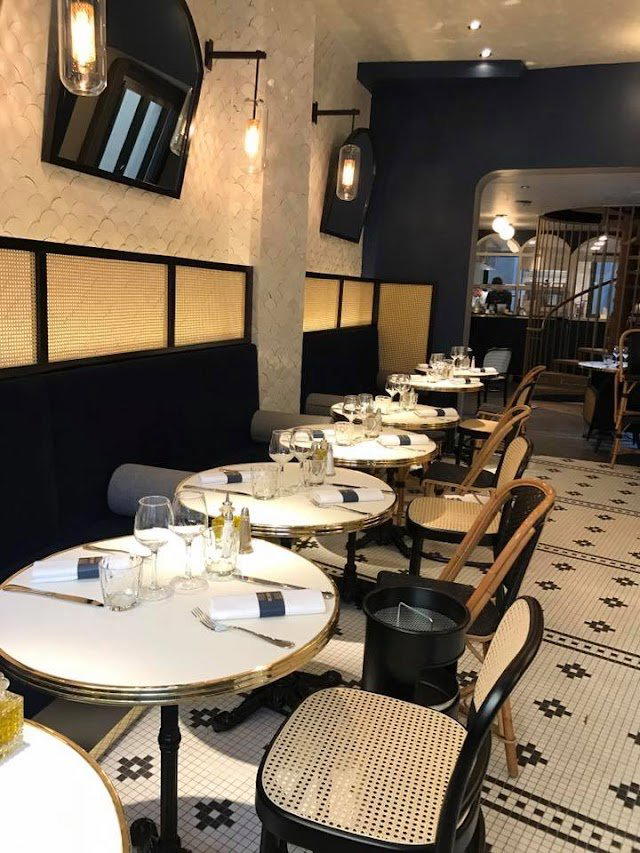
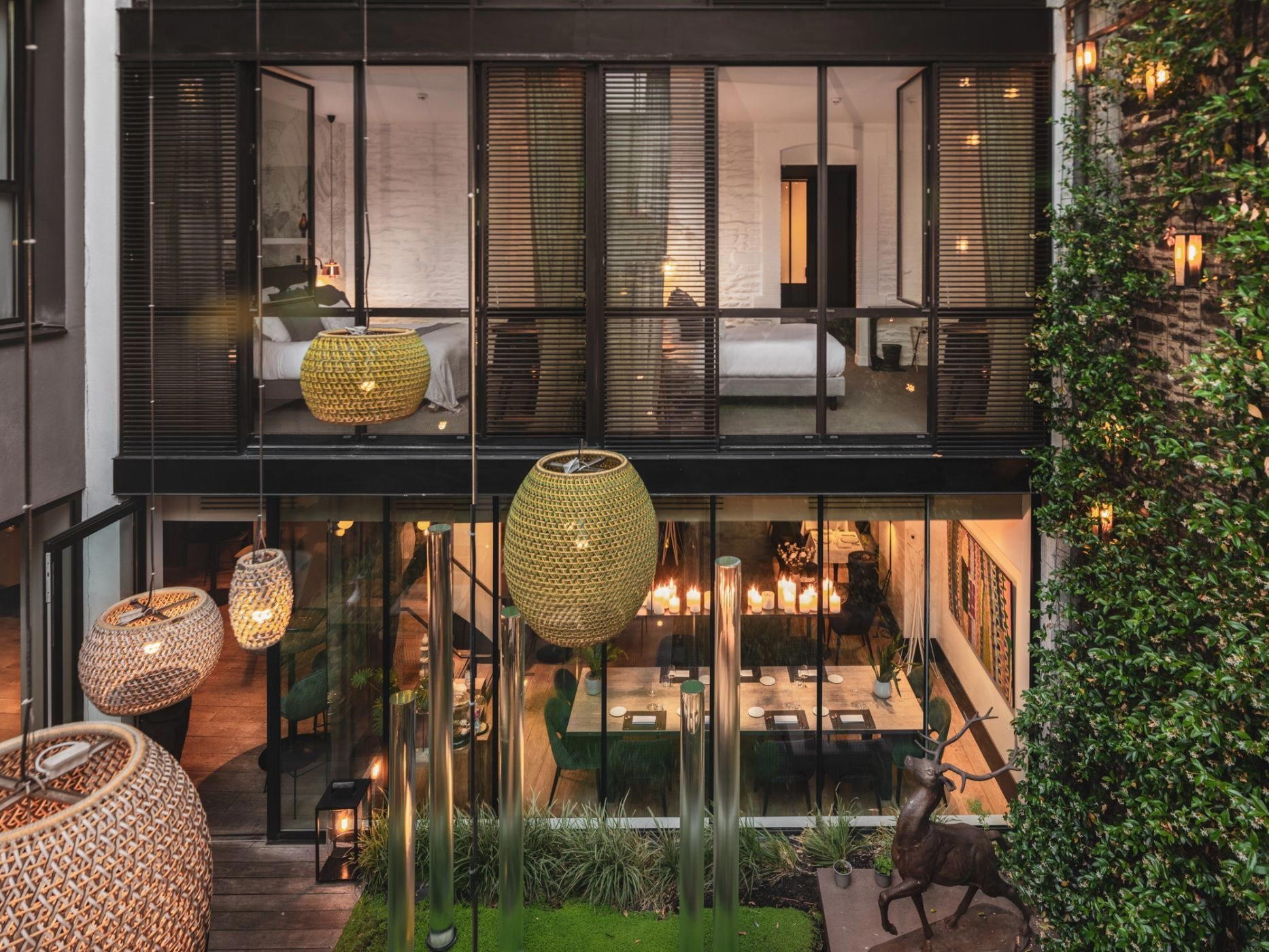
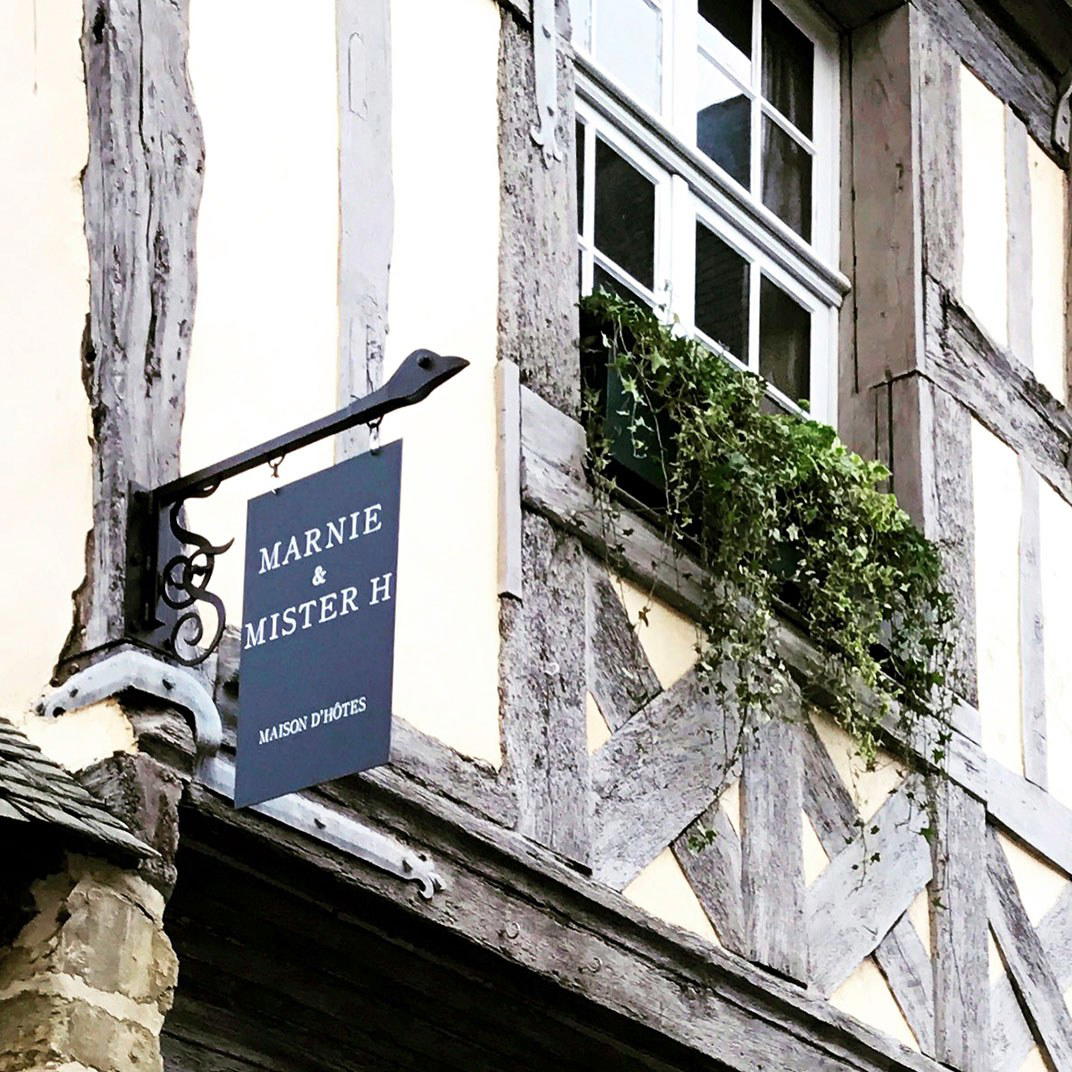
At a Glance
- Cozy
- Elegant
- Intimate
- Date Night
- Casual Hangout
- Open Kitchen
- Local Sourcing
Current opening hours
- Monday
- 12–1:30 PM, 7:30–9:30 PM
- Tuesday
- 7:30–9:30 PM
- Wednesday
- Closed
- Thursday
- 12–1:30 PM, 7:30–10 PM
- Friday
- 12–1:30 PM, 7:30–10 PM
- Saturday
- 12–1:30 PM, 7:30–10 PM
- Sunday
- 12–1:30 PM, 7:30–9:30 PM
Hours can change for holidays and private events. Last verified .
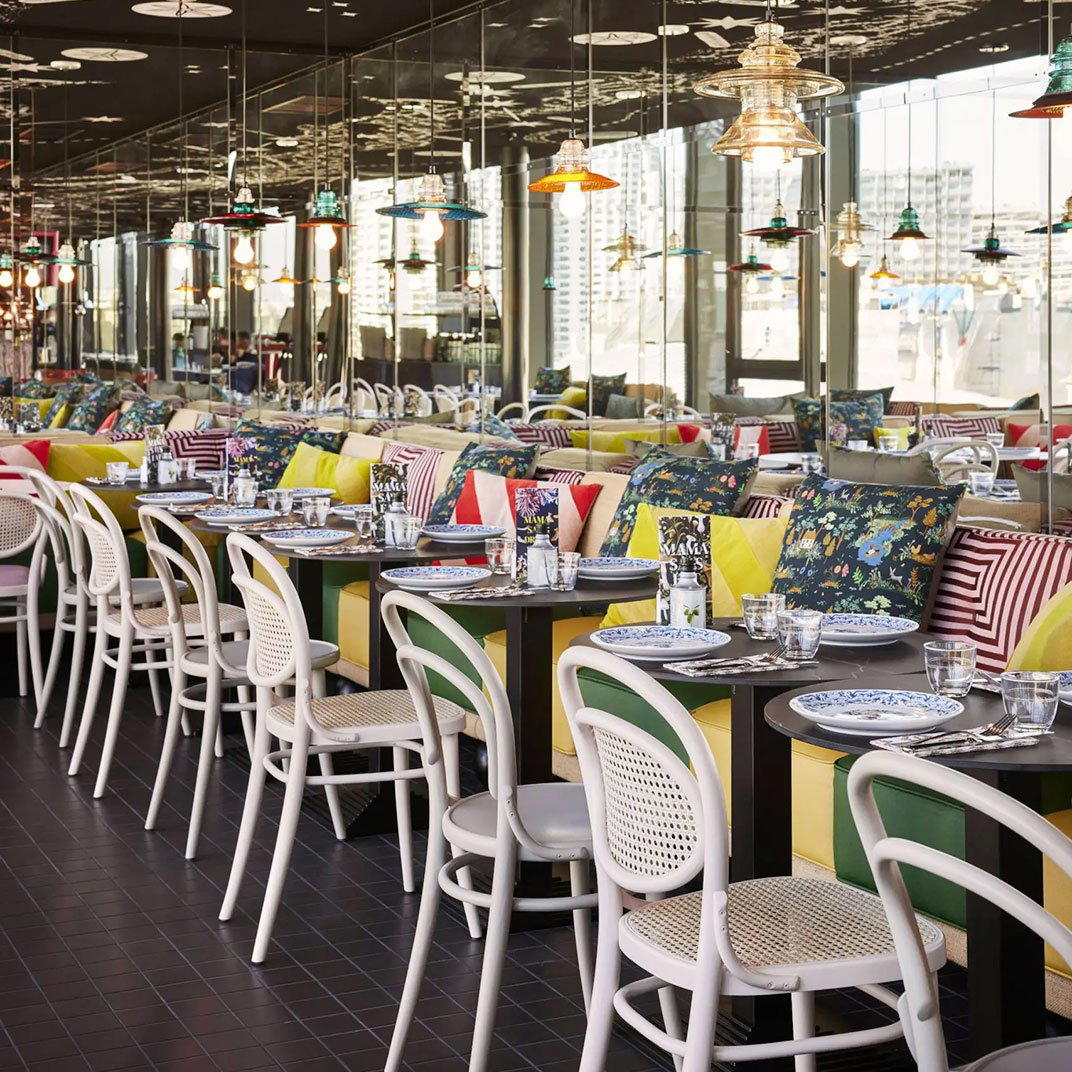
Warm and welcoming den for gourmets with mirrored ceiling for admiring beautifully presented plates; festive in evenings with music.