
1 Michelin Star
Our verdict
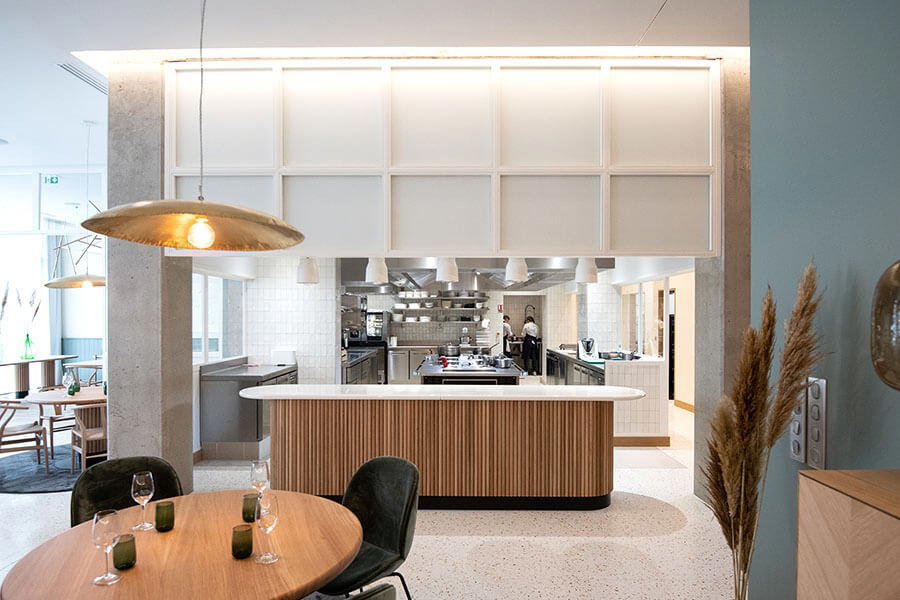
At 4 passage Antoinette-Caillot, Racines channels Brittany's small-scale producer network into a short, precisely constructed menu. Chef Virginie Giboire, trained under Guy Martin and Thierry Marx, builds dishes around texture contrasts and flavour pairings that reward attention. The bright, modern room suits a considered lunch or dinner, and the format sits comfortably in Rennes's growing tier of ingredient-led contemporary restaurants.

Pearl is the En Primeur Club membership app — saves, bookings, and concierge access live there. Same editors, same standards.
- Address
- 4 passage Antoinette-Caillot
- Phone
- +33 2 99 65 64 21
- Hours
- Mon ClosedTue–Fri 12–3:30 PM, 7:45–9 PMSat 7:45–10 PMSun Closed
- Website
- racines-restaurant.fr
- Directions
- Get directions
- Booking
- Book on Zenchef
The menu
What to order
- Monkfish with gnocchi
- Veal with Jerusalem artichokes
A Passage, a Room, and the Logic of Short Menus
Rennes has quietly built a dining scene that punches above its visibility. The city sits at the western edge of Brittany, a region whose coastline, dairy farms, and market gardens supply some of France's most consistent raw ingredients, yet whose restaurants rarely collect the attention lavished on Parisian or Lyonnais addresses. In that context, the most interesting spots in the city are the ones that treat their Breton supply chain not as a marketing footnote but as the actual architecture of the menu. Racines, at 4 passage Antoinette-Caillot, is one of those addresses.
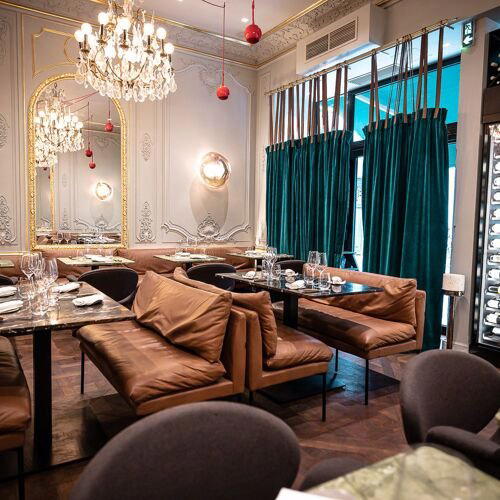
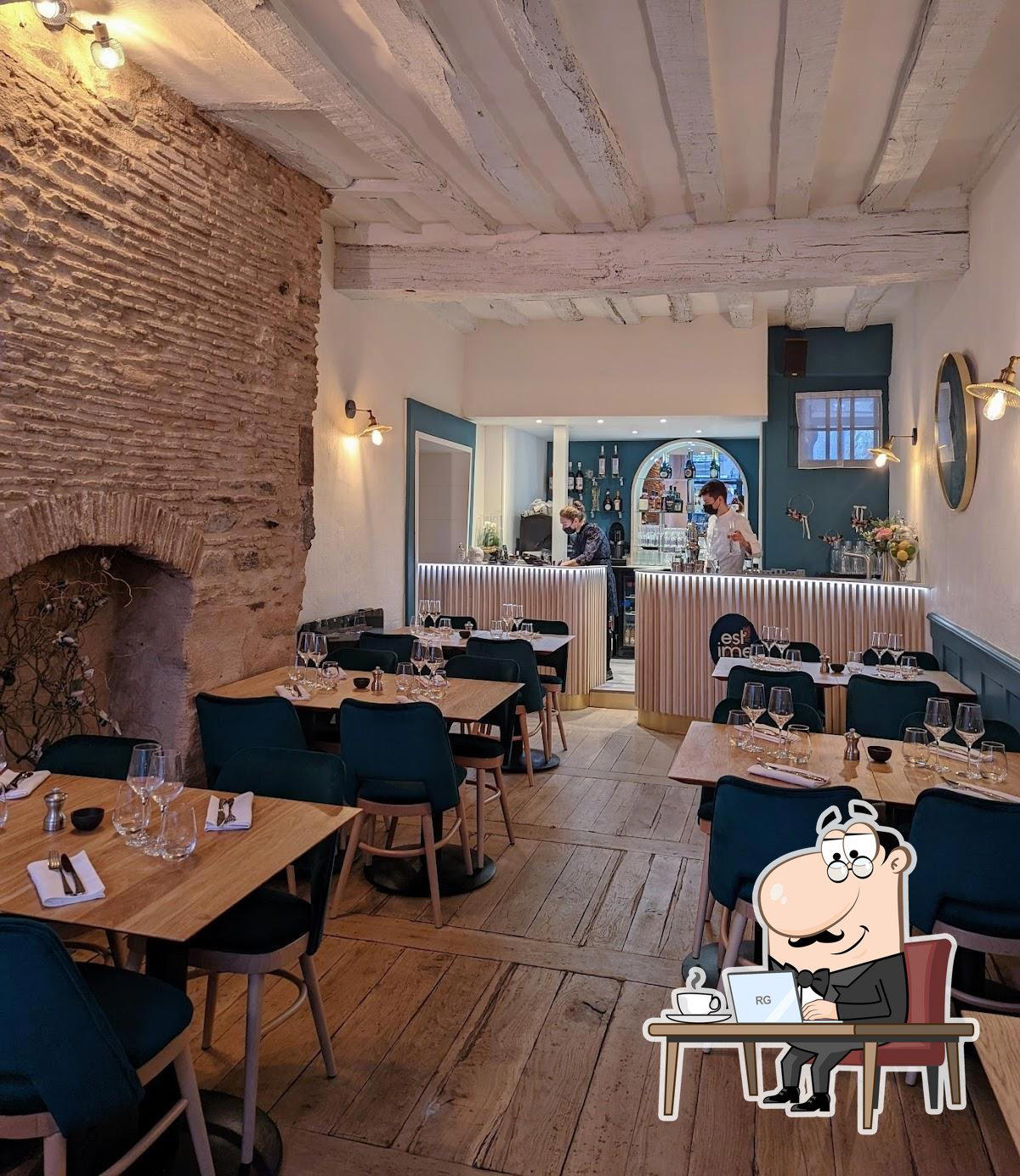
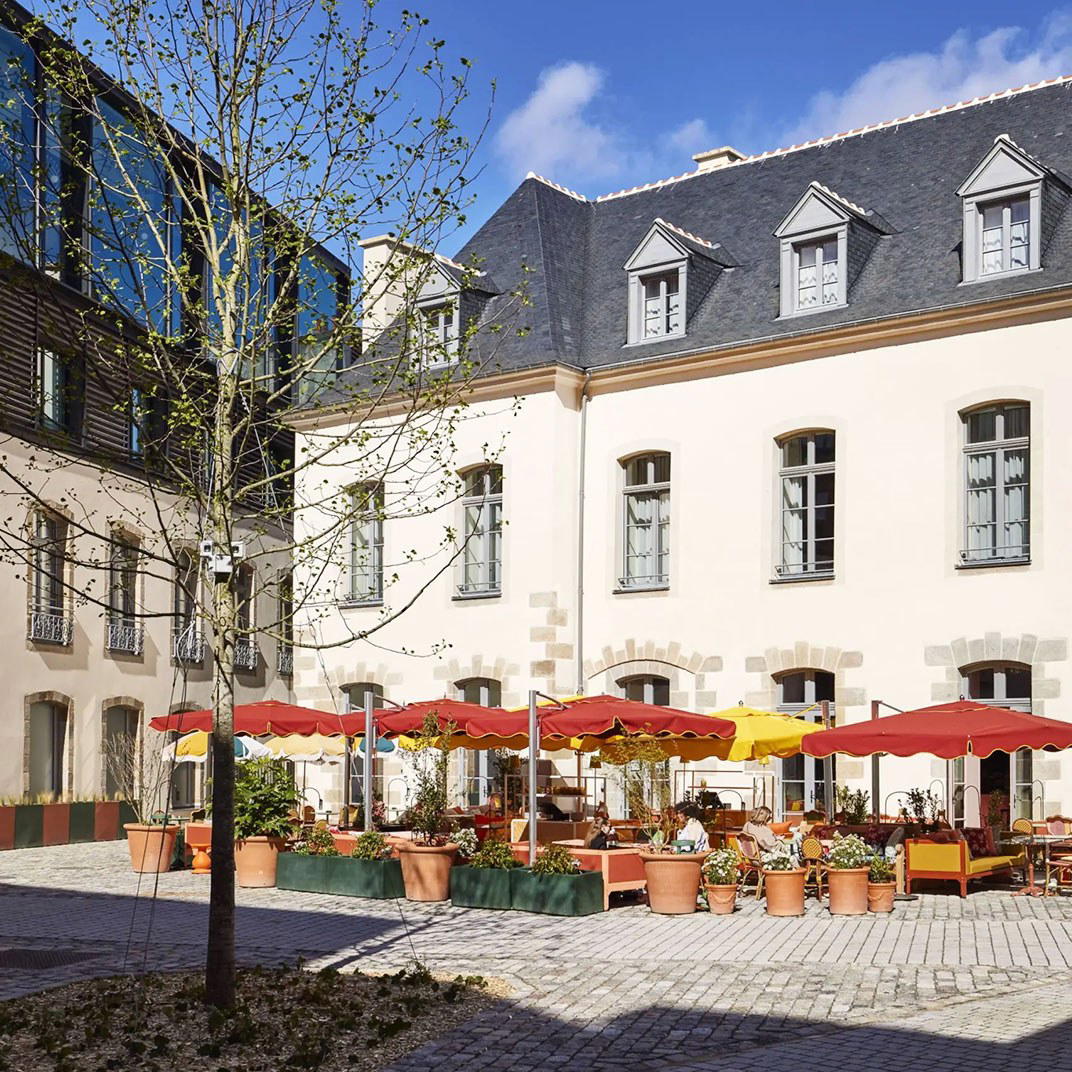
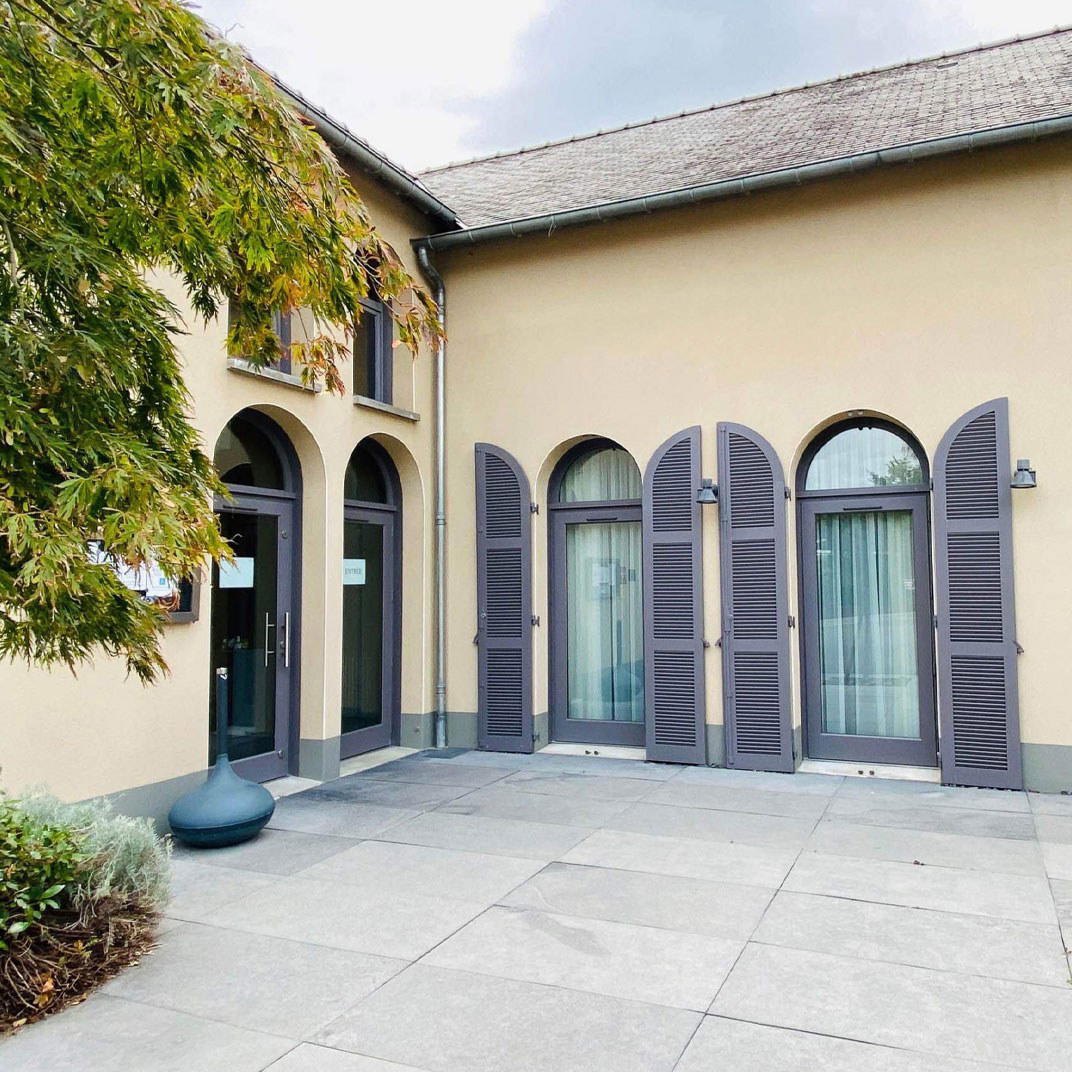
The room is bright and modern, the kind of space that signals its intentions without theatrics: clean lines, good light, no decorative clutter competing with the food. Covered passages in French cities carry a specific atmosphere, a pocket of calm pulled back from the street, and this one frames the entrance in a way that primes you for the focused format inside. You arrive expecting something considered, and the cooking delivers on that expectation.
What Breton Sourcing Actually Means on the Plate
There is a tendency in contemporary French cooking to describe provenance in the abstract: "local," "seasonal," "small producers." At Racines, the sourcing from small-scale Breton producers is specific enough to shape the texture and flavour logic of the dishes rather than simply appearing in menu copy. Brittany's agricultural geography is worth understanding here. The region produces artichokes, cauliflower, and early-season vegetables in quantities that make it France's leading market-garden department. Its coastal waters supply shellfish and fish that arrive at kitchens with a freshness rarely matched by supply chains routed through Rungis. Dairy from the interior of the peninsula, particularly around the Ille-et-Vilaine, tends toward fat-rich and grassy in a way that shows up in sauces and emulsions.
Chef Virginie Giboire trained under Guy Martin at Le Grand Véfour and Thierry Marx, two kitchens that represent opposite poles of classical French technique: one rooted in the Palais-Royal tradition, the other in modernist precision. That dual formation is legible in how Racines handles its ingredients. The dishes are described in the awards data as built around "interesting interplays of textures" and "subtle marriages of flavours," language that points to a technical vocabulary applied to local material rather than imported luxury product. For context on where high-end French kitchen training leads, the work of chefs like those behind Alléno Paris au Pavillon Ledoyen in Paris or the philosophy of terroir-driven restraint at Bras in Laguiole illustrates the broader French tradition that Racines sits within, transposed to a Breton register.
The short menu format reinforces this sourcing logic. A long menu requires breadth of supply; a short one allows a kitchen to commit to the leading available at any given time and to build dishes with the kind of precision that comes from cooking fewer things more carefully. It also signals a particular kind of confidence: the kitchen is not trying to accommodate every preference, it is presenting what it does well.
Where Racines Sits in the Rennes Tier
Rennes's contemporary restaurant scene has been developing a more defined upper-middle tier over recent years, with addresses that step past the brasserie format without attempting the full omakase or grand dégustation model. Estime and Essentiel sit in the modern cuisine bracket at the €€ price point, offering accessible entry into the city's more considered cooking. Bombance occupies a similar creative register. At the other end of the local range, Ima pushes into the €€€€ bracket with a more ambitious creative format. Racines sits between these poles: the cooking carries evident technical ambition and Michelin recognition, but the short-menu format and the focus on regional producers keeps it grounded in a way that makes it legible to a wider audience than the most rarefied addresses.
For visitors who want to understand Breton ingredients through a different lens, Breizh Café Rennes offers the region's galette and crêpe tradition with serious sourcing credentials of its own. The two restaurants are not in competition; they address the same raw material from entirely different angles.
Internationally, Racines fits the pattern of regionally rooted contemporary French restaurants that have gained Michelin recognition for applying classical technique to hyper-local supply, a category that includes addresses as varied as Mirazur in Menton and Flocons de Sel in Megève, both of which have built reputations on the argument that outstanding ingredients and technical precision are a sufficient brief. The scale and ambition differ considerably, but the underlying logic is the same.
Planning a Visit
Racines holds Michelin recognition, which in a city of Rennes's size means it draws both local regulars and visitors from outside Brittany. That combination tends to fill rooms on weekend evenings at pace, and the short menu format gives the kitchen limited flexibility to absorb late walk-ins. Booking ahead is the sensible approach, particularly for dinner. The address in passage Antoinette-Caillot is a short walk from the city's historic centre, accessible on foot from the main hotel and transport nodes. For a broader picture of what Rennes offers, the full Rennes restaurants guide, Rennes hotels guide, Rennes bars guide, Rennes wineries guide, and Rennes experiences guide cover the full city across categories. For additional context on how French fine dining with serious classical training translates across the Atlantic, Le Bernardin in New York City and Emeril's in New Orleans represent different points on that same continuum. Closer to the Breton tradition, the long-established regional anchor of Auberge de l'Ill in Illhaeusern and the multi-generational ambition of Troisgros - Le Bois sans Feuilles in Ouches illustrate the French regional model at its most sustained.
Frequently asked questions
Is Racines suitable for children?
Racines is better suited to adults. A Michelin-recognised address with a focused short menu, set inside one of Rennes's quieter covered passages, rewards the kind of attention that precise, texture-driven cooking invites. Families with young children will find the format a poor fit.
Is Racines better for a quiet night or a lively one?
Quiet, without question. The short menu, the passage setting on rue Antoinette-Caillot, and Virginie Giboire's precisely constructed dishes all point toward an evening of unhurried conversation rather than ambient noise. Michelin recognition in a city of Rennes's scale draws an engaged crowd, not a boisterous one.
Is Racines Michelin-listed?
Racines has received recognition including: When a talented chef from Rennes, Virginie Giboire, embraces her roots (or "Racines"), the result is pleasing, contemporary cuisine in the form of elegant dishes. Boasting an impressive wealth of experience (of which we will only mention he….
What's the signature dish at Racines?
The kitchen works from a short, rotating menu rather than anchoring itself to a single set piece. Michelin reviewers point to clever textural interplay and subtle flavour pairings built around small-scale Breton producers as the consistent thread. That reliance on seasonal sourcing means the menu shifts, not the philosophy.
How do I find Racines?
Racines is located at 4 passage Antoinette-Caillot, Rennes.
Should I book Racines in advance?
Yes, and sooner than feels necessary if you are visiting on a weekend. Michelin recognition concentrates demand in a room that, given its passage location and short-menu format, is not designed for high volume. Book as far ahead as the reservation system allows.
Comparison Snapshot
| Venue | Cuisine | Price | Awards | Notes |
|---|---|---|---|---|
| RacinesThis venue — the venue you are viewing | Modern French Fine Dining | $100–150 | 1 Michelin Star | Not listed |
| Ima | Modern Japanese-French Fusion | $50–100 | 1 Michelin Star · Gault & Millau Remarkable Restaurant | Creative |
| Estime | Modern French Bistro with Asian Influences | $30–50 | Michelin Bib Gourmand | Modern Cuisine |
| Breizh Café Rennes | Modern Breton Galettes & Crêpes | $30–50 | Michelin Bib Gourmand | Breton |
| La Petite Ourse | Seasonal French Bistro | $20–30 | Michelin Bib Gourmand | Farm to table |
| La Table du Balthazar | Modern French Fine Dining | $50–100 | Michelin Plate | Modern Cuisine |
Recognition history
Dated appearances from independent guides and award organizations, with the underlying list record or original source where available.
Michelin 1 Star
Michelin
Continue exploring
More in Rennes
Restaurants in Rennes
Browse all →
Racines
The wine
- Wine program
- Curated wine list
- Extensive wine list
- Sommelier-led
Details
- Modern
- Elegant
- Intimate
- Sophisticated
- Date Night
- Special Occasion
- Open Kitchen
- Extensive Wine List
- Sommelier Led
- Local Sourcing
- Tasting Menu
- A La Carte
Current opening hours
- Monday
- Closed
- Tuesday
- 12–3:30 PM, 7:45–9 PM
- Wednesday
- 12–3:30 PM, 7:45–9 PM
- Thursday
- 12–3:30 PM, 7:45–9 PM
- Friday
- 12–3:30 PM, 7:45–9 PM
- Saturday
- 7:45–10 PM
- Sunday
- Closed
Hours can change for holidays and private events. Last verified .
Lovely, bright, and modern setting with an open kitchen offering a choreographed ballet-like view, though some note cold lighting.