Benèze occupies a prime address on Place des Lices, the historic market square at the heart of Rennes. Set against one of Brittany's most animated public spaces, the restaurant draws on the deep culinary traditions of the region while placing itself within a growing tier of serious dining in the city. For visitors looking to read Rennes through its food, this address carries genuine weight.
Pearl is the En Primeur Club membership app — saves, bookings, and concierge access live there. Same editors, same standards.
- Address
- 20 Pl. des Lices, 35000 Rennes, France
- Phone
- +33299053656
- Website
- bookings.zenchef.com
- Directions
- Get directions
 Saves & bookings on Pearl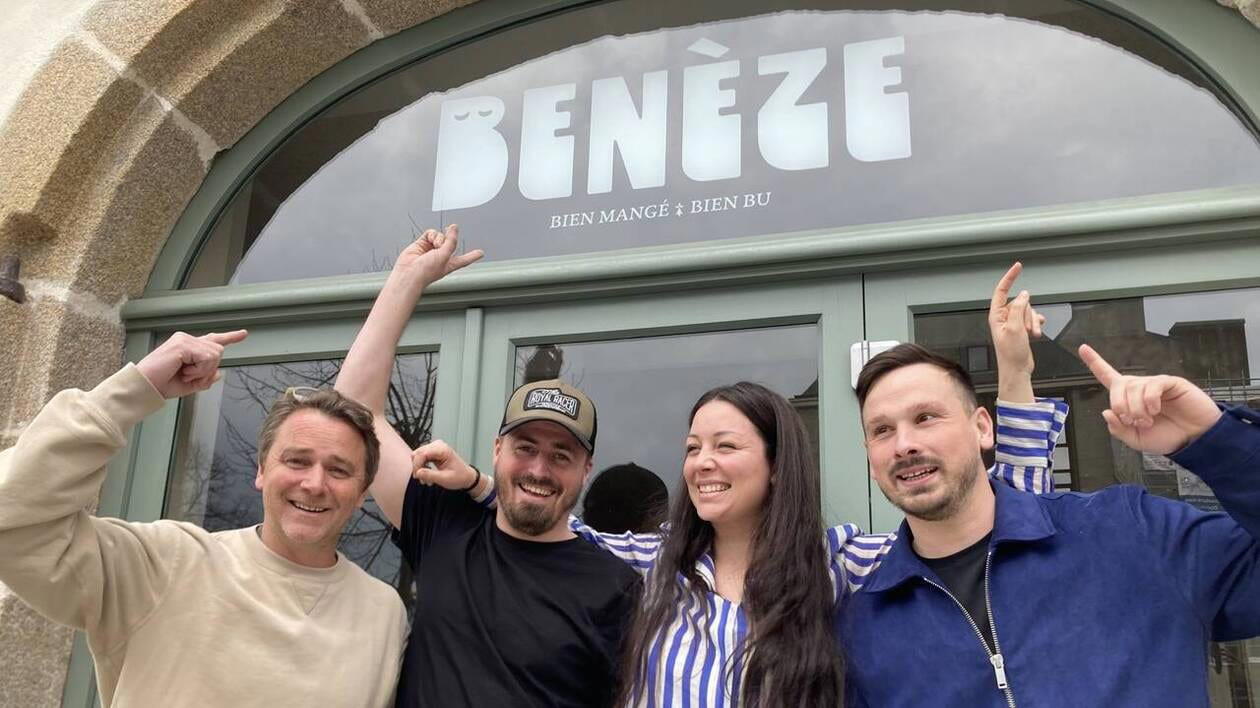
Place des Lices and What It Signals
Place des Lices is not incidental to Rennes's food culture, it is the organizing principle of it. Every Saturday, one of the largest covered markets in France takes over the square, drawing producers from across Brittany with oysters from Cancale, andouille from Guémené, farm butter, and seasonal vegetables that track the Atlantic calendar rather than the Parisian one. A restaurant at this address does not merely benefit from proximity to that supply chain; it implicitly stakes a claim within it. Benèze, a tapas restaurant at 20 Place des Lices in Rennes, is a casual, reservation-recommended spot in the city's dining geography.
Brittany's culinary identity has historically been undersold relative to its quality. The region produces some of France's most consistent raw ingredients, shellfish, dairy, pork, and coastal vegetables, yet its restaurants have rarely attracted the sustained critical attention directed at, say, Lyon or the Basque country. That is changing. A generation of kitchens in Rennes and across the region is working with those ingredients at a more disciplined level, pushing Breton produce into formats that invite comparison with the country's more recognized dining cities. Benèze sits within that generational shift.
The Square as Context
Approaching from the timber-framed streets of the old city, the scale of Place des Lices arrives as a surprise. The square is one of the largest medieval jousting grounds in France, and its dimensions still govern the space, wide, open, flanked by covered market halls in iron and glass that date to the nineteenth century. On market days the energy is dense and purposeful; on quieter evenings the square settles into something more contemplative. A restaurant here operates in two distinct registers depending on the day of the week, and any kitchen that handles both well has learned something about reading its audience.
The address also positions Benèze within a neighborhood that contains some of Rennes's more considered dining options. Breizh Café Rennes and Café Breton represent the Breton tradition at its most accessible, where the crêpe and galette format anchors the meal to regional identity without demanding much from the diner beyond appetite. Further into the city's dining spectrum, Alphonse and Ima, the latter pricing at the €€€€ tier, represent the more ambitious end, where Breton ingredients are treated as the raw material for something more architecturally considered. Benèze occupies a position within that range, drawing on the market culture directly outside its door.
Brittany's Culinary Tradition and the Rennes Restaurant Scene
Understanding what a Rennes restaurant is doing requires some fluency in what Brittany offers as a culinary base. The peninsula's food culture was shaped by geography and economy: a long coastline providing shellfish and fish, an interior agriculture oriented toward dairy and pork, and a tradition of preservation and preparation that predates the influence of haute cuisine. The galette de sarrasin, buckwheat crêpe, became the vehicle through which those ingredients reached the table, and it remains one culturally specific expression of what Breton cooking is at its foundation.
But Rennes, as the regional capital, has always operated at a slight remove from pure regional tradition. It is a university city with a young population, a consistent flow of visitors, and an appetite for formats that range from the deeply traditional to the internationally inflected. The restaurants that have found durable footing here tend to thread that needle: fluent in regional identity without being confined by it. Bombance in the modern cuisine category sits within that pattern. So, on the evidence of its placement and context, does Benèze.
For a broader map of where Rennes dining sits nationally, it is useful to consider where the ambition is pointing. France's most recognized kitchens, Mirazur in Menton, Alléno Paris au Pavillon Ledoyen, Troisgros in Ouches, Bras in Laguiole, Auberge de l'Ill in Illhaeusern, Les Prés d'Eugénie in Eugénie-les-Bains, and Paul Bocuse in Collonges-au-Mont-d'Or, are overwhelmingly rooted in regional identity, not despite their ambition but because of it. That is the model increasingly visible in Rennes: regional ingredients treated with the seriousness they deserve, without the apologetic positioning that once made Breton cooking seem like a regional rather than a national story. Flocons de Sel in Megève, Georges Blanc in Vonnas, and La Table du Castellet in Le Castellet each illustrate how regional anchoring and serious cooking reinforce rather than limit each other. Rennes is working through that same question.
Planning Your Visit
Benèze's address on Place des Lices is its primary logistical signal: it is central, walkable from the main city hotels, and set on a square that functions as an orientation point for the old city. The Saturday market, among the more significant in northwest France, runs from early morning until early afternoon, and visiting on that day provides a useful frame for the food culture the restaurant draws from.
Benèze sits within a square that rewards time spent before or after the meal, the architecture of the medieval city is within a few minutes' walk, and the covered market halls are worth examining even when empty. This is a restaurant in a location that earns attention on its own terms, not merely as a backdrop.
Price and Recognition
Comparable venues nearby, for context on price, style, and recognition.
| Venue | Cuisine | Price | Notes |
|---|---|---|---|
| BenèzeThis venue — the venue you are viewing | Place des Lices, Tapas | $$ | Not listed |
| Le 2 rue des Dames | Cathédrale, Modern French Market Bistro | $$ | Not listed |
| Caneton | République, Modern French Bistro | $$ | Not listed |
| Triskele| gastronomie italienne | | Not listed | $$ | centre-ville, Authentic Sicilian Street Food |
| Peska | historic center, Modern Seafood Bistro | $$$ | Not listed |
| Alphonse | Saint-Hélier, Traditional French Bistro | $$ | Not listed |
Continue exploring
More in Rennes
Restaurants in Rennes
Browse all →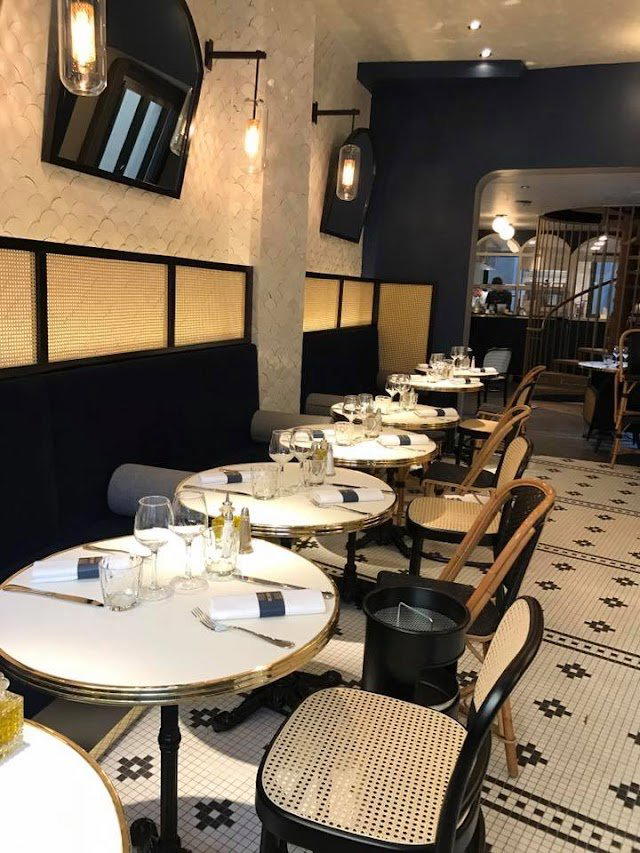
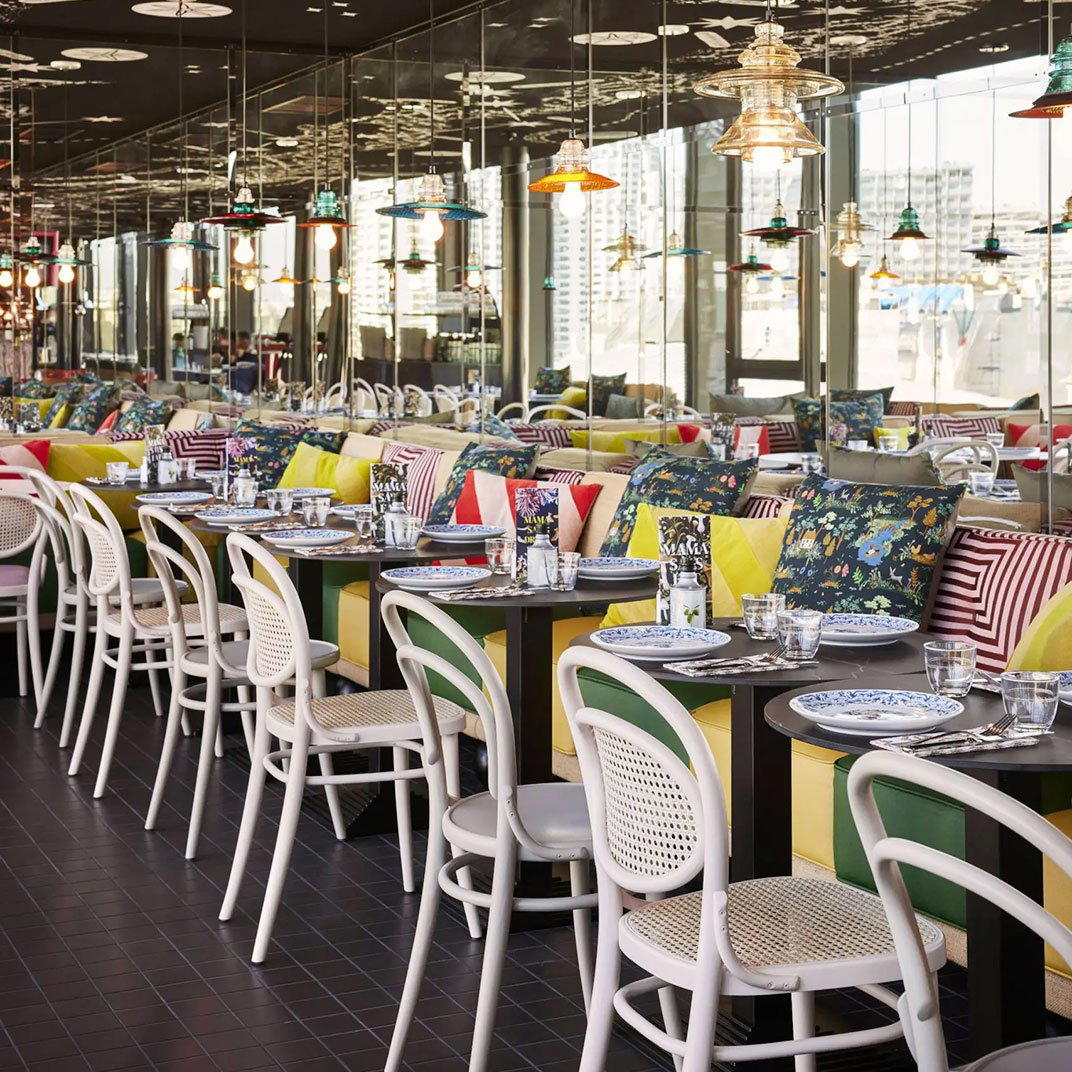
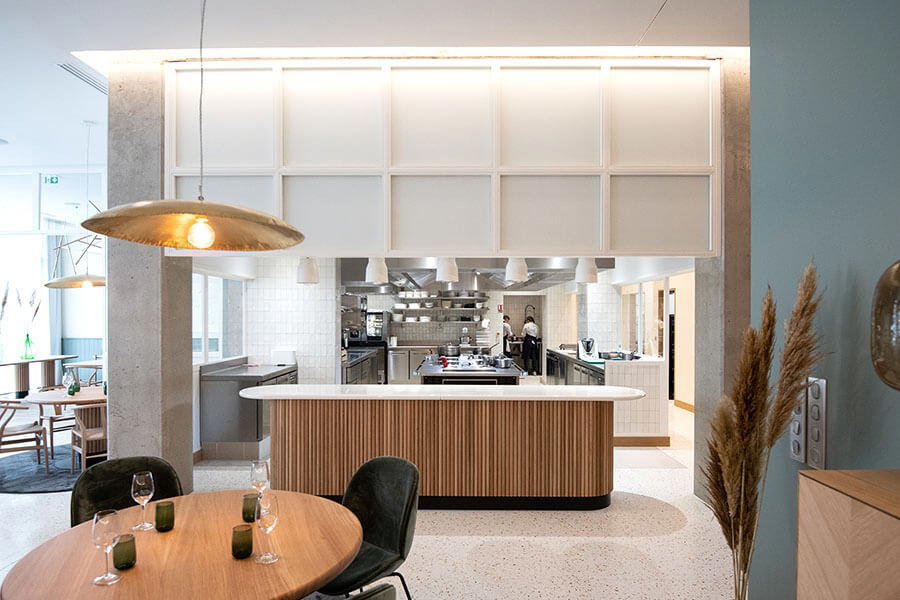
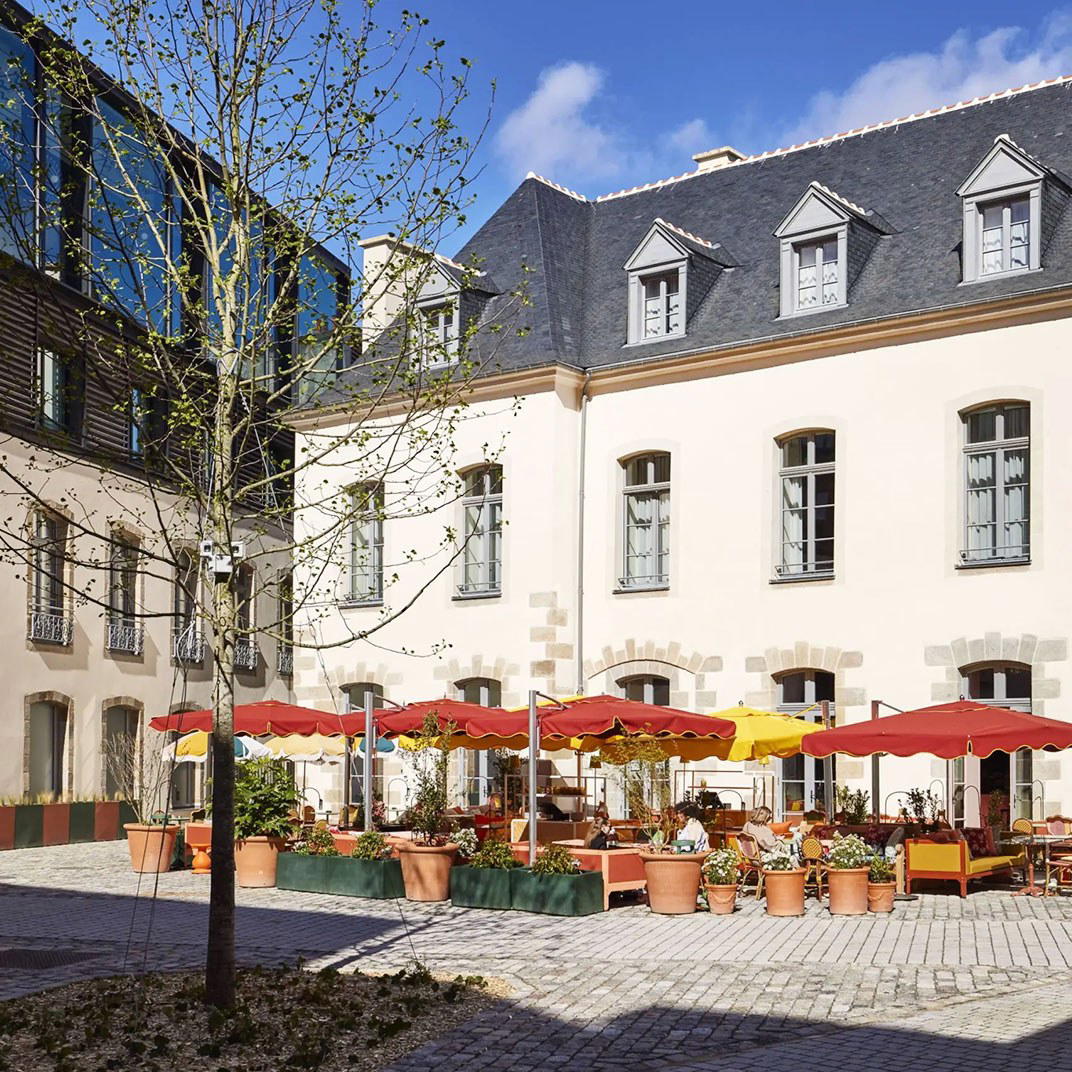
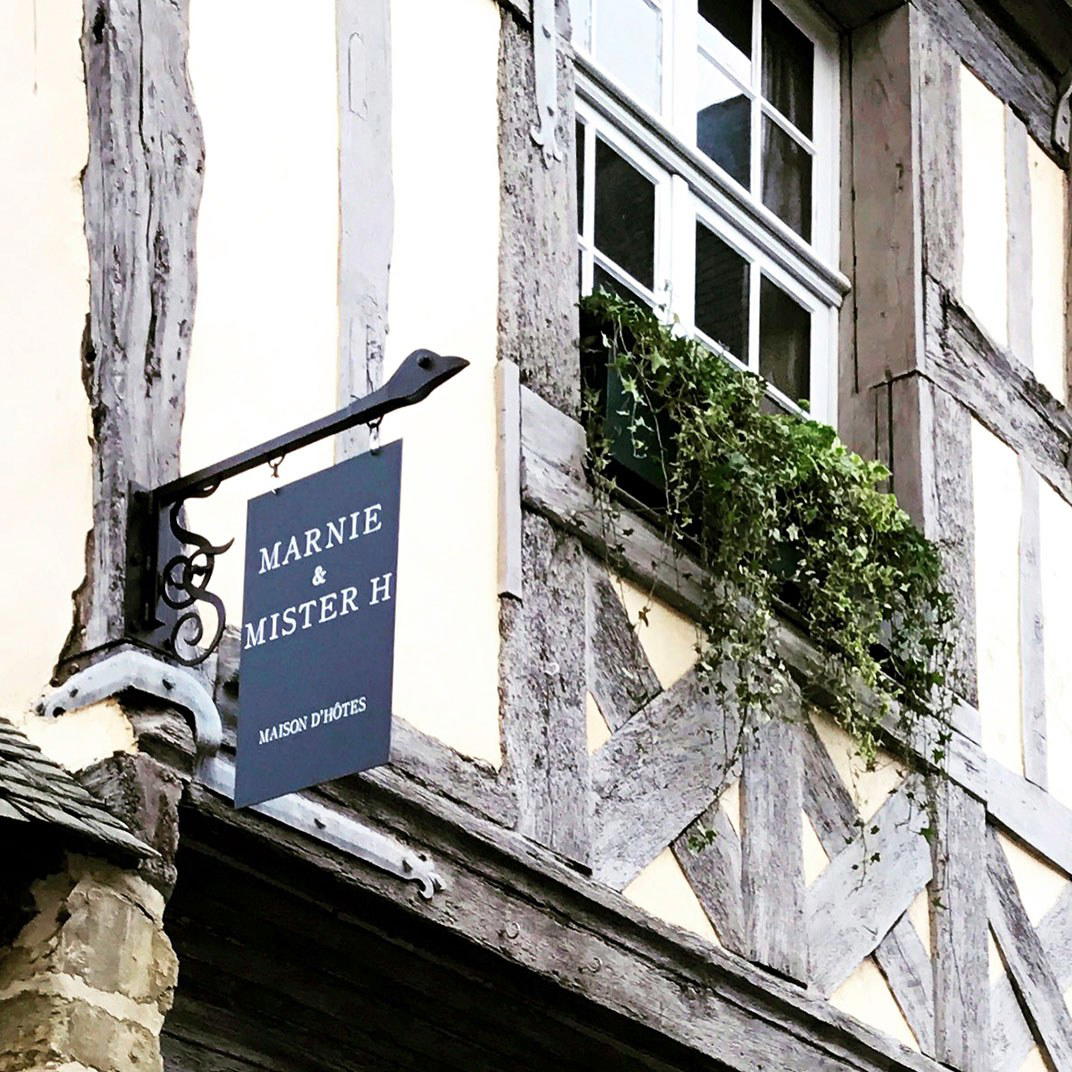
At a Glance
- Trendy
- Casual Hangout
- Street Scene
Current opening hours
- Monday
- 6:30–11:30 PM
- Tuesday
- 6:30–11:30 PM
- Wednesday
- 6:30–11:30 PM
- Thursday
- 12–2:30 PM, 6:30–11:30 PM
- Friday
- 12–2:30 PM, 6:30–11:30 PM
- Saturday
- 12–3 PM, 6:30–11:30 PM
- Sunday
- 12–3 PM
Hours can change for holidays and private events. Last verified .
Beautiful establishment with kind welcome and service