On Rue Alphonse Guérin, Alphonse occupies a spot in Rennes' growing roster of address-driven dining rooms where the sourcing story carries as much weight as the plate. The restaurant sits within a city that has spent the last decade building a serious case for Breton produce, and Alphonse positions itself inside that argument. For visitors mapping the city's food scene, it belongs in the same conversation as the addresses reshaping what dining in Rennes means.
Pearl is the En Primeur Club membership app — saves, bookings, and concierge access live there. Same editors, same standards.
- Address
- 4 Rue Alphonse Guérin, 35000 Rennes, France
- Phone
- +33956129682
- Website
- alphonse-g.com
- Directions
- Get directions
 Saves & bookings on Pearl
A Street Address That Carries Its Own Weight
Rue Alphonse Guérin runs through a part of Rennes that has quietly accumulated a concentration of serious eating over the past decade. The street itself signals something before you step inside: this is not the tourist-facing quarter of crêperies and brasseries that dominates first impressions of the city, but a zone where locals return on their own accord. Alphonse is a Traditional French Bistro at 4 Rue Alphonse Guérin, 35000 Rennes, France. The room operates at a scale that keeps service personal, and the address alone functions as a kind of curation filter for the clientele who find it.
Rennes has been building a case for itself as one of France's more interesting mid-sized dining cities. The argument rests largely on geography: Brittany's coastal and agricultural supply lines converge here, and restaurants positioned close to that supply chain tend to cook with a precision that metropolitan kitchens have to work harder to replicate. Alphonse's location on a street named after a local figure rather than a famous chef or hotel group is, in that sense, characteristic of the city's dining character: rooted, specific, and resistant to easy categorisation.
The Breton Produce Argument, Made at Table
Across Rennes' more compelling restaurants, the sourcing question sits at the centre of what distinguishes one kitchen from another. At Breizh Café Rennes, buckwheat provenance is part of the brand identity. At Café Breton, the galette tradition anchors a menu that reads the region's agricultural history in every fold of the batter. What connects the more serious addresses in this city is a shared insistence that Brittany's supply chain is not background noise but the primary subject of the plate.
That argument has national validation elsewhere in France. Restaurants like Bras in Laguiole built a reputation over decades on the premise that terroir cooking means cooking what grows within reach, not importing prestige ingredients from elsewhere. Flocons de Sel in Megève and Les Prés d'Eugénie in Eugénie-les-Bains have demonstrated that regionality, handled with technical seriousness, can sustain long-term critical attention. In Rennes, the same logic applies at a different scale and price point, and Alphonse enters that conversation as one of the addresses worth tracking on Rue Alphonse Guérin.
Brittany's coastline, less than an hour from the city centre, means that any kitchen paying attention has access to fish and shellfish that rarely need much intervention to make a case for themselves. The region's dairy, particularly butter from the Charentes-Poitou border and from local cooperative dairies, has shaped French cooking so fundamentally that it barely registers as a regional claim anymore. What the more attentive Rennes kitchens do is make that supply chain visible again, presenting ingredients in ways that remind diners where they are eating and why it matters.
Where Alphonse Sits in Rennes' Dining Tier
Rennes' restaurant scene has stratified over the past several years into a recognisable set of tiers. At the summit of the price register, Ima operates at the creative end of the market, with a format and pricing that position it against the city's most ambitious dining. Bombance has carved out a position in modern cuisine at a mid-to-upper price point. Benèze holds a considered place in the contemporary Breton register. Below those, a cluster of neighbourhood-scale addresses, some farm-to-table focused, some more casual, serve a local clientele that does not require a destination format to eat well.
Alphonse's exact position in that structure is not defined by public pricing data or formal awards, but its address and the character of the neighbourhood it occupies place it in the mid-tier of serious local dining: not a drop-in lunch spot, but not a special-occasion destination requiring months of forward planning either. That middle tier is, in many ways, interesting in any city's food scene. It is where the cooking tends to be most direct, where the relationship between kitchen and supplier is most legible, and where the restaurant's character is least mediated by institutional expectations.
For comparison, the formal end of French dining, Alléno Paris au Pavillon Ledoyen, Mirazur in Menton, Paul Bocuse in Collonges-au-Mont-d'Or, Troisgros in Ouches, Auberge de l'Ill in Illhaeusern, and Georges Blanc in Vonnas, operates within a set of institutional frameworks and price points that most provincial city dining explicitly declines to mirror. The value of addresses like Alphonse is precisely that they exist outside that framework, cooking in a city whose supply chain is genuinely notable without needing to perform the formality those institutions require. Internationally, the same logic runs through addresses like Lazy Bear in San Francisco and Le Bernardin in New York City, which built durable reputations by being deeply specific about what they cook and why, without deferring to convention about what fine dining is supposed to look like. La Table du Castellet in the south applies similar regional precision to Provençal produce. The parallel holds: regional specificity, handled with focus, travels further than generic ambition.
Planning Your Visit
Alphonse is located at 4 Rue Alphonse Guérin in the 35000 postcode, a few minutes on foot from the historic centre of Rennes and well within reach of the city's main transport connections. Rennes is served by TGV from Paris Montparnasse in around 90 minutes, making it a practical choice for a day trip or a weekend built around eating. The restaurant's neighbourhood character means it rewards a visit on foot, approached through the older streets rather than arriving directly by taxi.
Alphonse is recommended for reservations and is closed Monday and Sunday, with Tuesday to Friday service from 10 AM to 12 AM and Saturday service from 12:30 PM to 12 AM. For a broader orientation to eating in the city, the EP Club Rennes restaurants guide maps the full range of addresses across price tiers and cuisine types.
Side-by-Side Snapshot
Comparable venues nearby, for context on price, style, and recognition.
| Venue | Cuisine | Price | Notes |
|---|---|---|---|
| AlphonseThis venue — the venue you are viewing | Traditional French Bistro | $$ | Not listed |
| Chez P'tit Louis | Modern French Bistro | $$ | City centre |
| Magma | Seasonal French Bistro | $$ | Centre Historique |
| Le 2 rue des Dames | Modern French Market Bistro | $$ | Cathédrale |
| Caneton | Modern French Bistro | $$ | République |
| Cope | Modern French Neo-Bistro | $$$ | Saint-Melaine |
Continue exploring
More in Rennes
Restaurants in Rennes
Browse all →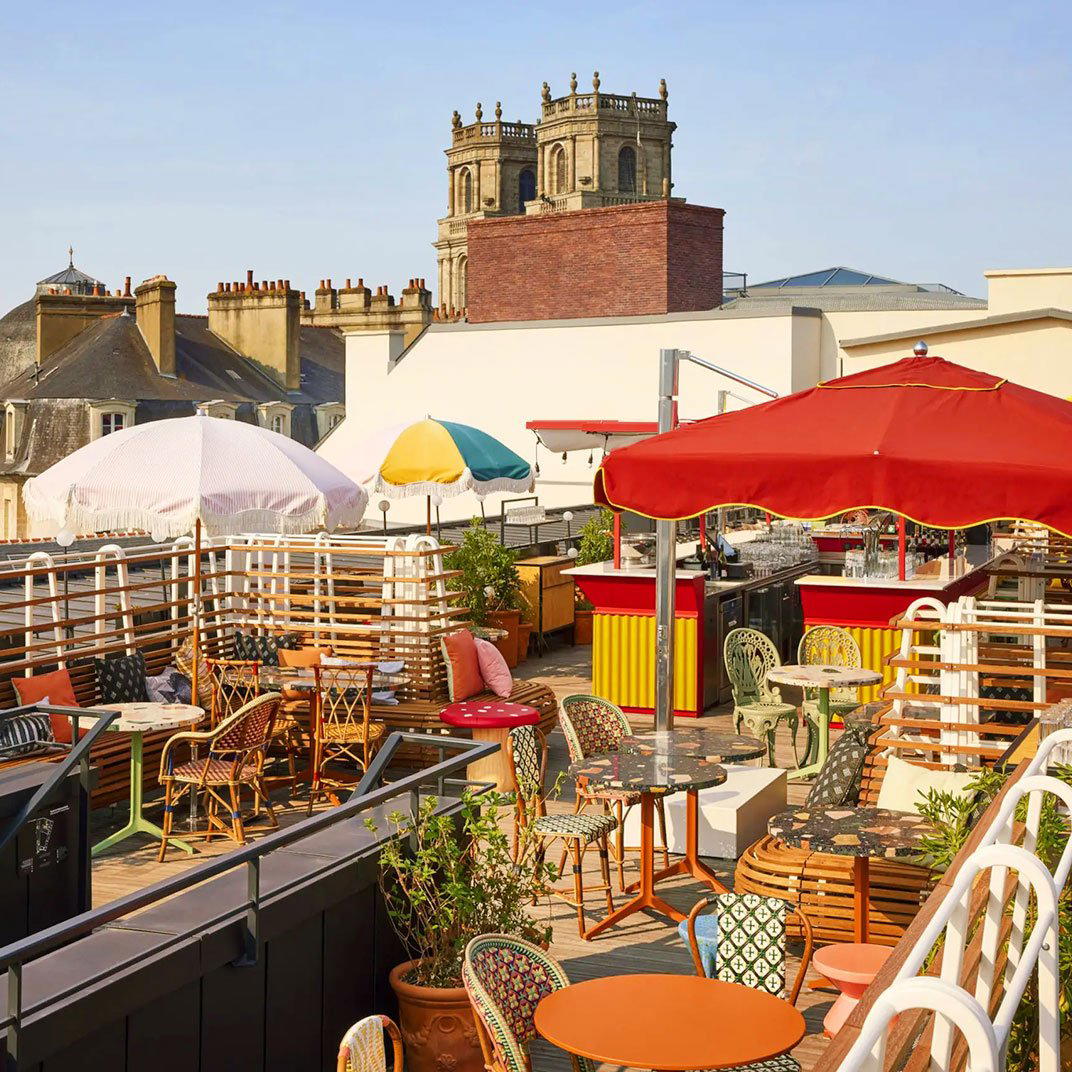
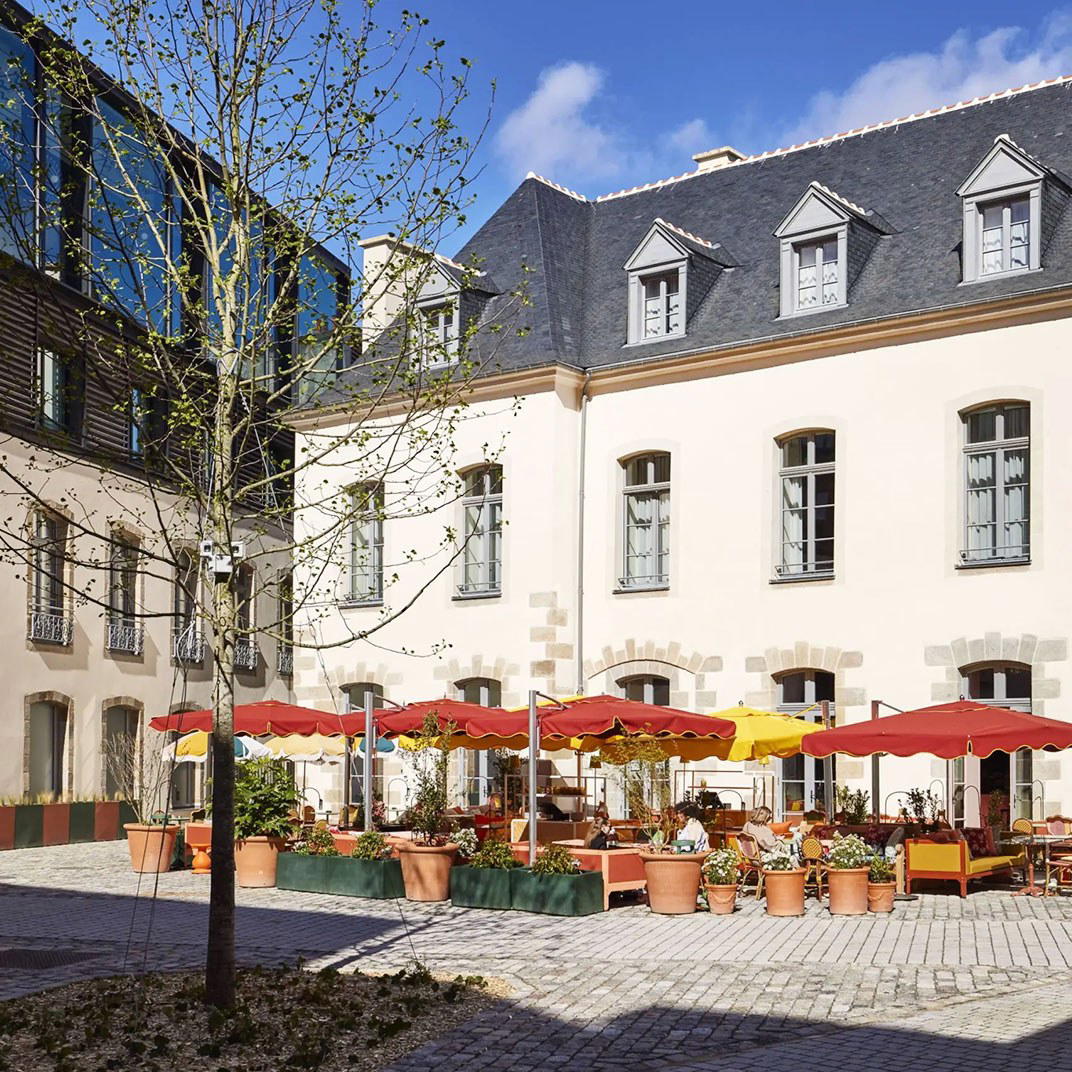
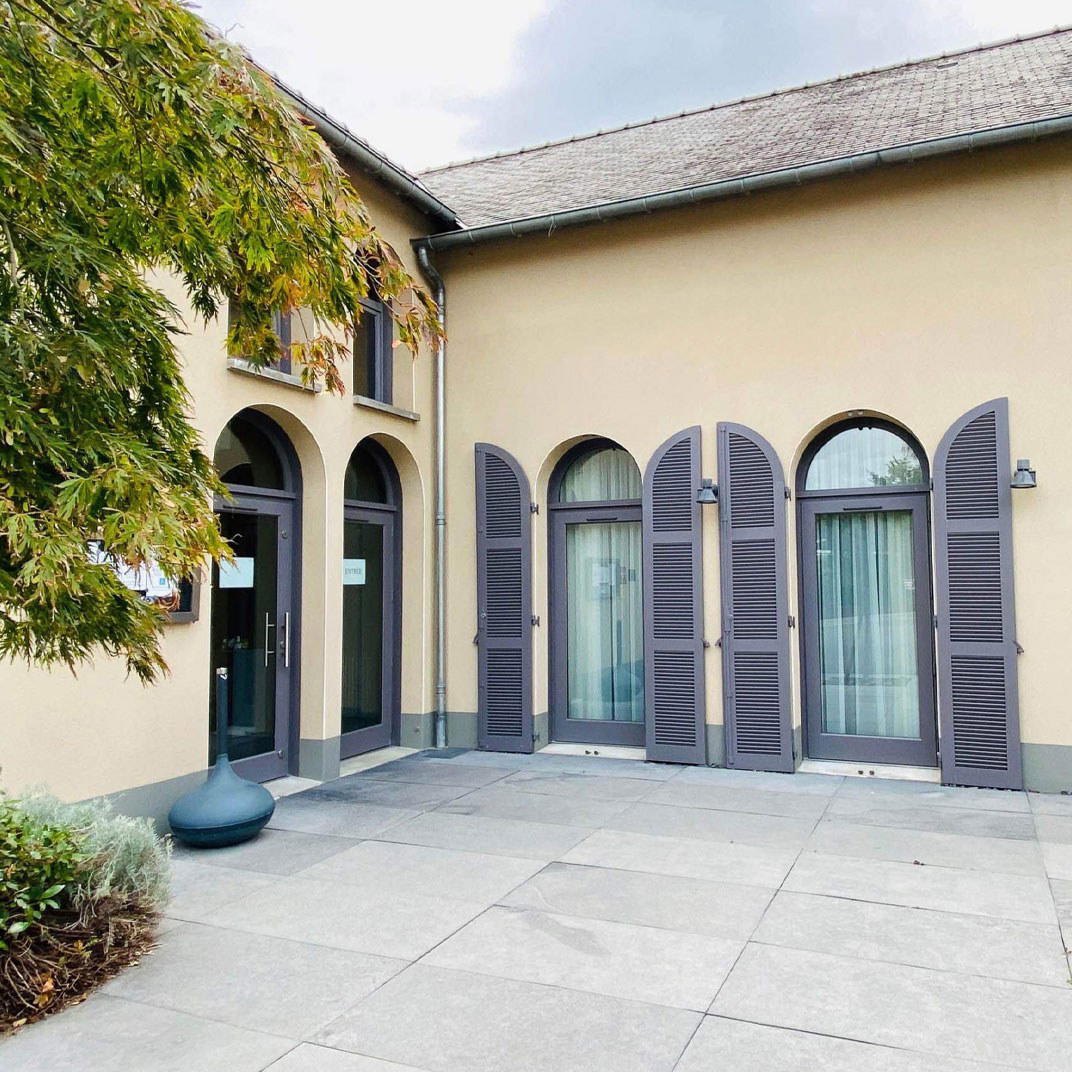
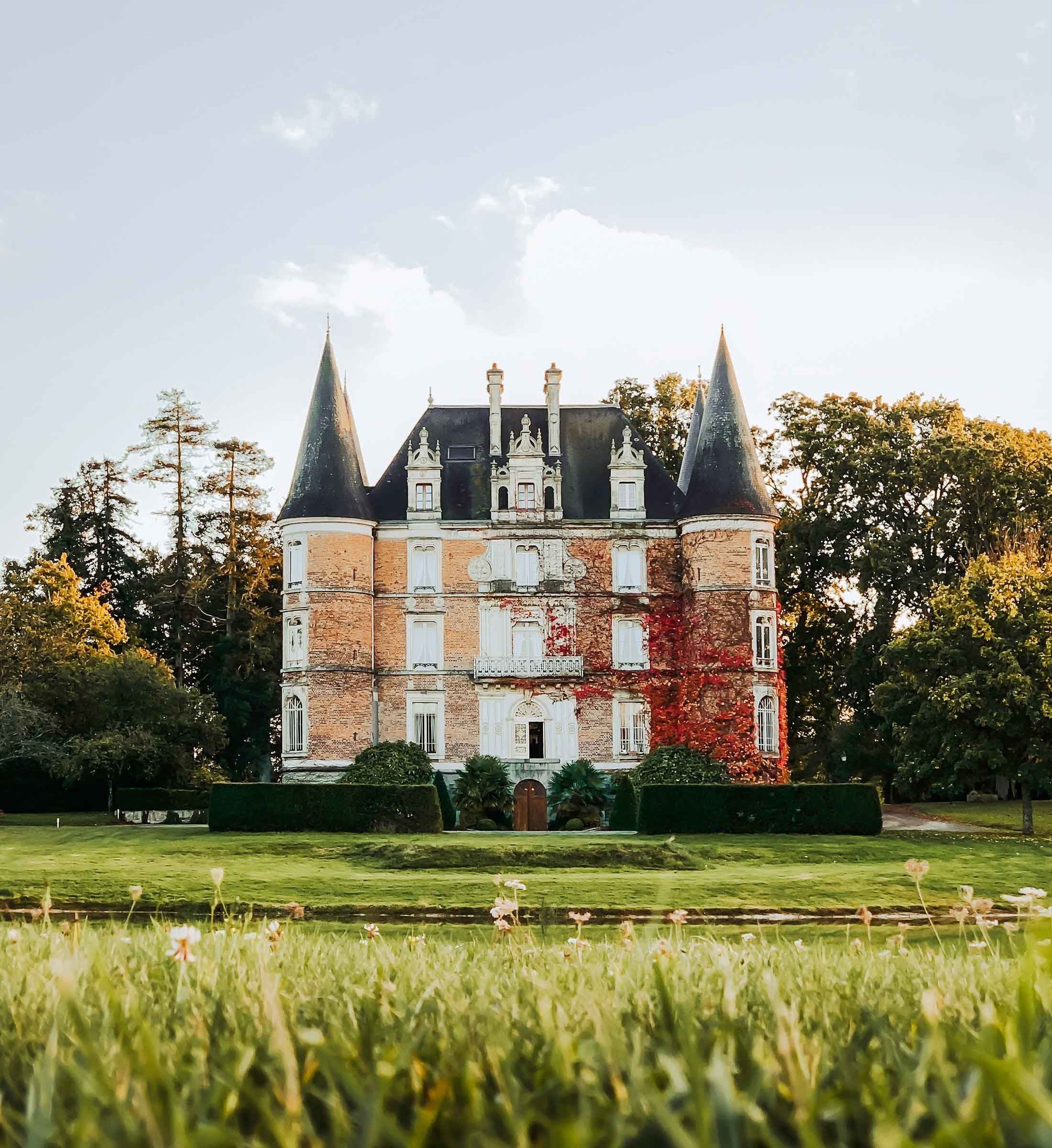
At a Glance
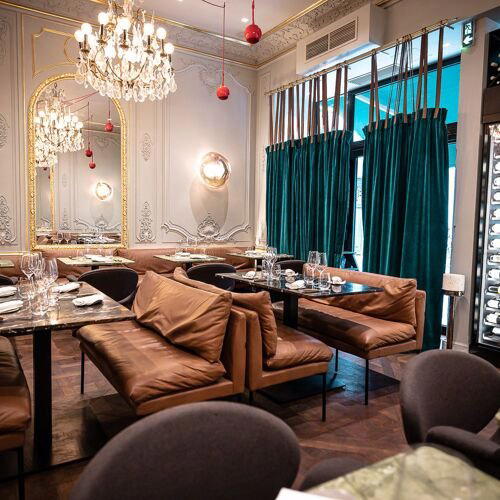
- Cozy
- Classic
- Intimate
- Casual Hangout
- Date Night
- Terrace
- Extensive Wine List
- Waterfront
- Street Scene
Current opening hours
- Monday
- Closed
- Tuesday
- 10 AM–12 AM
- Wednesday
- 10 AM–12 AM
- Thursday
- 10 AM–12 AM
- Friday
- 10 AM–12 AM
- Saturday
- 12:30 PM–12 AM
- Sunday
- Closed
Hours can change for holidays and private events. Last verified .
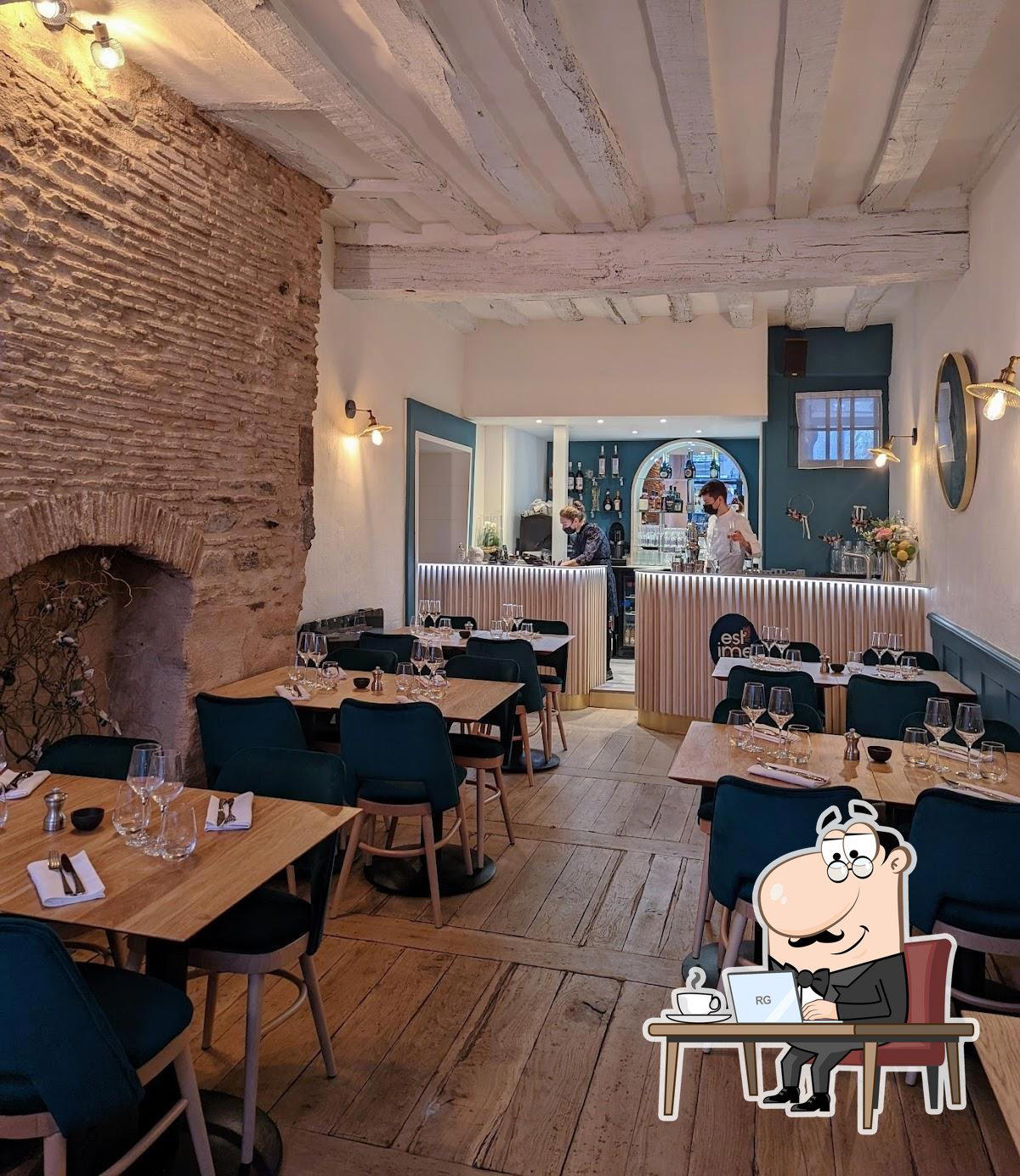
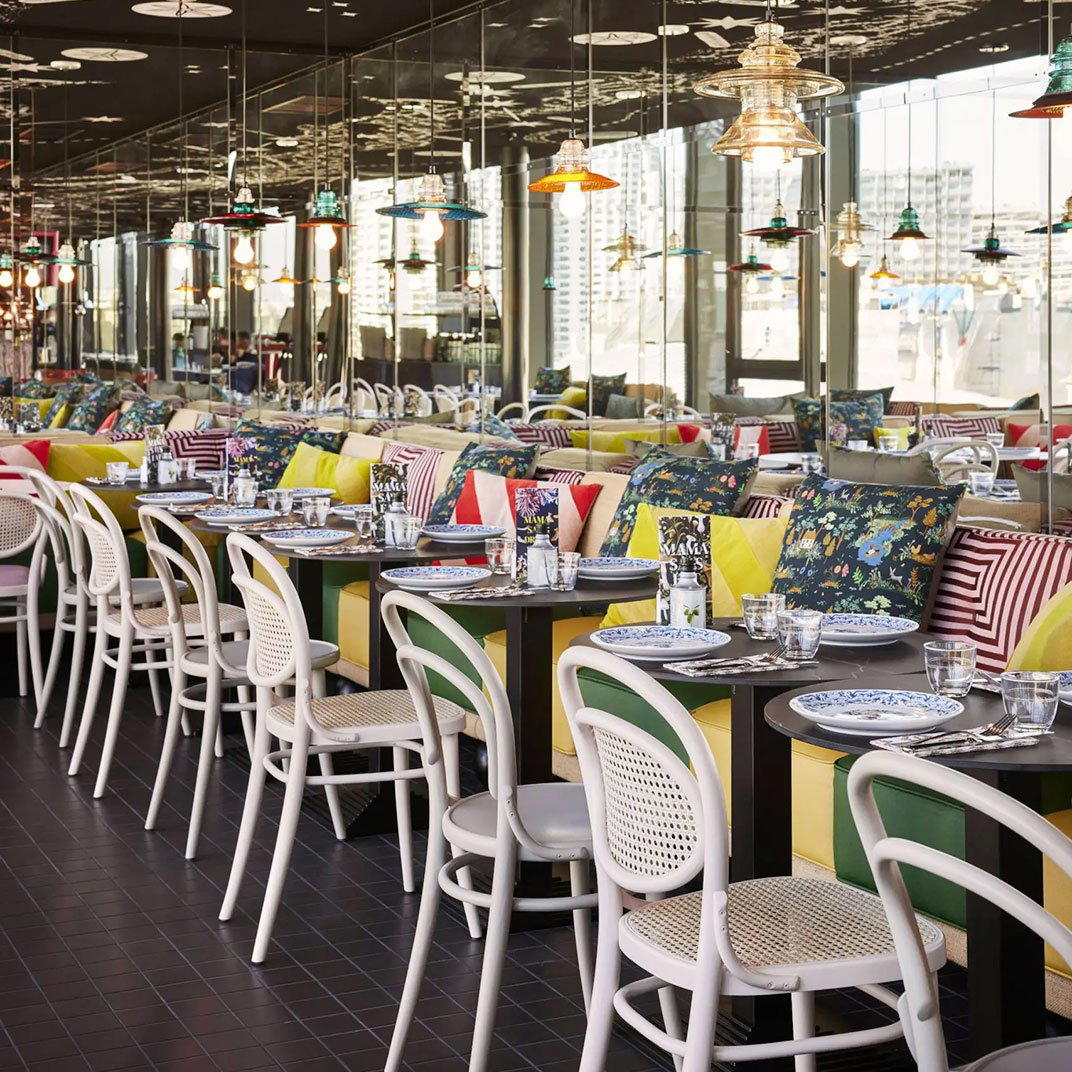
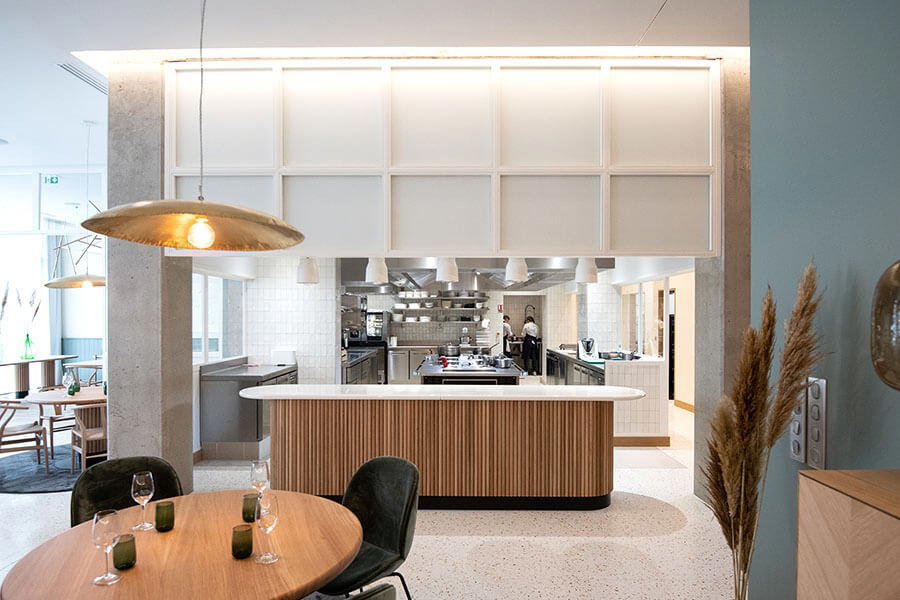
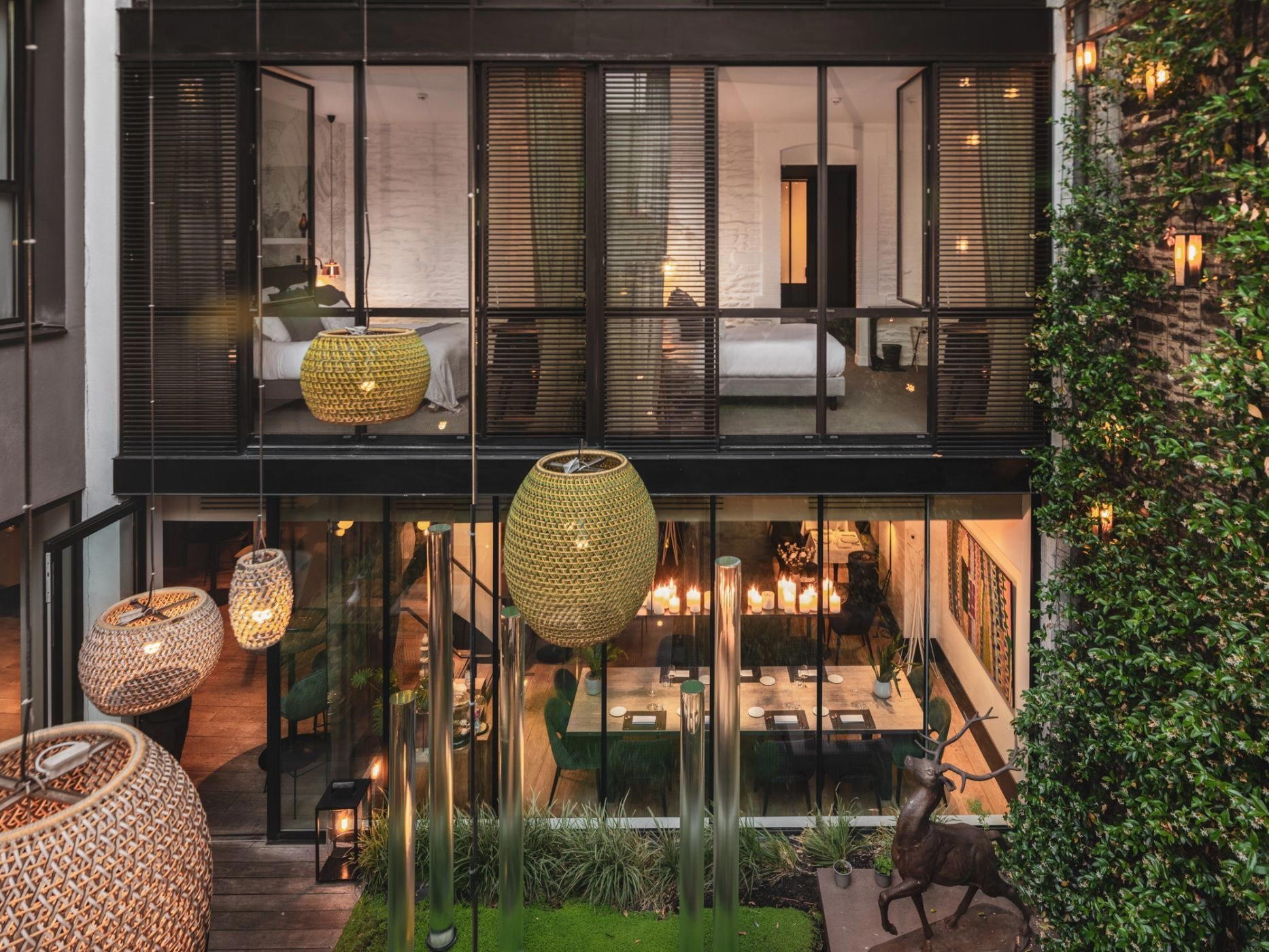
Charming estaminet-style atmosphere with antique decor in an old building by the river.