Le Globe sits on the Boulevard de la Liberté in central Rennes, placing it within easy reach of the city's compact dining quarter. The address alone positions it inside a conversation about where Rennes eats seriously — a city that has quietly built one of Brittany's most considered restaurant scenes over the past decade. For visitors working through that scene, Le Globe is a natural point of reference.
Pearl is the En Primeur Club membership app — saves, bookings, and concierge access live there. Same editors, same standards.
- Address
- 32 Bd de la Liberté, 35000 Rennes, France
- Phone
- +33299794444
- Website
- leglobe-rennes.com
- Directions
- Get directions
 Saves & bookings on Pearl
Rennes and the Question of Where to Eat Seriously
Rennes does not announce itself the way Lyon or Bordeaux does. There are no single emblematic dishes that travel internationally, no celebrity-chef narrative that precedes the city in food media. What exists instead is a dense, mid-sized restaurant culture built on Breton produce — coastal shellfish, buckwheat, cider-country charcuterie — and a dining public that expects the kitchen to do something considered with those materials. Boulevard de la Liberté, where Le Globe is addressed at number 32, sits at the edge of that conversation. The boulevard connects the historic centre to the station district, and the addresses along it tend toward the more polished end of Rennes dining rather than the casual neighbourhood end.
For context: Rennes's most-discussed creative tables, places like Ima (Creative) and Bombance (Modern Cuisine), have pulled the city's reputation upward over the past several years, creating a tier of cooking that competes credibly with comparable-sized French cities. Below that, a mid-range layer of competent, ingredient-focused restaurants holds the everyday market. Le Globe's position on this street suggests it operates somewhere in that architecture, though the specifics of its format, price point, and kitchen output are not publicly documented in a way that allows precise placement.
The Wine Angle: How Cellars Define a Rennes Restaurant
In a city where the kitchen conversation is increasingly driven by produce sourcing and creative restraint, the wine list has become a secondary signal of a restaurant's seriousness. The more considered Rennes tables, Alphonse and Benèze among them, tend to curate lists that lean into natural and low-intervention producers, reflecting a broader shift in how French provincial dining rooms are assembling their cellars. The logic is direct: if the kitchen is sourcing from small Breton farms and coastal fisheries, the wine program should carry a consistent philosophy rather than defaulting to a generic Loire-Bordeaux-Burgundy sweep.
What this means for a venue on Boulevard de la Liberté is that the wine list, if assembled with intention, functions as a credibility marker independent of any award or press mention. A cellar that includes producers from Muscadet's leading small domaines, or that draws on the increasingly serious output from Anjou's natural-wine producers, tells a reader something about the kitchen's frame of reference before a dish arrives. France's greatest wine-forward restaurants, from Auberge de l'Ill in Illhaeusern to Bras in Laguiole, have long understood that the list is an editorial position, not a service function. At the regional level, that principle holds with equal force.
For Le Globe specifically, no wine list details are available in the public record, which makes direct assessment impossible. What can be said is that any serious restaurant at this address, in this city, in 2024, is operating inside a dining culture that has raised its expectations around wine curation. The cellars at comparably positioned French addresses, whether in Rennes or at destinations like Assiette Champenoise in Reims or Au Crocodile in Strasbourg, increasingly reflect a sommelier-led approach rather than a procurement-led one. The distinction matters: one builds a list around what the kitchen is doing, the other around what the distributor is offering.
Brittany's Produce, and What a Kitchen at This Address Is Working With
The supply-side argument for serious cooking in Rennes is not difficult to make. Brittany's coastline produces some of France's most prized shellfish, the oysters from Cancale, the langoustines from the Gulf of Morbihan, the sea bass and turbot that come through the markets at Saint-Malo. Inland, the region's dairy and pork traditions are well-established. The Breton buckwheat galette, codified at places like Breizh Café Rennes, represents one end of how that produce gets treated; the other end is the tasting-menu format that uses the same raw materials with considerably more technical intervention.
A restaurant on Boulevard de la Liberté is well-placed to access that supply chain. The Marché des Lices, one of France's largest weekly markets, operates on Saturday mornings in the historic centre and draws producers from across the Ille-et-Vilaine department. For kitchens that source directly from market stalls rather than through wholesale distribution, this proximity matters. It shapes what appears on a menu from week to week and creates a rhythm of seasonal rotation that more centrally-supplied restaurants cannot easily replicate.
Placing Le Globe in the Rennes Tier Structure
Rennes's restaurant market, mapped by price and ambition, runs from budget crêperies through to creative tasting menus at the leading end. The mid-tier, restaurants that charge more than a neighbourhood bistro but less than a destination experience, is where most of the city's day-to-day serious eating happens. This is the tier where wine lists matter most, because the differential between a considered selection and a generic one is felt clearly at a price point where the diner has made a deliberate choice to spend more than average.
For comparison: Ima operates at the summit of the Rennes creative tier at €€€€, while Breizh Café Rennes anchors the accessible mid-range at €€. The space between those poles is where restaurants distinguish themselves by the precision of their curation, kitchen sourcing, list depth, and service calibration, rather than by format alone. Nationally, the benchmarks for what a serious French restaurant looks like at full stretch remain places like Mirazur in Menton, Flocons de Sel in Megève, or Troisgros in Ouches, restaurants where the wine program is treated as a parallel creative act to the kitchen. Le Globe's position in the Rennes hierarchy is not yet documented in those terms, but the address places it in a neighbourhood where that level of ambition is at least plausible.
For a fuller picture of where the restaurant sits relative to the rest of the city's serious tables, the EP Club Rennes restaurants guide covers the full range of options across price points and formats.
Planning a Visit
The restaurant is addressed at 32 Boulevard de la Liberté, 35000 Rennes, a short walk from the Gare de Rennes, which is served by TGV from Paris Montparnasse in approximately 90 minutes, making it a credible day-trip or overnight destination from the capital. Given the size of Rennes's serious dining market and the typically limited capacity of mid-to-upper-tier French restaurant rooms, advance reservation is advisable regardless of the day of the week.
How Le Globe Rennes compares with similar nearby venues.
| Venue | Cuisine | Price |
|---|---|---|
| Bombance | Modern Cuisine | €€ |
| La Petite Ourse | Farm to table | € |
Continue exploring
More in Rennes
Restaurants in Rennes
Browse all →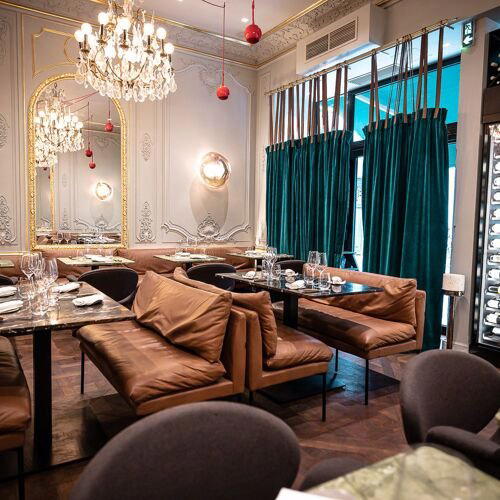
At a Glance
- Classic
- Cozy
- Casual Hangout
- Family
- Historic Building
Current opening hours
- Monday
- Closed
- Tuesday
- 12–2:30 PM
- Wednesday
- 12–2:30 PM, 7–10:30 PM
- Thursday
- 12–2:30 PM, 7–10:30 PM
- Friday
- 12–2:30 PM, 7–10:30 PM
- Saturday
- 12–2:30 PM, 7–10:30 PM
- Sunday
- Closed
Hours can change for holidays and private events. Last verified .
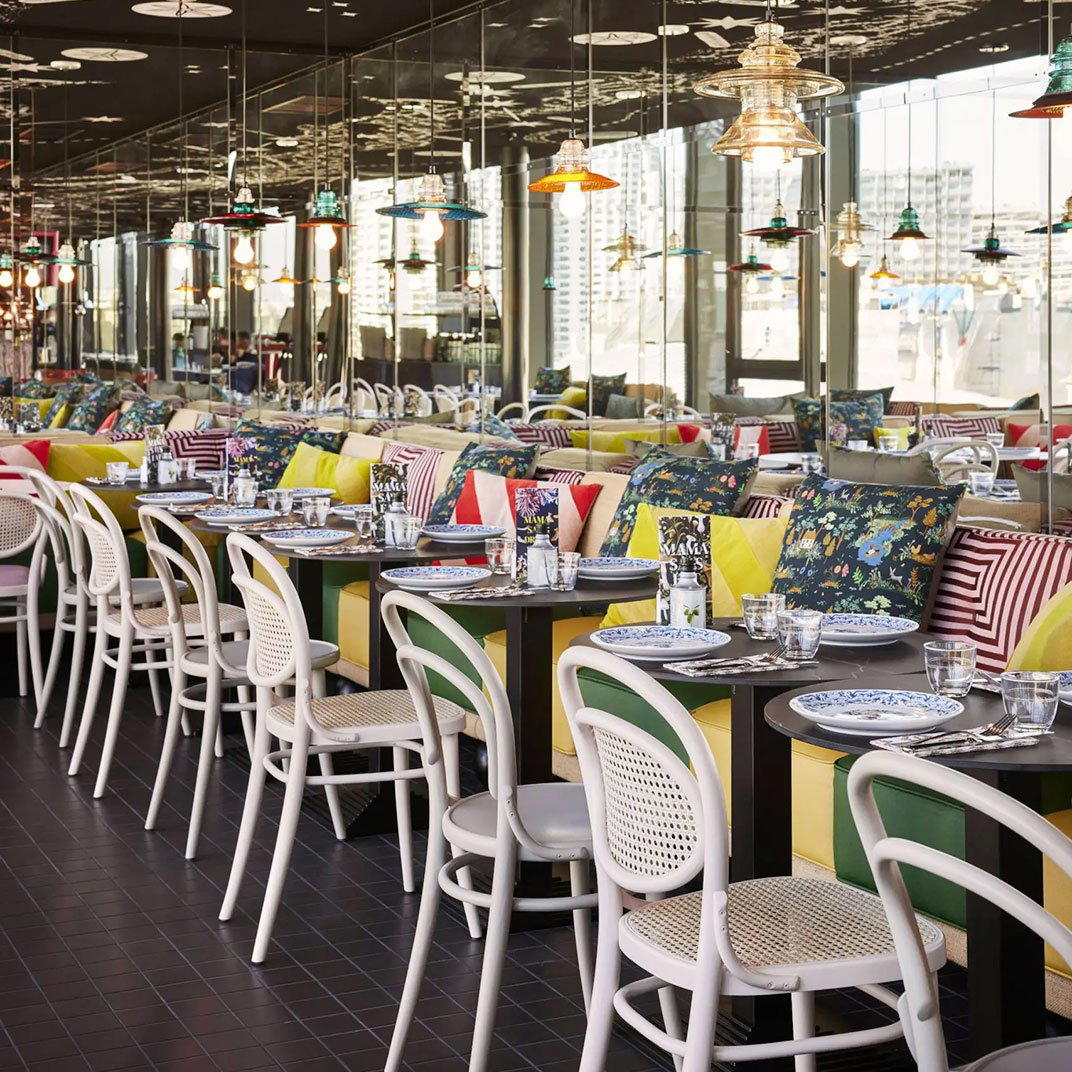
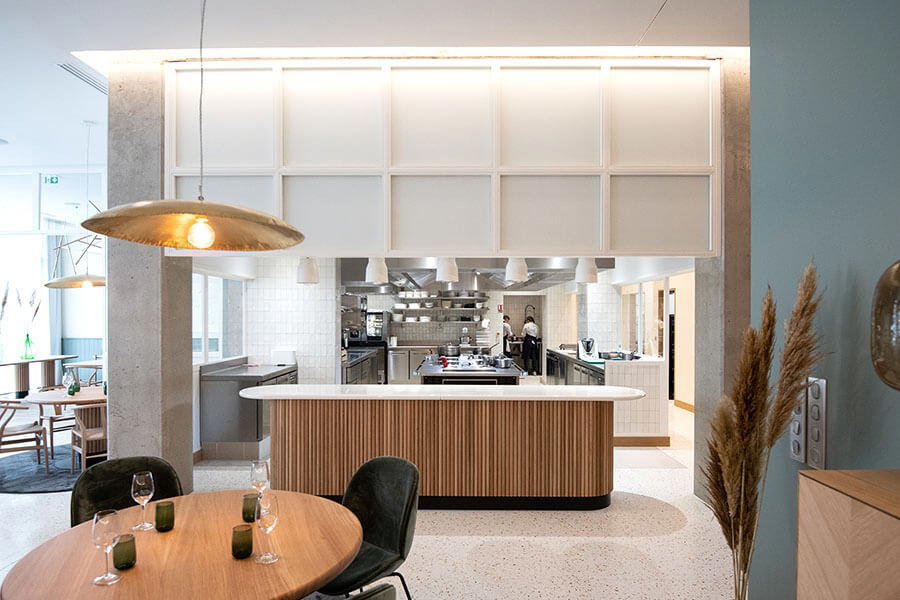
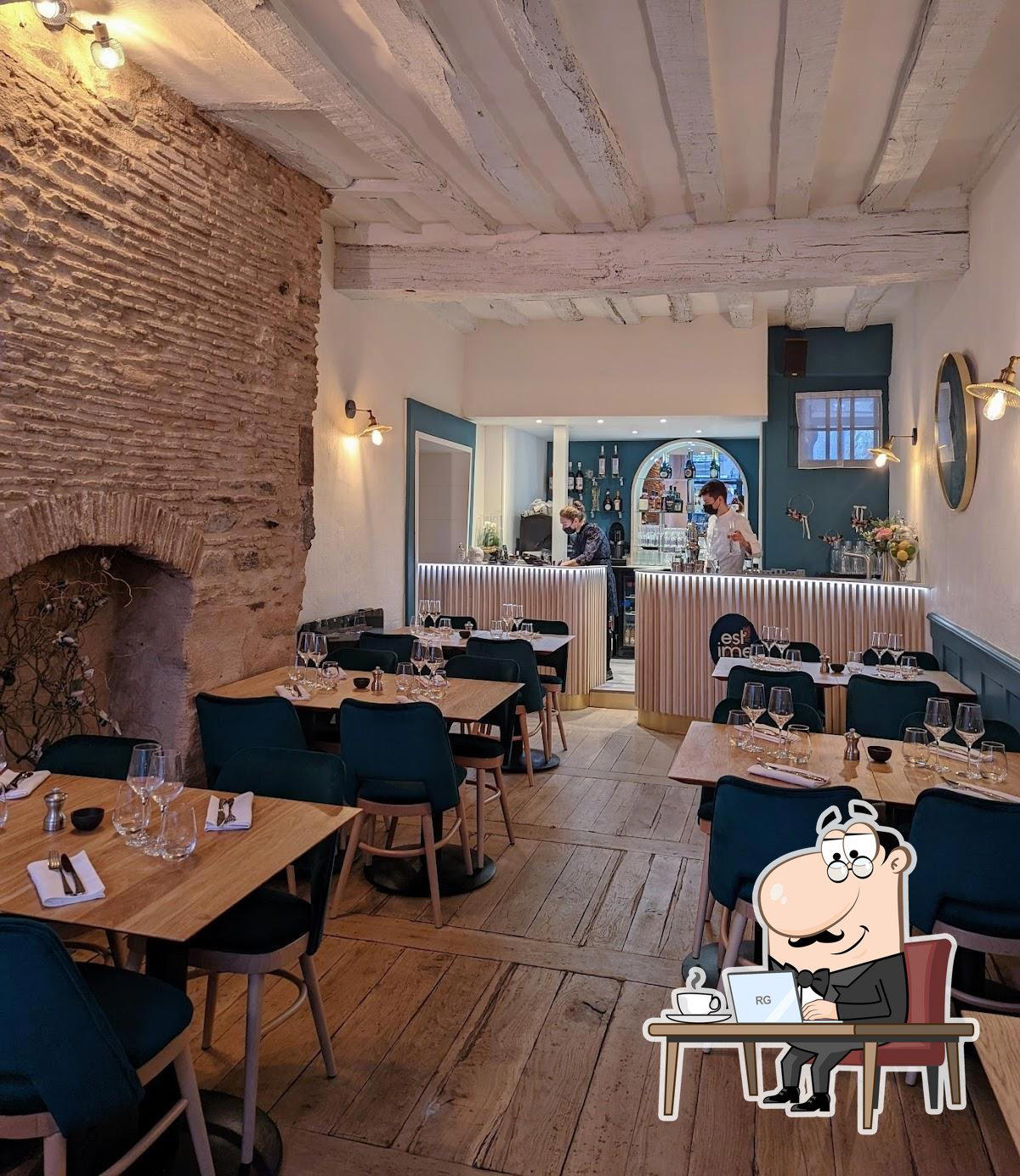
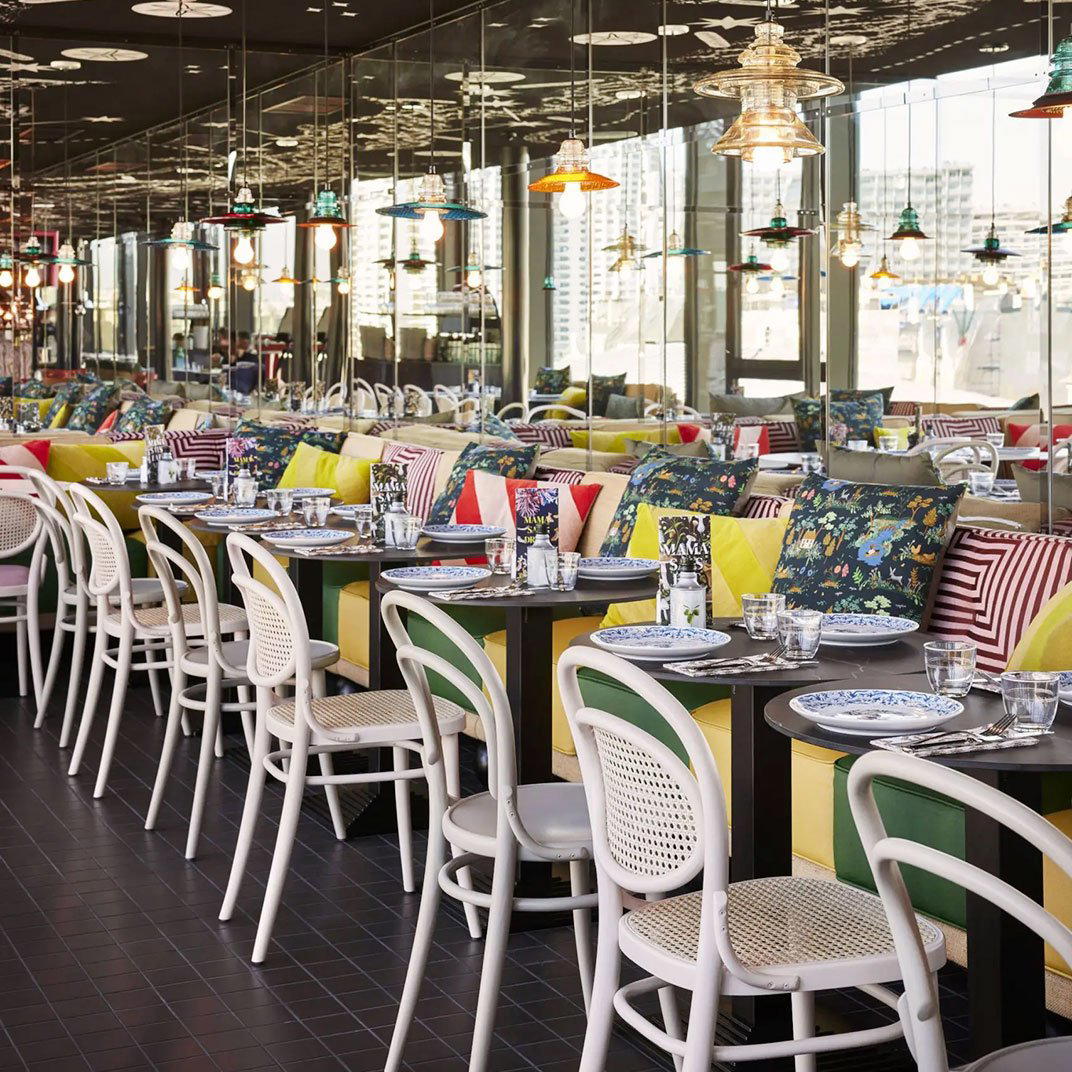
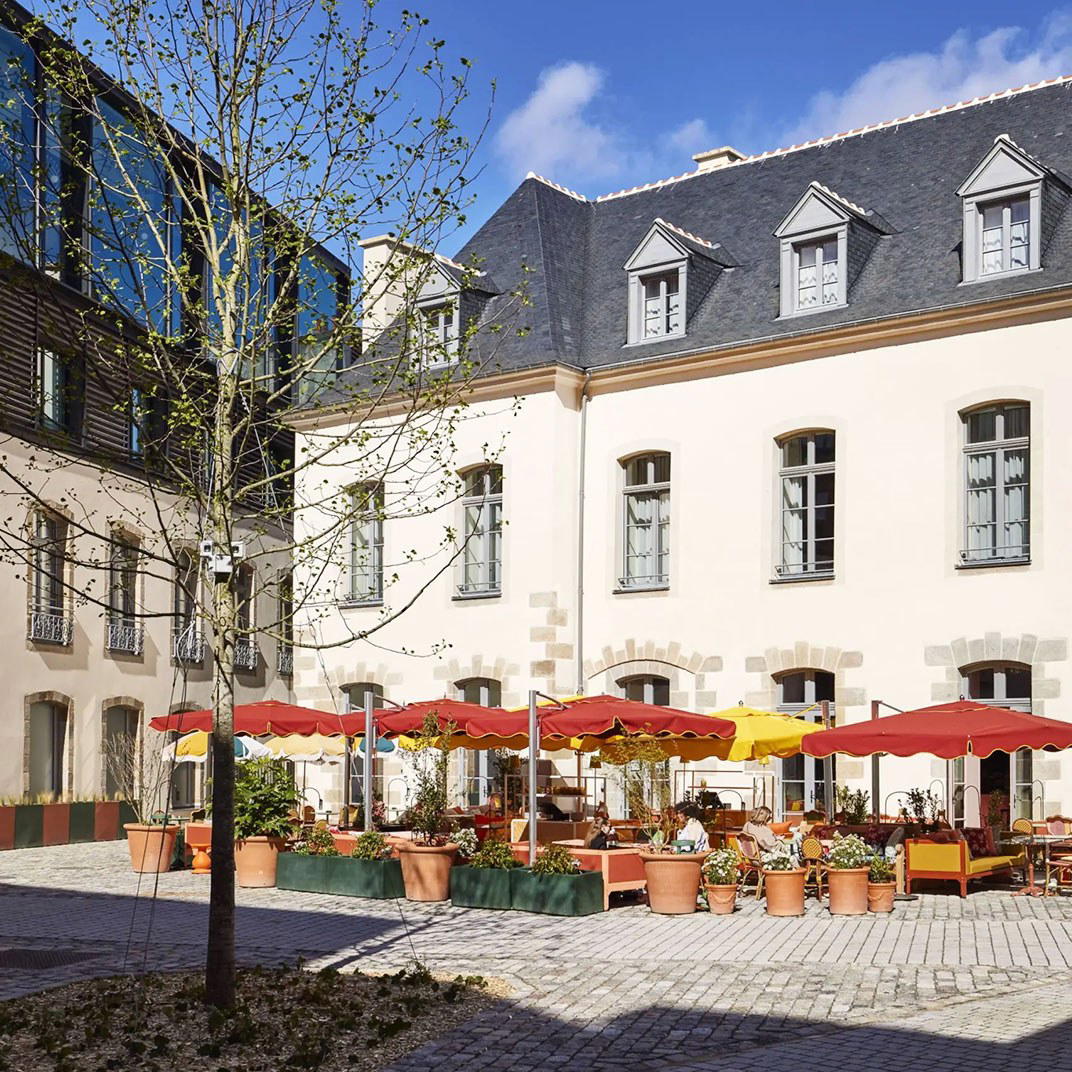
Warm, retro brasserie atmosphere with small tables, tessellated floors, and a timeless, serene vibe.